2027 Most Valuable Computer Science Degree Programs Ranking in Iowa

Co-Founder and Chief Data Scientist
Choosing the right computer science degree program can shape your future in exciting ways. This article introduces the 2027 Most Valuable Computer Science Degree Programs Ranking in Iowa, carefully created by the Research.com team of data scientists.
Designed to help you make an informed choice, this ranking reveals programs that offer the best value for your investment. Exploring these options can open doors to rewarding careers, skill growth, and new opportunities.
Whether you're starting your journey or planning ahead, this guide supports your goals with trusted insights and encouragement.
Key benefits of getting computer science degree in Iowa
- Graduates with a computer science degree in Iowa can earn competitive salaries, such as $138,110 annually for software engineers and developers, and $95,570 for web developers, offering financial stability and rewarding career prospects.
- Career paths are diverse, including roles like software engineer, data analyst, and IT support specialist, giving graduates from universities like the University of Iowa exciting opportunities to work in various industries.
- Online computer science degrees provide flexibility and convenience, enabling students from anywhere in Iowa to balance study with work or family life, as seen in successful graduates from Iowa State University's online programs.
- 2027 Most Valuable Computer Science Degree Programs Ranking in Iowa
- What can I expect from computer science degree in Iowa?
- Where can I work with computer science degree in Iowa?
What can I expect from computer science degree in Iowa?
The average cost of earning a computer science degree in Iowa varies depending on the institution and residency status, but for many students, it ranges between $25,000 and $40,000 in tuition and fees for a four-year program. Graduates from universities like the University of Iowa or Iowa State University often recount how financial aid and scholarships tied to STEM fields significantly eased their financial burden. One graduate described balancing part-time work with internship opportunities offered through their program, which helped not only with income but also practical experience.
Despite these supports, potential students should be mindful that actual expenses may include housing, textbooks, and other living costs, which can differ widely especially in college towns like Ames or Iowa City. Some students find the investment worthwhile given the combination of hands-on learning and strong career prospects within Iowa's growing tech sector. Yet it is prudent to carefully evaluate costs against expected salary gains and potential job market fluctuations in regions such as Des Moines or Cedar Rapids.
Where can I work with computer science degree in Iowa?
Graduates from computer science programs at Iowa State University or the University of Iowa commonly find diverse career paths within the state's expanding tech landscape. Many secure roles in software development or data analysis at firms like Collins Aerospace or Principal Financial Group, where they apply classroom knowledge to real-world aviation systems or financial technology projects. This hands-on experience often leads to a rewarding sense of accomplishment and professional growth.
Healthcare technology is another vibrant area, with opportunities at University of Iowa Hospitals & Clinics focusing on protecting patient data and enhancing electronic health records. Graduates often express satisfaction working in roles that directly contribute to improving healthcare services through secure, innovative software solutions.
Manufacturing giants such as John Deere also provide fertile ground for computer science careers, especially where automation and IoT integration require technical expertise. Meanwhile, graduates drawn to startups in Des Moines or Cedar Rapids appreciate the dynamic atmosphere and broad responsibilities that foster creativity and rapid skill development.
Government roles in cybersecurity and IT further broaden prospects, offering stable employment that supports essential public infrastructure. While opportunities vary, computer science graduates in Iowa can generally expect to engage in meaningful, impactful work across multiple industries.
Graduates with a computer science degree from Iowa institutions such as the University of Iowa or Iowa State University often see starting salaries around $60,000 to $70,000, aligning with entry-level roles like IT Support Specialist, where the mean annual wage is about $63,640. Some graduates reporting from these universities highlight their quick progression into roles like Software Developer or Software Engineer, where salaries rise substantially.
Experienced professionals tend to earn significantly more. For instance, the Bureau of Labor Statistics states that Software Engineers and Developers in Iowa average around $138,110 annually. Data Analysts, another growing role for graduates, have a mean wage near $119,040, reflecting the demand for strong analytical skills in Iowa's expanding tech hubs like Des Moines and Cedar Rapids.
These figures confirm many graduates feel optimistic about their earning potential locally. However, it's important to consider that wages can vary by company size, specific skills, and industry sector. Yet, Iowa's lower cost of living often translates these salaries into a comfortable lifestyle, making these earnings especially attractive for students weighing their career paths within the state.
- The average annual cost for a computer science bachelor's degree at a public university in Iowa is about $9,000 to $10,000 for in-state students, while private schools average around $30,000.
- Iowa's technology sector is growing, especially in Des Moines, Cedar Rapids, and Iowa City, offering job opportunities in software development, finance tech, healthcare IT, and agricultural technology.
- Starting salaries for computer science graduates in Iowa are around $60,000 per year, with mid-career salaries averaging $95,000 or more.
- University programs emphasize both theory and practical experience, including internships and partnerships with local tech companies to support job placement.
- Coursework often includes emerging fields like data science, cybersecurity, and artificial intelligence to prepare students for current and future tech careers.
Completing a computer science degree in Iowa typically takes about four years for full-time students, aligning with the national average. For instance, graduates from the University of Iowa and Iowa State University often follow an eight-semester path, balancing core subjects like programming and mathematics in early years with specialized courses such as algorithms or cybersecurity later on. This consistent structure helps students pace their learning without overwhelming pressure.
However, some find that taking extra credits each semester or attending summer sessions enables them to graduate sooner, offering a sense of accomplishment and relief. Conversely, others embrace internships or co-op programs integrated into their degree plans, sometimes extending their timeline but gaining valuable practical experience that boosts confidence and job prospects.
Graduate students pursuing a Master's degree in Iowa can expect around two years of study, while certificate or associate programs at community colleges may only require one to two years. These options provide flexibility depending on career goals and life circumstances, reflecting how the journey through computer science education in Iowa is not one-size-fits-all but adaptable to individual needs.
A vital aspect often overlooked in academic rankings is the everyday experience that shapes a student’s journey beyond the classroom. In Iowa, many Computer Science programs not only emphasize rigorous curricula and industry-ready skills but also foster vibrant campus communities where innovation and collaboration thrive. Students can expect access to state-of-the-art labs, dedicated study centers, tech clubs, and mentorship programs that provide both academic support and opportunities for personal growth. Campus events, hackathons, and organized tech meetups create a lively atmosphere that helps students build lasting relationships with peers and faculty, further enriching their educational experience. For instance, prospective students keen on balancing affordability with comprehensive student resources might consider exploring opportunities at the cheapest computer science school in iowa, where vibrant campus life aligns with robust academic offerings. Additionally, career services and alumni networks play a significant role in preparing students for the professional world, often translating on-campus involvement into valuable industry connections and hands-on project experiences.
Students pursuing computer science degrees in Iowa often encounter distinct experiences depending on whether they choose online or on-campus programs. Graduates from Iowa State University recall the benefits of face-to-face interactions that fostered immediate feedback during demanding projects in software development. Conversely, graduates of the University of Iowa's online program appreciated the flexibility to balance studies with work and family commitments, accessing lectures anytime without geographical constraints.
Online programs typically excel in offering schedule adaptability and reducing ancillary costs like commuting or housing, which appeals to many adult learners. However, some on-campus students note that access to campus labs and direct collaboration with peers and faculty enriched their understanding of complex topics like computer architecture.
Both formats in Iowa adhere to ABET accreditation, ensuring comparable academic rigor. Nonetheless, choosing between them involves weighing personal learning styles and life circumstances rather than assuming one is superior. For example, a student living in rural Iowa might find online classes indispensable, while another thriving on campus engagement may prefer traditional classrooms.
Prospective students often ask how long it will take for a Computer Science degree in Iowa to pay for itself: on average, graduates recoup their investment within 3 to 5 years based on median starting salaries of $70,000–$80,000 against total tuition costs of roughly $70,000 for in-state programs. By comparing average annual earnings growth with cumulative tuition and living expenses, students can project a 10-year net ROI exceeding 150%, making Iowa’s CS programs highly competitive nationally. For regional context on tuition efficiency, see our Affordable Computer Science Degree Programs Ranking in the South. When evaluating ROI, consider factors such as scholarship packages, assistantships, and work-study opportunities that can lower out-of-pocket costs by up to 30%. Many Iowa institutions also partner with local tech firms to provide paid internships, effectively offsetting 20–40% of tuition through real-world earnings. Finally, mapping career trajectories-such as transitioning from entry-level developer roles to senior or managerial positions-can boost cumulative lifetime earnings by over $500,000 compared to the initial degree investment. This analysis underscores why Iowa remains a top choice for students seeking both affordability and long-term earning potential in Computer Science.
The average cost of a computer science degree in Iowa varies significantly depending on the type of institution and residency status. For in-state students attending public universities such as the University of Iowa or Iowa State University, the median total tuition and fees amount to approximately $18,759, making these options relatively affordable in the Midwest. Graduates often reflect positively on their investment, appreciating the balance of quality education and manageable expenses. However, students opting for private institutions like Grand View University face higher tuition costs, sometimes exceeding $25,000 annually, which can feel daunting but often comes with smaller classes and more personalized support.
Besides tuition, students typically need to budget for additional expenses including books, supplies, technology fees specific to computer science programs, and housing. Campus living expenses might add between $9,000 and $12,000 per year. Community colleges in Iowa provide a cost-effective alternative, with associate degrees costing around $4,000 yearly for in-district students and serving as a stepping stone toward a four-year degree.
Given these variations, it's wise to explore options carefully. Those seeking highly affordable routes often look at the cheapest computer science school in iowa for guidance. The total tuition and fees for CS degree Iowa are generally in line with national medians, but effective financial planning is crucial for managing overall costs and maximizing the value of your computer science education.

Students pursuing a computer science degree in Iowa often rely on a combination of federal, state, and institutional financial aid to make education affordable. For instance, graduates from Iowa State University frequently mention how the Free Application for Federal Student Aid (FAFSA) unlocked access to Pell Grants, which can cover up to $7,395 annually-significantly easing financial pressure. These grants are especially valuable since they do not require repayment, offering a reliable resource for low-income students.
Beyond federal aid, Iowa's state programs such as the Vocational-Technical Tuition Grant provide awards ranging from $500 to $2,500 to residents enrolled in programs like computer science. Additionally, community college students pursuing starting coursework for a computer science degree appreciate Iowa's Last-Dollar Scholarship, which helps cover tuition after federal grants are applied.
Merit- and need-based scholarships from institutions like the University of Iowa help foster diversity and support underrepresented groups in tech, giving students a morale boost along their journey. Many also benefit from employer tuition assistance or co-op programs in Des Moines and Cedar Rapids, enabling them to work with local tech companies and gain practical experience while reducing debt-a key factor as some graduates report balancing Stafford loans to manage average debt near $30,000.
Understanding the return on investment (ROI) of a Computer Science degree in Iowa is essential for making an informed decision. On average, in-state tuition at public universities in Iowa is approximately $17,545 per year, leading to a total undergraduate cost of around $70,180 for a four-year program. When compared to the mean starting salary of $72,000 for entry-level software developers, graduates can expect to recoup their tuition investment in just under two years. Mid-career salaries for experienced professionals often exceed $120,000, significantly amplifying long-term ROI. Key ROI metrics: • Average total tuition (4 years): $70,180 • Mean starting salary (Software Engineer): $72,000 • Payback period: ~1.9 years • Mid-career salary: $120,000+ Investing in specialized credentials, such as the best master degree in data science, can further boost ROI by unlocking higher-paying roles in data engineering or AI research. Graduate assistantships and employer tuition reimbursement programs also reduce net costs, shortening the payback window. To maximize ROI: 1. Leverage scholarships and assistantships to lower upfront expenses. 2. Pursue internships early to secure competitive job offers upon graduation. 3. Consider part-time work or co-op programs to build experience without accruing debt. By actively managing education costs and targeting high-growth specializations, Iowa Computer Science graduates can achieve a strong ROI and accelerate their path to financial stability.
In Iowa, enrolling in a computer science degree generally means meeting clear academic prerequisites, though these can vary across schools like the University of Iowa or Iowa State University. Most graduates recall starting with a solid high school foundation, especially in mathematics courses such as algebra and precalculus. Some were pleasantly surprised that while prior programming experience can help, it isn't always mandatory, allowing many to begin their studies without feeling behind.
Standardized tests like the SAT or ACT remain part of some applications, though an increasing number of Iowa institutions have shifted to test-optional policies, emphasizing GPA and coursework rigor instead. This change often relieves anxiety for prospective students who excel outside traditional exam settings.
Personal statements or essays are common, giving applicants a chance to express genuine passion for technology and problem-solving. Many find this a rewarding way to showcase enthusiasm beyond grades. Letters of recommendation, less often required, can still tip the balance when they reflect an applicant's motivation and perseverance.

Ensuring your computer science program meets rigorous accreditation standards guarantees curriculum quality and broad recognition:
- ABET Accreditation: Confirms program outcomes, faculty expertise, modern lab resources and employer-aligned learning.
- Regional Accreditation: Validates overall institution quality, smooths credit transfer and secures federal financial aid.
- Industry Partnerships: Advisory boards and corporate collaborations keep content current and boost internship pipelines.
Always verify accreditation via each school’s website or the ABET directory. For specialized, accredited alternatives, explore game design degree online.
In Iowa, computer science degree programs typically include foundational courses that balance theory and hands-on practice, shaping students into capable problem solvers. Graduates from universities like the University of Iowa often recall how courses such as Introduction to Programming-covering languages like Python and Java-allowed them to build real projects, making abstract concepts tangible and rewarding.
Core subjects like Data Structures and Algorithms challenge students to organize data efficiently, a skill graduates found directly applicable when optimizing apps or games they developed during internships. Courses on Computer Organization and Architecture give insights into how their laptops work under the hood, while Operating Systems classes explain managing multiple processes-knowledge often cited as essential for understanding everyday tech.
Students also appreciate electives like Artificial Intelligence or Cybersecurity, which reflect industry trends and personal interests. Iowa State University alumni often mention how these options helped tailor their education to evolving tech fields, inspiring confidence as they entered the workforce. However, some caution that while the curriculum is robust, balancing theory with ample practical experience remains vital for success in fast-changing tech careers.
In Iowa, computer science degree specializations reflect both industry demands and technological trends, offering students practical paths to align their ambitions with the state's evolving tech landscape. Graduates from popular universities often recount the value of pursuing software engineering, where hands-on projects with real-world applications bolster skills in coding and project management, preparing them for roles in Iowa's growing technology hubs. Such focus areas exemplify how Iowa computer science program focus areas balance foundational theory with applicable expertise.
Equally significant are programs emphasizing data science and analytics, which resonate with students intrigued by big data's power to influence sectors like healthcare and agriculture. Some graduates highlight how this specialization, available even within online formats, helps them stay competitive-exploring offerings such as the best master degree in data science. Nonetheless, students are encouraged to weigh the appeal of high-demand fields like cybersecurity alongside emerging ones like artificial intelligence, each presenting distinct challenges and opportunities within Iowa's job market for computer science degree specializations Iowa.
Choosing the best computer science degree programs in Iowa requires weighing multiple factors without rushing to a decision based solely on reputation or location. Graduates from Iowa's top universities often highlight how a curriculum blending core subjects like algorithms and software engineering with emerging fields, such as artificial intelligence or cybersecurity, made their learning relevant and exciting. Schools offering hands-on labs or internships in cities like Des Moines help students build practical skills and confidence, easing the transition to the workforce.
Cost is another critical aspect. While some affordable computer science colleges Iowa offer competitive tuition, the overall value depends on scholarship opportunities and long-term career prospects. For example, graduates often share how balancing tuition expenses against potential salaries-reported at median wages over $80,000-helped them make financially sound choices. Exploring resources like career services and technology facilities on campus can also influence satisfaction and success.
It's important to consider accreditation, such as ABET endorsement, which signals program quality. Some students prefer flexible schedules or online options that fit personal circumstances. For those seeking guidance, the Affordable Computer Science Degree Programs Ranking in the South provides valuable insights integrating affordability with program reputation, which can complement local Iowa options.
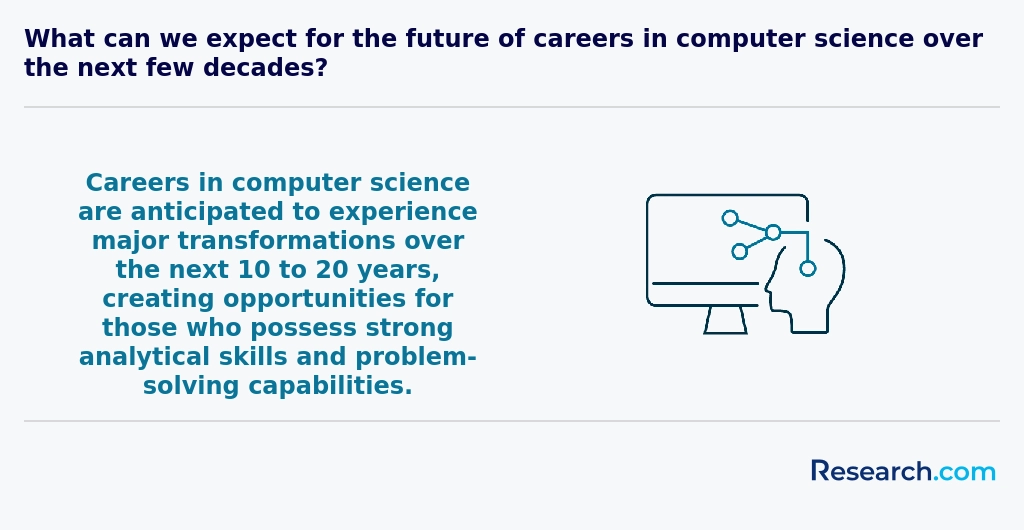
Graduates from Iowa's universities often find their computer science degree opening doors to a variety of career paths closely tied to the state's economic landscape. Many enter software development, crafting applications that benefit industries from manufacturing to healthcare-a dynamic career reflecting the diverse needs of Iowa's workforce. Some graduates describe the rewarding challenge of working for companies like Rockwell Collins, where aerospace technology merges with software innovation.
Alternatively, some choose cybersecurity roles, driven by a growing awareness of digital threats in Iowa's expanding tech sector. Others transition into data analysis, especially relevant in agricultural tech, where interpreting large datasets can directly improve crop yields or supply chain efficiency. These examples demonstrate the breadth of top tech jobs for Iowa computer science graduates, which span from technical development to strategic advisory positions within local enterprises.
Students at popular Iowa institutions often leverage strong employer connections and hands-on internships to gain practical experience, emphasizing the importance of real-world skills alongside academics. For those considering quicker entry into the workforce, exploring the best 6 month associate degree options available in Iowa can be a strategic step towards relevant career paths.
The computer science job market in Iowa offers a pragmatic yet optimistic environment for graduates, especially those from well-known institutions like the University of Iowa and Iowa State University. Many graduates find themselves working with established employers such as John Deere or Principal Financial Group, gaining hands-on experience in software development, cybersecurity, and data engineering. This real-world exposure often fuels positive emotions like confidence and excitement about future opportunities, as these companies actively seek roles requiring up-to-date technical skills.
While the Iowa tech industry employment outlook is not as expansive as coastal hubs, it is marked by steady demand and competitive salaries, averaging around $90,000 annually. Students frequently mention the benefit of internships in metro areas like Des Moines, where tech startups also contribute to expanding career options. For those exploring alternatives, Iowa's relatively affordable education costs allow graduates to pursue advanced training or fast certificate programs that pay well, enhancing their job prospects without excessive financial burden.
2027 Most Valuable Computer Science Degree Programs Ranking in Iowa
Investing in your education is a significant decision that can shape your future, and the Research.com team understands the importance of making informed choices. To assist prospective students in Iowa, we have meticulously developed the "2027 Most Valuable Computer Science Degree Programs Ranking in Iowa." Our commitment to quality, credibility, and accuracy is demonstrated through the thorough research and analysis conducted to compile this ranking.
We utilized the following reputable data sources to ensure a comprehensive evaluation of computer science programs:
By exploring this ranking, readers will gain valuable insights into the most valuable computer science degree programs available in Iowa, empowering them to make well-informed decisions about their educational journeys. For more information on how the ranking was created, please visit our Research.com methodology page.


Frequently Asked Questions About computer science
Computer science students in Iowa can maximize their learning by engaging with local tech communities and university resources. Joining student organizations such as the Association for Computing Machinery (ACM) chapters at Iowa universities offers valuable networking and hands-on opportunities. Participating in internships is crucial; according to the Iowa Workforce Development, internships improve job placement rates by up to 20% for tech majors in the state.
Additionally, leveraging state-led initiatives like the Iowa Startup Accelerator programs can give students practical insights. Many Iowa universities also provide access to research projects and modern labs, which help deepen theoretical and applied knowledge. Consistent coding practice and collaborative projects enhance problem-solving skills vital for success in the field.
Within Iowa's computer science field, emerging niches reflect national trends toward innovation and specialized expertise. Areas such as artificial intelligence (AI), cybersecurity, and data science are growing rapidly. According to the Iowa Department of Workforce Development, demand for cybersecurity specialists in Iowa is expected to increase by 12% through 2030, driven by rising data protection needs across industries.
In addition, AI is gaining traction in sectors like agriculture and manufacturing, two pillars of Iowa's economy. Universities such as Iowa State emphasize machine learning and AI research, preparing students for these future roles.
Another niche is cloud computing, supporting Iowa's expanding tech infrastructure. Professionals skilled in managing cloud environments find strong job prospects. Overall, students aiming for computer science degrees in Iowa benefit from focusing on these specialized and high-growth fields.
Graduates with a computer science degree in Iowa should focus on developing both technical and soft skills to enhance employability. Iowa's tech sector is growing, with cities like Des Moines and Cedar Rapids becoming hubs for IT jobs, according to the Iowa Workforce Development.
Internships and cooperative education programs offered by Iowa universities provide valuable hands-on experience, increasing the chance of job placement. Additionally, learning programming languages such as Python, Java, and SQL is essential as these remain in high demand locally and nationally.
Networking through events like the Iowa Technology Association's conferences can connect graduates with employers and industry leaders. Finally, obtaining relevant certifications, such as AWS or Cisco, can further boost a resume in the competitive Iowa job market.
Employers in Iowa highly value computer science graduates who demonstrate strong programming skills, especially in languages like Python, Java, and C++. According to the Iowa Workforce Development reports, proficiency in software development and data analysis ranks among the top requirements. Problem-solving abilities and critical thinking are essential, as many Iowa tech companies focus on innovative solutions.
Communication skills also play a significant role, as graduates often work in interdisciplinary teams. Familiarity with cloud computing and cybersecurity is increasingly sought after due to Iowa's growing tech infrastructure. Additionally, knowledge of machine learning and artificial intelligence can provide job candidates a competitive advantage in this evolving job market.
Finding internships in Iowa related to a computer science degree involves leveraging both university resources and local industry connections. Many Iowa colleges, such as the University of Iowa and Iowa State University, offer dedicated career centers that list internship opportunities specifically in computer science fields. Students should also explore partnerships these institutions have with Iowa's tech companies and startups, especially in cities like Des Moines and Cedar Rapids, which have growing tech sectors.
Internships are often posted on platforms like Handshake, which partners with numerous Iowa schools, providing tailored listings. Additionally, statewide programs such as IowaWORKS support job seekers with internship placement services.
The Iowa Department of Labor reports that computer and mathematical occupations in the state are projected to grow by 11% from 2020 to 2030, highlighting increasing demand for internships and entry-level roles.
A computer science degree in Iowa significantly enhances career mobility and advancement opportunities within the state's growing tech sector. Iowa hosts a number of industries, including finance, healthcare, and manufacturing, that increasingly rely on skilled computing professionals. According to the Iowa Workforce Development, employment for computer and information technology occupations is projected to grow by over 15% through 2030, outpacing many other fields.
Graduates with computer science degrees often find themselves well-positioned for roles such as software developers, data analysts, and cybersecurity experts, jobs that typically offer strong salary growth potential. Earning a degree also provides access to Iowa's tech hubs, notably in Des Moines and Cedar Rapids, where many companies prioritize candidates with formal education and practical skills.
Moreover, holding a computer science degree creates pathways to leadership and specialized roles. Professionals can leverage this credential to transition into project management, systems architecture, or advanced research and development positions, which demand deeper technical knowledge combined with strategic understanding. This degree thus acts as a vital credential for those pursuing both lateral and upward career movements in Iowa's evolving technology landscape.
Studying for a computer science degree in Iowa equips students with skills that extend beyond traditional programming and software development. Programs often emphasize collaboration with disciplines such as engineering, business, healthcare, and agriculture, reflecting Iowa's diverse economic sectors. According to the Iowa Board of Regents, universities like the University of Iowa and Iowa State University offer courses designed to integrate computing with other fields, fostering interdisciplinary problem-solving.
The curriculum commonly includes data analytics, machine learning, and cybersecurity paired with domain-specific applications. This approach prepares graduates to work effectively in teams and adapt to roles requiring both technical and sector knowledge.
A 2023 report from the Iowa Department of Workforce Development highlights that over 40% of computer science jobs in the state involve cross-functional responsibilities, increasing the demand for graduates versed in multiple disciplines.
Choosing between a thesis and a non-thesis computer science degree program in Iowa depends on your career goals and learning preferences. Thesis programs often appeal to students interested in research or planning to pursue a PhD. They involve conducting original research and writing a substantial thesis, which can be beneficial if you want to work in academic or R&D roles.
Non-thesis options emphasize coursework and practical skills, allowing students to complete their degree more quickly. This path suits those aiming for industry positions or professional certifications. According to the Iowa Board of Regents, thesis programs typically require at least 6 credit hours of research, while non-thesis tracks require more elective courses.
The University of Iowa and Iowa State University offer both options, each with specific requirements. Consider also your funding options and faculty availability for research supervision when deciding.
Students in Iowa pursuing computer science degrees have multiple opportunities to study abroad through exchange programs and international partnerships offered by universities in the state. Institutions like the University of Iowa and Iowa State University provide study-abroad options in countries with strong tech industries, such as Germany, Canada, and Singapore. These programs often allow credit transfer, helping students maintain progress toward their degree while gaining global experience.
According to recent data from the Institute of International Education, nearly 12% of Iowa college students participate in study abroad, many in STEM fields. This exposure can enhance technical skills and cultural understanding, valuable in the competitive computer science job market.
Part-time jobs in Iowa can significantly enhance the computer science education experience by offering practical skills and industry exposure. Students often find opportunities as IT support assistants or help desk technicians at local businesses and universities. According to the Iowa Workforce Development, tech-related part-time jobs in the state have grown by 7% annually, reflecting strong demand.
Internships and freelance web development projects are also popular among computer science students, providing hands-on coding and project management experience. Companies in cities like Des Moines and Cedar Rapids frequently seek part-time assistants for software testing and data entry roles.
Engaging in these roles helps students build resumes and develop professional networks, which are crucial for career growth in Iowa's expanding tech industry.
Computer science students in Iowa benefit from numerous networking opportunities supported by the state's strong tech community and academic institutions. Universities such as the University of Iowa and Iowa State University host career fairs and tech expos that attract local and national employers from fields like software development and cybersecurity.
Professional organizations like the Iowa Technology Council offer student memberships and events, fostering connections with industry leaders. Additionally, Iowa's growing tech scene, especially in Des Moines and Cedar Rapids, provides internships and meetups beneficial for real-world experience.
According to the Iowa Department of Workforce Development, over 7,000 technology jobs are projected in Iowa by 2025, highlighting demand for computer science graduates and potential employer engagement.
Alumni networks offer significant advantages to computer science students in Iowa by providing valuable professional connections. Graduates from Iowa's top institutions, such as the University of Iowa and Iowa State University, often engage in these networks, which can increase internship and job opportunities. According to the National Association of Colleges and Employers, 85% of jobs are filled through networking, highlighting the importance of such networks.
These networks also facilitate mentorship, with experienced alumni guiding current students on industry trends like artificial intelligence and cybersecurity, areas rapidly growing in Iowa's tech sector. Furthermore, alumni connections can lead to collaborative research and startup ventures, strengthening students' practical experience and career prospects.
Many universities in Iowa offer flexible computer science degree programs that allow students to tailor their studies to specific career goals. Students can choose from concentrations such as cybersecurity, data science, software engineering, or artificial intelligence. For example, the University of Iowa and Iowa State University provide electives and project options to develop expertise in these areas.
Additionally, hands-on internship opportunities with Iowa's growing tech sector can enhance real-world skills. According to the Iowa Workforce Development, the state added over 1,000 tech jobs annually from 2019 to 2023, making industry experience crucial.
Some programs also permit interdisciplinary minors or dual degrees, useful for fields like business analytics or bioinformatics. Customizing your curriculum helps align your education with local job market demands and your long-term goals.
Computer science students in Iowa often encounter challenges related to the rapidly evolving technology landscape. Keeping pace with new programming languages, software development tools, and emerging technologies requires continuous learning beyond standard coursework. According to the Iowa Department of Education, limited access to specialized faculty expertise in rural areas can impact hands-on learning opportunities.
Additionally, internships and job placements remain competitive due to Iowa's smaller tech industry compared to coastal hubs. However, organizations such as the Iowa Technology Association work to increase employer connections for students. Financial constraints and balancing studies with part-time work also pose common difficulties, particularly for first-generation college students in Iowa public universities.
Finally, many students report challenges adapting to rigorous math and algorithm-heavy classes, which are critical for success in this field, as highlighted by the National Science Foundation's data on STEM education trends.
A computer science degree in Iowa opens the door to various professional certifications that can enhance your career prospects. Many graduates pursue certifications such as the Certified Information Systems Security Professional (CISSP), offered by (ISC)², known nationally for cybersecurity expertise. Another popular option is the AWS Certified Solutions Architect, ideal for those focusing on cloud computing.
Locally, Iowa's tech sector emphasizes skills in data analytics and cybersecurity, making certifications like CompTIA Security+ and Certified Data Professional (CDP) especially valuable. According to the Iowa Workforce Development, demand for IT certifications has increased by 12% over the past five years.
Obtaining such certifications demonstrates advanced skills beyond a degree and can lead to higher salaries and better job opportunities within Iowa's evolving technology landscape.
Applying for a computer science program in Iowa requires a clear, focused approach. Start by maintaining a strong academic record, particularly in math and science courses. Many Iowa universities, including the University of Iowa and Iowa State University, value high GPAs and relevant coursework when reviewing applications.
Next, craft a compelling personal statement that highlights your passion for technology and problem-solving. Mention any programming experience or projects, as these demonstrate practical skills sought by admissions committees. According to the National Center for Education Statistics, in 2022 Iowa awarded over 1,200 computer science degrees, reflecting growing demand.
Obtain strong recommendation letters from teachers or professionals who know your abilities well. Additionally, consider standardized test scores if applicable, though many Iowa colleges have test-optional policies since 2020. Following these guidelines improves your chance of acceptance into competitive computer science programs.
Computer science careers in Iowa align with a global demand for technology professionals, reflecting trends seen throughout the United States. According to the U.S. Bureau of Labor Statistics, the field is expected to grow 15% from 2021 to 2031, faster than average for all occupations. Iowa benefits from this growth, with its technology sector expanding in cities like Des Moines and Cedar Rapids. Graduates with computer science degrees often find opportunities in software development, cybersecurity, and data analysis, roles increasingly vital worldwide.
Globally, computer science skills are highly portable, allowing graduates to work remotely or in international markets. U.S. higher education, including Iowa's universities, is recognized globally for its rigorous standards and research output, creating competitive advantages for students. Furthermore, Iowa schools emphasize practical experience through internships and partnerships with tech companies, providing students opportunities unavailable in many countries.
Gaining practical experience while studying for a computer science degree in Iowa is essential for student success. Many Iowa universities, such as the University of Iowa and Iowa State University, offer internship programs that connect students with tech companies in cities like Des Moines and Cedar Rapids. According to the Iowa Workforce Development, the demand for software developers in the state is projected to grow 15% from 2022 to 2032, highlighting ample internship opportunities.
Additionally, students can participate in cooperative education (co-op) programs, which combine classroom learning with paid work experience. Campus hackathons and coding competitions also provide hands-on projects to build portfolios. Joining local technology groups or university research labs can further enhance skills and professional networks.
Choosing the right concentration within a computer science degree program in Iowa involves aligning your interests with local industry demands. Iowa universities typically offer concentrations such as software engineering, data science, cybersecurity, and artificial intelligence. According to the Iowa Workforce Development, fields like data analytics and cybersecurity are growing rapidly, with job openings increasing by over 15% from 2020 to 2023.
Consider your career goals and research local employers in Iowa's tech hubs like Des Moines and Cedar Rapids. Internships and co-op programs available through Iowa State University and the University of Iowa provide valuable insights into specialized areas. Additionally, evaluating faculty expertise and available research facilities can help you select a concentration suited to your strengths and future prospects.
- 2027 Most Valuable Computer Science Degree Programs Ranking in Minnesota
- 2027 Most Valuable Computer Science Degree Programs Ranking in Illinois
- 2027 Most Valuable Computer Science Degree Programs Ranking in Kentucky
- 2027 Most Valuable Computer Science Degree Programs Ranking in Arkansas
- 2027 Most Valuable Computer Science Degree Programs Ranking in Tennessee
- 2027 Most Valuable Computer Science Degree Programs Ranking in Colorado
- 2027 Most Valuable Computer Science Degree Programs Ranking in Alabama
- 2027 Most Valuable Computer Science Degree Programs Ranking in Georgia
- 2027 Most Valuable Computer Science Degree Programs Ranking in Texas
- 2027 Most Valuable Computer Science Degree Programs Ranking in Florida
See What Experts Have To Say About Studying Computer Science
Read our interview with Computer Science experts

Martin Kang
Computer Science Expert
Assistant Professor
Loyola Marymount University

Kathleen M. Carley
Computer Science Expert
Professor of Computer Science
Carnegie Mellon University

Elan Barenholtz
Computer Science Expert
Associate Professor
Florida Atlantic University

Derek Riley
Computer Science Expert
Professor, Program Director
Milwaukee School of Engineering

- Best Online Computer Science Bachelor's Degrees of 2025 https://www.computerscience.org/degrees/bachelors/online/
- Best Computer Science Degree Programs in Iowa, 2026 Rankings https://hakia.com/degrees/computer-science/iowa/
- Computer Science Cover Letter: How to Show You're a Top Tech Candidate https://arc.dev/talent-blog/computer-science-cover-letter/
- What certifications should I get for computer science? | edX https://www.edx.org/resources/certifications-computer-science
- 5 Challenges Faced by Computer Science Students and How to Overcome Them https://informatika.almaata.ac.id/5-challenges-faced-by-computer-science-students/
- Study Computer Science Abroad | Go Overseas https://www.gooverseas.com/study-abroad/computer-science
- Fields of Work in Computer Science: Top IT Careers | Walbrook https://www.walbrook.ac.uk/subjects/computer-science/computer-science-fields-of-work-career-in-it/
- Computer Science graduates from the University of Iowa face tough job market https://www.kcrg.com/2025/05/19/future-engineers-graduate-university-iowa-some-are-struggling-find-jobs/
- Computer Science Instruction https://educate.iowa.gov/pk-12/standards/instruction/computer-science
- The Future of Work: The Importance of Computer Science Skills | Gisma https://www.gisma.com/blog/the-future-of-work-the-importance-of-computer-science-skills