
2027 Fastest Online Bachelor's in Computer Science Degree Programs Ranking in the Northeast

Co-Founder and Chief Data Scientist
Choosing the right online bachelor's degree in computer science can feel overwhelming, especially with so many options available in the Northeast. To help, this article presents the 2027 Fastest Online Bachelor's in Computer Science Degree Programs Ranking in the Northeast, created by the Research.com team of data scientists.
By exploring this ranking, you'll discover programs that can accelerate your education and career. Earning a computer science degree opens doors to exciting opportunities and growth in a booming field, making your investment truly worthwhile.
Key benefits of getting online computer science degree in the Northeast
- Graduates with a computer science degree in the Northeast can expect strong salaries, such as a Software Engineer earning about $138,110 annually and a Web Developer earning $95,570, highlighting great financial opportunities.
- Career paths are diverse, including roles like Software Developer, Data Analyst, and IT Support Specialist, offering exciting options to build your future in tech after studying at institutions like Boston University.
- Completing your degree online, for example through Northeastern University's online programs, offers flexible scheduling and the ability to balance work and study, making education more accessible and convenient compared to traditional formats.
- 2027 Fastest Online Bachelor's in Computer Science Degree Programs Ranking in the Northeast
- What can I expect from online computer science degree in the Northeast?
- Where can I work with online computer science degree in the Northeast?
What can I expect from online computer science degree in the Northeast?
Online computer science degrees in the Northeast typically range in cost depending on whether you choose a public or private institution. Public universities often offer more affordable tuition, especially if you qualify for in-state rates. Some schools extend these rates to online students statewide, creating significant savings. For instance, graduates from well-known public universities have shared how managing tuition alongside part-time work was achievable due to these policies.
Private colleges in the region, while more expensive, frequently provide scholarships and financial aid explicitly for STEM students. This support helped many graduates reduce their overall cost by thousands of dollars. A common strategy is to apply early for these opportunities and reach out to financial aid offices to explore less-known grants or fellowships.
Because many programs offer accelerated formats with eight-week courses or year-round enrollment, students can finish faster and lower their total tuition spent. A graduate from a popular Boston-based university recounted how this flexibility allowed completion in under three years, cutting costs and speeding entry into the job market.
In summary, expect tuition costs to vary roughly between $15,000 and $45,000 for a full online computer science degree in the Northeast, with smart use of financial aid and program structure influencing the final amount paid.
Where can I work with online computer science degree in the Northeast?
With an online computer science degree in the Northeast, you can find vibrant employment opportunities across technology, finance, and healthcare sectors. Graduates from universities like Northeastern and Boston University often land roles as software developers or cybersecurity analysts in Boston's bustling tech scene, where startups and established firms are actively hiring. This hands-on experience prepares them for Massachusetts' expected 15% growth in software jobs through 2030.
In New York City, graduates frequently join Wall Street firms or fintech companies, applying programming and systems analysis skills to innovate in financial technology. Those interested in healthcare technology contribute to developing electronic health records or health informatics solutions, making a real difference in patient care across the region.
Many graduates highlight how involvement with research projects at institutions such as Carnegie Mellon's regional partners enhances their resumes, opening doors to academic or government lab positions. Being part of these thriving research hubs gives graduates confidence knowing their skills are in demand and valued.
For those looking to make an impact locally or beyond, opportunities abound in nonprofit tech roles and public sector technology jobs, reflecting the Northeast's dynamic and diverse market.
Graduates with an online computer science degree in the Northeast can expect strong earnings starting around $63,640 annually for IT Support Specialist roles, making entry into tech accessible and promising. Those moving quickly into Software Developer or Software Engineer positions often see mean annual wages near $138,110, reflecting the region's robust tech ecosystem.
Many alumni from Northeastern schools report that early-career salaries range between $65,000 and $80,000, especially in tech hubs like Boston or New York City, where the demand and cost of living drive salaries higher. For example, a graduate building software solutions in a Boston-based fintech startup might start closer to $80,000 while gaining valuable experience.
Data Analyst roles in the Northeast offer around $119,040 annually, appealing to graduates mastering statistics and machine learning skills. Meanwhile, Web Developers earn about $95,570 on average, providing flexible opportunities in design and front-end development.
Graduates who specialize in high-demand areas often see salary increases as they hone technical skills, making an online degree from prominent institutions a practical investment with tangible financial rewards.
- Online computer science degrees in the Northeast often cost between $30,000 and $60,000 for the entire program.
- Many programs are accredited by recognized bodies like ABET, ensuring quality education aligned with industry standards.
- Starting salaries for graduates typically range from $70,000 to $85,000 per year, with higher wages in cities like New York, Boston, and Philadelphia.
- The job market is expected to grow by around 12% in the next decade, driven by demand in areas such as cybersecurity, data science, and software engineering.
- Internships and co-op options are commonly available, helping students gain experience and network within local tech communities.
Completing an online computer science degree in the Northeast usually takes about two to four years, depending on your course load and prior credits. For instance, graduates from well-known schools like Northeastern University or University of Massachusetts often finish in four years if they enroll full-time. However, taking advantage of accelerated programs available at many Northeast institutions can help you graduate in as little as two to three years by allowing year-round coursework and heavier semesters.
Part-time study is a popular choice for working professionals in the region. Graduates who balance work and school typically take longer-sometimes beyond four years-but report feeling less overwhelmed and more capable of managing their careers alongside their studies.
Many students reduce their time by transferring credits from community colleges in states like Massachusetts or New York, thanks to established credit transfer agreements. This strategy can save you up to a year, making your path faster and more affordable.
Online and on-campus computer science degrees in the Northeast differ mainly in delivery and daily experience. On-campus students at schools like Northeastern University attend live lectures, collaborate in labs, and connect face-to-face with professors and peers, which builds a strong community and immediate support network. Graduates often recall how hands-on projects and casual hallway discussions sparked ideas and job leads.
In contrast, online students at the University of Massachusetts enjoy greater schedule flexibility, accessing recorded lectures anytime. This suits working professionals balancing personal commitments, allowing study around their unique routines. These students appreciate self-paced learning but emphasize the need for strong discipline to stay on track.
Cost is another factor: online options often reduce expenses by eliminating commuting and housing fees, with some programs charging around $15,000 total tuition. While online learners may miss spontaneous campus interactions, universities compensate with virtual forums and career services, helping students build networks in tech hubs like Boston and New York City.
The average cost of an online computer science degree in the Northeast typically revolves around $38,000 total tuition, making it a significant but manageable investment. Graduates from well-known universities like Northeastern University and the University of Massachusetts often recall balancing the tuition fees with flexible financial aid options offered by these institutions. For many, this balance is what makes pursuing an online bachelor's in computer science tuition fees northeast achievable without overwhelming debt.
While public universities charge between $350 and $600 per credit for in-state students, private institutions often range higher, sometimes up to $1,200 per credit. These rates are tempered by scholarship opportunities and payment plans designed to ease financial pressure. Beyond tuition, students should budget for additional expenses such as technology fees and textbooks, which can add a few thousand dollars over the course of the degree.
Many students find success by researching specific program costs and leveraging employer tuition reimbursement or scholarships. Institutions in the Northeast also frequently provide support resources to help students manage their investment in education. For those considering faster degree completion, examining an accelerated associates program could yield both time and cost benefits, making degree attainment more accessible and rewarding.

Students pursuing an online computer science degree in the Northeast can tap into multiple financial aid sources to ease tuition costs, which for in-state public universities average around $11,000 annually. Completing the FAFSA is the first essential step, unlocking access to federal Pell Grants that offer up to $7,395 yearly without repayment, a relief many graduates from institutions like the University of Massachusetts or Rutgers have appreciated.
Federal loans with fixed interest rates also provide flexible repayment options, offering peace of mind during and after studies. Many Northeast colleges, including schools in New York and Massachusetts, provide targeted scholarships for online computer science students, especially women and minorities. Students have found these institutional awards encouraging, supporting their academic goals while reducing financial stress.
State grants, such as those in New Jersey and Pennsylvania, further lower costs when attending approved in-state programs. Working tech professionals enrolling online often discover employer tuition reimbursement programs that directly lighten their financial burden, a benefit one recent graduate used to confidently complete her degree while employed.
Finally, scholarships and fellowships from organizations like the Computing Research Association help advanced learners prepare for thriving careers in technology, rewarding proactive students who apply early.
To enroll in an online computer science degree program in the Northeast, you typically need a high school diploma or GED as a fundamental starting point. Graduates from well-known institutions often highlight that strong math skills, particularly in algebra and sometimes precalculus, are essential to keep up with coursework. Official transcripts proving math proficiency are commonly requested, reflecting how much problem-solving and logic rely on those skills.
Some universities, especially in the Northeast, may ask for SAT or ACT scores, but many have adopted test-optional policies for online applicants, easing the admission process. Those transferring credits from previous colleges should prepare to submit transcripts to shorten their degree timeline and reduce tuition.
Having reliable technology at home is non-negotiable. Students from colleges like Northeastern or Boston University emphasize how having a good computer and steady internet makes coursework more manageable and enjoyable. Basic familiarity with programming languages like Python is a plus, though beginner courses are available for those starting fresh.

Online computer science degree programs in the Northeast often include core courses like programming fundamentals, data structures, and algorithms. Graduates from institutions such as Northeastern University or Rutgers share that mastering languages like Python, Java, or C++ early on builds confidence when tackling real-world tech problems.
Students typically study computer architecture and operating systems, which helps them understand how software runs on hardware-critical for careers in system design or cybersecurity. One graduate recalled how assignments simulating network security setups made abstract concepts tangible, boosting engagement and comprehension.
Courses in databases and software engineering are common, teaching practical skills like organizing data and managing software projects using industry standards. Electives in artificial intelligence, machine learning, or web development allow students to specialize according to their career goals, reflecting fast-growing market demands across Boston and New York's tech sectors.
Mathematics such as discrete math, calculus, and linear algebra anchor these programs. Students frequently report that strong math skills clarify algorithm design, making problem-solving more approachable and rewarding in both coursework and internships.
Online computer science degree concentration options Northeast typically include specializations such as cybersecurity, data science, software engineering, and artificial intelligence. Graduates from Northeastern University and New Jersey Institute of Technology often praise the cybersecurity track for its focus on real-world skills like ethical hacking and network defense, which prepare them for rapidly growing job markets. Similarly, data science specializations offer hands-on experience in machine learning and big data-key areas for sectors like healthcare and finance prevalent in the Northeast. Many students find these programs help them secure competitive roles with impressive salaries. Software engineering paths emphasize practical software design and project management, essential for working within the region's technology startups. Those pursuing artificial intelligence benefit from advanced courses on neural networks and robotics, especially with proximity to innovation hubs like Boston's Kendall Square. Prospective students can explore flexible and affordable degree options by checking out programs ranked as the quickest cheapest masters degree in the field.
Accreditation is the first step to consider when choosing the best online computer science degrees Northeast. Graduates from well-known institutions in the region frequently highlight how accreditation from agencies like MSCHE or NECHE assured their employers of the program's rigor and quality. Beyond credentials, the curriculum must be comprehensive, covering algorithms, data structures, and emerging areas such as AI and machine learning, which are crucial for competitive careers. Many students appreciated how programs at popular Northeast colleges blend theory with practical projects, helping them develop skills employers seek.
Cost is a significant factor for those seeking affordable online CS programs Northeast. Graduates often mention how online formats reduce expenses related to commuting and housing. They recommend factoring in tuition plus fees and tech costs, and exploring available financial aid. Flexibility is crucial; many alumni praise asynchronous classes and year-round availability, which accommodated their busy schedules while supporting successful degree completion.
Reputation and employment outcomes heavily influenced choices. Graduates emphasized programs that foster local employer connections, enhancing job prospects amid a 15% regional growth in tech jobs. Additionally, user-friendly digital platforms increased their engagement and satisfaction. For those aiming to maximize career returns, it helps to review data on salary and job placement, such as those found when researching highest paying bachelor degrees.
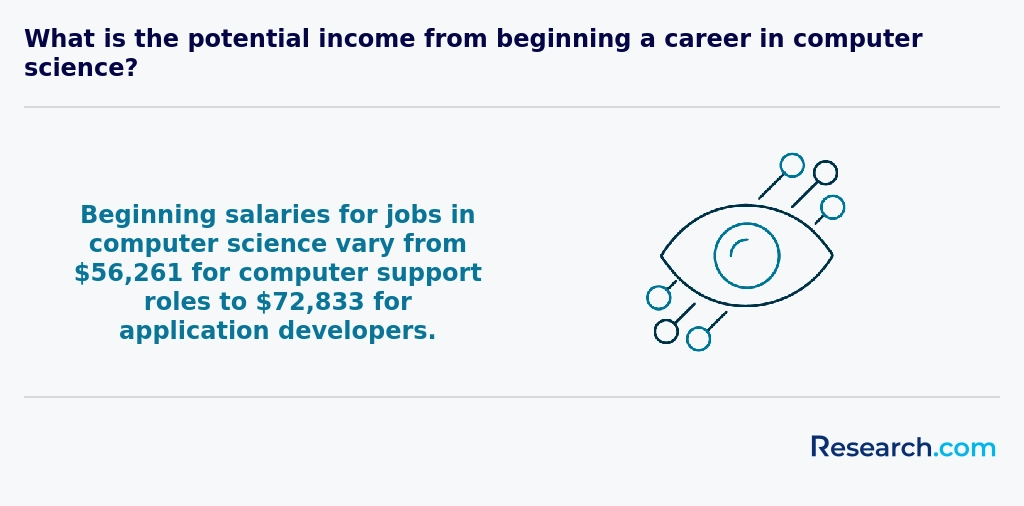
Graduates pursuing online computer science careers in the Northeast have access to diverse and high-demand roles. Many find rewarding positions in software development, data science, cybersecurity, and IT support, thanks to the region's robust tech industry and major hubs like Boston and New York. Graduates from well-known universities in this region often describe their transition into roles developing innovative applications or protecting enterprise-level networks as inspiring and motivating.
For example, alumni from leading colleges report thriving in data analytics roles where they translate complex information into actionable insights that influence business decisions. Others are drawn to cybersecurity, where they safeguard critical financial and healthcare systems, a sector experiencing rapid growth. These diverse opportunities reflect the rich computer science job opportunities Northeast region employers offer, fueling optimism among recent graduates.
Understanding these paths helps students focus their studies strategically. Many seek advice on the most lucrative college majors to align their skills with market demand and ensure a fulfilling career.
The job market for online computer science degree graduates in the Northeast remains highly active and rewarding. Graduates from popular schools like Boston University or New York University often find themselves quickly hired in roles such as software development, cybersecurity analysis, and IT project management within top firms and startups. The competitive landscape in cities like Boston and New York offers salaries frequently exceeding $110,000 annually, reflecting both the demand and the high cost of living.
Many graduates report that the technical skills acquired online, including programming languages and artificial intelligence, directly prepare them for these career opportunities. Institutions in the Northeast emphasize practical learning, enabling students to confidently enter thriving sectors such as data science and systems administration. This aligns well with the strong computer science career opportunities Northeast region employers consistently seek.
To maximize these prospects, students should consider affordable online programs from regional universities, balancing tuition costs, typically between $10,000 and $50,000, with flexibility. Exploring resources like the highest paying master degrees can also help inform career planning and salary expectations.
2027 Fastest Online Bachelor's in Computer Science Degree Programs Ranking in the Northeast
Investing in your education is a significant decision that can shape your future, and the Research.com team understands the importance of making informed choices. To assist prospective students in the Northeast, we have meticulously crafted the "2027 Fastest Online Bachelor's in Computer Science Degree Programs Ranking in the Northeast." Our commitment to quality, credibility, and accuracy is reflected in the extensive research and analysis conducted to compile this ranking.
We utilized the following reputable data sources to ensure a comprehensive evaluation of programs:
By exploring this ranking, readers will gain valuable insights into the fastest online bachelor's degree options in computer science available in the Northeast, helping them make informed decisions about their educational paths. For more details on our methodology, please visit our Research.com methodology page.

# 2 position
Thomas Edison State University
Bachelor of Computer Science Technology


Frequently Asked Questions About computer science
Online computer science degree students in the Northeast can maximize their learning by actively engaging with course materials and participating in virtual study groups. Research from the National Center for Education Statistics shows that interactive learning improves retention, which is critical for complex subjects like computer science.
Students should also seek internships or co-op opportunities within Northeast tech hubs such as Boston or New York City to gain practical experience. Many universities in the region have partnerships with local companies, offering valuable career networking.
Utilizing university resources like online tutoring, career services, and faculty office hours can further enhance understanding and professional growth.
The computer science field continues to evolve rapidly, especially within the Northeast, a hub for technology innovation. Emerging niches include artificial intelligence (AI) and machine learning, which are driving advancements in industries from healthcare to finance. Cybersecurity remains critical as data breaches increase nationwide, prompting demand for experts who can protect information systems.
Data science and big data analytics also stand out, with businesses seeking professionals who can interpret vast datasets to guide decision-making. Additionally, quantum computing is gaining traction in research institutions like MIT and Harvard, signaling future opportunities. According to the National Center for Education Statistics, enrollment in these specialized areas is growing steadily in the region.
After completing an online computer science degree in the Northeast, graduates should focus on building practical skills to succeed in the competitive job market. Many employers in this region seek candidates proficient in programming languages like Python, Java, and C++, alongside experience with cloud technologies and cybersecurity.
Networking plays a crucial role; joining local tech meetups or online forums related to Northeastern tech hubs such as Boston and New York can open job opportunities. According to the U.S. Bureau of Labor Statistics, computer and information technology jobs in these areas are expected to grow faster than average through 2030.
Internships, even post-graduation, can provide valuable hands-on experience. Graduates should also engage with career services offered by their institutions, which often have connections with regional employers and can assist with resume building and interview preparation.
Employers in the Northeast prioritize both technical and soft skills in computer science graduates. Core technical skills include proficiency in programming languages such as Python, Java, and C++, which remain essential across many industries. Additionally, knowledge of data structures, algorithms, and software development practices is highly valued. A 2023 report from the National Association of Colleges and Employers notes that 78% of technology employers in the region specifically seek graduates with experience in cloud computing and cybersecurity.
Beyond technical abilities, communication and problem-solving skills rank highly. Employers emphasize teamwork and adaptability in dynamic tech environments, reflecting trends in Boston and New York City's growing tech sectors.
Finding internships in the Northeast related to a computer science degree requires a strategic approach. Start by exploring university career centers, which often have partnerships with local tech firms in hubs like Boston, New York City, and Philadelphia. These centers provide tailored internship listings and resume support.
Online job platforms such as Handshake and LinkedIn are also valuable resources. According to the National Association of Colleges and Employers, over 60% of computer science graduates in the Northeast secured internships through these sites in 2023.
Networking is crucial-attend virtual tech meetups and conferences in the region. Local chapters of organizations like ACM and IEEE often post internship opportunities specifically for computer science students.
In the Northeast, earning an online computer science degree can significantly enhance career mobility and advancement opportunities. The region hosts many technology hubs, including Boston and New York City, where demand for skilled IT professionals continues to grow. According to the U.S. Bureau of Labor Statistics, computer and information technology jobs are projected to grow 15% nationally from 2021 to 2031, faster than average.
Online degrees offer flexibility for working professionals to upskill without relocating. Employers in the Northeast increasingly recognize accredited online degrees, especially from well-known institutions, aiding in promotions and career shifts.
Additionally, gaining expertise in cybersecurity, data science, or software development online can open doors to high-paying roles, with median annual wages sometimes exceeding $100,000, per Emsi economic data.
Studying for a computer science degree in the Northeast offers unique advantages for students aiming at interdisciplinary roles. Many universities in this region integrate computer science curricula with fields like biology, business, and engineering, reflecting the area's diverse economy. For example, programs often include courses in data analysis, artificial intelligence, and cybersecurity applicable across industries.
The Northeast hosts numerous tech hubs, such as Boston and New York City, enabling students to collaborate on projects that blend computing with healthcare, finance, or education. According to the National Science Foundation, over 30% of STEM jobs in the Northeast require cross-disciplinary skills.
This regional approach equips graduates with versatile skills, preparing them for careers that cross traditional boundaries.
Choosing between a thesis and a non-thesis computer science degree program depends on your career goals and learning preferences. Thesis programs typically emphasize research, ideal for students aiming for graduate school or roles in development and innovation. Non-thesis tracks focus more on practical skills and coursework, preparing students for immediate employment.
In the Northeast, many reputable online programs offer both options. According to data from the National Center for Education Statistics, nearly 40% of computer science graduates in this region complete non-thesis degrees, reflecting strong job market demand.
Consider your interest in conducting original research and whether you prefer project-based learning or a more traditional curriculum before deciding.
Students based in the Northeast interested in studying computer science abroad have limited direct options through US institutions, as online degrees primarily focus on domestic delivery. However, many universities in the region offer study-abroad partnerships or exchange programs to global tech hubs. For example, some Northeast colleges affiliated with the Institute of International Education arrange summer coding boot camps or tech-focused semesters in Europe or Asia. According to the National Center for Education Statistics, fewer than 10% of US computer science students participate in study-abroad programs, reflecting logistical challenges. Still, virtual global collaborations embedded in online courses can offer international exposure without travel.
Part-time job opportunities in the Northeast that complement online computer science degree education are abundant, particularly in tech hubs like Boston and New York City. Roles such as software development intern, IT support specialist, and data analyst allow students to apply classroom knowledge to real-world projects. According to the U.S. Bureau of Labor Statistics, Massachusetts and New York have some of the highest concentrations of computer and information technology jobs nationally.
Many companies in the region offer flexible or remote part-time positions, facilitating balance with academic responsibilities. Additionally, freelance programming, web development, and tutoring in coding languages are popular among students, providing both income and practical experience.
Industry growth in the Northeast, driven by sectors like finance, healthcare, and education technology, continues to increase demand for tech-savvy professionals. As a result, part-time roles often lead to valuable networking opportunities and potential full-time employment after graduation.
Online computer science students in the Northeast benefit from numerous networking opportunities despite studying remotely. Many universities partner with local tech hubs and industry leaders in cities like Boston, New York, and Philadelphia. These connections provide students access to virtual job fairs, webinars, and mentorship programs.
Data from the Bureau of Labor Statistics highlights that the Northeast houses 20% of the nation's tech workforce, increasing local employer engagement with regional schools. Additionally, organizations such as the New York Tech Alliance and Boston's Cambridge Innovation Center regularly host events accessible to online students.
Students can also join alumni networks and professional groups linked to their institutions, helping them build meaningful industry contacts and enhance career prospects while studying.
Alumni networks play a crucial role for students pursuing online computer science degrees in the Northeast. These networks offer valuable professional connections, often leading to internships and job opportunities in a region known for its growing tech sector, especially in cities like Boston and New York.
According to the Massachusetts Technology Collaborative, over 80,000 tech jobs are projected to grow in the state by 2028. Alumni groups help students tap into this expanding market through mentorship programs and networking events.
Additionally, these networks provide insights into industry trends and skills in demand, aiding graduates in navigating the competitive Northeast job landscape effectively.
Many online computer science degree programs in the Northeast offer customization options that allow students to tailor their studies to specific career goals. These options often include choosing concentrations such as cybersecurity, data science, or software engineering. According to the National Center for Education Statistics, about 60% of Northeastern institutions providing online CS degrees feature flexible electives or specializations. Students can also select project-based courses or internships aligned with their industry interests, enhancing practical experience. Additionally, some schools enable part-time enrollment and accelerated paths, helping professionals balance work while advancing skills relevant to tech roles in Boston, New York, or other regional tech hubs.
Online computer science students in the Northeast often face challenges related to balancing rigorous coursework with personal and professional obligations. According to the National Center for Education Statistics, many students juggle full-time jobs while enrolled, which can limit study time and increase stress.
Technical difficulties can also impede progress; reliable internet and suitable hardware are essential but not always accessible. Additionally, limited in-person interaction can hinder networking opportunities typically available on campus, making professional connections harder to establish.
Students may also struggle with self-motivation and time management, as online programs require disciplined study without direct supervision.
An online computer science degree from the Northeast prepares graduates to pursue widely recognized certifications that enhance employment prospects. Popular certifications include the Certified Information Systems Security Professional (CISSP) and the Certified Ethical Hacker (CEH), both valued in cybersecurity roles.
Additionally, certifications like Amazon Web Services (AWS) Certified Solutions Architect and Microsoft Certified: Azure Fundamentals are in high demand, especially as cloud computing grows in the region's tech sector. According to the Bureau of Labor Statistics, computer and information technology jobs in the Northeast are projected to grow 11% from 2021 to 2031, faster than the average for all occupations.
Many employers in New York, Boston, and Philadelphia emphasize these credentials to validate practical skills beyond academic degrees. Pursuing certifications such as CompTIA Security+ and Project Management Professional (PMP) can also improve candidates' marketability in software development and IT management.
Writing a strong application for an online computer science program in the Northeast requires clear demonstration of your academic readiness and motivation. Most programs emphasize your previous coursework, especially in mathematics and programming. Be sure to highlight any relevant experience, such as internships or personal projects, which reinforces your skills.
Applicants should provide a concise, well-structured personal statement that explains their career goals and reasons for choosing an online format. Northeastern universities often value diversity and leadership, so showcasing unique perspectives or extracurricular achievements can help.
Additionally, meeting standard admission requirements, including GPA and standardized test scores when required, remains essential. Some schools, such as those part of the Northeastern Association of Colleges and Schools, may waive test scores for qualified candidates. Check specific program details carefully.
The global outlook on a computer science career remains highly positive, driven by rapid advances in technology and digital transformation worldwide. In the US, and particularly the Northeast, demand for computer science professionals is growing consistently, with the Bureau of Labor Statistics projecting a 22% employment increase by 2030. This trend aligns with a global shift, where countries emphasize STEM fields for economic growth and innovation.
Many Northeast online programs incorporate international perspectives into their curricula, preparing graduates to work in diverse, global teams. Skills like software development, data analysis, and cybersecurity are valued universally, reflecting shared industry standards.
Moreover, Northeastern metropolitan areas like Boston and New York serve as tech hubs with multinational firms, offering graduates broad career opportunities and networks.
Gaining practical experience during an online computer science degree in the Northeast is essential for career readiness. Many schools partner with local tech companies and startups to offer remote internships. According to the National Association of Colleges and Employers (NACE), 65% of computer science students in the Northeast complete internships before graduation, enhancing their job prospects.
Students can also join virtual coding competitions and hackathons hosted by regional universities and professional groups like New York Tech Council. These events provide real-world problem-solving opportunities.
Additionally, online degree programs often include project-based courses that simulate workplace challenges, preparing students effectively for the evolving tech industry.
Choosing the right concentration within an online computer science degree program in the Northeast begins with assessing your career goals and interests. Popular concentrations include cybersecurity, data science, artificial intelligence, and software engineering. Each offers different job prospects; for example, cybersecurity roles in this region grew by over 15% from 2020 to 2023 according to the U.S. Bureau of Labor Statistics.
Next, consider the strengths of nearby institutions offering online options, such as Northeastern University or the University of Massachusetts, known for specific tech focuses. Look for programs with faculty expertise and connections to local industries in finance, healthcare, or tech startups.
Also evaluate the curriculum flexibility, internship opportunities, and alumni networks provided online. Certifications or skill-based courses aligned with your concentration can boost employability in the competitive Northeast tech market.
See What Experts Have To Say About Studying Computer Science
Read our interview with Computer Science experts

Elan Barenholtz
Computer Science Expert
Associate Professor
Florida Atlantic University

Martin Kang
Computer Science Expert
Assistant Professor
Loyola Marymount University

Kathleen M. Carley
Computer Science Expert
Professor of Computer Science
Carnegie Mellon University

Imed Bouchrika, Phd
Computer Science Expert
Professor of Computer Science
National Higher School of Artificial Intelligence

- How to Pay for a Degree in Computer Science https://www.computerscience.org/resources/how-to-pay-for-a-degree/
- Online Computer Science Degree Program https://www.phoenix.edu/online-information-technology-degrees/computer-science-bachelors-degree.html
- Empowering Students with Computer Science https://blog.definedlearning.com/empowering-students-with-computer-science/
- Bachelor of Science in Computer Information Systems, BS https://www.nec.edu/programs/bachelor-of-science-in-computer-information-systems
- 2026 Most Affordable Online Computer Science Degrees https://www.onlineu.com/most-affordable-colleges/computer-science-degrees
- Earn an Online Computer Science Degree https://www.oedb.org/rankings/online-computer-science-programs/
- Information Technology https://northeast.edu/degrees-and-programs/information-technology
- Online Bachelor's Degree Computer Science - Benedictine https://online.ben.edu/programs/undergraduate/computer-science-bachelors/
- Getting the Most Out of a Computer Science Degree https://robkokochak.com/blog/getting-the-most-out-of-a-cs-degree/
- Computer Science https://ntcc.edu/computerscience


