2027 Most Valuable Business Degree Programs Ranking in University

Co-Founder and Chief Data Scientist
Choosing the right business degree program can shape your future opportunities and career path. To help you make an informed decision, this article presents the 2027 Most Valuable Business Degree Programs Ranking in University created by the Research.com team of data scientists.
By exploring this ranking, you'll gain insights into programs offering strong value and promising outcomes. Whether you're passionate about entrepreneurship, finance, or management, this guide highlights top choices that match your goals.
Getting a business degree opens doors to growth and success, and this article supports you on that exciting journey.
Key benefits of getting business degree in University
- Business degree graduates often earn competitive salaries; for example, a Business Development Executive typically makes around $83,190 annually, while a Business Analyst can earn about $112,950 a year.
- Career paths for business degree holders are diverse, ranging from roles in marketing and finance to management, with many graduates from popular universities quickly advancing in dynamic industries.
- Online business degrees offer flexibility and accessibility, allowing students from anywhere to gain valuable skills and often balance work and study, as seen with successful online graduates from well-known universities.
- 2027 Most Valuable Business Degree Programs Ranking in University
- What can I expect from business degree in University?
- Where can I work with business degree in University?
What can I expect from business degree in University?
The average cost of earning a business degree at a university in University can vary widely depending on the institution, but many students find it a worthwhile investment in their future. At public universities, in-state tuition might range around $10,000 to $15,000 per year, while private universities often charge between $30,000 and $50,000 annually. Graduates from renowned colleges report that these costs reflect not only access to top-tier professors and resources but also transformative experiences like internships and networking events that open doors to exciting careers.
Many business students describe their years of study as energizing and full of opportunities-participating in real-world projects and mastering skills that employers highly value. For instance, at popular universities in University, hands-on learning with tools like Excel and business intelligence software prepares graduates for competitive job markets. Knowing the investment helps fuel these rich experiences, students often feel motivated by the bright prospects that a business degree unlocks.
Where can I work with business degree in University?
Graduates from business programs at University discover a world of exciting career opportunities that truly match their passions and skills. Many find themselves thriving in the corporate sector, stepping into roles at well-known banks or consulting firms, applying what they learned about financial analysis and strategic planning. Imagine a graduate from a top University business school confidently leading market research projects for a major retailer, turning data into actionable insights.
Others channel their creativity and drive into entrepreneurship, launching startups or joining innovative ventures. Business students from prestigious University colleges often recall how classes on funding acquisition and business planning fueled their ambitions and gave them the tools to succeed in fast-paced environments.
For those drawn to public service, University business graduates contribute significantly within government agencies, working on budgeting or policy analysis that impact communities. Many appreciate the sense of purpose and steady growth reported by public sector opportunities.
Additionally, the nonprofit world welcomes business degree holders who bring expertise in fundraising and program management, enabling them to make a meaningful social impact. Graduates from University's respected business programs often speak proudly about using their skills to drive positive change beyond the corporate realm.
Graduates from business programs at leading universities in University often find themselves stepping into roles with impressive earnings potential. For example, a Business Analyst just starting their career can expect a mean annual wage of approximately $112,950, reflecting the high demand for analytical and strategic skills taught at top schools.
Similarly, a Business Development Executive can anticipate earning around $83,190 per year, benefiting from the strong foundations in management and market strategy gained during their studies. These figures shine a positive light on the reward for dedication and the practical knowledge gained through university business courses.
Imagine walking across the stage at a renowned college in University, knowing the skill set you refined there can open doors to well-paying careers. The vibrant campus experiences and networking opportunities empower graduates to confidently enter the workforce, ready for roles that offer both professional growth and financial stability.
With the solid education universities provide, business students have ample reason to feel optimistic about their futures and the rewarding salaries they can achieve upon graduation.
- About 19% of all bachelor's degrees awarded annually in the U.S. are in business fields, commonly specializing in finance, marketing, management, or accounting.
- A traditional business degree usually takes four years to complete at a bachelor's level.
- Average annual tuition at public four-year universities for in-state students is around $10,000, while private schools can charge over $35,000 per year.
- Total costs including living expenses can range from $40,000 to $150,000 for the full degree, depending on the school.
- Starting salaries for business graduates average between $55,000 and $60,000 per year, increasing to $90,000-$120,000 mid-career.
- The job market for business roles is expected to grow by about 7% over the next decade, faster than the average for all occupations.
Completing a business degree at a university in the United States typically takes about four years for full-time students, providing a well-rounded experience that balances academics with real-world opportunities. Imagine attending a renowned school like the University of Michigan's Ross School of Business, where graduates often reflect on how a structured 120 to 130 credit hour program equipped them with essential skills in finance, marketing, and management.
Many students find motivation in the predictable timeline, which allows them to plan their careers confidently, knowing they can graduate within four years by taking around 15 credit hours each semester. Some ambitious students take extra courses or summer classes at places like the University of North Carolina's Kenan-Flagler Business School, accelerating their degree to finish in three years.
Part-time learners balancing work and study may take longer but find great satisfaction in applying what they learn immediately, fostering growth both academically and professionally. Graduate degrees like the MBA typically take one to two years full-time, expanding opportunities at schools such as the Wharton School of the University of Pennsylvania.
Choosing between an online and on-campus business degree in University opens exciting possibilities tailored to your lifestyle. Online programs offer incredible flexibility, letting you study at your own pace from anywhere-perfect for those balancing jobs or family life. Graduates from respected institutions in University praise how this freedom empowered them to achieve their goals without sacrificing personal commitments.
Meanwhile, on-campus degrees at popular University colleges create vibrant, hands-on learning environments. Imagine engaging in lively classroom discussions, collaborating on real-world projects, and benefiting from immediate support by professors and peers. These experiences foster deep connections and boost confidence, helping students thrive both academically and professionally.
Financially, online degrees often reduce expenses like housing and commuting, making quality education more accessible. However, on-campus students enjoy rich networking through internships and career events, building relationships that open doors to exciting opportunities after graduation.
Both paths embrace top-tier business education in University, inviting you to discover the journey that fits your ambitions and sparks your passion.
When evaluating options for a business education, considering institutions in Mississippi can be a strategic move, given the state's growing economy and the presence of esteemed universities. For those interested in exploring their options further, checking out the valuable business schools in Mississippi can provide valuable insights into the best paths to take. Prospective students can benefit from the diverse range of specializations available, such as marketing, finance, and entrepreneurship, which can enhance their employability in a competitive job market. The personal experiences of graduates from universities in Mississippi illustrate how these specializations not only enhance academic knowledge but also align educational experiences with real-world career goals.
The average cost of a business degree at University can be an exciting investment in your future, with median total tuition fees around $43,500. Many graduates from popular colleges in University recall their sense of accomplishment balancing tuition costs with the rich learning experiences and career opportunities their programs offered. Whether you are studying finance, marketing, or management, this investment opens doors to vibrant professional networks and hands-on projects that bring theory to life.
In-state students benefit from more affordable tuition rates, often paying around $9,772 in total fees, which makes earning a degree even more accessible and rewarding. Out-of-state students, while facing higher costs, often find that attending renowned institutions in University with strong business programs enriches their education and personal growth, justifying the expenditure. This balance of cost and value is at the heart of planning your educational journey.
When considering the total tuition fees for business degrees 2027, remember to explore the unique opportunities programs offer, such as internships or state-of-the-art facilities. It's this blend of financial planning and experiential learning that graduates fondly reflect on as a pivotal, life-changing chapter. For those wanting to explore flexible options, reviewing the online business administration degree rankings can provide pathways that suit diverse lifestyles and budgets.
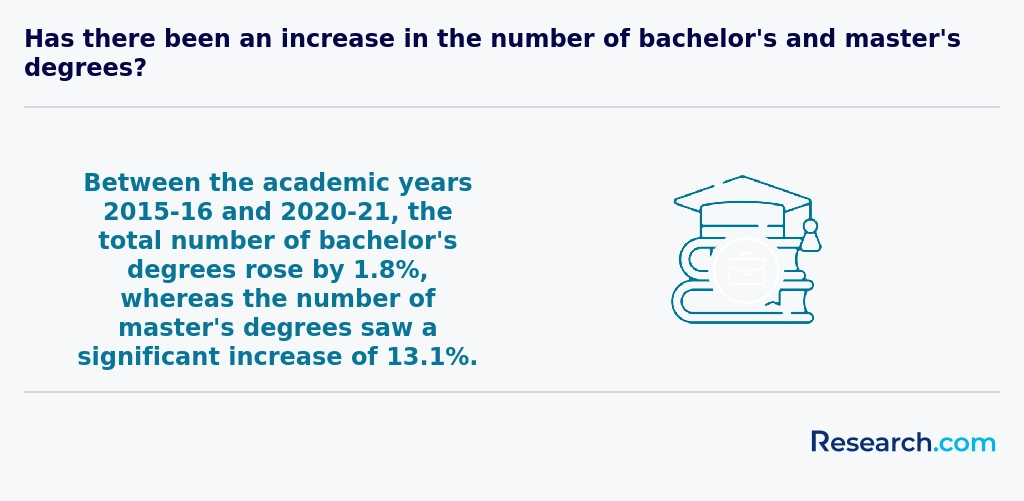
Students pursuing a business degree at universities like the University of Michigan or the University of Texas often find that financial aid transforms their educational journey into an achievable dream. Many tap into federal aid by completing the FAFSA, unlocking access to Pell Grants that can provide up to $7,395 in need-based support without the burden of repayment. This foundational aid can lighten the load from the very start.
Beyond federal programs, graduates frequently share how merit-based scholarships from their universities, sometimes covering full tuition, propelled them forward. Private organizations such as the Financial Women's Association also offer scholarships that celebrate leadership and academic success, easing costs and opening doors.
- Graduate students often benefit from assistantships or fellowships that include tuition remission and stipends, turning their passion for business into paid learning experiences.
- State grants and loan forgiveness programs encourage graduates to give back through public service, rewarding dedication with financial relief.
With these diverse options, students at business colleges nationwide can confidently pursue their ambitions, knowing that strong support systems stand ready to help them thrive.
To enroll in a business degree program at a university in the United States, students typically need to have completed high school, demonstrated by a diploma or GED, laying a strong foundation for success. Graduates from top business schools often share how their focused high school courses-in math, English, economics, and computer science-gave them essential skills that made college-level business concepts more approachable and exciting.
Many universities also request SAT or ACT scores, which, when strong, boost admission chances, especially at competitive programs like those at the University of Michigan or the University of Texas. Imagine feeling confident walking into your first business class, knowing your hard work in standardized tests opened the door to that opportunity.
For those aiming higher, such as an MBA, schools look for a solid undergraduate record, usually a GPA around 3.0 or above, plus valuable work experience. Many students from renowned business colleges recall how showcasing both academic dedication and real-world experience made their applications stand out, inspiring them to pursue leadership roles in their careers.
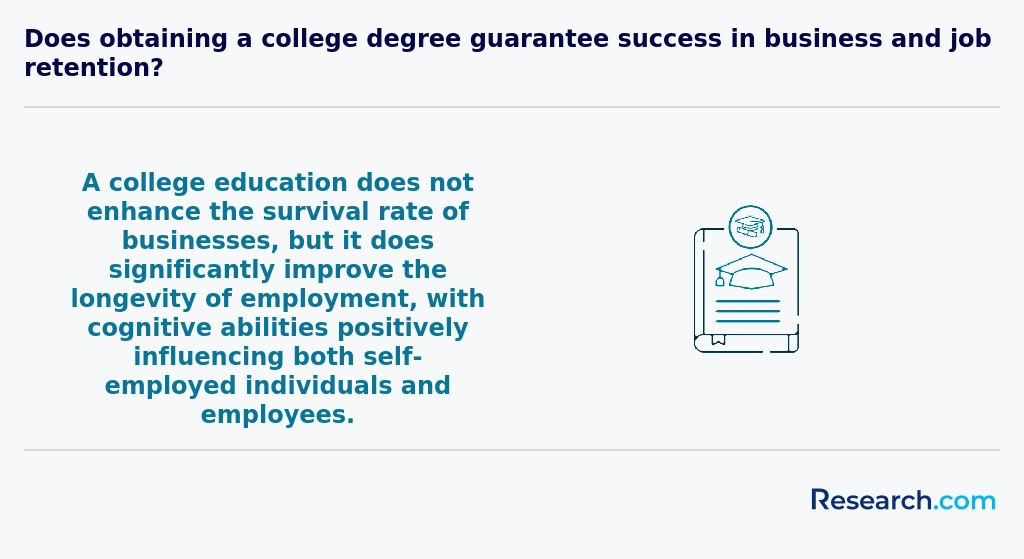
As businesses continue to evolve amid rapid technological advancements and global market shifts, understanding industry trends is crucial for every prospective business student. In today’s competitive environment, graduates can benefit immensely from staying updated on emerging workplace requirements, such as data analytics, digital transformation, and sustainable business practices. This forward-looking perspective not only prepares students for traditional roles but also opens doors to innovative career paths. Recent trends emphasize the growing importance of digital marketing, where a solid foundation in business principles combined with technical skills can lead to diverse opportunities. For instance, graduates might explore dynamic roles in digital strategy or e-commerce management, areas where employers increasingly value adaptability and continuous learning. Additionally, tapping into cutting-edge fields like artificial intelligence integration in marketing can give students a competitive advantage. For those intrigued by the blend of technology and business, exploring what can you do with business marketing degree can provide further inspiration and insight into how specialized skills align with future job market demands. Understanding these trends helps shape a resilient career strategy that not only meets current industry standards but also anticipates future opportunities.
Business degrees at universities like the University of Michigan or New York University immerse students in dynamic courses designed to unlock their potential. Graduates often recall how mastering accounting taught them to confidently interpret financial statements, a skill that proved invaluable during internships at thriving companies.
The powerful combination of finance and marketing courses allows students to dive into investment strategies and innovative advertising campaigns, sparking creative problem-solving. Imagining yourself crafting marketing strategies for real brands during projects at schools such as the University of California, Berkeley energizes many students to push beyond the classroom.
Management classes build leadership and decision-making abilities, frequently practiced through group projects that simulate real corporate environments. Meanwhile, economics reveals the bigger picture of market forces, preparing students to thrive amid global business challenges.
Courses like business law and operations management further empower students by providing essential knowledge about regulations and efficient processes-skills graduates find crucial when stepping into their first professional roles.
From embracing technology in information systems to exploring entrepreneurship and ethics, these carefully curated courses inspire confidence and equip students at top institutions across the U.S. to lead and innovate.

Business degrees at top universities in University offer a wealth of specializations that inspire students to pursue their passions and shape their futures. Graduates often recall how focusing on Finance equipped them with the confidence to navigate investment challenges, while others felt empowered by Marketing, mastering consumer behavior to drive innovative branding strategies in real companies. Many chose Management to ignite their leadership potential, learning skills that led them to excite teams and strategize at well-known colleges across University.
The diversity of options extends to
- Accounting, where students thrive in mastering precise financial reporting.
- Entrepreneurship, sparking creativity in launching new ventures.
- International Business, broadening horizons through global trade insights.
- Information Systems Management, marrying technology with business vision.
Each specialization reflects the evolving market needs, making these among the top business degree specializations 2027 that motivate ambitious learners.
Students at business schools in University embrace opportunities to combine fields or pursue certificates, enhancing career paths. Many have found this approach broadens skillsets and opens doors. Exploring bachelor's degree programs with high salaries can guide your choice toward the most valuable university business majors 2027 and beyond.
Choosing the best business degree in University begins with understanding your passion and career goals. Graduates from top colleges often share how specializing in areas like finance or entrepreneurship transformed their university experience and opened doors to exciting opportunities. Imagine yourself thriving in a program that matches your ambitions while considering the top university business degrees cost comparison to find options that fit your budget without sacrificing quality.
Look for programs accredited by AACSB, as these provide strong academic rigor and enhance your future employability. Many students at renowned business schools highlight how access to vibrant alumni networks and partnerships with leading companies created meaningful internships and job placements. Your education can become a launchpad for real-world success by choosing a university that emphasizes flexibility with accelerated or part-time tracks, perfect for balancing work and study.
To explore more personalized options, consider the best affordable online executive MBA programs, which blend convenience with excellence. Focusing on these aspects will help you pick one of the best business degree programs in 2027 that fuels your ambitions with confidence and excitement.
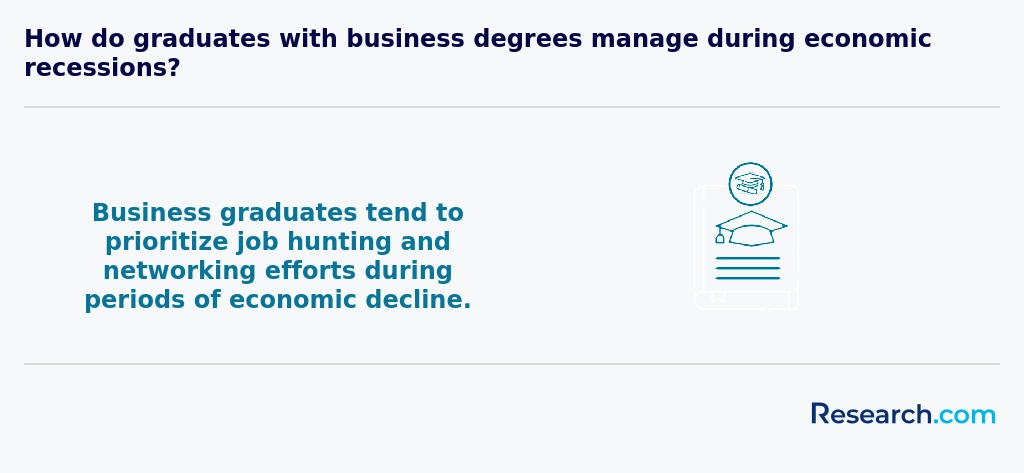
Graduates of a business degree from universities across the United States find themselves stepping into a wealth of career opportunities that ignite ambition and creativity. Many move confidently into roles such as business analysts or operations managers, applying skills honed in top programs to solve real-world challenges and drive company success. Others pursue finance careers as financial analysts or investment bankers, where sharp analytical minds thrive with competitive salaries and dynamic market engagement. Marketing and sales paths are equally vibrant, with graduates embracing roles as marketing coordinators or sales managers, often leveraging digital marketing expertise cultivated during their studies at leading schools in University.
Entrepreneurship truly shines as a pathway for those inspired to innovate, with many graduates launching startups fueled by practical training in business planning. For students exploring diverse options, consulting, supply chain, and nonprofit management offer meaningful ways to impact industries and communities. Many find valuable guidance in business schools in ohio entrepreneurship programs that nurture these ambitions. These varied career paths showcase just how rich business degree career opportunities 2027 can be for motivated graduates.

The job market outlook for business degree in university 2027 remains exceptionally promising, driven by strong demand across various industries. Graduates from popular business schools in University often secure rewarding roles in finance, marketing, and management, benefiting from competitive starting salaries and diverse career opportunities. Many alumni share how their analytical and leadership skills, honed at local universities, opened doors to flourishing careers in consulting and financial services.
Business degree employment opportunities in 2027 university graduates reflect growing sectors such as technology and healthcare, where the blend of business acumen and innovation is highly prized. Students find that internships and hands-on projects during their studies at renowned institutions in University prepare them for immediate success in the workforce.
Those aiming to boost their prospects consider enrolling in programs offered by valuable business schools in Mississippi, which are known for excellent industry connections and practical experience. This practical training, combined with a strong academic foundation, sets graduates on a path toward long-term career growth and financial success.
2027 Most Valuable Business Degree Programs Ranking in University
Investing in one's education is a significant decision that can profoundly influence one's career and future opportunities. The Research.com team recognizes the importance of providing reliable and accurate information, which is why we have diligently developed the "2027 Most Valuable Business Degree Programs Ranking in University." Our dedication to quality, credibility, and thorough analysis ensures that prospective students have access to trustworthy insights. We utilized the following reputable data sources to create a well-rounded and precise ranking:
By reviewing this ranking, readers will benefit from a clear understanding of the most valuable business degree programs currently available, aiding them in making well-informed educational choices. For a deeper insight into our evaluation process, please visit our Research.com methodology page.

Frequently Asked Questions About business
Business degree students in U.S. universities can maximize their learning experience by engaging in both academic and practical opportunities. According to the National Center for Education Statistics, participation in internships increases employment rates by 20% after graduation. Students should seek internships with firms or startups aligned with their career goals to gain real-world experience.
Joining student organizations like business clubs or case competitions enhances skills such as teamwork and leadership. Universities typically offer access to career services and networking events, which are crucial for job placement in competitive markets.
Students should also consider interdisciplinary coursework, combining business studies with fields like data analytics or communication. This broadens knowledge and adaptability in evolving business environments.
Emerging niches within the business field in US universities reflect the evolving economic landscape and technological advancements. Areas such as data analytics and digital marketing have seen rapid growth, with the Bureau of Labor Statistics projecting a 31% increase in jobs for market research analysts between 2020 and 2030. Sustainability management is another rising focus, driven by increasing corporate commitment to environmental responsibility. Universities are also expanding offerings in entrepreneurship and innovation, responding to a growing startup culture. Additionally, supply chain management has gained importance due to global disruptions, emphasizing logistics and operations efficiency in business curricula.
Preparing for the job market after completing a business degree in the US involves strategic steps beyond earning a diploma. According to the National Association of Colleges and Employers (NACE), internships greatly increase employability, with 62% of employers preferring candidates who have relevant work experience. Students should seek internships, co-op programs, or part-time roles related to their field to build practical skills.
Networking is equally important; joining business clubs and attending industry events can link graduates to potential employers. Additionally, strong communication and technological skills, including proficiency in data analysis software, are highly sought by employers. Career services at universities often provide valuable resume and interview preparation support.
Employers in the United States highly value several key skills in business degree graduates from universities. According to the National Association of Colleges and Employers (NACE) 2023 Job Outlook report, critical thinking and problem-solving top the list, sought by over 90% of employers hiring business graduates. Communication skills, both written and verbal, are essential, with about 85% of recruiters emphasizing their importance for roles in marketing, management, and finance. Data analysis skills have grown in demand as businesses increasingly rely on big data to guide decisions, making proficiency in Excel, SQL, or statistical software crucial.
Teamwork and leadership abilities remain vital, as 78% of employers expect graduates to contribute effectively in group settings and lead projects. Adaptability and a willingness to learn new technologies are also frequently mentioned. These competencies reflect the dynamic nature of the business environment, requiring graduates to be flexible and continuously update their knowledge. Universities often integrate these skills into curricula through case studies, internships, and group assignments to prepare students for immediate workplace contributions.
Finding internships relevant to a business degree while at university involves leveraging multiple resources campus-wide. According to the National Association of Colleges and Employers (NACE), over 60% of business students secure internships through their school's career services office. These offices host job fairs, maintain employer databases, and provide resume workshops tailored to business fields. Networking through business clubs and faculty connections is also crucial, as many internships stem from personal referrals.
Online platforms like Handshake and LinkedIn are pivotal for discovering opportunities. Some universities also partner directly with corporations to offer exclusive internships. Early application is advised since 70% of business internships are filled months in advance.
A business degree from a university significantly enhances career mobility and advancement within the US job market. According to the National Association of Colleges and Employers (NACE), business graduates have some of the highest employment rates among all majors, with over 80% securing jobs within six months of graduation. This degree provides core skills like leadership, strategic thinking, and financial literacy, which are highly valued across industries.
Many employers prefer candidates with a business background for managerial and executive roles, boosting promotion prospects. Additionally, business programs often offer internships and networking opportunities that can open doors to diverse career paths.
Studying for a business degree in a U.S. university equips students with a broad skill set applicable across industries, fostering interdisciplinary competence. According to the National Center for Education Statistics, business is among the most popular majors, blending courses in finance, marketing, management, and economics. This diversity helps students understand interconnected aspects of organizations and markets.
Business programs often incorporate case studies, teamwork, and communication training, enabling students to collaborate with professionals from different fields. Additionally, many universities embed technology and data analytics courses, reflecting workplace trends and emphasizing adaptability.
Such programs prepare graduates to solve complex problems, navigating roles that require both specialized knowledge and cross-functional understanding, essential for today's dynamic business environment.
Choosing between a thesis and a non-thesis business degree program depends largely on your career goals. A thesis option involves independent research and is ideal if you aim for academic roles or advanced studies, such as a PhD. According to the National Center for Education Statistics, about 30% of business master's students in the U.S. choose the thesis track.
Non-thesis programs focus more on coursework and practical skills, which suit professionals seeking immediate employment or advancement in corporate settings. The Graduate Management Admission Council reports that employers value business graduates with hands-on experience more highly. Additionally, non-thesis degrees usually require less time to complete, averaging 1.5 to 2 years.
Consider your learning style, future plans, and faculty expertise when deciding. Consulting academic advisors and reviewing program curriculum can also clarify which path fits best.
Students enrolled in business programs at universities in the United States have a variety of opportunities to study abroad. Many institutions offer exchange programs with partner universities worldwide, enabling students to earn credits toward their degree while experiencing international markets. According to the Institute of International Education, nearly 10% of business undergraduates participate in such programs, emphasizing the global nature of business education.
Popular destinations include Europe, Asia, and Latin America, where students can explore different economic systems and cultural business practices. Some programs also offer short-term faculty-led trips that last a few weeks during summer or winter breaks, focusing on global business trends and networking.
Additionally, dual-degree options and internships abroad let students gain practical experience and build international connections, critical for careers in multinational corporations.
Part-time jobs that complement a business degree in university often provide practical experience and skills development. Common opportunities include roles in campus finance offices, student-run investment funds, or marketing departments. Such positions sharpen financial analysis, budgeting, and strategic communication skills essential for business careers.
Working as a research assistant for business faculty can enhance understanding of economic trends and business theories, bridging academic knowledge with real-world application. According to the National Association of Colleges and Employers, internships and relevant part-time work increase post-graduation employment rates by up to 20%.
Additionally, roles in sales or customer service positions, either on campus or nearby, help develop interpersonal and management skills critical in business environments.
University business programs in the US offer numerous networking opportunities crucial for career development. Many schools host career fairs annually, attracting hundreds of top companies seeking business talent. According to the National Association of Colleges and Employers, 85% of business graduates secure jobs through networking and career events. Student organizations, such as business clubs and honor societies like Beta Gamma Sigma, provide regular meetings and guest speaker sessions with industry professionals.
Internship programs and alumni networks are also vital. Nearly 70% of business students complete internships, which often lead to job offers. Universities frequently organize mentoring programs connecting students with successful graduates working in various industries.
Alumni networks serve as valuable resources for business degree students by providing mentorship opportunities, career guidance, and professional connections. According to the National Association of Colleges and Employers, 70% of jobs are obtained through networking, highlighting the importance of these connections. Business schools often facilitate events where current students can engage with successful graduates who share industry insights and job leads.
Moreover, alumni can offer internships or entry-level positions within their companies, substantially improving students' employment prospects. Research from the Graduate Management Admission Council shows that 85% of MBA graduates secured jobs through alumni referrals or connections. These networks also strengthen soft skills by enabling students to practice communication and negotiation in real-world contexts.
Customizing a business degree program at a university allows students to align their education with specific career goals. Many institutions offer concentrations or tracks such as finance, marketing, entrepreneurship, or supply chain management. Selecting relevant electives helps deepen expertise in these areas. According to the National Center for Education Statistics, around 85% of business programs provide such options to fit diverse professional aims.
Internships and cooperative education also enhance practical skills and networking opportunities, often increasing employment prospects after graduation. Additionally, some universities support dual majors or minors, enabling students to combine business studies with other fields like computer science or international relations.
Advisors play a key role in guiding students through course selection based on individual career plans. Customization ensures graduates are better prepared for roles such as financial analysts, marketing managers, or operations specialists by focusing on targeted skills and knowledge.
Business students in U.S. universities face several common challenges throughout their studies. One significant issue is managing a heavy workload, as business programs often require mastering diverse subjects such as finance, marketing, and management.
Time management becomes crucial, especially since 60% of undergraduates report balancing part-time jobs alongside their studies, according to the National Center for Education Statistics (NCES).
Another challenge is developing critical thinking and practical skills simultaneously. Students must not only understand theory but also apply knowledge in real-world settings, which can be demanding without sufficient internship opportunities.
Furthermore, the competitive nature of business programs intensifies pressure to excel academically and secure valuable networking connections for future careers.
A business degree from a university in the United States opens doors to numerous professional certifications that can enhance career prospects and credibility. Common certifications include the Certified Public Accountant (CPA) for accounting professionals, highly regarded by top firms and essential for those pursuing accounting roles. Another popular option is the Project Management Professional (PMP), recognized globally across industries for effective project leadership. Many business graduates also pursue the Chartered Financial Analyst (CFA) certification, particularly those interested in finance and investment sectors. Additionally, certifications such as Certified Management Accountant (CMA) and Certified Business Analyst Professional (CBAP) are valuable in specialized business areas. According to the U.S. Bureau of Labor Statistics, certified professionals often experience higher earnings compared to non-certified peers.
Writing a winning application for a business program in a US university requires clear focus and thorough preparation. Admissions committees look for candidates with strong academic records, typically a minimum GPA of 3.0, and competitive standardized test scores such as the SAT or ACT.
Applicants should highlight relevant extracurricular activities, internships, or work experience that demonstrate leadership, teamwork, and business acumen. According to the National Association of Colleges and Employers (NACE), 91% of employers value internships as a key hiring factor.
Personal statements must be concise and compelling, addressing why the applicant is passionate about business and how the degree supports their goals. Tailoring your essay to each program's specific strengths can improve your chances of success.
Business careers in the United States increasingly emphasize global perspectives due to the interconnected economy. According to the National Center for Education Statistics, over 300,000 undergraduate students earned business degrees in 2022, many focusing on international business and global markets.
Universities highlight skills such as cross-cultural communication, international finance, and global supply chain management. These competencies prepare graduates to navigate diverse business environments, reflecting demands from multinational corporations headquartered in the US.
The Association to Advance Collegiate Schools of Business (AACSB) reports that schools incorporate global case studies and study-abroad opportunities to enhance students' international understanding. This trend aligns with projected job growth of 8% in business and financial operations through 2031, supporting roles that require global awareness.
Gaining practical experience while studying for a business degree in University is crucial for building skills and improving employability. Many US universities offer internships, cooperative education programs, and experiential learning opportunities that allow students to work with real companies. According to the National Association of Colleges and Employers, 60% of business students complete at least one internship before graduation, significantly boosting their job prospects.
Additionally, students can participate in case competitions, consulting projects, or join student-run enterprises. These activities provide hands-on experience in problem-solving, leadership, and teamwork. Many business programs also encourage networking events and mentorship from industry professionals to enhance practical learning beyond classroom theory.
Choosing the right concentration within a business degree program depends on your career goals, interests, and the evolving job market. Popular concentrations include finance, marketing, management, and entrepreneurship. According to the National Center for Education Statistics, finance and marketing remain among the highest-enrolled specialties within business programs.
Consider internships and job placement rates when evaluating concentrations. Data from the U.S. Bureau of Labor Statistics highlights strong growth in data analytics and supply chain management fields, influencing many universities to offer these as concentrations. Reflect on your strengths and seek advice from academic advisors or industry professionals to align your choice with market demands.
- 2027 Most Valuable Business Degree Programs Ranking in Memphis
- 2027 Most Valuable Business Degree Programs Ranking in Jackson
- 2027 Most Valuable Business Degree Programs Ranking in Birmingham
- 2027 Most Valuable Business Degree Programs Ranking in Nashville
- 2027 Most Valuable Business Degree Programs Ranking in Montgomery
- 2027 Most Valuable Business Degree Programs Ranking in Mobile
- 2027 Most Valuable Business Degree Programs Ranking in Baton Rouge
- 2027 Most Valuable Business Degree Programs Ranking in Springfield
- 2027 Most Valuable Business Degree Programs Ranking in Saint Louis
- 2027 Most Valuable Business Degree Programs Ranking in Atlanta
See What Experts Have To Say About Studying Business
Read our interview with Business experts

Ingrid S. Greene
Business Expert
Clinical Assistant Professor of Management
Loyola Marymount University

David W. Stewart
Business Expert
Emeritus President's Professor of Marketing
Loyola Marymount University


- Finding Networking Opportunities as a Student | National Society of High School Scholars https://www.nshss.org/resources/blog/blog-posts/how-to-find-networking-opportunities-as-a-student/
- Financial Aid - American Business College https://americanbusiness.college/en/financial-aid/
- The Biggest Challenges for Business School Students | EU Business School https://www.euruni.edu/blog/the-biggest-challenges-for-business-school-students/
- Online Degree vs. Traditional: Choosing the Right Path https://beal.edu/online-degree-vs-traditional/
- How to Find a Job with an International Business Degree - Hunter Recruiting https://www.hirecruiting.com/newsroom/how-to-find-a-job-with-an-international-business-degree/
- A guide to finding an internship https://www.ipag.edu/en/blog/guide-finding-internship
- Niche Business Ideas: A Guide to Profitable Niche Business Selection - Inar Learn https://inarlearn.com/niche-business-ideas-a-guide-to-profitable-niche-business-selection/
- Networking Tips for Business Students: Building a Foundation for Success https://londonsba.org.uk/blog/networking-tips-for-business-students-building-a-foundation-for-success/
- Interdisciplinary Business https://www.okwu.edu/academics/undergraduate/bachelor-interdisciplinary-business/
- BUSINESS MANAGEMENT ENGLISH (THESIS / NON-THESIS) - Lisansüstü Eğitim Enstitüsü https://lee.nisantasi.edu.tr/en/business-management-english-thesis-non-thesis/