2027 Most Valuable Business Degree Programs Ranking in Richmond

Co-Founder and Chief Data Scientist
Choosing the right business degree program is an important step toward a successful career in Richmond. This article features the 2027 Most Valuable Business Degree Programs Ranking in Richmond, created by the Research.com team of data scientists to guide you in making an informed decision.
By exploring this ranking, you'll discover which programs offer strong value and promising opportunities. A business degree can open doors and provide skills that last a lifetime, setting you up for professional growth and achievement.
Whether you're starting college or considering a change, this guide can help you find the perfect fit.
Key benefits of getting business degree in Richmond
- Salary for business degree graduates: Graduates in Richmond can expect strong earning potential, with roles like Business Development Executives earning around $83,190 annually and Business Analysts making an average of $112,950 per year.
- Career paths: A Richmond business graduate often has diverse opportunities, including roles in management, consulting, or analysis, allowing for exciting growth in dynamic industries.
- Online degree benefits: Completing a business degree online in Richmond offers flexibility to balance work and study, often accelerating career progress while gaining the same valuable skills as traditional programs.
- 2027 Most Valuable Business Degree Programs Ranking in Richmond
- What can I expect from business degree in Richmond?
- Where can I work with business degree in Richmond?
What can I expect from business degree in Richmond?
The average cost of pursuing a business degree in Richmond varies significantly depending on the institution and residency status. At Virginia Commonwealth University (VCU), in-state students benefit from tuition rates substantially lower than out-of-state peers, often making a degree more financially accessible. Graduates from VCU commonly report that affordable tuition combined with available financial aid and scholarships tailored to business students eased their educational expenses.
Private universities like the University of Richmond have higher tuition fees but offer extensive financial aid packages that many business students rely on to manage costs. Former students describe balancing these expenses with part-time internships facilitated by the universities, which not only provide income but valuable real-world experience.
Overall, tuition at public institutions in Richmond can range approximately from $10,000 to $15,000 annually for in-state business students, while private institutions may exceed $40,000 per year before aid. The practical learning opportunities and strong local business connections in Richmond add significant value to the investment, making programs in this city attractive despite the varied costs.
Where can I work with business degree in Richmond?
Graduates with a business degree from institutions like Virginia Commonwealth University or the University of Richmond find Richmond's dynamic job market offers multiple career paths. Many secure roles in finance and insurance, sectors that are among the city's largest employers. For instance, graduates often join companies like Truist Financial Corporation or Capital One, where they apply skills in financial analysis and business consulting.
Healthcare is another strong avenue, with employers such as Bon Secours Health System and VCU Health seeking graduates for health administration and operations management. Business students report satisfaction working on budgeting and strategic planning projects that directly impact patient services.
Local government roles also attract graduates interested in public administration or economic development, working with the City of Richmond or state agencies on policy analysis and project management. Additionally, Richmond's manufacturing sector, including firms like MeadWestvaco and Altria Group, offers opportunities in supply chain and sales management.
According to the U.S. Bureau of Labor Statistics, employment in business-related occupations in Richmond is expected to grow by 5% over the next decade, reflecting steady demand and encouraging prospects for fresh graduates.
Business degree graduates in Richmond can expect competitive earnings, with specific roles reflecting varied salary levels. For example, business development executives typically earn an average annual wage of around $83,190, indicating solid entry to mid-level compensation within the region's diverse economy. Graduates working as business analysts enjoy even higher pay, with a mean annual wage of $112,950, showcasing the value of analytical skills valued by Richmond's growing corporate and tech sectors.
Graduates from recognized Richmond institutions often share positive experiences about securing roles aligned with these salary figures, boosting career confidence and financial stability early on. The average hourly wage of $40 for business development executives translates well to a dependable income for entry-level professionals.
The robust local demand for skilled business professionals, combined with practical learning environments at universities and colleges in Richmond, equips graduates to enter these well-paying fields. Real-life alumni report that internships and networking opportunities in the city helped them quickly achieve these market rates.
- Public universities in Richmond charge $10,000 to $15,000 per year for in-state business students, while private schools can cost over $30,000 annually.
- Early career salaries for business graduates in Richmond range from $50,000 to $60,000, with mid-career wages often exceeding $90,000.
- Key industries for business jobs include finance, insurance, real estate, and professional services, supported by companies like Dominion Energy and Markel Corporation.
- The local unemployment rate is at or below the national average, indicating a stable job market for business graduates.
- Many Richmond business schools have AACSB accreditation, reflecting strong academic quality and better graduate outcomes.
- Internships and cooperative education programs are common, helping students connect with employers and gain practical experience.
Completing a business degree in Richmond typically requires around four years of full-time study for undergraduate programs like the Bachelor of Business Administration (BBA). Graduates from popular institutions such as Virginia Commonwealth University (VCU) and the University of Richmond often follow this timeline, aligning with the national average of about 4.3 years. However, many students take advantage of part-time or accelerated options, extending or shortening their study duration based on personal circumstances.
For instance, some part-time students balance work and studies, extending their degree completion to five or six years. Conversely, accelerated pathways offer motivated graduates the opportunity to finish faster, particularly in graduate business programs. A full-time MBA at Richmond-area universities typically takes two years, but accelerated programs can compress this to 12-18 months, appealing to driven professionals.
Graduates often highlight how flexible scheduling and program-specific elements, such as internships or capstone projects, contribute positively to their educational experience while managing timelines effectively.
Online business degrees in Richmond offer unparalleled flexibility, allowing students to access lectures and assignments anytime, which suits working professionals and parents balancing commitments. Graduates from these programs highlight how this flexibility allowed them to continue careers while studying. For example, those enrolled remotely from Virginia Commonwealth University (VCU) appreciated avoiding commuting and managing their schedules effectively.
Conversely, on-campus business programs emphasize direct interaction. Students attending universities like VCU benefit from in-person discussions, immediate feedback from professors, and access to local internship opportunities within Richmond's vibrant startup and financial sectors. Graduates often reflect positively on networking events and career fairs that helped jumpstart their careers.
Cost differences are notable; Richmond's on-campus tuition typically ranges from $10,000 to $15,000 annually for in-state students, while some online options can reduce expenses through fewer fees. However, prestigious institutions may charge similarly for both formats.
. Attending a business school in Richmond, VA, can be a strategic move for aspiring business professionals, given the city's thriving economy and its reputation for being a hub for various industries. By choosing to study in Richmond, students can leverage the city's business landscape to their advantage, gaining practical experience and networking opportunities that can significantly enhance their career prospects. For those interested in exploring the best educational options, researching valuable business schools in Virginia can provide valuable insights into the most reputable institutions and their offerings, ultimately helping students make informed decisions about their educational investments.
The average cost of obtaining a business degree in Richmond features distinct differences based on residency and type of institution. Recent data indicates that in-state students typically face a median total cost of about $16,945, whereas out-of-state students encounter a considerably higher median total cost around $59,613. Business graduates from public universities such as Virginia Commonwealth University often benefit from more affordable tuition rates when compared to their peers at private colleges like the University of Richmond, where the total investment can exceed $50,000 annually. These figures capture tuition, fees, and related expenses tied specifically to business education.
Students pursuing business degrees in Richmond also experience additional costs beyond tuition, including campus fees, books, and living expenses. For example, business students often recall budgeting for around $1,000 annually in supplies and allocating funds for housing near their campus, which can influence the overall total expenses for Richmond business degree programs. Despite the high costs, many graduates express satisfaction with the quality of education and networking opportunities that prepare them for thriving careers.
Business degree seekers can find value considering the strong reputation of local institutions. The cost reflects the comprehensive education and resources available, aligning with national pricings while still offering location-specific benefits. Those researching further can explore options among the valuable business schools in Virginia to tailor their financial planning effectively.

Business students in Richmond benefit from multiple financial aid options tailored to reduce the high costs of education. Graduates from Virginia Commonwealth University and University of Richmond often report relying on federal Pell Grants, which cover up to $7,395 annually, easing significant portions of tuition bills typically ranging from $12,000 to $15,000 at public institutions. Many also secure federal student loans via FAFSA, which offer manageable interest rates and repayment plans.
State aid like the Virginia Tuition Assistance Grant (VTAG) plays a vital role for those attending private colleges, providing up to $4,291 yearly. Richmond-area schools frequently participate in the Commonwealth Award, helping middle-income families manage expenses.
Merit scholarships, ranging from $1,000 to full tuition remission, are common at business schools in Richmond, rewarding academic excellence and leadership. Graduates often share how employer tuition reimbursement programs enable them to pursue degrees debt-free while advancing careers.
Supplemental funding from local organizations and business groups also helps bridge gaps, making business degrees in Richmond a financially feasible pursuit for many students.
Applicants aiming to enroll in business degree programs in Richmond must first meet several clear academic thresholds. At the undergraduate level, graduates from local colleges often recall the necessity of holding a high school diploma or GED, with a GPA usually between 2.5 and 3.0 being crucial. Performance in quantitative courses like algebra and statistics proved particularly valuable for navigating core business classes. For instance, students from prominent Richmond universities emphasize how a solid foundation in math boosted their confidence in analytic coursework.
Standardized tests such as the SAT or ACT remain common requirements, though test-optional policies have eased this for some. When taken, scores in the mid-to-upper percentiles markedly strengthened applications.
Graduate programs are more demanding. MBA candidates often share how having an undergraduate degree with a GPA around 3.0 or above and submitting competitive GMAT or GRE scores shaped their acceptance. Practical work experience, often two to five years, adds real-world insight that Richmond MBA programs value highly, reflecting students' readiness for applied business challenges.

The business landscape is evolving rapidly, and graduates with a business degree in Richmond, VA, are well-positioned to capitalize on transformative industry trends. As digital innovation and global market integration continue to reshape traditional business models, students and alumni are increasingly exploring interdisciplinary opportunities that blend finance, technology, and strategic marketing. For instance, the rise of e-commerce and digital transformation has fueled demand for professionals who understand how to leverage data analytics and social media strategies in real-world scenarios. Keeping abreast of these trends not only enhances career prospects but also prepares graduates for emerging roles that require a blend of technical creativity and strategic insight. Many institutions are now integrating courses on digital strategy, artificial intelligence in business, and sustainable practices into their curricula. In fact, students interested in expanding their expertise might consider exploring resources on a Business Marketing Degree to gain a competitive edge in today's market. Moreover, networking with industry professionals through webinars, mentorship programs, and local business events can provide invaluable insights into market dynamics, helping graduates adapt their skills to evolving challenges. By understanding the impact of technological advancements and the shift toward sustainable business practices, today's business graduates can make informed decisions that not only benefit their careers but also contribute to driving innovation within their organizations.
Business degree programs in Richmond typically include foundational courses such as Principles of Management, Financial Accounting, and Marketing Fundamentals. Graduates from popular local universities often recall how courses on organizational behavior and strategic planning helped them confidently contribute to real projects during internships with Richmond's finance and business services firms.
Richmond students also study Business Law and Economics, encompassing both micro and macro perspectives, which provide essential knowledge about market forces that shape the regional economy. Coursework in Operations Management and Quantitative Methods, including statistics and analytics, prepares students to solve practical issues, like optimizing supply chains for manufacturing companies prevalent in the area.
Many programs incorporate electives tailored to Richmond's growing sectors, such as healthcare and international business, enabling students to align their education with local industry demands. These courses equip them with skills that prove immediately relevant in local internships, enhancing both their learning and employment prospects within Richmond's dynamic business landscape.
Business degree specializations in Richmond cover a broad range of fields designed to meet current market demands. Graduates from universities and colleges in Richmond typically focus on Finance, Marketing, Management, Accounting, and Supply Chain and Operations. For instance, Finance students develop skills in investment analysis and corporate finance, while Marketing students engage deeply with consumer behavior and digital marketing strategies. Management tracks emphasize leadership and strategic planning, equipping students to step confidently into roles as entrepreneurs or organizational leaders.
Many graduates highlight the practical relevance of their coursework, particularly those enrolled in Richmond's well-regarded programs that reflect Richmond business degree program options. Accounting tracks offer rigorous training in financial reporting and auditing, preparing students for CPA certification. Supply Chain and Operations courses provide actionable insights into logistics and process improvement, crucial for industries thriving in the region.
Students interested in nuanced paths often pursue specializations like healthcare management or entrepreneurship, expanding their opportunities in Richmond's dynamic economy. Students can explore such focused studies through the Business Marketing Degree pathway, enhancing their marketability and aligning education with career ambitions.
When choosing the best business degree in Richmond, evaluate program accreditation carefully, as AACSB accreditation is a key indicator of quality and employer recognition. Richmond graduates often note that attending accredited schools like Virginia Commonwealth University (VCU) or the University of Richmond provided them confidence in their education's rigor and credibility. Specialization is critical; popular areas such as finance align well with Richmond's growing financial sector, offering strong internship opportunities and networking advantages. Graduates focusing on finance report feeling optimistic about entering the local job market due to steady sector growth.
Cost is another deciding factor-affordable business colleges Richmond VA, such as VCU, offer accessible in-state tuition around $10,000 per year, compared to private institutions averaging $35,000. Many students balance expenses with scholarships and financial aid to reduce debt. Flexible scheduling also matters, especially for working professionals; Richmond offers part-time and evening options, and access to accelerated online degree programs that help students maintain work-life balance.
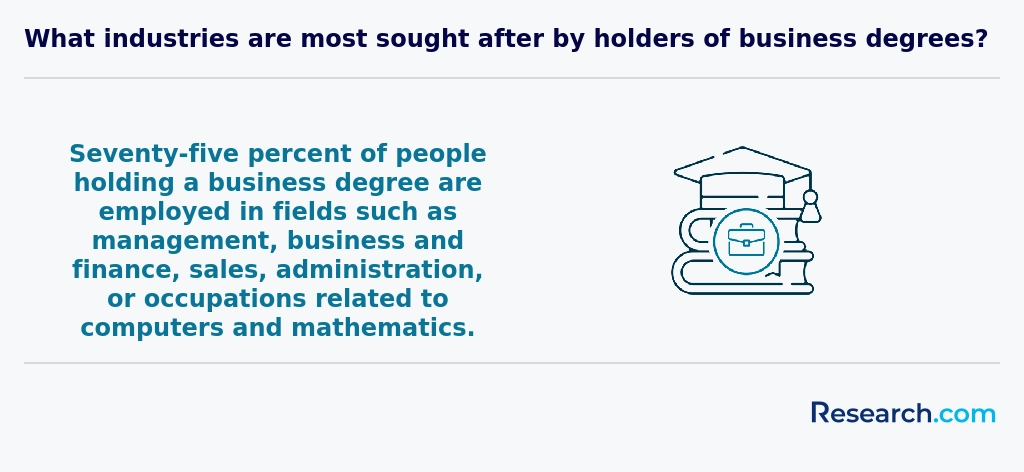
Graduates with a business degree in Richmond find career paths across finance, healthcare, government, and manufacturing sectors, reflecting the city's diverse economy. Popular roles include financial analysis and planning, where graduates from Virginia Commonwealth University often excel by applying market data insights. Marketing and sales positions attract students from local business programs keen to engage Richmond's expanding tech and consumer goods industries. Those pursuing human resources contribute to organizational talent management, often leveraging internships from regional firms. Management and operations roles are common among graduates who enjoy strategizing to boost efficiency in both established companies and startups.
Richmond's vibrant entrepreneurial ecosystem inspires graduates to launch businesses or support others as consultants, a trend seen among alumni of several local colleges. This variety of options underscores the strong demand for business skills, aligning with projections from the U.S. Bureau of Labor Statistics indicating 8% managerial job growth in Virginia through 2032. For students evaluating business degree career opportunities in Richmond, analyzing these trajectories reveals promising job prospects backed by both data and real-life success.
Business students often explore financing their education through affordable programs like those at VCU, balancing cost and quality. Across multiple industries, graduates equipped with leadership and analytical skills find roles in finance, healthcare administration, real estate, and supply chain management, reflecting the top Richmond business degree job prospects. For those considering further study, some look into easy phd programs to get into to enhance their qualifications within a practical timeline and budget.
Graduates with a business degree in Richmond benefit from a robust job market supported by the city's diverse economy, which includes finance, healthcare, and government sectors. Entry-level positions like financial analysts often offer starting salaries near $56,000, while mid-level managers earn between $75,000 and $95,000. This employment outlook aligns well with Richmond business degree employment outlook data indicating steady growth in roles such as marketing specialists and management analysts, driven by the presence of major corporations and regional headquarters.
Business students at Richmond's prominent universities frequently highlight networking opportunities through local incubators and events like the 804RVA initiative, which helps connect them to internships and job openings in startups and established companies. Many graduates appreciate Richmond's reasonable tuition costs and below-average living expenses, making the return on investment attractive. Those exploring options in shorter timeframes often wonder what are the fastest online associate degrees available?, which can also lead to competitive entry points in the business sector.
2027 Most Valuable Business Degree Programs Ranking in Richmond
Investing in your education is a significant decision that can shape your future, and the Research.com team is keenly aware of the importance of making well-informed choices. To support prospective students in Richmond, we have carefully developed the "2027 Most Valuable Business Degree Programs Ranking in Richmond." Our dedication to quality, credibility, and accuracy is demonstrated through rigorous research and thorough analysis behind this ranking. We used the following reputable data sources to ensure a well-rounded evaluation of business degree programs:
By reviewing this ranking, readers will gain valuable insights into the most impactful business degree programs available in Richmond, enabling them to make confident and strategic decisions about their educational journeys. For further information on how this ranking was compiled, please visit our Research.com methodology page.


Frequently Asked Questions About business
Business degree students in Richmond can maximize their learning experience by actively engaging with the local business community. Richmond's growing economy, including strong sectors like finance, healthcare, and retail, provides valuable internship opportunities that complement academic studies. According to the Richmond Economic Development Authority, internships with companies such as Capital One and Dominion Energy offer practical experience to students.
Students should also participate in networking events and join business-related student organizations, which help build professional connections. Utilizing resources at local campuses, like career centers and mentorship programs, further enhances learning.
Finally, staying informed about regional economic trends through sources like the Richmond Times-Dispatch supports a deeper understanding of the local market dynamics affecting business careers.
The business field is evolving rapidly, with several emerging niches gaining momentum in Richmond's educational and professional markets. Areas like data analytics and digital marketing are experiencing significant growth as companies increasingly rely on data-driven strategies and online presence. According to recent U.S. Bureau of Labor Statistics projections, jobs in business data analytics are expected to grow by over 25% through 2030, benefiting Richmond's growing tech sector.
Another promising niche is sustainable business practices, reflecting heightened demand for environmentally responsible management. Richmond's focus on green initiatives supports graduates pursuing careers in corporate social responsibility and sustainable supply chains.
Additionally, financial technology (FinTech) is expanding in Richmond, thanks to several startups and financial institutions adopting innovative payment and blockchain solutions. This niche offers new opportunities for students interested in combining finance and technology knowledge.
Preparing for the job market after completing a business degree in Richmond involves several strategic steps. Graduates should focus on building a strong professional network by attending local industry events and joining business groups such as the Greater Richmond Chamber of Commerce. Internships and cooperative education programs available through Richmond universities offer practical experience highly valued by employers.
Richmond's economy, growing in finance, healthcare, and retail sectors, provides diverse job opportunities. According to the Virginia Employment Commission, business-related roles in Richmond have a projected growth rate of 7% over the next decade. Developing skills in data analysis, digital marketing, and project management enhances employability.
Additionally, engaging with campus career services can help students refine resumes and prepare for interviews. Certifications like PMP or CPA may also increase job prospects within local firms and national companies based in Richmond.
Employers in Richmond highly value business graduates who demonstrate strong communication and analytical skills. According to recent surveys, over 75% of hiring managers prioritize clear written and verbal communication as essential for effective teamwork and client relations.
Problem-solving abilities and critical thinking rank closely behind, as local companies seek graduates who can innovate within competitive markets.
Richmond's growing finance and marketing sectors emphasize proficiency in data analysis tools such as Excel and Tableau, reflecting a national trend reported by the National Association of Colleges and Employers (NACE).
Additionally, leadership and adaptability are prized, especially given Richmond's dynamic business environment and increasing reliance on remote collaboration.
Finding internships in Richmond relevant to a business degree involves leveraging local resources and networks. The Richmond metro area hosts a growing business community, including finance, marketing, and healthcare sectors. According to the Greater Richmond Partnership, companies like Capital One and Dominion Energy often offer internships suitable for business students.
Students should explore career services at institutions like Virginia Commonwealth University, which regularly connects students with local internships. Additionally, professional organizations such as the Richmond Chamber of Commerce provide networking events that can lead to internship opportunities.
Online platforms like Handshake and LinkedIn are widely used for posting internships in Richmond. Researching company websites directly also helps identify openings tailored to business majors.
Obtaining a business degree in Richmond significantly enhances career mobility and advancement opportunities due to the city's diverse and growing economy. Richmond is home to a variety of industries including finance, law, and healthcare, where business graduates are highly sought after for management and leadership roles. According to the Richmond Regional Planning District Commission, employment in business-related sectors has grown by approximately 5% annually over the past five years. Additionally, local businesses value graduates with skills in strategic planning and financial analysis, often resulting in higher starting salaries and quicker promotions.
Many employers in Richmond prefer candidates with formal business education because it demonstrates essential knowledge in economics, marketing, and organizational behavior. National data from the Bureau of Labor Statistics also show that workers with a bachelor's degree in business experience lower unemployment rates and greater wage growth compared to those without a degree. In Richmond's competitive job market, a business degree often acts as a gateway to upper management positions and professional networking opportunities that are crucial for career progression.
Studying for a business degree in Richmond equips students with skills across multiple disciplines, preparing them for complex roles. Many Richmond programs integrate coursework in economics, marketing, finance, and information systems, fostering versatile expertise. According to the Virginia Economic Development Partnership, Richmond's growing industries-like finance and technology-demand professionals who can navigate interdisciplinary challenges.
Local universities emphasize collaboration between business departments and other fields such as data analytics and communications. This interdisciplinary approach enables graduates to tackle problems using diverse perspectives. Additionally, internships within Richmond's dynamic business environment offer practical experience, reinforcing classroom learning with real-world applications. This blend of theory and practice enhances graduates' adaptability in evolving workplace roles.
Choosing between a thesis and a non-thesis business degree program in Richmond depends on your career goals and learning preferences. Thesis programs typically involve conducting original research and writing a detailed paper, which can enhance critical thinking and analytical skills valuable for academic or research-focused careers.
Non-thesis programs usually emphasize coursework and practical experience, better suited for students aiming to enter the workforce quickly or pursue professional certifications. In Richmond, where many business graduates enter industries like finance, healthcare, and government, a non-thesis degree might offer more direct application.
According to the National Center for Education Statistics, about 60% of business graduate students in Virginia choose non-thesis options, favoring practical skills over research.
Students based in Richmond interested in studying business abroad have several options through partnerships between local universities and international institutions. For example, Virginia Commonwealth University (VCU) offers exchange programs that allow business majors to study at partner schools in Europe, Asia, and Latin America. These opportunities often include semester-long exchanges or summer programs focused on global business practices.
Additionally, scholarships and funding options through programs like Gilman Scholarship support Richmond students studying business internationally. According to the Institute of International Education, nearly 12% of U.S. study abroad students major in business fields, reflecting strong demand.
These programs help Richmond students gain valuable global experience and enhance their career prospects.
Richmond offers several part-time job opportunities that can enhance business degree education by providing practical experience. Positions such as administrative assistants, sales associates, and marketing interns are common and allow students to apply concepts learned in class. According to the U.S. Bureau of Labor Statistics, Richmond's retail and professional services sectors have grown steadily, creating demand for these roles.
Internships with local companies, especially in finance and logistics, are highly beneficial. For instance, Richmond's status as a transportation hub invites roles in supply chain management firms, supporting hands-on learning. The Virginia Economic Development Partnership reports that financial services represent a significant employment sector in Richmond, offering numerous openings for students.
Additionally, student jobs in customer service or digital marketing can help develop communication and analytical skills essential for business careers. These roles often offer flexible hours, accommodating academic schedules. Engaging in such part-time work also builds a professional network valuable after graduation.
Business students in Richmond benefit from a variety of networking opportunities integral to career development. Local universities like Virginia Commonwealth University and University of Richmond host regular events, including career fairs, guest speaker sessions, and alumni meetups. These facilitate direct connections with regional employers in finance, marketing, and entrepreneurship sectors.
The Richmond Chamber of Commerce and the Richmond Times-Dispatch sponsor public business forums and workshops, often attended by established professionals and executives. Additionally, organizations such as the Richmond Small Business Council provide mentoring programs and networking mixers exclusively for students and young professionals.
According to the Richmond Chamber of Commerce 2023 report, over 65% of business interns secured full-time roles through networking contacts made during their studies.
Alumni networks offer significant advantages to business degree students in Richmond by providing valuable professional connections. These networks often facilitate mentoring opportunities, where graduates guide current students through career decisions and industry trends. According to data from the Richmond Chamber of Commerce, local alumni associations actively engage in job placement and internships, increasing employment prospects for new graduates.
Richmond's economy, known for finance and marketing sectors, benefits from strong alumni involvement, with many members holding influential positions in regional companies. This access helps students gain insight into real-world business challenges and cultivate essential skills.
Additionally, alumni events and workshops support ongoing learning and networking, enhancing students' career readiness beyond graduation.
Customizing a business degree program in Richmond allows students to align their education with specific career goals. Many local institutions offer flexible curricula that include concentrations such as finance, marketing, or entrepreneurship. Students can often choose electives and participate in internships with Richmond's growing financial and healthcare sectors, which employ over 200,000 professionals combined, according to the Greater Richmond Partnership.
Richmond's universities also provide opportunities for experiential learning, including consulting projects and study abroad options. Additionally, students may pursue dual degrees or certifications, enhancing their qualifications for specialized roles in areas like supply chain management or data analytics.
Business students in Richmond face several common challenges throughout their studies. One significant hurdle is managing the high cost of tuition and living expenses. According to the College Board, average annual tuition at Virginia colleges hovers around $15,000 for in-state students, which can strain many individuals balancing work and study.
Another challenge is adapting to the competitive local job market. Richmond's economy, concentrated around finance, healthcare, and government sectors, demands strong internship and networking experiences for graduates to secure employment.
Moreover, students often struggle with balancing rigorous coursework, including quantitative subjects like accounting and statistics, which are essential for success in business programs.
With a business degree in Richmond, graduates have access to a variety of professional certifications that can enhance their career prospects. Popular options include the Certified Public Accountant (CPA) credential for those interested in accounting, and the Project Management Professional (PMP) certification, valued across industries. Another common certification is the Chartered Financial Analyst (CFA), ideal for careers in finance and investment.
According to the Richmond Economic Development Authority, local employers highly regard certifications like the Certified Management Accountant (CMA) and the Certified Business Analysis Professional (CBAP). These credentials can increase earning potential and job opportunities in the Richmond market.
When applying to business degree programs in Richmond, it is crucial to craft a clear and concise personal statement that highlights your career goals and why you chose Richmond. Schools like Virginia Commonwealth University emphasize leadership experience and community involvement as key admission factors. Including specific examples of your skills and achievements can set your application apart.
Strong letters of recommendation, ideally from academic or professional contacts familiar with your business potential, also enhance your chances. Richmond's competitive business programs often look for applicants demonstrating analytical and communication skills, so standardized test scores such as the GMAT or GRE may be required.
Researching each program's unique strengths and aligning your application to these can impress admissions committees. According to the U.S. News & World Report, Richmond business schools focus heavily on practical experience, so internships or related job experience are valuable to include.
Business careers today require a broad understanding of global markets and international practices. Students pursuing business degrees in Richmond benefit from programs that emphasize cross-cultural communication and global supply chain management. According to the U.S. Bureau of Labor Statistics, global business roles are expected to grow by 8% from 2022 to 2032, reflecting increasing international trade and collaboration.
Richmond's economy is closely tied to industries like finance and manufacturing, which operate within a global context. Local business schools incorporate international case studies and partnerships to prepare graduates for these demands. For example, Virginia Commonwealth University offers coursework that highlights global business ethics and multinational strategies.
Understanding global perspectives enables students to navigate diverse markets and build networks beyond the U.S. These skills are essential in Richmond, where many firms engage in export-import activities and multinational operations.
Students pursuing a business degree in Richmond can gain practical experience through internships with the city's diverse industries, including finance, marketing, and manufacturing. Local universities often have established partnerships with companies like Philip Morris and Dominion Energy, providing students internship opportunities that enhance their resumes and professional networks.
Participation in campus-based business clubs and competitions, such as those organized by the University of Richmond's Robins School of Business, offers real-world problem-solving experience. Additionally, Richmond's growing startup scene presents chances for students to engage in entrepreneurial projects or part-time roles.
Many programs in Richmond also require or recommend co-op placements, which combine academic coursework with paid work experience. This integrated approach helps students build skills employers seek and increases post-graduation employment rates, according to the National Association of Colleges and Employers.
Choosing the right concentration within a business degree program in Richmond involves evaluating your career goals and local market demands. Richmond's economy thrives in finance, marketing, and healthcare sectors, so concentrations in these areas often lead to strong job prospects, according to the Richmond Fed's 2023 regional report.
Research concentrations offered by institutions like Virginia Commonwealth University and the University of Richmond. Compare curriculum details, faculty expertise, and internship opportunities linked to Richmond-based companies to ensure practical experience.
Consider earning potential and employment rates in Richmond's job market. For example, finance concentrations tend to provide higher average starting salaries, as noted by the U.S. Bureau of Labor Statistics regional data.
Review your personal interests alongside data and professional advice. Align your choice with fields growing locally to maximize your return on investment in education.
- 2027 Most Valuable Business Degree Programs Ranking in Virginia Beach
- 2027 Most Valuable Business Degree Programs Ranking in Lynchburg
- 2027 Most Valuable Business Degree Programs Ranking in Arlington
- 2027 Most Valuable Business Degree Programs Ranking in Washington
- 2027 Most Valuable Business Degree Programs Ranking in Baltimore
- 2027 Most Valuable Business Degree Programs Ranking in Raleigh
- 2027 Most Valuable Business Degree Programs Ranking in Greensboro
- 2027 Most Valuable Business Degree Programs Ranking in Winston-Salem
- 2027 Most Valuable Business Degree Programs Ranking in Charlotte
- 2027 Most Valuable Business Degree Programs Ranking in Newark
See What Experts Have To Say About Studying Business
Read our interview with Business experts

David W. Stewart
Business Expert
Emeritus President's Professor of Marketing
Loyola Marymount University

Ingrid S. Greene
Business Expert
Clinical Assistant Professor of Management
Loyola Marymount University


- 8 Best Places to Study Abroad for Business [+ How to Choose] https://www.semesteratsea.org/study-abroad-for-business/
- Top 10 Emerging Business Niches of 2026 & How to Plan for Them https://prometai.app/blog/emerging-niches-business-planning
- A 2016 Global Perspective on Business and Career Planning https://careerproinc.com/blogging/a-2016-global-perspective-on-business-and-career
- Skills Employers Look for in Business Graduates – EU Business School https://www.euruni.edu/blog/skills-employers-look-for-in-business-graduates/
- Global careers, real impact: building your career with an international business degree | University of East London https://www.uel.ac.uk/blog/global-careers-real-impact-building-your-career-international-business-degree
- Business Administration: General Business (A25120GB) https://richmondcc.edu/academics/degrees/business-administration-a25120
- What is the future of bachelor’s degrees in business? https://www.amba-bga.com/insights/what-is-the-future-of-bachelors-degrees-in-business
- 55 Trending Business Ideas for 2025 and Beyond https://www.uschamber.com/co/start/business-ideas/top-trending-business-ideas
- Interdisciplinary Business https://www.okwu.edu/academics/undergraduate/bachelor-interdisciplinary-business/
- How Long Does It Take to Get Your Business Degree? https://www.umassglobal.edu/blog-news/long-does-take-get-your-business-degree