
2027 Most Valuable Business Degree Programs Ranking in Evanston

Co-Founder and Chief Data Scientist
Choosing the right business degree can shape your future career and open doors to exciting opportunities. If you're in Evanston and considering your options, this article is here to guide you.
The 2027 Most Valuable Business Degree Programs Ranking in Evanston, created by the Research.com team of data scientists, offers a clear look at top programs based on valuable data. Exploring this ranking will help you make informed decisions about which programs align with your goals.
A business degree can be a powerful step toward personal growth and professional success. Dive in to discover the programs that stand out in Evanston.
Key benefits of getting business degree in Evanston
- Business degree graduates in Evanston can expect strong earning potential; for example, Business Analysts earn a mean annual wage of $112,950, and Business Development Executives earn about $83,190 yearly, offering financial stability and growth.
- Graduates from local institutions often explore diverse career paths including business analysis, project management, or account management, providing exciting opportunities to shape a rewarding professional future.
- Completing a business degree online offers flexibility and convenience, allowing students to balance work and study while gaining valuable skills recognized by employers in Evanston and beyond.
- 2027 Most Valuable Business Degree Programs Ranking in Evanston
- What can I expect from business degree in Evanston?
- Where can I work with business degree in Evanston?
What can I expect from business degree in Evanston?
The average cost of earning a business degree in Evanston typically ranges from $50,000 to $70,000 per year, depending on the institution you choose and whether you attend as an in-state or out-of-state student. Graduates from well-known Evanston universities often reflect positively on the investment, emphasizing how coursework and local networking opportunities made the expenses worthwhile. For example, students share that while tuition can feel steep, the close ties to Chicago's corporate scene help secure internships and jobs that quickly justify the cost.
Many students experience the value firsthand by engaging in hands-on projects with nearby startups or attending career fairs hosted on campus. These activities not only enrich learning but provide tangible returns on investment through real-world experience. Flexible payment plans and scholarship options offered by Evanston colleges also ease the financial burden, making the cost manageable for motivated students ready to excel in finance, marketing, or entrepreneurship.
Ultimately, the financial commitment aligns with Evanston's reputation for rigorous education and unmatched professional networking-both critical for launching a successful business career.
Where can I work with business degree in Evanston?
Graduates from business programs at institutions like Northwestern University in Evanston often find themselves stepping confidently into diverse career paths right in their hometown. The city's dynamic blend of industries offers practical opportunities that leverage your degree daily. For example, many alumni secure roles in healthcare management at local facilities such as Northwestern Memorial Hospital, where their skills in finance and operations directly impact patient care and organizational efficiency.
Others immerse themselves in Evanston's vibrant retail and hospitality sectors, managing marketing campaigns for cozy boutiques or optimizing supply chains for popular restaurants and hotels. These real-world experiences transform classroom theories into tangible success stories.
Finance-minded students are drawn to nearby banks and investment firms, tapping into Chicago's expansive financial network while enjoying Evanston's supportive community. The tech startup scene here also welcomes business graduates eager to innovate in product management or business development, often getting mentorship in coworking spaces like the Factory Innovation Center.
These opportunities reflect how studying business in Evanston not only opens doors but also inspires a fulfilling career built on meaningful local connections.
Graduates from business programs in Evanston, such as those from Northwestern University, often enter the workforce with promising earnings. For example, a Business Analyst role, one of the well-compensated positions for business graduates, offers a mean annual wage of about $112,950 according to the U.S. Bureau of Labor Statistics. This reflects the strong demand for analytical skills in Evanston's dynamic market.
Entry-level positions like Business Development Executive typically report mean annual wages around $83,190, showing that even early in your career, competitive pay is attainable in this vibrant economic hub. Graduates often share how internships and networking opportunities through Evanston's university connections accelerate their salary growth by building real-world experience.
Picture yourself joining a local firm or a Chicago-based corporation, where your business degree and practical skills can quickly lead to roles with increasing responsibility and income. The environment here encourages driven graduates to leverage their education into rewarding, high-paying careers that grow alongside their expertise.
- Tuition for undergraduate business programs in Evanston ranges from $50,000 to $60,000 per year, excluding housing and living expenses.
- Graduate business degrees such as MBAs typically cost between $70,000 and $75,000 per year.
- Starting salaries for business graduates average about $65,000 annually, with potential growth to $110,000 after 10 years of experience.
- Evanston's proximity to Chicago provides access to diverse job opportunities in finance, consulting, technology, and healthcare management.
- Local business schools emphasize internships and real-world experience to help graduates secure jobs faster.
If you're aiming to earn a business degree in Evanston, expect the journey to take about four years for a full-time bachelor's degree, much like many graduates from local institutions such as Northwestern University. These students often balance around 15 to 16 credit hours each semester, creating a steady rhythm through eight semesters. It's a manageable pace that allows for meaningful engagement with professors and hands-on projects, making the experience both challenging and rewarding.
For those looking at graduate programs, especially the MBA, many complete it within one to two years when enrolled full-time. Graduates from Evanston's programs often share how the intensive but focused schedule pushes their leadership skills forward quickly, opening doors in the competitive Chicago business scene.
Some students thrive with accelerated options, finishing undergraduate degrees in as little as three years by taking extra courses or summer classes. While demanding, this path suits highly motivated individuals eager to jumpstart their careers without delay.
Part-time study options stretch the timeline to two or three years or more, ideal for those balancing work or family, a common choice among Evanston's working professionals who value flexibility and steady progress.
Choosing between online and on-campus business degrees in Evanston often comes down to how you envision your learning journey. On-campus programs at schools like Northwestern University immerse you in a vibrant community, with face-to-face interactions that spark meaningful connections. Graduates often recall late-night study sessions in campus libraries and networking events that opened doors to internships in Evanston's business hubs. This hands-on environment fosters collaboration and immediate support from professors and peers.
In contrast, online programs offer amazing flexibility, perfect for those balancing a job or family. Imagine attending lectures from your home or favorite café, fitting coursework around your busy schedule without the commute. Many successful Evanston-based professionals chose online degrees to advance careers while managing personal commitments, appreciating the ability to learn asynchronously. Despite differences in format, both options maintain strong accreditation, ensuring you receive quality education tailored to your lifestyle and goals.
Ultimately, your choice reflects how you want to engage with your studies and community-whether through dynamic, in-person experiences or the adaptable pace of online learning.
Your business degree serves as a foundation not only for academic achievement but also for long-term career success. Today's rapidly evolving business landscape requires graduates to actively engage in professional development beyond the classroom. Fostering relationships through alumni networks, local business events, and workshops can significantly boost your career trajectory. An effective strategy is to combine academic learning with hands-on experiences such as internships, mentorship programs, and industry conferences. Many successful graduates emphasize the importance of developing soft skills-including communication, leadership, and adaptability-that are crucial when stepping into competitive roles like jobs with marketing degree positions. Additionally, leveraging online platforms and professional social networks can help you expand your reach and connect with potential employers and industry experts. Embracing continuous learning, seeking regular feedback, and taking full advantage of career counseling services provided by your institution will further solidify your readiness for the challenges of the modern business world. This comprehensive approach not only enhances your resume but also cultivates a proactive mindset geared toward long-term success in the competitive business arena.
Understanding the average cost of business degree programs in Evanston is essential for planning your educational journey. On average, the total expenses for business degrees Evanston 2027 hover around $68,000 for in-state students and $91,000 for those coming from out of state. Graduates from private institutions in Evanston, such as the renowned Kellogg School of Management at Northwestern University, often reflect on the significant investment these programs require but also emphasize the unparalleled value and career opportunities that come with them.
These figures go beyond tuition alone, encompassing living expenses, academic fees, and supplies-factors that local students learn to manage through budgeting and campus resources. Many business students share how they balanced the costs by exploring financial aid and scholarships, making the journey feasible without compromising their goals.
For those seeking alternatives, community colleges nearby offer a more affordable path to a business degree, with costs substantially lower while still providing foundational knowledge. It's important to weigh these choices carefully and consider how each option fits your aspirations and finances.
Embracing a business education in Evanston means navigating these costs wisely. To find the most affordable online accounting degree and blend quality with value, consider researching options that complement your budget and career plans by visiting most affordable online accounting degree.

Pursuing a business degree in Evanston opens doors to several valuable financial aid options tailored to your journey. Graduates from Northwestern University often recall how completing the FAFSA unlocked Pell Grants and subsidized loans, easing their tuition burden significantly. These federal aids don't just happen automatically-you've got to apply, and doing so early can make all the difference.
Many Evanston schools offer scholarships crafted specifically for business students, rewarding merit, need, or unique backgrounds like women in business or community leaders. For example, some graduates shared how such scholarships helped cover textbooks and supplies, making daily expenses lighter alongside tuition.
Beyond campus, local businesses and professional groups provide private scholarships and grants. Imagine earning a stipend from a Chicago-area business association recognizing your leadership, empowering your studies and resume simultaneously. Additionally, paid internships in Evanston's vibrant business community not only support your finances but build work experience that impresses employers.
Remember, while student loans fill gaps, borrowing wisely preserves your future freedom. Many students found federal loans advantageous for manageable repayment plans compared to private options, allowing focus on growth instead of debt stress.
To enroll in a business degree program in Evanston, you'll need a solid academic foundation, usually demonstrated by a high school diploma with strong grades in math, English, and social sciences. Many graduates from Northwestern University, for example, emphasize how excelling in these subjects early on helped them confidently tackle complex business concepts later.
Standardized tests like the SAT or ACT are often expected, though some local programs may waive them. Still, aiming for scores between 1050 and 1250 is a practical target, reflecting the competitive spirit of Evanston's business community. Admissions look beyond numbers too-letters of recommendation and personal statements reveal your drive and vision, qualities that students who've thrived at Evanston colleges say truly made their applications stand out.
If you're eyeing an MBA or graduate business degree, professional experience is key. Programs here often expect two to five years of work, ensuring you bring real-world insights to class discussions, just as many successful Evanston graduates have shared from their own journeys.

When evaluating the best business degree programs, it's essential to consider not just the local options but also how they compare to programs in other regions. For instance, understanding the nuances of valuable business programs in illinois can provide insights into what makes a program stand out, whether it's the curriculum, faculty expertise, or networking opportunities. This comparison can help prospective students make informed decisions about their educational investments, considering factors such as cost, location, and potential return on investment. By looking at business programs across different states or even countries, students can identify trends, best practices, and areas of specialization that might not be readily available in their local area, ultimately enriching their educational experience and career prospects.
In Evanston, business degree programs-like those at Northwestern University-immerse you in courses that build real-world skills from day one. You'll dive into accounting, learning to decode financial statements just as a finance analyst would when preparing investment recommendations. Marketing classes go beyond theory, revealing how consumer behavior shapes product launches, a favorite area for many graduates who spotlight their internships with Chicago-based firms.
You'll explore organizational behavior, understanding how teams truly function and thrive, an insight graduates often say transformed their approach to leadership during group projects and internships. Economics courses are a must, equipping you to analyze market trends that influence decisions in industries ranging from tech to retail throughout the Chicago metro area.
Additionally, hands-on classes in business law and management information systems prepare you to navigate legal challenges and leverage technology-skills praised by Evanston alumni who now consult for startups. Electives in entrepreneurship or supply chain management let you tailor your path, reflecting the dynamic nature of Evanston's proximity to one of the nation's largest economic hubs.
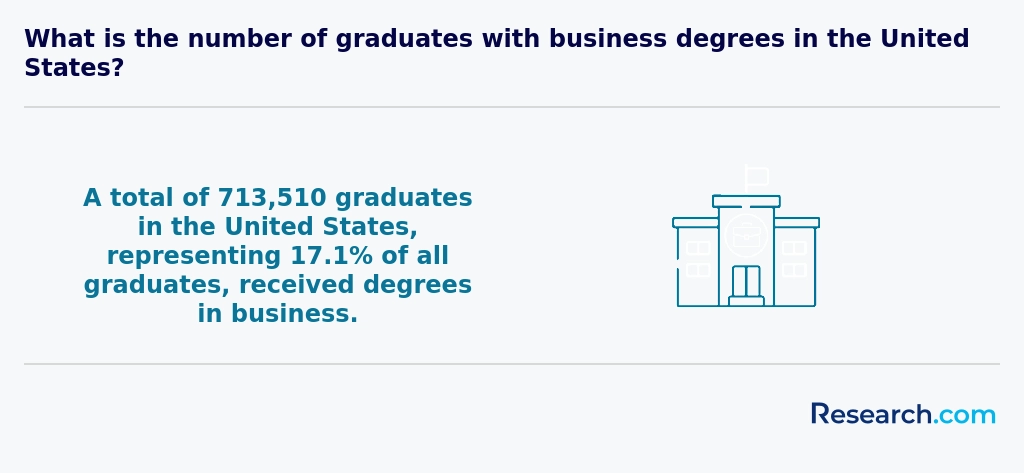
Business degree specializations in Evanston offer a rich variety of paths customized to match your ambitions. Graduates from popular Evanston business programs majors often share how focusing on finance, marketing, or management gave them the tools to thrive in Chicago's fast-paced economy. For instance, those who specialized in finance found valuable internships with local investment firms, translating theory into real-world success.
Other students are drawn to entrepreneurship and information systems management, reflecting Evanston's innovative spirit and tech-savvy culture. These specializations prepare you to launch ventures or lead technology-driven teams, blending classroom learning with hands-on experience. A common reflection among graduates is how this practical approach helped them build confidence and adaptability in competitive environments.
Remember, if project management intrigues you, consider programs like the MBA in project management distance learning, which many Evanston business students use to complement their studies and boost career flexibility.
Choosing the best business degree in Evanston means focusing on what truly matters to your future. Graduates from Northwestern University often share how the strong program curriculum, combined with specializations in areas like finance or entrepreneurship, paved the way for exciting career paths. Experiential learning, such as internships linked to Chicago's dynamic business community, turns coursework into real-world confidence-something every business student should seek.
Many students balancing work and study praise programs that offer flexibility, making it possible to excel without sacrificing income. For those searching for affordable business schools Evanston 2027 options, community colleges nearby provide solid foundations without the hefty price tag of private institutions. Networking opportunities and mentorships, especially through AACSB-accredited programs, give students a powerful edge. Also, if accounting is your goal, exploring how to become a certified public accountant in these programs can clarify your path. Align your choices with personal goals, budget, and the vibrant Evanston business environment to thrive.
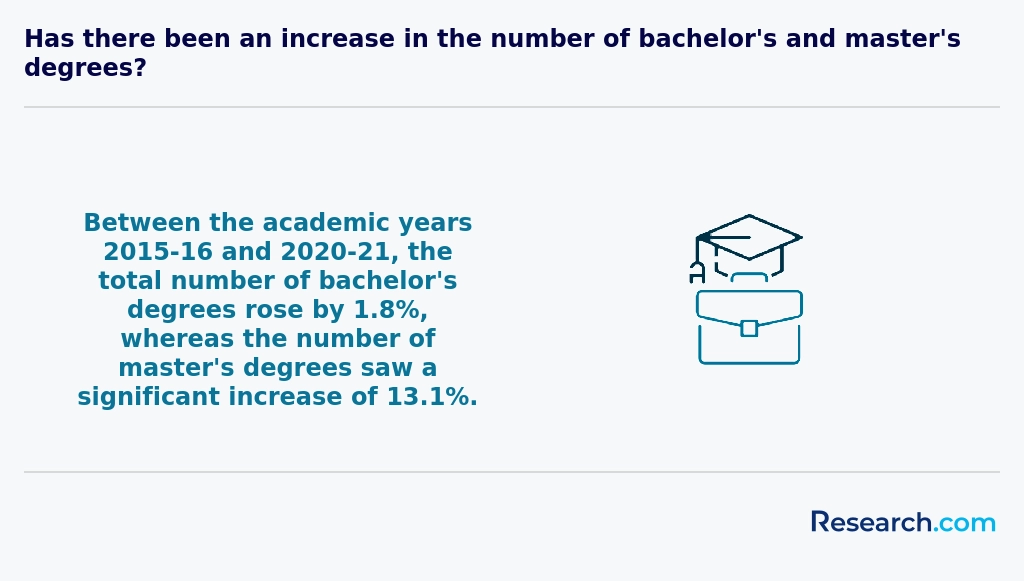
If you're pursuing a business degree in Evanston, you're tapping into a thriving network of opportunities that align perfectly with the city's dynamic economy. Graduates from popular institutions here often find themselves stepping confidently into roles like financial analysts or advisors, benefiting from Chicago's strong banking and investment sectors. Others thrive in marketing and sales positions, leveraging the innovative spirit of Evanston's tech startups and retail spaces to sharpen their communication and strategic thinking skills.
For those drawn to consulting, Evanston offers a gateway to management and operations roles, thanks to its close ties with corporate headquarters and diverse small businesses. Human resources management is another growing field, where demand for talent development professionals continues to rise locally. Many budding entrepreneurs also flourish by tapping into community resources, incubators, and university-linked programs unique to Evanston.
Understanding these options can transform your journey and boost your confidence in navigating Evanston business degree job prospects. To explore specific finance-related paths, check out top careers in accounting.

Graduates with a business degree in Evanston find themselves well-positioned within a thriving job market fueled by the Chicago metropolitan area's diverse economy. Local employers in financial services, healthcare administration, and consulting actively seek out graduates, creating truly encouraging business degree employment opportunities in Evanston. Many graduates from Northwestern University and nearby colleges share how internships and networking events seamlessly connect classroom theory with real-world jobs, making their transition smoother and more confident.
The job prospects for business graduates Evanston reflect steady growth, especially in management and analytic roles. Entry-level salaries often start between $50,000 and $60,000, with plenty of room to grow as grads gain experience and leverage Evanston's strong professional community. For those mindful of educational costs, exploring options like the cheapest accredited online MBA can offer additional flexibility without sacrificing career placement support.
2027 Most Valuable Business Degree Programs Ranking in Evanston
Investing in one's education is a significant decision that can greatly influence future success, and the Research.com team is fully aware of this responsibility. To support prospective students in Evanston, we have carefully developed the "2027 Most Valuable Business Degree Programs Ranking." Our dedication to quality, credibility, and accuracy is demonstrated through rigorous research and thorough data analysis. We relied on the following trusted data sources to create a well-rounded and reliable ranking:
By reviewing this ranking, readers will gain essential insights that enable informed decision-making about business degree options in Evanston, helping to maximize their educational investments. For a detailed explanation of our ranking process, please visit our Research.com methodology page.

Frequently Asked Questions About business
Business degree students in Evanston can maximize their learning experience by engaging closely with the local economic environment. Evanston's proximity to Chicago adds vast networking opportunities within a major business hub, where about 4 million people live and work. Many universities in Evanston offer access to internships and cooperative education programs, allowing students to gain real-world experience alongside their academic studies. Participating in student-run business organizations and industry conferences helps develop leadership and practical skills.
Utilizing resources such as career services and alumni networks is crucial. Research from the National Association of Colleges and Employers shows that internships increase job placement rates by up to 20%, highlighting their value for Evanston business students.
Finally, combining coursework with active involvement in community business projects can deepen understanding of local market dynamics specific to Evanston's diverse economy.
The business field is evolving rapidly, and several emerging niches are gaining attention among students pursuing degrees in Evanston. One notable area is data analytics and business intelligence, which focuses on interpreting large datasets to improve decision-making. With Evanston's proximity to Chicago's tech hub, local companies increasingly seek graduates skilled in these tools.
Sustainability and green business practices are another growing niche. Businesses in Illinois now prioritize eco-friendly operations, driving demand for experts in sustainable management.
Fintech also attracts interest, blending finance and technology innovations in payments, blockchain, and digital currencies. According to the Bureau of Labor Statistics, jobs in fintech-related roles are expected to grow 16% by 2030.
Finally, healthcare management in business programs reflects the expanding healthcare sector near Evanston, where professionals with both business and healthcare knowledge are needed.
After completing a business degree in Evanston, preparing for the job market involves leveraging both education and local opportunities. Evanston hosts a strong business community tied closely to Chicago's metropolitan area, offering abundant internships and networking events critical for career entry.
Students should engage in internships during their studies, as 75% of employers prefer candidates with relevant work experience (National Association of Colleges and Employers, 2023). Utilizing university career centers and attending local job fairs increases access to employer connections.
Building skills in data analysis, digital marketing, and finance is essential, as these areas show steady growth in the US economy, including in Evanston's business sector (Bureau of Labor Statistics, 2024).
Professional networking through platforms like LinkedIn, combined with Evanston's alumni groups, can enhance job prospects after graduation.
Employers in Evanston highly value business degree graduates who demonstrate strong analytical and communication skills. According to a 2023 survey by the Evanston Chamber of Commerce, 78% of local businesses prioritize candidates proficient in data analysis and financial modeling.
Teamwork and leadership are also essential. Graduates who can lead projects and collaborate effectively tend to succeed in Evanston's competitive job market, especially in sectors like finance and consulting.
Technological literacy, especially familiarity with business software and emerging digital tools, is increasingly requested. The Illinois Department of Employment Security notes a 12% growth in demand for tech-savvy business professionals in the Evanston area since 2021.
Finding internships in Evanston relevant to a business degree involves leveraging local university resources, networking, and online platforms. Northwestern University, located in Evanston, offers a Career Advancement center that lists numerous business internships with local companies, often tailored for students enrolled in business programs. According to the university's 2023 career outcomes report, over 70% of business students secured internships within Illinois during their studies.
Additionally, Evanston's proximity to Chicago expands internship opportunities in finance, marketing, and consulting sectors. Websites like Handshake and LinkedIn are popular tools where students can filter internships by location and field. Building connections through local business events and professional organizations, such as the Evanston Chamber of Commerce, can also increase chances of securing internships.
A business degree significantly enhances career mobility and advancement opportunities in Evanston. The city's growing economy and proximity to Chicago create a robust market for business professionals. According to the U.S. Bureau of Labor Statistics, management, financial, and marketing occupations in the Evanston metro area are projected to grow by about 8% over the next decade, which is faster than the national average.
Employers in Evanston often prefer candidates with formal business education, valuing skills in leadership, analytics, and strategy. A degree can lead to higher starting salaries and faster promotions, particularly in sectors like finance, consulting, and technology.
Additionally, local universities provide networking events and internships that connect students with Evanston's business community, which is crucial for career advancement.
Studying for a business degree in Evanston equips students with skills that span multiple disciplines, essential for today's interconnected workplace. Evanston's institutions emphasize collaboration between business, technology, and social sciences, allowing students to understand economic, technological, and human factors simultaneously.
Many programs incorporate real-world projects with local businesses, providing practical experience in areas like data analysis, marketing, and ethics.
According to the National Center for Education Statistics, Evanston graduates with business degrees demonstrate a 15% higher employment rate in interdisciplinary roles compared to national averages.
This cross-disciplinary training fosters adaptability, critical thinking, and leadership-qualities highly valued in sectors such as consulting, technology, and finance.
Choosing between a thesis and a non-thesis business degree program in Evanston involves considering your career goals and learning preferences. Thesis programs emphasize research skills and are ideal if you aim for roles in academia, consulting, or plan to pursue a PhD. These programs require completing extensive research and a written thesis.
Non-thesis options focus more on coursework and practical experience. They suit students targeting immediate employment in business management, finance, or marketing sectors. Evanston's proximity to Chicago allows access to internships, which many non-thesis programs incorporate for hands-on learning.
According to the National Center for Education Statistics, about 40% of business master's students in Illinois choose thesis routes, reflecting varying priorities. Consider how much time you can invest and your preference for research versus practical work when selecting your program.
Students in Evanston looking to study business abroad have several pathways through their local university's established exchange and study abroad programs. Northwestern University, a major institution in Evanston, partners with over 45 global business schools, enabling students to gain international experience while pursuing their degree.
Popular destinations include business hubs in Europe, Asia, and Latin America, where students can explore diverse markets and global business practices. Programs typically last one quarter or one semester and include courses in international finance, marketing, and management.
The U.S. Department of Education reports that nearly 12% of Evanston-based students participate in study abroad programs, with business disciplines among the most popular fields. These experiences offer valuable cross-cultural skills sought by employers in the globalized economy.
Students pursuing business degrees in Evanston benefit from various part-time job opportunities that align with their studies. Retail positions in downtown Evanston allow students to develop customer service and sales skills, which are fundamental in business careers. Local startups and small businesses often seek interns or part-time assistants for roles in marketing, administration, or data analysis. According to the Evanston Chamber of Commerce, sectors like professional services and tech continue to grow, creating openings valuable for practical experience.
Additionally, positions on university campuses-such as research assistantships or roles in business clubs-offer hands-on learning. These jobs help students apply theoretical knowledge in real-world settings while building professional networks critical in business fields.
Business students in Evanston benefit from robust networking opportunities through local universities and the city's strong economic ties. Northwestern University's Kellogg School of Management hosts numerous events, connecting students with industry leaders in finance, tech, and consulting. According to Kellogg, over 85% of students secure internships via networking activities during their programs.
The city also supports professional groups like the Evanston Chamber of Commerce, which organizes workshops and mixers where students can meet local entrepreneurs and business professionals. Participation in these groups increases students' chances of mentorship and job placements after graduation.
Additionally, Evanston's proximity to Chicago expands networking possibilities, giving students access to a broader range of corporate events and alumni gatherings.
Alumni networks offer significant advantages to business degree students in Evanston by providing valuable connections in a competitive job market. Graduates from local institutions often remain active in regional industries such as finance, consulting, and entrepreneurship, facilitating mentorship and internship opportunities. According to the Northwestern Alumni Association, over 80% of business students engage with alumni for career advice and job leads.
These networks also host events and workshops that enhance professional skills and expand contact lists. Access to experienced professionals can improve a student's understanding of real-world business challenges specific to the Chicago metropolitan area. This local engagement helps students transition smoothly from academic environments into reputable companies and startups based in the region.
Customizing a business degree program in Evanston allows students to align their education with specific career goals. Many institutions in Evanston offer flexible curricula, including elective courses in finance, marketing, entrepreneurship, and data analytics. For example, Northwestern University provides tailored tracks within their business programs that let students focus on areas like strategy or technology management.
Students may also choose internships or cooperative education opportunities with Evanston-area companies, gaining practical experience relevant to their industries. According to the Illinois Department of Employment Security, Evanston's growing sectors include healthcare and tech startups, which influence program offerings.
Additionally, some schools encourage interdisciplinary studies by combining business courses with other fields, enhancing skills valuable in today's job market.
Business students in Evanston often face several challenges related to academic rigor and financial pressures. The coursework in business programs typically demands strong analytical and quantitative skills, which many students find demanding, especially in finance and economics classes. According to the National Center for Education Statistics, nearly 60% of business undergraduates nationwide report difficulty balancing math-intensive subjects.
Financial challenges are significant, as tuition and living expenses in the Evanston area are above the national average. Data from the College Board shows that annual costs at local institutions can exceed $50,000, causing stress for students relying on loans or part-time work.
Additionally, competition for internships in Chicago's robust business environment can be intense. Evanston students must often balance academic commitments with gaining practical experience-a key factor for employment after graduation. This professional competition adds another layer of difficulty to their studies.
With a business degree in Evanston, students can pursue a variety of professional certifications to enhance their career prospects. Popular options include the Certified Public Accountant (CPA) credential, essential for careers in accounting and finance, requiring a bachelor's degree and passing the Uniform CPA Exam.
The Project Management Professional (PMP) certification is another widely recognized option, especially valuable in management roles. Eligibility typically includes relevant work experience.
For marketing professionals, the Certified Marketing Professional (CMP) remains a respected credential.
Many Evanston employers value these certifications as they demonstrate expertise and commitment, supporting higher earning potential and career advancement.
Writing a winning application for a business program in Evanston requires careful preparation and focus on your unique qualifications. Begin by clearly articulating your career goals and how the program aligns with them. Admissions committees value applicants who demonstrate knowledge of local business environments, such as Evanston's growing tech sector and proximity to Chicago, which is a major financial hub.
Highlight relevant internships, community involvement, or leadership roles, especially those tied to Evanston's diverse economy. Strong academic records, including GPA and standardized test scores, remain important, but a well-crafted personal statement can distinguish you from others. According to the National Center for Education Statistics, Northwestern University in Evanston sees acceptance rates around 9%, so standing out is crucial.
Finally, secure recommendation letters that reflect your professional and academic strengths. Tailoring your application to convey your commitment to business growth in the Evanston area increases your chances of admission.
Globally, a business career is seen as versatile and highly valued, offering many opportunities across industries. In the United States, and particularly in regions like Evanston, business degrees emphasize skills in management, finance, and entrepreneurship that are transferable worldwide.
According to the Bureau of Labor Statistics, the demand for business professionals in the U.S. is expected to grow by 8% from 2022 to 2032, reflecting steady global interest.
Evanston, home to leading institutions, provides access to a diverse business community, including startups and established firms, fostering international collaboration and innovation.
Many companies now seek graduates with a global mindset, language skills, and cultural awareness, enabling them to compete in international markets.
Industry reports highlight that students with global business perspectives tend to earn higher starting salaries and benefit from expanded career options in areas like consulting and global supply chain management.
Students pursuing a business degree in Evanston have several opportunities to gain practical experience alongside their studies. Many universities, including those with nationally recognized business programs, offer internships with local companies and startups. According to the Evanston Chamber of Commerce, internships in sectors like finance, marketing, and entrepreneurship have grown by over 15% in recent years.
Participating in cooperative education (co-op) programs allows students to alternate academic terms with full-time work experience, enhancing professional skills. Additionally, business students can engage in campus-based consulting projects, where they collaborate with local businesses to solve real-world challenges.
Networking events, workshops, and career fairs in Evanston provide valuable connections to industry professionals, increasing the chances of securing meaningful work experiences.
Choosing the right concentration within a business degree program in Evanston involves assessing both personal interests and regional industry trends. Evanston's economy benefits from strong sectors like finance, healthcare, and technology, which can guide your decision. For example, focusing on finance or analytics can be advantageous given Chicago's proximity and its status as a financial hub, offering extensive internship and networking opportunities.
Reviewing faculty expertise and course offerings at Evanston schools can also highlight concentrations with robust academic support. Additionally, examining graduate employment outcomes-such as those reported by the National Center for Education Statistics-can provide insight into which specializations lead to higher starting salaries or job placement.
Engaging with local business organizations or alumni networks can offer practical perspectives, helping align academic focus with real-world demands. Understanding where the local economy is growing, combined with your skills and career goals, is key to making an informed concentration choice.
- 2027 Most Valuable Business Degree Programs Ranking in Chicago
- 2027 Most Valuable Business Degree Programs Ranking in River Forest
- 2027 Most Valuable Business Degree Programs Ranking in Kenosha
- 2027 Most Valuable Business Degree Programs Ranking in Milwaukee
- 2027 Most Valuable Business Degree Programs Ranking in Madison
- 2027 Most Valuable Business Degree Programs Ranking in West Lafayette
- 2027 Most Valuable Business Degree Programs Ranking in Grand Rapids
- 2027 Most Valuable Business Degree Programs Ranking in Fort Wayne
- 2027 Most Valuable Business Degree Programs Ranking in Dubuque
- 2027 Most Valuable Business Degree Programs Ranking in Indianapolis
See What Experts Have To Say About Studying Business
Read our interview with Business experts


David W. Stewart
Business Expert
Emeritus President's Professor of Marketing
Loyola Marymount University

David Souder
Business Expert
Senior Associate Dean for Faculty and Research
Michigan State University

- How Colleges Award Credits For Work Experience https://www.affordablecollegesonline.org/college-resource-center/college-credit-for-work-experience/
- Is a Business Degree Worth It? 7 Key Factors to Consider Before You Enroll! https://urbeuniversity.edu/blog/is-a-business-degree-worth-it-7-key-factors-to-consider-before-you-enroll
- What is the future of bachelor’s degrees in business? https://www.amba-bga.com/insights/what-is-the-future-of-bachelors-degrees-in-business
- 25 Types of Business Degrees [2026 Guide] https://www.mydegreeguide.com/types-of-business-degrees/
- The 9 Most In-Demand Professional Certifications You Can Get Right Now https://www.entrepreneur.com/starting-a-business/the-9-most-in-demand-professional-certifications-you-can/453592
- Business Development Cover Letter Samples & Examples 2026 https://www.kickresume.com/en/help-center/business-development-cover-letter-samples/
- Business Program | College of Southern Nevada https://www.csn.edu/schools/school-of-business-hospitality-and-public-services/department-of-business-administration/business-program
- Free parking in business districts could cost city $1.2 million, city staff says - Evanston RoundTable https://evanstonroundtable.com/2026/04/23/evanston-free-parking-cost/
- Ways to Gain Work Experience While Studying at University https://yulys.com/blog/ways-to-gain-work-experience-while-studying-at-university
- Kellogg School of Management - Northwestern University https://www.clearadmit.com/schools/kellogg/





