2027 Most Popular Business Degree Programs Ranking in Carolina

Co-Founder and Chief Data Scientist
Choosing the right business degree program is an exciting step toward a successful career. For students in Carolina, understanding which programs stand out can make this journey easier.
This article introduces the 2027 Most Popular Business Degree Programs Ranking in Carolina, developed by the Research.com team of data scientists. It offers valuable insights based on thorough data analysis to guide your decision.
By exploring this ranking, you'll gain clarity on reputable programs and discover opportunities that align with your goals. A business degree opens doors to growth and new experiences, and this guide will help you find the best fit.
Key benefits of getting business degree in Carolina
- Business degree graduates in Carolina can expect competitive salaries, with roles like Business Development Executive earning a mean annual wage of $83,190 and Business Analysts earning up to $112,950, reflecting strong financial potential.
- A popular Carolina university example shows graduates pursuing diverse careers such as marketing, finance, and analytics, offering exciting opportunities to grow in dynamic industries.
- Obtaining a business degree online from a well-known Carolina institution provides flexible schedules, allowing students to balance work and study while gaining the same respected skills and credentials as traditional programs.
- 2027 Most Popular Business Degree Programs Ranking in Carolina
- What can I expect from business degree in Carolina?
- Where can I work with business degree in Carolina?
What can I expect from business degree in Carolina?
The average cost of pursuing a business degree in Carolina often surprises prospective students expecting sky-high tuition fees. At well-known institutions like the University of North Carolina at Chapel Hill or Clemson University, in-state tuition typically falls between $9,000 and $15,000 per year. Graduates often share how this affordability allowed them to focus more on experiential learning rather than worrying about mounting debt, a contrast to many other states.
Imagine a business student in Charlotte leveraging affordable tuition while gaining internship experience at a major financial firm-this blend of cost-effectiveness and opportunity shapes a rewarding journey. The reasonable costs make it easier to access quality education without sacrificing essential real-world exposure, such as participating in case competitions or contributing to consulting projects.
This balance fosters a positive, motivating environment where business students can confidently build skills, knowing their investment aligns with both their academic and professional aspirations in a vibrant economic region like Carolina.
Where can I work with business degree in Carolina?
Graduates from business programs at institutions like the University of North Carolina at Chapel Hill and Clemson University often find themselves launching careers in dynamic environments where theory meets real-world challenge. Imagine stepping into Charlotte's bustling financial sector, joining the ranks of over 60,000 financial professionals shaping the future of banking at giants like Bank of America.
Others discover opportunities in the thriving Research Triangle Park, where companies seek graduates ready to blend business savvy with innovation in technology and healthcare fields. Here, business students from Duke University might engage in healthcare administration or groundbreaking project management roles that directly impact community health outcomes.
Meanwhile, those graduating from South Carolina's top schools often integrate into automotive manufacturing hubs like BMW's Spartanburg plant, managing complex supply chains or leading operational improvements. These tangible career paths provide more than just jobs-they offer a sense of purpose and daily accomplishment.
Whether fueling marketing strategies at Lowe's headquarters or launching startups through state-supported accelerators, Carolina's business graduates find their skills rewarded with meaningful, evolving career trajectories.
Graduates with business degrees from popular institutions in Carolina often find themselves stepping into roles like business analysts or business development executives, where the numbers can be surprisingly encouraging. For instance, a business analyst in North Carolina can earn a mean annual wage of about $112,950, reflecting both the demand for analytical skills and the value companies place on data-driven decision-making.
Similarly, business development executives report mean annual wages around $83,190, offering a promising start for those passionate about growth strategies. Imagine a graduate from the University of North Carolina at Chapel Hill or NC State University collaborating with local firms in Raleigh-Durham, directly influencing business expansion and innovation while enjoying competitive compensation.
These figures challenge the often modest expectations associated with entry-level business roles. Carolina's evolving economy not only supports but actively rewards ambitious graduates who leverage their education to meet real-world challenges. Students often share how securing these roles has sparked confidence and a sense of accomplishment, proving that a business degree here can truly unlock lucrative, meaningful career paths.
- In-state tuition for public universities in Carolina ranges from $8,000 to $12,000 per year, while private institutions charge between $30,000 and $45,000 annually.
- Entry-level salaries for business graduates typically start around $50,000 per year, varying by field and location.
- Experienced professionals with business degrees can expect salaries between $80,000 and $100,000 annually after five to ten years.
- Carolina's economy includes finance, manufacturing, healthcare, and technology, providing diverse job opportunities for business graduates.
- Unemployment rates for business degree holders in the state are often lower than average, reflecting high demand for qualified candidates.
- Networking through internships and local business connections is emphasized to help students transition into employment effectively.
Completing a business degree in Carolina typically takes about four years for a full-time bachelor's student, mirroring the experience at institutions like the University of North Carolina and Clemson University. Many graduates recall balancing rigorous core courses and electives, finding the structured path both demanding and rewarding. The steady progression through 120 to 130 credit hours feels manageable when framed as a clear journey toward career readiness.
Associate degrees at local community colleges offer a quicker route, usually finishing in two years with around 60 credit hours. Those graduates often describe the sense of momentum that comes with acquiring foundational skills rapidly, positioning themselves for either immediate work or transfer to a four-year school.
Graduate students pursuing an MBA, especially working professionals, often experience flexible pacing. Some cherish the 18-month Executive MBA at Carolina institutions for its intensity, while others appreciate the extended part-time formats that stretch to three years, allowing learning to fit personal and professional lives.
Choosing between online and on-campus business degrees in Carolina isn't just about convenience or cost-it reflects profoundly different educational journeys. Graduates from the University of North Carolina cherish the vibrant, in-person campus life where real-time debates and networking sparked internships and job offers. The daily rhythm of attending lectures and engaging face-to-face fosters a community that many find energizing and motivational.
On the other hand, graduates from online programs in Carolina often celebrate the freedom to learn at their own pace, fitting studies around demanding work schedules or family life. This flexibility creates a unique sense of empowerment, allowing students to balance ambition with life's realities without sacrificing the rigor expected from reputable institutions.
Financially, in-state students at public universities often pay $8,000 to $12,000 annually on campus, while online courses hover around $400 per credit hour, making choices dependent not only on lifestyle but also on budget. The decision hinges on one's preferred learning environment: immersive interaction versus adaptable autonomy-each shaping how a Carolina business education comes alive.
The average cost of a business degree in Carolina typically centers around $17,450, according to median data reflecting both in-state and out-of-state students' expenses. While public universities in the region offer more affordable options for in-state residents-generally closer to $7,750 for the full degree-out-of-state students and those attending private institutions see much higher totals. Graduates often share how their investment felt balanced by the quality of education and career opportunities after completing programs at well-known Carolina business schools.
Imagine a student at a prominent Carolina university navigating tuition, books, and living costs while weighing the value of their degree. This experience highlights the reality behind the number: tuition fees are just one piece of a complex puzzle. The average business degree cost in Carolina includes not only tuition but also significant spending on textbooks and supplies, usually around $1,200 to $1,500 annually. Living in cities like Charlotte or Raleigh can add to this, with housing and daily costs reflecting the urban lifestyle many students embrace.
One key insight from many business students is how financial planning and aid turn the sticker price into a manageable outlay. Scholarships, grants, and campus resources are part of making those numbers practical. For prospective students looking at varied options in Carolina, it's worth exploring programs carefully, including pathways like the best online accelerated bachelor's degree alternatives, which can reduce both time and overall cost.
Understanding Carolina business degree tuition fees demands thinking beyond headline numbers. It involves a personal reflection on what you value in education and the life you want after graduation, balanced against the realities of costs and potential return on investment.

Many business students at universities like UNC Chapel Hill or Clemson find that federal aid is a lifeline rather than a bonus. Pell Grants, for instance, offer up to $7,395 without the weight of repayment, easing the financial anxiety that so often shadows pursuing a business degree. Graduates often recall how this support transformed their ability to focus on studies instead of part-time jobs unrelated to their field.
Beyond grants, Direct Subsidized Loans stand out as a strategic choice, with the government covering interest during school-lightening the long-term financial load. This option allows students to borrow responsibly, managing costs in an environment where tuition can exceed $25,000 for out-of-state enrollees.
State aid programs also reshape possibilities. In North Carolina, scholarships based on need help students balance ambition with affordability, while South Carolina's LIFE Scholarship motivates academic excellence with financial rewards. These programs reflect a crucial investment in business students' futures.
Work-study is more than just a paycheck; it's a gateway to real-world business experience on campus, a step many graduates say boosted their confidence and resume strength before even graduating.
Exploring these layered aid options deeply influences the business student experience in Carolina, turning dreams into achievable goals.
Enrolling in a business degree program in Carolina requires more than just ticking academic boxes-it invites you to join a community that values preparedness and ambition. Most universities here ask for a high school diploma or GED, but successful applicants often reflect on how mastering math and English early on gave them confidence in tackling business challenges. Graduates from popular Carolina colleges recall submitting their transcripts and standardized test scores, though many found that schools like the University of North Carolina's system now offer flexibility, showing trust in a student's broader potential beyond test results.
Beyond academics, real passion must shine through. Personal statements and recommendation letters have made a difference for many, revealing their unique motivations and drive to thrive in business. MBA hopefuls typically hold relevant bachelor's degrees and years of work experience, understanding that Carolina's premier programs expect professionals ready to elevate their careers. Some students even express relief when applying test waivers based on experience, underscoring the value of practical knowledge.
International peers remember overcoming language requirements like TOEFL, symbolizing their dedication to pursuing the American dream in Carolina's dynamic business schools.
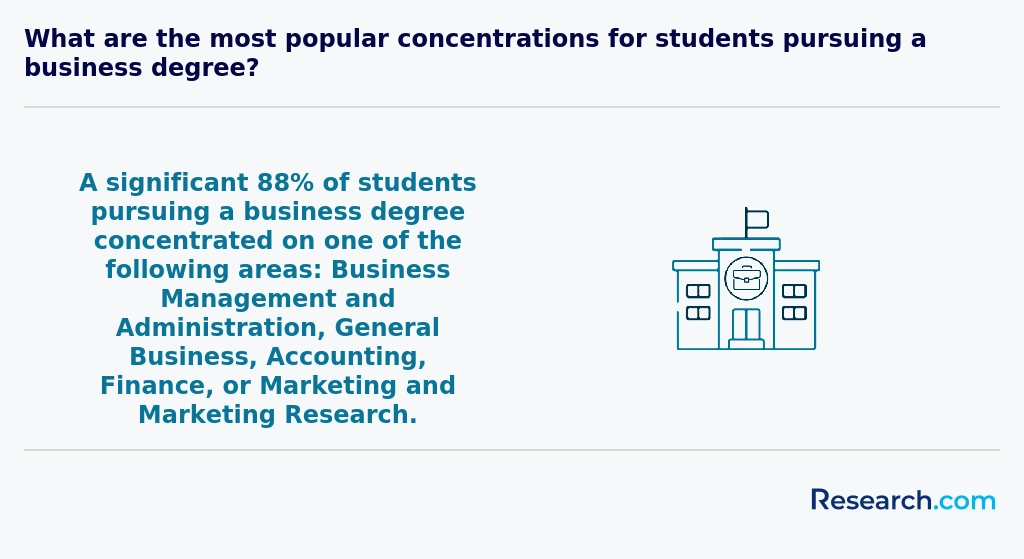
When you dive into a business degree in Carolina, expect a curriculum that goes beyond textbooks-courses challenge you to see the real business world through a practical lens. Graduates from leading Carolina universities often recall how principles of management and marketing classes pushed them to solve actual business challenges, like creating strategic plans for local startups. This hands-on approach makes theoretical economics come alive, revealing how market fluctuations impact everyday decisions.
Courses like financial and managerial accounting often feel intimidating at first, yet students come to appreciate how mastering these skills translates into confidently analyzing real company reports during internships. Business law and ethics classes introduce future professionals to navigating complex regulations, which graduates find invaluable when grappling with dilemmas in fast-paced environments.
Advanced topics such as operations, supply chain management, and business statistics equip Carolina students with the quantitative tools essential in a data-driven economy. Electives focusing on entrepreneurship or international business reflect the diverse ambitions of students, enabling them to tailor their studies to personal goals while fostering a genuine excitement for problem-solving in global contexts.
Business degree specializations in Carolina challenge the idea that one path fits all by offering diverse options that reflect the state's varied economic landscape. Graduates from universities like the University of North Carolina at Chapel Hill report that specializing in finance-centered on investment strategies and corporate finance-opened doors to careers in Charlotte's bustling banking sector, the nation's second-largest. Others highlight the dynamic appeal of marketing, where skills in digital marketing and consumer behavior place them at the forefront of Carolina's growing tech and e-commerce firms.
Students also explore management or human resources, discovering how leadership and talent development roles thrive within the state's expanding healthcare and manufacturing industries. Notably, those drawn to entrepreneurship find Carolina's supportive startup ecosystem inspiring, emphasizing innovation backed by local incubators. Many graduates appreciate accounting and international business tracks for their solid career foundations and global perspectives. For those seeking flexible learning options later in life, reputable best online programs for seniors in the region align with these specializations, tailoring education to diverse life stages and ambitions.
Choosing a business degree in Carolina means digging beyond the surface of popular programs. Graduates from top universities often reflect on how aligning degree types-like finance or marketing-with real job market demands changed their trajectory. Attending one of the affordable business colleges in Carolina meant balancing cost with quality; many recall finding unexpected scholarships that transformed financial stress into opportunity. The smartest decision isn't just picking the cheapest option or the most prestigious name-it's about fit.
Accreditation by AACSB stands out as a beacon of quality, reassuring students about curriculum rigor and faculty expertise. Several Carolina schools boast this, giving graduates confidence their education carries weight. Others emphasize the advantage of programs deeply connected to sectors like tech or healthcare, especially near hubs like the Research Triangle Park, where internships often lead directly to careers.
Flexibility matters too. Business students juggling work or family have thrived by choosing programs with part-time, online, or hybrid formats. Some even leverage an accelerated associate degree online as a stepping stone, proving that nontraditional paths can be the smartest routes to success.
Graduates with a business degree in Carolina often find themselves at the crossroads of multiple thriving industries, from banking to retail and technology. For many, the path to becoming a financial analyst or planner in Carolina's booming banking sectors-especially in Charlotte-offers not just a job but a vibrant career that grows alongside one of the nation's top financial hubs. Recent graduates frequently share how their connections with local firms, combined with hands-on experience from programs at prominent Carolina colleges, transformed their early career uncertainties into confident professional journeys in this competitive field.
Marketing and sales roles present another dynamic avenue, where business degree career opportunities in Carolina blossom through corporate headquarters and retail giants calling the state home. Graduates recall developing real-world strategies during internships, leading to roles as brand managers or sales directors who directly influence consumer behavior in ways that feel both impactful and rewarding.
The appeal of management placements in Carolina cannot be overstated-operations and project management positions attract many who yearn for leadership grounded in solid business foundations. Graduates from well-known Carolina business programs often cite their ability to organize teams and drive results as a direct payoff of their education. The Carolina business degree job prospects extend even further into entrepreneurial ventures, supported by local incubators and funding, where innovative thinkers boldly create startups that reshape regional economies. Students interested in balancing cost and career impact may explore options at the best non profit accredited online university to maximize returns while preparing for these varied paths.
The business degree job outlook in Carolina reveals a vibrant landscape where graduates from institutions like the University of South Carolina and Clemson University find themselves well-positioned. Many graduates describe landing roles in finance or marketing that directly benefit from the region's thriving industries in Charlotte and Raleigh. This is no coincidence, as Carolina's economy strongly favors business professionals equipped to navigate both traditional banking hubs and emerging tech sectors.
Carolina business degree career opportunities often arise in companies such as Bank of America or innovative tech startups. Graduates frequently share stories of advancing swiftly because their skills align well with local employer needs, combining financial insight with practical problem-solving. The relatively affordable tuition compared to national rates makes the decision to pursue a degree here feel economically sound, encouraging students to invest fully in their future. For those seeking flexible education pathways, exploring cheap online bachelor degrees is a strategic move that resonates with today's learners.
2027 Most Popular Business Degree Programs Ranking in Carolina
Investing in your education is a significant decision that can shape your future, and the Research.com team understands the importance of making informed choices. To assist prospective students in Carolina, we have meticulously crafted the "2027 Most Popular Business Degree Programs Ranking in Carolina." Our commitment to quality, credibility, and accuracy is reflected in the extensive research and analysis conducted to compile this ranking.
We utilized the following reputable data sources to ensure a comprehensive evaluation of business degree programs:
By exploring this ranking, readers will gain valuable insights into the most popular and respected business degree programs in Carolina, enabling them to make well-informed decisions about their educational paths. For more details on our methodology, please visit our Research.com methodology page.

# 2 position
Universidad Ana G. Mendez-Carolina Campus
Recinto de Carolina Bachelor in Business Administration

# 3 position
Universidad Ana G. Mendez-Carolina Campus
Master of Science in Global Business Administration
# 4 position
Dewey University-Carolina
Bachelor of Business Administration

Frequently Asked Questions About business
Business degree students in Carolina can maximize their learning experience by engaging with hands-on opportunities such as internships and cooperative education programs. According to the National Association of Colleges and Employers, internships significantly boost job prospects after graduation. Carolina hosts several Fortune 500 companies, providing valuable local connections. Students should also participate in campus organizations like business clubs and case competitions, which enhance practical skills and professional networking.
Additionally, leveraging faculty expertise and research centers can deepen understanding of business trends. Utilizing Carolina's career services for resume building and interview preparation also improves outcomes. Staying updated with state economic reports supports informed decision-making in studies.
The business field in Carolina is rapidly evolving, with emerging niches reflecting broader economic and technological trends. One notable area is sustainable business practices, which focuses on integrating environmental and social governance (ESG) principles into corporate strategies. This niche is gaining traction as 68% of North Carolina companies now embed ESG in their operations, according to a 2023 report by the North Carolina Department of Commerce.
Another growing niche is data analytics and business intelligence. Businesses increasingly rely on data-driven decisions, creating demand for professionals skilled in analyzing large datasets. The University of North Carolina system reports a 25% rise in graduates specializing in this field since 2020.
Additionally, healthcare management is expanding due to Carolina's strong healthcare sector, employing nearly 15% of the state's workforce. This field merges business acumen with healthcare knowledge, aiming to improve healthcare delivery and cost efficiency.
Lastly, e-commerce and digital marketing continue to grow, fueled by changing consumer behaviors post-pandemic. In South Carolina alone, online retail sales increased by 10% in 2023, indicating sustained opportunities for business graduates focused on digital platforms.
After completing a business degree in Carolina, preparation for the job market involves strategic steps to enhance employability. Graduates should focus on building professional networks through local business associations, such as the Carolina Chamber of Commerce, which connects students with regional employers.
Internships and cooperative education programs offered by many Carolina universities provide practical experience, a key factor, as 70% of employers in the state prefer candidates with relevant work history (NC Department of Commerce, 2023).
Additionally, mastering skills in data analysis, digital marketing, and finance increases competitiveness, reflecting trends in the Carolinian job market. Utilizing university career services can also help with resume building and interview preparation to meet employer expectations effectively.
Employers in Carolina highly value a combination of technical and soft skills in business degree graduates. According to a 2023 report from the South Carolina Department of Commerce, communication skills top the list, with 78% of employers seeking strong verbal and written abilities. Analytical thinking and problem-solving skills are also critical, as businesses face increasing complexity in markets and operations.
Additionally, proficiency in data analysis tools such as Excel or Tableau is becoming essential. A survey by the North Carolina Business Committee for Education highlights that 65% of companies prefer candidates skilled in digital literacy and financial modeling. Leadership and teamwork capabilities remain foundational for career advancement in Carolina's diverse industries.
Finding internships in Carolina that relate to a business degree involves leveraging multiple resources within and beyond your college. Many universities in the state maintain partnerships with local businesses, offering internship programs particularly strong in industries like finance, marketing, and supply chain management. For example, the North Carolina Department of Commerce highlights that Charlotte, a major financial hub, hosts numerous internship opportunities annually, especially with banking firms and corporate offices.
Students should use their school's career services, which often provide internship listings, resume workshops, and networking events. Additionally, online job portals and local business associations like the Carolina Chamber of Commerce can connect students to internships relevant to their major. Internships in this state frequently pay between $15 and $20 per hour, reflecting the high demand for business skills in the region.
Building connections through professors, alumni, and professional networking sites also boosts the chance of securing competitive positions. Staying proactive early in your studies is essential to gain valuable hands-on experience for a business career in Carolina.
In Carolina, earning a business degree significantly enhances career mobility and advancement. Employers in the state's diverse economy value graduates who possess core skills in management, finance, and marketing. According to the U.S. Bureau of Labor Statistics, business-related occupations in South Carolina are projected to grow by 7% through 2028, outpacing many other fields.
Graduates often access higher starting salaries; data from the National Association of Colleges and Employers shows business majors in the Southeast earn a median starting salary of about $55,000. A degree also opens doors to leadership roles, with many companies in Carolina preferring candidates who demonstrate both technical knowledge and strategic thinking.
In addition, a business degree fosters a professional network through internships and alumni connections, crucial for advancement in Carolina's growing sectors like manufacturing, healthcare, and technology.
Studying for a business degree in Carolina equips students with skills that transcend traditional business boundaries. Programs often integrate coursework from economics, information technology, and communication, reflecting the demand for versatile professionals. According to the South Carolina Commission on Higher Education, business students are increasingly exposed to interdisciplinary projects that require collaboration across different fields.
Universities like the University of South Carolina emphasize real-world applications, combining finance, marketing, and data analytics. This approach prepares graduates to navigate roles that require understanding of multiple domains, such as managing tech-driven business strategies or healthcare administration.
Moreover, internship opportunities foster practical learning in diverse industries, reinforcing the ability to adapt and lead in multidisciplinary environments. Such preparation aligns with the 2023 employment trends indicating that 65% of Carolina's business graduates pursue careers in fields demanding interdisciplinary expertise.
Choosing between a thesis and a non-thesis business degree program in Carolina depends largely on your career goals and learning preferences. Thesis programs emphasize research, requiring students to complete a significant research project. This path suits those considering doctoral studies or roles in academia and detailed business analysis.
Non-thesis programs focus more on coursework and practical skills, appealing to professionals seeking to enter or advance in Carolina's competitive business market quickly. According to the National Center for Education Statistics, over 65% of business graduates in North Carolina opt for non-thesis tracks for faster degree completion and career readiness.
Consider your long-term plans and time availability when deciding between the two options.
Students based in Carolina who wish to study business abroad have several structured options through their home institutions and partnership programs. Many universities in North and South Carolina offer study abroad programs specifically tailored for business majors, allowing students to spend a semester or a summer session at partner universities in Europe, Asia, or Latin America. For example, the University of North Carolina system reports that over 20% of their study abroad participants in 2022 were business students, reflecting strong interest in global business education.
Some programs emphasize global internships, providing hands-on international experience with companies in key economic regions. Additionally, institutions like Clemson University and Wake Forest University have established exchange agreements that let Carolina students access world-renowned business schools overseas while earning credits toward their degrees.
Financial aid is often available for eligible students pursuing these programs, helping to offset costs. As global business environments become increasingly interconnected, studying abroad remains a valuable option for Carolina business students seeking international perspectives and skills.
Part-time job opportunities in Carolina that complement business degree education often include roles in retail management, customer service, and administrative support. These positions allow students to develop essential skills such as communication, problem-solving, and teamwork. According to the U.S. Bureau of Labor Statistics, management positions in Carolina are projected to grow by 5% from 2022 to 2032, creating opportunities for students to gain practical experience.
Internships with local firms, especially in finance, marketing, and supply chain sectors, are widely available in cities like Charlotte and Raleigh. These roles frequently offer exposure to business operations and analytics.
Student consulting projects and university-affiliated business centers also provide valuable hands-on experience that aligns with academic studies. Such opportunities are supported by institutions like the University of North Carolina, enhancing career readiness.
Business students in Carolina benefit from a strong network of professional and academic connections. Universities like the University of North Carolina at Chapel Hill and Clemson University host numerous events each year, providing access to industry leaders and alumni.
Local chapters of professional organizations such as the American Marketing Association and the Financial Management Association are active, offering students opportunities for internships and mentorships. According to the Carolina Department of Commerce, the state's business sector employs over 2.5 million people, enhancing networking prospects across diverse industries.
Additionally, many Carolina schools have partnerships with regional businesses, facilitating job fairs and collaborative projects. These opportunities allow students to build meaningful professional relationships before graduation.
Alumni networks are a powerful resource for business degree students in Carolina, providing access to mentorship and career opportunities. In 2023, nearly 70% of Carolina business graduates reported securing jobs through connections from their school's alumni associations (Source: Carolina Business Education Report 2024). These networks often host events, workshops, and networking sessions that help students build relationships with professionals already established in local industries such as finance, marketing, and entrepreneurship.
Furthermore, alumni can offer valuable insights into the evolving business landscape of Carolina, enabling students to make informed career decisions. Schools in cities like Charlotte and Raleigh benefit from strong business communities, giving students extra advantages through alumni connections.
In Carolina, students can customize their business degree programs by choosing from various concentrations such as finance, marketing, and supply chain management. Many universities offer elective courses that align with local industry needs, allowing students to develop skills relevant to the region's economic landscape. For example, with Carolina's strong manufacturing and tech sectors, students often focus on logistics or technology management.
Internship opportunities with companies like Bank of America and Red Hat give practical experience tailored to personal career goals. Academic advisors help create personalized study plans, and some institutions offer dual-degree options for broader expertise. This approach enhances employability within Carolina's dynamic business market.
Business students in Carolina often face several challenges that can impact their academic success and career preparation. One major difficulty is balancing rigorous coursework with practical experience. Many programs demand high performance in quantitative subjects like accounting and finance, while also encouraging internships and networking.
The cost of education is another significant challenge. According to the College Board, average annual tuition and fees for public four-year institutions in South Carolina reached over $10,000 in 2023, which may strain students financially.
Furthermore, competition for internships in Charlotte and Raleigh-key economic hubs-is intense, making it difficult for students to gain relevant workplace skills before graduation.
A business degree from a university in Carolina opens pathways to many valuable professional certifications. Popular certifications among graduates include the Certified Public Accountant (CPA), ideal for those focusing on accounting and finance. Many Carolina business graduates also pursue the Project Management Professional (PMP) certification, which is recognized nationally and enhances leadership skills in managing projects.
Another common certification is the Certified Management Accountant (CMA), which emphasizes financial analysis and strategic management. For marketing students, the American Marketing Association's Professional Certified Marketer (PCM) is a respected credential.
According to the South Carolina Department of Employment and Workforce, demand for certified professionals in business-related fields is projected to grow by 8% through 2030, making these certifications a wise investment.
Writing a winning application for a business program in Carolina requires clear focus and preparation. Start by researching programs such as those at the University of North Carolina at Chapel Hill or Clemson University, which are well-known for their business education quality.
Highlight your academic achievements, including a strong GPA, especially in math and economics courses. Many Carolina business schools look for applicants with a GPA of 3.5 or higher.
Strong standardized test scores, such as the SAT or ACT, remain important for undergraduate applications. For graduate degrees, submitting competitive GMAT or GRE scores can improve your chances.
Craft a compelling personal statement focusing on your career goals and how a Carolina business degree aligns with those objectives. Incorporate knowledge of the Carolina business market and economy, emphasizing local industries like finance, manufacturing, and technology.
Include relevant work experience or internships to demonstrate practical skills. Letters of recommendation from professors or employers familiar with your business potential are valuable.
The global perspective on a business career reflects the increasing interconnectedness of markets and the importance of cross-cultural skills. For students in Carolina, this means business degrees often emphasize international trade, global finance, and multinational management. According to the U.S. Bureau of Labor Statistics, employment in business-related fields is projected to grow by 8% nationally from 2022 to 2032, reflecting strong demand worldwide.
Carolina's universities, such as the University of North Carolina and Clemson University, offer programs encouraging global awareness through study abroad and partnerships with international institutions. These opportunities prepare graduates to navigate diverse business environments effectively.
Understanding global markets not only enhances career prospects but also equips students to support local businesses in expanding overseas, thus contributing to Carolina's economic growth.
Gaining practical experience while studying for a business degree in Carolina is essential to enhance career readiness. Many universities in the region, such as the University of North Carolina and Clemson University, offer internships in partnership with local businesses, allowing students to apply classroom knowledge to real-world challenges. According to the National Association of Colleges and Employers, 60% of employers in the Southeastern U.S. prefer hires with internship experience, making these opportunities valuable.
Students can also engage in cooperative education (co-op) programs, which alternate academic study with paid work periods. Additionally, involvement in campus business clubs and case competitions provides hands-on problem solving and networking. These activities help build critical skills sought by Carolina employers.
Choosing the right concentration within a business degree program in Carolina involves aligning your interests with local economic trends and job market demands. Key concentrations, such as finance, marketing, and supply chain management, reflect Carolina's robust industries, including banking, manufacturing, and logistics. According to the North Carolina Department of Commerce, finance and technology sectors are growing rapidly, suggesting strong opportunities for finance and information systems majors.
Consider your career goals and internship possibilities at major Carolina companies. Research programs that offer strong connections with regional businesses to enhance job placement after graduation. Additionally, review faculty expertise and alumni outcomes to evaluate program quality effectively.
See What Experts Have To Say About Studying Business
Read our interview with Business experts

David Souder
Business Expert
Senior Associate Dean for Faculty and Research
Michigan State University

David W. Stewart
Business Expert
Emeritus President's Professor of Marketing
Loyola Marymount University

Ingrid S. Greene
Business Expert
Clinical Assistant Professor of Management
Loyola Marymount University

- 1. Online registration https://moderna.edu.pl/majors/management/bachelor-of-management/business-management/
- Business Administration Degree Salary | UE Amsterdam https://www.ue-amsterdam.com/blog/business-administration-degree-salary-how-much-can-you-earn
- Global Perspectives: International Opportunities for Business School Students - SBS Swiss Business School https://sbs-uae.org/global-perspectives-international-opportunities-for-business-school-students-3/
- BUSINESS MANAGEMENT ENGLISH (THESIS / NON-THESIS) - Lisansüstü Eğitim Enstitüsü https://lee.nisantasi.edu.tr/en/business-management-english-thesis-non-thesis/
- Business Study Abroad Programs | Go Overseas https://www.gooverseas.com/study-abroad/business
- Interests | NC Careers.org https://nccareers.org/find-career/career-cluster-match/business-management-and-administration
- Skills Employers Look for in Business Graduates – EU Business School https://www.euruni.edu/blog/skills-employers-look-for-in-business-graduates/
- The Seven Biggest Challenges Faced by Student Entrepreneurs https://venturewell.org/blog/five-biggest-challenges/
- Networking Tips for Business Students and MBA Candidates - Cyprus West University https://www.cwu.edu.tr/networking-tips-for-business-students-and-mba-candidates/
- Bringing global perspectives to leadership in business https://www.eaie.org/resource/global-perspectives-leadership-business.html