
2027 Most Affordable Business Degree Programs Ranking in Springfield

Co-Founder and Chief Data Scientist
Choosing the right business degree program in Springfield can feel overwhelming. That's why the 2027 Most Affordable Business Degree Programs Ranking in Springfield was created by the Research.com team of data scientists.
This ranking helps you discover quality programs that fit your budget, making your decision smoother and smarter. A business degree opens doors to new opportunities and career growth, and this article guides you toward options that deliver real value.
Explore affordable choices confidently and take the first step toward a successful future in business.
Key benefits of getting business degree in Springfield
- Business degree graduates in Springfield can expect strong earning potential, with roles like Business Development Executives earning a mean annual wage of $83,190 and Business Analysts averaging $112,950, making it a financially rewarding choice.
- Career paths after graduation are diverse, ranging from strategic roles like Business Analyst to dynamic positions in sales or marketing, offering flexibility to pursue the right fit for your skills and interests.
- Completing a business degree online provides added convenience and flexibility, allowing students in Springfield to balance studies with other commitments while still gaining a respected qualification from reputable institutions.
- 2027 Most Affordable Business Degree Programs Ranking in Springfield
- What can I expect from business degree in Springfield?
- Where can I work with business degree in Springfield?
What can I expect from business degree in Springfield?
The average cost of a business degree in Springfield is notably affordable compared to national standards. For instance, Missouri State University's in-state tuition for business programs is significantly lower than many urban institutions, easing financial burdens for local students. Graduates often highlight that this affordability made pursuing their degrees less stressful, allowing them to focus more on gaining practical skills and internship experiences rather than worrying about excessive debt.
Many students benefit from scholarships and financial aid targeted specifically at business majors, further reducing out-of-pocket expenses. The lower tuition facilitates access to quality education without sacrificing the breadth of the curriculum, which covers essential areas like finance, management, and emerging fields such as data analytics. This combination supports graduates in confidently entering Springfield's competitive job market.
Graduates recalling their time at local institutions emphasize the value of this balanced cost-to-quality ratio, mixed with the chance to intern within Springfield's robust economic sectors, including retail trade and healthcare. This blend of affordability and practical experience creates a satisfying and motivating educational journey for Springfield business students.
Where can I work with business degree in Springfield?
Graduates with a business degree from Springfield's notable institutions frequently find diverse career paths across the city's dynamic economy. Many secure roles in financial services, as Springfield supports roughly 4,000 jobs in this sector, including positions in banking management and financial analysis. Graduates often describe working in local banks and investment firms, appreciating the mix of challenge and growth opportunities.
Healthcare management is another thriving field, with Springfield's hospitals seeking skilled professionals to oversee budgeting and administration. Recent alumni reflect positively on how their business expertise paired with healthcare operations knowledge has opened doors in these organizations.
Manufacturing employers, from automotive parts to food processing, look for graduates experienced in supply chain and operations management. Students from Springfield-area colleges often discuss hands-on internships helping them understand production logistics and quality control, increasing their employment prospects.
Retail and hospitality sectors also benefit from business graduates skilled in marketing and sales management. With over 15,000 employed locally in retail trade, graduates frequently join marketing teams or hotel management companies, enjoying vibrant and people-oriented roles.
Entrepreneurship is encouraged through resources like the Springfield Small Business Development Center, where graduates thrive by launching startups or consultancy firms, applying their business planning and financial skills in real-world settings.
Graduates with a business degree in Springfield typically start their careers with salaries in the $50,000 to $60,000 range, which aligns with local entry-level positions like business analysts or marketing coordinators. For example, alumni from well-known Springfield institutions report breaking into roles with competitive pay that provides a solid foundation for their financial independence.
More experienced professionals who have advanced within their fields see substantial growth in earnings. According to U.S. Bureau of Labor Statistics data, business development executives in Springfield can expect an average annual salary of about $83,190. Business analysts, a common destination for business graduates, fare even better with an average annual wage reaching $112,950.
This progression is encouraging for many Springfield graduates who appreciate the local cost of living combined with these earning opportunities. Graduates pursuing certifications or management roles often experience rapid salary increases, reflecting the vibrant demand for skilled professionals in Springfield's healthcare administration, manufacturing, and retail sectors.
- Tuition for business degrees in Springfield's public universities ranges from $8,000 to $12,000 per year for in-state students.
- Private institutions charge higher tuition, typically between $15,000 and $25,000 annually.
- The Springfield job market has a 3% average annual growth rate in business and financial operations occupations.
- Entry-level business graduates earn about $50,000 per year on average, with mid-career professionals making $75,000 to $85,000 annually.
- Internships and cooperative education programs in Springfield help students gain practical experience and improve employability.
- Certifications in project management or supply chain can boost career prospects in the regional market.
In Springfield, completing a bachelor's degree in business typically takes around four years of full-time study, matching national trends. Graduates from institutions like Springfield Technical Community College and other local universities often follow this timeline, balancing general education and core business courses with their chosen concentrations in areas such as marketing or finance.
Those eager to accelerate their journey may opt for summer sessions or intensive courses, resulting in graduation within three years. This option appeals to motivated students aiming to enter the workforce quickly while managing financial commitments.
Conversely, part-time study-common among working professionals-extends the timeframe to five or six years but offers flexibility to maintain employment and family responsibilities. Associate degrees in business, available at community colleges in Springfield, usually take about two years and serve as a practical launchpad for transferring to four-year programs.
MBA programs in Springfield vary from one to two years full-time, with part-time options stretching beyond three years, accommodating career-driven individuals seeking advancement without sacrificing income.
When selecting a business school in Springfield, MA, it's essential to consider factors such as accreditation, curriculum, and specializations. Prospective students should research institutions that offer programs aligned with their career goals, such as those providing an affordable business school in Massachusetts. This can involve looking into the school's reputation, faculty expertise, and alumni success stories. By carefully evaluating these aspects, students can make an informed decision that sets them up for success in their future careers. Additionally, considering factors like campus culture, support services, and networking opportunities can also play a significant role in determining the best fit for each individual.
Online and on-campus business degree programs in Springfield differ mainly in delivery and student experience. Online programs provide flexible, asynchronous learning, ideal for students balancing work or family. Graduates commonly appreciate accessing course materials anytime, without commuting to Springfield's campuses. Over 30% of U.S. business students now choose this format, highlighting its growing acceptance.
Conversely, traditional on-campus programs at Springfield's universities emphasize direct interaction. Students benefit from real-time discussions, immediate feedback from professors, and in-person networking opportunities. Many graduates recall participating in local internships facilitated by campus career centers connected to Springfield's business community, which bolsters job placement locally.
Cost variations also play a role. On-campus tuition averages $15,000 yearly for in-state students, while online programs often cost between $10,000 and $13,000, saving on housing and transportation expenses. On-campus learners often thrive with structured schedules, while online students develop strong self-discipline and time management skills relevant for today's remote work environments.
Our comprehensive evaluation of the 2024 Most Affordable Business Degree Programs Ranking in Springfield, MA reveals several vital takeaways for prospective students. First, the balance of affordability and academic quality stands out, ensuring that students from diverse financial backgrounds can access robust, career-oriented business programs. The detailed breakdown of tuition costs, financial aid opportunities, and flexible learning options reassures applicants that both on-campus and online alternatives offer unique advantages. Additionally, our research emphasizes the importance of practical experiences-such as internships, networking events, and hands-on projects-that empower graduates to seamlessly transition into high-demand career paths. These programs equip students with analytical, leadership, and communication skills essential for roles in finance, marketing, and management, among other fields. For those weighing their educational investment, understanding the real-world return on investment is critical. It’s worth noting that the gains in professional growth and salary potential often outweigh the initial costs, making this path a strategic long-term decision. To gain further insight into how earning a business degree can pave the way for enhanced career opportunities, we encourage you to explore our dedicated resources.
The average cost of obtaining a business degree in Springfield typically centers around a median total of $57,230. For in-state students, this amount can be closer to $45,174, reflecting significant savings due to residency status. Many graduates recall the relief of starting their education at local community colleges, where tuition fees are often under $4,000 annually, making it an accessible entry point before transferring to well-known four-year universities with more extensive business programs.
Additional expenses such as books, room and board, and campus fees often add to the overall investment. Students report budgeting approximately $1,200 yearly for textbooks and materials, and housing costs range between $9,000 and $12,000, depending on whether they live on or off campus. These figures highlight the importance of understanding all components of the typical expense structure, especially when comparing affordable business degree tuition fees Springfield offers.
Within Springfield, some institutions have garnered recognition for making quality business education more attainable. Many prospective students seek financial aid or scholarships to reduce their net costs, and local career advisors often recommend exploring these options early. For students focused on limiting expenses, researching programs that balance tuition with academic reputation is critical. Those interested in an affordable business school in Massachusetts have valuable alternatives right in Springfield's competitive educational landscape.
Investing in a business degree requires weighing tuition costs against potential salary gains. In Springfield, MA, the average cost for a bachelor’s in business ranges from $25,000 to $40,000 per year, depending on residency and school type. To estimate your break-even point, divide your total program expenses (including fees, books, and living costs) by the projected salary increase. For example, if you spend $100,000 on tuition and secure a role as a Business Analyst at $108,790 annually, your investment pays off in roughly one to two years when compared to an entry-level salary of $50,000. Consider accelerated pathways and specialized programs to enhance ROI. Many students now turn to one year online mba programs no gmat that reduce both time and cost, allowing you to rejoin the workforce faster while gaining a master’s credential. Factor in scholarship awards, employer tuition reimbursement, and federal aid-these can shave thousands off your net expenses and further shorten your payback period. Beyond salary, calculate non-monetary returns: improved career satisfaction, expanded professional network, and access to leadership roles. Alumni surveys show those graduating from Springfield’s public institutions report faster promotions and higher job stability. By mapping your financial outlay against average local salaries-Project Manager: $80,220; Business Analyst: $108,790-you can pinpoint programs that align cost with career goals and maximize long-term earnings.
Students pursuing business degrees in Springfield benefit from several financial aid options that significantly reduce tuition costs and related expenses. Public universities in the area, such as Missouri State University, have average annual tuition fees ranging from $9,000 to $12,000 for in-state students. Graduates often recall how federal aid programs accessed through FAFSA made a difference: Pell Grants up to $7,395 annually offered crucial, non-repayable support.
Institutional scholarships at Missouri State University frequently reward merit and leadership, sometimes providing up to $10,000 per year. Many recipients share how these scholarships eased financial pressure while encouraging academic excellence and community involvement.
State grants like the Missouri Access Program also provide $1,000 to $5,000 annually for eligible residents, supplementing these funds further. Additionally, private scholarships from Springfield's business associations target motivated students focused on marketing, finance, or business administration careers.
Part-time students employed locally find employer tuition assistance valuable, enabling them to advance their education without bearing full out-of-pocket costs. This combination of federal, institutional, state, and private aid makes business education in Springfield more accessible for many aspiring professionals.
- Affordability: Springfield’s public and private institutions offer business degrees with average total costs ranging from $22,000 to $35,000 per year, making the region highly competitive for in-state and out-of-state students.
- Financial Aid Utilization: Approximately 98% of business students in Springfield, MA, receive some form of aid, including federal grants, state programs like MASSGrant, and institutional scholarships, significantly reducing out-of-pocket expenses.
- Salary Outcomes: Graduates report median starting salaries between $50,000 and $65,000, with five-year growth trajectories positioning Project Managers at $80,220 and Business Analysts at $108,790 annually.
- Program Flexibility: Online and hybrid formats account for over 30% of business offerings, enabling working professionals to complete degrees in as few as two years for associates and four years for bachelor’s programs.
- Career Placement: Internship participation rates exceed 70%, with many students converting experiential learning into full-time roles before graduation. Major employment sectors include finance, marketing, management consulting, and data analytics.
- Specialization Impact: Programs in Entrepreneurship, International Business, and Information Systems yield the highest return on investment, driven by strong industry demand and alumni success stories.
- Comparative Insight: For students exploring similar options beyond Massachusetts, our analysis of the Inexpensive Online Business Degree Programs Ranking in Pittsburgh, PA highlights additional pathways to cost-effective, high-quality business education.
Enrolling in business degree programs in Springfield requires a high school diploma or its equivalent, with official transcripts submitted to verify completion. Graduates from colleges like Springfield State University often recall how meeting this foundational requirement was their first step toward higher education success. While some schools have adopted test-optional policies post-pandemic, competitive SAT scores between 1050 and 1200 can still positively impact admissions chances, reflecting solid academic preparation.
Applicants must also provide letters of recommendation and personal essays, tools admissions committees use to assess motivation and fit. Many students have shared how crafting these essays allowed them to express their passion for business and stand out among peers. Foundational skills in math and English are commonly recommended, as business coursework relies heavily on these areas.
Transfer students need prior college credits, and graduate program applicants typically require a bachelor's degree with a minimum GPA of around 3.0. Work experience or internships add value, especially in graduate admissions, by demonstrating practical skills highly regarded by Springfield employers and universities focused on experiential learning.
Business degree programs in Springfield typically include a comprehensive set of courses that prepare students for practical and strategic roles in the local and broader business environment. Core subjects include Principles of Management, which helps students grasp organizational behavior and leadership-skills graduates recall using in real team projects at Springfield's top colleges.
Accounting courses-both Financial and Managerial-are central, providing students with the ability to analyze financial data crucial for decision-making in regional businesses. Marketing Fundamentals offer insight into consumer behavior and advertising strategies, often illustrated through case studies related to Springfield's retail and service sectors.
Students also engage with Business Law, which covers legal frameworks and contract negotiation, essential for navigating Springfield's evolving regulatory landscape. Economics courses, spanning micro and macro, help students understand market forces impacting local enterprises.
Quantitative skills are reinforced through Business Statistics and Data Analysis, equipping graduates to handle the increasingly data-driven nature of business in Springfield's economy. Many find electives in digital marketing or entrepreneurship especially valuable for tailoring their education to the city's dynamic business scene.
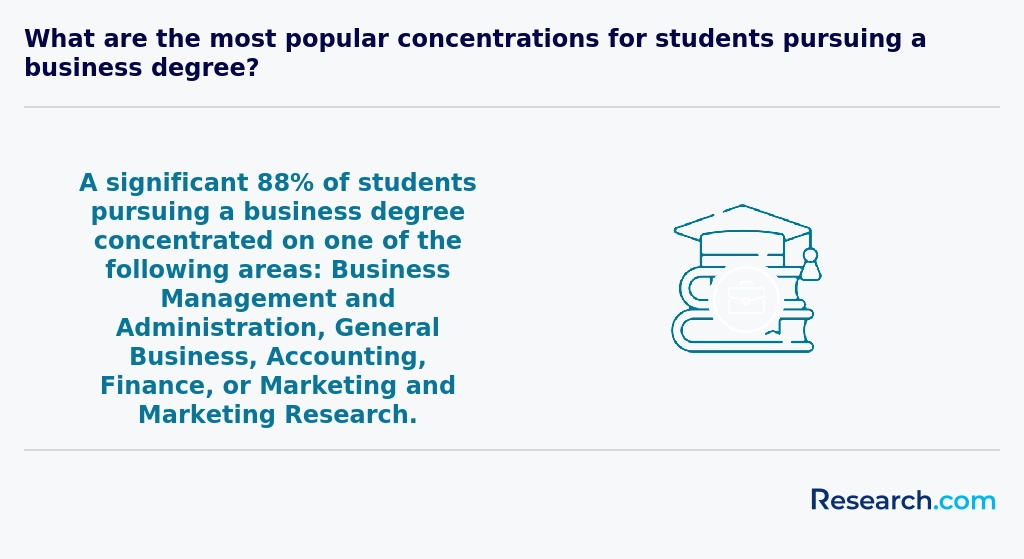
Business degrees in Springfield offer a range of specializations tailored to meet both local industry demands and student career aspirations. Common tracks include accounting, marketing, finance, management, and entrepreneurship. For example, graduates from popular Springfield colleges often highlight how the accounting specialization equipped them with practical skills in auditing and tax preparation, directly applicable in local firms. Marketing students benefit from coursework centered on digital strategies and consumer behavior, which aligns with Springfield's expanding retail sector. The finance specialization appeals to students targeting roles in banking, where risk management and investment analysis are critical.
Students pursuing a business degree in Springfield also frequently choose management to develop leadership abilities, preparing them for corporate or nonprofit roles in the area. Entrepreneurship is another sought-after track, reflecting Springfield's supportive environment for startups. When considering Springfield affordable business degree options, many emphasize the value of choosing a specialization aligned with thriving local sectors such as healthcare management and logistics. Aspiring students can explore these opportunities further by pursuing a business degree at one of Springfield's respected institutions.
Choosing the best business degree in Springfield starts with evaluating program accreditation, as graduates from AACSB-accredited colleges report greater employer recognition and satisfaction with their education quality. Cost considerations are vital; Springfield offers affordable business degree programs Springfield with public institutions averaging about $9,500 annually for in-state tuition, making them attractive for budget-conscious students. Graduates have praised how these programs balanced cost with strong local business connections that facilitated internships and job placements.
Curriculum focus plays a critical role-universities in Springfield often tailor business degrees to regional economic strengths like entrepreneurship and logistics. Recent graduates found such programs particularly rewarding, citing hands-on projects and real-world case studies that aligned well with Springfield's expanding market sectors. Employment outcomes improve with these targeted specializations, reflecting data projections for rising management and financial service jobs in the area.
Flexibility and financial aid options also influence decisions. Students juggling work and study appreciate programs offering evening, online, or hybrid classes. Exploring options such as one year online mba programs no gmat can be a strategic choice for advancing quickly without sacrificing income. Overall, balancing these factors against personal goals helps secure the best business degree options in Springfield.

Graduates with a business degree in Springfield benefit from diverse career options aligned with the city's strong economic sectors. Many find roles in management and administration, such as operations managers or project coordinators, reflecting the 8% national growth projected for these jobs by the U.S. Bureau of Labor Statistics. Those pursuing finance and accounting careers gain from Springfield's mid-sized financial sector, with median salaries around $80,000 for financial analysts, offering an attractive income baseline. Business degree career options in Springfield also include marketing and sales positions, where graduates leverage e-commerce trends as marketing coordinators or digital specialists, thriving in local companies focused on expanding online presence.
Graduates from Springfield's prominent universities often share positive experiences about how accessible local resources like the Springfield Business Development Center empower them to launch startups or grow ventures. The affordability of business education here, noted by average tuition between $10,000 and $25,000, further enhances these prospects. For prospective students, programs ranked in Inexpensive Online Business Degree Programs Ranking in Pittsburgh, PA provide additional cost-effective pathways to gain competitive skills for Springfield business degree job opportunities.
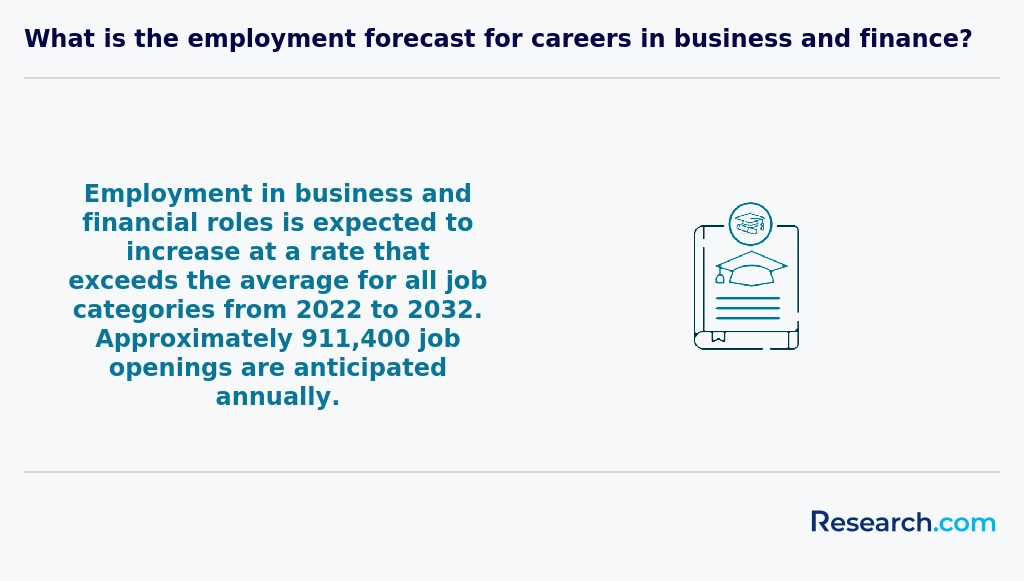
The job market for business degree holders in Springfield is stable and competitive, with an anticipated growth rate of around 6% in business and financial occupations over the next decade. This mirrors the national trends and signals healthy employment opportunities for graduates from local universities and colleges, particularly those gaining skills in project management, marketing, and finance. Many graduates find roles as financial analysts, human resources managers, or business operations specialists, benefiting from Springfield's diverse economy.
Graduates from Springfield's business programs often praise the value of local internship and cooperative education programs, which enhance practical experience and network connections. These programs, combined with the city's affordable cost of living, make the employment outlook for business degree job outlook Springfield reassuring and attractive to prospective students.
Annual salaries for business-related jobs average about $62,000 locally, with entry-level positions starting in the mid-$40,000 range and growing with experience. For students concerned about tuition costs, enrolling in public institutions here, where annual fees range from $6,000 to $12,000, provides financial relief compared to national averages.
For those exploring accelerated options, Springfield also offers 6 month certificate programs that lead to high paying careers, which can complement or fast-track business career goals in this job market. Overall, employment opportunities for business graduates in Springfield are promising, supported by a strong regional economy and active local business networks.
2027 Most Affordable Business Degree Programs Ranking in Springfield
Investing in your education is a significant decision that can shape your future, and the Research.com team understands the importance of making informed choices. To assist prospective students in Springfield, we have meticulously crafted the "2027 Most Affordable Business Degree Programs Ranking in Springfield." Our commitment to quality, credibility, and accuracy is reflected in the extensive research and analysis conducted to compile this ranking.
We utilized the following reputable data sources to ensure a comprehensive evaluation of business degree programs:
By exploring this ranking, readers will gain valuable insights into the most affordable business degree programs available in Springfield, enabling them to make well-informed decisions about their educational investments. For more details on our methodology, please visit our Research.com methodology page.

# 3 position
American International College
Bachelor of Science in Business Administration in General Business


Frequently Asked Questions About business
Business degree students in Springfield can maximize their learning experience by actively engaging in local internships. The Springfield metropolitan area hosts over 1,200 businesses, providing ample practical opportunities in finance, marketing, and management.
Students should also participate in campus organizations related to business. Membership in groups such as the Springfield Business Association Student Chapter offers networking events and workshops that complement classroom learning.
According to the Springfield Chamber of Commerce, graduates with hands-on experience have a 25% higher employment rate within six months of graduation. Seeking mentorship from local professionals can further enhance understanding of industry trends and career development.
Lastly, utilizing resources like the Springfield Public Library's business databases and attending regional business conferences can deepen students' knowledge efficiently.
Emerging niches within the business field reflect shifts in the economy and technology, especially relevant for Springfield students. One growing area is sustainable business, focusing on eco-friendly practices and corporate responsibility. According to the U.S. Bureau of Labor Statistics, jobs related to sustainability in management are expected to grow by 15% through 2030.
Another key niche is data analytics, where companies seek professionals skilled in interpreting data to inform decision-making. The Springfield Chamber of Commerce reports a 12% increase in demand for data-savvy business professionals locally.
Additionally, entrepreneurship with an emphasis on digital startups continues to rise, supported by local incubators and accelerators. Understanding these emerging fields can help prospective students target relevant skills in their business programs.
Graduates with a business degree in Springfield can enhance their job prospects by engaging in several key activities. First, gaining practical experience through internships or cooperative education programs offered by local employers like Bass Pro Shops and O'Reilly Automotive helps build relevant skills. According to the Springfield Regional Economic Partnership, about 60% of business graduates find employment within six months due to such connections.
Networking is also crucial; attending events hosted by the Springfield Area Chamber of Commerce facilitates contact with industry professionals. Additionally, developing proficiency in software such as Excel and Salesforce, widely used in Springfield's business community, increases employability.
Finally, utilizing career services at local colleges provides targeted resume reviews and interview preparation, improving chances in a competitive market.
Employers in Springfield highly value business degree graduates who demonstrate strong analytical and communication skills. According to the Springfield Chamber of Commerce 2023 report, 78% of local businesses prioritize candidates with proficiency in data analysis and financial forecasting.
Additionally, leadership and teamwork capabilities are essential, as many Springfield companies operate within collaborative environments. The Missouri Economic Research and Information Center highlights that adaptability and problem-solving skills increase graduate employability by over 60% in the Springfield area.
Technical skills, including familiarity with business software like Excel and CRM platforms, are also in demand to meet modern workplace needs.
Finding internships in Springfield relevant to a business degree involves leveraging local resources and institutions. Springfield hosts several companies in sectors like finance, healthcare, and manufacturing, which often offer business internships. The Springfield Area Chamber of Commerce provides listings and networking events that help students connect with employers.
Students should also explore internship programs through Springfield's universities, such as Missouri State University, which partners with local businesses to place students in practical work environments. According to the Missouri Department of Higher Education, nearly 60% of business students in Springfield participate in internships during their studies.
Online platforms like Handshake and LinkedIn feature Springfield-specific internships, making them accessible for early career seekers.
Obtaining a business degree in Springfield significantly enhances career mobility and advancement opportunities. According to the Springfield Chamber of Commerce, professionals with business degrees experience a 15% higher job placement rate in local companies compared to those without degrees. The city's thriving sectors, including finance, healthcare, and manufacturing, prioritize candidates with formal business education for leadership roles.
Furthermore, the U.S. Bureau of Labor Statistics reports that business graduates in Springfield earn on average 20% more than peers without degrees, reflecting increased earning potential tied to educational attainment. Many employers value skills taught in business programs, such as management, communication, and analytics, which directly support career progression.
Studying for a business degree in Springfield offers strong preparation for interdisciplinary roles by integrating core business knowledge with practical skills across multiple fields. Programs often combine courses in finance, marketing, management, and information technology, reflecting the diverse demands of the Springfield job market. According to the Springfield Chamber of Commerce (2023), 65% of local employers seek graduates who can navigate both business strategies and technical challenges.
Many Springfield institutions emphasize collaboration and problem-solving, encouraging students to apply business principles in settings like healthcare, manufacturing, and public administration. This approach develops adaptable graduates capable of contributing beyond traditional business roles.
The availability of internships with regional companies also enhances real-world interdisciplinary experience for students.
Choosing between a thesis and a non-thesis business degree program in Springfield depends on your career goals and learning style. Thesis programs typically require original research and a written dissertation, ideal for those considering doctoral studies or research-focused roles. Non-thesis options emphasize coursework and practical skills, often preferred by students aiming for immediate employment in Springfield's growing business sectors.
According to the Springfield Higher Education Council, thesis programs may take 6 to 12 months longer to complete. However, non-thesis programs often allow internships, beneficial in Springfield's local business community. Costs between the two frequently differ as well, with thesis tracks sometimes involving additional fees for research resources.
Students based in Springfield who wish to study business abroad have several structured pathways, primarily through exchange programs and partnerships between local institutions and international universities. For example, Drury University, a key Springfield institution, offers study abroad programs in collaboration with schools across Europe and Asia, allowing business students to gain global experience without interrupting their degree progress.
According to the Institute of International Education, around 10% of U.S. business undergraduates participate in study abroad programs, which enhances their intercultural competence and employability. Students can typically spend a semester or summer term overseas, earning credits transferable to their home institution.
Moreover, Springfield students can access external study abroad providers who specialize in business internships and academic courses abroad. These options often include placements in major global business hubs, such as London, Singapore, or Sydney, enabling practical learning alongside academic study.
Part-time job opportunities in Springfield that complement business degree education often focus on gaining practical skills in marketing, finance, and management. Roles such as administrative assistant, retail manager trainee, or customer service representative allow students to apply concepts learned in class. According to the U.S. Bureau of Labor Statistics, Springfield's retail sector employs over 15,000 individuals, providing numerous entry-level positions suitable for business students.
Internships with local companies and banks offer hands-on experience in business analytics and financial planning. Additionally, Springfield's growing small business environment enables students to engage in roles like social media coordinator or sales associate, which enhance communication and operational competencies.
Business students in Springfield have access to a variety of networking opportunities designed to enhance their career prospects. Local universities often host regular events, including speaker series and career fairs, that connect students with professionals from the area's strong manufacturing and healthcare sectors. According to the Springfield Regional Chamber of Commerce, over 70% of businesses participate in student mentoring programs each year.
Student organizations affiliated with major business degree programs provide additional networking platforms, hosting workshops and alumni panels. Moreover, Springfield's active startup scene offers internships and live project collaborations. These connections are vital for students seeking local internships and job placements within Springfield's diverse economy.
Alumni networks provide valuable benefits to business degree students in Springfield by connecting them with experienced professionals who have graduated from local institutions. These connections often lead to internships, mentorship, and employment opportunities within Springfield's growing business community.
According to data from the Springfield Chamber of Commerce, nearly 60% of local businesses prefer hiring graduates familiar with regional market dynamics, which alumni networks help facilitate. Networking events and online platforms offered by alumni groups allow students to access industry insights and job openings early.
Moreover, alumni involvement can enhance practical learning through guest lectures and workshops focused on Springfield's key sectors such as manufacturing, finance, and healthcare services.
Customizing a business degree program in Springfield allows students to align their education with specific career goals. Many local colleges and universities offer flexible curricula where students can choose concentrations such as finance, marketing, or entrepreneurship. Springfield's proximity to diverse industries supports internships that complement academic learning, enhancing real-world experience. According to the Springfield Economic Development Council, tailoring your program to include practical skills like data analysis or supply chain management increases job placement rates.
Students can also select electives or certificate programs that focus on emerging business trends. Additionally, networking with Springfield's business community through school-sponsored events builds connections valuable for career advancement.
Business students in Springfield often face the challenge of balancing academic workload with part-time jobs, as many rely on employment to support their education. According to the Springfield Education Board (2023), nearly 60% of business undergraduates work while studying, which can impact study time and stress levels.
Another significant issue is access to internships and practical experiences. Although Springfield hosts several small and mid-sized businesses, competition for local internships remains high, limiting hands-on learning opportunities.
Additionally, some students struggle with understanding complex financial concepts and quantitative methods, which are core components of business programs nationwide.
With a business degree in Springfield, students can pursue several valuable professional certifications to enhance their careers. The most popular include the Certified Public Accountant (CPA) for those focusing on accounting and finance, and the Project Management Professional (PMP) certification, which is widely recognized across various industries.
Another key certification is the Certified Management Accountant (CMA), ideal for individuals aiming at managerial roles in corporate finance. According to the Springfield Chamber of Commerce, demand for certified professionals in the region has grown by 12% over the past five years, reflecting strong local business activity.
Additionally, credentials like the Certified Business Analysis Professional (CBAP) are becoming important as Springfield's companies increasingly prioritize data-driven decision-making.
Writing a winning application for a business program in Springfield starts with understanding the local academic landscape. Springfield is home to several accredited institutions offering diverse business degrees, aligning with U.S. Department of Education standards. It's essential to present a clear career goal that connects your background to the program's strengths.
Admissions committees value applicants who demonstrate leadership, analytical skills, and community engagement. Use your personal statement to highlight these qualities with specific examples.
According to recent data from the National Center for Education Statistics, business programs in Springfield often emphasize internships and practical experience, so mention any relevant work or volunteer roles.
Finally, ensure your application is error-free and tailored to each program's requirements to strengthen your candidacy.
The global outlook on a business career recognizes its growing importance in an interconnected economy. American business degrees, including those offered in Springfield, emphasize skills such as leadership, critical thinking, and cultural awareness. According to the U.S. Bureau of Labor Statistics, business-related roles are projected to grow 8% through 2031, reflecting steady demand.
Springfield's proximity to international trade hubs provides students real-world context for global commerce. Institutions here often integrate global case studies to prepare graduates for multinational companies or entrepreneurship in diverse markets.
Many business programs in Springfield align curricula with frameworks like the AACSB, ensuring international standards and relevance.
Gaining practical experience while pursuing a business degree in Springfield is essential for career readiness. Many local colleges and universities offer internship programs that connect students with Springfield-area businesses. According to the Springfield Business Journal, over 60% of business students participate in internships during their studies. These internships often provide hands-on experience in marketing, finance, and management within real companies.
Additionally, some institutions in Springfield have cooperative education (co-op) programs, allowing students to alternate semesters of study with paid work experience. Joining business clubs and attending local networking events can also build valuable contacts and skills. Volunteering for community organizations linked to the Springfield Chamber of Commerce is another practical option.
Choosing the right concentration within a business degree program in Springfield involves aligning your interests with local economic opportunities. Springfield's economy is diverse, with strengths in healthcare, manufacturing, and finance, according to the Springfield Regional Economic Development Agency. Research shows concentrations like healthcare management and supply chain logistics are particularly relevant here, reflecting local industry demands.
Evaluate your career goals and materials from colleges to see which concentrations offer internships or partnerships with Springfield businesses. Also, consider the job placement rates and alumni networks associated with each concentration. The U.S. Bureau of Labor Statistics reports that business majors with a focus on finance or marketing tend to have higher employment rates nationwide, a pattern often mirrored locally.
- 2027 Most Affordable Business Degree Programs Ranking in Amherst
- 2027 Most Affordable Business Degree Programs Ranking in West Hartford
- 2027 Most Affordable Business Degree Programs Ranking in Storrs
- 2027 Most Affordable Business Degree Programs Ranking in New Britain
- 2027 Most Affordable Business Degree Programs Ranking in Worcester
- 2027 Most Affordable Business Degree Programs Ranking in New Haven
- 2027 Most Affordable Business Degree Programs Ranking in Providence
- 2027 Most Affordable Business Degree Programs Ranking in Kingston
- 2027 Most Affordable Business Degree Programs Ranking in Albany
- 2027 Most Affordable Business Degree Programs Ranking in Troy
See What Experts Have To Say About Studying Business
Read our interview with Business experts


David W. Stewart
Business Expert
Emeritus President's Professor of Marketing
Loyola Marymount University

Ingrid S. Greene
Business Expert
Clinical Assistant Professor of Management
Loyola Marymount University

- Enterprise project challenge https://barclayslifeskills.com/help-others/lessons/enterprise-project-challenge/
- Part-Time Students: 9 Things You Need to Know – EU Business School https://www.euruni.edu/blog/part-time-students-9-things-you-need-to-know/
- Guide to Business Internships | Higherin https://higherin.com/career-guides/business/business-internships
- Networking Tips for Business Students and MBA Candidates - Cyprus West University https://www.cwu.edu.tr/networking-tips-for-business-students-and-mba-candidates/
- Online and Traditional Business Degrees Comparison | Free Essay Example https://studycorgi.com/online-and-traditional-business-degrees-comparison/
- Why Alumni Networks Matter in Business School: 7 Reasons https://europe.ceibs.edu/article/why-alumni-networks-matter-business-school
- What is the future of bachelor’s degrees in business? https://www.amba-bga.com/insights/what-is-the-future-of-bachelors-degrees-in-business
- 55 Trending Business Ideas for 2025 and Beyond https://www.uschamber.com/co/start/business-ideas/top-trending-business-ideas
- Know more about thesis vs non- thesis: what is the difference? https://studyfans.com/en/blogs/816
- Is a thesis always mandatory in a master's degree program? - EFMU: The Euler-Franeker Memorial University and Institute https://euler.euclid.int/is-a-thesis-always-mandatory-in-masters-degree-program/


