2027 Most Affordable Business Degree Programs Ranking in Amherst

Co-Founder and Chief Data Scientist
If you're considering pursuing a business degree in Amherst, this article offers valuable insights tailored just for you. The 2027 Most Affordable Business Degree Programs Ranking in Amherst was developed by the Research.com team of data scientists to guide students toward programs that deliver quality education without overwhelming costs.
Exploring this ranking helps you make an informed decision, balancing affordability with academic value. Earning a business degree can open doors to exciting career paths and personal growth, and understanding your options empowers you to take confident steps toward your future.
Key benefits of getting business degree in Amherst
- Business degree graduates in Amherst can earn rewarding salaries, such as a Business Analyst making an average of $112,950 per year, or a Business Development Executive earning about $83,190 annually, highlighting strong financial potential.
- Graduates from Amherst colleges often explore diverse career paths like business analysis, sales leadership, and project coordination, opening doors to dynamic roles in various industries and exciting growth opportunities.
- Completing a business degree online offers flexibility and convenience, allowing students to balance work and study effectively while gaining skills that employers in Amherst highly value, making it a smart and practical choice.
- 2027 Most Affordable Business Degree Programs Ranking in Amherst
- What can I expect from business degree in Amherst?
- Where can I work with business degree in Amherst?
What can I expect from business degree in Amherst?
When considering the cost of pursuing a business degree in Amherst, many students find the expenses quite manageable, especially at renowned institutions like the University of Massachusetts Amherst. Graduates frequently mention how the average undergraduate tuition hovers around $17,000 annually for in-state students, which unlocks access to the Isenberg School of Management's top-tier business education without overwhelming financial strain.
Students exploring business at Amherst appreciate that this price point still offers a premium experience-balancing solid academic rigor with practical opportunities. Scholarships, assistantships, and financial aid frequently soften the financial commitment, making the journey toward a business degree feel more like an exciting investment than a burden.
Imagine joining study groups sparked by real-world case studies, or landing internships thanks to Amherst's vibrant economy. These experiences translate into stories of growth and confidence that alumni eagerly share, highlighting how affordability paired with quality education turns dreams into achievable goals.
Where can I work with business degree in Amherst?
Graduates with a business degree in Amherst find themselves stepping into a vibrant job market full of exciting possibilities. Many land roles right at the University of Massachusetts Amherst, where they dive into finance, marketing, or project management positions that feel both challenging and rewarding. Imagine working alongside teams shaping the future of education while honing your skills in real time.
Others discover thrilling careers in Amherst's bustling retail sector, managing sales strategies or coordinating supply chains. The city's proximity to Northampton and Springfield opens doors to financial services and insurance companies, where business grads engage in accounting and risk management, often with competitive salaries ranging from $60,000 to $85,000 annually.
For those who crave creativity and innovation, local startups and economic incubators provide fertile ground for entrepreneurship and business development-perfect for graduates eager to launch ventures that make a real impact. Nonprofit roles in community development and government agencies also attract grads passionate about leadership and meaningful work.
Graduates from business programs at Amherst's colleges often discover that starting salaries can spark exciting new chapters. For example, a graduate stepping into a Business Development Executive role can anticipate an average annual salary near $83,190, a figure that brings both confidence and a foundation for career growth in the vibrant Pioneer Valley.
Those with a knack for analysis and strategy might find the Business Analyst path thrilling, earning around $112,950 annually. Imagine applying your skills to real-world problems, much like recent Amherst graduates who leveraged their education to secure roles blending innovation with practical impact in nearby economic centers.
These figures reveal more than just numbers-they reflect opportunity in a thriving region where local institutions foster talent ready to meet the demands of dynamic industries. The blend of Amherst's supportive academic environment and the allure of neighboring hubs like Boston and Springfield creates a journey ripe with potential for rising professionals eager to explore diverse business landscapes.
- Annual tuition for business degrees at Amherst public colleges ranges from $12,000 to $16,000 for in-state students.
- Private Amherst colleges charge between $30,000 and $45,000 per year for business programs.
- Additional yearly costs include books, supplies, and living expenses, adding several thousand dollars to total education expenses.
- Entry-level business graduates in Amherst earn between $50,000 and $60,000 annually, with median salaries rising to $80,000-$100,000 within five to ten years.
- Key local industries for business graduates include finance, marketing, healthcare administration, and entrepreneurship.
- Internships and cooperative education programs are common, enhancing practical experience and job readiness.
In Amherst, diving into a business degree typically unfolds over about four years for full-time undergraduates, a rhythm familiar to many who choose the University of Massachusetts Amherst or other local institutions. Imagine navigating core courses like marketing and finance, gradually building your expertise each semester while balancing campus life. Many graduates recall that pacing themselves across roughly 15 credit hours every semester made their journey challenging yet deeply rewarding.
For those craving an accelerated adventure, some programs offer summer classes or combined degree pathways, enabling completion in around three years. Students who embrace this path often describe a thrilling, fast-paced experience, pushing their limits but savoring the feeling of early accomplishment.
Graduate paths, like the MBA programs at UMass Amherst, add their own flavor-typically taking about 21 months full-time, but stretching up to three years if you're balancing work with study through part-time or online options. Graduates frequently share how this flexibility allowed them to pursue dreams without hitting pause on their careers.
For students looking to pursue a business degree in Amherst, MA, understanding the landscape of educational resources is essential. Many institutions in the area offer comprehensive business programs, but navigating the options can be daunting. To make informed decisions, prospective students should consider factors such as program reputation, curriculum, and cost. For example, those interested in finding affordable business schools in Massachusetts can start by exploring local universities and their financial aid options. By doing so, students can identify programs that align with their financial and educational aspirations, ultimately setting themselves up for success in their chosen career path.
Exploring a business degree in Amherst reveals intriguing choices between online and on-campus paths. Graduates from the University of Massachusetts Amherst often recall the buzz of campus life-engaging face-to-face with professors, lively group projects, and spontaneous networking events just steps from their classrooms. Imagine walking through campus libraries or attending local Amherst business mixers, building connections that textbooks alone can't offer.
In contrast, online students treasure the freedom to craft their own schedules, juggling studies with work or family commitments without the daily commute. Many speak of enjoying video lectures and discussion boards that fit their pace, whether early morning or late at night. While some notice slightly lower tuition and no housing costs, they also learn to build virtual networks and embrace a digital learning community. Each experience paints a rich, inviting picture of business education tailored to different lifestyles and dreams in Amherst.
Business students can greatly enhance their academic journey and future career prospects by actively engaging in professional development and networking opportunities within Amherst. In today's competitive landscape, leveraging internships, career fairs, industry meetups, and mentorship programs helps intertwine academic learning with real-world experience. Students are encouraged to join business clubs and attend local or virtual networking events tailored to their field of study, which not only broaden their perspective but also establish invaluable industry connections. Furthermore, actively seeking mentorship from alumni and professionals in the community can provide first-hand insights into the rapidly evolving market trends and best practices, setting a solid foundation for long-term career success. For those planning their future career path, exploring a list of careers in business administration can offer additional clarity on potential growth trajectories and the skills required in various sectors. By integrating these strategic actions into their educational experience, students position themselves to transform their business degree into a cornerstone of lifelong professional achievement.
The average cost of earning a business degree in Amherst offers a mix of investment and opportunity. Median in-state students spend around $17,772 total to complete their degree, making it an appealing choice for local residents eager to embrace Amherst's thriving academic environment without overwhelming debt. Out-of-state students can expect a median total cost near $58,359, reflecting a broader commitment but balanced by access to rich resources and networking within popular institutions like the University of Massachusetts Amherst.
Graduates often share how these costs, while significant, are a gateway to exciting careers and personal growth. Imagine walking through the campus, textbooks in hand, energized by dynamic lectures and practical projects that connect theory to real-world business challenges. This experience resonates strongly for those searching for affordable business degree programs Amherst 2027 options that combine quality education with a supportive community.
Beyond tuition, living expenses and materials add to the financial picture. Many students find that scholarships and on-campus jobs lighten the burden, allowing them to fully engage with academic and social life. Exploring flexible study options or even a fastest online bachelor's degree in construction management program can also be an adventurous alternative for balancing costs and ambition.
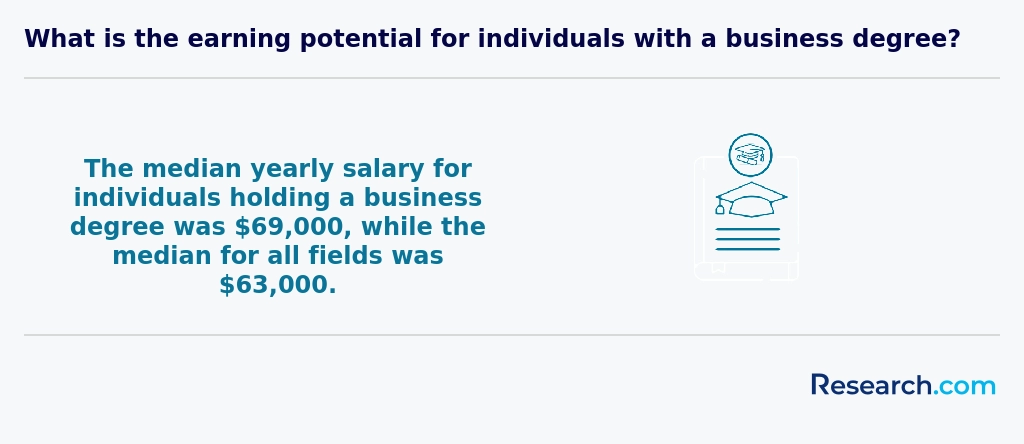
Business students in Amherst often uncover a treasure trove of financial aid designed to lighten the weight of tuition and living costs. Imagine a University of Massachusetts Amherst graduate who secured a Pell Grant-up to $7,395 for the 2023-2024 year-allowing them to focus more on classes and less on bills. These grants don't demand repayment, a comforting fact for anyone chasing a business dream.
Federal student loans offer another path, with manageable interest rates and flexible repayment options tailored to diverse financial journeys. Many Amherst students rely on these loans to cover tuition, fees, and daily expenses, balancing ambition with responsibility.
State programs like MASSGrant give a boost to Massachusetts residents, while scholarships and assistantships specific to business disciplines at Amherst colleges add extra layers of support. Local chambers of commerce pitch in grants too, eager to nurture future business leaders right in their own backyard.
Completing FAFSA early is a smart move; plenty of classmates have found that this simple step opens doors to grants and scholarships that might otherwise slip away.
Diving into a business degree in Amherst means embracing a clear set of prerequisites that keep your academic adventure on track. Imagine a recent graduate from a well-known Amherst college recalling how their journey began with a high school diploma-an essential passport to the world of business studies here.
Most Amherst institutions also expect standardized test scores like the SAT or ACT, although some have begun to experiment with test-optional policies, adding a hint of flexibility to the process. Think of a peer who thrived after submitting thoughtful letters of recommendation from mentors who truly understood their drive and potential-these endorsements often open important doors.
Another common step involves crafting a personal statement that shares your passion for business and your unique goals, something graduates often found empowering. For those eyeing graduate programs, having a relevant undergraduate degree with a solid GPA and competitive GRE or GMAT scores is typical, especially at Amherst's top business schools.
Financially, keep in mind that tuition aligns closely with Massachusetts averages, so budgeting realistically enhances your excitement rather than dampening it.

Diving into a business degree in Amherst means immersing yourself in courses that blend foundational knowledge with exciting real-world applications. Graduates from Amherst's top colleges often recall how principles like management and financial accounting became eye-opening tools for understanding everyday workplace dynamics.
Imagine yourself in a marketing fundamentals class, brainstorming campaigns that could actually impact local companies in Amherst, or grappling with business law and ethics lessons that prepare you to navigate tricky decisions with confidence. Economics classes here go beyond theory, offering glimpses into how national trends ripple through the regional economy, energizing your perspective.
Statistics feels less like numbers on a page and more like a key to unlocking smarter decisions-something Amherst students experience as they handle real datasets during internships with nearby businesses.
Specialized electives, like entrepreneurship and international business, invite you to chase your passions, whether launching a startup or exploring global markets. These courses make studying business in Amherst not just an education, but an adventure in shaping your future.

Exploring business degree specializations in Amherst reveals a vibrant selection tailored to ignite passion and ambition. Graduates from top colleges often recall diving into Finance, mastering investment strategies and market moves that thrill the analytically curious. Others embrace Marketing, blending creativity with data to shape compelling brand stories amidst Amherst's dynamic local business scene.
Many find themselves drawn to Management, where leadership and strategic thinking come alive in group projects and internships with local companies. Accounting students, energized by the challenge of unraveling tax codes and audits, often pursue CPA paths, feeling confident stepping into professional roles. The buzz around Entrepreneurship is palpable too; Amherst's supportive small business ecosystem nurtures innovative spirits ready to launch startups.
Amherst also offers exciting international perspectives. Within International Business specializations, students explore global trade and cultural nuances, preparing for careers beyond borders. For those intrigued by logistics, the region's supply chain management degree programs online add another adventurous layer to their studies. These varied paths make Amherst affordable business degree programs not just practical but thrilling journeys of discovery.
Choosing the best business degree in Amherst feels like embarking on a thrilling journey, where each decision shapes your future adventures. Many graduates from the University of Massachusetts Amherst, particularly those drawn to the Isenberg School of Management, rave about how the school's AACSB accreditation opened doors to exciting career paths. Imagine diving into courses tailored to your passion-whether it's finance, marketing, or entrepreneurship-while tapping into the vibrant local business scene just a short trip from Boston's bustling hubs.
Affordability can inspire peace of mind during this quest; many seek affordable business degree programs in Amherst to balance quality education with manageable costs. Stories from alumni highlight how flexible class schedules, including hybrid and online options, enabled them to gain real-world experience without pausing life's other adventures.
Exploring specialization is like choosing your own expedition route. Some find incredible value in navigating through fields like supply chain management or marketing, which align perfectly with their aspirations. For those curious about combining accounting expertise, checking out the best accounting programs Ohio can also broaden your perspective beyond Amherst's borders.
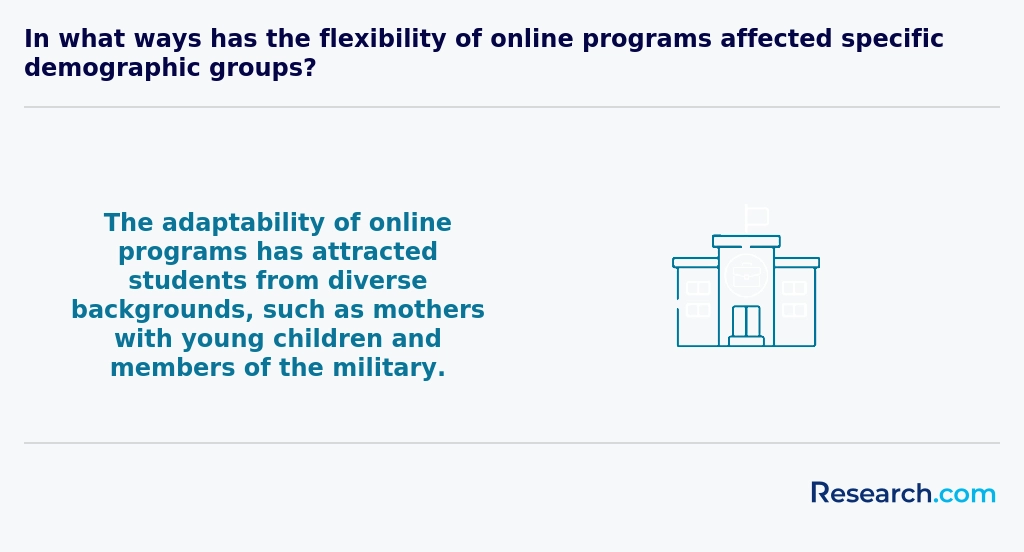
Exploring business degree career opportunities in Amherst reveals a landscape rich with possibilities. Graduates from local universities often dive into finance, becoming financial analysts or advisors who thrive on helping businesses and individuals master their money. Imagine collaborating with startups in Amherst's vibrant ecosystem, where marketing and sales skills come alive through digital campaigns and brand storytelling. Many alumni recall how projects at their colleges fueled a passion for management, leading them to dynamic roles in operations or human resources within diverse industries.
Amherst's supportive environment also sparks entrepreneurial dreams. Business graduates frequently launch innovative startups or join innovation hubs nearby, crafting strategies that transform ideas into thriving ventures. The flexibility of a business degree means alumni explore supply chain roles, consulting gigs, or real estate careers, all reflecting Amherst's economic diversity. For those curious about specialized fields, local students often consult resources such as Ohio accounting degree programs, blending broader knowledge with targeted skills, thus enhancing Amherst business degree job prospects.
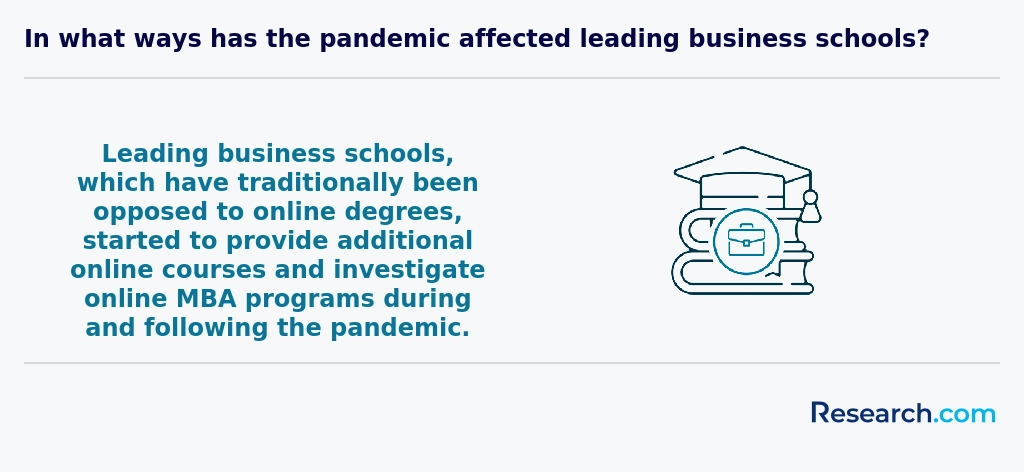
The business degree job opportunities Amherst provides are both diverse and promising, especially for graduates from institutions like the University of Massachusetts Amherst. Many alumni enthusiastically share how landing roles in management, marketing, or finance within local education and healthcare sectors sparked their careers. The vibrant city setting, near Springfield and Boston, expands horizons significantly, with those eager to explore finance or consulting finding a lively market with low unemployment inspiring confidence in securing a position.
Success stories often highlight how networking on campus or through Amherst business organizations enhanced chances to connect with employers. While retail and service roles are accessible starting points, graduates aiming higher find the region's job landscape rewarding, offering pathways that match their ambitions.
Affordability also shapes this adventure: those weighing their options appreciate the affordable business schools in Massachusetts that allow graduates to invest smartly in their future without overwhelming costs, making Amherst a compelling launchpad for business careers that blend opportunity with clarity.
2027 Most Affordable Business Degree Programs Ranking in Amherst
Investing in your education is a significant decision that can shape your future, and the Research.com team understands the importance of making informed choices. To assist prospective students in Amherst, we have meticulously crafted the "2027 Most Affordable Business Degree Programs Ranking in Amherst." Our commitment to quality, credibility, and accuracy is reflected in the extensive research and analysis conducted to compile this ranking.
We utilized the following reputable data sources to ensure a comprehensive evaluation of business degree affordability:
By exploring this ranking, readers will gain valuable insights into the most affordable business degree options in Amherst, empowering them to make informed and confident decisions about their education investments. For more details on our methodology, please visit our Research.com methodology page.

Frequently Asked Questions About business
Business degree students in Amherst can enhance their learning by actively engaging with both academic and local professional opportunities. Amherst College and the University of Massachusetts Amherst offer robust business-related programs where students benefit from small class sizes and experienced faculty. Participating in internships with local businesses or startups in the Pioneer Valley is crucial; nearly 40% of UMass Amherst business students report internships that lead to job offers.
Moreover, joining campus organizations like the UMass Business Society helps students develop leadership skills and expand their professional networks. Utilizing career services for resume building and interview preparation significantly improves employment outcomes. Attending local business workshops and networking events in Amherst fosters practical knowledge alongside theoretical coursework.
The business field is evolving rapidly, and several emerging niches are gaining momentum, especially in regions like Amherst. Areas such as digital marketing, sustainability management, and data analytics are now central to business curricula. According to a 2023 report by the Amherst Chamber of Commerce, demand for professionals skilled in green business strategies and ethical supply chain management has increased by over 20% in local companies.
Additionally, entrepreneurship with a focus on technology startups is thriving, partly fueled by Amherst's growing startup incubators. Business intelligence roles, combining data science and decision-making, offer promising career paths supported by regional economic trends. These niches reflect shifting industry priorities toward innovation and social responsibility.
After completing a business degree in Amherst, preparing for the job market involves several key steps. Graduates should leverage career services offered by local colleges, such as resume workshops, interview preparation, and networking events. According to the Amherst Chamber of Commerce, over 60% of business jobs in the area are in finance, marketing, and management sectors.
Internships during study or immediately after graduation can significantly improve employment prospects by providing real-world experience and local industry contacts. Additionally, obtaining relevant certifications like CPA or PMP can make candidates more competitive.
Finally, staying informed about regional economic trends and job openings through resources like the Massachusetts Executive Office of Labor and Workforce Development is essential for a targeted job search.
Employers in Amherst prioritize a mix of technical and interpersonal skills in business degree graduates. Communication is key, with 85% of local hiring managers emphasizing the ability to present ideas clearly and collaborate effectively, according to a 2023 survey by the Amherst Chamber of Commerce.
Analytical skills also rank highly, as businesses seek graduates who can interpret data to inform strategic decisions. Proficiency in financial analysis and familiarity with tools like Excel and QuickBooks are frequently requested.
Additionally, leadership and problem-solving capabilities are crucial. Employers value graduates who can manage teams and navigate challenges creatively, reflecting national trends reported by the National Association of Colleges and Employers (NACE).
Lastly, adaptability and technological literacy remain essential, especially as Amherst's economy increasingly includes startups and tech-driven companies.
Finding internships in Amherst related to a business degree involves utilizing both university resources and local business networks. The University of Massachusetts Amherst, the largest in the area, offers a dedicated career services center with internship listings, workshops, and employer networking events. According to UMass reports, over 60% of business students secure internships through campus programs each year. Amherst also benefits from its proximity to the Pioneer Valley business community, where small and medium enterprises often seek interns for hands-on experience.
Students should explore platforms such as Handshake and local chambers of commerce websites, which frequently post relevant opportunities. Engaging with faculty who have industry connections can also be beneficial. Additionally, internships with regional financial firms, marketing agencies, and nonprofit organizations provide valuable practical experience aligned with business studies.
Obtaining a business degree in Amherst significantly enhances career mobility and advancement opportunities. According to the U.S. Bureau of Labor Statistics, professionals with a bachelor's in business typically experience a 10-15% faster promotion rate compared to those without a degree. Amherst's local economy, with its concentration of financial services, education, and technology firms, values the analytical and leadership skills business graduates offer. Employers in the Pioneer Valley region often seek candidates familiar with business strategy, marketing, and management, all core components of these degrees.
Graduates also benefit from Amherst's proximity to major job markets like Boston and Hartford, enabling easier access to internships and networking events that boost career growth. Data from the Massachusetts Executive Office of Labor and Workforce Development highlights that business-related roles in the area have grown by 8% over the last five years, reflecting steady demand. This growth supports upward mobility for degree holders, facilitating transitions into management or specialized business roles.
Studying for a business degree in Amherst offers strong preparation for interdisciplinary roles by integrating core business skills with knowledge from fields like technology, communication, and economics. Programs emphasize critical thinking, problem-solving, and collaboration, key abilities sought in modern workplaces. Amherst's institutions often provide access to diverse electives and experiential learning opportunities, such as internships and group projects with local businesses, enhancing students' practical and cross-disciplinary experience.
According to the U.S. Bureau of Labor Statistics, interdisciplinary competencies improve employment prospects, and Amherst's business programs align with this trend by fostering adaptability. This approach equips graduates to work effectively across various sectors where business intersects with other areas.
Choosing between a thesis and a non-thesis business degree program in Amherst depends largely on your career goals and learning preferences. A thesis option involves conducting original research and writing a detailed paper, which can be beneficial if you plan to pursue a PhD or a research-focused career.
Non-thesis programs typically emphasize coursework and practical skills, suited for students aiming to enter the workforce quickly. According to the National Center for Education Statistics, about 40% of business graduate students in Massachusetts choose non-thesis programs for their application-oriented training.
In Amherst, schools often offer both paths, so consider if you prefer research or applied practice, and evaluate faculty expertise and available resources before deciding.
Students in Amherst interested in studying business abroad have several pathways through partnerships between local institutions and international programs. Amherst College itself does not offer a business major but encourages students to pursue study abroad opportunities that complement business education interests. Nearby institutions like the University of Massachusetts Amherst provide more direct access to business study abroad programs, with popular destinations including the United Kingdom, France, and Spain.
These programs often include courses in international business, finance, and management, allowing students to earn credits transferable to their U.S. degrees. According to UMass Amherst's study abroad office, approximately 15% of business students participate in these experiences annually. Additionally, students may choose to enroll directly in foreign universities with recognized business credentials to broaden their global perspectives.
Amherst offers several part-time job opportunities that can enrich a business degree education. Positions in local retail, such as stores along North Pleasant Street, provide practical experience in sales, customer service, and inventory management. The presence of numerous startups and small enterprises in the area offers roles in marketing, social media management, and administrative support that align with core business skills.
Internships with Amherst-based nonprofit organizations or town government departments can develop project management and financial analysis abilities. According to data from the U.S. Bureau of Labor Statistics, part-time roles in management-related fields grow steadily in university towns like Amherst, enhancing students' practical knowledge alongside academic studies.
Amherst offers business students a variety of networking opportunities crucial for career development. Local universities often host career fairs, connecting students with over 150 regional companies annually, according to the Amherst Chamber of Commerce. These events help students build relationships with potential employers and industry professionals.
Additionally, business clubs and student organizations provide regular meetings, workshops, and guest speaker sessions with alumni and business leaders from the Pioneer Valley area. Such activities encourage practical engagement outside the classroom.
Community partnerships with local businesses also create internship and mentorship programs, enhancing real-world experience and expanding professional networks specific to Amherst's economic environment.
Alumni networks are a significant asset for business degree students in Amherst, providing valuable connections that extend beyond graduation. These networks allow students to engage with professionals who have established careers in various industries, helping them access mentorship and job opportunities. According to the National Association of Colleges and Employers, 70% of jobs are found through networking, making alumni connections especially crucial.
In Amherst, many business schools maintain active alumni groups that organize events, workshops, and panels. This engagement fosters a supportive environment where students can develop skills and gain insights into local and national markets.
Furthermore, alumni often contribute to internships and recruitment efforts, offering students direct pathways into competitive roles. This real-world support enhances both learning and career advancement for business students.
Customizing a business degree program in Amherst allows students to align their education with specific career goals. Many institutions offer flexible curricula where students can choose concentrations such as finance, marketing, or entrepreneurship. This flexibility helps tailor skills to local market demands, especially given Amherst's growing sectors in healthcare and technology.
Students may also benefit from internships or cooperative education programs available through Amherst-area businesses, gaining practical experience alongside academic knowledge. Additionally, elective courses and seminar options enable focus on emerging business trends like sustainable management.
Advisors play a key role in helping students map out a path suited to their professional aspirations by selecting relevant courses and extracurricular opportunities.
Business students in Amherst often face challenges related to balancing rigorous coursework with part-time employment. Many students attend institutions like the University of Massachusetts Amherst, where business programs demand strong analytical and communication skills.
Another common challenge is managing financial pressures. According to recent data, the average cost of attendance for in-state students can exceed $35,000 annually, which may lead to increased student debt or need for scholarships and aid.
Additionally, securing internships in the competitive Pioneer Valley job market requires proactive networking and adapting to evolving business technologies. Students must stay current with digital tools to remain relevant after graduation.
With a business degree in Amherst, graduates can pursue various professional certifications that enhance their career opportunities. Popular certifications include the Certified Public Accountant (CPA), ideal for those interested in accounting and finance. The CPA credential is highly respected in Massachusetts and nationwide.
Another valuable option is the Project Management Professional (PMP), which suits those focused on managing business projects efficiently. The PMP certification is recognized by employers across industries.
Additionally, the Certified Management Accountant (CMA) is tailored for finance professionals seeking expertise in financial analysis and strategic management. Local Amherst employers often prefer candidates with such certifications.
Other certifications like the Chartered Financial Analyst (CFA) and Six Sigma Green Belt also complement a business degree, boosting skills in investment management and process improvement.
Writing a winning application for a business program in Amherst requires clear organization and attention to detail. Start by thoroughly researching the specific programs offered at institutions such as the University of Massachusetts Amherst, which is known for its Isenberg School of Management. Highlight your academic achievements and relevant experience in business, leadership, or internships.
Focus on crafting a strong personal statement that explains your motivation for studying business, your career goals, and why Amherst's program fits your ambitions. According to UMass Amherst admissions statistics, applicants with a GPA above 3.5 and relevant extracurricular activities have higher acceptance rates.
Include strong letters of recommendation from professors or professionals familiar with your skills. Demonstrating knowledge of Amherst's business environment and any ties to the local economy can also strengthen your application. Proofread carefully to ensure clarity and professionalism.
Business careers today are increasingly shaped by global economic trends and cultural diversity. For students in Amherst pursuing a business degree, understanding international markets is critical. According to the U.S. Bureau of Labor Statistics, business occupations are projected to grow 8% from 2020 to 2030, reflecting a strong demand for globally informed professionals.
Many companies in the Amherst area engage in international trade and partnerships, making cross-cultural communication and global strategy essential skills. Moreover, business programs in the region emphasize global perspectives through coursework and study abroad opportunities.
Graduates with this global outlook often find greater career mobility and competitive advantages in sectors like finance, marketing, and supply chain management.
Students pursuing a business degree in Amherst can gain valuable practical experience through various means. Many local colleges, such as the University of Massachusetts Amherst, offer cooperative education (co-op) programs and internships with nearby companies. These experiences allow students to apply classroom knowledge in real business settings and build professional networks.
Additionally, Amherst's proximity to the Pioneer Valley's growing economy provides access to internships in finance, marketing, and entrepreneurship. According to the UMass Amherst Career Services, over 70% of business students secure internships before graduation, enhancing employability.
Engaging in student-run businesses or consulting projects is another practical option, offering hands-on learning relevant to today's workforce demands.
Choosing the right concentration within a business degree program in Amherst requires aligning your interests with regional economic strengths and career opportunities. Amherst's economy, supported by education and healthcare sectors, suggests concentrations like healthcare management or entrepreneurship may offer strong local prospects.
Research shows that about 15% of business graduates in Massachusetts pursue concentrations in finance, which remains a stable option nationwide, including in Amherst's nearby financial hubs. Considering internships and local employer demands can also guide your decision.
Consult course offerings at Amherst institutions and evaluate how each concentration matches your skills and long-term goals. Utilizing resources like the U.S. Bureau of Labor Statistics and Massachusetts Department of Higher Education can provide data on job market trends to inform your choice.
- 2027 Most Affordable Business Degree Programs Ranking in Springfield
- 2027 Most Affordable Business Degree Programs Ranking in Worcester
- 2027 Most Affordable Business Degree Programs Ranking in Storrs
- 2027 Most Affordable Business Degree Programs Ranking in West Hartford
- 2027 Most Affordable Business Degree Programs Ranking in New Britain
- 2027 Most Affordable Business Degree Programs Ranking in Troy
- 2027 Most Affordable Business Degree Programs Ranking in Waltham
- 2027 Most Affordable Business Degree Programs Ranking in Albany
- 2027 Most Affordable Business Degree Programs Ranking in Providence
- 2027 Most Affordable Business Degree Programs Ranking in Manchester
See What Experts Have To Say About Studying Business
Read our interview with Business experts


Ingrid S. Greene
Business Expert
Clinical Assistant Professor of Management
Loyola Marymount University

David W. Stewart
Business Expert
Emeritus President's Professor of Marketing
Loyola Marymount University

- What is the future of bachelor’s degrees in business? https://www.amba-bga.com/insights/what-is-the-future-of-bachelors-degrees-in-business
- Business degree: What to study and how to find a job https://brive.com/blog/studies/business-degree-guide-to-study-and-find-a-job/
- 1. Online registration https://moderna.edu.pl/majors/management/bachelor-of-management/business-management/
- Undergraduate Business Major Prerequisites | OnlineMBA.com https://www.onlinemba.com/resources/undergraduate-business-major-prerequisites/
- Interdisciplinary Business https://www.okwu.edu/academics/undergraduate/bachelor-interdisciplinary-business/
- Guide to Business Internships | Higherin https://higherin.com/career-guides/business/business-internships
- Exploring Different Types of Business Majors https://www.ivywise.com/ivywise-knowledgebase/exploring-different-types-of-business-majors/
- Why Amherst Should Prioritize Entrepreneurship https://amherststudent.com/article/why-amherst-should-prioritize-entrepreneurship/
- A 2016 Global Perspective on Business and Career Planning https://careerproinc.com/blogging/a-2016-global-perspective-on-business-and-career
- The Biggest Challenges for Business School Students | EU Business School https://www.euruni.edu/blog/the-biggest-challenges-for-business-school-students/