
2027 Fastest Online Master's in Business Degree Programs Ranking in St. Paul, MN

Co-Founder and Chief Data Scientist
If you're considering advancing your career with a master's degree in business, choosing the right program is key. This article introduces the 2027 Fastest Online Master's in Business Degree Programs Ranking in St. Paul, MN, thoughtfully compiled by the Research.com team of data scientists. It's designed to help you find programs that balance speed and quality, so you can reach your goals efficiently.
By exploring this ranking, you'll gain insight into programs tailored for busy professionals. Earning a business degree opens doors to new opportunities and growth, making your investment truly worthwhile.
Key benefits of getting online business degree in St. Paul
- Salary for Business Degree Graduates: Graduates in St. Paul can expect competitive salaries, such as a Product Manager earning around $166,410 annually and an Operations Manager making about $129,330, reflecting strong financial rewards.
- Career Paths: Business degree holders from local colleges in St. Paul often pursue diverse roles like Management Consultant and Supply Chain Analyst, offering dynamic opportunities in various industries.
- Benefits of Online Degrees: Earning a business degree online provides flexibility and convenience, allowing students from St. Paul to balance work and study, often accelerating career growth without compromising quality.
- 2027 Fastest Online Master's in Business Degree Programs Ranking in St. Paul, MN
- What can I expect from online business degree in St. Paul?
- Where can I work with online business degree in St. Paul?
What can I expect from online business degree in St. Paul?
The average cost of an online business degree in St. Paul typically ranges between $15,000 and $30,000 for residents, with local public universities often offering the most competitive tuition rates. Graduates report that this pricing strikes a balance between affordability and program quality, especially at institutions known for their strong connections to St. Paul's diverse economy.
Many students appreciate how these programs provide value beyond tuition, including access to financial aid such as scholarships or employer tuition support. For instance, graduates from some well-established colleges in St. Paul highlight that managing costs was easier with available federal aid and local resources.
Students also mention the flexibility of asynchronous classes, which helps them continue working or caring for family while pursuing their degree. This combination of reasonable cost and adaptable scheduling contributes to a positive learning experience that aligns with the fast-paced lifestyle typical in St. Paul's professional environment.
Furthermore, graduates emphasize the benefit of regional accreditation from the Higher Learning Commission (HLC), ensuring their degree holds strong recognition among employers in Minnesota's competitive job market.
Where can I work with online business degree in St. Paul?
Graduates of online business degree programs in St. Paul frequently secure roles in major local companies such as Ecolab, 3M, and St. Jude Medical, benefiting from the city's robust economy and corporate presence. Positions often held include financial analysts, marketing managers, and operations managers, reflecting the demand within sectors like finance, healthcare, and manufacturing. For example, graduates from institutions like the University of St. Thomas and Metropolitan State University report gaining hands-on experience that translates into roles in supply chain management and business development at these firms.
The steady growth in professional and business services, highlighted by St. Paul Chamber of Commerce data, creates opportunities in consulting, project management, and entrepreneurial ventures. Public sector roles in city administration and economic development also attract business graduates focused on budgeting and strategic planning, offering stable career paths.
According to the Minnesota Department of Employment and Economic Development, the median wage for business and financial occupations in the region was $70,000 in 2023, reflecting competitive compensation. Many graduates appreciate the flexibility to pursue remote work in consulting, digital marketing, or e-commerce management, expanding their career horizons beyond traditional corporate environments.
Graduates with online business degrees in St. Paul often find rewarding salary prospects aligned with the city's competitive metropolitan market. For example, a graduate from the University of St. Thomas pursuing management roles can expect a mean annual wage near $115,530 for positions like Management Consultant or Supply Chain Analyst. Experience and specialization can lead to higher earnings; Operations Managers, a common career path for business graduates from local colleges, earn about $129,330 annually on average.
Product Manager roles, available for business students focusing on strategic and product development skills, offer even more lucrative salaries, with national averages around $166,410. Business Intelligence Analyst positions, ideal for graduates with analytics expertise, typically yield about $83,190 per year. These figures complement St. Paul's robust sectors like finance and healthcare, where employers reward advanced skills with competitive pay.
Graduates from St. Paul's online business programs frequently report satisfaction with salaries that reflect both their education quality and the affordable local cost of living. This balance supports a lifestyle where professional growth and financial stability grow hand-in-hand.
- Online business bachelor's degrees in St. Paul cost between $10,000 and $18,000 annually, with graduate programs like MBAs ranging from $25,000 to $45,000 total.
- Graduates typically start with salaries between $50,000 and $65,000, which can grow to around $85,000 or more with experience.
- The local economy includes industries such as finance, healthcare, manufacturing, and technology, creating steady demand for business skills.
- St. Paul and the Twin Cities area have a lower unemployment rate than the national average, benefiting business degree job seekers.
- Important skill areas sought by employers include data analysis, digital marketing, supply chain management, and financial planning.
- Many St. Paul online business programs hold AACSB accreditation, enhancing job prospects and credit transfer options.
Completing an online business degree in St. Paul typically requires around four years of full-time study for a bachelor's degree, equating to about 120 to 130 credit hours. Many graduates from institutions like the University of St. Thomas appreciate the balance offered by flexible online scheduling, which allows them to work while studying-though this often extends the timeline to five or six years for part-time students.
Master's degrees, including MBAs from well-known local schools such as Hamline University, generally take between 1.5 and 2 years full-time. Some accelerated programs enable graduates to finish in as little as 12 months, appealing to driven professionals eager to quickly advance their careers, but these demand a heavier workload and relevant experience.
Students frequently mention the value of credit transfers or recognition for prior work experience, which shorten their path to graduation. This practical flexibility makes business programs in St. Paul attractive for busy adults aiming to efficiently balance education, work, and personal life.
The key difference between online and on-campus business degrees in St. Paul lies in how students engage with their education. Online programs, such as those offered by the University of St. Thomas, provide flexible, asynchronous coursework ideal for working professionals or those managing family responsibilities. Graduates appreciate the ability to access lectures and assignments anytime, fitting studies around busy schedules.
On the other hand, traditional on-campus programs emphasize direct interaction and networking. Students attending schools like Hamline University benefit from face-to-face mentorship, collaborative group projects, and vibrant campus events that foster lasting professional connections. This immersive campus environment appeals to those seeking hands-on learning and social engagement.
Tuition costs in St. Paul generally range from $20,000 to $50,000 for business master's degrees, with online options sometimes offering savings on campus fees and commuting. Accreditation remains consistent, ensuring both online and in-person students access rigorous curricula and university resources. Reliable internet and tech skills are essential for online learners, while on-campus students enjoy structured schedules but less flexibility.
The average cost of an online business degree in St. Paul typically centers around a median total tuition of approximately $27,300. This figure reflects a balanced cost compared to both public and private institutions in the area. For example, graduates of programs at prominent St. Paul universities often report that the tuition aligns well with the value of the flexible scheduling and comprehensive curriculum offered. Public universities generally provide an accessible range of $10,000 to $15,000 per year for in-state students pursuing undergraduate business degrees, which appeals to many local learners.
Meanwhile, for those considering graduate studies such as an online MBA, tuition costs can be higher. The University of St. Thomas, a major private university in St. Paul, charges around $1,050 per credit. Given that MBA programs usually require between 30 and 45 credits, total tuition can reach from $31,500 to $47,250. These costs reflect the national trend but maintain local relevance for students budgeting their educational investment. The presence of financial aid and employer tuition reimbursement offers realistic pathways to make the degree more affordable.
Prospective students weighing their options for an online business degree in St. Paul should also evaluate per-credit hour costs and consider institutions offering flat-rate tuition, which can be beneficial depending on course load. These cost dynamics encourage many to pursue an accelerated online degree for working adults, blending affordability with career advancement.
Students pursuing online business degrees in St. Paul often rely on a combination of financial aid to manage costs effectively. Federal aid, accessed through the FAFSA, is pivotal; Pell Grants alone can provide up to $7,395 annually without repayment obligations, which several graduates from the University of St. Thomas found essential for balancing work and study. State-specific programs like the Minnesota State Grant, offering up to $8,500 a year, directly support those enrolled at institutions such as Hamline University and Metro State University, reducing tuition burdens substantially.
Institutional scholarships and assistantships at these universities also play a key role, often awarded for merit or field-specific excellence, helping students maintain motivation and financial stability. Working professionals in St. Paul benefit from employer tuition assistance programs, which many credit with enabling them to advance their careers without incurring heavy debt. Though private loans remain an option, graduates emphasize prioritizing federal and institutional aid due to more favorable terms and predictable repayment.
To enroll in an online business degree program in St. Paul, students typically must hold a bachelor's degree from an accredited institution. Graduates from universities like the University of St. Thomas often find that while their undergraduate major need not be business-specific, foundational knowledge in economics, accounting, or statistics improves readiness and confidence. Many programs require official transcripts showing a minimum GPA around 3.0, though some institutions offer conditional admission with extra coursework for those slightly below this threshold.
Standardized test scores such as the GMAT or GRE remain common but are increasingly waived, especially post-pandemic, easing entry for busy professionals. Several St. Paul business schools also prefer applicants with at least two years of relevant work experience, reflecting employers' and educators' shared belief that practical exposure enriches classroom discussions and networking opportunities. For non-native English speakers, proof of proficiency through TOEFL or IELTS is essential to ensure clear communication within demanding coursework.
Applicants frequently share that submitting thoughtful personal statements and recommendation letters helps highlight their motivations and align their career goals with the program's offerings, a crucial yet uplifting step toward joining a competitive and collaborative learning community.

Online business degree programs in St. Paul typically include a core curriculum covering accounting, finance, marketing, and business law-foundational subjects that graduates often recall helped them navigate real-world challenges. For example, accounting courses teach financial reporting basics, essential when managing budgets in local startups or community businesses. Finance classes delve into investment strategies and risk management, skills graduates frequently apply while working in St. Paul's robust financial sector.
Marketing courses focus on digital marketing and consumer behavior, which students find especially relevant given the area's growing emphasis on e-commerce. Business law classes clarify contract and compliance issues that are vital for operating within Minnesota's regulatory framework.
Many students highlight electives such as supply chain management and healthcare administration, reflecting St. Paul's strong manufacturing and healthcare industries. Leadership and organizational behavior classes are praised for preparing graduates to effectively manage teams, drawing on case studies from companies headquartered in the region.
Online business degree specializations in St. Paul MN commonly include finance, marketing, healthcare management, supply chain management, and entrepreneurship. Graduates from well-known local colleges often share how the finance track's emphasis on investment analysis and risk assessment helped them secure roles in the Minneapolis-Saint Paul financial sector, known for its analytical rigor. Marketing concentrations center on digital strategies and consumer behavior, skills increasingly prized by regional businesses expanding in competitive markets.
Healthcare management is another prominent specialization due to St. Paul's proximity to major healthcare providers, offering students practical insights into healthcare economics and administration. Those pursuing supply chain management benefit from the city's strong transportation infrastructure, which serves as a living lab for logistics optimization. Entrepreneurship tracks, popular among graduates eager to start ventures, focus on innovation and business planning, reflecting the vibrant local startup ecosystem.
Students seeking a flexible path often find that St. Paul online business master's concentrations incorporate emerging topics like data analytics and sustainability. For those weighing program options, examining the easiest bachelor degree to get can provide helpful guidance on manageable coursework and specialization choices.
When selecting the best online business degree programs St. Paul MN, prioritize accreditation from bodies like AACSB to ensure your education is widely recognized. Graduates from the University of Minnesota often highlight how the school's accredited curriculum enhanced their employment prospects locally. Cost is crucial; public institutions in St. Paul typically offer more affordable online MBA programs St. Paul Minnesota, easing financial pressures compared to private alternatives averaging over $30,000 tuition annually.
Flexibility is another key factor. Many working professionals appreciate asynchronous courses, which allow study around demanding schedules. Programs offering concentrations in entrepreneurship, finance, or marketing align well with St. Paul's diverse economy and strengthen career readiness. Graduates frequently mention internships and networking opportunities through local business hubs and startups as pivotal to their success.
Employment outcomes and graduation rates also guide wise decisions. Tools like College Scorecard help compare these metrics to maximize return on investment. To explore career prospects further, consider reviewing the best bachelor degrees to make money for aligned pathways.
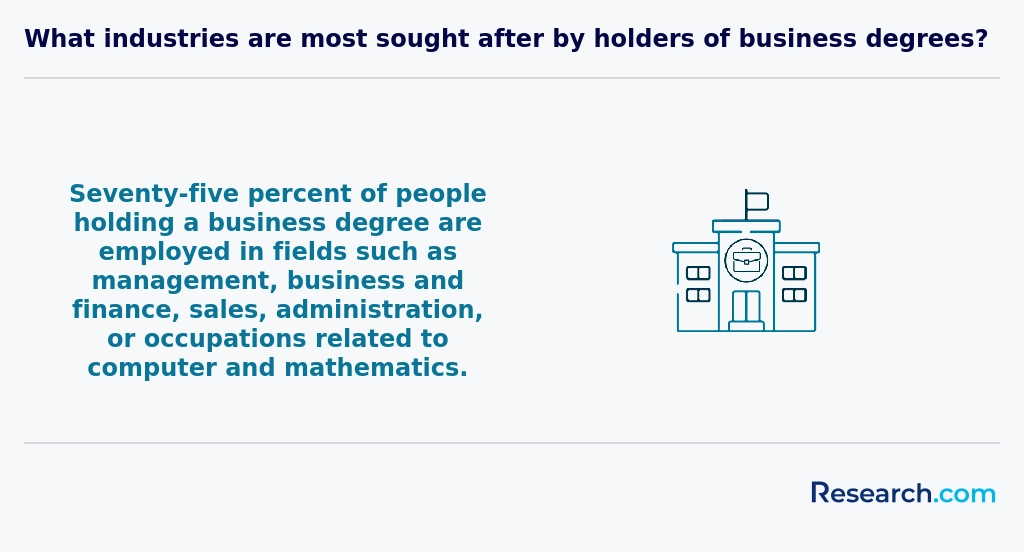
Graduates pursuing an online business degree job opportunities in St. Paul MN benefit from the city's dynamic economy that supports a variety of professional roles. Many find positions in management and administration, such as business managers or project managers, where the U.S. Bureau of Labor Statistics projects an 8% growth from 2021 to 2031. Local business graduates from well-known colleges in St. Paul often note how these roles align with the needs of regional companies.
Finance is another sector thriving in St. Paul, with numerous firms and credit unions offering openings for financial analysts and advisors. The Minnesota Department of Employment and Economic Development reported that financial activities contributed over $11 billion to the state's GDP, underscoring strong demand. Business graduates appreciate the city's robust financial industry and the practical experience offered by reputable universities.
Regarding career options for business graduates St. Paul, marketing roles are expanding, particularly in digital marketing and e-commerce. Alumni from online schools comment on opportunities in market research and brand management within the metro region's tech startups. Additionally, entrepreneurship flourishes here due to supportive initiatives and Chamber of Commerce resources, empowering graduates to launch ventures. Prospective students should consider cost and financing options, such as programs at public universities ranging from $10,000 to $18,000 annually, with many using online schools that take fafsa to afford their degrees.
The job market for an online business degree in St. Paul is robust, driven by the metropolitan area's strong finance, healthcare, and professional services sectors. Graduates from institutions like the University of St. Thomas and Hamline University frequently report positive employment outcomes, benefiting from internship programs and active networking channels within the local business community. Employers increasingly seek candidates skilled in management, marketing, and financial analysis, which aligns well with the curriculum of many online business programs.
Data supports a steady growth trend in business and financial occupations by 7% to 10% over the next decade in the Minneapolis-St. Paul area, reflecting wider national patterns. This growth translates into promising employment opportunities for those holding an online business degree job outlook St. Paul MN. Many graduates find roles in corporate management or marketing, often leveraging flexible tuition rates offered by online programs compared to traditional schools.
Cost-savvy students can explore programs that balance affordability with quality education, increasing their chances of entering thriving fields in the city. For those seeking practical career alternatives, a deeper look at the best trade school jobs that pay well may complement traditional business pathways.
2027 Fastest Online Master's in Business Degree Programs Ranking in St. Paul, MN
Investing in your education is a significant decision that can shape your future, and the Research.com team understands the importance of making informed choices. To assist prospective students in St. Paul, MN, we have meticulously crafted the "2027 Fastest Online Master's in Business Degree Programs Ranking." Our commitment to quality, credibility, and accuracy is reflected in the extensive research and analysis conducted to compile this ranking.
We utilized the following reputable data sources to ensure a comprehensive evaluation of business degree programs:
By exploring this ranking, readers will gain valuable insights into the fastest online master's in business programs available in St. Paul, MN, helping them make informed decisions about their educational and career paths. For more details on our methodology, please visit our Research.com methodology page.
# 1 position
Bethel University, Minnesota
Master of Business Administration


Frequently Asked Questions About business
Students pursuing online business degrees in St. Paul can enhance their learning by actively engaging with local business networks. The Twin Cities metro area is home to over 40,000 businesses, offering ample opportunities for virtual internships and networking events. Utilizing resources from organizations like the St. Paul Chamber of Commerce helps students connect coursework with real-world applications.
Additionally, students should leverage St. Paul's libraries and online databases for research support. Time management and participation in virtual study groups can improve retention and understanding of complex business concepts. Many accredited institutions provide access to experienced faculty, which can enrich the online learning experience through personalized feedback.
The business landscape is evolving rapidly, and several emerging niches are gaining prominence within online business degree programs. In St. Paul, sectors like data analytics and digital marketing are seeing significant growth due to the city's expanding tech and retail industries. According to local economic reports, employment in these areas is projected to grow by over 10% through 2028.
Another key niche is sustainable business practices, reflecting a national trend toward corporate responsibility and environmental awareness. Online programs increasingly offer specialization in this area to meet the rising demand for experts.
Additionally, healthcare management remains vital in St. Paul because of its strong medical and insurance presence. Skills in managing healthcare businesses are highly sought after in the region.
After completing an online business degree in St. Paul, students should focus on building a strong professional network. Local business hubs like the St. Paul Chamber of Commerce offer valuable networking events and mentorship programs. Gaining relevant experience through internships or part-time roles in industries prominent in St. Paul, such as finance and healthcare, can improve job prospects. According to the Minnesota Department of Employment and Economic Development, the Twin Cities metro area adds over 15,000 new jobs annually in business-related fields. Additionally, mastering skills like data analysis and digital marketing, often emphasized in degree programs, aligns well with local employer needs.
Employers in St. Paul highly value business degree graduates who demonstrate strong communication and analytical skills. According to the St. Paul Regional Chamber, effective teamwork and problem-solving abilities rank as essential traits for business professionals in the area. Data analysis proficiency is increasingly important, with 62% of local employers seeking graduates comfortable working with data-driven decision making. Additionally, familiarity with digital tools and project management software is a common requirement, reflecting St. Paul's growing technology and finance sectors. Leadership qualities and adaptability are also frequently highlighted, showing employers' preference for candidates who can navigate dynamic business environments successfully.
Finding internships in St. Paul relevant to a business degree involves a combination of online research, networking, and utilizing university resources. St. Paul has a growing business community, including sectors like finance, healthcare, and manufacturing, providing diverse internship opportunities. According to the Minnesota Department of Employment and Economic Development, the Twin Cities metro area, including St. Paul, hosts over 20,000 business-related job openings annually, a healthy sign for internship candidates.
Students should explore local company websites, LinkedIn, and St. Paul-based internship job boards. Many online business degree programs partner with regional firms to connect students with internships. Additionally, contacting local chambers of commerce and business associations can open doors to opportunities.
Reaching out to faculty members or career services at schools offering online business degrees in St. Paul can provide tailored guidance and access to exclusive listings. St. Paul's economic diversity supports internships in various business fields, including marketing, accounting, and supply chain management.
Obtaining an online business degree in St. Paul can significantly enhance career mobility and advancement opportunities. The city's diverse economy, including finance, healthcare, and manufacturing sectors, values candidates with advanced business knowledge and skills. According to the Minnesota Department of Employment and Economic Development, business and financial occupations in the St. Paul area are projected to grow by 5.6% from 2022 to 2030, reflecting expanding job prospects.
Employers in St. Paul often seek professionals who demonstrate leadership, strategic thinking, and adaptability-qualities fostered through online business programs. Additionally, online degrees offer flexibility, allowing working professionals to upskill without disrupting their careers.
Networking opportunities through online coursework can connect students with local businesses and alumni, facilitating connections vital for promotions and job transitions. Completing an accredited online business degree also signals dedication and expertise, helping graduates stand out in competitive local job markets.
Studying for a business degree online in St. Paul equips students with skills applicable across multiple disciplines. Programs often integrate coursework in finance, marketing, management, and technology, fostering well-rounded expertise. This interdisciplinary approach is essential, as 47% of employers in the Twin Cities metro area value candidates who can navigate complex business environments involving diverse functions (Source: Minneapolis Regional Chamber, 2023).
Students learn to analyze data, lead teams, and adapt to innovations, skills vital for roles intersecting business, IT, and healthcare sectors prevalent in St. Paul. Local universities collaborate with industries, offering case studies and projects reflecting regional economic trends, enhancing practical knowledge.
Choosing between a thesis and a non-thesis online business degree program in St. Paul depends on your career goals and learning preferences. A thesis option typically involves conducting original research, which is ideal if you aim for a career in academia, consulting, or roles requiring strong analytical skills. The non-thesis track often emphasizes practical skills and coursework, appealing to professionals seeking faster completion and direct application in managerial or corporate settings.
St. Paul's business sector is diverse, with major companies in finance, healthcare, and manufacturing, supporting various career paths for graduates. Research from the Minnesota Department of Employment and Economic Development highlights a steady demand for business analysts and project managers in this region, roles that often favor applied knowledge from non-thesis programs.
Ultimately, consider your long-term plans and time commitment. Thesis programs usually take longer but offer research depth, while non-thesis degrees prioritize flexibility and speed. Accredited institutions in St. Paul provide both to suit different student needs.
Students in St. Paul interested in studying business abroad have several options through U.S.-based institutions offering international partnerships or study abroad programs. Many online business degrees incorporate exchange opportunities or virtual collaborations with schools worldwide, allowing global exposure without leaving home. Schools in Minnesota often have affiliations with European, Asian, and Latin American universities, providing pathways for credit transfers and internships.
According to the Minnesota Office of Higher Education, about 5% of Minnesota undergraduates participate in study abroad programs, with business being a popular field. Online programs sometimes include short-term residencies abroad, enhancing practical skills and cultural insights while maintaining flexibility.
Part-time job opportunities in St. Paul can significantly enhance the experience of students pursuing online business degrees. Many local businesses, including financial institutions and marketing firms, offer internships and entry-level roles that align well with business coursework.
Retail management and customer service positions are common, providing practical skills in leadership and communication. Additionally, St. Paul's growing tech sector offers roles in data analysis and digital marketing, relevant to modern business education.
According to the Minnesota Department of Employment and Economic Development, the Twin Cities area expects 5% growth in business-related jobs through 2028, making part-time engagement valuable for networking and experience.
Online business students in St. Paul benefit from various networking opportunities despite their remote status. Many local universities offer virtual networking events, including webinars and meetups with alumni and industry professionals. Organizations like the St. Paul Area Chamber of Commerce regularly host virtual business mixers that are accessible to students. According to the Minnesota Department of Employment and Economic Development, St. Paul maintains a strong business environment with over 2,600 employer establishments in the professional services sector, enhancing local networking potential. Online students can also engage in LinkedIn groups centered on Twin Cities business communities to connect with peers and mentors.
Alumni networks provide significant advantages for online business degree students in St. Paul by offering access to a wide professional community within the Twin Cities area. Many St. Paul-based business graduates find that these connections help with job placements and internships, as companies in Minneapolis-Saint Paul rank among the top regional employers in finance, healthcare, and technology (U.S. Bureau of Labor Statistics, 2023).
Networking through alumni events and digital platforms can increase mentorship opportunities, giving students guidance and industry insights that are crucial for career advancement. According to the University of St. Thomas's alumni office, 70% of recent graduates reported improved career prospects due to alumni contacts.
These networks also foster collaborations and business partnerships, which are vital in an evolving economy centered around innovation and entrepreneurship in St. Paul. Overall, alumni connections extend beyond education, providing long-term career growth resources for online business learners.
Customizing your online business degree program in St. Paul allows you to align your education with specific career goals. Many accredited institutions offer flexible electives and specializations such as finance, marketing, or entrepreneurship, which are essential for targeting the city's diverse economic sectors. For example, St. Paul's strong health care and manufacturing industries create demand for specialized business knowledge in these fields. Additionally, online programs often provide opportunities for internships or projects with local businesses, enhancing practical experience. According to the Minnesota Department of Employment, business-related job growth in the Twin Cities area remains steady, emphasizing the value of a tailored education.
Online business students in St. Paul often face challenges related to balancing coursework with personal and professional commitments. Many learners are working adults who must manage jobs alongside study, which can lead to time management difficulties. Additionally, students sometimes experience limited networking opportunities compared to traditional programs, impacting their ability to build local professional connections.
Access to reliable technology and internet services can also be a concern, although St. Paul generally maintains strong digital infrastructure. According to the U.S. Census Bureau, about 92% of households in Ramsey County have broadband internet, yet some students may still encounter technical barriers.
Finally, adapting to self-directed learning styles requires discipline and motivation, especially in rigorous business courses that cover complex topics such as finance and strategic management.
An online business degree opens doors to several professional certifications highly valued in St. Paul's job market. Many graduates pursue the Certified Business Manager (CBM) credential to validate their management skills. The Project Management Professional (PMP) certification is also popular, especially in St. Paul's growing sectors like finance and healthcare.
Additionally, the Certified Public Accountant (CPA) certification is attainable for those focusing on accounting within their business studies. For marketing professionals, becoming a Certified Digital Marketing Professional (CDMP) can boost career prospects.
Many of these certifications require relevant coursework that most accredited online programs offer, aligning with St. Paul's thriving business environment.
To write a winning application for an online business program in St. Paul, start by carefully reviewing each school's specific requirements. Highlight your relevant work experience, especially local industry exposure, as St. Paul's economy thrives on sectors like finance, healthcare, and retail (St. Paul Department of Planning and Economic Development, 2023).
Craft a clear personal statement explaining why an online business degree suits your career goals, emphasizing flexibility and networking opportunities in the Twin Cities region. Include quantifiable achievements to showcase your leadership and analytical skills, which are crucial for business programs.
Strong letters of recommendation from professional contacts or past professors familiar with your business acumen can greatly support your application. Finally, ensure your resume is up to date with any certifications, internships, or volunteer work relevant to business and leadership.
Global perspectives on a business career emphasize adaptability, cultural awareness, and technological proficiency. Many U.S. employers, including those in St. Paul, value graduates who understand international markets and cross-cultural communication. According to the St. Paul Economic Development Agency, local businesses increasingly engage in global trade, boosting demand for professionals with a worldwide business mindset.
U.S. online business degree programs often include courses on global economics, international business law, and supply chain management, helping students prepare for careers that span multiple countries. This global focus reflects the reality that over 95% of consumers live outside the U.S., making international knowledge critical for business success.
In St. Paul, the growing diverse economy supports careers in finance, marketing, and management with a global orientation. This trend aligns with national data from the U.S. Bureau of Labor Statistics, projecting above-average growth in global business roles through 2030.
Gaining practical experience while studying for an online business degree in St. Paul is essential for career readiness. Many programs encourage internships with local companies, providing real-world exposure without disrupting your studies. St. Paul's diverse economy, including finance, healthcare, and manufacturing sectors, offers various internship opportunities for business students. According to the St. Paul Chamber of Commerce, over 30% of local businesses offer internship programs annually. Additionally, students can engage in virtual consulting projects or case studies offered by universities, which simulate real business challenges. Networking through local business organizations also helps build industry connections while studying online.
Choosing the right concentration within an online business degree in St. Paul involves assessing your career goals and the local economic landscape. St. Paul's economy is strong in finance, healthcare, and manufacturing, which may influence your choice if you aim to work locally. According to the Minnesota Department of Employment and Economic Development, finance and management roles are growing steadily in the region.
Consider specializations like finance, marketing, or supply chain management, which align with St. Paul's job market. Research programs that offer practical skills and networking opportunities with local companies. Accreditation and faculty expertise also matter for program quality.
- 2027 Fastest Online Business Degree Programs Ranking in Minneapolis, MN
- 2027 Fastest Online Business Degree Programs Ranking in Cedar Falls, IA
- 2027 Fastest Online Business Degree Programs Ranking in Madison, SD
- 2027 Fastest Online Business Degree Programs Ranking in Vermillion, SD
- 2027 Fastest Online Business Degree Programs Ranking in Mequon, WI
- 2027 Fastest Online Business Degree Programs Ranking in Romeoville, IL
- 2027 Fastest Online Business Degree Programs Ranking in Chicago, IL
- 2027 Fastest Online Business Degree Programs Ranking in Grand Rapids, MI
- 2027 Fastest Online Business Degree Programs Ranking in Berrien Springs, MI
- 2027 Fastest Online Master's in Business Degree Programs Ranking in Columbia, MO
See What Experts Have To Say About Studying Business
Read our interview with Business experts

Ingrid S. Greene
Business Expert
Clinical Assistant Professor of Management
Loyola Marymount University

David W. Stewart
Business Expert
Emeritus President's Professor of Marketing
Loyola Marymount University


- 5+1: Five challenges facing business schools and one solution https://charteredabs.org/insights/opinion/51-five-challenges-facing-business-schools-and-one-solution
- Internships for Business Administration (BBA) Students | UE Amsterdam https://www.ue-amsterdam.com/blog/exploring-the-internship-opportunities-during-a-bachelor-in-business-administration-degree
- Interdisciplinary Business https://www.okwu.edu/academics/undergraduate/bachelor-interdisciplinary-business/
- Business degree: What to study and how to find a job https://brive.com/blog/studies/business-degree-guide-to-study-and-find-a-job/
- Business Study Abroad Programs | Go Overseas https://www.gooverseas.com/study-abroad/business
- 24681 Bachelor Finance - Concordia University - St. Paul USA https://www.findcourse.com/en/highereducation/details/24681
- Know more about thesis vs non- thesis: what is the difference? https://studyfans.com/en/blogs/816
- Networking Tips for Business Students and MBA Candidates - Cyprus West University https://www.cwu.edu.tr/networking-tips-for-business-students-and-mba-candidates/
- Why Alumni Networks Matter in Business School: 7 Reasons https://europe.ceibs.edu/article/why-alumni-networks-matter-business-school
- Online Bachelor's in Business | University of Phoenix https://www.phoenix.edu/online-business-degrees/business-bachelors-degree.html


