2027 Most Affordable Business Degree Programs Ranking in Harrisonburg

Co-Founder and Chief Data Scientist
Choosing the right business degree program in Harrisonburg can feel overwhelming. To help, the 2027 Most Affordable Business Degree Programs Ranking in Harrisonburg offers clear insights based on thorough research by the Research.com team of data scientists.
This article is designed to guide you toward affordable, quality options that fit your goals and budget. Earning a business degree opens doors to exciting career paths and personal growth.
Explore this ranking to make an informed decision that supports your future success with confidence and clarity.
Key benefits of getting business degree in Harrisonburg
- Business degree graduates in Harrisonburg can expect competitive salaries, with roles like Business Development Executives earning a mean annual wage of $83,190 and Business Analysts earning $112,950, showcasing strong financial potential.
- Graduates from local colleges often pursue diverse career paths such as business analysis, development, and management, reflecting the broad skills and opportunities a business degree provides.
- Online business degrees offer flexible schedules and convenience, allowing students in Harrisonburg to balance work and study effectively while gaining valuable knowledge from reputable local universities.
- 2027 Most Affordable Business Degree Programs Ranking in Harrisonburg
- What can I expect from business degree in Harrisonburg?
- Where can I work with business degree in Harrisonburg?
What can I expect from business degree in Harrisonburg?
Understanding the average cost of a business degree in Harrisonburg means looking beyond just tuition numbers. At James Madison University, a leading institution in the region, undergraduates have reported manageable in-state tuition rates that, combined with the city's notably low cost of living, help ease financial stress. Graduates often share how this affordability allowed them to focus more on internships and networking rather than juggling multiple jobs.
The financial investment in business education here often feels like a strategic trade-off against metropolitan alternatives, where spiraling costs can overshadow academic experiences. Harrisonburg's intimate class sizes and personalized faculty interactions add value that many graduates recall as worth every dollar spent, sparking genuine enthusiasm.
Furthermore, many students find scholarships and work-study programs accessible, softening the financial burden. Graduates frequently mention that these supports, coupled with a thriving local economy, make their return on investment tangible - landing opportunities in finance, logistics, or entrepreneurship without the weight of excessive debt.
Where can I work with business degree in Harrisonburg?
Graduates holding a business degree in Harrisonburg find themselves at the crossroads of opportunity, shaping careers across a landscape enriched by both tradition and innovation. Many from James Madison University step confidently into professional services, where they apply skills in accounting, finance, and marketing to local firms craving fresh perspectives. Imagine coordinating the financial future of a growing company or crafting marketing strategies that resonate within the Shenandoah Valley-it's a tangible, exciting path favored by many.
Others embrace retail management roles, overseeing operations in the city's vibrant mix of regional chains and specialty stores. These positions often blend strategic thinking with hands-on leadership, making day-to-day work deeply engaging. Knowing the pulse of Harrisonburg's retail scene, graduates feel a direct connection between their classroom lessons and community impact.
Healthcare administration offers another compelling avenue. Business graduates collaborate with institutions like Sentara RMH Medical Center to navigate complex operational challenges, tapping into growth areas that promise both stability and purpose. Entering such roles means more than a paycheck; it's about influencing healthcare delivery in meaningful ways.
Lastly, many graduates find inspiration in launching ventures supported by Harrisonburg's entrepreneurial spirit and the Chamber of Commerce's mentoring programs. This environment transforms ambition into reality, empowering graduates to build businesses that reflect their values and drive local progress.
Business graduates in Harrisonburg often navigate a salary landscape that both challenges expectations and rewards strategic choices. For example, a typical Business Development Executive earns a mean annual wage of $83,190, a solid figure that reflects Harrisonburg's growing economy and affordable living costs. Graduates from James Madison University's College of Business have found this range encouraging, realizing that their degree opens doors to roles with competitive compensation tied to real-world impact.
More impressively, business analysts command a higher earning power, with an average annual wage of $112,950. This salary demonstrates how specialized skills and data-driven decision-making consolidate value in Harrisonburg's expanding sectors, from finance to professional services. Graduates who pursue certification and practical experience often escalate their careers swiftly.
These figures suggest a thriving potential for those who do not settle for entry-level norms. By engaging with local networks and seizing opportunities at institutions well-rooted in Harrisonburg's business scene, graduates often discover that their degrees translate into earnings that support both ambition and lifestyle.
- James Madison University (JMU) is the main institution offering recognized business programs in Harrisonburg.
- In-state tuition for business programs is about $10,000 to $12,000 per year, while out-of-state tuition ranges from $21,000 to $24,000 annually.
- Entry-level salaries for business graduates in Harrisonburg typically start around $45,000 per year.
- Mid-career salaries range from $65,000 to $85,000 depending on specialization and industry.
- The local job market includes finance, marketing, management, entrepreneurship, and roles requiring data analysis, project management, and digital marketing skills.
- Harrisonburg's location allows easy access to job markets in Richmond and Washington, D.C., enhancing internship and employment opportunities.
Completing a business degree in Harrisonburg often means committing to around four years of full-time study, especially at prominent institutions like James Madison University. Many graduates recall their experience as a careful balance between challenging coursework in management and finance and engaging campus life that made those four years feel rewarding rather than rushed.
Yet, the journey isn't one-size-fits-all. Part-time students might extend their path to five or six years, often because they juggle jobs or family, which adds layers of real-life learning alongside academics. Some alumni describe how accelerated or hybrid course formats allowed them to finish sooner by taking summer classes, a strategy that challenged them but brought a sense of pride in managing a faster pace.
In graduate studies, like the MBA at JMU, the timeline sharpens to one to two years, reflecting an intense, immersive experience that many find energizing, despite the intense workload. Transfer students also share how their prior credits from community colleges shaved months off their timeline-proof that adaptability is key when navigating business education in Harrisonburg.
As the business world rapidly evolves, students pursuing a business degree in Harrisonburg, VA, are encouraged to stay ahead by understanding emerging trends that are reshaping career opportunities. Key developments such as digital transformation, data analytics, and innovative marketing strategies are revolutionizing traditional business roles. Today's programs are integrating real-world applications like remote collaboration, sustainable business practices, and tech-driven decision making into their curriculum. Moreover, students benefit from enhanced career support services that guide them through internships, professional networking events, and mentorship programs. By aligning academic learning with current industry trends, graduates become better equipped to advance in competitive markets. For instance, leveraging insights from emerging technologies not only boosts employability but also opens doors to specialized roles in digital marketing, business analytics, and e-commerce. Prospective students interested in exploring related career opportunities can learn more by visiting Business Administration Careers. Staying informed about industry trends and continuously developing critical skills is essential for long-term success. Whether it’s adapting to new digital tools or embracing sustainable business practices, a forward-thinking approach can significantly enhance the return on investment from a business degree in Harrisonburg, VA.
Choosing between an online and on-campus business degree in Harrisonburg is more than just a matter of convenience. Graduates from James Madison University often describe the on-campus experience as a vibrant mix of face-to-face engagement and spontaneous networking-moments like discussing a case study after class or joining a business club meeting in person create a sense of community that feels truly motivating.
On the other hand, online students praise the flexibility that programs at nearby institutions, including the University of Virginia's expanding offerings, afford them. Imagine balancing a full-time job or family responsibilities while completing coursework at your own pace without the stress of commuting or housing costs. This freedom brings a unique confidence and self-discipline that many find empowering.
Cost, interaction style, and time management shape these experiences distinctly. While tuition may be comparable, on-campus learners often invest more in lifestyle and unexpected networking moments, whereas online learners develop a different rhythm adapted to their personal environments. The choice challenges traditional views of education by asking: what type of business student-and professional-do you want to become?
When considering a business degree in Harrisonburg, VA, one of the most critical factors to weigh is affordability. With the rising costs of tuition, it's essential for students to find programs that offer quality education without breaking the bank. By choosing one of the cheapest business programs in Virginia, students can set themselves up for financial stability while pursuing their educational goals. This not only eases the financial burden but also allows students to focus on their studies, gain practical experiences, and build a strong professional network, ultimately enhancing their career prospects in the competitive business landscape.
The average cost of a business degree in Harrisonburg stands at about $51,339, reflecting a balance between in-state and out-of-state expenses. For many students attending James Madison University, the flagship public institution here, this figure translates into a blend of tuition, fees, and living expenses spread over four years. Graduates often share how the value of their education outweighed the financial commitment, noting the competitive tuition compared to national trends.
In-state students typically face a lower total cost, closer to $29,085, which allows them to focus more on their studies and extracurricular opportunities rather than stressing over finances. This affordability is a strong draw for students seeking affordable business degree programs Harrisonburg can offer, especially when compared to pricier private colleges elsewhere.
Living in Harrisonburg also allows business students to experience a vibrant college town feel without a skyrocketing cost of living, which many graduates describe as a welcoming environment fostering both personal and professional growth. Smart budgeting for housing, books, and supplies is essential, but flexible options such as scholarships and part-time work can create feasible pathways.
For students weighing alternatives, exploring the cheapest business programs in Virginia helps frame expectations and identify economically sensible choices that don't compromise educational quality.

Many students pursuing a business degree in Harrisonburg discover that financial aid is more accessible than they initially believed. Graduates from James Madison University often recount how applying for federal Pell Grants and subsidized loans through FAFSA lifted a significant portion of their tuition burden, making the dream of business school feel within reach rather than a distant goal.
State aid also plays a crucial role. Virginia residents gain meaningful advantages like the Virginia Tuition Assistance Grant and reduced in-state tuition rates, which local students frequently describe as game changers in managing college expenses. This state support combined with institutional scholarships-which can reward accomplishments in entrepreneurship or finance-creates a mosaic of funding options tailored to the ambitions of business students.
Work-study programs provide yet another dimension, blending financial relief with real-world experience. Numerous Harrisonburg business students highlight how part-time campus roles not only eased their finances but also helped build valuable professional networks, turning financial challenges into career stepping stones.
To enroll in a business degree in Harrisonburg, students often face more than just checking off basic boxes like a high school diploma or GED. Graduates from James Madison University recall how the expectation of a minimum GPA around 2.5 to 3.0 shaped their early academic mindset, pushing them to balance social life and coursework with real purpose.
While SAT or ACT scores once felt like gatekeepers, many local schools have embraced test-optional policies, which surprises some applicants but opens doors for those who excel beyond standardized exams. Imagine submitting a personal statement that not only reflects your academic readiness but also reveals your passion for solving business challenges-this nuanced approach can set you apart.
Transcripts showing proficiency in core areas like math and English remain fundamental, but hearing from fellow students, prior knowledge in economics or accounting seems to build a confident foundation for the complexity ahead. Graduate hopefuls share that beyond a completed undergraduate degree, the prospect of GRE or GMAT tests sometimes feels daunting yet fair, especially when professional experience can compensate.
Financial concerns are real; knowing that in-state tuition hovers near $9,000 at public institutions like JMU grounds ambition in reality, inspiring applicants to seek scholarships and plan wisely. Letters of recommendation and interviews become chances to demonstrate motivation rather than hurdles, leaving many feeling empowered rather than overwhelmed as they embark on their business education journey in Harrisonburg.

Business degree programs in Harrisonburg challenge students to rethink what it means to master the fundamentals. Graduates from local universities often recount how courses like Principles of Management and Financial Accounting aren't just theory-they reflect real decisions they'll make when leading teams or managing company resources. Instead of dry lectures, students engage with case studies that simulate running a business in Harrisonburg's evolving market.
Advanced classes such as Corporate Finance and Marketing Management deepen this experience, forcing students to apply strategic thinking to real-world challenges. For example, alumni describe how Marketing Management helped them craft branding strategies tailored specifically for the region's manufacturing and service sectors-skills immediately relevant to Harrisonburg's economy.
Lower-level courses like Microeconomics and Business Communication build essential skills, yet it's the integration of these with courses such as Business Analytics and Information Systems that prepares students to succeed within data-driven, technology-driven business environments popular at Harrisonburg's colleges. The curriculum is designed not just to teach, but to transform how students perceive business challenges.
In Harrisonburg, business degrees offer a range of specializations that push students beyond traditional boundaries. Graduates often recall diving into Accounting, where they mastered financial reporting and taxation, skills crucial to the city's thriving small and medium-sized businesses. The hands-on experience at local colleges brings these concepts alive, connecting classroom lessons to real financial challenges faced by Harrisonburg entrepreneurs.
Marketing specialization sparks creativity through exploring digital marketing and consumer behavior, reflecting Harrisonburg's expanding e-commerce landscape. Students from popular universities in the area find themselves energized by crafting campaigns that could shape local retail success, making learning feel immediate and relevant. This practical edge resonates deeply with those seeking purpose in their studies.
For those drawn to leadership roles, Management and Organizational Leadership offer transformative growth in team-building and project management, tailored to the service sectors booming in Harrisonburg. Many graduates remember their aha moments handling real projects, fueling confidence and ambition.
Other specializations like Finance and Entrepreneurship connect with Harrisonburg affordable business degree options, motivating students to envision launching startups or entering financial firms with a solid local foundation. To explore career outcomes, check out Business Administration Careers for comprehensive insights.
Choosing the best business degree in Harrisonburg means more than just picking a school; it requires understanding the unique benefits each institution offers. Graduates from James Madison University, for instance, often highlight how AACSB accreditation boosted their confidence knowing they were receiving a top-tier education recognized by employers. Their real-world experiences, like internships connected through JMU, demonstrate how curriculum strength matters beyond theory. This practical edge makes programs at JMU especially appealing when considering best business schools Harrisonburg tuition fees alongside affordability.
Meanwhile, other graduates emphasize the value of exploring affordable business degree programs in Harrisonburg through community colleges, which provide flexible, cost-effective pathways and smooth transfer options. These students often share how staying local initially helped ease financial stress while still advancing their careers. For those balancing work and study, finding the best accelerated online degrees for working adults available in the region expands possibilities without sacrificing quality or momentum.
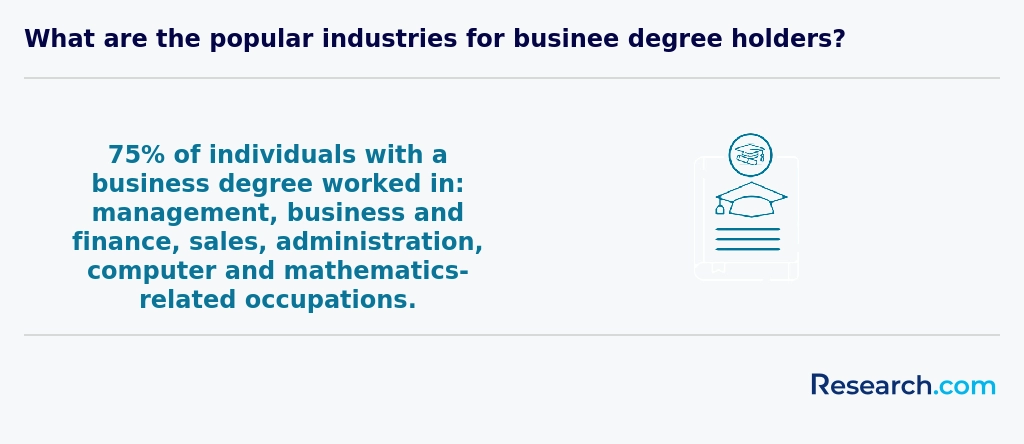
Graduates with a business degree in Harrisonburg encounter a broad spectrum of career paths that defy the outdated notion of one-size-fits-all success. Local employers prioritize adaptability, analytical thinking, and leadership, shaping roles across management, finance, marketing, and human resources to fit the city's evolving economic fabric. Many graduates from Harrisonburg's respected institutions find themselves thriving as operations managers steering dynamic small businesses or as financial analysts dissecting trends within local banks.
This reality encourages students to envision their futures beyond traditional roles. For example, marketing graduates increasingly fuel digital strategies vital to Harrisonburg's retail and service sectors, seeing firsthand how creativity meets measurable impact. Meanwhile, human resource specialists enjoy meaningful work supporting nearby healthcare facilities and universities, gaining experience that translates into real leadership opportunities. Reflecting on business degree career opportunities in Harrisonburg, many find the region's mix of sectors offers both comfort and challenge.
Those considering the easiest associates degree to obtain often overlook how a business degree in this city opens doors not only to employment but also entrepreneurship-supported strongly by programs at local universities and economic development initiatives. Graduates consistently express pride in joining a community where career growth feels both accessible and deeply rewarding.
The job market for business degree holders in Harrisonburg challenges the notion that impressive career prospects require living in large metropolitan areas. Graduates from well-known local universities often find themselves thriving in roles like operations manager or financial analyst within manufacturing, healthcare, and professional services sectors. The balance between a competitive salary-ranging from $50,000 to $65,000 annually-and a lower cost of living creates a compelling environment, turning possible commute options to Richmond or Washington D.C. into strategic career moves rather than necessities.
Many who earn a business degree in Harrisonburg share stories of rapid advancement fueled by connections cultivated at local schools, where understanding regional industry demands gives them an edge. These personal experiences highlight that the Harrisonburg business degree employment outlook is not just stable but rich with realistic opportunities, encouraging students to consider the advantages of studying and working close to home rather than chasing prestige elsewhere.
For those weighing educational investments, the tuition averages at Virginia institutions underscore feasibility, especially when paired with job availability. Students can further explore affordable options like a low cost doctorate degree online, which integrates well with local employment prospects and ambitions.
2027 Most Affordable Business Degree Programs Ranking in Harrisonburg
Investing in your education is a significant decision that can shape your future, and the Research.com team understands the importance of making informed choices. To assist prospective students in Harrisonburg, we have meticulously developed the "2027 Most Affordable Business Degree Programs Ranking in Harrisonburg." Our dedication to quality, credibility, and accuracy is demonstrated through thorough research and analysis conducted for this ranking.
We utilized the following reputable data sources to ensure a comprehensive evaluation of affordable business degree programs:
By exploring this ranking, readers will gain valuable insights to help them select cost-effective business degree programs that align with their goals and financial needs. For more details on our methodology, please visit our Research.com methodology page.


Frequently Asked Questions About business
Business degree students in Harrisonburg can maximize their learning experience by actively engaging with local economic opportunities and academic resources. Harrisonburg's diverse economy, ranking among the fastest growing in Virginia according to the U.S. Bureau of Labor Statistics, allows students to apply classroom knowledge through internships and part-time work with regional businesses.
Networking is essential; students should participate in events hosted by the Harrisonburg-Rockingham Chamber of Commerce and business clubs offered by educational institutions. Utilizing campus career services and attending workshops on resume building and interviewing also enhances job readiness. Additionally, students can benefit from collaborative projects and case studies focused on real-world challenges faced by local industries.
Emerging niches within the business field reflect changing market demands and technological advancements. In Harrisonburg, areas like data analytics, sustainable business practices, and digital marketing are gaining traction. According to the U.S. Bureau of Labor Statistics, jobs in business analytics are expected to grow by 25% through 2030, making data-driven decision making a valuable skill.
The local economy's focus on sustainability encourages business students to explore green entrepreneurship and corporate social responsibility. Additionally, Harrisonburg companies increasingly invest in e-commerce and social media marketing strategies, emphasizing the importance of digital expertise. Understanding these niches can help prospective students align their studies with future job opportunities.
After completing a business degree in Harrisonburg, preparing for the job market involves several key steps. Networking is essential; local organizations like the Harrisonburg-Rockingham Chamber of Commerce offer events where students can connect with regional employers. Additionally, leveraging university career centers is valuable, as they provide resume reviews, interview preparation, and job listings tailored to business graduates.
Internships during your studies significantly improve employment prospects. In Harrisonburg, sectors like manufacturing, retail, and finance actively seek entry-level professionals. According to the Harrisonburg Economic Development report (2023), business-related jobs are expected to grow by 5% over the next five years.
Finally, consider pursuing certifications such as the Certified Business Manager (CBM) to enhance credentials and stand out in a competitive market.
Employers in Harrisonburg seek business degree graduates with strong analytical and communication skills. According to the U.S. Bureau of Labor Statistics, proficiency in data analysis and critical thinking is essential for roles in finance, marketing, and management. Local businesses also emphasize teamwork and adaptability, reflecting the dynamic economic landscape of Harrisonburg's growing small business sector.
Technical skills such as proficiency in Microsoft Excel, accounting software, and customer relationship management (CRM) systems are increasingly valued. The James Madison University career center highlights that graduates who combine these skills with ethical decision-making tend to stand out to regional employers.
Networking and leadership experience, often gained through internships or campus organizations, remain important for securing competitive positions in Harrisonburg's business community.
Finding internships in Harrisonburg relevant to a business degree involves leveraging local resources and connections. Harrisonburg hosts several businesses in sectors like retail, finance, and entrepreneurship, providing opportunities for hands-on experience.
Students often start with nearby institutions such as James Madison University Career Center, which publishes internship listings and organizes career fairs focused on business roles. Additionally, visiting the Harrisonburg Economic Development Office website can reveal local companies open to interns.
Networking plays a critical role; joining student business groups and attending local Chamber of Commerce events helps build contacts. Websites like Handshake and LinkedIn also list internships targeted at Harrisonburg students. According to the U.S. Bureau of Labor Statistics, internships significantly improve employment chances post-graduation, making this local search vital.
In Harrisonburg, earning a business degree significantly enhances career mobility and advancement opportunities. Local employers, particularly in sectors like manufacturing, retail, and finance, value candidates with formal business education due to their understanding of management, finance, and marketing principles. According to the U.S. Bureau of Labor Statistics, professionals with a bachelor's degree in business often experience a lower unemployment rate compared to those without a degree.
Harrisonburg's growing economy, supported by institutions such as James Madison University, offers graduates a network of internships and job placements that can accelerate career growth. Business degree holders in Harrisonburg frequently transition into managerial roles within five years, reflecting strong upward mobility in the region's job market.
Studying for a business degree in Harrisonburg equips students with skills that cross traditional disciplinary boundaries. Local programs often integrate courses in economics, communication, data analysis, and information technology. This interdisciplinary approach reflects the needs of Harrisonburg's diverse economy, which includes manufacturing, education, healthcare, and retail sectors, according to data from the Harrisonburg Economic Development Office.
Students engage in project-based learning that involves collaboration with multiple departments, encouraging problem-solving across fields. Many institutions in Harrisonburg emphasize practical experience, including internships with regional companies, which demands adaptability and interdisciplinary knowledge.
This blend of theory and practice helps graduates enter roles requiring business acumen plus an understanding of technology, organizational behavior, and analytics-skills increasingly valued by employers in Harrisonburg and beyond.
Choosing between a thesis and a non-thesis business degree program in Harrisonburg depends on your career goals and learning preferences. Thesis programs typically require original research, ideal for students considering doctoral studies or careers in academia or research roles. Non-thesis tracks focus more on practical skills and coursework, aligning well with those aiming to enter the business workforce directly.
Harrisonburg hosts universities that offer both options, often with similar tuition costs. According to the National Center for Education Statistics, around 60% of local business degrees are awarded via non-thesis formats, reflecting strong employer demand for practical experience.
Consider your long-term ambitions, time available, and interest in research, as thesis routes can add significant time to your studies. Consulting academic advisors at your chosen institution can provide tailored guidance based on current local job market trends.
Students in Harrisonburg interested in studying business abroad have several options through partnerships facilitated by local universities such as James Madison University (JMU). JMU offers study abroad programs specifically designed for business majors, including exchanges with institutions in Europe and Asia. These programs often last a semester and allow students to earn credits toward their degree while gaining global business perspectives.
Additionally, many US universities provide short-term faculty-led business study tours, focusing on international markets. The Cooperative Education and Study Abroad office at JMU reports that about 15% of business students participate in some form of study abroad during their degree.
Financial aid and scholarships are available to help Harrisonburg students with travel and tuition expenses for these programs.
Harrisonburg offers several part-time job opportunities that align well with business degree studies. Retail management roles at local stores like Target or Walmart provide practical experience in sales, inventory, and customer service, which are core business skills.
Internships or assistant positions in Harrisonburg's growing service sector, including hospitality and tourism businesses, can enhance knowledge in marketing and operations.
Additionally, working in administrative positions within James Madison University or local small businesses helps develop organizational and communication skills important in business management.
According to the U.S. Bureau of Labor Statistics, part-time roles in sales and office administration are common for business students and complement academic learning effectively.
Business students in Harrisonburg benefit from a variety of networking opportunities that enhance their academic and professional growth. James Madison University (JMU), the largest university in the region, hosts frequent events where students connect with local business leaders and alumni. For instance, the JMU Center for Entrepreneurship organizes workshops and networking mixers that attract over 150 professionals annually, according to 2023 data from the university.
Additionally, Harrisonburg's Chamber of Commerce offers internships, mentorship programs, and monthly networking breakfasts specifically aimed at students interested in business careers. These events connect students with owners of the city's more than 1,300 registered businesses.
Local organizations such as Valley Business Women's Network also provide business students with chances to develop professional contacts through monthly meetings and community projects. These networks are valuable for internships and job placements within Harrisonburg's growing industries, including manufacturing, technology, and retail.
Alumni networks offer significant advantages to business degree students in Harrisonburg by providing valuable connections within the local and regional job markets. Graduates often share job leads, internship opportunities, and professional advice through organized events and online platforms. According to the National Association of Colleges and Employers, 70% of jobs are obtained through networking, highlighting the importance of these connections.
In Harrisonburg, where small businesses and startups are prominent, alumni can facilitate mentorship tailored to entrepreneurial ventures. This support helps students navigate challenges and grow professional contacts effectively.
Additionally, alumni involvement frequently leads to guest lectures and workshops, enriching the educational experience with real-world insights.
Customizing a business degree in Harrisonburg often begins with selecting a concentration that aligns with your career goals. Many local institutions offer specializations such as entrepreneurship, finance, marketing, or supply chain management. By focusing on these areas, you can develop skills that match specific job markets.
Additionally, internships with Harrisonburg's businesses provide practical experience and networking opportunities. The James Madison University Center for Career and Talent Development reports that 75% of students who intern locally gain valuable professional connections.
Elective courses and certificate programs also allow further customization. For example, combining business courses with tech or communication classes can enhance your versatility in rapidly evolving industries.
Business students in Harrisonburg commonly face challenges related to balancing rigorous coursework with part-time work or internships. According to data from the U.S. Department of Education, many students in Virginia manage employment alongside their studies to reduce financial burden.
Another key difficulty is adapting to the practical demands of business programs, which often require strong analytical and communication skills. Students frequently report the need for more hands-on experience, which local universities like James Madison University address through cooperative education opportunities, though availability can be limited.
Additionally, navigating the local job market can be challenging. While Harrisonburg's economy is growing, with the service and manufacturing sectors leading, competitive internships and entry-level business roles remain limited compared to larger metropolitan areas.
With a business degree, students in Harrisonburg can pursue several professional certifications to enhance their careers. One popular option is the Certified Public Accountant (CPA), which is essential for accounting professionals. Another widely recognized certification is the Project Management Professional (PMP), valuable for managing projects across various industries.
Other certifications include the Certified Management Accountant (CMA) and Chartered Financial Analyst (CFA), which are ideal for finance-focused graduates. These credentials often lead to higher salaries and better job opportunities.
Harrisonburg's growing business community supports access to such certifications through local networking groups and training programs, aiding graduates in meeting certification requirements.
Applying for a business degree in Harrisonburg requires a clear, well-organized application that highlights your strengths. Start by researching local institutions like James Madison University, which enrolled over 20,000 students in 2023, with a strong focus on business programs.
Emphasize relevant experience in leadership, internships, or part-time jobs, as these demonstrate practical skills. Include a tailored personal statement that explains your interest in business and your career goals. Schools in Harrisonburg value community involvement, so mention any volunteer work or extracurricular activities.
Ensure all academic records, such as transcripts and test scores, are accurate and submitted on time. Follow the specific application instructions for each program carefully to avoid disqualification.
Business careers today are influenced by global trends but remain firmly rooted in local education systems like those in the U.S. For students in Harrisonburg, pursuing a business degree opens opportunities aligned with worldwide market demands. Globally, industries seek professionals with skills in management, finance, and marketing who understand international trade and digital innovation.
According to the U.S. Bureau of Labor Statistics, business-related occupations are projected to grow 8% from 2022 to 2032, reflecting steady demand. Harrisonburg's local economy, supported by sectors such as manufacturing and healthcare, also benefits from graduates with business expertise.
Business programs often include global case studies and encourage cultural awareness, preparing graduates for careers that may involve international collaboration. This global perspective is increasingly valued by employers both in Harrisonburg and beyond.
Students pursuing a business degree in Harrisonburg can gain practical experience through internships offered by local companies and regional employers. The area's diverse economy-ranging from manufacturing to technology and retail-provides a variety of fields for internship opportunities. According to the Harrisonburg-Rockingham Chamber of Commerce, internships in the business sector have grown by 8% over the past three years, reflecting increased availability.
Additionally, many higher education institutions in Harrisonburg encourage participation in cooperative education programs, which integrate work experience with academic study. These programs often connect students directly with local businesses.
Business clubs and student organizations also provide chances to develop leadership and project management skills in real-world contexts.
Choosing the right concentration within a business degree program in Harrisonburg involves evaluating your career goals and the local economic landscape. Harrisonburg's economy is diverse, with notable strengths in manufacturing, retail, and healthcare, which can influence specialization choices. For example, concentrations in supply chain management or healthcare administration align well with regional job opportunities.
Research from the Harrisonburg-Rockingham Chamber of Commerce highlights growth in professional and technical services, making fields like finance or marketing promising. Prospective students should also consider the curriculum focus of local institutions, ensuring it matches current industry demands.
Additionally, connecting with local employers for internships or mentorships provides insight into which concentrations have the most practical value in Harrisonburg's job market. Accredited programs often offer career services that can assist in this exploration.
- 2027 Most Affordable Business Degree Programs Ranking in Lynchburg
- 2027 Most Affordable Business Degree Programs Ranking in Arlington
- 2027 Most Affordable Business Degree Programs Ranking in Virginia Beach
- 2027 Most Affordable Business Degree Programs Ranking in Louisville
- 2027 Most Affordable Business Degree Programs Ranking in Fort Wayne
- 2027 Most Affordable Business Degree Programs Ranking in Indianapolis
- 2027 Most Affordable Online Master's in Business Degree Programs Ranking in Washington, DC
- 2027 Most Affordable Online Master's in Business Degree Programs Ranking in Pittsburgh, PA
- 2027 Most Affordable Online Business Degree Programs Ranking in Norfolk, VA
- 2027 Most Affordable Online Business Degree Programs Ranking in Slippery Rock, PA
See What Experts Have To Say About Studying Business
Read our interview with Business experts

David Souder
Business Expert
Senior Associate Dean for Faculty and Research
Michigan State University


David W. Stewart
Business Expert
Emeritus President's Professor of Marketing
Loyola Marymount University

- Financial Aid | TSPA Harrisonburg https://www.tspaharrisonburg.com/financial-aid/
- Top 10 Skills Employers Seek in Business Graduates in 2026 https://www.ibat.ie/blogs/top-10-skills-employers-seek-in-business-graduates-in-2026
- Bringing global perspectives to leadership in business https://www.eaie.org/resource/global-perspectives-leadership-business.html
- How to Write a Statement of Purpose for Business School https://www.statementswritingservices.com/blog/how-to-write-a-statement-of-purpose-for-business-school.html
- Exploring Different Types of Business Majors https://www.ivywise.com/ivywise-knowledgebase/exploring-different-types-of-business-majors/
- Business and Leadership https://emu.edu/business/
- Finding Networking Opportunities as a Student | National Society of High School Scholars https://www.nshss.org/resources/blog/blog-posts/how-to-find-networking-opportunities-as-a-student/
- Career Goals: 17 Inspirational Examples for you in 2026 https://www.imd.org/blog/learning-and-development/career-goals/
- A guide to finding an internship https://www.ipag.edu/en/blog/guide-finding-internship
- Market President https://careers.bankwithunited.com/UnitedBank/job/Harrisonburg-Market-President-VA-22801/1343053800/