2027 Most Popular Business Degree Programs Ranking in Nashville

Co-Founder and Chief Data Scientist
Choosing the right business degree program in Nashville can be overwhelming with so many options available. This article introduces the 2027 Most Popular Business Degree Programs Ranking in Nashville created by the Research.com team of data scientists to help you navigate these choices confidently.
By exploring this ranking, you'll gain valuable insights into programs that align with your goals and interests. Earning a business degree opens doors to exciting career opportunities and personal growth.
This article aims to support your journey toward a successful future in business.
Key benefits of getting business degree in Nashville
- Business degree graduates in Nashville can expect competitive salaries, such as a Business Analyst earning a mean annual wage of $112,950 and a Business Development Executive making around $83,190 per year.
- Graduates from popular local schools often pursue diverse career paths including analytics, development, or management roles, offering exciting opportunities to grow professionally in dynamic industries.
- Completing a business degree online in Nashville provides flexibility and convenience, allowing students to balance work and study while gaining valuable skills from respected programs.
- 2027 Most Popular Business Degree Programs Ranking in Nashville
- What can I expect from business degree in Nashville?
- Where can I work with business degree in Nashville?
What can I expect from business degree in Nashville?
The average cost of pursuing a business degree in Nashville varies widely depending on the type of institution chosen. Public universities such as Tennessee State University offer more affordable tuition rates, making them an attractive option for cost-conscious students seeking quality education. Graduates from these institutions often highlight how manageable expenses combined with scholarship opportunities eased their financial burden, allowing them to focus fully on their studies. In contrast, private universities like Belmont University and Lipscomb University typically have higher tuition fees, reflecting their more personalized programs and smaller class sizes. Many students attending these private schools report a strong return on investment due to the universities' AACSB-accredited business programs and extensive industry connections.
Financial aid remains a key factor in offsetting costs for many students in Nashville's business schools. Numerous scholarships tailored specifically for business majors help reduce out-of-pocket expenses, enabling students to engage in internships and networking events without financial worry. This blend of affordability and opportunity creates an environment where pursuing a business degree feels both accessible and rewarding.
Where can I work with business degree in Nashville?
Graduates holding a business degree in Nashville often find themselves immersed in dynamic career paths across multiple thriving industries. Many alumni from institutions like Belmont University and Vanderbilt University report securing roles in healthcare management within prominent organizations such as HCA Healthcare and Vanderbilt University Medical Center, where they contribute to hospital administration and financial operations.
Others embark on careers in finance, taking advantage of Nashville's regional banking hubs like Regions Bank. Graduates apply their skills in financial analysis and risk management, or engage with the city's burgeoning fintech sector, navigating investment strategies and compliance challenges with enthusiasm.
Business graduates also thrive in Nashville's iconic music industry by supporting artist management, music publishing, or concert promotion-sectors that demand sharp marketing and negotiation expertise learned during their studies.
Moreover, the rapid growth of local tech firms offers vibrant opportunities in product management and business development, frequently pursued by entrepreneurship-minded graduates who are encouraged by Nashville's supportive startup environment.
Graduates holding a business degree from Nashville institutions frequently report competitive salaries that reflect both local economic growth and diverse industry opportunities. For example, business analysts in the area earn a mean annual wage of approximately $112,950, a figure supported by U.S. Bureau of Labor Statistics data and echoed by recent alumni from Nashville's prominent colleges.
Business development executives enjoy a solid earning potential as well, with an average annual salary near $83,190 and an hourly wage around $40. These figures demonstrate tangible returns on investment for students pursuing business degrees locally.
Recent Nashville business graduates often describe entering roles where salaries exceed national entry-level averages, particularly in fields like business analysis and development. Their experiences highlight how the city's vibrant sectors-such as healthcare administration and corporate services-provide pathways to prosperous careers.
Attending well-regarded Nashville universities not only sharpens critical business skills but also opens doors to employers willing to offer rewarding compensation packages in a balanced cost-of-living environment.
- Business degree tuition in Nashville ranges from $10,000 to $30,000 per year, varying by institution and residency status.
- Entry-level salaries for business graduates typically start between $45,000 and $55,000 annually.
- Experienced business professionals can earn around $85,000 or more, especially in finance, marketing, and management.
- Key industries hiring business graduates include healthcare management, finance, and entertainment.
- Many Nashville business programs offer internships and emphasize experiential learning for career advancement.
- Several programs have AACSB accreditation, recognized nationwide by employers.
An associate degree in business in Nashville, such as the one offered by Nashville State Community College, typically requires about two years of full-time study. Graduates often emphasize how this timeline allowed them to quickly enter the workforce with solid foundational skills. For those pursuing a bachelor's degree at institutions like Tennessee State University or Belmont University, the standard completion time is four years of full-time study. Many students share that balancing major courses with general education within this period felt manageable and rewarding, setting a strong stage for their careers. Some ambitious students accelerate their pace by enrolling in summer classes, successfully finishing in three years, which often boosts their motivation and confidence.
Graduate degrees, including the MBA from Vanderbilt's Owen Graduate School of Management, usually take one to two years full-time, though part-time and executive formats extend this to about three years. Many appreciate these flexible options, which enable them to juggle professional responsibilities while advancing their education without overwhelming stress.
Online business degree programs in Nashville offer students the advantage of flexibility, allowing them to study asynchronously and manage coursework around jobs and family commitments. Graduates from Vanderbilt University's online business courses often speak positively about this adaptability, which enabled them to pursue education without uprooting their lives. However, the experience contrasts with that of students attending on-campus programs at Belmont University, where face-to-face interaction fosters stronger networking opportunities and hands-on learning through local internships and business clubs.
On-campus students benefit from direct access to Nashville's vibrant economy, engaging personally with industry professionals in sectors like healthcare management and finance. These experiences create a sense of community and connection that many on-campus graduates value highly. Conversely, online students appreciate the cost savings from avoiding housing and commuting expenses, often cited by Tennessee State University's distance learners as a key motivator. Both formats offer accredited business degrees, but the choice hinges on balancing flexibility with in-person engagement tailored to individual lifestyles in Nashville.
Accreditation is a crucial factor to consider when evaluating business degree programs in Nashville, TN. It serves as a quality assurance mechanism, indicating that the program meets specific standards and criteria set by accrediting agencies. For prospective students, understanding the importance of accreditation can help them make informed decisions about their educational investments. By choosing an accredited program, students can ensure they receive a quality education that prepares them for the dynamic business landscape. Moreover, accredited programs often have better networking opportunities, as they are recognized by employers and academic institutions alike. For those interested in exploring the most popular business programs, considering accreditation is essential to ensure the program's credibility and value in the job market. This consideration is vital for prospective students aiming to secure a competitive edge in Nashville's thriving business community.
The average cost of a business degree in Nashville is influenced by several factors, including the type of institution and residency status. Based on recent median figures, the total cost for completing a business degree typically amounts to approximately $31,300 for in-state students. Graduates from well-known public universities often reflect positively on their investment, noting the balance between affordability and quality education in their journey toward career success.
Out-of-state students face a higher financial commitment, with median total costs reaching around $50,457. These students attend both public and private institutions, such as Belmont University and Lipscomb University, where tuition is higher but accompanied by substantial scholarship opportunities that many students find encouraging. For many business students, these financial aids are essential in making their educational goals more accessible.
Those exploring Nashville business degree tuition and fees benefit from understanding this cost framework when planning their educational path. Experienced graduates from local colleges recall the significance of budgeting carefully, especially considering additional expenses like textbooks and living costs, which are moderate compared to larger cities in the US.
Prospective students interested in comparing and selecting programs might find it useful to review the most popular business programs offered in Nashville, helping them align their expectations with financial planning and academic goals.

Beyond rigorous academics and promising career prospects, the vibrant campus life in Nashville plays a pivotal role in shaping a student’s overall experience. Students enjoy a blend of rich cultural traditions, innovative extracurricular programs, and diverse social activities that create enduring personal and professional connections. Many institutions in Nashville host regular networking events, career fairs, and industry panels, where students engage directly with local business leaders and alumni. These campus initiatives not only foster leadership and teamwork skills but also provide real-world insights that enhance classroom learning. Moreover, the city's energetic atmosphere is reflected in university-sponsored community service projects, student clubs, and cultural festivals. Such experiences often lead to lifelong connections and valuable collaborations. For prospective students evaluating their educational journey, understanding campus life is essential-as engaging in these activities can make is getting business degree easy and enriching both academically and personally. This comprehensive student experience ultimately equips graduates with the soft skills and networks needed to thrive in Nashville’s competitive business landscape.
Business students in Nashville benefit from a range of financial aid options tailored to their educational journeys. Federal aid through FAFSA is commonly utilized, with Pell Grants offering up to $7,395 annually, significantly easing tuition costs at institutions like Vanderbilt University and Belmont University. Graduates often recall how these grants helped them focus more on studies rather than finances.
State programs such as the Tennessee Promise scholarship provide robust support for those attending community colleges, serving as a practical gateway to business degrees at Nashville State Community College. Adult learners frequently highlight Tennessee Reconnect as a lifeline to complete their degrees at public institutions.
Local scholarships from community organizations and businesses also play a vital role. Many students share how these funds, combined with merit-based scholarships tied to strong academic performance, dramatically reduced their debt burden.
Moreover, work-study and federal direct loans with favorable terms have allowed students to manage living expenses while gaining valuable business experience, fostering optimism and financial confidence throughout their education.
Calculating the true ROI of a business degree requires balancing tuition costs against expected salary growth and career advancement. In Nashville, where the average bachelor’s tuition runs between $48,000 (public) and $96,000 (private) over four years, it’s critical to project how long it will take to recoup that investment. Key factors to consider:
- Total Cost vs. Starting Salary: With an average starting salary of $55,000 for recent graduates, many students break even on tuition in 3 to 5 years if they secure roles in high-demand fields like project management or business analysis.
- Career Growth Projections: The Bureau of Labor Statistics projects 9% growth for management roles and 14% for market research analysts by 2030, boosting mid-career salaries to $80,000–$110,000, which accelerates ROI.
- Debt Repayment Timeline: Graduates holding $30,000–$50,000 in student loans can expect monthly payments of $300–$500 under standard federal plans. Income-driven repayment options and refinancing strategies can shorten the payoff period.
- Opportunity Cost: Consider lost earnings during full-time study. Online or accelerated programs reduce this cost: for example, exploring one year mba online programs can cut tuition and missed income, delivering faster professional outcomes. Strategies to maximize ROI: 1. Seek internships and co-ops with tuition reimbursement. 2. Leverage employer-sponsored tuition assistance. 3. Target high-growth specializations such as data analytics or healthcare management. 4. Utilize federal and state grants to minimize out-of-pocket expenses. By carefully evaluating these elements, prospective students can forecast when their degree will pay dividends, ensuring a financially sound decision that aligns with long-term career goals.
Enrolling in a business degree program in Nashville typically requires a high school diploma or equivalent, such as a GED, for undergraduate admission. Many students find that maintaining a solid GPA, usually between 2.5 and 3.0, particularly in core subjects like math and English, significantly strengthens their applications to well-regarded institutions such as Belmont University or Vanderbilt University.
Standardized test scores from the SAT or ACT may still be requested, though some schools have adopted test-optional policies, reflecting evolving admissions trends. Applicants are often encouraged to submit personal statements or letters of recommendation that express their passion for business and career aspirations, a step many successful graduates credit with highlighting their unique motivations and drive.
For graduate programs like an MBA, candidates must hold a bachelor's degree from an accredited university. Many Nashville programs require GMAT or GRE scores, although these can sometimes be waived based on professional experience, which local students often leverage after working in Nashville's vibrant business community for a few years.
Admissions committees also value tangible work experience and computer proficiency, as graduates frequently testify that hands-on skills gained locally enhance both acceptance and academic success.
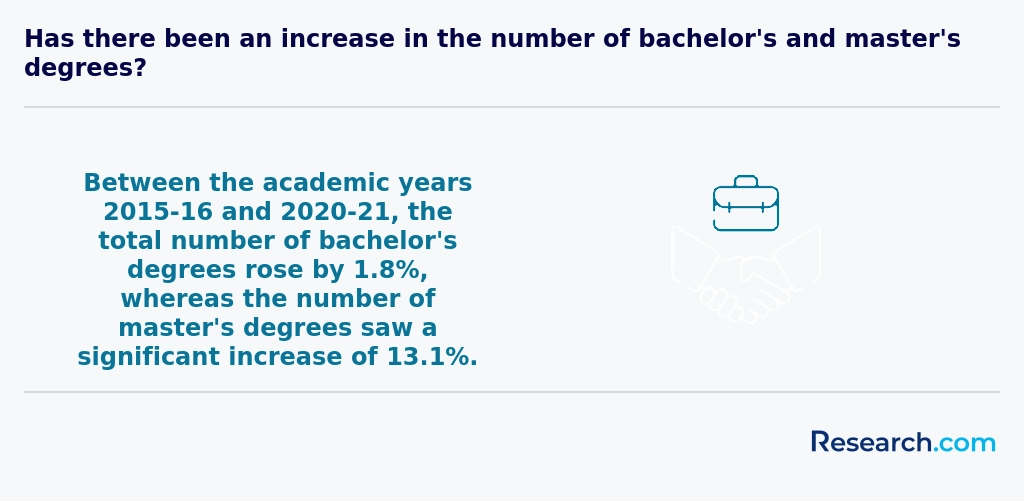
Understanding the financial payoff of a business degree is critical when weighing educational options in Nashville. On average, a bachelor’s in business from a Tennessee institution costs between $30,000 and $96,000, depending on public versus private tuition. With median starting salaries for business graduates around $55,000–$65,000 and mid-career earnings exceeding $85,000, the typical payback period ranges from three to six years. Key ROI factors:
- Total Cost of Attendance: Includes tuition, fees, textbooks, and living expenses-often totaling $75,000 over four years at private colleges like Belmont University.
- Average Salary Growth: Business Analysts in Nashville earn a mean of $108,790 annually, while Project Managers average $80,220, accelerating ROI when these roles follow internships at top firms.
- Payback Period Calculation: Divide total investment by annual net income (salary minus living expenses); a $75,000 investment with $50,000 net income yields a 1.5-year payback. Graduates who pursue advanced credentials can further enhance ROI. For those exploring graduate options, the Most Affordable Online Master’s in Business Degree Programs Ranking in Tennessee highlights cost-effective master’s pathways that often boost mid-career salaries by 20–30%. By weighing tuition against projected earnings and leveraging internships, networking, and affordable graduate programs, prospective students can make data-driven decisions to maximize their long-term financial and professional success.
Business degree programs in Nashville commonly include a mix of core and specialized courses that build a solid foundation in essential business principles. Students at institutions like Belmont University and Vanderbilt University regularly engage with classes such as Introduction to Financial Accounting, Principles of Marketing, and Organizational Behavior, which equip them with practical skills for real-world business scenarios.
Graduates often recall the value of applied learning through courses in Business Law, Managerial Economics, and Business Ethics, which highlight the complexities of operating within Nashville's dynamic market. Electives tailored to fast-growing local industries-like healthcare management and entrepreneurial startups-offer a unique advantage by connecting academic concepts to Nashville's economic landscape.
Many students appreciate the inclusion of data analytics and information systems courses, which develop skills critical for handling business data effectively. These courses respond directly to the increasing demand for business analytics professionals in the region, preparing graduates to make data-driven decisions in their future careers.
Business degree specializations in Nashville reflect the city's dynamic economy and diverse industry needs. Common tracks include Management, Marketing, Finance, Entrepreneurship, Supply Chain Management, and Human Resources. These areas equip students to excel in sectors such as healthcare, music, finance, and startups.
Graduates from popular Nashville universities often share how Management courses sharpened their leadership and strategic skills, preparing them for roles in corporate environments. Marketing specializations resonate deeply with students drawn to Nashville's thriving creative industries, offering hands-on experience in digital campaigns and consumer engagement. Those pursuing Finance gain vital expertise applicable to local banks and financial firms, while Entrepreneurship programs inspire innovation amidst the city's growing startup culture.
Students often report that Supply Chain Management classes help them understand logistics crucial to Nashville's manufacturing sectors. Meanwhile, Human Resources specialization prepares future professionals to manage employee relations effectively. Many find that aligning their studies with practical internships enhances job readiness. Exploring if is getting business degree easy in such a vibrant context encourages many to commit fully to their education in Nashville's top business programs Nashville specializations.
To choose the best business degree in Nashville, begin by prioritizing accreditation, especially AACSB recognition, which signals a program's quality. Graduates from Tennessee State University often praise the school's affordable tuition coupled with practical coursework tailored to Nashville's economic sectors, making it a popular choice among those seeking affordable business schools in Nashville. Meanwhile, graduates from private institutions like Belmont University emphasize the value of comprehensive networks and specialized programs in healthcare management and entrepreneurship.
Consider the curriculum alignment with Nashville's job market and personal career goals. Programs offering experiential learning, internships, and connections to local businesses provide graduates with direct access to Nashville's thriving industries. Flexibility matters too-working students find part-time, evening, or online options beneficial, as seen in the success of those pursuing one year mba online programs. Evaluating career support and job placement rates further ensures your investment leads to tangible outcomes in this robust job market.
Graduates with a business degree in Nashville encounter diverse career paths reflecting the city's vibrant economy. Popular roles include financial analysts interpreting market trends, marketing managers crafting campaigns for competitive sectors, and human resources specialists enhancing workforce development. Many graduates from renowned institutions find rewarding positions as operations managers optimizing processes within Nashville's growing manufacturing industry. Sales managers also thrive, especially in healthcare technology and retail fields.
In fact, many business graduates report fulfilling experiences working closely with leading healthcare employers such as Vanderbilt University Medical Center, where strategic finance and administration skills are essential. This aligns well with the abundant job opportunities for those seeking business degree career opportunities in Nashville's healthcare and service sectors.
For entrepreneurial graduates, Nashville's thriving start-up scene offers dynamic roles in project and product management, fostering innovation and growth. Prospective students looking for financially feasible options may explore programs listed in the Most Affordable Online Master's in Business Degree Programs Ranking in Tennessee, balancing quality education with cost-effectiveness.
The business degree job outlook Nashville presents is promising, driven by a diversified economy that includes healthcare, finance, and retail sectors. Graduates from well-regarded institutions like Vanderbilt University and Belmont University frequently secure positions as financial analysts, marketing managers, or operations leaders within Nashville's thriving companies. Many find rewarding roles in healthcare administration, benefiting from the city's status as a healthcare management hub with major employers such as HCA Healthcare.
Recent graduates often express enthusiasm about the numerous employment opportunities afforded by Nashville's growing economy. This environment supports business degree employment opportunities in small and medium enterprises that value energetic professionals skilled in finance, marketing, and strategic planning. Salaries for business-related careers range broadly, accommodating entry-level graduates up to seasoned management.
For prospective students, investing in a business degree locally includes considering affordable tuition options available at public universities. Additionally, exploring one year masters programs online offers flexible pathways to advance careers while engaging actively with Nashville's vibrant business landscape.
2027 Most Popular Business Degree Programs Ranking in Nashville
Investing in your education is a significant decision that can shape your future, and the Research.com team understands the importance of making informed choices. To assist prospective students in Nashville, we have meticulously crafted the "2027 Most Popular Business Degree Programs Ranking in Nashville." Our commitment to quality, credibility, and accuracy is reflected in the extensive research and analysis conducted to compile this ranking.
We utilized the following reputable data sources to ensure a comprehensive evaluation of business degree programs:
By exploring this ranking, readers will gain valuable insights into the most popular business degree programs available in Nashville, helping them make well-informed decisions about their educational paths. For more details on our methodology, please visit our Research.com methodology page.


Frequently Asked Questions About business
Business degree students in Nashville can enhance their education by engaging with the city's vibrant business community. Nashville hosts numerous corporate headquarters and startups, offering internships that provide practical experience alongside academic learning. According to the Nashville Area Chamber of Commerce, the city's business sector grew by over 7% in 2023, expanding opportunities for student involvement.
Networking through local professional organizations like the Nashville Business Council helps students build connections essential for career development. Utilizing resources from universities such as Vanderbilt and Belmont, which offer access to workshops and business competitions, further strengthens skills. Additionally, staying informed about regional economic trends by consulting reports from the Tennessee Department of Economic and Community Development supports informed decision-making in studies and career paths.
The business field is evolving rapidly, with emerging niches reflecting changes in technology, society, and the economy. In Nashville, a growing hub for healthcare and music industries, specialized areas like healthcare management and entertainment business are gaining traction. According to the Nashville Area Chamber of Commerce, healthcare support services employ over 180,000 people locally, fueling demand for business professionals skilled in healthcare administration.
Additionally, digital marketing and data analytics are key growth areas due to Nashville's expanding tech scene. Experts project a 15% increase in jobs related to data-driven decision making over the next five years in Tennessee, according to the U.S. Bureau of Labor Statistics.
Entrepreneurship is also emerging as a vital niche, supported by Nashville's vibrant startup ecosystem and numerous business incubators. This makes innovative business degree programs increasingly relevant for students considering careers in these dynamic sectors.
After earning a business degree in Nashville, preparing for the job market involves strategic steps tailored to the city's dynamic economy. Nashville hosts a growing number of businesses in healthcare, finance, and music industries, meaning networking locally is essential. Graduates should leverage Nashville's strong Chamber of Commerce and local career fairs to connect with potential employers.
Internships and cooperative education programs provide practical experience and increase job prospects. According to the Bureau of Labor Statistics, business-related roles in Nashville are projected to grow by 10% through 2030, emphasizing the importance of relevant skills.
Building skills in data analysis, digital marketing, and project management aligns well with employer demands. Additionally, utilizing university career services for resume reviews and interview prep significantly improves outcomes.
Employers in Nashville increasingly value business degree graduates who demonstrate strong analytical skills. According to the Nashville Area Chamber of Commerce, proficiency in data interpretation and financial analysis are critical for success in the city's competitive market. Communication abilities, both written and verbal, are also top priorities, as business professionals must collaborate across diverse teams.
Additionally, problem-solving aptitude and adaptability rank highly, given Nashville's growing industries like healthcare, music, and logistics. The Bureau of Labor Statistics highlights that Nashville's business sector emphasizes leadership and project management to drive efficient operations. Digital literacy, especially familiarity with tools like Excel and CRM software, further improves job prospects for graduates.
Finding internships in Nashville related to a business degree involves several strategic steps. Start by exploring local universities such as Vanderbilt University and Belmont University, which offer strong career services and connections to Nashville's diverse corporate sectors. The Nashville Area Chamber of Commerce reports that health care, music, finance, and technology are among the top industries, providing ample internship opportunities.
Utilize online platforms like Handshake and LinkedIn, where many local employers post internships specifically for business students. Networking events and career fairs hosted by local schools or professional groups can also lead to valuable contacts. Additionally, checking company websites of major Nashville firms like HCA Healthcare or Nissan North America can reveal internship openings relevant to business majors.
In Nashville, earning a business degree significantly enhances career mobility and advancement opportunities. The city's diverse economy-spanning healthcare, music, and technology-demands skilled professionals who understand management, finance, and marketing. Data from the Nashville Area Chamber of Commerce shows that business graduates are 30% more likely to receive promotions within five years compared to those without degrees.
Additionally, local employers prioritize candidates with formal business education for leadership roles. Networking possibilities through Nashville's many business schools also boost access to internships and job placements. Graduates benefit from practical skills and industry connections, crucial for navigating competitive job markets and rising into management positions.
Studying for a business degree in Nashville equips students with skills that span multiple disciplines, preparing them for diverse roles in today's complex work environment.
Nashville's business programs often integrate courses in finance, marketing, information technology, and management, reflecting the city's growing entrepreneurial ecosystem. For example, Vanderbilt University and Belmont University emphasize cross-department collaboration, fostering critical thinking and problem-solving abilities.
The city's economy, driven by healthcare, music, and tech industries, offers students relevant case studies and internship opportunities to apply interdisciplinary knowledge.
According to the Nashville Area Chamber of Commerce, 35% of local employers seek candidates with versatile business and tech skills, underscoring the value of such programs.
Choosing between a thesis and a non-thesis business degree program in Nashville depends on your career goals and learning preferences. Thesis programs typically involve conducting original research, ideal for students aiming to pursue doctoral studies or roles in research and analysis. Non-thesis programs focus more on coursework and practical skills, suiting those targeting immediate employment or managerial positions.
In Nashville, where industries like healthcare and music business thrive, practical skills from non-thesis tracks can offer faster job entry. According to the Nashville Area Chamber of Commerce, business services grew by 4.2% in 2023, signaling demand for versatile professionals. Universities like Vanderbilt and Belmont offer both options with flexibility to fit your future ambitions.
Students based in Nashville who want to study business abroad have several opportunities through partnerships between local universities and international institutions. Vanderbilt University, a leading school in Nashville, offers exchange programs where business students can study in Europe or Asia for a semester or a year. Belmont University and Tennessee State University also provide study abroad options focusing on global business practices.
These programs often include destinations like London, Paris, and Tokyo, allowing students to gain firsthand experience with international markets. According to Nashville Chamber of Commerce reports, such global exposure is increasingly valued by employers in the city's growing corporate environment.
Additionally, many programs incorporate internships abroad to enhance practical skills alongside academic knowledge. Students can also explore semester-abroad programs approved by the business faculty, ensuring credits count toward their degree.
Students pursuing business degrees in Nashville can benefit from several part-time job opportunities that align with their academic goals. Roles such as administrative assistants, sales associates, and marketing interns allow students to develop practical skills relevant to business management and communications.
Nashville's growing economy, with its strong presence of healthcare, finance, and technology sectors, offers numerous internships that provide valuable exposure to real-world business operations. According to the Nashville Area Chamber of Commerce, over 30% of local businesses actively seek interns each year, boosting chances for students to gain meaningful experience.
Part-time positions in retail or customer service also help sharpen leadership and problem-solving skills, which are essential for a business career. Students should explore opportunities offered by local startups and established companies alike to enhance their resumes while studying.
Nashville offers robust networking opportunities for business students through local universities, professional organizations, and industry events. The city is home to several business schools like Vanderbilt University's Owen Graduate School of Management and Belmont University's Massey College of Business, both of which host regular networking mixers, guest speaker series, and alumni events.
Additionally, Nashville's Chamber of Commerce and organizations such as the Nashville Business Alliance provide platforms for students to connect with business leaders and entrepreneurs. According to the Tennessee Department of Labor, Nashville's diverse economy includes healthcare, music, and finance sectors, creating varied connections for aspiring business professionals.
Students also benefit from participating in internships and cooperative education programs facilitated by these institutions, enhancing practical experience alongside networking. Annual events like the Nashville Entrepreneur Center's startup showcases present further opportunities to engage with industry innovators.
Alumni networks play a crucial role in supporting business degree students in Nashville by offering valuable connections and career opportunities. Graduates from local institutions like Belmont University and Vanderbilt University often remain connected through these networks, which facilitate mentorship, internships, and job placements.
Nashville's booming business environment, with over 4,300 corporate headquarters, benefits alumni who leverage their networks to access insider knowledge and industry contacts. According to the Nashville Area Chamber of Commerce, businesses frequently recruit through alumni channels, making these networks essential for students seeking internships and full-time positions.
Furthermore, alumni events and online platforms enable ongoing professional development and peer support, fostering career growth in the city's competitive market.
Customizing a business degree program in Nashville allows students to align their education with specific career goals. Many Nashville institutions offer concentrations such as marketing, finance, supply chain management, or entrepreneurship, enabling focused skill development.
Students can also select electives based on Nashville's thriving industries, including healthcare management and music business, reflecting local economic strengths. Internships and cooperative education opportunities with companies like HCA Healthcare or Nissan provide practical experience crucial for job readiness.
Additionally, flexible course formats, including evening and online classes, support working professionals. Leveraging Nashville's growing business environment, students often tailor their programs to benefit from local networking and emerging economic trends.
Business students in Nashville often face several key challenges during their studies. A primary difficulty involves balancing rigorous coursework with part-time work or internships, which are essential in Nashville's competitive job market. According to the Nashville Area Chamber of Commerce, approximately 35% of students engage in paid work while studying.
Another significant challenge is accessing up-to-date resources and networking opportunities in a rapidly growing business hub. Nashville's economy, driven by healthcare, music, and tech sectors, demands students stay current with industry trends.
Additionally, managing student debt is a concern. The average student loan debt in Tennessee is around $28,000, which can impact career decisions post-graduation.
With a business degree, professionals in Nashville can pursue several respected certifications to enhance career prospects. Popular options include the Certified Public Accountant (CPA) for those focusing on accounting, which is important in Nashville's growing financial sector. The Project Management Professional (PMP) certification is also valuable, reflecting the demand for skilled project managers in local industries.
For marketing professionals, the Certified Marketing Professional (CMP) credential can improve job opportunities in Nashville's expanding advertising market. Additionally, the Certified Financial Planner (CFP) is relevant for those entering finance or wealth management, sectors steadily growing in the region according to the Nashville Area Chamber of Commerce.
These certifications typically require passing exams and meeting experience criteria, which can be supported by local educational programs and professional groups.
Applying for a business degree program in Nashville requires a clear and focused approach. Start by thoroughly researching local institutions such as Vanderbilt University and Belmont University, which offer respected business programs. Admissions committees often look for applicants with a strong academic record, especially in quantitative subjects like economics and mathematics.
Personal statements should highlight relevant experience and clearly explain your career goals. Nashville's growing economy, including sectors like healthcare and music business, offers unique opportunities, so demonstrating local industry knowledge can strengthen your application. According to the Nashville Area Chamber of Commerce, business employment grew by 3.4% annually recently, emphasizing demand for skilled graduates.
Also, secure strong letters of recommendation from professors or employers who can attest to your leadership and analytical skills. Finally, meet all deadlines carefully and present a well-organized application to leave a positive impression.
Global perspectives on a business career emphasize adaptability and cultural awareness, vital in today's interconnected economies. For Nashville students, understanding international markets complements the city's growing role as a logistics and healthcare hub. According to the Nashville Area Chamber of Commerce, the region hosts numerous multinational companies, highlighting the demand for globally minded business professionals.
U.S. business degrees increasingly incorporate global studies, preparing graduates for diverse environments. Curricula often include international finance, trade policies, and cross-cultural communication, aligning with trends seen in Nashville's expanding export industries. The U.S. Bureau of Labor Statistics reports that careers involving global commerce are projected to grow faster than average.
Gaining practical experience while studying for a business degree in Nashville is essential for career readiness. Many local universities, including Vanderbilt University and Belmont University, offer internship programs with Nashville's diverse business community. The Nashville Area Chamber of Commerce reports that the city hosts over 6,000 corporate headquarters and startups, providing abundant internship opportunities across industries like healthcare, music, and technology.
Students can also participate in cooperative education programs, where they alternate between classroom learning and paid work placements. Additionally, joining campus organizations such as business clubs or consulting groups enables students to develop real-world skills. Networking events and local business competitions further enhance hands-on experience in a competitive environment.
Choosing the right concentration within a business degree program in Nashville begins with understanding your career goals and interests. Popular concentrations include marketing, finance, management, and entrepreneurship, each offering distinct skills valued in Nashville's diverse economy. For example, Nashville's growing healthcare and music industries create demand for specialized business knowledge in healthcare management and entertainment business.
Review local labor market data from sources like the Tennessee Department of Labor, which highlights that management and business operations roles are expected to grow by 8% in the Nashville area through 2030. This can guide students toward concentrations with strong job prospects.
Additionally, consider program accreditation and internship opportunities in Nashville's vibrant business community, as hands-on experience improves employability.
- 2027 Most Popular Business Degree Programs Ranking in Birmingham
- 2027 Most Popular Business Degree Programs Ranking in Atlanta
- 2027 Most Popular Business Degree Programs Ranking in Indianapolis
- 2027 Most Popular Business Degree Programs Ranking in Montgomery
- 2027 Most Popular Business Degree Programs Ranking in Macon
- 2027 Most Popular Business Degree Programs Ranking in West Lafayette
- 2027 Most Popular Business Degree Programs Ranking in Little Rock
- 2027 Most Popular Business Degree Programs Ranking in Conway
- 2027 Most Popular Business Degree Programs Ranking in Mobile
- 2027 Most Popular Business Degree Programs Ranking in Chicago
See What Experts Have To Say About Studying Business
Read our interview with Business experts


Ingrid S. Greene
Business Expert
Clinical Assistant Professor of Management
Loyola Marymount University

David W. Stewart
Business Expert
Emeritus President's Professor of Marketing
Loyola Marymount University

- How to Write a Statement of Purpose for Business School https://www.statementswritingservices.com/blog/how-to-write-a-statement-of-purpose-for-business-school.html
- How to Find a Job with an International Business Degree - Hunter Recruiting https://www.hirecruiting.com/newsroom/how-to-find-a-job-with-an-international-business-degree/
- BUSINESS MANAGEMENT ENGLISH (THESIS / NON-THESIS) - Lisansüstü Eğitim Enstitüsü https://lee.nisantasi.edu.tr/en/business-management-english-thesis-non-thesis/
- 2023 Best & Brightest Business Major: Andrew Campbell, University of Tennessee (Haslam) https://poetsandquantsforundergrads.com/students/2023-best-brightest-business-major-andrew-campbell-university-of-tennessee-haslam/
- Interdisciplinary Business https://www.okwu.edu/academics/undergraduate/bachelor-interdisciplinary-business/
- What is the future of bachelor’s degrees in business? https://www.amba-bga.com/insights/what-is-the-future-of-bachelors-degrees-in-business
- Business Administration Degree - Nashville State CC https://www.nscc.edu/academics/programs/business-administration.php
- Enterprise project challenge https://barclayslifeskills.com/help-others/lessons/enterprise-project-challenge/
- School of Business https://utsouthern.edu/academics/johnston-school-of-business/
- Networking Tips for Business Students and MBA Candidates - Cyprus West University https://www.cwu.edu.tr/networking-tips-for-business-students-and-mba-candidates/