
2027 Easiest Online Bachelor's in Business Degree Programs Ranking in Maine

Co-Founder and Chief Data Scientist
Choosing the right business degree program can feel overwhelming, especially with so many options available online. That's why this article offers the 2027 Easiest Online Bachelor's in Business Degree Programs Ranking in Maine, created by the Research.com team of data scientists. It helps you navigate your choices with clear, data-driven insights tailored to students in Maine.
By exploring this ranking, you'll discover programs that balance quality and accessibility, making your educational journey smoother.
Investing in a business degree opens doors to new opportunities and personal growth. This guide aims to support your goals with practical information you can trust.
Key benefits of getting online business degree in Maine
- Salary prospects: Graduates with a business degree in Maine can expect competitive salaries, such as a Business Development Executive earning a mean annual wage of $83,190 and a Business Analyst making $112,950 on average.
- Career paths: Business degree holders from schools like the University of Maine find diverse opportunities in roles like Business Analyst and Business Development Executive, enabling strong career growth and varied industries to explore.
- Online degree benefits: Earning a business degree online offers flexible scheduling and cost savings while maintaining quality, allowing graduates from programs like the University of Southern Maine's online business degree to balance work, life, and study effectively.
- 2027 Easiest Online Bachelor's in Business Degree Programs Ranking in Maine
- What can I expect from online business degree in Maine?
- Where can I work with online business degree in Maine?
What can I expect from online business degree in Maine?
The average cost of an online business degree in Maine typically ranges depending on the institution, but many students find programs from schools like the University of Maine System or private colleges to offer competitive tuition rates that balance quality with affordability. Graduates often share how studying online helped them reduce expenses significantly by saving on commuting and parking, which can add up over time, especially in Maine's more rural areas.
Financial aid options and scholarships tailored specifically for Maine residents make pursuing a degree even more accessible. For example, some students at popular Maine colleges mention using state-based grants that eased their financial burdens, allowing them to focus on gaining valuable skills in marketing, management, and entrepreneurship without constant financial stress.
When planning your budget, consider that online learning formats allow you to maintain part-time or full-time work, enabling steady income throughout your studies. This balance is a common story among many Maine business students who appreciate the flexibility to grow their careers while learning from respected local institutions.
Where can I work with online business degree in Maine?
With an online business degree from Maine's well-regarded schools like the University of Southern Maine or Husson University, graduates often find themselves stepping confidently into diverse career paths across the state's vibrant economy. Imagine working behind the scenes in healthcare administration at a local hospital, where your business skills keep operations smooth and patient care efficient-this is a reality for many graduates.
Others thrive in Maine's strong retail sector, managing regional stores or developing marketing campaigns that connect with loyal customers in towns throughout the state. The finance and insurance industries are also booming, offering roles in banking or financial planning where analytical skills learned online become daily tools for success.
For those inspired by Maine's scenic coastal lifestyle, hospitality management and tourism marketing provide exciting opportunities, blending business acumen with community involvement. Many graduates also harness entrepreneurial resources, like the Maine Small Business Development Centers, to launch their own ventures, turning passion into thriving businesses.
Studying online in Maine equips you with adaptable skills, ensuring you can thrive wherever your ambitions take you within the state's supportive and varied business landscape.
Graduates from online business degree programs in Maine often discover rewarding salary opportunities that reflect their hard work and dedication. For instance, business analysts in Maine can expect a mean annual wage of about $112,950, a figure that stands out as a beacon of what's possible after gaining relevant skills and experience. Many graduates from institutions like the University of Southern Maine or Husson University find this role a fulfilling way to apply their knowledge in real-world settings, managing data and shaping strategic decisions.
Another promising path is the role of a business development executive, which offers a solid yearly mean salary around $83,190. This career suits those energized by building partnerships and driving growth-skills sharpened in Maine's vibrant business programs.
While some positions like project manager or operations supervisor lack specific Maine salary data, Maine's growing economy and lower cost of living balance out the picture, helping graduates feel confident about their earning potential early in their careers and as they advance.
- The cost for a bachelor's degree in business in Maine ranges from $15,000 to $35,000, with public universities offering lower tuition for in-state students.
- Job opportunities for business graduates in Maine are stable, especially in healthcare administration, finance, retail management, and professional services.
- Entry-level business graduates typically earn around $48,000 annually, with experienced professionals making over $75,000 in managerial or specialized roles.
- Many online business programs in Maine are accredited by the New England Commission of Higher Education (NECHE), ensuring recognized education quality.
- Maine offers state-funded financial aid programs like the Maine State Grant to help eligible students reduce tuition costs for online business degrees.
Completing an online business degree in Maine usually takes about four years if you study full-time, which aligns well with many graduates from the University of Southern Maine and Maine Maritime Academy. Imagine balancing your coursework alongside a full schedule-many students thrive by committing to around 15 credits each semester, steadily moving through eight semesters until graduation.
For those juggling work or family, part-time study is a practical choice, often extending completion to five or six years. This approach lets you learn at a comfortable pace without sacrificing your other responsibilities. Graduates from institutions like Husson University often share how this flexibility allowed them to grow professionally while progressing academically.
If you come to Maine's programs with previous college credits or an associate degree, you could finish in as little as two years. Accelerated options also exist for highly motivated learners eager to speed ahead, offering pathways that can transform their ambitions into reality more quickly.
Choosing between online and on-campus business degrees in Maine comes down to how you want to learn and live during your studies. Graduates from the University of Southern Maine often recall the flexibility of online programs, where they balanced coursework around jobs and family commitments, enjoying the freedom to study evenings or weekends. This self-paced style is perfect if your life is busy and you need to fit education around other priorities.
Meanwhile, those who attended Husson University's on-campus program speak fondly of the vibrant classroom discussions and face-to-face connections with professors and peers. These interactions not only deepen understanding but spark networking opportunities, which are invaluable when starting a career in Maine's business community.
The cost is similar at institutions like the University of Maine, where tuition for both formats hovers around $11,000 annually. But studying online can save money on commuting and housing. If you thrive on direct engagement, look to on-campus; if independence fuels your motivation, online could be your best path.
The average cost of an online business degree in Maine typically ranges based on residency and institution type. For in-state students, the median total cost is around $34,560, making affordable online business degree programs Maine offers a realistic goal for many. Graduates from institutions like the University of Maine often share how the reasonable tuition tied to in-state status helped them focus on their studies without overwhelming financial stress. Public universities usually price their online programs between $11,000 and $13,000 per year, translating roughly to $350-$400 per credit hour, which aligns well with these median cost figures.
Private colleges like Husson University or the University of New England tend to have higher tuition, often hitting $30,000 to $40,000 yearly. However, many students report feeling encouraged by the extensive financial aid opportunities available, which can significantly reduce the net price and make the investment feel worthwhile. These learners often appreciate the possibility of balancing quality education and manageable expenses thanks to scholarships and grants.
Out-of-state students face a higher median total cost near $52,680; yet, even these students often tap into multiple aid sources to ease their financial burden while benefiting from Maine's rich business education. Choosing the right program and budgeting carefully can turn your goal of earning an online business degree in Maine into an inspiring reality. For those looking beyond Maine, exploring the top-rated business schools inFlorida might offer additional options and perspectives.

Many online business students in Maine find financial aid to be a powerful ally on their educational journey. Federal Pell Grants, for example, can significantly lighten the financial load-especially since they don't need to be repaid. Graduates from well-known Maine institutions often recall how these grants covered large parts of their tuition, making the dream of earning a degree much more achievable. Alongside Pell Grants, federal student loans with low interest rates and flexible repayment terms provide a safety net for students managing costs over time.
Residents studying at universities like the University of Southern Maine benefit from the Maine State Grant program, which offers need-based awards tailored to reduce tuition expenses. Institutional scholarships and grants from Maine's colleges further reward dedication and academic success, igniting motivation by recognizing hard work. Many graduates have shared how applying for these awards transformed their financial outlook.
Don't overlook private scholarships from organizations like the Maine Community Foundation-these local opportunities feel personal and encouraging. Plus, many employers in Maine actively support continuing education with tuition reimbursement programs, turning your work experience into a valuable financial resource while you study.
For prospective online business degree students in Maine, mastering the art of self-directed learning is paramount to success. This section offers actionable tips to help you make the most of your program. Begin by setting a well-structured schedule that balances coursework, assignments, and personal commitments; using digital calendars and task management tools can assist in staying organized. Enhancing communication with faculty and peers through virtual study groups and discussion boards builds a supportive academic network that enriches your learning experience. Moreover, taking advantage of dedicated online resources-such as interactive webinars, career counseling sessions, and digital libraries-can further strengthen your understanding of complex business concepts. For those eager to fast-track their education, exploring innovative curriculum options like the Best Accelerated Business Degree Online Programs can offer an efficient route to achieving your academic and career aspirations. By integrating these success strategies into your daily routine, you can optimize your online learning environment, ensuring both academic excellence and professional growth in the competitive business landscape.
To enroll in an online business degree program in Maine, you'll need a high school diploma or an equivalent credential like a GED. Graduates from well-known institutions such as the University of Southern Maine often share how this foundational step gave them the confidence to pursue advanced studies. Official transcripts are essential, so gather these early to avoid delays.
Some universities may ask for SAT or ACT scores, but many have embraced test-optional policies, especially since 2020, providing flexibility to students balancing work and family life. Personal statements or letters of recommendation can make your application stand out by showcasing your passion for business.
If you're transferring from another college, be ready to prove completed coursework in subjects like English and math. This ensures you're prepared for upper-level business classes, a requirement emphasized by several Maine colleges.
Lastly, don't underestimate the importance of reliable internet and basic computer skills-successful online learners at Maine's colleges often credit these practical necessities for their smooth academic journey.
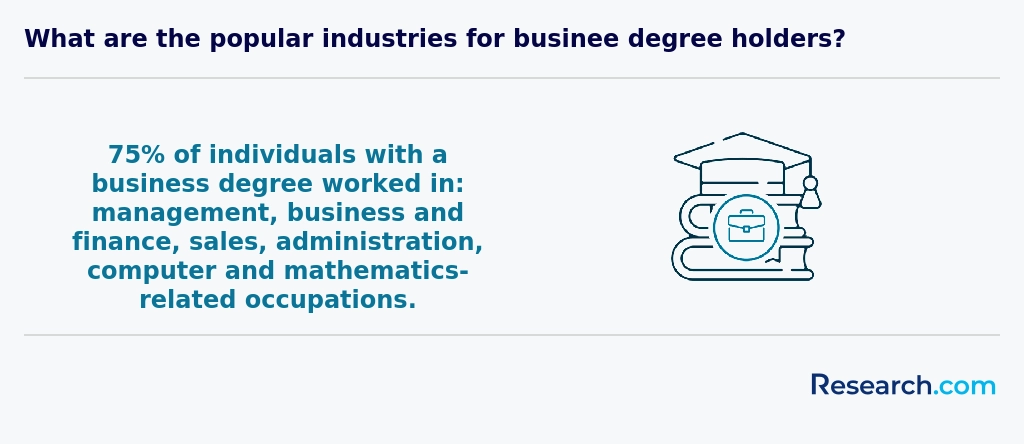
Potential drawbacks and limitations of online Business degree programs in Maine include the lack of face-to-face interaction, technical issues, and self-motivation requirements. Some students may struggle with the online format, particularly those who prefer hands-on learning or require more structure and support. Additionally, online programs may not provide the same level of networking opportunities as traditional on-campus programs, which can be a disadvantage for students who value building relationships with peers and instructors. Furthermore, online programs may have limited access to resources, such as career counseling and job placement services, which can impact a student's ability to secure employment after graduation. It's essential for students to carefully consider these potential drawbacks and limitations when evaluating online Business degree programs in Maine and to choose a program that aligns with their learning style, career goals, and personal preferences. By being aware of these potential limitations, students can make informed decisions and take proactive steps to overcome any challenges they may encounter in their online Business degree program.
When you dive into an online business degree in Maine, expect to build a solid foundation with courses like Principles of Management, which help you master the art of leading teams and making strategic decisions. Financial and Managerial Accounting classes will guide you through analyzing real business data-imagine confidently reviewing the numbers behind a local startup's success. Marketing Fundamentals open doors to understanding customer needs and advertising in today's digital world.
Students from well-known Maine colleges often share how Business Law and Ethics shape their ability to navigate complex legal challenges responsibly, while Economics courses offer insights into the state's unique market trends. Information Systems for Business prepares you to leverage technology effectively-just like recent graduates who manage projects using modern tools from anywhere in the state.
Many students also value electives like Entrepreneurship and Supply Chain Management, which reflect Maine's vibrant small business environment. These courses turn lessons into action, empowering you to innovate and lead confidently in your community.

In Maine, online business degree specializations offer practical pathways tailored to local economic strengths. Graduates from popular institutions often highlight management for leadership roles, guiding teams across industries from Portland's growing service sector to Bangor's small businesses. Another common focus is marketing, where students learn digital strategies that directly apply to Maine's retail and tourism industries. Those passionate about numbers often choose accounting, preparing for careers supporting Maine's numerous small and medium-sized enterprises with essential financial expertise.
Finance is another dynamic specialization, with graduates finding opportunities in local credit unions and financial firms, mastering investment analysis and risk management relevant to Maine's steady economic growth. For those dreaming of launching startups, entrepreneurship offers vital tools in business planning and innovation, a perfect fit for Maine's vibrant entrepreneurial hubs. Many students at well-known Maine colleges appreciate how these specializations connect academics with real-world business challenges, making the best business majors available online Maine truly engaging and relevant.
Additionally, if you're considering graduate studies, exploring an MBA online California schools can expand your options beyond the region.
Choosing the best affordable online business degree Maine offers means focusing on accreditation and flexibility. Graduates from popular colleges in Maine often highlight how programs accredited by ACBSP or AACSB opened doors to trusted career opportunities. Imagine balancing work and family while completing courses asynchronously, a feature many online programs in Maine provide, making education both practical and motivating.
Cost also influences your decision. Students pursuing online business degrees in Maine appreciate competitive tuition rates that beat on-campus expenses, plus savings on commuting and housing. Many find that selecting a program with concentrations aligned to Maine's local economy-like maritime industries or healthcare-better prepares them for the job market after graduation.
Finally, look closely at graduation and employment rates from your chosen institution to ensure strong support and outcomes. Before you decide, explore the pros and cons of online accounting degrees to understand how an online path might suit your goals. This thoughtful approach will guide you to the top accredited online business programs Maine has to offer.
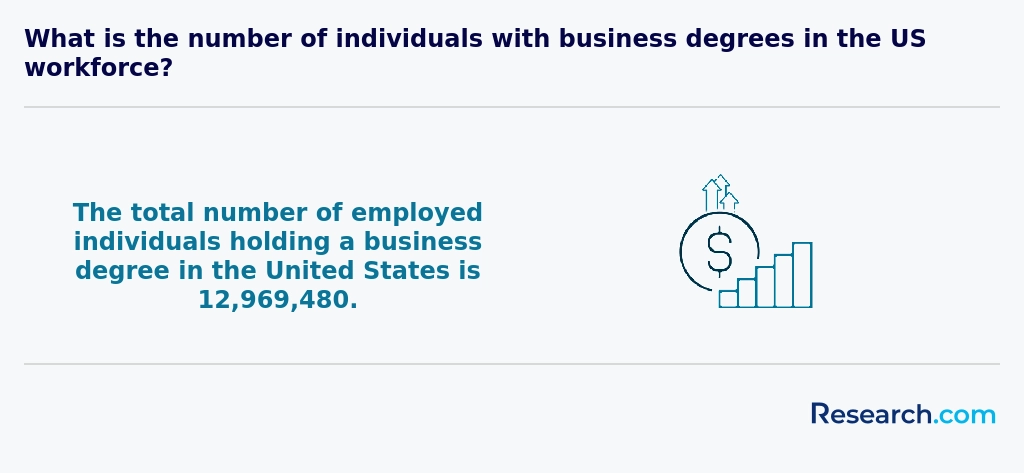
Graduates with an online business degree in Maine find themselves equipped to pursue a variety of rewarding career paths that mirror the state's dynamic economy. Many step confidently into management roles, becoming operations or project managers in local companies, where they lead teams and drive important projects forward. Others thrive as financial analysts or accountants, helping businesses navigate financial challenges in Maine's diverse industries.
Marketing and sales also offer exciting opportunities, especially with the rise of digital marketing and brand management in Maine's growing business landscape. Some graduates embrace entrepreneurship, inspired by Maine's supportive small business community and innovation hubs in cities like Portland and Bangor. The practical knowledge gained from Maine's colleges empowers students to adapt and excel in real-world scenarios, turning their degree into meaningful local impact.
For those exploring further options, human resources roles provide a chance to shape workplace culture and talent acquisition. Graduates from renowned Maine universities often speak highly of their experiences, connecting their studies to tangible career growth within the state's job market. If you're curious about comparable programs, consider reviewing business education programs in Colorado for perspective on the national landscape of online business degree careers in Maine.

The job market for online business degree in Maine is steadily growing, reflecting a balanced blend of traditional industries and emerging sectors. Graduates from well-regarded institutions like the University of Maine or Husson University often find themselves stepping into roles within healthcare services administration or retail trade, where their business expertise directly supports these vital sectors.
Many business degree holders report feeling empowered to contribute to Maine's evolving economy, especially in professional, scientific, and technical services, where their skills in financial planning or marketing have made a real difference. The steady 5% growth projection in business and financial operations strengthens confidence in stable career paths right here in Maine.
Graduates frequently share how the affordability and flexibility of Maine's online programs reduce financial stress, allowing them to focus on career growth. In addition, those inspired by local entrepreneurship have embraced opportunities to start ventures or support community initiatives, especially leveraging insights gained through entrepreneurship with an MBA degree.
With practical skills tuned to Maine's unique economic landscape, business degree employment opportunities Maine abound for those ready to engage actively with the marketplace and contribute meaningfully to local enterprise development.
2027 Easiest Online Bachelor's in Business Degree Programs Ranking in Maine
Investing in your education is a significant decision that can shape your future, and the Research.com team understands the importance of making informed choices. To assist prospective students in Maine, we have meticulously developed the "2027 Easiest Online Bachelor's in Business Degree Programs Ranking in Maine." Our commitment to quality, credibility, and accuracy is reflected in the thorough research and analysis behind this ranking.
We utilized the following reputable data sources to ensure a comprehensive evaluation of business degree programs:
By exploring this ranking, readers will gain valuable insights into the easiest online business degree options available in Maine, empowering them to make well-informed educational decisions. For more details on our methodology, please visit our Research.com methodology page.


# 3 position
University of Maine at Augusta
Bachelor of Business Administration-Accounting

Frequently Asked Questions About business
Online business degree students in Maine can maximize their learning by actively engaging with course materials and participating in virtual discussions. Research from the Maine Department of Education shows that students who interact regularly in online forums tend to retain 20% more information.
Balancing studies with local business trends enhances understanding. Maine's economy is strong in sectors like hospitality, healthcare, and marine industries, which offer practical contexts for case studies and projects.
Accessing resources such as the University of Maine's digital library and attending live webinars can further deepen knowledge. Networking online with classmates and professionals in Maine's business community also supports career growth.
The business landscape in Maine is evolving, with emerging niches reflecting broader national trends. Areas such as sustainable business practices and green entrepreneurship are gaining prominence, driven by local initiatives promoting environmental responsibility. Another growing field is digital marketing, fueled by increasing online commerce in the state. Data analytics and business intelligence are also rising in importance, as companies seek to leverage data for competitive advantage.
Health care management and financial technology (fintech) show strong growth potential in Maine, supported by regional investments and innovation hubs. According to the Maine Department of Labor, employment in these sectors is expected to grow 5% annually over the next decade.
After earning an online business degree in Maine, preparing for the job market involves several key steps. First, building a strong professional network is essential. Utilize Maine's local business organizations like the Maine Development Foundation and chambers of commerce to connect with employers and industry leaders. According to Maine Department of Labor data, sectors such as finance, insurance, and management continue to grow in the state, making relevant internships or freelance projects valuable to gain experience.
Next, tailor your resume and LinkedIn profile to highlight skills in data analysis, marketing, or project management, which are highly sought after by Maine employers. Additionally, consider obtaining industry-specific certifications like CPA or PMP to increase competitiveness. Lastly, leverage your institution's career services for job placement assistance and attend local job fairs to stay informed about opportunities within Maine's business landscape.
Employers in Maine consistently seek business degree graduates who demonstrate strong communication and critical thinking skills. According to a 2023 report by the Maine Department of Labor, interpersonal abilities and problem-solving are among the top qualities valued in the local workforce. Graduates proficient in data analysis and financial literacy also rank highly, as Maine's economy includes growing sectors such as finance and technology.
Adaptability and digital proficiency are increasingly important, reflecting trends in remote work and online collaboration. The ability to use business software and understand market analytics improves job prospects. Leadership and teamwork skills remain essential, especially for roles in Maine's small to mid-sized businesses.
Finding internships in Maine relevant to a business degree involves targeted research and networking. Start by exploring local resources such as the Maine Department of Labor's JobLink system, which frequently lists internship opportunities in various industries, including business.
Many Maine colleges with online business programs also offer career services that connect students with regional employers. Businesses in sectors like healthcare, finance, and tourism-major contributors to Maine's $57 billion economy (U.S. Bureau of Economic Analysis, 2023)-often seek interns to support their operations.
Additionally, professional organizations such as the Maine Small Business Development Centers provide workshops and connections that can help secure internships. Leveraging platforms like LinkedIn, focusing on Maine-based companies, improves your chances of finding relevant opportunities locally.
An online business degree in Maine can significantly enhance career mobility and advancement opportunities. According to the U.S. Bureau of Labor Statistics, business-related jobs in Maine are projected to grow steadily through 2030. Employers increasingly value the flexibility and updated skills graduates gain from online programs, which often emphasize current industry software and remote collaboration techniques.
Graduates with a business degree have access to diverse fields such as finance, marketing, and management, leading to potential promotions and salary increases. Additionally, Maine's growing small business sector offers numerous leadership roles ideal for degree holders. Local data from the Maine Department of Labor shows a notable rise in managerial positions requiring at least a bachelor's degree.
Online degrees also provide networking opportunities through virtual career fairs and alumni groups, helping students connect with Maine employers. This combination of education and professional ties boosts chances for internal advancement and career changes within the state's evolving business market.
Studying for an online business degree in Maine equips students with skills that span multiple disciplines, essential for today's interconnected job market. Maine's business programs emphasize areas like finance, marketing, management, and data analytics, integrating real-world applications. This interdisciplinary focus prepares graduates to adapt across industries including healthcare, technology, and manufacturing, which are significant in Maine's economy.
According to the Maine Department of Labor, sectors such as professional services and information technology have grown steadily, requiring versatile business professionals. Online programs often include case studies and collaborative projects, enhancing critical thinking and cross-functional communication skills. These experiences help students confidently navigate diverse workplace challenges and roles.
When choosing between a thesis and a non-thesis online business degree program in Maine, consider your career goals and learning preferences. Thesis programs typically require original research and are ideal for students interested in advanced study or academic careers. Non-thesis options focus more on practical knowledge and coursework, suited for professionals aiming to enter or advance in the business field quickly.
Maine's business sector, including industries like healthcare, technology, and manufacturing, values applied skills, so non-thesis programs can offer direct benefits. According to the Maine Department of Labor, business-related jobs are expected to grow by 5% through 2028.
Research each program's curriculum and available support to ensure alignment with your long-term plans.
Students based in Maine who want to study business abroad while pursuing an online degree have several pathways available. Many accredited US universities offer online business programs with international study options or exchange partnerships, enabling students to gain global exposure without leaving home. For example, institutions like the University of Maine System provide access to study abroad programs incorporated into their curricula, often in collaboration with European or Asian universities.
Additionally, some online degrees offer virtual internships or projects with multinational companies, providing practical international business experience. According to the Institute of International Education, nearly 10% of US business students participate in some form of study abroad, highlighting its growing accessibility.
This hybrid approach allows Maine students to combine quality online education with valuable overseas exposure, meeting both academic and professional goals efficiently.
Part-time job opportunities in Maine can effectively complement online business degree education by providing practical experience alongside academic learning. Roles in customer service, retail management, and administrative support are common and help develop key business skills such as communication, organization, and leadership.
Maine's growing small business sector, particularly in areas like Portland and Bangor, offers positions in sales and marketing that align well with business studies. According to the Maine Department of Labor, retail trade and professional services employ a significant portion of part-time workers, making these fields accessible for students.
Internships or part-time roles at local banks or credit unions allow students to gain insight into finance, enhancing their understanding of financial management concepts. Furthermore, opportunities in non-profits and start-ups can provide experience in project management and entrepreneurship, complementing course content effectively.
Online business students in Maine benefit from a variety of networking opportunities despite completing their degrees remotely. Many Maine institutions offer virtual events, alumni networks, and career services tailored to online learners. For example, the University of Southern Maine provides webinars and regional meetups to connect students with local professionals.
Maine's business community is strong in sectors like healthcare, manufacturing, and tourism, creating diverse networking possibilities. Joining local Chambers of Commerce or business associations such as the Maine Development Foundation can also expand contacts.
According to the Maine Department of Economic and Community Development, actively networking supports career advancement in the state's evolving economy. Students who engage with these resources often report better job placement rates and professional growth.
Alumni networks play a crucial role for online business degree students in Maine by offering valuable connections and career support. Graduates often find job referrals, mentorship, and networking opportunities through these groups, which can be especially important in Maine's close-knit business communities.
Maine's economy has a notable presence of small to mid-sized enterprises, meaning personal connections often influence hiring. According to the Maine Department of Labor, networking remains a top method for job seekers in the state.
Online students benefit from virtual alumni events and platforms that expand their professional circle beyond classrooms. This helps bridge the gap between remote education and real-world business interaction.
Customizing an online business degree program in Maine allows students to align their studies with specific career goals. Many Maine institutions offer elective courses and concentrations, such as finance, marketing, or entrepreneurship, enabling students to focus on skills relevant to their desired profession. Some programs also provide options for internships or capstone projects that connect academic learning with the local Maine business environment, fostering practical experience.
Additionally, students can often tailor their schedules through flexible online formats, accommodating work and family commitments. According to the Maine Department of Labor, business services are a growing sector, highlighting the value of targeted study in areas like management and digital marketing.
Online business students in Maine often face challenges related to maintaining motivation and time management. Balancing coursework with work or family responsibilities can be difficult, as many learners study part-time while working full-time jobs. According to the National Center for Education Statistics, about 60% of online students nationwide juggle such demands, a trend reflected in Maine's population.
Technical issues also pose obstacles. Reliable internet access is crucial, yet rural areas in Maine occasionally experience connectivity problems, affecting students' ability to participate in live classes or submit assignments on time.
Another common concern is limited networking opportunities. Unlike traditional campus students, online learners may find it harder to build professional connections within Maine's business community, which is vital given that 28% of the state's small businesses operate in urban hubs like Portland and Augusta.
With an online business degree, Maine students can pursue a variety of professional certifications to boost their career prospects. Popular certifications include the Certified Public Accountant (CPA) for those interested in accounting and finance, and the Project Management Professional (PMP) for careers in project coordination. The Certified Management Accountant (CMA) is another valuable certification, focusing on financial management and strategic business skills.
Additionally, the Chartered Financial Analyst (CFA) credential supports careers in investment and financial analysis.
According to the Maine Department of Labor, business services in Maine show steady growth, making these certifications relevant for local employers seeking skilled professionals.
Writing a winning application for an online business program in Maine requires a clear focus on your academic and professional goals. Start by demonstrating strong communication skills through a well-crafted personal statement that explains why you want to pursue business education online. Highlight any relevant work experience or internships, especially within Maine's key industries such as healthcare and maritime commerce, which shape the local economy (Maine Department of Labor, 2023).
Include official transcripts showing consistent academic performance. Reach out for strong letters of recommendation from supervisors or professors who can attest to your potential as a student.
Lastly, ensure your application meets all specific requirements of Maine's accredited institutions to increase acceptance chances.
Global perspectives on a business career emphasize adaptability, cultural awareness, and international collaboration. In the U.S., including Maine, business professionals increasingly engage with global markets due to expanding trade and digital connections. According to the U.S. Bureau of Labor Statistics, jobs in business and financial operations are expected to grow by 8% through 2031, driven partly by global economic ties.
For Maine students pursuing online business degrees, understanding global trends is vital. Maine's economy benefits from exports like seafood and technology, linking local business careers to worldwide markets. Institutions such as the University of Maine highlight global business skills in their curricula to prepare graduates for these realities.
Moreover, employers prioritize candidates who can manage cross-cultural teams and international regulations. Online degree programs often incorporate case studies and virtual exchanges that simulate this global environment, making them valuable for Maine students aiming for a flexible, worldwide business career.
Students pursuing an online business degree in Maine can gain practical experience through internships and cooperative education programs. Many Maine institutions partner with local businesses, allowing students to apply classroom knowledge in real-world environments. According to the Maine Department of Labor, industries such as finance, retail, and tourism offer diverse opportunities for business students.
Additionally, students can engage in virtual internships, which have grown significantly post-pandemic. These experiences develop skills in communication, project management, and marketing-key areas for business careers.
Some universities also encourage participation in student-run organizations and business competitions, providing hands-on leadership and teamwork experience.
Choosing the right concentration within an online business degree in Maine depends largely on your career goals and local industry demands. Maine's economy includes strong sectors like healthcare, manufacturing, and tourism, which influence the popularity of concentrations such as healthcare management, supply chain, and marketing.
Consider concentrations offering skills aligned with Maine's job market. For example, the healthcare management field is growing due to Maine's aging population-making it a promising choice. According to Maine's Department of Labor, business and finance occupations are expected to grow about 6% through 2030.
Review course offerings and how flexible the program is for balancing online studies with work or family. Accreditation, faculty expertise, and internship opportunities within Maine's business community also matter for practical experience and networking.
- 2027 Easiest Online Bachelor's in Business Degree Programs Ranking in Massachusetts
- 2027 Easiest Online Bachelor's in Business Degree Programs Ranking in Connecticut
- 2027 Easiest Online Bachelor's in Business Degree Programs Ranking in New York
- 2027 Easiest Online Bachelor's in Business Degree Programs Ranking in Pennsylvania
- 2027 Easiest Online Bachelor's in Business Degree Programs Ranking in Virginia
- 2027 Easiest Online Bachelor's in Business Degree Programs Ranking in Kentucky
- 2027 Easiest Online Bachelor's in Business Degree Programs Ranking in North Carolina
- 2027 Easiest Online Bachelor's in Business Degree Programs Ranking in South Carolina
- 2027 Easiest Online Bachelor's in Business Degree Programs Ranking in Indiana
- 2027 Easiest Online Bachelor's in Business Degree Programs Ranking in Michigan
See What Experts Have To Say About Studying Business
Read our interview with Business experts


Ingrid S. Greene
Business Expert
Clinical Assistant Professor of Management
Loyola Marymount University

David W. Stewart
Business Expert
Emeritus President's Professor of Marketing
Loyola Marymount University

- Online Bachelor's in Business | University of Phoenix https://www.phoenix.edu/online-business-degrees/business-bachelors-degree.html
- Bringing global perspectives to leadership in business https://www.eaie.org/resource/global-perspectives-leadership-business.html
- Niche Business Ideas: A Guide to Profitable Niche Business Selection - Inar Learn https://inarlearn.com/niche-business-ideas-a-guide-to-profitable-niche-business-selection/
- Accredited Online Degrees & Flexible Programs | MCCS https://www.mccs.me.edu/programs-colleges/online-offerings/
- 26+ Best Business Internships For College Students - Career, Internships, & Recruitment Guides https://www.futuredecider.com/best-business-internships/
- How to Find a Job with an International Business Degree - Hunter Recruiting https://www.hirecruiting.com/newsroom/how-to-find-a-job-with-an-international-business-degree/
- Online Degrees - University of Maine at Augusta https://www.uma.edu/academics/online/degrees/
- A 2016 Global Perspective on Business and Career Planning https://careerproinc.com/blogging/a-2016-global-perspective-on-business-and-career
- Five Business Concentrations To Consider Now https://poetsandquantsforundergrads.com/news/five-business-concentrations-to-consider-now/
- How to Write a Statement of Purpose for Business School https://www.statementswritingservices.com/blog/how-to-write-a-statement-of-purpose-for-business-school.html


