2027 Best Business Degree Programs Ranking in Tennessee

Co-Founder and Chief Data Scientist
Exploring the best options for a business degree in Tennessee can be overwhelming. Our article introduces the 2027 Best Business Degree Programs Ranking in Tennessee, created by the Research.com team of data scientists to guide you through this important decision.
By considering this ranking, you can discover programs that offer strong career prospects and valuable skills. Pursuing a business degree opens doors to various opportunities and personal growth.
Whether you aim to start a new career or advance in your current role, this article helps you find programs worth your investment.
Key benefits of getting business degree in Tennessee
- Business degree graduates in Tennessee can earn competitive salaries, with roles like Business Development Executive averaging $83,190 annually and Business Analyst earning about $112,950 per year, offering strong financial rewards.
- Graduates from popular Tennessee universities often find diverse career paths in management, analysis, and sales, giving them flexibility to pursue roles that match their passions and skills.
- Online business degrees provide convenient learning for busy students, enabling them to balance work and study while gaining the same valuable skills as traditional programs.
- 2027 Best Business Degree Programs Ranking in Tennessee
- What can I expect from business degree in Tennessee?
- Where can I work with business degree in Tennessee?
What can I expect from business degree in Tennessee?
The average cost of earning a business degree in Tennessee varies but tends to be more affordable than the national average, especially at public institutions. Graduates from universities in cities like Nashville and Knoxville often recall managing tuition fees around $10,000 to $15,000 per year for in-state students. This manageable cost makes pursuing a Bachelor of Business Administration or an MBA much less daunting.
Many students find value beyond tuition by tapping into scholarships and financial aid offered through these schools, which can significantly ease the financial burden. For instance, business students at some Tennessee universities have shared how securing scholarships allowed them to focus more on gaining real-world experience through internships rather than worrying about debt.
Online and hybrid program options also provide flexibility for working professionals, minimizing additional costs related to commuting and housing. From firsthand stories of graduates balancing part-time jobs while studying, it's clear that Tennessee's business programs are designed to support both your educational and financial goals in a practical, encouraging environment.
Where can I work with business degree in Tennessee?
With a business degree from universities like the University of Tennessee or Belmont College, graduates step into a world full of career possibilities right here in Tennessee. Picture yourself managing operations for a major automotive company in Chattanooga or coordinating supply chains for a Memphis-based electronics firm-these roles are essential in the state's thriving manufacturing sector.
Many graduates find fulfilling careers in the healthcare and finance hubs of Nashville, where business knowledge fuels hospital administration and financial planning services. For instance, business students often share how internships with healthcare providers or financial institutions in Nashville sharpened their skills and connected them to meaningful job offers.
Additionally, the booming logistics scene, influenced by giants like FedEx in Memphis, offers exciting roles in logistics and customer service, which many alumni say matched their passion for problem-solving and teamwork. Whether it's marketing for retail companies or launching your own business with help from Tennessee's Small Business Development Center, a business degree here opens practical, rewarding doors.
With a business degree in Tennessee, you can anticipate a rewarding financial future, especially as you gain experience and specialize. For instance, graduates who step into roles like Business Development Executive can expect a mean annual wage around $83,190, which is a solid foundation coming out of programs at universities such as the University of Tennessee or Belmont University. This starts a pathway toward financial growth that feels both achievable and motivating.
Those advancing into analytical roles, like Business Analyst positions, often see even greater earnings-averaging about $112,950 per year. This reflects the premium placed on data-driven decision making in today's competitive business environment. Graduates from these Tennessee schools frequently share how hands-on projects and internships helped them build the skills employers seek, enabling this salary boost.
Imagining yourself thriving in Nashville's bustling business scene or Memphis's growing corporate hubs can make these figures feel tangible and within reach. Your business education here sets the stage for a career full of promise and financial stability.
- Annual tuition for public universities in Tennessee ranges from $10,000 to $12,000 for in-state students, while private institutions often charge over $25,000.
- Total yearly costs, including fees, books, and living expenses, can range from $15,000 to $30,000.
- Early-career business graduates earn between $45,000 and $55,000 per year, with mid-career salaries rising to $75,000-$90,000.
- Key cities like Nashville, Memphis, and Knoxville offer many job opportunities in marketing, sales, management, and accounting.
- Many Tennessee business programs hold AACSB accreditation and provide valuable internships and networking options.
- Flexible learning options, including online and hybrid programs, are available to accommodate working students.
If you're aiming for a business degree in Tennessee, expect your timeline to reflect your commitment and choices. Many graduates from the University of Tennessee, Knoxville, share how they completed their Bachelor of Business Administration (BBA) in about four years, balancing engaging business classes with campus life. This path suits those who can study full-time, making steady progress toward their goals.
For associate degrees, often earned at community colleges across Tennessee, students typically spend around two years. Graduates describe these programs as valuable stepping stones that let them quickly enter the workforce or transfer to a bachelor's program later.
Graduate students pursuing an MBA in Tennessee frequently finish in one to two years full-time. Many working professionals appreciate the flexibility of part-time or online options, extending their studies to three or four years while gaining real-world experience simultaneously.
Remember, your pace can be faster or slower depending on how many credits you transfer, whether you study online, and if you juggle work and school. These choices shape a personalized journey tailored to your dreams and lifestyle.
When considering a business degree in Tennessee, one of the pivotal factors is the affordability and potential return on investment. Prospective students often grapple with the financial implications of their educational choices, weighing the costs against the potential long-term benefits. In Tennessee, the cost of attending a business program can vary significantly, with tuition fees ranging from around $10,000 for in-state students at public universities to over $30,000 for out-of-state students. However, the potential return on investment is substantial, with graduates in roles such as Project Managers and Business Analysts earning average annual salaries of $80,220 and $108,790, respectively. For those seeking the cheapest business programs in Tennessee, there are options available that balance affordability with quality education, ensuring that students can achieve their academic and professional goals without shouldering an unmanageable financial burden. By choosing a program that offers a strong balance between cost and quality, students can set themselves up for success, both academically and professionally, in the dynamic and ever-evolving business landscape of Tennessee.
Choosing between an online or on-campus business degree in Tennessee comes down to your lifestyle and learning preferences. Graduates from the University of Tennessee often recall the energizing buzz of walking through campus halls, engaging directly with professors, and building connections during face-to-face group projects. This traditional setting offers rich opportunities to tap into resources like career services and business clubs, nurturing both professional skills and friendships.
On the other hand, graduates from Middle Tennessee State University share how online programs gave them the freedom to balance work, family, and education. They embraced asynchronous lectures and virtual discussions, relying on self-discipline while managing their own schedules. This flexibility is a real advantage if you're juggling commitments but still want a respected business degree from a Tennessee institution.
Both pathways demand accreditation, such as AACSB, ensuring employers recognize your credential. While online programs may reduce extra costs like housing and commuting, on-campus experiences build a unique environment for collaboration and motivation, helping many students thrive.
The average cost of earning a business degree in Tennessee varies depending on where you study and your residency status. For many, the median in-state total cost comes to around $21,261, which makes public universities like the University of Tennessee an appealing option. Graduates often share how this affordability allowed them to focus more on their studies and networking rather than financial stress. On the other hand, private institutions such as Belmont University and Lipscomb University typically have higher tuition, pushing the total cost closer to the median out-of-state figure of about $37,733. Still, many students find value in the smaller class sizes and personalized attention private colleges offer, which can translate into a richer educational experience.
For students weighing the overall Tennessee business degree total expenses, it's helpful to consider community colleges as well. They provide a cost-effective start with associate degrees costing between $4,000 and $6,000 annually for in-state students. This path has proved to be a smart stepping stone for many aspiring business professionals who later transfer to four-year universities.
Many graduates emphasize the importance of researching aids and scholarships thoroughly, which can significantly reduce the financial burden. If you want to explore more affordable options, you might find the cheapest business programs in Tennessee a helpful resource to guide you.

One of the most critical metrics for prospective students is the return on investment (ROI) of a business degree in Tennessee. By comparing total program costs against post-graduation earnings, you can estimate how quickly your degree will pay for itself and start generating net gains. On average, in-state tuition at public universities ranges from $10,000 to $15,000 per year, while private institutions may charge $30,000 to $50,000 annually. Considering typical salary outcomes-such as $80,220 for Project Managers and $108,790 for Business Analysts-the average payback period for a four-year bachelor’s degree is approximately 3 to 5 years. Key factors influencing ROI include:
- Total Debt Load: Graduates who borrow the full tuition are likely to spend 10–15 years repaying student loans. Exploring low-cost options and scholarships can dramatically shorten this timeline.
- Salary Growth: Many Tennessee business alumni experience a 50%–70% increase in earnings within five years, driven by promotions and specialized skill development.
- Program Format: Online and hybrid formats offer lower indirect costs (housing, transportation) and allow students to work while studying. For graduate students seeking budget-friendly alternatives, consider our Low Cost Online Master’s in Business Degree Programs Ranking in the South, which highlights high-value master’s options. By balancing up-front expenses with realistic salary projections, you can choose a program that maximizes long-term financial benefits. Integrating cost-saving strategies-such as in-state tuition, employer tuition assistance, and targeted scholarships-will help ensure that your business degree remains one of the most rewarding investments in your professional future.
When pursuing a business degree in Tennessee, a range of financial aid options can ease your journey. Many graduates from the University of Tennessee emphasize how Pell Grants and Federal Work-Study opportunities helped them manage tuition and living costs, especially since in-state tuition runs between $10,000 and $13,000 annually. These federal programs, like the Pell Grant, don't require repayment, making them a real relief for students facing financial challenges.
State-specific awards also shine for Tennessee students. The Tennessee HOPE Scholarship, offering up to $4,500 per year, opened doors for many business students at Tennessee State University, helping them focus more on their studies and less on bills. The Tennessee Promise program allows high school grads to attend community colleges tuition-free, a path many use to start their business education affordably before transferring to a four-year school.
Plus, local business colleges often award scholarships based on merit or need, which many students have credited for lessening debt burdens. These options, combined with smart borrowing through federal or private loans when necessary, create a strong financial foundation tailored to your dreams of a thriving career in business.
Business education in Tennessee is evolving rapidly to meet the demands of a digital and globally interconnected marketplace. Current trends indicate that institutions are increasingly integrating emerging technologies like artificial intelligence, big data analytics, and digital marketing into their curricula to prepare graduates for tomorrow's challenges. Industry experts predict that future business leaders will need to be both agile and tech-savvy, making it essential for prospective students to choose programs that emphasize innovative teaching methods and real-world applications. To further enhance their competitive edge, many universities have bolstered career development services by establishing strong ties with local businesses and offering mentorship programs that connect students with alumni leaders. Such initiatives not only enrich academic experiences but also pave the way for internship opportunities and long-term career growth. Students interested in flexible pathways can explore various program structures, including online learning options-discover more about these flexible alternatives by checking out Easiest Business Degrees. By staying informed about these industry trends and the proactive steps taken by Tennessee's academic institutions, you can better position yourself for success in the steadily changing business landscape. Embrace the opportunities for continuous learning and innovation, and be prepared to lead in an era defined by technological advancement and strategic agility.
To enroll in a business degree in Tennessee, you first need a high school diploma or an equivalent like a GED. Graduates from popular programs at the University of Tennessee often share how maintaining a GPA around 2.5 to 3.0 helped them gain acceptance and feel confident moving forward. This GPA range is a common expectation across many colleges here, balancing challenge with achievability.
Many schools still consider SAT or ACT scores, with the statewide average ACT score around 22 for business applicants. Even when test-optional policies apply, submitting strong scores can open doors and boost your confidence during admissions.
Beyond admissions, expect to have a foundation in important courses such as algebra, statistics, and English composition-skills that have proven invaluable to graduates navigating coursework and internships alike. At Middle Tennessee State University, for example, students often mention that early computer skills made projects and data analysis easier and more rewarding.
If you're transferring, preparing detailed transcripts that showcase completed general education and introductory business classes is essential. Tennessee's Transfer Pathways program simplifies this, creating real opportunities for motivated students to thrive in business studies without losing momentum.
Tennessee’s top business programs pride themselves on robust career services and an active alumni network that bridge classroom learning with real-world opportunities. Dedicated career centers offer personalized counseling, resume reviews, and mock interviews, ensuring you present your best professional self. Regularly hosted job fairs connect students with recruiters from Fortune 500 companies to innovative startups, while on-campus workshops cover essential topics like salary negotiation and personal branding. Internship placement is another hallmark of Tennessee’s business schools. Through partnerships with local corporations in Nashville, Memphis, and Chattanooga, students secure hands-on roles in marketing, finance, and operations-translating academic theories into practical skills. Success stories abound: one Vanderbilt alum credits her leap from intern to full-time analyst to a career services referral, while a UT Knoxville graduate attributes his rapid promotion to project manager to connections made at an alumni networking gala. The alumni network itself serves as a powerful resource for mentorship and growth. Graduates can tap into online portals and regional chapters to find seasoned professionals who provide guidance on career transitions, industry trends, and leadership challenges. Networking breakfasts, panel discussions, and alumni-student mentorship programs foster relationships that often lead to internships, job offers, and collaborative ventures. For business students eager to accelerate their leadership trajectory, specialized offerings like the fast track mba 6 months program deliver condensed, high-impact curricula paired with dedicated career coaching. Whether you’re seeking to refine your strategic thinking or launch a startup, Tennessee’s comprehensive career services and vibrant alumni community ensure you’re supported every step of the way.
In Tennessee, business degree programs are built around courses that truly prepare you for the real world. Graduates from universities like the University of Tennessee and Belmont College often share how core courses such as Principles of Management gave them a solid foundation in leadership, helping them confidently lead group projects and internship teams. Financial and Managerial Accounting courses are especially valued, as they turn abstract numbers into clear financial stories, a skill Tennessee graduates use when reviewing company budgets in local Nashville startups.
Marketing Fundamentals opens your eyes to consumer behavior, perfect for students eager to launch their own ventures or join the vibrant Memphis business scene. Business Law classes clarify the legal landscape every entrepreneur or manager must navigate daily, while Economics courses tie it all together by showing how markets and policies impact small businesses and large manufacturers across the state.
Classes like Operations Management and Business Ethics often inspire students to think critically about efficiency and responsibility, preparing you to make meaningful contributions whether you're working in Tennessee's growing healthcare industry or supply chain companies. These practical, hands-on courses reflect the pulse of Tennessee's economy and encourage you to apply learning directly through local partnerships and internships.
When pursuing a business degree in Tennessee, you'll find a rich variety of specializations tailored to real-world demands. Graduates from schools like the University of Tennessee and Vanderbilt University often share how finance and marketing tracks gave them confidence to navigate roles in banking or consumer analysis. Choosing a specialization such as supply chain management leverages Tennessee's logistical strengths, turning classroom lessons into practical skills for thriving in local industries. Others have found immense value in information systems, especially as businesses embrace digital transformation, equipping themselves with the tools to analyze data and optimize operations.
Accounting remains a cornerstone, with many students pursuing CPA certification, recognizing the solid foundation it provides for diverse career paths. Entrepreneurship studies foster a creative mindset to innovate and build new ventures, a path praised by graduates inspired by Tennessee's thriving small business environment. For those curious about emerging opportunities, international business and healthcare management offer exciting avenues aligned with the state's growing sectors. To explore pathways suitable for your goals, consider reviewing the Easiest Business Degrees and how they might fit your future.
These business degree specializations in Tennessee ensure you can tailor your education, making it both relevant and impactful as you step confidently into your career.
Choosing the best business degree in Tennessee means focusing on what truly matches your passion and career goals. Graduates from institutions like Vanderbilt University often highlight how selecting a program with AACSB accreditation opened doors for them in competitive job markets. When weighing options, think about whether a Bachelor of Business Administration or a specialized field such as finance or marketing sparks your enthusiasm-this decision shapes your curriculum and experience. Many students find that researching affordable business schools Tennessee ranking helps them balance quality education with manageable costs, especially since community colleges provide strong foundations before transferring to four-year universities.
Hands-on experience matters immensely. Programs connected with industries in Nashville or Memphis offer internships that bring classroom theory to life, making graduates feel confident and ready. Smaller class sizes and faculty who share real-world insights create an environment where learning feels personal and relevant. Finally, consider flexible options; some students thrive in online studies or a fast track mba 6 months format to fit their busy lives.

Graduates with business degrees from Tennessee colleges often find themselves stepping confidently into dynamic roles in management, finance, marketing, and more. Many business students from institutions like the University of Tennessee and Belmont University have shared how their backgrounds prepared them for careers as operations managers or project leaders, capitalizing on the state's vibrant industries.
If you're exploring business management careers in Tennessee, imagine working in Nashville's bustling corporate offices or Memphis's logistics hubs, where your skills help drive projects and teams forward. Graduates frequently secure positions in financial analysis or accounting, benefiting from the steady growth in finance jobs driven by regional banks and insurance firms.
Marketing and sales career paths are equally promising, especially as Tennessee's urban markets expand. Many graduates recall their practical experiences shaping campaigns and analyzing consumer trends, which solidified their career goals. For those seeking affordable education routes, consider looking into the Low Cost Online Master's in Business Degree Programs Ranking in the South to advance without financial strain.
Understanding the top business degree job opportunities Tennessee presents can give you an edge, whether you envision a future in human resources, logistics, or entrepreneurship. These paths are uniquely supported by Tennessee's economic diversity, making your degree a versatile investment in your career journey.
The job market for a business degree in Tennessee is vibrant and full of potential for graduates. Many who have studied at universities like the University of Tennessee or Belmont find themselves stepping confidently into roles across Nashville, Memphis, and Knoxville. These metropolitan areas are hubs for industries such as healthcare management, logistics, and finance, with businesses eager to welcome fresh talent. Graduates benefit not just from the competitive wages, like management salaries averaging around $95,000 annually, but also from a low unemployment rate that reflects a strong demand for business skills.
Employment opportunities for business graduates Tennessee are especially promising when practical experience is combined with academic achievement. Internships and local business connections forged during studies often open doors to full-time jobs. Whether working with startups or established corporations, many graduates share how these networks proved invaluable.
For those concerned about costs, public universities offer in-state tuition between $9,000 and $12,000 per year, making a degree accessible. Some students even explore alternative paths such as an online associate degree in 6 months accredited to quickly enter the marketplace and build experience.
2027 Best Business Degree Programs Ranking in Tennessee
Investing in your education is a significant decision that can profoundly impact your career, and the Research.com team recognizes the importance of making well-informed choices. To assist prospective students in Tennessee, we have carefully developed the "2027 Best Business Degree Programs Ranking in Tennessee." Our dedication to quality, credibility, and accuracy is demonstrated through rigorous research and thorough analysis behind this ranking.
We utilized the following reputable data sources to ensure a comprehensive evaluation of business degree programs:
By consulting this ranking, readers will obtain valuable insights into the top business programs in Tennessee, enabling them to make confident and informed decisions about their educational futures. For more information about our ranking process, please visit our Research.com methodology page.


Frequently Asked Questions About business
Business degree students in Tennessee can maximize their learning by engaging actively with local industries, as the state is home to a diverse economy including automotive, healthcare, and technology sectors. Building internships with companies like FedEx or Nissan provides practical experience and networking opportunities. Additionally, students should take advantage of Tennessee's strong community college transfer programs and accredited business schools, such as those recognized by AACSB. Participating in student organizations and case competitions further enhances leadership and problem-solving skills. According to the Tennessee Higher Education Commission, hands-on experience improves job placement rates significantly for business graduates.
Emerging niches within the business field in Tennessee reflect national trends toward technology and sustainability. One rapidly growing area is data analytics, where businesses use data-driven decision-making to increase efficiency and profits. Tennessee's expanding industries, like healthcare and manufacturing, increasingly require professionals skilled in big data and business intelligence.
Another important niche is supply chain management, boosted by Tennessee's strategic location as a logistics hub, especially around Memphis-the largest cargo airport worldwide. Additionally, green business practices and sustainability management are gaining traction as companies respond to environmental concerns and regulatory changes.
Finally, entrepreneurship and innovation, supported by Tennessee's growing startup ecosystem, remain vital for business students interested in new ventures and digital business models.
Preparing for the job market after earning a business degree in Tennessee involves several strategic steps. Graduates should leverage Tennessee's strong business sectors, such as healthcare, finance, and manufacturing, which together contribute significantly to the state's $350 billion economy, according to the Tennessee Department of Economic and Community Development.
Networking is crucial; students are encouraged to attend local business events and join professional associations like the Tennessee Business Leadership Association. Internships and cooperative education programs offered by many Tennessee universities provide valuable real-world experience and often lead to job offers.
Additionally, graduates should enhance their digital skills, including proficiency in data analysis and business software, as employers in Tennessee increasingly demand these competencies. Utilizing university career services and job fairs focused on the Tennessee job market can also improve employment prospects.
Employers in Tennessee highly value business degree graduates who demonstrate strong analytical and communication skills. According to the Tennessee Department of Labor and Workforce Development, 78% of local businesses emphasize problem-solving and critical thinking as essential abilities. Additionally, proficiency in digital tools like Excel and data management software is increasingly important due to the growth of sectors such as healthcare and manufacturing in the state.
Leadership and teamwork are also among the top sought-after skills. A survey by the Tennessee Chamber of Commerce highlighted that employers prefer graduates who can collaborate effectively and manage projects efficiently.
Lastly, adaptability and a solid understanding of financial principles remain key competencies, reflecting the dynamic economic environment across Tennessee.
Finding internships in Tennessee relevant to a business degree involves multiple strategic steps. Start by exploring university career centers, which often maintain connections with regional companies. Institutions like the University of Tennessee and Vanderbilt University are known to have strong internship programs tied to Nashville's robust business economy.
Tennessee's diverse industries include finance, healthcare, and manufacturing, offering numerous internships. According to the Tennessee Department of Labor and Workforce Development, internships in business sectors grew by about 8% from 2021 to 2023.
Networking is essential; attending local business events and joining student organizations can provide valuable contacts. Additionally, online job platforms focused on Tennessee can help locate internships at firms such as HCA Healthcare or FedEx, headquartered in Memphis.
A business degree in Tennessee significantly enhances career mobility and advancement opportunities. According to the Tennessee Department of Labor and Workforce Development, professionals with business-related degrees often experience faster promotion rates compared to those without specialized education.
Tennessee's growing industries, including finance, healthcare, and logistics, value the analytical and managerial skills taught in business programs. Graduates are more likely to qualify for leadership roles and earn higher salaries. For example, the Bureau of Labor Statistics reports that Tennessee business managers earn a median wage exceeding the state average, highlighting the degree's positive impact.
Additionally, many Tennessee employers prefer candidates with business degrees due to their adaptability and understanding of key economic principles. This preference helps graduates transition across sectors within the state's diverse economy.
Studying for a business degree in Tennessee equips students with skills applicable across various industries, enhancing their ability to work in interdisciplinary roles. Tennessee's business programs often integrate courses in economics, technology, communication, and management, fostering well-rounded knowledge.
The state's economic diversity-from manufacturing to healthcare-provides practical contexts for applying interdisciplinary business skills. According to the Tennessee Department of Labor and Workforce Development, sectors like healthcare and advanced manufacturing each contribute significantly to employment, making interdisciplinary understanding vital.
Many Tennessee universities also emphasize teamwork and problem-solving strategies, key competencies for roles requiring collaboration across fields. This approach prepares graduates to adapt flexibly in dynamic workplaces, meeting the needs of multiple disciplines simultaneously.
When choosing between a thesis and a non-thesis business degree program in Tennessee, consider your career goals and time commitment. Thesis programs typically require original research and a significant writing project, suited for students aiming for academic careers or advanced study. The non-thesis option usually involves additional coursework and practical learning, appealing to those seeking immediate employment.
Tennessee's business schools, including the University of Tennessee and Belmont University, offer both pathways. According to the Tennessee Higher Education Commission, enrollment in thesis programs is smaller, reflecting their specialized nature. Employers in Tennessee's growing sectors like healthcare and finance often prefer practical experience over research.
Assess your interests in research versus hands-on skills, as this will guide your choice effectively.
Students in Tennessee pursuing business degrees have several opportunities to study abroad through exchange programs and partnerships facilitated by their home institutions. Universities like the University of Tennessee and Belmont University offer semester-long programs in countries such as the United Kingdom, Spain, and China, focusing on international business practices.
These programs often include internships or cooperative education components to provide practical experience. According to the Institute of International Education, about 2% of U.S. business students participate in study abroad annually, reflecting growing interest among Tennessee students.
Additionally, scholarship options like the Gilman Scholarship support undergraduates with financial aid to study abroad, making international education more accessible. Business students are encouraged to consult their university study abroad offices for tailored guidance and available programs.
In Tennessee, part-time job opportunities that complement business degree education often involve roles in retail management, customer service, and administrative support. These positions help students develop essential skills such as communication, leadership, and problem solving. According to the Tennessee Department of Labor, retail trade employs over 10% of the state's workforce, making retail management a practical option for business students.
Internships in local companies and banks also offer valuable experience in areas like marketing, finance, and operations. Nashville and Memphis, as major economic hubs, provide diverse opportunities for part-time roles that align closely with business curricula.
Many students find working as administrative assistants in nonprofit organizations adds insight into organizational behavior, crucial for business studies.
Business students in Tennessee benefit from a variety of networking opportunities that help connect them with local industries. Universities in the state often partner with major companies such as FedEx, HCA Healthcare, and Nissan, providing students access to internships and job fairs. The Tennessee Economic Council on Women and the Tennessee Chamber of Commerce frequently host events that focus on business leadership and entrepreneurship.
Additionally, organizations like the Nashville Area Chamber of Commerce offer student memberships, allowing access to professional mixers and workshops. According to the Tennessee Higher Education Commission, nearly 70% of business graduates find employment through networking connections within six months of graduation.
Alumni networks play a significant role in benefiting business degree students in Tennessee by offering valuable connections and career opportunities. Strong alumni communities from institutions like the University of Tennessee and Vanderbilt University provide mentorship, internships, and job referrals, which can help students enter Tennessee's competitive business landscape.
According to the Tennessee Department of Economic and Community Development, networking is a key factor in the state's growing sectors, such as finance and healthcare management. Students linked to active alumni networks often gain access to local industry events and workshops, enhancing their professional skills.
These networks also support ongoing learning through seminars and exclusive job boards, giving students an edge in Tennessee's 7.6% business and financial operations employment growth forecast through 2030 (Bureau of Labor Statistics). Alumni connections thus serve as a bridge between education and Tennessee's evolving business market.
Customizing a business degree program in Tennessee involves selecting electives, concentrations, and experiential learning that match your career goals. Most Tennessee universities offer specializations such as finance, marketing, entrepreneurship, or supply chain management, allowing you to focus on a specific field within business.
Additionally, many schools partner with local businesses and industries for internships, providing practical experience tailored to the state's economic sectors like healthcare, manufacturing, and technology.
According to Tennessee's Department of Labor, business and financial occupations are expected to grow by 8% from 2022 to 2032, highlighting opportunities for targeted skills development.
Some programs also enable flexible course schedules, including online options, helping professionals balance work and study.
Business students in Tennessee often encounter challenges related to balancing academic workload and practical experience. Many programs emphasize internships and real-world projects, but finding quality placements can be competitive, especially in urban centers like Nashville and Memphis.
Financial strain is another common issue. According to the National Center for Education Statistics, in-state tuition and fees at Tennessee public universities average around $9,000 annually, which can be burdensome for some students. Additionally, navigating scholarship opportunities and managing student loans remain significant concerns.
Finally, adapting to rapidly changing business technologies and evolving market demands requires continuous learning, which can be overwhelming without strong academic support.
With a business degree in Tennessee, graduates can pursue several professional certifications to enhance their career prospects. Popular options include the Certified Public Accountant (CPA) credential, especially valuable for those interested in accounting roles. Tennessee requires 150 semester hours of education for CPA licensure, often met through business programs.
Another key certification is the Project Management Professional (PMP), relevant for business graduates targeting management positions. The PMP is recognized nationwide and can increase earning potential significantly.
Additionally, many pursue the Certified Management Accountant (CMA), which focuses on financial management and strategy. The Institute of Management Accountants reports growing demand for CMAs in Tennessee's business sector.
Other certifications include Six Sigma and Chartered Financial Analyst (CFA), valuable for specialized fields in operations and finance, respectively.
Writing a winning application for a business program in Tennessee requires careful preparation. Start by highlighting your academic achievements, especially in courses like economics, math, and communications, which are highly valued in business education. Tennessee business schools look for applicants with strong leadership and teamwork experience, so include relevant extracurricular activities or work history.
Personal statements should explain your motivation clearly, aligning your goals with the program's strengths. Tennessee boasts growing business sectors such as healthcare, manufacturing, and logistics; mentioning how you plan to contribute to these industries can strengthen your case. Official test scores, such as the GMAT or GRE, vary by school but remain important at many institutions. Lastly, obtain strong recommendation letters from teachers or employers familiar with your business potential.
The global perspective on a business career emphasizes adaptability and cross-cultural understanding. In today's interconnected economy, companies in Tennessee increasingly seek graduates who can navigate international markets and collaborate with diverse teams. According to the Tennessee Department of Labor and Workforce Development, business-related jobs in the state are growing at a steady rate, with exports contributing significantly to the local economy.
Business degrees often include coursework in global economics, international marketing, and supply chain management, preparing students for work beyond U.S. borders. Employers value skills such as foreign language proficiency and cultural awareness, which can open doors to opportunities worldwide.
Overall, Tennessee business graduates benefit from programs aligned with global business trends, improving their competitiveness in the job market.
Gaining practical experience while studying for a business degree in Tennessee is essential for career readiness. Many universities in Tennessee offer internship programs that connect students with local companies in Nashville, Memphis, and Chattanooga. These internships provide hands-on opportunities in finance, marketing, and management.
Additionally, cooperative education (co-op) programs are available at some institutions, allowing students to alternate semesters of study with full-time work experience. According to the Tennessee Department of Labor, internships in Tennessee's business sector grew by 8% in the last five years, highlighting increased opportunities.
Students can also engage in networking events and business competitions hosted on campus to apply classroom knowledge practically. This combination of study and experience improves employability upon graduation.
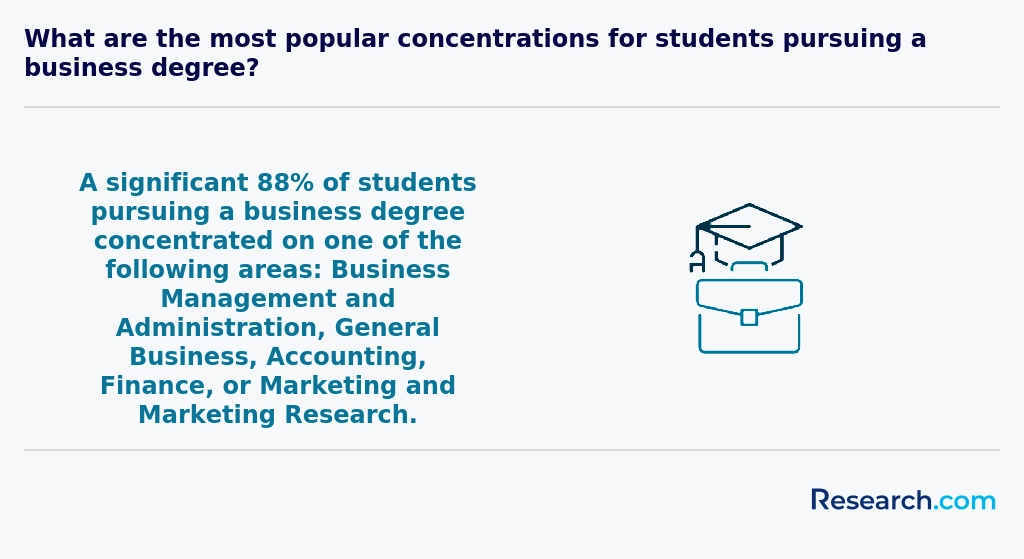
Choosing the right concentration within a business degree program in Tennessee depends on your career goals and local job market trends. Tennessee's economy is strong in sectors like healthcare, manufacturing, and logistics, which shape demand for specialties such as healthcare management, supply chain, and operations management. According to the Tennessee Department of Labor, fields like finance and marketing also show steady growth. Researching these trends helps align your studies with in-demand skills.
Consider visiting campus career centers or speaking with academic advisors familiar with Tennessee's business environment. Internships with local companies provide practical experience that complements your chosen concentration. Additionally, evaluate program accreditation and faculty expertise to ensure quality education in your area of interest.
- 2027 Best Online Business Degree Programs Ranking in Mississippi
- 2027 Best Online Business Degree Programs Ranking in North Carolina
- 2027 Best Online Business Degree Programs Ranking in Missouri
- 2027 Best Online Business Degree Programs Ranking in Virginia
- 2027 Best Online Business Degree Programs Ranking in Indiana
- 2027 Best Online Business Degree Programs Ranking in South Carolina
- 2027 Best Online Business Degree Programs Ranking in Ohio
- 2027 Best Online Business Degree Programs Ranking in West Virginia
- 2027 Best Online Business Degree Programs Ranking in Maryland
- 2027 Best Online Business Degree Programs Ranking in Pennsylvania
See What Experts Have To Say About Studying Business
Read our interview with Business experts

David W. Stewart
Business Expert
Emeritus President's Professor of Marketing
Loyola Marymount University

Ingrid S. Greene
Business Expert
Clinical Assistant Professor of Management
Loyola Marymount University


- Financial Aid | TCAT Memphis https://tcatmemphis.edu/future-students/financial-aid
- Business degree: What to study and how to find a job https://brive.com/blog/studies/business-degree-guide-to-study-and-find-a-job/
- How to Identify Profitable Business Niches: A Guide for ... https://www.invoiceonline.com/the-entrepreneur-s-handbook/entrepreneurship/business-strategy/how-to-identify-profitable-business-niches-97365
- Business - 2 Year Business Degree - Nashville State CC https://www.nscc.edu/academics/programs/business.php
- 55 Trending Business Ideas for 2025 and Beyond https://www.uschamber.com/co/start/business-ideas/top-trending-business-ideas
- Why Alumni Networks Matter in Business School: 7 Reasons https://europe.ceibs.edu/article/why-alumni-networks-matter-business-school
- 2025 Most Affordable Online Business Degrees in Tennessee https://www.onlineu.com/degrees/business/tennessee
- What is the future of bachelor’s degrees in business? https://www.amba-bga.com/insights/what-is-the-future-of-bachelors-degrees-in-business
- Why Employers Prize a Global Perspective from MBA Graduates | WU Executive Academy https://executiveacademy.at/en/knowledge/career/why-employers-prize-a-global-perspective-from-mba-graduates
- Finding Networking Opportunities as a Student | National Society of High School Scholars https://www.nshss.org/resources/blog/blog-posts/how-to-find-networking-opportunities-as-a-student/