
2027 Most Affordable Business Degree Programs Ranking in Tennessee

Co-Founder and Chief Data Scientist
Choosing the right business degree can shape your future, especially when budgeting matters. This article introduces the 2027 Most Affordable Business Degree Programs Ranking in Tennessee, developed by the Research.com team of data scientists to guide students like you in making smart choices.
By exploring this ranking, you'll discover quality programs that fit your budget while opening doors to rewarding careers.
Investing in a business degree can boost your confidence and expand opportunities, and we're here to help you find the best path forward.
Key benefits of getting business degree in Tennessee
- Salary benefits: Business degree graduates in Tennessee can expect competitive earnings, such as Business Analysts earning a mean annual wage of $112,950 and Business Development Executives making around $83,190 per year, reflecting strong job market demand.
- Career opportunities: Graduates often find diverse roles from analytics to development, inspired by alumni from popular Tennessee universities who successfully enter dynamic industries with solid growth potential.
- Online degree advantages: Earning a business degree online from recognized Tennessee institutions offers flexibility and accessibility, empowering students to balance work and studies while still accessing quality education and career support.
- 2027 Most Affordable Business Degree Programs Ranking in Tennessee
- What can I expect from business degree in Tennessee?
- Where can I work with business degree in Tennessee?
What can I expect from business degree in Tennessee?
The average cost of earning a business degree in Tennessee varies, but students at public universities like the University of Tennessee typically pay in-state tuition rates around $11,000 to $13,000 per year. Many graduates recall budgeting carefully but feeling reassured by the state's relatively low cost of living, which helped manage expenses beyond tuition, such as housing and daily needs.
Private institutions in Tennessee often have higher tuition, ranging from $25,000 to $40,000 annually, but students often find value in smaller class sizes and personalized support. Graduates frequently mention that scholarships, part-time jobs, and paid internships-common at places like Belmont University-help ease financial pressures while providing vital experience.
Additionally, many business students appreciate flexible MBA programs offered part-time or online, allowing them to work while studying, which helps with financial stability. Overall, practical financial planning combined with available institutional resources makes earning a business degree in Tennessee both attainable and rewarding.
Where can I work with business degree in Tennessee?
Graduates from business programs at universities like the University of Tennessee and Belmont University often find themselves working in healthcare administration at major employers such as HCA Healthcare or Vanderbilt University Medical Center. These roles involve managing operations and finances, providing a strong foundation to use business skills effectively in a fast-growing sector.
Many business graduates in Nashville and Memphis pursue careers in finance, joining firms like Bank of America or UBS as financial analysts or loan officers. This path offers steady growth and the chance to apply analytical skills learned during their studies, boosted by city-based networking opportunities.
Manufacturing companies, including Nissan and Eastman Chemical, commonly recruit business degree holders for supply chain and production roles. Graduates report that their problem-solving and organizational abilities help them advance quickly in these hands-on environments.
Other popular paths include logistics and retail careers, with companies like FedEx in Memphis valuing grads skilled in operations and sales. Entrepreneurial students benefit from local startup incubators and economic programs, turning ideas into thriving businesses within Tennessee's supportive network.
Graduates with a business degree in Tennessee can realistically expect varied earnings depending on their chosen career paths and experience levels. For instance, business development executives in Tennessee earn a mean annual wage of around $83,190, reflecting strong demand in cities like Nashville and Knoxville. This aligns with feedback from recent graduates of the University of Tennessee's Haslam College of Business, who appreciate the local networking opportunities that boost their job prospects.
Business analysts in Tennessee command even higher salaries, with a mean annual wage approximately $112,950. Graduates from Belmont University have shared how their specialized coursework helped them secure roles with competitive pay in financial and tech firms based in Memphis.
While some roles such as project managers or account managers lack specific wage data, the trends suggest that combining a Tennessee business education with internships or certifications greatly enhances earning potential. Focusing on in-demand skills and leveraging connections at colleges like Lipscomb University can open doors to well-paid positions that surpass state averages.
- Tuition for business degrees in Tennessee averages around $11,000 per year at public universities, while private institutions may charge over $30,000 annually.
- Business graduates typically start with an average salary of about $50,000 per year shortly after graduation.
- Median salaries for experienced business degree holders range from $75,000 to $80,000, varying by specialization and location.
- Major cities like Nashville, Memphis, and Knoxville offer strong job markets with opportunities in project management, financial analysis, and sales.
- Tennessee has accredited business programs that meet national education standards.
Completing a business degree in Tennessee typically takes about four years for full-time undergraduates at popular schools like the University of Tennessee or Belmont University. Graduates often describe the experience as manageable when balancing classes with campus life, thanks to the semester system requiring roughly 120 credit hours. Many students take around 15 credit hours per semester, completing eight semesters over four academic years.
Some graduates share how accelerated programs at certain Tennessee colleges allowed them to finish in three years by taking extra courses or summer sessions, providing a faster path without sacrificing learning quality. For those pursuing an MBA, the timeline is usually around two years full-time, with part-time options stretching to three or more years, offering flexibility for working professionals enrolled at institutions such as Vanderbilt University.
Associate degrees or certificates at community colleges often require just two years, providing a solid foundation for business careers or transfer to four-year programs. Planning your course load and exploring flexible schedules can make the journey efficient and rewarding in Tennessee's business education landscape.
To make the most of your educational investment, it's crucial to consider the affordability of business degree programs in Tennessee. When exploring options, prospective students often find themselves at a crossroads, weighing the benefits of online versus on-campus education. For those preferring the flexibility of online learning, understanding the cost-effectiveness of such programs is key. By visiting cheapest online business schools in Tennessee, individuals can gain insights into affordable educational pathways that align with their career aspirations and financial situation. This informed approach enables students to navigate the educational landscape in Tennessee effectively, making educated decisions about their future.
Online and on-campus business degree programs in Tennessee each offer distinct experiences tailored to different student needs. Graduates from the University of Tennessee, for example, often highlight the value of face-to-face networking and hands-on projects available in on-campus settings, which helped them build strong professional connections and gain internship opportunities through direct campus engagement.
Conversely, those who completed their degrees online from Middle Tennessee State University appreciate the flexibility to balance work and study without the added costs of commuting or housing. These students utilize advanced virtual tools and digital collaboration platforms to stay connected, though they might need to proactively seek internships independently.
Both formats share similar core coursework, with on-campus students benefiting from access to campus resources like career centers and tutoring in-person, while online students rely on virtual advising and digital libraries that continue to improve in quality across Tennessee institutions.
Choosing between them mostly depends on your lifestyle, budget, and preferred learning style-whether you value structured campus life or the freedom of remote study.
Embarking on the path to a successful career in business starts long before classes begin. This section provides a clear roadmap to help prospective students navigate the application process for business programs in Tennessee. First, begin by researching programs that fit your career objectives and financial situation, ensuring that you meet the prerequisites such as academic records and standardized test scores where required. Once you’ve shortlisted preferred schools, prepare a polished application package that includes tailored essays and professional recommendations. It’s also essential to explore available financial aid options to ease tuition costs and secure scholarships early in the process. Additionally, prospective students can benefit from learning more about the overall benefits of a business degree by reviewing comprehensive program insights available online. Finally, stay organized by tracking application deadlines and follow up promptly on any additional requests from admissions offices. This strategic approach to the application process not only enhances your chances of acceptance but also sets a strong foundation for future academic and professional success.
The average cost of a business degree in Tennessee typically varies depending on residency status and type of institution. In-state students at public universities usually face total expenses around $21,261, making programs at schools like the University of Tennessee system or Tennessee State University a manageable investment. Graduates recall budgeting carefully for tuition and additional costs, yet appreciate the value gained from quality education in these well-regarded programs.
Out-of-state students often encounter higher overall expenses, sometimes nearing $37,733, reflecting increased tuition rates combined with living costs. Private colleges, favored for their smaller class sizes and tailored business curricula, also hover around this median total cost, though some may charge more for added amenities and networking opportunities. These costs create a realistic picture for those planning finances but don't discourage many who find scholarships and financial aid highly effective in offsetting tuition.
Many business students recommend exploring scholarships and financial aid programs offered by universities and the state. Programs like the Tennessee Promise can substantially lower expenses, allowing students to focus on their studies rather than financial stress. For those seeking affordable alternatives, considering the cheapest online business schools in Tennessee provides flexible and cost-efficient pathways to earning a degree.
Understanding the average cost of business degree in Tennessee empowers prospective students to make informed decisions and plan for a successful academic journey without unexpected financial burdens.
Tennessee’s business programs excel at integrating real-world experience into the curriculum, ensuring graduates hit the ground running. From semester-long practicums to intensive summer internships, students partner with local firms, startups and non-profits to apply classroom theories in dynamic settings. Key highlights include:
- Structured Internship Placements: Institutions like the University of Tennessee, Knoxville coordinate with Fortune 500 companies and Nashville tech firms to secure paid internships in finance, marketing and operations management.
- Capstone Consulting Projects: Many programs culminate in team-based consulting assignments, where students analyze organizational challenges, present strategic recommendations and build professional portfolios.
- Virtual Practicums and Simulations: Innovative online platforms enable remote students to tackle simulated market scenarios, enhancing decision-making skills and digital collaboration. For professionals seeking an accelerated pathway, an mba online 1 year often embeds concentrated capstone experiences with industry advisors.
- Credit-Bearing Cooperative Education (Co-Op): Select institutions offer co-op models that alternate academic terms with full-time work placements, allowing students to earn wages and academic credit simultaneously.
- Networking and Mentorship: Internship coordinators host regular employer panels and networking mixers. Alumni mentors guide students through project deliverables and interview preparation, increasing job-offer rates upon graduation. By prioritizing experiential learning, Tennessee’s affordable business programs not only bolster résumés but also foster the practical competencies and professional connections that drive long-term career success.
Business students in Tennessee can access several financial aid options to ease the cost of their education. Many rely on Pell Grants, a federal need-based award that doesn't require repayment, with amounts up to $7,395 for the 2023-2024 year. Completing the FAFSA early is crucial to maximize these benefits. For Tennessee residents, the Tennessee Education Lottery Scholarship (TELS) is a key resource, often covering a large share of tuition at public institutions like the University of Tennessee.
Graduates from Tennessee's public business colleges often share how institutional scholarships, based on merit or leadership qualities, made a significant difference. Work-study programs offer practical part-time jobs that help manage expenses without overwhelming studies. Federal loans provide flexible repayment options if needed, while private scholarships from local organizations add extra support.
Students at schools such as Middle Tennessee State University find that researching all available scholarships and applying early significantly improves their chances of receiving aid. Employer tuition assistance programs can also be a valuable help for working professionals pursuing business degrees.
To enroll in a business degree program in Tennessee, you typically need a high school diploma or GED, ensuring you have the foundational skills required. Graduates from popular schools like the University of Tennessee recall that submitting a solid GPA-usually between 2.5 and 3.0-is essential, especially with strong math grades in algebra and statistics, which reflect readiness for business coursework.
While standardized tests like the SAT or ACT were once mandatory, many Tennessee institutions now allow applications without these scores, thanks to updated test-optional policies; however, it's wise to verify individual campus requirements before applying.
Providing a personal statement, letters of recommendation, and a resume can make a significant difference, particularly for programs at institutions like Belmont University. Some students report that including relevant internships or work experience boosted their MBA applications, demonstrating practical skills beyond academics.
Community colleges also offer flexible admission routes with prerequisite courses such as English composition and introductory accounting, making business studies accessible even for those returning to education later.

When weighing the true value of a business degree in Tennessee, it’s essential to balance total program costs against post-graduation earnings and time to break even. On average, graduates accumulate $25,000–$30,000 in loan debt for a four-year program; with a mean starting salary of $55,000, most see full repayment within 5–7 years. By contrast, graduates entering project management roles at $80,220 annually often recoup expenses in under 4 years, while business analysts earning $108,790 can achieve ROI even faster. Key factors influencing ROI include: • Tuition vs. Scholarships: Institutions offering robust aid packages can reduce net cost by up to 40%. • Graduation and Placement Rates: Schools with >85% placement within six months boost early earning potential. • Internship Value: Hands-on experiences often lead to higher initial salaries-each internship raises starting pay by an average 10%. Evaluating online programs can further optimize ROI. For example, Tennessee students who supplement their on-campus studies with affordable online courses benefit from flexible scheduling and reduced living expenses. Those interested in expanding their online options may also explore the Most Affordable Online Business Degree Programs Ranking in Oklahoma, which highlights cost-effective alternatives that maintain high accreditation standards. By conducting a personalized ROI analysis-projecting debt, living costs, and expected salary growth-prospective students can confidently select a business program in Tennessee that maximizes long-term financial returns.
Business degree students in Tennessee typically begin with foundational courses like Principles of Management, Introduction to Marketing, and Financial Accounting. These subjects build essential skills that graduates from well-known institutions such as the University of Tennessee or Belmont University found invaluable when stepping into real-world business roles. One graduate shared how mastering Business Statistics and Economics helped them confidently analyze market trends for their internship at a Nashville-based firm.
As they advance, students focus on specialized topics such as Corporate Finance, Organizational Behavior, and Business Law. These courses prepare students to handle complex challenges, like managing teams or navigating legal considerations, which is frequently highlighted by alumni of Tennessee State University who transitioned smoothly into leadership roles.
Electives allow personalization, with options like entrepreneurship or supply chain management-areas growing rapidly in Tennessee's economy. Many students appreciate the practical experience gained through capstone projects or internships, which directly connect classroom learning to vibrant local industries such as healthcare management and logistics.
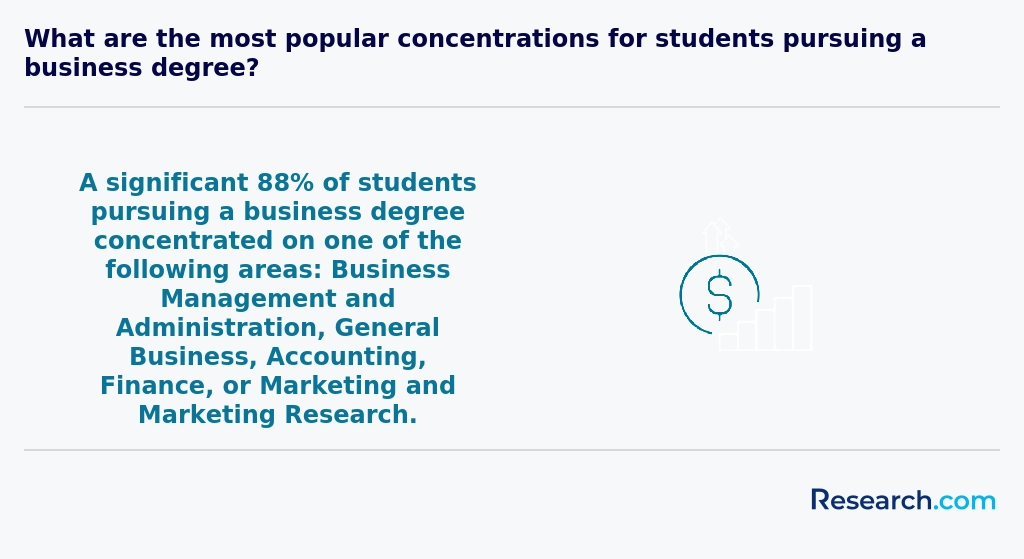
Business degree programs in Tennessee typically include specializations such as accounting, marketing, management, finance, and entrepreneurship. Graduates from well-known universities in Nashville or Memphis often share how focusing on accounting or finance helped them secure roles in the state's thriving healthcare or financial services sectors. Marketing specializations tap into Tennessee's creative economy, especially appealing for those interested in digital strategies and brand building.
Management tracks, popular at many Tennessee colleges, prepare students for leadership roles across logistics, retail, and healthcare industries. Entrepreneurship students benefit from Tennessee's supportive small business climate, gaining practical skills to launch startups. Additionally, concentrations like supply chain management or hospitality management reflect the state's strengths in transportation and tourism, aligning studies with local job markets.
For hands-on guidance on selecting a specialization that fits your goals, exploring an established business degree in Tennessee offers affordable business degree programs Tennessee students find valuable for career growth and regional opportunities.
Focus first on programs with AACSB accreditation, such as those at the University of Tennessee or Belmont University, to ensure a quality business education. Graduates from these schools often express pride in their rigorous training and confident transitions into careers. Consider the major specializations available; marketing, finance, and management are common, but programs including supply chain management or entrepreneurship align well with Tennessee's economic landscape. This fit boosts relevance and job prospects.
Price is key when searching for the best affordable business degree programs in Tennessee. Public universities offer in-state tuition typically between $9,500 and $11,000 annually, which many students find manageable, while private schools may be higher but provide valuable scholarships. Flexible course formats, including online or evening classes, help working students balance education and life demands. For example, some students leverage the mba online 1 year option to accelerate progress without sacrificing income.
Graduation and employment data matter: Tennessee business grads enjoy over 80% employment within six months, with starting salaries averaging $50,000 to $55,000. Choosing a school near cities like Nashville or Knoxville can enhance networking and internship access, which many graduates credit for landing their first roles. These practical steps guide you in how to choose a business degree in Tennessee that fits your needs and ambitions.

Graduates from Tennessee's business programs often pursue diverse career paths that leverage their skills in leadership, communication, and financial analysis. Many find rewarding roles in management, such as project or operations managers at Nashville-based companies and Memphis startups, where dynamic environments enhance professional growth. This strong job market for business degree career opportunities Tennessee offers is backed by an 8% projected growth in business and financial occupations through 2030, according to state labor data.
Another common avenue is finance, with graduates stepping into roles like financial analysts or accountants in Nashville's robust financial sector. Entry-level salaries starting around $50,000 make this path attractive. Students from popular institutions appreciate how programs emphasize strategic thinking that prepares them for these roles. Marketing is also a fruitful option, particularly in digital marketing or market research, supporting Tennessee's healthcare and tourism industries.
Entrepreneurship thrives here as well, with many graduates launching startups or consulting ventures supported by local incubators. For students weighing affordability alongside career prospects, exploring the Most Affordable Online Business Degree Programs Ranking in Oklahoma offers practical options nearby to complement Tennessee studies.
The business degree job outlook Tennessee graduates face is encouraging, backed by steady growth in sectors like healthcare, manufacturing, and finance. Many business students from popular schools such as the University of Tennessee and Vanderbilt find rewarding roles in management, marketing, and financial analysis, especially in vibrant cities like Nashville and Memphis. These cities act as economic engines, offering multiple openings where business skills are in high demand.
Graduates often share that their education prepared them well for the pro-business climate in Tennessee, where startups and small businesses thrive. This creates a dynamic environment for entrepreneurial-minded individuals. The average annual wage around $70,000 is attractive compared to state median salaries, making this a practical career choice. As technology reshapes the job market, skills in data analytics and digital marketing increasingly improve employment opportunities.
Tuition at local public universities keeps education costs manageable, typically between $10,000 and $15,000 annually for in-state students. This affordability, combined with promising employment chances, makes earning a business degree in Tennessee a solid investment. Those seeking accelerated paths may benefit from exploring 1 year masters programs online to further boost their career prospects.
2027 Most Affordable Business Degree Programs Ranking in Tennessee
Investing in your education is a significant decision that can profoundly impact your future, and the Research.com team recognizes the importance of making well-informed choices. To support prospective students in Tennessee, we have carefully developed the "2027 Most Affordable Business Degree Programs Ranking." Our dedication to quality, credibility, and accuracy is evident in the rigorous research and analysis that underpin this ranking. We utilized the following reputable data sources to ensure a thorough evaluation of business degree programs:
By consulting this ranking, readers will gain valuable insights into affordable business degree options in Tennessee, empowering them to make educated decisions that align with their financial and academic goals. For further information on our ranking process, please visit our Research.com methodology page.


# 14 position
Lane College
Bachelor of Business Administration


# 17 position
The University of Tennessee-Chattanooga
Bachelor of Science in Business Administration

# 19 position
Strayer University-Tennessee
Bachelor of Business Administration

# 20 position
Strayer University-Tennessee
Master of Business Administration
Frequently Asked Questions About business
Business degree students in Tennessee can maximize their learning experience by actively engaging in internships and cooperative education programs offered through many universities across the state. According to the Tennessee Higher Education Commission, participation in experiential learning increases job placement rates by over 20% for business graduates. Students should also take advantage of networking opportunities within Tennessee's diverse business sectors, including Nashville's growing finance and healthcare industries.
Additionally, enrolling in coursework that emphasizes data analytics and technology aligns with current market demands in Tennessee. Joining student organizations related to business can further enhance leadership and teamwork skills, providing practical experience that complements classroom instruction.
Within Tennessee, emerging niches in the business field reflect broader national trends influenced by technology and sustainability. One key area is supply chain management and logistics, fueled by Tennessee's strategic location as a transportation hub. According to the Tennessee Department of Economic and Community Development, jobs in this sector are expected to grow by 9% through 2030.
Another rapidly evolving niche is data analytics and business intelligence. Companies increasingly rely on data to drive decisions, making skills in analytics crucial. Additionally, sustainable business practices and green entrepreneurship are gaining prominence due to growing consumer demand for environmental responsibility.
These niches present promising opportunities for Tennessee students pursuing business degrees.
Graduates with a business degree in Tennessee can enhance their job prospects by actively engaging in internships and cooperative education programs during or after their studies. The Tennessee Department of Labor and Workforce Development reports that approximately 55% of employers prefer candidates with relevant work experience. Building a professional network through local business events, chambers of commerce, and LinkedIn is essential in Tennessee's diverse economy, especially in hubs like Nashville and Chattanooga.
Developing strong skills in data analysis, digital marketing, and supply chain management increases employability, given the growing demand in these fields. Tennessee's business sector, supported by the state's Chamber of Commerce, encourages continuous learning through certifications and workshops.
Employers in Tennessee value a combination of technical and interpersonal skills in business degree graduates. According to the Tennessee Department of Labor and Workforce Development, proficiency in data analysis and financial literacy ranks high among desired abilities. These skills help graduates manage budgets, interpret market trends, and make informed decisions.
Communication skills are also crucial, as business roles often require teamwork, negotiation, and client interaction. Additionally, problem-solving and critical thinking abilities enable graduates to adapt in a competitive market.
Leadership potential and experience with digital tools, such as Microsoft Excel and enterprise software, are increasingly important as Tennessee's economy grows in sectors like healthcare, manufacturing, and finance.
Finding internships in Tennessee related to a business degree involves several strategic steps. Start by exploring opportunities at local companies in key industries such as healthcare, manufacturing, and finance, which are prominent in Tennessee's economy according to the Tennessee Department of Labor and Workforce Development.
University career centers are vital resources; many Tennessee colleges partner with regional businesses to offer tailored internships for business students. Websites like Handshake and the Tennessee Department of Labor's internship portal provide curated listings statewide.
Networking is crucial. Join local business chapters like the Tennessee Chamber of Commerce or student organizations to connect with employers offering internships aligned with your career goals.
A business degree in Tennessee significantly enhances career mobility and advancement opportunities. According to the Tennessee Department of Labor and Workforce Development, business-related occupations show steady growth, with an employment increase of 5% over the last five years. Employers in major cities like Nashville and Memphis often prefer candidates with business degrees for management and analyst roles. Graduates gain essential skills in leadership, finance, and marketing, which are critical for promotions. Furthermore, a degree provides access to professional networks and internships that support career progression. Data from the U.S. Bureau of Labor Statistics also confirm higher median wages for business graduates in Tennessee compared to non-degree holders.
Studying for a business degree in Tennessee offers a comprehensive education designed to prepare students for interdisciplinary roles. Many Tennessee institutions integrate courses from fields like economics, information technology, and communication, helping students develop versatile skills. For example, the University of Tennessee emphasizes data analysis and strategic management, which are essential across various industries.
Additionally, Tennessee's growing economy-with strong sectors in healthcare, manufacturing, and logistics-provides a practical backdrop for applying cross-disciplinary knowledge. According to the Tennessee Department of Economic and Community Development, nearly 30% of business graduates find roles requiring collaboration across departments.
This educational approach equips students to navigate diverse challenges by combining business acumen with technical and interpersonal expertise, preparing graduates for dynamic work environments.
Choosing between a thesis and a non-thesis business degree program in Tennessee depends on your career goals and learning preferences. Thesis programs typically require conducting original research, which suits students interested in academic or research roles. Non-thesis options focus more on practical skills and coursework, ideal for those aiming to enter or advance in the business workforce quickly.
According to the National Center for Education Statistics, Tennessee has over 20 accredited institutions offering business degrees, with many providing both options. Tuition rates vary, so consider affordability alongside program structure. Additionally, non-thesis programs often take less time to complete, benefiting those eager to start working or gain professional certifications.
Students in Tennessee who wish to study business abroad have several pathways through their local universities' study abroad programs. Institutions such as the University of Tennessee and Vanderbilt University offer partnerships with international schools, enabling students to earn credits overseas while pursuing a business degree. These programs often take place in countries known for strong business education, including the United Kingdom, France, and Spain.
The Tennessee Board of Regents highlights that about 10 to 15% of business students participate in some form of international study, reflecting growing interest. Scholarships and grants are sometimes available to offset costs, making these options more affordable for Tennessee students.
Additionally, many schools encourage internships abroad, providing practical global business experience. This combination of coursework and real-world exposure is valued in today's global job market.
Part-time job opportunities in Tennessee can greatly enhance a business degree education by offering practical experience alongside academic learning. Popular roles include internships and assistant positions in finance, marketing, and human resources, especially in cities like Nashville and Memphis, which serve as prominent business hubs. According to the Tennessee Department of Labor and Workforce Development, sectors such as healthcare administration and retail management also provide valuable part-time openings for students.
Working in small to medium-sized enterprises or start-ups allows students to develop skills in project coordination and customer relations. These roles help students apply theoretical knowledge of business principles, improving their employability after graduation. Many Tennessee employers value candidates with hands-on experience combined with formal education.
Business students in Tennessee benefit from diverse networking opportunities across universities and the broader business community. Many schools partner with organizations like the Tennessee Chamber of Commerce and Industry, facilitating access to events, internships, and mentorships. According to the Tennessee Department of Economic and Community Development, the state hosts over 350,000 business establishments, providing fertile ground for connections and career growth.
Students often participate in the Collegiate Entrepreneurs' Organization, local chapters of professional groups such as the American Marketing Association, and alumni networks. These platforms help students build contacts, gain industry insights, and prepare for Tennessee's growing sectors like healthcare, manufacturing, and logistics.
Alumni networks play a crucial role for business degree students in Tennessee by providing valuable connections and career opportunities. Graduates from Tennessee schools, including the University of Tennessee and Belmont University, often join strong alumni communities that facilitate mentorship and internships. These networks help students tap into Tennessee's growing business sectors, such as healthcare and finance, which employ over 20% of the state's workforce, according to the Tennessee Department of Labor. Access to alumni can also improve job placements by up to 15%, based on studies by the National Association of Colleges and Employers. This support is vital for entering competitive markets in Nashville and Chattanooga.
Customizing a business degree program in Tennessee allows students to align their education with specific career goals. Many Tennessee institutions offer concentrations such as finance, marketing, management, or entrepreneurship, enabling focused skill development. For example, the Tennessee Board of Regents oversees diverse programs that integrate real-world business applications with academic theory.
Students can also choose electives that cater to industries thriving in Tennessee, like healthcare management or supply chain logistics. Internships and cooperative education opportunities in cities like Nashville and Memphis provide practical experience, essential for career advancement.
Additionally, some programs offer flexible scheduling and online courses, helping working professionals tailor their studies without compromising job commitments. According to the U.S. Bureau of Labor Statistics, Tennessee's business sector is growing, emphasizing the value of customized education to meet local market demands.
Business students in Tennessee often face challenges related to balancing academic demands with work responsibilities. Many students work part-time or full-time jobs while attending school, which can strain their study time and focus. According to the Tennessee Higher Education Commission, approximately 60% of undergraduates are employed while enrolled.
Another common challenge is the rising cost of tuition and fees. Although Tennessee offers the Tennessee Promise program, which provides last-dollar scholarships for community colleges, expenses such as textbooks and living costs can still be burdensome.
Additionally, navigating internship opportunities can be difficult given competition and limited local placements in some regions, impacting practical experience acquisition essential for business careers.
Graduates with a business degree in Tennessee have access to several valuable professional certifications that can enhance their careers. Popular certifications include the Certified Public Accountant (CPA) for those interested in accounting, requiring passing the Uniform CPA Exam and meeting specific state education and experience requirements. Another key certification is the Project Management Professional (PMP), which demonstrates expertise in managing projects across industries and is recognized nationwide.
For students focused on finance, the Chartered Financial Analyst (CFA) credential is highly regarded and involves passing three exam levels while gaining work experience. Additionally, the Certified Management Accountant (CMA) is ideal for professionals targeting management accounting roles and emphasizes financial planning and analysis.
Tennessee's growing business sectors, such as manufacturing and healthcare, value these certifications highly. According to the Tennessee Department of Labor and Workforce Development, jobs requiring advanced certifications tend to offer higher salaries and increased job security within the state.
Applying to a business degree program in Tennessee requires a clear and focused approach. Start by thoroughly researching the schools you are interested in, such as the University of Tennessee or Belmont University, known for their strong business faculties. Pay close attention to application deadlines and required documents.
Highlight your academic achievements, relevant work experience, and leadership roles in your personal statement. Tennessee's growing business sectors, including healthcare and manufacturing, favor applicants who demonstrate understanding of regional economic trends.
Strong recommendation letters from professors or employers who can attest to your skills will enhance your application. Finally, ensure your resume is concise and tailored to showcase skills relevant to business studies and the Tennessee job market.
A business career today demands a global perspective due to increasing international trade and digital connectivity. According to the U.S. Bureau of Labor Statistics, business and financial occupations are expected to grow by 8% nationally through 2032, reflecting strong demand that includes Tennessee's diverse industries. Companies in Tennessee, such as FedEx and Nissan, operate worldwide, highlighting the need for professionals with cross-cultural understanding and global business strategies.
Business degrees in Tennessee often integrate global case studies and international internship opportunities, preparing graduates for markets beyond the U.S. This prepares students to navigate economic trends and regulatory environments across various countries effectively.
Networking skills and foreign language knowledge are increasingly valuable, as businesses prefer candidates who can facilitate international partnerships and adapt to global challenges. For Tennessee students, gaining this expertise expands career options both locally and abroad.
Students pursuing a business degree in Tennessee can gain practical experience through internships offered by many universities and local companies. Internships provide hands-on exposure to real-world business operations, enhancing skills in marketing, finance, and management.
Tennessee's growing economy, particularly in Nashville and Memphis, offers numerous internship opportunities in industries such as healthcare, logistics, and tourism. The Tennessee Department of Labor and Workforce Development highlights that internships significantly improve employment prospects post-graduation.
Additionally, cooperative education programs (co-ops) are available at some Tennessee institutions, allowing students to alternate semesters of academic study with full-time work experience.
Participation in campus business clubs and case competitions also provides practical problem-solving skills essential for business careers.
When choosing a concentration within a business degree program in Tennessee, start by researching local industry demands. For example, Memphis leads in logistics and transportation, making supply chain management a strong option. Nashville's growing healthcare sector increases the value of healthcare management concentrations. Consider the Tennessee Department of Labor and Workforce Development's data, which highlights these regional trends.
Next, evaluate your personal strengths and career goals. If you enjoy numbers, accounting or finance might suit you. For those interested in innovation and startups, entrepreneurship is a growing field.
Lastly, review each Tennessee university's concentration offerings and internship opportunities to ensure hands-on experience aligns with your interests.
- 2027 Most Affordable Online Business Degree Programs Ranking in Kentucky
- 2027 Most Affordable Online Business Degree Programs Ranking in Mississippi
- 2027 Most Affordable Online Business Degree Programs Ranking in North Carolina
- 2027 Most Affordable Online Business Degree Programs Ranking in Missouri
- 2027 Most Affordable Online Business Degree Programs Ranking in Virginia
- 2027 Most Affordable Online Business Degree Programs Ranking in Indiana
- 2027 Most Affordable Online Business Degree Programs Ranking in South Carolina
- 2027 Most Affordable Online Business Degree Programs Ranking in Ohio
- 2027 Most Affordable Online Business Degree Programs Ranking in West Virginia
- 2027 Most Affordable Online Business Degree Programs Ranking in Maryland
See What Experts Have To Say About Studying Business
Read our interview with Business experts

Ingrid S. Greene
Business Expert
Clinical Assistant Professor of Management
Loyola Marymount University

David Souder
Business Expert
Senior Associate Dean for Faculty and Research
Michigan State University

David W. Stewart
Business Expert
Emeritus President's Professor of Marketing
Loyola Marymount University

- Online and Traditional Business Degrees Comparison | Free Essay Example https://studycorgi.com/online-and-traditional-business-degrees-comparison/
- 2025 Most Affordable Online Business Degrees in Tennessee https://www.onlineu.com/degrees/business/tennessee
- How to Write the Perfect Cover Letter – EU Business School https://www.euruni.edu/blog/write-perfect-cover-letter/
- A guide to finding an internship https://www.ipag.edu/en/blog/guide-finding-internship
- Case Studies: Dual Enrollment Work-Based Partnerships Thrive in Tennessee https://www.jff.org/idea/case-studies-dual-enrollment-work-based-partnerships-thrive-in-tennessee/
- 2024 Best Business Schools | How Alumni Rate Their Undergraduate Business Degrees https://poetsandquantsforundergrads.com/news/best-business-schools-alumni-rate-undergraduate-business-degrees/5/
- The Seven Biggest Challenges Faced by Student Entrepreneurs https://venturewell.org/blog/five-biggest-challenges/
- Management https://utsouthern.edu/academics/johnston-school-of-business/management/
- A 2016 Global Perspective on Business and Career Planning https://careerproinc.com/blogging/a-2016-global-perspective-on-business-and-career
- Professional Business Certifications to Boost Your Career in 2025 https://www.business.com/articles/best-business-certifications/


