2027 Best Business Degree Programs Ranking in Albany

Co-Founder and Chief Data Scientist
Choosing the right business degree program in Albany can feel overwhelming. To help you navigate this important decision, this article presents the 2027 Best Business Degree Programs Ranking in Albany, developed by the Research.com team of expert data scientists.
By exploring this ranking, you'll gain valuable insights into the top programs and what makes them stand out. A strong business degree opens doors to exciting career opportunities and personal growth.
Read on to discover which programs deserve your consideration and take a confident step toward your future success.
Key benefits of getting business degree in Albany
- Salary for Business Degree Graduates: Graduates in Albany can expect competitive salaries, such as a Business Analyst earning about $112,950 annually and a Business Development Executive earning around $83,190 per year.
- Career Paths: Business degree holders from Albany colleges often pursue dynamic roles in areas like analysis, development, and management, enjoying diverse opportunities in both startups and established companies.
- Online Degree Benefits: Earning a business degree online from Albany-based universities offers flexible scheduling and the chance to balance work and study, making it easier to advance your career without pausing your income.
- 2027 Best Business Degree Programs Ranking in Albany
- What can I expect from business degree in Albany?
- Where can I work with business degree in Albany?
What can I expect from business degree in Albany?
The average cost of pursuing a business degree in Albany is notably accessible compared to larger urban centers. Graduates from institutions like the University at Albany often recall their in-state tuition hovering under $10,000 annually, which many describe as a reassuring factor when balancing academic ambitions with financial realities. This affordability allows students to focus more on their studies and less on the stress of crippling debt, encouraging a positive and motivated mindset throughout their education.
While out-of-state tuition and private school options can elevate costs, students frequently highlight how Albany's public universities provide strong value through accredited programs like the AACSB-certified School of Business. This accreditation reassures students that their investment secures rigorous academic standards and meaningful career preparation without excessive expense.
Some graduates point out that the moderate cost combined with practical internship opportunities in Albany's thriving sectors creates a balanced pathway toward career readiness. Still, it's wise for prospective students to consider personal circumstances and potential financial aid offers when estimating total costs, as expenses can vary.
Where can I work with business degree in Albany?
Graduates with a business degree in Albany find employment across varied sectors, reflecting the city's economic diversity. Those from institutions like the University at Albany often enter government roles, working in administrative management or budget analysis for state agencies. This sector's stability appeals to many, offering a structured career path aligned with public service ambitions.
Others have succeeded in healthcare administration within major local hospitals, balancing strategic planning and financial management. These roles offer dynamic experiences, with graduates expressing satisfaction in contributing to organizational efficiency and community health outcomes.
Financial services also attract business graduates, who become financial analysts or marketing specialists at firms headquartered nearby. Though competitive, such roles provide rewarding challenges and opportunities for advancement in the region's banking and insurance industries.
Manufacturing and technology offer alternative paths, where business skills meet innovation demands, especially within Albany's Tech Valley influence. Some graduates appreciate this blend of management and technology for its forward-thinking environment.
Finally, educational administration at local colleges offers meaningful careers for those preferring stable, mission-driven work, emphasizing program management and nonprofit business functions.
Graduates with a business degree from Albany's well-regarded schools often find encouraging salary prospects rooted in the local economy's strengths. For instance, business development executives typically earn a mean annual wage of about $83,190 in the Albany area, reflecting competitive entry and mid-level positions.
More specialized roles like business analysts stand out, with an average salary around $112,950 per year. This figure underscores how advanced analytical skills, often honed through programs at institutions like the University at Albany, can translate to significantly higher earnings in local industries such as finance and insurance.
In conversations with recent graduates, many highlight the advantage of Albany's professional development resources, which help boost their credentials and salary potential. While some entry-level roles may start near $45,000 to $55,000, alumni report that with experience and certifications, their income has risen past $70,000, aligning well with the reported regional medians.
Ultimately, Albany business degree holders experience a spectrum of earnings influenced by role, experience, and local economic factors, which points to the importance of leveraging campus opportunities and local networks early on.
- Annual tuition for public universities in Albany ranges from $10,000 to $15,000 for in-state students, while private institutions charge between $25,000 and $40,000.
- Entry-level salaries for business graduates usually start between $45,000 and $55,000, with mid-career professionals earning around $75,000 or more.
- Key job sectors for business graduates in Albany include finance, insurance, healthcare administration, and public administration.
- Albany's cost of living is moderately lower than in major metro areas like New York City, aiding overall affordability for students.
- Many programs include experiential learning and offer career counseling and job placement services tailored to business students.
Completing a business degree in Albany typically takes about four years for full-time undergraduate students, aligning with national standards. Graduates from institutions like SUNY Albany often recall that managing around 120 to 130 credit hours felt challenging but rewarding, especially when balancing core business courses and general education. For many, the traditional four-year timeline allowed enough room to engage in internships and campus activities, fueling positive growth and career readiness.
However, this timeline isn't fixed. Some students, particularly those juggling work or family, extend their studies to five or six years, often appreciating the flexibility even if it requires extra patience. Graduate programs, such as the MBA at SUNY Albany, offer more variability: full-time students may finish between 12 to 18 months, while part-time learners might spend three years or more. These options cater to different life situations, allowing students to tailor their pace without sacrificing quality.
Those choosing online or hybrid formats also encounter varied durations, finding the freedom to accelerate when possible or slow down when needed, a welcomed flexibility praised in personal accounts of working professionals advancing their education in Albany.
When considering the pursuit of a business degree in Albany, NY, one of the most critical factors to evaluate is the cost of the program and the available financial aid options. Students can explore cheapest business programs in new york to understand the financial implications of their educational choices. Understanding the total cost of attendance, including tuition, fees, and living expenses, is essential for making informed decisions. Additionally, students should research the various forms of financial aid available, such as scholarships, grants, and loans, to determine how they can fund their education. By carefully planning and considering these financial aspects, prospective business students in Albany, NY, can set themselves up for success and make the most of their investment in higher education.
Students pursuing business degrees in Albany often notice that on-campus programs at schools like the University at Albany offer a vibrant social environment and direct access to campus resources-benefits that many graduates cherish for building lasting professional networks. The face-to-face interactions during group projects or local business events create a strong sense of community and practical experience that online formats can struggle to replicate.
Conversely, those enrolled in online programs appreciate the flexibility to balance work or family commitments around their studies. For example, a working professional in Albany might find it easier to complete coursework after hours without the need to commute to traditional campus locations. This flexibility often fosters a focused and self-driven learning approach, though it demands significant personal discipline.
Tuition cost differences also factor into decisions: on-campus programs tend to cost between $10,000 and $15,000 annually for in-state students, while online counterparts may average $8,000 to $12,000, making them a more budget-friendly option. Both routes cover similar core subjects like finance and marketing, but the choice hinges on lifestyle, learning style, and desired campus engagement.
Prospective students aiming for a business degree in Albany, NY, must navigate a structured admission process designed to assess academic readiness and professional potential. Key requirements typically include:
- Official Transcripts: Submission of high school (for undergraduates) or undergraduate (for graduate applicants) transcripts showing a minimum 3.0 GPA, though competitive programs may expect higher.
- Standardized Tests: Many institutions have adopted test-optional policies for the SAT/ACT; however, GMAT or GRE scores may still be required for MBA applicants unless waived by relevant work experience.
- Prerequisite Coursework: Undergraduate applicants should have completed foundational courses in mathematics and English, while MBA candidates often need prior coursework in statistics, economics, or accounting.
- Letters of Recommendation: Two to three references from teachers, employers, or professional mentors who can speak to your leadership potential, academic strengths, and career goals.
- Personal Statement & Resume: A compelling statement of purpose outlining career objectives, relevant achievements, and how the chosen program aligns with your aspirations, accompanied by a current résumé. Application Process: 1. Create an account on each institution’s admissions portal (e.g., University at Albany, SUNY; Siena University; Albany College of Pharmacy and Health Sciences). 2. Complete the online application form, upload all required documents, and pay the non-refundable application fee (typically $50–$75). 3. Monitor application status via the portal and respond promptly to any requests for additional information or interviews. 4. Review financial aid offers and compare program timelines; graduate applicants may also explore accelerated pathways such as the best accelerated mba online to optimize time-to-degree and cost. 5. Confirm enrollment by submitting a deposit by the deadline (often in early spring for fall admission), after which orientation details and course registration instructions will follow. By understanding and fulfilling these requirements well in advance, applicants can position themselves for a seamless transition into Albany’s thriving business education landscape.
The average cost of obtaining a business degree in Albany varies significantly depending on factors such as residency status and type of institution. According to data, the median total expense for a business degree in Albany is about $50,263, but for in-state students, this figure is substantially lower at approximately $10,866. Students attending well-known local universities like the University at Albany (SUNY Albany) often find the reduced in-state tuition fees especially beneficial, making the degree more accessible without sacrificing quality.
Graduates from Albany's business programs frequently recall balancing tuition with additional costs like textbooks, housing, and activity fees. While housing in Albany is generally more affordable than in larger cities, total expenses can still add up. This is a critical consideration when looking at business degree total expenses Albany 2027, as students must prepare for both direct and indirect costs.
Many students feel motivated by the financial aid and scholarship opportunities available locally. For instance, the New York State Higher Education Services Corporation offers grants that help lower costs for in-state residents, easing the financial burden. Prospective students seeking affordability often explore the cheapest business programs in new york, which can provide competitive education without excessive debt.
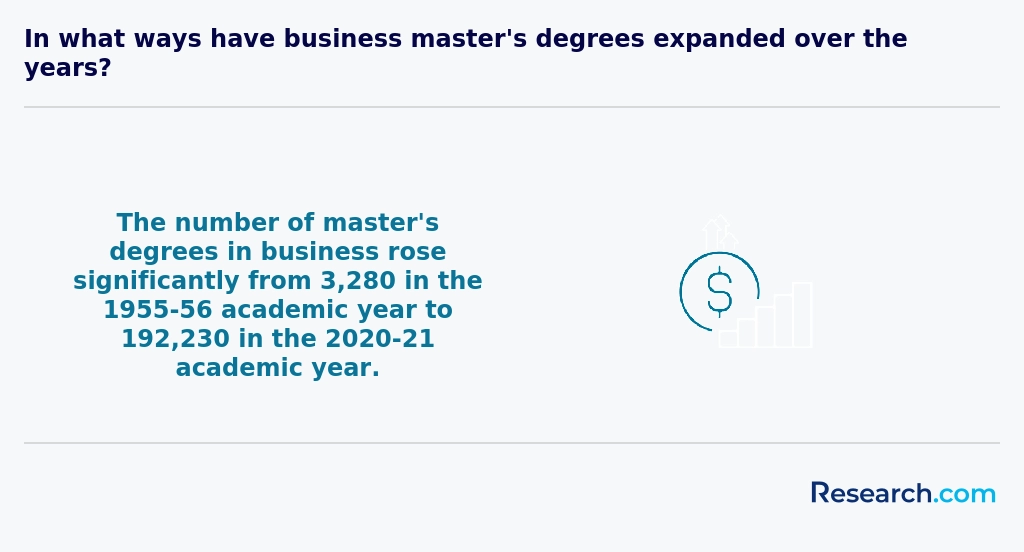
Students pursuing a business degree in Albany often find federal aid through FAFSA crucial. For instance, a recent graduate from the University at Albany shared how a Pell Grant of up to $7,395 significantly eased her tuition burden, enabling her to focus more on studies than finances. However, it's important to note that Pell Grants depend on financial need, so not all students qualify.
Federal loans like Direct Subsidized Loans offer additional support, with benefits such as no interest accumulating during at least half-time enrollment. Graduates emphasize cautious borrowing since average debt can hover around $30,000, which may affect long-term financial stability.
Merit scholarships at Albany universities also provide important relief. Some business students report receiving awards between $2,000 and $8,000 annually for academic performance or leadership, making private school tuition more manageable.
Moreover, local New York State aid, including the Tuition Assistance Program granting up to $5,665, often complements federal aid. Working students sometimes benefit from employer tuition reimbursement, especially given Albany's strong corporate sector. This multifaceted support landscape encourages students to actively explore all options to lessen financial pressure.
Navigating the admissions process is a critical step for prospective students considering a business degree in Albany, NY. This section outlines the key requirements and steps to ensure a smooth transition from application to enrollment. Students should start by familiarizing themselves with each institution’s specific prerequisites, such as high school transcripts, standardized test scores, letters of recommendation, and personal essays. Many schools also require an interview or campus visit to assess fit and commitment. It is advisable to check application deadlines and scholarship opportunities early, as financial aid and merit-based awards are often awarded on a first-come, first-served basis. In addition, prospective students may benefit from exploring related certifications that complement their studies, such as the list of the most popular online business certificates to advance your career, which can enhance their resumes and professional competencies. By carefully preparing all necessary documents and staying informed about each institution’s unique enrollment process, applicants can confidently take the next step toward achieving their academic and career goals.
To enroll in a business degree program in Albany, applicants generally must have completed a high school diploma or an equivalent credential, such as a GED. This baseline ensures readiness for college-level work and is a common requirement across institutions like the University at Albany. Graduates often recall the confidence gained from this clear starting point, knowing they met essential academic standards before diving into business studies.
Standardized tests such as the SAT or ACT may be requested, although many Albany schools have embraced test-optional policies. For those who submit scores, a range between 1050 and 1250 is typical, reflecting the competitive nature of local programs. This helps some students bolster their applications, especially at popular Albany colleges.
High school coursework in mathematics (algebra, statistics), English or communication, and social studies or economics is strongly advised. Graduates frequently credit their success in business classes to this solid foundation, which mirrored real-world skills they used in internships and group projects at Albany campuses.
Additional requirements like letters of recommendation, personal statements, and sometimes interviews provide insight into a candidate's motivation and fit. Transfer students must also consider GPA thresholds, usually around 2.5 to 3.0, reflecting policies familiar to students moving into four-year programs from community colleges.

Before embarking on your business education in Albany, NY, it’s essential to understand the admission criteria and how to prepare a strong application. Most institutions, including the University at Albany and Siena University, require the following:
- Official Transcripts: Submit high school or prior college transcripts demonstrating a minimum cumulative GPA of 3.0 (on a 4.0 scale). Competitive programs may expect higher GPAs, especially in quantitative courses like mathematics and economics.
- Standardized Test Scores: While some schools have adopted test-optional policies, submitting SAT or ACT scores can strengthen an application if they exceed institutional averages.
- Prerequisite Coursework: Completion of foundational courses-such as College Algebra, English Composition, and introductory Economics-ensures readiness for core business classes.
- Personal Statement or Essay: Articulate your motivation for pursuing a business degree, career goals, and any relevant leadership experiences. Tailor each essay to reflect Albany’s business ecosystem and the specific program’s strengths.
- Letters of Recommendation: Provide two to three recommendations from educators or professionals who can vouch for your analytical skills, work ethic, and potential for success in a business environment.
- Application Fee and Deadlines: Most programs charge an application fee ranging from $50 to $75. Key deadlines typically fall in early November (early decision), January (regular), and March (late), but verify each school’s calendar to avoid missing submission windows.
- International Student Requirements: Non-U.S. applicants must include TOEFL or IELTS scores, financial documentation proving the ability to cover tuition and living expenses, and, in some cases, visa-related forms. To maximize your chances of admission, consider attending virtual or on-campus information sessions, connecting with current students, and highlighting internships or entrepreneurial projects. For students seeking flexible, cost-effective pathways, our Cheapest Online Business Degree Programs Ranking in Wisconsin can provide inspiration on how to balance quality with affordability.
Business degree programs in Albany usually include a well-rounded mix of core courses such as accounting, finance, marketing, and management, reflecting the rigorous standards seen at local institutions like the University at Albany and Albany College of Pharmacy and Health Sciences. Graduates often emphasize how accounting classes sharpen their ability to analyze real company financial statements, making budgeting decisions feel tangible and directly relevant to their career goals.
Finance courses in these programs challenge students to think critically about investment choices and corporate strategies, often using case studies from industries active in the Albany area, such as healthcare and technology startups. Marketing classes delve into consumer behavior and digital strategies, helping students see the impact of their work on local businesses striving to grow in a competitive environment.
Students frequently report that electives like international business and entrepreneurship allow a personalized approach to learning, directly connecting academics with the dynamic economic sectors present in Albany. This adaptability is appreciated by those seeking practical skills alongside theoretical knowledge, as overall coursework prepares them to navigate both local and broader markets confidently.
Business degree specializations in Albany typically include areas such as Finance, Marketing, Management, Entrepreneurship, International Business, and Supply Chain Management. Graduates from popular Albany universities often highlight how the Finance specialization directly connected them with the city's expanding financial sector, making careers in investment management feel both attainable and relevant. Others studying Marketing appreciate how local tech startups shape their learning around digital strategies and data analytics, fostering enthusiasm about real-world applications.
Some Albany business program concentration options, like Management, emphasize organizational leadership and operational strategies, which align well with the city's public and private sector job markets. Entrepreneurship tracks also receive praise for hands-on experiences that mirror Albany's supportive startup environment. However, prospective students should consider that these specializations might not capture emerging interdisciplinary demands, so exploring a list of the most popular online business certificates to advance your career could broaden skills beyond traditional offerings.
Choosing the best business degree programs Albany offers requires weighing factors beyond just reputation. Graduates from local universities often highlight how accreditation, like AACSB, can signal rigor but isn't the sole indicator of value. Some found programs with specialized tracks, such as supply chain management or public administration, more aligned with Albany's government and logistics industries, which boosted their job prospects.
Affordability also shapes decisions. Many students appreciate Albany's public institutions for offering affordable business degrees in Albany, helping them manage costs without sacrificing quality. However, graduates note the importance of factoring in living expenses and whether flexible schedules or online options suit working professionals, especially those balancing commitments while studying.
Networking opportunities in Albany's capital setting prove invaluable. Internships with state agencies or tech firms can turn classroom theories into meaningful experiences. Those looking to accelerate their careers may explore best accelerated mba online programs tailored for busy professionals, blending practical learning with career advancement.
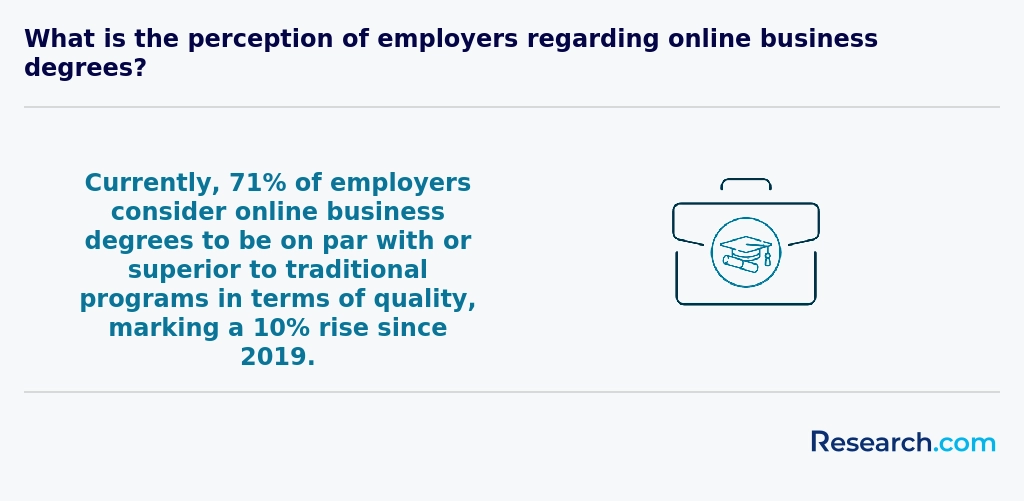
Graduates with a business degree in Albany enjoy diverse career paths shaped by the city's dynamic economy and educational offerings. Many find roles in finance and accounting, such as financial analysts or accountants, where local companies value their expertise. Graduates from institutions like the University at Albany often share positive experiences about starting their careers with competitive salaries, reflecting Albany's strong market demand. Such examples demonstrate the practical value of a business degree career options Albany can provide.
Management positions also appeal to business graduates, including project and operations managers across healthcare, technology, and finance sectors. Alumni frequently mention how the metropolitan area's mix of startups and established firms creates abundant opportunities to develop leadership skills. Marketing and sales careers are similarly viable, especially with Albany's growing innovation hubs driving digital marketing roles. Students interested in entrepreneurial ventures leverage resources like incubators supported by the Albany-Colonie Regional Chamber of Commerce, illustrating key job opportunities.
Potential students should weigh Albany's affordable education costs, which enhance access to quality programs. For those comparing options beyond Albany, the Cheapest Online Business Degree Programs Ranking in Wisconsin offers insight into cost-effective alternatives to traditional on-campus options.
The job market for business degree graduates in Albany offers a generally positive outlook, supported by a stable blend of public sector roles and private businesses. Graduates from prominent local institutions often find opportunities in finance, government services, and healthcare administration. This diverse environment means that individuals entering the labor force can engage in a range of roles, from financial management to supply chain coordination. The Albany business degree employment outlook is strengthened by a median annual wage of roughly $75,000 in business-related fields, which many find appealing when compared to higher cost metros.
Graduates frequently share how the connections between Albany colleges and local employers boost internship placements and real-world experience. However, the market still requires strong analytical and marketing skills, reflecting the need to adapt to evolving economic demands. Some graduates seek quick degree programs or additional certifications to enhance their competitiveness. While the tech startup scene is growing, opportunities remain more concentrated in traditional sectors, which shapes job search strategies for those targeting the Albany region's business degree job opportunities in Albany.
2027 Best Business Degree Programs Ranking in Albany
Investing in your education is a significant decision that can shape your future, and the Research.com team understands the importance of making informed choices. To assist prospective students in Albany, we have meticulously crafted the "2027 Best Business Degree Programs Ranking in Albany." Our commitment to quality, credibility, and accuracy is reflected in the extensive research and analysis conducted to compile this ranking.
We utilized the following reputable data sources to ensure a comprehensive evaluation of business degree programs:
By exploring this ranking, readers will gain valuable insights into the best business degree programs available in Albany, helping them make informed decisions about their educational paths. For more details on our methodology, please visit our Research.com methodology page.

# 3 position
Bryant & Stratton College-Albany
Bachelor of Business Administration

# 4 position
Excelsior University
Bachelor of Business Administration

# 5 position
Excelsior University
Master of Business Administration
Frequently Asked Questions About business
Business degree students in Albany can maximize their learning experience by actively engaging with the city's vibrant economic environment. Albany's role as the capital of New York State provides unique internship opportunities within government agencies and large corporations, supporting practical knowledge application. According to the Albany-Colonie Regional Chamber of Commerce, over 1,600 businesses operate locally, offering diverse networking prospects.
Students should also leverage the city's multiple higher education institutions, such as the University at Albany and Albany Law School, which host workshops and business seminars regularly. Participating in student organizations focused on entrepreneurship and finance enhances leadership skills and industry insight.
Additionally, utilizing Albany's emerging technology and financial sectors through co-op programs can significantly deepen business competencies in real-world settings.
The business field is evolving rapidly, and several emerging niches are gaining attention among students pursuing degrees in Albany. One prominent area is sustainable business, focusing on environmentally friendly practices and corporate social responsibility. According to the U.S. Bureau of Labor Statistics, jobs tied to sustainability are expected to grow by 8% nationally through 2030.
Another fast-growing niche is data analytics, where business professionals use data to make informed decisions. Albany's tech sector, supported by institutions like the State University of New York, sees an increasing demand for such skills.
Healthcare management is also expanding in this region, reflecting the broader growth of the healthcare industry. Specialized business programs now include health informatics and administration to prepare graduates for these roles.
After completing a business degree in Albany, preparing for the job market involves several key steps. First, gaining practical experience through internships or cooperative education programs is vital. Many Albany-based employers, including firms in finance and healthcare sectors, value candidates with hands-on experience. According to the Albany-Colonie Regional Chamber of Commerce, about 60% of local businesses prefer hiring graduates who have completed relevant internships.
Networking is also essential. Albany hosts numerous business events and career fairs that allow graduates to connect with potential employers. Using resources such as the University at Albany's career services can help tailor resumes and practice interviews specifically for local market demands.
Finally, staying informed about Albany's economic trends, such as the growing tech and government contracting sectors, will guide job seekers to sectors with higher employment opportunities.
Employers in Albany consistently seek business degree graduates who demonstrate strong analytical and communication skills. According to the Albany-Colonie Regional Chamber of Commerce, candidates proficient in data analysis and financial literacy are in high demand due to the area's concentration of finance and tech companies.
In addition, teamwork and leadership abilities rank highly. Business graduates who can collaborate across departments and lead projects effectively stand out in Albany's competitive job market. Familiarity with digital tools like Excel, Tableau, and CRM software also enhances employability.
Problem-solving skills combined with a solid understanding of local economic trends help graduates adapt to Albany's diverse industries, from healthcare to government sectors.
Finding internships in Albany related to a business degree involves several practical steps. Start by visiting career services at local colleges such as the University at Albany, which connects students with businesses in the Capital Region. These services often maintain updated internship listings tailored to business disciplines.
In Albany, the financial and government sectors are significant employers, providing diverse internship opportunities in marketing, finance, and management roles. According to the Greater Capital Region Chamber of Commerce, businesses here increasingly seek interns to support digital innovation and administrative functions.
Online job portals like Handshake and LinkedIn are useful for regional searches. Networking through Albany-based business organizations and attending local job fairs can also enhance your chances of securing internships relevant to your field.
Obtaining a business degree in Albany significantly enhances career mobility and advancement opportunities. According to the U.S. Bureau of Labor Statistics, business-related occupations in the Albany-Schenectady-Troy metro area are projected to grow steadily through 2030. Employers in this region place strong value on formal business education for leadership roles, often requiring a bachelor's degree for mid-level management positions.
Graduates benefit from Albany's diverse economy, which includes finance, healthcare, and technology sectors. These industries seek professionals with skills in management, marketing, and finance, all core aspects of business programs offered by local universities.
Networking opportunities through Albany-based business schools and professional organizations also support graduates' career progression by connecting them to local employers and industry events.
Studying for a business degree in Albany equips students with skills applicable across multiple disciplines. Many local programs emphasize collaboration between business, technology, and public policy fields. This interdisciplinary training is essential given Albany's growing sectors, including finance, healthcare, and information technology.
Courses often integrate data analysis, communication, and management strategies, preparing graduates to address complex problems involving diverse teams. According to the New York State Department of Labor, Albany's job market increasingly values candidates who understand both business fundamentals and technical knowledge.
Additionally, partnerships between colleges and area employers offer students hands-on experience in real-world settings, further strengthening their ability to navigate interdisciplinary roles effectively.
Choosing between a thesis and a non-thesis business degree program in Albany depends on your career goals and learning preferences. A thesis option typically suits students aiming for research roles or pursuing a Ph.D., as it involves conducting original research and writing a formal paper. Many universities in Albany, like the University at Albany, offer thesis tracks that emphasize analytical skills and academic writing.
Alternatively, non-thesis programs focus on coursework and practical skills, ideal for professionals targeting immediate employment or managerial positions. According to the New York State Department of Labor, business sectors in Albany are growing, especially in finance and technology, where practical skills often outweigh research experience.
Consider your time commitment as well; thesis programs usually require more months to complete. Your choice should align with your long-term objectives and the demands of Albany's competitive business landscape.
Students in Albany interested in studying business abroad have several options supported by their local institutions. The University at Albany offers partnerships with international universities, enabling students to participate in exchange programs or earn dual degrees. These collaborations typically include destinations in Europe and Asia, providing exposure to global business environments.
Additionally, Albany students can access study abroad opportunities through SUNY system agreements, which feature business-focused programs in countries like Spain, France, and China. Data from the National Association of International Educators (NAFSA) indicates that about 10% of SUNY business students engage in international study, enhancing their cross-cultural skills.
Financial aid and scholarships specifically for Albany-based students are available to help offset travel and tuition costs during these programs.
Albany offers diverse part-time job opportunities that effectively complement a business degree education. Positions in retail management, sales, and customer service provide practical experience in communication and leadership. Internships at financial institutions such as local branches of KeyBank and M&T Bank allow students to gain exposure to banking operations and financial analysis.
The Albany business sector also supports roles in marketing and administration at startups and nonprofits, which enhance skills in project management and digital marketing. According to the Albany-Colonie Regional Chamber of Commerce, the professional services industry has been growing steadily, creating internships and part-time roles valuable for business students.
Additionally, campus positions related to peer advising or student organizations can build teamwork and organizational skills, essential for future business careers.
Business students in Albany have access to various networking opportunities that can enhance their career prospects. Local universities like the University at Albany host regular events, including career fairs and industry panels, attracting more than 100 regional employers annually (UAlbany Career Services, 2023).
The Albany-Colonie Chamber of Commerce offers student memberships, providing access to business mixers and mentorship programs tailored to emerging professionals. Additionally, the region's growing sectors such as finance, healthcare, and technology often organize meetups through groups like Tech Valley, promoting connections between students and local entrepreneurs.
These networking platforms support practical learning and job placement efforts for business students in Albany.
Alumni networks in Albany offer significant advantages for business degree students by providing access to a wide array of professional connections. These networks often include graduates who hold influential positions in local companies, government agencies, and financial institutions. According to the Albany Business Review, leveraging alumni connections can increase internship and job placement opportunities by up to 30% compared to national averages.
Participation in alumni events and mentorship programs allows current students to gain career advice, industry insights, and guidance tailored to the competitive Albany market. Furthermore, local alumni networks frequently organize workshops and networking sessions that enhance students' soft skills and professional visibility.
Overall, strong alumni ties in Albany's business education community support both career readiness and long-term professional growth.
Customizing your business degree program in Albany allows you to align your studies with professional goals and local market demands. Many institutions offer flexible curricula with concentrations such as finance, marketing, or entrepreneurship. Selecting relevant electives enables deeper knowledge in areas critical to Albany's growing sectors like technology and healthcare.
Internship opportunities with local firms, including those in Albany's robust tech hub, help gain practical experience. According to the Albany-Colonie Regional Chamber of Commerce, internships improve job placement rates post-graduation.
Additionally, some programs provide options for part-time or online classes, supporting working students who wish to balance career advancement with education.
Business students in Albany often face the challenge of balancing rigorous coursework with practical work experience. According to the National Center for Education Statistics, time management becomes crucial as students juggle classes, internships, and part-time jobs. Furthermore, navigating the competitive local job market can be demanding; Albany's growing economic sectors require students to develop both strong analytical and interpersonal skills.
Another common issue is the adaptation to rapidly changing business technologies. Staying updated with tools like data analytics and digital marketing platforms is essential but can be overwhelming. Additionally, some students report financial pressures due to rising tuition costs and living expenses in the Albany area, as noted by the College Board's 2023 reports.
Language and communication barriers also affect some students, particularly those from diverse backgrounds, impacting group work and networking. Support services at Albany institutions are enhancing efforts to address these concerns, but challenges remain significant for many pursuing business degrees locally.
With a business degree in Albany, students can pursue several respected professional certifications to enhance their careers. Popular certifications include the Certified Public Accountant (CPA), ideal for graduates interested in accounting and finance. Albany's proximity to major financial sectors increases the demand for CPAs, according to the New York State Society of CPAs.
Another common path is the Project Management Professional (PMP) certification, valuable for those focused on managing business operations or projects. The PMP is recognized nationwide and often leads to higher salaries.
Additionally, the Certified Management Accountant (CMA) is a credential for those targeting strategic corporate management roles. These certifications align well with the needs of Albany's growing business community, as noted by the Albany-Colonie Regional Chamber of Commerce.
Writing a winning application for a business program in Albany requires careful preparation and clear presentation of your strengths. Start by researching the specific program's requirements; some Albany institutions, like the University at Albany, emphasize both academic achievement and leadership experience.
Highlight your GPA and standardized test scores, as competitive programs often look for applicants with strong scholastic records. For example, recent data shows accepted business students at the University at Albany have average GPAs above 3.5.
Additionally, include meaningful extracurricular activities or professional experience related to business. Admissions committees value applicants who demonstrate practical skills and community involvement.
Strong personal statements should clearly express your motivation to study business and your career goals, tailored to how the Albany program matches your ambitions.
Finally, secure compelling letters of recommendation from academic or professional references who can attest to your capabilities in business contexts.
Business careers today are shaped by an increasingly global market, making understanding international trends essential for students in Albany. Employers value graduates with skills to navigate diverse economic landscapes, cultural differences, and international regulations. According to the U.S. Bureau of Labor Statistics, global business roles in management, finance, and marketing are expected to grow faster than average through 2031.
Albany's proximity to major financial centers like New York City offers students unique access to global business perspectives through internships and networking. The region hosts multinational corporations and trade organizations, creating opportunities to engage with global commerce locally. Institutions like the University at Albany emphasize global business strategies in their curricula, preparing students for worldwide challenges.
Students pursuing a business degree in Albany can gain practical experience through internships, cooperative education programs, and local networking opportunities. Many institutions in the area partner with prominent Albany-based companies such as Siemens, MVP Health Care, and the New York State government, which offer internships providing hands-on business exposure.
Albany's status as a regional economic hub supports a wide range of small and medium businesses where students can apply classroom knowledge in real-world settings. Additionally, some schools offer experiential learning projects, case competitions, and consulting opportunities with local firms.
Networking events hosted by the Albany-Colonie Regional Chamber of Commerce also connect students directly with business leaders, enhancing professional growth alongside academic studies.
Choosing the right concentration within a business degree program in Albany depends on your career goals and local market demands. Albany hosts diverse industries, including government, technology, and healthcare, influencing concentration relevance. For example, finance and accounting remain strong due to the city's role as a financial hub, supported by the presence of institutions like the New York State Department of Financial Services.
Consider concentrations such as marketing, management, or entrepreneurship if you aim to serve Albany's growing startup scene. Reviewing employment trends from the Albany-Colonie Regional Chamber of Commerce can provide valuable insights into which skills employers seek.
Additionally, evaluating course offerings and internship opportunities at Albany-area schools helps align your education with local business environments.
- 2027 Best Business Degree Programs Ranking in Troy
- 2027 Best Business Degree Programs Ranking in Saratoga Springs
- 2027 Best Business Degree Programs Ranking in Amherst
- 2027 Best Business Degree Programs Ranking in Springfield
- 2027 Best Business Degree Programs Ranking in West Hartford
- 2027 Best Business Degree Programs Ranking in Utica
- 2027 Best Business Degree Programs Ranking in New Britain
- 2027 Best Business Degree Programs Ranking in Storrs
- 2027 Best Business Degree Programs Ranking in New Haven
- 2027 Best Business Degree Programs Ranking in Worcester
See What Experts Have To Say About Studying Business
Read our interview with Business experts

Ingrid S. Greene
Business Expert
Clinical Assistant Professor of Management
Loyola Marymount University


David W. Stewart
Business Expert
Emeritus President's Professor of Marketing
Loyola Marymount University

- Online and Traditional Business Degrees Comparison | Free Essay Example https://studycorgi.com/online-and-traditional-business-degrees-comparison/
- 5+1: Five challenges facing business schools and one solution https://charteredabs.org/insights/opinion/51-five-challenges-facing-business-schools-and-one-solution
- Career Goals: 17 Inspirational Examples for you in 2026 https://www.imd.org/blog/learning-and-development/career-goals/
- Exploring Different Types of Business Majors https://www.ivywise.com/ivywise-knowledgebase/exploring-different-types-of-business-majors/
- A 2016 Global Perspective on Business and Career Planning https://careerproinc.com/blogging/a-2016-global-perspective-on-business-and-career
- BUSINESS MANAGEMENT ENGLISH (THESIS / NON-THESIS) - Lisansüstü Eğitim Enstitüsü https://lee.nisantasi.edu.tr/en/business-management-english-thesis-non-thesis/
- What is the future of bachelor’s degrees in business? https://www.amba-bga.com/insights/what-is-the-future-of-bachelors-degrees-in-business
- Global careers, real impact: building your career with an international business degree | University of East London https://www.uel.ac.uk/blog/global-careers-real-impact-building-your-career-international-business-degree
- The Seven Biggest Challenges Faced by Student Entrepreneurs https://venturewell.org/blog/five-biggest-challenges/
- BS Business Administration | University at Albany https://www.albany.edu/business/programs/bs-business-administration