
2027 Most Valuable Accounting Degree Programs Ranking in the USA

Co-Founder and Chief Data Scientist
Choosing the right accounting degree program can shape your future career and open doors to exciting opportunities. This article presents the 2027 Most Valuable Accounting Degree Programs Ranking in the USA, crafted by the Research.com team of data scientists. It guides you through the programs that offer the best value, helping you make a confident and informed decision.
Accounting is a rewarding field with strong job prospects and potential for growth. Exploring this ranking can bring clarity and inspire you on your educational journey towards success.
Key benefits of getting accounting degree in America
- Accounting degree graduates can earn competitive salaries, such as Staff Accountants making around $90,780 annually or $43.65 hourly, while Bookkeepers, Tax Preparers, and Associate Auditors typically earn about $49,580 annually.
- Graduates from popular universities often find diverse career paths, including roles in auditing, tax preparation, and accounts payable, offering flexibility and growth opportunities in varied industries.
- Online accounting degrees provide convenience and affordability, allowing students to balance work and study while gaining the same valuable knowledge as traditional programs, as seen with many online graduates from established universities.
- 2027 Most Valuable Accounting Degree Programs Ranking in the USA
- What can I expect from accounting degree in America?
- Where can I work with accounting degree in America?
What can I expect from accounting degree in America?
The average cost of earning an accounting degree in America varies significantly depending on the type of institution and location. Public universities often charge between $10,000 and $25,000 per year for in-state students, while out-of-state tuition can exceed $30,000 annually. Private universities known for strong accounting programs, such as those in New York or California, may charge upwards of $40,000 per year. Graduates from these institutions frequently mention how the investment in education feels justified by the comprehensive curriculum and career support they receive.
Many accounting students at popular schools like the University of Texas or University of Illinois report using financial aid, scholarships, or internship earnings to offset tuition costs. These students highlight the value of software training and real-world internships included in the program, which enhance their job prospects and justify expenses.
Overall, while the upfront cost of an accounting degree can be substantial, the positive outcomes reported by graduates-including strong job placement and competitive salaries-often make the tuition a worthwhile financial commitment for many aspiring accountants in the U.S.
Where can I work with accounting degree in America?
Graduates with an accounting degree in America often find diverse employment opportunities across various sectors. Many begin their careers as accountants or auditors in public accounting firms, ranging from small local offices to the prestigious "Big Four" firms like Deloitte, PwC, EY, and KPMG. Students from institutions such as the University of Illinois Urbana-Champaign or the University of Texas at Austin frequently report positive experiences starting in these firms, enjoying structured career growth and specialization options.
Others secure roles in corporate accounting departments spanning industries such as technology, healthcare, and retail. Here, typical positions include financial reporting, budgeting, and management accounting, with attractive pathways toward executive roles like CFO. Graduates from schools like the University of Southern California emphasize the competitive salaries and advancement potential in these environments.
Government employment is also common. Graduates find stable jobs managing budgets and compliance at federal, state, or local agencies, appreciating the enhanced job security and benefits noted in U.S. Bureau of Labor Statistics data.
Nonprofits and educational institutions provide additional careers focused on financial transparency and grant management, allowing graduates to contribute meaningfully to socially impactful organizations.
Graduates with accounting degrees in America often begin their careers with roles such as staff accountant, bookkeeper, tax preparer, associate auditor, or accounts payable clerk. According to the U.S. Bureau of Labor Statistics, staff accountants earn a mean annual wage of approximately $90,780, reflecting solid demand and compensation in this profession.
Other common entry-level positions like bookkeepers, tax preparers, associate auditors, and accounts payable clerks report mean annual wages near $49,580. These figures align with real-world experiences shared by recent graduates from well-known programs at universities such as the University of Illinois Urbana-Champaign and the University of Texas at Austin, where alumni emphasize steady income growth as they gain certifications and expertise.
The transition from entry-level roles to more advanced positions often comes with significant salary increases. Starting salaries between $50,000 and $60,000 grow as graduates obtain professional credentials like the CPA, unlocking median salaries in the mid-$80,000 to $100,000 range early in their careers.
These earnings underscore the value of an accounting degree in America, as graduates from popular accounting schools witness strong career trajectories accompanied by rewarding financial outcomes.
- Accounting bachelor's degrees typically take four years to complete and are the minimum requirement for most jobs in the field.
- Tuition for a four-year accounting degree ranges from $10,000 to over $40,000 per year depending on the institution, with total costs reaching up to $100,000 including fees and living expenses.
- Entry-level accountants earn about $50,000 to $60,000 per year, while mid-career professionals average $70,000 to $90,000 annually, and senior roles often exceed six figures.
- The job market for accounting is expected to grow by 7% from 2022 to 2032, matching the average growth rate across all occupations.
- Obtaining a CPA license requires passing an exam and meeting education and experience criteria, significantly boosting job opportunities and pay.
- Internships and practical experience are important for employment, with many firms offering programs for hands-on training and networking.
Completing an accounting degree in America typically varies by the level of education pursued. For a bachelor's degree, students at well-known institutions like the University of Michigan or Indiana University usually spend around four years, balancing general coursework with specialized accounting classes. Graduates often reflect positively on this structured timeline, appreciating the in-depth knowledge that prepares them well for entry into the workforce.
Alternatively, community college attendees aiming for an associate degree often complete their programs in about two years. This pathway offers flexibility and foundational skills, ideal for those entering accounting roles quickly or planning to transfer to a four-year university later.
Those seeking advanced expertise through a master's degree, such as a Master of Accountancy or an MBA focused on accounting at universities like the University of Texas at Austin, typically invest an extra one to two years. Many find this additional time rewarding, as it sharpens their skills and meets CPA exam requirements, which demand 150 semester hours of coursework-more than a standard bachelor's degree provides.
Part-time and online options at many universities further tailor education to working professionals, allowing completion times to flex based on individual schedules.
When considering an accounting degree, affordability is a crucial factor for many students. The cost of tuition can vary significantly between institutions, making it essential to explore options that offer quality education at a manageable price. For those looking to minimize their educational expenses without compromising on the value of their degree, researching the most affordable accounting programs can be a sensible first step. By comparing the tuition fees, financial aid options, and the overall return on investment of different programs, prospective students can make informed decisions that align with their financial situation and career goals. This proactive approach enables students to navigate the complexities of higher education financing, ultimately leading to a more sustainable and successful academic journey.
Online accounting degree programs in America offer flexibility that appeals to students balancing work, family, or other responsibilities. Graduates from well-known institutions like Arizona State University highlight how video lectures and virtual discussions enabled them to continue earning while studying. According to the National Center for Education Statistics, over 30% of U.S. college students now take some courses online, with business fields such as accounting in high demand.
In contrast, traditional on-campus programs at universities like the University of Illinois provide immersive experiences. Students benefit from direct interaction with faculty and hands-on access to campus resources like libraries and study groups. Many graduates emphasize how networking in person helped them secure internships and jobs.
Cost is another factor: public universities' average in-state tuition was about $10,900 in 2023, while private colleges averaged $39,400 annually. Online programs sometimes reduce expenses related to commuting and housing but fees can vary significantly. Both formats maintain rigorous standards set by AACSB or ACBSP, ensuring comparable curriculum quality across delivery methods.
As the accounting landscape continues to evolve, both professionals and students must stay ahead of emerging trends that are reshaping the industry. Innovations such as artificial intelligence, blockchain, and data analytics are driving significant changes, allowing for more efficient processes and deeper financial insights. These advancements not only streamline routine tasks but also open up new career avenues in areas like forensic accounting enhanced by digital tools and sustainability accounting that integrates environmental and social governance. For students and professionals looking to pivot their skills, exploring different accounting specializations will be key to remaining competitive. Additionally, a growing emphasis on cybersecurity and regulatory compliance highlights the need for continuous learning and adaptability. By embracing these trends, future accountants can better prepare for a dynamic and technology-driven marketplace while enhancing their overall value in the field.
The average cost of an accounting degree in America varies based on residency, institution type, and program duration. Median total expenses for an accounting degree stand at approximately $42,842, reflecting the comprehensive cost including tuition, fees, and other essential education expenses. In-state students attending public universities often experience lower costs, with a median total near $15,640, making public institutions an accessible choice for many aspiring accountants.
Graduates from well-known universities like those in California or Texas frequently share how choosing in-state public schools helped them manage finances while gaining reputable accounting credentials. Conversely, out-of-state students face similar total costs around $42,842, which can pose a challenging financial commitment but often correlates with access to diverse campus resources and networks.
Many students aiming to minimize expenses begin at community colleges before transferring to four-year universities. This pathway is popular nationally and contributes significantly to reducing the total expenses for accounting degree programs 2027. Positive outcomes reported by graduates from such routes highlight not only financial benefits but also solid academic preparation.
Prospective students looking for the most affordable accounting programs are encouraged to research multiple options, including scholarships and financial aid, which can considerably ease the financial burden and make studying accounting achievable and rewarding.

Earning an accounting degree is just the first step toward a thriving career; obtaining professional certifications can significantly boost your expertise, credibility, and earning potential. The Certified Public Accountant (CPA) credential remains the gold standard, requiring candidates to complete 150 semester hours of education, pass a rigorous four-part exam, and satisfy state-specific experience requirements. Many graduates complement the CPA with specialized credentials such as the Certified Management Accountant (CMA) for corporate finance roles, the Certified Internal Auditor (CIA) for risk assessment and compliance, or the Certified Fraud Examiner (CFE) for forensic accounting and fraud investigation. To ensure your degree program aligns with these licensing paths, verify that core courses cover ethics, financial reporting, auditing standards, and tax law-key exam topics for both the CPA and CMA. If budget is a concern, consider enrolling in one of our cheapest accounting degrees online, which still meet accreditation criteria and CPA eligibility requirements while minimizing tuition costs. Once your coursework is complete, leverage university resources such as exam-prep workshops, mentorship programs with licensed professionals, and free practice question banks. Many programs also partner with review providers like Becker or Wiley, offering discounted packages to help you master each exam section. Finally, plan your exam timeline strategically: most candidates schedule one CPA section at a time, aiming to pass all four within an 18-month window. By integrating degree completion with targeted certification prep, you’ll emerge as a qualified, licensed accountant ready to seize the most rewarding roles across public accounting, corporate finance, or specialized advisory services.
Accounting students in America have access to various financial aid options that significantly ease the cost of pursuing their degrees. Federal aid is a primary resource, with Pell Grants offering up to $7,395 for students demonstrating financial need, which many at universities like the University of Illinois at Urbana-Champaign rely on to reduce tuition expenses.
Federal student loans, such as Direct Unsubsidized and Grad PLUS Loans, provide graduate accounting students, for example at Boston University, with flexible funding solutions covering tuition and living costs while maintaining manageable repayment terms.
State-specific grants and scholarships further assist students, particularly in states with programs targeting high-demand fields like accounting. At schools such as the University of Texas at Austin, these localized programs support residents pursuing accounting careers.
Private scholarships from organizations like the AICPA reward academic excellence and leadership, sometimes providing thousands of dollars to undergraduate and graduate students. Many accounting students balance work-study or internships, gaining real-world experience at firms while earning income to support their studies.
Early FAFSA completion and diligent scholarship research remain essential steps to maximize available funding and minimize debt, echoing the experiences of many recent graduates who enter accounting with confidence rather than financial stress.
To enroll in an accounting degree program in America, students commonly start with a high school diploma or an equivalent like a GED. Graduates from universities such as the University of Texas at Austin often recall that strong performance in math, economics, and English was crucial for admission. Admissions committees typically require SAT scores between 1000 and 1200 or ACT scores from 20 to 25, though some schools have adopted test-optional policies. Official transcripts and letters of recommendation demonstrating academic readiness are frequently necessary.
Within the curriculum, foundational knowledge in algebra and basic statistics is a prerequisite before advancing to core accounting courses. Many students find that proficiency in Excel and accounting software, learned through early coursework, builds confidence and adds practical skill valued in internships and job placements.
Graduate accounting programs, like those at Indiana University, expect applicants to hold a bachelor's degree and usually require fundamental accounting and business classes completed beforehand. Competitive GMAT or GRE scores are often part of the application, reinforcing the program's rigorous standards while inspiring prospective students to prepare thoroughly.
As the accounting profession rapidly adapts to new technologies and global challenges, today’s graduates must equip themselves with both technical and soft skills that go beyond traditional bookkeeping. Leading programs now integrate courses on data analytics, automation, and risk management to prepare students for roles in forward-thinking firms. Key emerging trends and skills include:
- Data Analytics & Visualization: Proficiency in tools like SQL, Python, Power BI, or Tableau enables accountants to transform raw data into strategic insights.
- Automation & AI: Understanding robotic process automation (RPA) and AI-driven platforms helps streamline repetitive tasks, allowing for higher-value advisory work.
- Blockchain & Cryptocurrency: Familiarity with distributed ledger technology and digital asset accounting ensures accurate recording of transactions in decentralized systems.
- Environmental, Social & Governance (ESG) Reporting: As sustainability reporting gains prominence, accountants must learn ESG frameworks and assurance practices.
- Cybersecurity Awareness: Knowledge of risk assessments and internal controls is essential to safeguard financial data against cyber threats. Strong communication, critical thinking, and adaptability remain vital. Graduates who can present complex analyses clearly and collaborate across departments will stand out in competitive markets. To gain these competencies without breaking the bank, explore our Inexpensive Accounting Degree Programs Ranking in Seattle, WA, which highlights budget-friendly schools offering cutting-edge curricula.
Accounting degree programs in America typically cover a comprehensive set of courses essential for success in the field. Students at popular institutions like the University of Illinois and the University of Texas often highlight foundational classes such as Financial Accounting, which teaches preparation and interpretation of financial statements-skills directly applied during internships and entry-level jobs.
Other key courses include Managerial Accounting, which develops expertise in internal decision-making and cost management, and Auditing, where students learn to assess compliance and accuracy of financial records. Taxation classes provide critical knowledge of federal and state tax laws, vital for helping clients or employers navigate complex tax obligations.
Students also engage with Accounting Information Systems, gaining comfort with software used daily in firms, and Business Law, which clarifies legal contexts they encounter in real-world transactions. Finance courses offer additional insight into investments and corporate financial management, making graduates feel confident stepping into diverse roles. These courses prepare them to meet CPA exam education requirements and thrive in fast-paced accounting environments.
Accounting degree specializations in the USA typically include Financial Accounting, Managerial Accounting, Tax Accounting, and Auditing. Financial Accounting focuses on creating financial reports for external users like investors and regulators, a foundation for CPA careers. Managerial Accounting emphasizes internal budgeting and cost management, preparing graduates for roles as financial analysts or controllers. Tax Accounting students master complex tax laws, a specialization that leads to well-compensated jobs, with median wages around $77,250 according to the U.S. Bureau of Labor Statistics.
Graduates from renowned institutions such as the University of Illinois or the University of Michigan often report positive outcomes from choosing these focused paths, appreciating how the curriculum relates directly to workplace demands. Less common but increasingly relevant are Forensic Accounting and Environmental Accounting, linking financial skills to fraud detection and sustainability-fields gaining traction in America's evolving economy. Prospective students can explore more on different paths by reviewing detailed insights about accounting specializations.
Those pursuing an accounting degree find that aligning their interests with specific types of accounting majors in America enhances employability, which supports long-term career satisfaction and financial stability.
Choosing the best accounting degree in America starts with verifying program accreditation, particularly by the AACSB, a hallmark of quality reflected by graduates of top universities who report confidence in their education. Selecting the right degree level is crucial; many students at reputed colleges find that a Bachelor's degree suffices for entry roles, while those targeting CPA certification benefit from combined bachelor's/master's programs due to the 150-semester-hour requirement that varies by state.
Cost considerations significantly impact decisions. Public in-state tuition averages near $10,000 annually, while private schools can exceed $38,000, leading students to actively seek scholarships or financial aid. For those prioritizing budget-friendly options, exploring the cheapest accounting degrees online provides valuable guidance aligned with affordable accounting degrees in America.
Program reputation and outcomes influence choices as well. Graduates from well-regarded universities highlight CPA exam pass rates and internship availability as key factors that boosted their career readiness. A curriculum blending traditional accounting with emerging data analytics and software skills prepares students effectively for the evolving marketplace, a detail many successful alumni emphasize when recommending the best accounting degree programs in the USA.
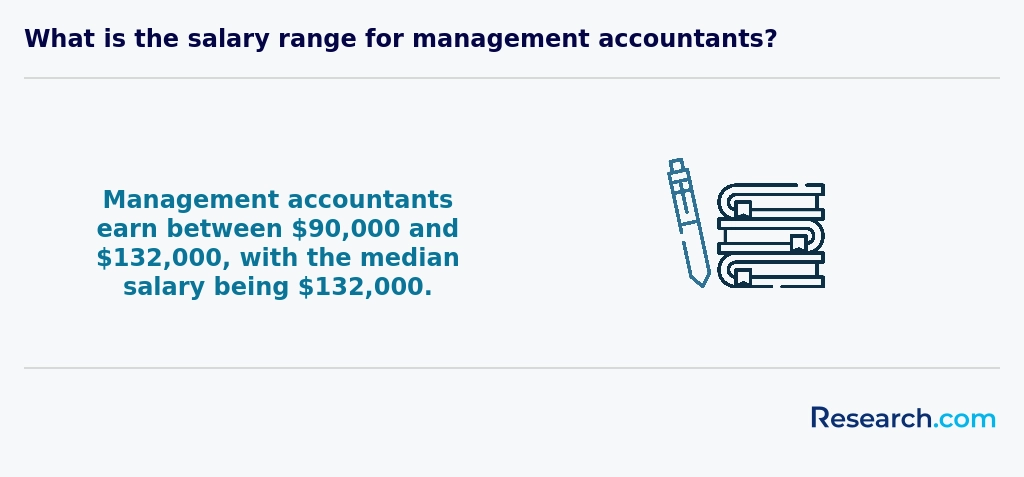
Graduates with an accounting degree in America typically pursue diverse career paths offering strong job prospects. Common roles include Certified Public Accountant (CPA), which opens doors to auditing, tax preparation, and consulting. Many graduates from prominent universities like the University of Illinois Urbana-Champaign or Indiana University find management accountant positions where they apply financial analysis to enhance organizational profitability. Financial analyst roles are also frequent, involving data-driven investment guidance.
Internal auditors and tax specialists represent other significant career options, ensuring companies adhere to regulations and optimize tax strategies. Opportunities extend to forensic accounting and government agencies, where graduates investigate fraud or manage public funds. This spectrum reflects the wide applicability and stability of accounting degree job prospects in America.
Students often report that programs balanced between theory and internship experience, such as those seen in colleges highlighted in the Inexpensive Accounting Degree Programs Ranking in Seattle, WA, reinforce career readiness and confidence in their chosen paths.
The job market for an accounting degree in America remains robust, with employment projected to grow 7% from 2021 to 2031, reflecting steady demand. Graduates from popular universities often find opportunities across public accounting firms, corporate finance, and government agencies, benefiting from strong demand for financial expertise tied to regulatory changes. Many recent graduates share that completing relevant internships and pursuing CPA eligibility helps ease the transition into full-time roles, often securing positions within six months post-graduation.
Accounting career opportunities in America offer pathways in forensic accounting, tax planning, and management accounting, attracting graduates with diverse interests. Competitive median salaries near $77,000 per year motivate students despite tuition costs. For example, graduates from well-known colleges in California experience higher wages in metropolitan areas, underlining the value of location. Those looking for accelerated routes may explore programs like best accelerated associate's degree online, balancing time and cost effectively.
2027 Most Valuable Accounting Degree Programs Ranking in the USA
Investing in your education is a significant decision that can shape your future, and the Research.com team understands the importance of making informed choices. To assist prospective students, we have meticulously crafted the "2027 Most Valuable Accounting Degree Programs Ranking in the USA." Our commitment to quality, credibility, and accuracy is reflected in the extensive research and analysis conducted to compile this ranking.
We utilized the following reputable data sources to ensure a comprehensive evaluation of accounting programs:
By exploring this ranking, readers will gain valuable insights into the most valuable accounting degree programs in the USA, empowering them to make well-informed decisions about their educational investments. For more details on how this ranking was created, please visit our Research.com methodology page.
# 1 position
Western Governors University
Master of Science, Accounting

# 2 position
Western Governors University
Bachelor of Science in Accounting


# 6 position
University of Phoenix-Arizona
Bachelor of Science in Accounting

# 7 position
Colorado State University Global
Bachelor of Science in Accounting

# 8 position
University of Maryland Global Campus
Master of Science in Accounting and Financial Management

# 9 position
Colorado State University Global
Master of Professional Accounting
# 11 position
Wilmington University
Master of Science in Accounting


# 14 position
Post University
Master of Science in Accounting


# 16 position
Thomas Edison State University
Bachelor of Science in Business Administration (BSBA) in Accounting


# 20 position
University of Phoenix-Arizona
Master of Science in Accountancy
Frequently Asked Questions About accounting
Accounting degree students in America can maximize their learning experience by combining rigorous coursework with practical opportunities. Pursuing internships, especially with CPA firms or corporate accounting departments, provides real-world experience that supplements academic knowledge. According to the National Association of Colleges and Employers, 60% of accounting graduates secured job offers through internships in 2022.
Students should leverage campus resources like tutoring centers and accounting clubs to deepen understanding and network. Additionally, preparing for the CPA exam during the degree program is advisable, since over 80% of accounting jobs require or prefer CPA certification, as reported by the American Institute of CPAs.
Participating in case competitions and attending industry conferences can also enhance skills and professional connections.
Emerging niches within the accounting field in America reflect the evolving business and technology landscape. One fast-growing area is forensic accounting, where professionals investigate financial fraud and disputes. According to the U.S. Bureau of Labor Statistics (BLS), employment for forensic accountants is expected to grow faster than average through 2031.
Another key niche is environmental accounting, focusing on tracking corporate environmental costs and sustainability efforts. This field aligns with increasing regulatory and consumer pressure on companies to demonstrate eco-friendly practices.
Data analytics skills are also in high demand, as accountants use big data and AI tools to improve auditing and financial planning. The rise of cybersecurity concerns has led to specialized roles in IT auditing. These niches require a blending of traditional accounting knowledge with technology expertise.
Preparing for the job market after earning an accounting degree in America involves several strategic steps. First, obtaining relevant certifications such as the CPA (Certified Public Accountant) can significantly enhance job prospects. According to the American Institute of CPAs, about 70% of accounting roles require or prefer CPA credentials. Gaining practical experience through internships or part-time roles during college helps build skills and professional networks.
Developing proficiency with accounting software like QuickBooks or SAP is also critical, as 85% of employers list these as essential tools. Additionally, strong communication skills and an understanding of regulatory frameworks like GAAP are vital in this competitive market.
Finally, leveraging college career services and professional organizations such as the AICPA provides access to job boards and networking events important for launching an accounting career in the U.S.
Employers in the United States prioritize a combination of technical and soft skills when hiring graduates with accounting degrees. According to the American Institute of CPAs (AICPA), proficiency in Generally Accepted Accounting Principles (GAAP) and familiarity with accounting software such as QuickBooks and SAP are essential technical skills.
Strong analytical abilities and attention to detail are also critical, enabling graduates to interpret financial data accurately. Communication skills rank highly as well because accountants often need to explain complex information to clients or non-financial colleagues.
Additionally, ethical judgment and understanding regulatory compliance, including IRS rules, remain vital due to the sensitive nature of financial work. The U.S. Bureau of Labor Statistics highlights that adaptability in using technology and continuing education are growing areas of employer focus.
Finding internships in America relevant to an accounting degree involves strategic planning and resourcefulness. Start by leveraging your college's career services, as many universities maintain partnerships with local accounting firms and corporations. According to the National Association of Colleges and Employers (NACE), about 60% of internships in accounting lead to full-time job offers.
Additionally, use professional organizations like the American Institute of Certified Public Accountants (AICPA), which offers student resources and internship listings. Online job boards such as Handshake and LinkedIn are also valuable for searching accounting internships nationwide.
Networking at campus events or accounting conferences can open doors, as many internships are secured through personal connections. Applying early, especially for summer internships, increases your chances of securing competitive positions.
In the United States, earning an accounting degree significantly enhances career mobility and advancement opportunities. According to the U.S. Bureau of Labor Statistics, accountants and auditors with a bachelor's degree often see a faster track to managerial and specialist roles. The degree provides essential knowledge required to pass the Certified Public Accountant (CPA) exam, a credential that opens doors to higher salaries and leadership positions.
Employers prioritize graduates with a formal accounting background because they are better prepared for complex financial analysis and regulatory compliance tasks. Additionally, networking opportunities through university programs can lead to internships and job placements crucial for career growth.
Studying for an accounting degree in America offers a strong foundation not only in core financial principles but also in interdisciplinary skills critical for modern business environments. Accredited programs integrate courses in information systems, business law, and data analytics, preparing students to navigate complex organizational challenges.
The American Institute of CPAs (AICPA) highlights that 82% of accounting roles now demand proficiency beyond traditional bookkeeping, including technology and strategic decision-making. Many universities offer collaboration opportunities across departments such as finance, marketing, and IT, enhancing adaptability.
This broad educational approach equips graduates to work effectively in varied roles, from forensic accounting to corporate governance, responding to evolving industry demands documented by the U.S. Bureau of Labor Statistics.
When choosing between a thesis and a non-thesis accounting degree program in America, consider your career goals. Thesis programs often appeal to students planning to pursue a PhD or research roles. These programs require completing a significant research project, providing strong analytical and writing skills.
Non-thesis programs typically focus on practical accounting knowledge and may include internships or projects instead of a thesis. According to the National Association of State Boards of Accountancy, 75% of accounting graduates seek professional certifications like the CPA, which non-thesis programs often better prepare students for.
Time commitment and learning style are also important factors to assess.
American students seeking to study accounting abroad have several options, including exchange programs, dual-degree arrangements, and independent enrollment at foreign institutions. Many US universities partner with reputable schools in countries like the United Kingdom, Canada, and Australia, which offer accounting degrees recognized by global professional bodies such as ACCA and CPA.
According to the National Association of State Boards of Accountancy (NASBA), approximately 130 US universities encourage study-abroad opportunities to enhance students' international accounting knowledge. These programs often focus on cross-border taxation, auditing standards, and international financial reporting standards (IFRS).
Students must ensure that credits earned overseas align with American CPA licensure requirements to avoid delayed certification.
Part-time jobs that align well with accounting degree studies in America offer practical experience and strengthen key skills. Common roles include bookkeeping assistant, tax preparer, or accounts payable/receivable clerk. According to the U.S. Bureau of Labor Statistics, bookkeeping and accounting clerks held over 1.5 million jobs in 2022, with steady demand growth expected through 2032.
Working in these roles helps students apply theoretical knowledge, improve attention to detail, and understand software like QuickBooks or Excel. Many accounting students also find internships or part-time positions in CPA firms or corporate finance departments, gaining valuable exposure to auditing and financial reporting processes.
Such opportunities not only reinforce academic learning but also enhance resumes, boosting employability upon graduation.
Accounting students in America have access to a variety of networking opportunities that can enhance their career prospects. Many universities host chapters of the American Institute of Certified Public Accountants (AICPA) or Beta Alpha Psi, a prestigious honor organization for accounting students. These groups provide events, workshops, and connections with professionals in the field.
Internships arranged through college career centers often lead to valuable industry contacts. According to the National Association of Colleges and Employers (NACE), 65% of accounting graduates secure jobs through internship networks. Additionally, attending industry conferences and local CPA society meetings can further expand students' professional connections.
Alumni networks provide significant advantages to accounting degree students in America. These connections often grant access to exclusive internships and job opportunities within reputable accounting firms. According to the National Association of State Boards of Accountancy (NASBA), networking remains a crucial factor for 65% of recent accounting graduates when securing employment.
Through alumni events and online platforms, students can receive mentorship from experienced professionals, which helps in navigating the Certified Public Accountant (CPA) exam process and career development. Additionally, many alumni networks offer workshops and resources tailored to industry changes and continuing education requirements.
This access to a supportive community enhances both professional growth and practical knowledge, which are essential for success in the competitive US accounting field.
Customizing an accounting degree in America allows students to align their education with specific career goals. Many universities offer concentrations such as forensic accounting, taxation, or auditing, enabling focused skill development. According to the National Center for Education Statistics, about 60% of accounting programs provide elective courses tailored to industry needs. Students can also pursue internships and cooperative education through partnerships with firms, gaining practical experience.
Additionally, selecting courses that fulfill CPA (Certified Public Accountant) exam requirements is common, as over 67% of accountants in the US hold this credential (Bureau of Labor Statistics, 2023). Graduate degrees or certifications, like the CMA (Certified Management Accountant), offer further specialization.
Accounting students in America often face rigorous coursework, which demands strong analytical skills and attention to detail. Topics like tax law, auditing, and financial reporting require mastering complex regulations and standards, such as those from the Financial Accounting Standards Board (FASB).
Many students also struggle with balancing internships, part-time jobs, and academic commitments. According to the National Association of Colleges and Employers (NACE), about 50% of accounting students participate in internships, which add to their workload but are essential for practical experience.
Another challenge is preparing for the Certified Public Accountant (CPA) exam, which has a pass rate of roughly 55% nationally. This exam demands extensive study beyond regular classes, often leading to increased stress and time management difficulties.
With an accounting degree in America, graduates can pursue several respected professional certifications that enhance career prospects. The most recognized is the Certified Public Accountant (CPA) credential, which requires 150 semester hours of education, passing a national exam, and relevant work experience. According to the American Institute of CPAs (AICPA), CPAs often earn 10-20% more than their non-certified peers.
Other popular certifications include the Certified Management Accountant (CMA) and the Certified Internal Auditor (CIA). The CMA focuses on management accounting and financial analysis, while the CIA is ideal for auditing professionals. These certifications, offered by the Institute of Management Accountants (IMA) and the Institute of Internal Auditors (IIA) respectively, demand passing exams and meeting experience requirements.
Additionally, credentialing options like the Enrolled Agent (EA), which allows tax professionals to represent clients before the IRS, are available. These certifications validate expertise and generally lead to greater job security and salary premiums in the U.S. accounting industry.
Writing a winning application for an accounting program in America requires careful preparation and attention to detail. Start with a strong personal statement that highlights your passion for accounting and your career goals. According to the National Association of State Boards of Accountancy (NASBA), clear communication skills are essential in accounting, so emphasize your ability to articulate complex ideas succinctly.
Include relevant coursework and any practical experience, such as internships or part-time jobs, demonstrating your commitment to the field. Many top accounting programs in the U.S. look for applicants with a solid foundation in math and business, so highlight your achievements in these areas.
Standardized test scores like the SAT or ACT still play a role at many universities; aim for scores above the national average to strengthen your application. Additionally, strong letters of recommendation from teachers or employers familiar with your quantitative and analytical skills provide valuable support.
Lastly, research each program's specific requirements carefully. Some programs may require prerequisite courses or expect applicants to have completed the Certified Public Accountant (CPA) exam preparatory classes, which can improve your chances of acceptance.
The accounting profession in America is highly respected and well-regarded worldwide. U.S. accounting standards, including GAAP (Generally Accepted Accounting Principles), influence global financial reporting practices. The demand for accountants remains strong, with the Bureau of Labor Statistics projecting an 7% job growth from 2022 to 2032, faster than the average for all occupations.
American accounting degrees provide a solid foundation for careers internationally, as many countries recognize U.S. certifications like the CPA (Certified Public Accountant). This global recognition opens doors for graduates to work in multinational firms and with diverse industries.
Furthermore, the rise of international trade and cross-border investments has increased the need for accountants versed in U.S. standards and international regulations, highlighting the global relevance of an American accounting education.
Gaining practical experience while studying for an accounting degree in America is vital for career readiness. Many universities encourage students to participate in internships, which provide real-world exposure and can lead to job offers. According to the National Association of Colleges and Employers, over 60% of accounting students secure internships before graduation.
Additionally, accounting programs often offer cooperative education (co-op) opportunities, blending academic coursework with paid work experience. Joining student organizations like Beta Alpha Psi also helps build professional networks.
Some schools partner with local firms to provide simulation projects and case studies that mimic workplace challenges, enhancing hands-on skills.
When choosing a concentration within an accounting degree program in America, students should start by evaluating their career goals. Popular concentrations include tax accounting, auditing, forensic accounting, and managerial accounting. According to the American Institute of CPAs (AICPA), tax accounting remains a strong field, especially with frequent changes in U.S. tax laws.
Students should also consider state licensing requirements for Certified Public Accountants (CPAs), as some concentrations may better prepare them for the CPA exam. Additionally, labor market data from the U.S. Bureau of Labor Statistics shows that forensic accounting is growing faster than average, appealing to those interested in investigative roles.
Reviewing program curriculum and internship opportunities can help determine which concentration matches both academic interests and job prospects.
See What Experts Have To Say About Studying Accounting
Read our interview with Accounting experts


John Wermert, Ph.D., CPA
Accounting Expert
Associate Professor of Accounting
Middle Tennessee State University

- Inside the world of accounting internships: What to expect : ThisWayToCPA : AICPA https://www.thiswaytocpa.com/work-experience/articles/internships/inside-world-accounting-internships-what-expect/
- Accounting Scholarships and Grants | Accounting.com https://www.accounting.com/resources/financial-aid/
- The Diverse Skills you Gain with an Accounting Degree https://www.accounting-education.org/blog/accounting-degree-diverse-skills/
- Accounting and Auditing (Non-Thesis) | Beykoz Üniversitesi https://www.beykoz.edu.tr/icerik/5029-accounting-and-auditing-without-thesis
- Why CA Firms Can't Afford to Overlook Alumni Networks: A Key Strategy for Growth and Success https://hoopstr.ai/corporate-resource-center/blog/why-ca-firms-need-to-adopt-corporate-alumni-programs-for-growth-and-success-in-a-changing-industry
- Accountants of the Future https://www.deloitte.com/us/en/programs/center-for-controllership/blogs/future-of-accounting-profession.html
- The definitive guide to your accounting career https://www.becker.com/blog/cpa/accounting-careers-which-cpa-career-path-to-choose
- How to Choose an Accounting Specialization https://freemannews.tulane.edu/2025/11/03/how-to-choose-an-accounting-specialization
- Expectations of accounting students in relation to their ... https://sevenpubl.com.br/anais7/article/download/4780/8840/19578
- Accountant Job Outlook & Demand Report 2026 - Intuit Blog https://www.intuit.com/blog/innovative-thinking/accountant-job-outlook-demand-report/


