2027 Most Popular Accounting Degree Programs Ranking in Charleston

Co-Founder and Chief Data Scientist
Choosing the right accounting degree program in Charleston can shape your future career and open doors to countless opportunities. This article introduces the 2027 Most Popular Accounting Degree Programs Ranking in Charleston, created by the Research.com team of data scientists to support students in making informed decisions.
Explore programs that match your goals and learn which schools stand out based on thorough data analysis. Whether you're starting fresh or aiming to advance, understanding your options will inspire confidence in pursuing an accounting degree.
Unlock your potential and take the first step toward a rewarding career today.
Key benefits of getting accounting degree in Charleston
- Graduates with an accounting degree in Charleston can expect competitive salaries, with Staff Accountants earning a mean annual wage of $90,780 and other roles like Tax Preparers and Bookkeepers earning around $49,580, offering strong financial stability.
- Career paths for accounting graduates from Charleston's colleges include roles such as Staff Accountant, Tax Preparer, and Accounts Payable Clerk, providing diverse opportunities to grow professionally and find the right fit for your skills and interests.
- Online accounting degrees from local institutions in Charleston offer flexibility and convenience, allowing students to balance work and life while gaining valuable credentials that employers respect, similar to traditional degrees.
- 2027 Most Popular Accounting Degree Programs Ranking in Charleston
- What can I expect from accounting degree in Charleston?
- Where can I work with accounting degree in Charleston?
What can I expect from accounting degree in Charleston?
The average cost of earning an accounting degree in Charleston varies depending on the institution, but students often find the investment reasonable when weighed against the quality of education and career prospects. At the College of Charleston, for example, in-state tuition and fees for accounting programs typically range between $12,000 and $15,000 per academic year. Many graduates highlight the value of this expense due to the school's AACSB accreditation and strong connections within Charleston's business community, which provide vital internship opportunities and real-world experience.
Out-of-state students generally incur higher tuition costs, often between $30,000 and $35,000 annually, but financial aid and scholarships frequently ease this burden. Graduates recall feeling confident that their expenses were justified by the rigorous curriculum covering taxation, auditing, and financial accounting, and by the preparation for South Carolina's CPA licensure standards. This balance of affordability and comprehensive training fosters a positive outlook among students eager to launch meaningful careers in accounting within Charleston's growing local economy.
Where can I work with accounting degree in Charleston?
Graduates with an accounting degree from institutions like the College of Charleston often find diverse employment opportunities across Charleston's dynamic economy. Many secure roles in public accounting firms, from large national companies to specialized local practices, working as auditors, tax accountants, or consultants. These positions provide a hands-on experience that graduates value highly as they begin their careers.
Others join corporate finance departments in major regional industries such as hospitality, shipping, and manufacturing. For example, accounting graduates have reported rewarding careers managing budgets or analyzing costs for companies tied to the Port of Charleston, where logistics and transportation finance are crucial.
Government agencies at city and state levels also employ accounting professionals for roles including budget analysis and financial auditing, offering stable career paths that appeal to those passionate about public sector transparency. Additionally, Charleston's expanding startup scene allows accounting graduates to apply their skills in business advisory and tax planning, often collaborating closely with local chambers of commerce to support emerging enterprises.
Overall, graduates from Charleston's respected accounting programs appreciate the city's strong job market and the competitive salaries that exceed national averages, fostering both professional growth and financial confidence early in their careers.
Graduates with an accounting degree from institutions like the College of Charleston often find themselves entering a robust job market with promising earnings. For entry-level roles such as Associate Auditor or Bookkeeper, typical salaries in Charleston hover around $49,580 annually, according to recent data from the U.S. Bureau of Labor Statistics. This provides a solid starting point for new professionals beginning their careers.
As graduates gain experience or earn certifications like the CPA, their prospects improve significantly. Staff Accountants, a common position for those with accounting degrees, earn an average annual wage of $90,780 in the region. Many Charleston alumni report feeling confident and motivated by these figures, as they reflect both local demand and the city's growing financial sector.
These salaries offer not only competitive compensation but also the opportunity to thrive in diverse environments, from finance firms downtown to expanding tech startups. The practical knowledge and networking available at Charleston's universities enable graduates to secure these rewarding positions, making the investment in an accounting degree a worthwhile pathway.
- Annual tuition for a Bachelor's in accounting in Charleston ranges from $10,000 to $20,000 for in-state students, with graduate programs costing between $15,000 and $30,000 per year.
- Accounting programs cover skills in financial reporting, tax preparation, auditing, and managerial accounting to prepare students for various professional roles.
- Starting salaries for entry-level accountants in Charleston range from $50,000 to $55,000 per year, with experienced CPAs earning between $75,000 and $90,000 annually.
- The local job market demands positions like tax preparers, auditors, financial analysts, and controllers, with CPA certification highly valued by employers.
- Many programs offer internships and networking opportunities through partnerships with local businesses to help students gain practical experience.
Completing an accounting degree in Charleston generally requires two to four years, depending on the program level and study pace. Associate degrees typically take around two years, offering a swift pathway into the workforce. For a bachelor's degree, students attending institutions such as the College of Charleston or Charleston Southern University usually commit to four years of full-time study, aligning with the standard 120 to 130 credit hours requirement. Many graduates feel a strong sense of accomplishment managing this consistent academic load, often taking 15 credit hours each semester.
For those balancing work or other commitments, part-time programs extend the timeline beyond five years, allowing flexibility at the cost of a longer journey. Alternatively, accelerated bachelor's programs empower motivated students to complete their degree in about three years by incorporating summer courses and heavier semester schedules-an approach that many find rewarding but demanding.
Graduate degrees, such as the Master of Accountancy or MBA with an accounting focus, generally add one to two years beyond the bachelor's, especially valued by students aiming for CPA licensure under South Carolina's 150-credit-hour rule. Charleston's students appreciate how these advanced studies open doors to greater career opportunities.
For students looking to further their education and career prospects in accounting, exploring additional resources can be incredibly beneficial. One valuable resource is the list of most popular accounting programs, which provides insights into the top accounting degree programs available. This can help aspiring accountants make informed decisions about their educational pathways and career goals. By leveraging such resources, students in Charleston, SC, can gain a deeper understanding of the accounting field, including its trends, opportunities, and challenges, ultimately enhancing their preparation for a successful career in accounting.
Online and on-campus accounting degrees in Charleston differ mainly in structure and student experience. Graduates from the College of Charleston often praise on-campus programs for the immediate access to professors and rich campus resources like the Addlestone Library and accounting career fairs. This environment fosters strong professional networks and face-to-face mentorship, which many find instrumental when securing internships with Charleston-based firms.
Conversely, graduates from Charleston Southern University's online program highlight the flexibility that allowed them to balance work and family while pursuing their degree. They describe engaging with interactive video lectures and virtual study groups that provided a rigorous yet convenient learning experience. The ability to study without commuting reduced overall costs and fit their busy lifestyles.
Both formats cover the same core content needed for CPA exam preparation under South Carolina regulations. Whether walking the historic campus or logging in after work, students in Charleston find tailored pathways to succeed in accounting careers.
A crucial step for many accounting graduates is obtaining CPA certification, which not only enhances professional credibility but also opens up a broader range of career opportunities. Earning your CPA designation provides a competitive edge in the job market, validating your expertise in critical financial practices and regulatory compliance. For those ready to advance in their careers, exploring what requirements are needed to become a certified public accountant is essential before taking the exam. This certification process involves meeting specific educational criteria, gaining relevant work experience, and successfully completing a comprehensive exam, all of which signal your commitment to excellence in the field. Additionally, many employers value CPAs for their ability to navigate complex financial landscapes, making certified candidates highly sought-after across public accounting, corporate roles, and government positions. As you progress through your accounting degree, consider integrating CPA preparation into your academic plan to boost your credentials and career prospects in today’s competitive market.
The average cost of obtaining an accounting degree in Charleston reflects a range of tuition fees depending on residency and institution type. For in-state students, the median total cost is approximately $12,978, making local public universities like the College of Charleston an accessible choice for many. Graduates frequently share that, despite the financial commitment, the investment felt worthwhile given the strong educational foundation and networking opportunities these institutions offer.
Out-of-state students generally face a higher median total cost of about $53,917, aligning with private colleges such as Charleston Southern University and The Citadel. These schools provide rigorous programs that often justify the price through smaller class sizes, personalized attention, and extensive career support. Many graduates express satisfaction with their ability to leverage financial aid and scholarships to make the higher tuition manageable.
Beyond tuition, Charleston accounting degree tuition and fees typically include expenses for textbooks, supplies, and living costs that add a considerable amount to the overall budget. Students have found balancing these costs challenging but rewarding, particularly when reflecting on their post-graduate career growth and increased earning potential.
Prospective students interested in the most popular accounting programs in Charleston are encouraged to explore detailed data and financial aid options by visiting most popular accounting programs. This research helps tailor decisions based on personal circumstances, which is essential given the varying costs and available support across local institutions.
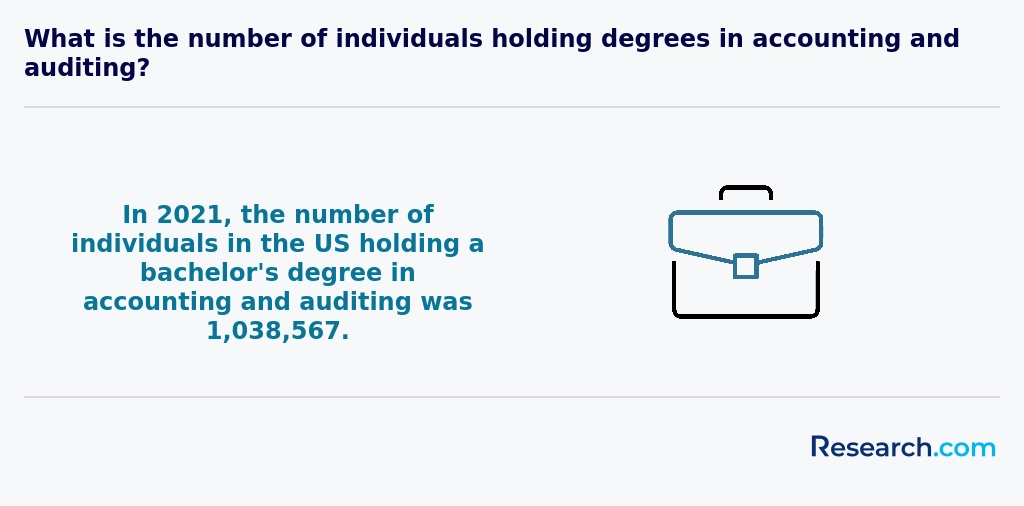
Students pursuing accounting degrees in Charleston can access a broad spectrum of financial aid that significantly eases the expense of higher education. Graduates from institutions like the College of Charleston often highlight how federal Pell Grants, offering up to $7,395 annually, formed the foundation of their funding. Completing the FAFSA unlocks these grants along with Stafford and PLUS loans that carry comparatively low interest rates, providing flexible repayment plans suited to individual financial situations.
State-specific support is equally vital. The South Carolina LIFE Scholarship grants up to $5,000 annually to eligible in-state students with solid academic records, a benefit frequently utilized by accounting scholars at the Community College of Charleston. These awards notably reduce out-of-pocket costs, allowing students to focus more on studies and less on finances.
Local private scholarships and institutional awards add further relief. Students often share how applying for department-specific scholarships tailored to accounting has fostered both financial support and a sense of community engagement. Federal Work-Study programs also offer valuable on-campus employment, blending practical experience with steady income.
After earning a bachelor’s degree, many Charleston accounting graduates strengthen their credentials by pursuing advanced degrees and industry-recognized certifications. Obtaining credentials such as the Certified Public Accountant (CPA), Certified Management Accountant (CMA), and Certified Internal Auditor (CIA) not only deepens subject-matter expertise but also boosts earning potential and job mobility. In fact, approximately 75% of local employers in Charleston prefer hiring CPAs for senior roles in auditing and financial leadership. For those balancing work and study, enrolling in a cheap accounting masters degree online program can provide the flexibility needed to advance academically without relocating. Many programs offer accelerated tracks that align with CPA exam requirements, ensuring that courses cover vital topics such as advanced taxation, auditing standards, and financial analysis. Key certification pathways include:
- CPA (Certified Public Accountant): The gold standard in public accounting; requires passing a four-part exam and meeting state experience requirements.
- CMA (Certified Management Accountant): Focuses on strategic management and financial planning; ideal for corporate finance roles.
- CIA (Certified Internal Auditor): Specializes in risk assessment and internal controls; valued in both private and public sectors.
- CFE (Certified Fraud Examiner): Emphasizes forensic accounting techniques; critical for roles in fraud detection and compliance. By strategically combining advanced degrees and certifications, accounting graduates in Charleston can significantly enhance their professional profile and open doors to leadership positions across diverse financial sectors.
Enrolling in an accounting degree program in Charleston typically requires a high school diploma or equivalent, with a strong emphasis on proficiency in mathematics and English. Graduates from Charleston's well-regarded colleges often reflect on how their solid background in algebra and statistics eased their transition into advanced accounting courses. Many institutions also request official SAT or ACT scores, although some have adopted test-optional policies to accommodate diverse applicants. Maintaining a competitive GPA, usually between 2.5 and 3.0, is essential to meet academic standards and demonstrate readiness for rigorous study.
Applicants may also need to submit transcripts, letters of recommendation, or personal statements that highlight their motivation and suitability for the accounting field. For students lacking foundational math or computer skills, community colleges in Charleston offer prerequisite courses that effectively prepare them for transfer to four-year universities. This practical approach has helped numerous students feel confident and well-prepared, fostering a positive and focused educational experience within Charleston's accounting programs.
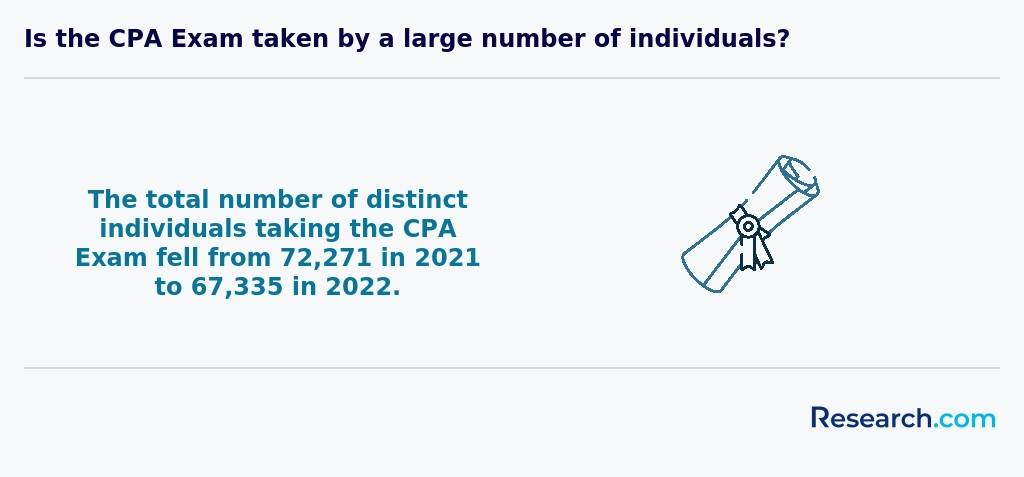
Pursuing professional credentials is a critical step for accounting graduates in Charleston, SC, who aim to boost their credibility and qualify for advanced roles. The most sought-after credential is the Certified Public Accountant (CPA) license, regulated by the South Carolina Board of Accountancy. To sit for the Uniform CPA Examination, candidates must complete 150 semester hours of education-typically a bachelor’s degree plus additional graduate or elective coursework-and pass the Ethics Examination administered by the American Institute of CPAs (AICPA). Many local programs integrate exam review courses into the curriculum, helping students master the Auditing and Attestation, Business Environment and Concepts, Financial Accounting and Reporting, and Regulation sections. Beyond the CPA, specialized certifications such as the Certified Management Accountant (CMA) and Certified Fraud Examiner (CFE) are also popular among Charleston graduates. The CMA, offered by the Institute of Management Accountants (IMA), requires a bachelor’s degree, two years of professional experience, and successful completion of a two-part exam covering financial planning, analysis, control, and decision support. The CFE credential, awarded by the Association of Certified Fraud Examiners (ACFE), demands evidence of academic qualifications, professional experience, and passage of an exam focused on fraud prevention, detection, and deterrence. Holding these certifications signals expertise in niche areas-management accounting and forensic analysis-enhancing job prospects in both the private and public sectors. For students concerned about balancing licensure requirements with budget constraints, it’s valuable to compare program costs and support services. Some turn to research on affordable alternatives to supplement their education; for example, prospective enrollees might explore Low Cost Accounting Degree Programs Ranking in Madison, WI to identify cost-effective pathways that still deliver rigorous exam preparation. Whether aiming for the CPA, CMA, or CFE, understanding each credential’s prerequisites and leveraging university partnerships with review providers will streamline the journey from graduate to licensed professional in the Charleston accounting landscape.
Accounting degree programs in Charleston typically include core courses such as Financial Accounting, Managerial Accounting, and Auditing, all designed to provide a solid foundation in essential financial principles. Graduates from well-known Charleston universities often reflect on how the Financial Accounting course helped them confidently prepare and analyze financial statements following GAAP standards, a skill vital for roles in both public and corporate sectors.
Additional courses like Taxation and Accounting Information Systems equip students with practical knowledge of federal tax regulations and the latest technology supporting accounting tasks. For instance, graduates from colleges in Charleston recall how case studies in Taxation courses simulated real-world tax planning for individuals and businesses, enhancing their analytical abilities and readiness for CPA exams.
Moreover, subjects such as Business Law and Intermediate Accounting deepen understanding of legal frameworks and complex financial transactions. Many Charleston programs also incorporate economics and statistics, enabling students to apply quantitative skills to economic decision-making, a critical advantage when navigating today's competitive job market.
Students pursuing an accounting degree in Charleston encounter a broad spectrum of specializations tailored to meet local and regional needs. Graduates from well-known universities and colleges often highlight the practicality of focusing on tax accounting, which equips them to navigate federal, state, and local tax laws pertinent to Charleston's dynamic small business landscape. This specialization fosters confidence in developing tax-efficient strategies and ensuring compliance.
Other popular specializations include auditing, where students gain expertise in reviewing financial statements for accuracy and regulatory compliance, a skill highly valued in Charleston's expanding financial and manufacturing sectors. Graduates often remark on their rewarding experiences working with public accounting firms and corporate audit departments.
The growing demand for forensic accounting prepares students to investigate financial fraud and legal disputes, supporting law enforcement and private firms throughout Charleston. Many find this specialization intellectually stimulating and impactful.
For those interested in advising businesses on budgeting and cost management, management accounting is emphasized, especially relevant to Charleston's shipping, tourism, and manufacturing industries.
Students exploring the best Charleston accounting degree programs frequently also consider governmental accounting, positioning themselves for careers in public finance and budgeting within local agencies.
Those aiming toward certification can benefit from understanding what requirements are needed to become a certified public accountant, often integrated into these focused programs.
Choosing the best accounting degree programs in Charleston requires a focus on accreditation and curriculum relevance. Graduates from popular colleges in Charleston often emphasize the importance of selecting programs accredited by the AACSB, which ensures rigorous academic standards that employers recognize. Many students appreciate degrees that balance foundational courses with specialized options like forensic accounting, allowing them to tailor their studies to specific career paths.
Affordability is key when exploring affordable accounting schools Charleston SC. Local public universities generally offer competitive tuition rates near $10,000 annually for in-state students, whereas private institutions may be significantly more costly. Prospective students should also explore financial aid and scholarships to lessen the burden. For those balancing work and study, options for flexible online courses have been a game changer; some even find that pursuing a cheap accounting masters degree online enhances their prospects without interrupting their careers.
Furthermore, Charleston's close-knit business community offers meaningful internship opportunities that graduates cite as critical for building real-world experience and professional networks. Evaluating a program's relationships with local employers can significantly impact career launch success in this thriving economy.
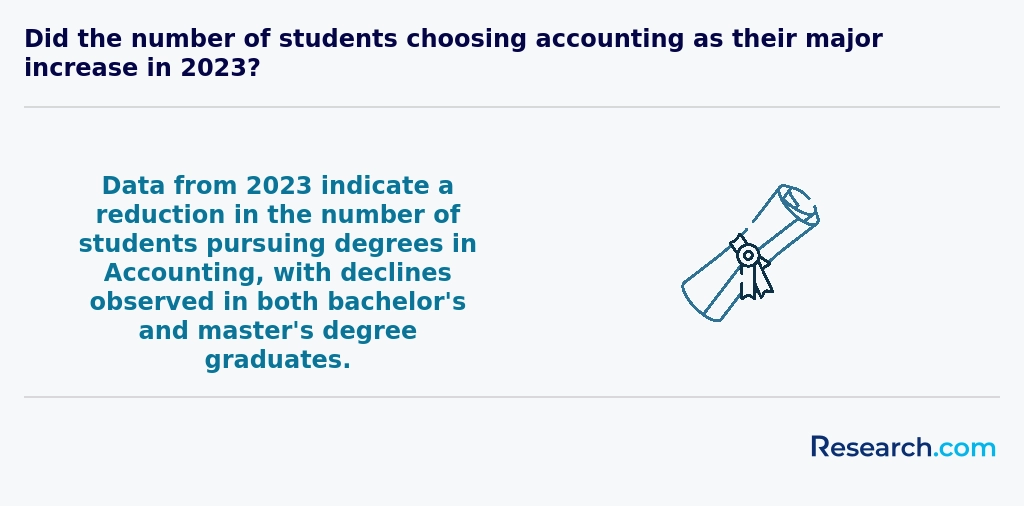
Graduates pursuing accounting degrees in Charleston find a variety of career paths reflecting the city's dynamic economy. Many begin as auditors or tax preparers in local firms, gaining valuable experience while contributing to Charleston's expanding financial sector. These roles often lead to positions in corporate finance departments, where graduates assist with budgeting, cost management, and strategic planning for diverse industries such as hospitality and manufacturing. This diversity creates strong accounting career opportunities in Charleston, enabling graduates to align their skills with the city's evolving needs.
Students from popular institutions in Charleston often remark on the practical relevance of their education, particularly when transitioning into forensic accounting-an emerging field emphasizing fraud examination and compliance-highly sought after by both private firms and government bodies. Others move into public sector accounting, enjoying stability in municipal or state roles that demand specialized expertise.
With tuition competitive compared to national averages, local universities offer pathways that encourage success. For those mindful of costs, consulting the Low Cost Accounting Degree Programs Ranking in Madison, WI can provide insight on financial planning for an accounting education. Jobs with accounting degree Charleston graduates typically exude optimism due to the city's robust business environment and the field's broad applicability.
The accounting degree job market Charleston offers promising career opportunities due to the city's diverse economy and demand for financial expertise. Graduates from well-regarded local institutions consistently report positive outcomes securing entry-level roles such as staff accountants and junior auditors within growing sectors including finance, manufacturing, and logistics. These jobs provide competitive salaries aligned with the national median, which enhances the appeal of an accounting degree earned in Charleston's favorable cost-of-living environment.
Many graduates highlight how the city's numerous regional corporate headquarters and small-business hubs drive ongoing demand for accounting professionals. This local dynamic supports jobs that involve managing finances, audits, and regulatory compliance. Charleston accounting career opportunities also extend to government agencies and nonprofits, broadening potential employment pathways.
Students considering educational investments appreciate that annual tuition at South Carolina public universities, popular for accounting programs, ranges between $10,000 and $15,000 in-state. The steady job market helps graduates quickly recover these costs. Many aspiring accountants pursue certifications like the CPA to enhance employability. For those eager to accelerate their education and career, exploring online accelerated bachelors options can be an effective strategy.
2027 Most Popular Accounting Degree Programs Ranking in Charleston
Investing in your education is a significant decision that can shape your future, and the Research.com team understands the importance of making informed choices. To assist prospective students in Charleston, we have meticulously crafted the "2027 Most Popular Accounting Degree Programs Ranking in Charleston." Our commitment to quality, credibility, and accuracy is reflected in the extensive research and analysis conducted to compile this ranking.
We utilized the following reputable data sources to ensure a comprehensive evaluation of accounting programs:
By exploring this ranking, readers will gain valuable insights into the most popular accounting degree programs available in Charleston, helping them make well-informed decisions about their educational paths. For more details on our methodology, please visit our Research.com methodology page.


Frequently Asked Questions About accounting
Accounting degree students in Charleston can maximize their learning experience by engaging deeply with both their coursework and the local professional community. Charleston is home to several universities offering accounting programs accredited by AACSB, which ensures high academic standards. Students should take advantage of internship opportunities with local firms, as Charleston's growing economy supports a strong demand for accounting professionals, especially in industries like maritime, manufacturing, and finance.
Joining student chapters of professional organizations such as the American Institute of CPAs (AICPA) provides networking benefits and access to workshops. Additionally, Charleston's cost of living enables students to seek part-time roles related to accounting, enhancing practical skills. According to the U.S. Bureau of Labor Statistics, South Carolina is projected to see a 10% growth in accounting jobs through 2030, suggesting ample opportunities for hands-on experience during studies.
The accounting field is rapidly evolving with several emerging niches gaining importance, especially for students pursuing accounting degrees in Charleston. One significant area is forensic accounting, which combines accounting skills with investigative techniques to uncover financial fraud. According to the American Institute of CPAs, job growth in forensic accounting is expected to increase by over 16% through 2030 nationwide, reflecting rising demand.
Another growing niche is environmental accounting, where professionals focus on analyzing the financial impact of environmental policies and sustainability efforts. This field is gaining traction amid increasing regulatory requirements and corporate social responsibility initiatives.
Technology integration has also created opportunities in data analytics and accounting information systems. Charleston-area employers actively seek accountants skilled in interpreting large datasets to improve decision-making and compliance. These specialized roles represent promising career paths for new graduates.
After completing an accounting degree in Charleston, preparing for the job market involves several key steps. First, gaining practical experience through internships or part-time positions is crucial. Charleston's growing business sector, including finance and manufacturing, offers opportunities for hands-on learning.
Next, obtaining relevant certifications such as the CPA (Certified Public Accountant) can enhance job prospects. According to the South Carolina Board of Accountancy, many local employers prefer candidates with CPA credentials.
Networking within Charleston's professional accounting groups and attending local career fairs can also create valuable connections. Websites like the Charleston Metro Chamber of Commerce provide resources for job seekers.
Additionally, polishing skills in accounting software like QuickBooks or SAP aligns with current employer expectations in the region.
Employers in Charleston seek accounting graduates who combine technical proficiency with strong analytical skills. A solid understanding of Generally Accepted Accounting Principles (GAAP) and proficiency in accounting software like QuickBooks and Excel are essential. According to the National Association of State Boards of Accountancy, familiarity with federal tax regulations and auditing procedures is highly valued.
Communication skills also rank high, as accountants often present findings and collaborate with various departments. Problem-solving abilities and attention to detail are critical to ensure accuracy in financial reporting. Charleston's growing business sector increases demand for graduates skilled in financial analysis and compliance.
Finding internships in Charleston relevant to an accounting degree involves leveraging both academic resources and local business networks. Many Charleston colleges, such as the College of Charleston and The Citadel, have dedicated career centers that connect accounting students with reputable firms. These centers often organize job fairs and maintain internship databases tailored to accounting and finance roles.
Additionally, Charleston's growing financial sector, including firms like Elliott Davis and KPMG, frequently offer internship opportunities designed for accounting students. According to Charleston Metro Chamber of Commerce reports, internships in accounting have risen by nearly 12% in the past three years.
Networking through local professional organizations, such as the South Carolina Association of CPAs, can also help students access hidden internships. Online platforms, including Handshake and LinkedIn, further expand internship searches to include both small and large accounting businesses in Charleston.
Obtaining an accounting degree in Charleston can significantly enhance career mobility and advancement opportunities. The region's growing economy and diverse industries create steady demand for skilled accountants. According to the U.S. Bureau of Labor Statistics, Charleston's metropolitan area has seen a 5% increase in accountants and auditors over recent years.
An accounting degree provides foundational knowledge in finance, taxation, and auditing, essential for roles such as financial analyst, auditor, and controller. Employers in Charleston often prefer candidates with formal education due to strict certification requirements like the CPA license.
Moreover, Charleston offers access to several accredited programs and professional networks, which can facilitate promotions and salary growth within the local market.
Studying for an accounting degree in Charleston equips students with skills beyond traditional accounting, fostering interdisciplinary expertise. Programs in the region emphasize collaboration with business, finance, and information technology courses. This approach aligns with industry demands, as many Charleston employers seek professionals who understand data analytics, regulatory compliance, and strategic management.
Charleston's proximity to growing sectors like logistics and manufacturing provides practical opportunities for students to apply accounting knowledge across disciplines. According to the South Carolina Department of Employment and Workforce, the Charleston metropolitan area expects a 12% growth in business-related jobs through 2028, highlighting the need for versatile accounting professionals.
Moreover, accounting curricula in Charleston frequently integrate soft skills like communication and critical thinking, essential for roles involving cross-departmental coordination. This prepares graduates to navigate complex environments where accounting intersects with legal, technological, and operational functions.
Choosing between a thesis and a non-thesis accounting degree program in Charleston depends largely on your career goals. A thesis option involves conducting original research and writing a detailed paper, which is ideal if you plan to pursue a PhD or a research-intensive role. Non-thesis tracks focus more on coursework and practical skills, suiting those aiming to enter public accounting or industry directly.
In Charleston, universities like the College of Charleston offer both options with strong CPA exam preparation. According to the Charleston Metro Chamber of Commerce, accounting jobs grew by 5.3% in the last five years, emphasizing practical skills.
Consider your interest in research and long-term plans when deciding.
Students in Charleston seeking to study accounting abroad have various pathways through U.S. colleges offering study abroad programs specifically tailored for business and accounting majors. Many institutions with campuses in or near Charleston partner with international universities in countries such as the United Kingdom, Australia, and Spain. These programs typically last one semester to one year and allow students to earn credits toward their accounting degree while gaining global exposure.
According to the Institute of International Education's 2023 Open Doors Report, approximately 15% of U.S. business students participate in study abroad activities, highlighting growing interest in global accounting practices. Charleston students can also explore semester exchanges, internships, or short-term summer programs focusing on international accounting standards and practices.
Local universities often have dedicated advisors to help arrange these study abroad opportunities, ensuring that courses align with accounting degree requirements and CPA exam preparation. Financial aid and scholarships are commonly available, making international study more accessible for Charleston-based students.
Students pursuing accounting degrees in Charleston can benefit greatly from part-time jobs that provide practical experience alongside their studies. Common opportunities include bookkeeping positions at local small businesses, where students can apply principles learned in class. Internships at accounting firms offer exposure to tax preparation, auditing, and financial analysis, crucial for building a professional portfolio.
According to the Charleston Metro Chamber of Commerce, there is a steady demand for accounting assistants and payroll clerks in the region, with average hourly wages ranging from $15 to $22. These roles help students develop skills in software like QuickBooks and Excel, which are vital in accounting careers.
Additionally, positions in university financial aid offices or campus accounting departments can provide valuable administrative experience while accommodating academic schedules.
Accounting students in Charleston benefit from a variety of networking opportunities crucial for career advancement. Local universities often partner with the South Carolina Association of CPAs, which hosts regular events, workshops, and conferences. These gatherings connect students with seasoned professionals and potential employers. Charleston's growing financial sector also offers internships and job fairs specifically targeting accounting majors, fostering direct industry contact.
Additionally, student organizations such as accounting clubs and honor societies provide platforms for peer networking and mentorship. According to the U.S. Bureau of Labor Statistics, Charleston's accounting employment is projected to grow by 8% through 2030, highlighting the importance of building a professional network early in one's career.
Alumni networks provide valuable benefits for accounting degree students in Charleston by offering access to professional connections essential for career development. Graduates and current students can tap into these networks to find internships, job placements, and mentorship opportunities. According to the National Association of Colleges and Employers, over 80% of jobs are secured through networking, highlighting the importance of these connections.
In Charleston, where the accounting sector is competitive due to a growing financial services industry, alumni networks strengthen students' chances of employment locally. Many universities in the area organize alumni events and online platforms that facilitate knowledge sharing and professional support.
These networks also help students stay updated on industry trends, CPA exam preparation advice, and continuing education resources, enhancing their readiness to enter the workforce.
Customizing an accounting degree program in Charleston allows students to align their education with specific career goals. Many local institutions offer flexible curriculum options, such as elective courses in taxation, auditing, or forensic accounting. These electives can help build expertise in specialized areas.
Students may also pursue certificate programs or minors alongside accounting, enhancing their skills in business analytics or finance. Internships with Charleston-based firms provide practical experience, crucial for employment in the competitive local market. According to the National Association of State Boards of Accountancy, tailoring education supports meeting the 150-credit hour requirement to sit for the CPA exam, a common goal among accounting students in South Carolina.
Accounting students in Charleston often face rigorous coursework that requires strong attention to detail and comprehension of complex financial regulations. Many report challenges balancing internships or part-time jobs with demanding class schedules. According to the National Association of State Boards of Accountancy, nearly 70% of accounting students nationwide struggle with mastering tax codes and auditing standards, a trend seen among Charleston students as well.
Additionally, passing the CPA exam remains a significant hurdle, with South Carolina's pass rate historically below the national average. Students also encounter limited access to local networking opportunities, which can affect practical experience acquisition. These factors contribute to the overall difficulty of pursuing accounting degrees in Charleston.
With an accounting degree, Charleston students can pursue several recognized professional certifications to enhance their career prospects. The most notable certification is the Certified Public Accountant (CPA), highly valued in accounting and finance fields across the U.S. To earn the CPA license, candidates must pass a rigorous exam and meet specific education and experience requirements, which vary by state, including South Carolina.
Other respected certifications include the Certified Management Accountant (CMA), which focuses on financial management and strategy, and the Certified Internal Auditor (CIA), ideal for those interested in auditing roles. According to the South Carolina Association of CPAs, local employers highly regard these certifications when hiring graduates.
The demand for CPAs in Charleston has grown steadily, reflecting the city's expanding business sector and regional economic development.
Writing a winning application for an accounting program in Charleston requires careful attention to detail and clear communication of your academic goals. Start by highlighting your strong foundation in mathematics and any relevant coursework or certifications, such as the CPA exam preparation or internships in finance.
Admissions officers value applicants who demonstrate both technical skills and ethical understanding, given accounting's regulatory nature. Including your GPA and test scores accurately is essential; for example, Charleston's colleges often consider applicants with at least a 3.0 GPA competitive.
Additionally, tailor your personal statement to reflect your interest in accounting trends in Charleston's business environment, like local industries or accounting firms.
Finally, secure strong letters of recommendation from professionals or professors familiar with your work ethic and analytical skills to strengthen your application.
The global perspective on an accounting career reflects a growing demand for professionals with strong analytical skills and international knowledge. In the United States, including Charleston, the accounting field benefits from the increasing globalization of business. Firms often look for accountants familiar with international standards such as IFRS, alongside US GAAP.
According to the Bureau of Labor Statistics, employment of accountants in the US is expected to grow around 7% from 2022 to 2032, supported by global business needs. Charleston's growing economy, with industries in manufacturing and shipping, creates strong local demand for accountants aware of cross-border financial regulations.
Studying accounting in Charleston thus equips students to engage with both domestic and global markets, preparing them for diverse roles in multinational corporations or financial institutions.
Gaining practical experience while pursuing an accounting degree in Charleston is essential for career readiness. Many local colleges, such as the College of Charleston, offer cooperative education programs where students alternate between classroom study and related work experience. These internships often take place in Charleston's growing financial and business sectors, providing hands-on learning opportunities.
Students can also seek internships at regional accounting firms, government agencies, or nonprofit organizations, which frequently recruit locally. According to Charleston's Chamber of Commerce, internships in finance and accounting increased by 12% in 2023, reflecting growing professional opportunities.
Additionally, participation in student accounting organizations, such as Beta Alpha Psi, can foster networking and real-world skills development.
Choosing the right concentration within an accounting degree program in Charleston involves evaluating your career goals and the local job market. Concentrations like auditing, tax accounting, or forensic accounting offer different opportunities. For instance, Charleston's growing financial sector fuels demand for tax professionals and auditors, according to data from the U.S. Bureau of Labor Statistics.
Reviewing the curriculum of programs offered by Charleston institutions helps you identify concentrations that align with your strengths and interests. Additionally, consider certification paths such as CPA (Certified Public Accountant), which is highly valued in South Carolina's accounting careers. Internships with local firms can provide practical insight into specialized fields.
- 2027 Most Popular Accounting Degree Programs Ranking in Jacksonville
- 2027 Most Popular Accounting Degree Programs Ranking in Greensboro
- 2027 Most Popular Accounting Degree Programs Ranking in Atlanta
- 2027 Most Popular Accounting Degree Programs Ranking in Tallahassee
- 2027 Most Popular Accounting Degree Programs Ranking in Tampa
- 2027 Most Popular Accounting Degree Programs Ranking in Montgomery
- 2027 Most Popular Accounting Degree Programs Ranking in Birmingham
- 2027 Most Popular Accounting Degree Programs Ranking in Washington
- 2027 Most Popular Accounting Degree Programs Ranking in Nashville
- 2027 Most Popular Accounting Degree Programs Ranking in Fort Lauderdale
See What Experts Have To Say About Studying Accounting
Read our interview with Accounting experts

John Wermert, Ph.D., CPA
Accounting Expert
Associate Professor of Accounting
Middle Tennessee State University

Yaw M. Mensah
Accounting Expert
Professor and Interim Vice Dean for Strategic Partnerships
Rutgers Business School

- Accounting Career: Outlook and Overview | DeVry University https://www.devry.edu/blog/accounting-career-outlook.html
- Accountants of the Future https://www.deloitte.com/us/en/programs/center-for-controllership/blogs/future-of-accounting-profession.html
- Tips for University Graduates Looking to Land Their First Accounting Job https://www.elby.ca/blog/2022/04/27/tips-for-university-graduates-looking-to-land-their-first-accounting-job/
- Accounting Degree: Associate or Bachelor’s | Monroe University https://www.monroeu.edu/news/accounting-degree-associate-or-bachelors
- Everything About Bachelor’s in Accounting https://www.allbusinessschools.com/accounting/bachelor-degree-in-accounting/
- Accounting Certifications Guide | Accounting.com https://www.accounting.com/certifications/overview/
- College Readiness: Connecting with the Alumni Network - Community Foundation https://southcoastcf.org/college-readiness-connecting-with-the-alumni-network/
- Real Life Stories: Why I Chose an Accounting Degree - ICMS https://www.icms.edu.au/degree-discovery/real-life-stories-accounting-degree/
- Mastering the Art of Networking: A Guide for Accounting Students https://www.wscpa.org/blog/607cb669-8d98-427e-8c9b-06129d9297e8:mastering-the-art-of-networking-a-guide-for-accounting-students
- Why CA Firms Can't Afford to Overlook Alumni Networks: A Key Strategy for Growth and Success https://hoopstr.ai/corporate-resource-center/blog/why-ca-firms-need-to-adopt-corporate-alumni-programs-for-growth-and-success-in-a-changing-industry