2027 Best Online Bachelor's in Accounting Degree Programs Ranking in Pennsylvania

Co-Founder and Chief Data Scientist
Choosing the right online accounting degree program in Pennsylvania can feel overwhelming. This article makes that decision easier by presenting the 2027 Best Online Bachelor's in Accounting Degree Programs Ranking in Pennsylvania, created by the Research.com team of data scientists.
By exploring this ranking, you'll discover programs that stand out for quality and value, helping you invest in your future wisely. An accounting degree opens doors to many rewarding careers, offering stability and growth.
Read on to find the programs that best fit your goals and start your path toward success with confidence.
Key benefits of getting online accounting degree in Pennsylvania
- Salary for accounting degree graduates: Graduates can expect competitive wages, such as a Staff Accountant earning around $90,780 annually or $43.65 hourly, while roles like Bookkeeper or Tax Preparer typically earn about $49,580 per year.
- Career paths: Pennsylvania accounting graduates often find rewarding opportunities in auditing, bookkeeping, or tax preparation, enabling diverse professional growth and stable employment.
- Online degree benefits: Earning an accounting degree online from a respected Pennsylvania university provides flexibility and convenience without sacrificing quality, allowing students to balance studies with work or family life.
- 2027 Best Online Bachelor's in Accounting Degree Programs Ranking in Pennsylvania
- What can I expect from online accounting degree in Pennsylvania?
- Where can I work with online accounting degree in Pennsylvania?
What can I expect from online accounting degree in Pennsylvania?
The average cost of an online accounting degree in Pennsylvania typically ranges between $15,000 and $40,000, depending on the institution and program length. Graduates from well-regarded universities such as Penn State World Campus or Temple University often remark on the value they received, balancing affordability with high-quality education and AACSB accreditation.
Many students find that these expenses reflect a worthwhile investment, especially given the comprehensive curriculum covering financial accounting, taxation, auditing, and Pennsylvania-specific tax regulations. The cost often includes access to virtual resources, interactive assessments, and direct faculty support, which enhance the learning experience.
For those managing work and family responsibilities, the flexibility of self-paced online programs at institutions like West Chester University makes the financial commitment feel manageable and purposeful. Graduates frequently express satisfaction with how their education prepared them to meet Pennsylvania's 150-credit hour CPA requirements without sacrificing personal obligations.
Financial aid and scholarships are commonly available, reducing the net cost for many students pursuing accounting degrees within the state's competitive academic environment.
Where can I work with online accounting degree in Pennsylvania?
Graduates with an online accounting degree in Pennsylvania find diverse employment opportunities across renowned public accounting firms, corporate sectors, government agencies, and non-profit organizations. Many graduates from institutions like Penn State or Temple University quickly secure positions in public accounting, starting as staff auditors or tax associates, where they gain practical experience auditing and advising clients. The vibrant economies of Philadelphia and Pittsburgh offer roles in corporate accounting, involving financial reporting, budgeting, and compliance at major healthcare, manufacturing, and tech companies.
Employment in the public sector is also common, with graduates contributing to fiscal management at state agencies such as the Pennsylvania Department of Revenue. Non-profit organizations across the state, supported by graduates from schools like Drexel University, require accounting expertise to manage grant reporting and budgeting, providing rewarding career paths that make a community impact.
Graduates consistently express satisfaction with the flexibility of online programs and the ability to apply classroom knowledge immediately in the workplace. Pennsylvania's online degrees fulfill licensing requirements, helping graduates pursue CPA certification and unlock further career advancement.
Graduates with an online accounting degree in Pennsylvania can anticipate solid earning potential, particularly as reflected by positions like Staff Accountant, which offers a mean annual wage of $90,780 according to the latest BLS data. Students from well-regarded institutions such as Temple University or Pennsylvania State University often report securing roles soon after graduation, benefiting from the state's robust market for finance professionals.
Entry-level careers such as Bookkeeper, Tax Preparer, Associate Auditor, and Accounts Payable Clerk typically start with mean annual wages near $49,580. Many graduates find these roles provide valuable experience and a stepping stone to more senior accounting positions in Pennsylvania's competitive industries.
For those envisioning a pathway like a Staff Accountant in Philadelphia or Pittsburgh, earning over $90,000 annually is within reach, especially after gaining experience or certifications. These figures align with positive reports from recent graduates who highlight the rewarding balance between flexible online education and access to Pennsylvania's thriving accounting job market.
- Online accounting degrees in Pennsylvania typically follow AICPA standards, ensuring graduates gain skills valued by employers.
- Tuition for a bachelor's in accounting ranges from $20,000 to $40,000, with public universities offering lower rates for in-state students.
- Entry-level accountants in Pennsylvania earn about $55,000 annually, with salaries rising to around $80,000 after gaining experience and CPA certification.
- The state's accounting job market employs over 50,000 professionals and is expected to grow by 7% through 2030.
- Programs often support the 150 semester hours required for CPA licensure in Pennsylvania, sometimes including graduate-level coursework.
Completing an online accounting degree in Pennsylvania typically takes about four years for full-time students at respected institutions such as Penn State World Campus or Temple University. Graduates often share that maintaining a steady pace allows them to balance work and family responsibilities while progressing confidently through their coursework.
Many students leverage transfer credits from prior college work or certifications, which can shorten the timeline to as little as two to three years. For instance, graduates who entered community colleges before transferring to institutions offering online programs found this pathway especially empowering and cost-effective, providing a boost to their motivation as they saw their progress accelerate.
Part-time enrollment is popular among working professionals, especially at universities like West Chester University, extending completion to five years or more. However, accelerated courses and year-round classes available at several Pennsylvania colleges enable determined students to graduate sooner, inspiring a strong sense of accomplishment throughout their journey.
To become a licensed CPA in Pennsylvania, graduates must satisfy education, examination, ethics and experience criteria. Pursuing an accounting degree online that aligns with these standards helps ensure eligibility.
- Education: Complete 150 semester hours, including at least 30 in accounting (financial, managerial, auditing, taxation) and 24 in business (economics, finance, law).
- Uniform CPA Exam: Pass all four sections (Auditing & Attestation, Business Environment & Concepts, Financial Accounting & Reporting, Regulation) within an 18-month window.
- Experience: Accumulate one year (2,000 hours) of relevant work under the supervision of a licensed CPA.
- Ethics Exam: Pass the AICPA Professional Ethics Exam for initial licensure.
- Board Application: Submit official transcripts, exam scores and experience verification to the Pennsylvania State Board of Accountancy.
Online and on-campus accounting degree programs in Pennsylvania differ primarily in their modes of instruction and learning environments. For example, graduates from Temple University appreciate the structured, face-to-face interactions and immediate access to campus resources like libraries and career centers, which foster networking and hands-on experience. Conversely, Penn State online graduates highlight the flexibility to study asynchronously, balancing courses alongside full-time jobs or family commitments without the need to commute.
Both formats deliver accredited curricula meeting CPA exam requirements, but cost considerations often influence student preferences. Online programs may reduce expenses related to housing and transportation, though some charge technology fees. Graduates from both pathways report comparable CPA pass rates, reflecting consistent academic rigor.
Choosing between these options involves reflecting on personal learning styles. On-campus students benefit from direct supervision and routine schedules, while online students develop strong self-motivation and time management skills-qualities that many find empowering and essential for professional growth in Pennsylvania's dynamic accounting field.
Obtaining professional certifications can significantly enhance the credibility and earning potential of graduates with an online accounting degree in Pennsylvania. Beyond the bachelor’s credential, employers often seek candidates who hold specialized certifications demonstrating advanced expertise and commitment to the field. Key credentials include: • Certified Public Accountant (CPA): Recognized nationwide, the CPA license requires passing a four-part exam, meeting education and experience thresholds, and maintaining continuing professional education (CPE). In Pennsylvania, candidates must complete 150 semester hours of college coursework-often fulfilled by an accelerated master’s or graduate certificate-and accrue one year of supervised accounting experience. • Chartered Management Accountant (CMA): Offered by the Institute of Management Accountants, the CMA focuses on management accounting and strategic decision-making. Applicants must hold a bachelor’s degree and two years of relevant work experience, plus pass two rigorous exam parts covering financial planning, analysis, and control. • Certified Internal Auditor (CIA): Administered by the Institute of Internal Auditors, the CIA credential is ideal for professionals in audit, compliance, and risk management. Requirements include a bachelor’s degree, two years of internal auditing experience, and successful completion of a three-part exam. • QuickBooks and Software Certifications: Proficiency in popular accounting platforms such as QuickBooks, SAP, or Oracle is increasingly in demand. Dedicated certification programs-often available online-validate technical skills and can be completed in a few weeks. Early-career accounting professionals may also explore bookkeeping credentials. For guidance on timelines and requirements, prospective bookkeepers should review resources on how long to become a certified bookkeeper. Earning these credentials not only boosts job prospects-often translating to salary increases of 10–20%-but also fosters professional growth and networking opportunities through membership in industry bodies. Investing in certification aligns seamlessly with an online accounting degree, ensuring graduates stand out in Pennsylvania’s competitive job market.
The average cost of an online accounting degree in Pennsylvania typically revolves around $51,860, balancing tuition expenses between in-state and out-of-state students. In-state residents usually encounter median total tuition fees near $38,640, making public universities in Pennsylvania an appealing choice for budget-conscious learners. Many graduates from well-known Pennsylvania institutions report positive experiences with managing tuition costs while benefiting from flexible online formats tailored to working professionals.
Out-of-state students face higher median costs, approximately $41,640, owing to increased tuition rates at both public and private universities. These figures reflect a comprehensive estimate of total tuition fees for online accounting degrees PA, which includes credit hours, fees, and associated educational expenses. For example, students attending universities with large online offerings find that this financial investment aligns well with the quality of education and career prospects gained.
Financial planning is crucial when considering such an investment, and many students successfully leverage scholarships, employer tuition assistance, or payment plans to ease the financial burden. Prospective students interested in exploring affordable options can consult rankings like the most affordable online accounting programs in Pennsylvania, which highlight institutions with competitive tuition and strong support services.

When selecting an online accounting degree program in Pennsylvania, it's essential to consider several critical factors that can significantly impact your educational journey and future career prospects. One crucial aspect is the cost of the program, and exploring the most affordable online accounting programs in Pennsylvania can be a great starting point. Ensuring the program is accredited by recognized bodies like the Middle States Commission on Higher Education is also vital, as it can influence hiring decisions and ensure your education meets industry standards. Additionally, examining the curriculum for essential accounting subjects, such as financial accounting, auditing, and tax accounting, can help you choose a program that aligns with your career goals. Flexibility and format are also important, as many online programs offer asynchronous classes that allow you to balance work and study. Investigating the availability of academic advising, tutoring, and career services can further support your success in the program. By focusing on these factors, you can make an informed decision that sets you up for success in the evolving accounting landscape.
Online accounting students in Pennsylvania benefit from a variety of financial aid options tailored to ease educational expenses. Federal aid is a cornerstone, with many students successfully applying through FAFSA to access Pell Grants and subsidized loans. For instance, graduates from Temple University recall how Pell Grants substantially reduced their tuition burden without the stress of repayment.
State-specific resources further enhance affordability. The Pennsylvania Higher Education Assistance Agency (PHEAA) offers the Pennsylvania State Grant and merit scholarships like the Targeted Industry Program, which was especially helpful for accounting students at Penn State, alleviating financial concerns during their studies.
Institutional scholarships at schools such as Saint Joseph's University frequently reward academic excellence and diversity, providing additional relief. Many graduates share how proactive engagement with their university's financial aid office opened doors to these funds, making their educational journey more attainable.
Additionally, employer tuition assistance programs serve working students, enabling them to gain credentials without sacrificing current income. Professional organizations like PICPA also contribute scholarships, encouraging students to remain motivated and focused on their career goals.
To succeed in an online accounting program in Pennsylvania, students must meet specific technology requirements and leverage available support services. A reliable high-speed internet connection (minimum 10 Mbps download), a modern computer (Windows 10/macOS Catalina or later), and current versions of productivity software (Microsoft Office or Google Workspace) are essential. Most programs use Learning Management Systems (LMS) such as Canvas or Blackboard; familiarize yourself with the platform’s features for submitting assignments, participating in discussion boards, and accessing recorded lectures. Institutions often provide 24/7 technical support via help desks, live chat, and phone lines to troubleshoot connectivity issues, software installations, or browser compatibility. Additionally, digital libraries, online tutoring centers, and virtual writing labs are available to ensure accounting students can access research databases, practice Excel modeling, and receive one-on-one assistance with financial accounting concepts. For an expanded view of how program costs correlate with technology investments, explore our Most Affordable Accounting Degree Programs Ranking in Hawaii, which highlights institutions prioritizing both affordability and robust online learning infrastructures.
To enroll in an online accounting degree program in Pennsylvania, applicants typically must hold a high school diploma or an equivalent credential such as a GED, ensuring fundamental competencies in reading, writing, and mathematics. Graduates from well-regarded institutions, like those who completed online studies at popular state universities, often recall how these prerequisites laid a strong foundation for handling complex coursework later on.
Applicants are usually required to demonstrate proficiency in basic math and English, with some universities requesting standardized test scores like the SAT or ACT. However, many schools, especially those offering online options, have relaxed these testing requirements to foster greater access.
Submission of official transcripts is a common prerequisite to verify academic readiness. Students transferring credits from other colleges often find that their previous work helps accelerate progress toward their degree, leading to both reduced costs and enhanced confidence in their educational journey.
In certain cases, letters of recommendation and personal statements may be requested to evaluate motivation, though these requirements vary widely. Online learners at Pennsylvania's leading universities frequently mention how meeting these prerequisites helped them feel prepared and motivated to succeed in the state's competitive accounting landscape.

Pursuing a Certified Public Accountant (CPA) certification is a critical step for online accounting graduates aiming to elevate their careers. This section outlines the essential steps and resources needed to transition from earning your bachelor's degree to obtaining your professional license. Graduates should first ensure that their chosen online accounting program meets the educational framework required by state boards, which typically involves completing 150 semester hours of education. This additional coursework may include specialized subjects such as advanced taxation or auditing to prepare you for the rigorous CPA examination. A structured study plan and access to dedicated CPA prep courses can significantly improve your chances of success. Many successful candidates leverage online resources and review sessions, often offered by their institutions or professional organizations. Additionally, obtaining practical experience is crucial, as most states require a certain number of supervised work hours before granting certification. By combining academic accomplishments with hands-on experience, you can build a robust professional profile that appeals to employers. Prospective students should also consider the long-term financial investment involved in obtaining certifications. For detailed insights on minimizing educational expenses while maximizing your investment in higher education, explore our comprehensive guide on accounting degree cost. By following these guidelines and staying abreast of state-specific requirements, you can navigate the CPA certification process with confidence and set the stage for a fulfilling career in accounting.
Online accounting degree programs in Pennsylvania typically comprise a robust set of courses designed to build both foundational and specialized expertise. Graduates from well-regarded institutions such as Temple University or Penn State often highlight how core classes like Financial Accounting and Managerial Accounting equipped them to analyze real business scenarios confidently, from preparing financial statements to making data-driven internal decisions.
Auditing and Assurance Services are also essential courses, where students learn to verify the accuracy of financial records-an invaluable skill for those aiming to work in public accounting or corporate finance. Additionally, courses in Federal Taxation provide crucial knowledge of tax codes, allowing students to navigate the complexities of both individual and business tax filings with assurance.
Furthermore, students benefit from studying Business Law and Ethics, which prepare them to understand the legal framework and moral responsibilities that govern accounting practices in Pennsylvania's diverse economic landscape. Practical classes in Accounting Information Systems are frequently praised for offering hands-on experience with industry-standard software, bridging academic knowledge with technological competence.
Students pursuing an online accounting degree in Pennsylvania can choose from a range of specialized tracks tailored to distinct career paths. Popular options include Financial Accounting, crucial for roles involving financial statement analysis and CPA certification preparation, highly valued by graduates from renowned institutions like Temple University. Managerial Accounting prepares students to improve internal business processes, a favorite among those aiming for leadership roles in Pennsylvania's mid-sized firms. Taxation specialization addresses the complexities of state and federal tax codes, offering graduates real-world advantages in tax consultancy roles within Philadelphia and Pittsburgh.
Forensic Accounting equips learners to investigate fraud, aligning well with Pennsylvania's tightening regulatory environment. Auditing emphasizes compliance and accuracy, a pathway embraced by those from Penn State's online programs seeking careers in public accounting. Accounting Information Systems caters to the increasing digital demands in accounting, ensuring graduates remain competitive in a tech-driven market. Students consistently report that choosing an accounting concentration options Pennsylvania online program boosted their confidence and employability. When considering expenses, it's worth reviewing detailed accounting degree cost data specific to Pennsylvania schools.
Choosing the best online accounting degree Pennsylvania requires careful evaluation of accreditation and curriculum rigor. Graduates from well-known universities report confidence in their credentials when programs hold AACSB accreditation, ensuring alignment with Pennsylvania CPA licensing standards, including the mandatory 150 credit hours. Such rigor prepares students effectively for the CPA exam and professional roles in the state.
Affordability plays a key role as well. Many find that affordable online accounting programs Pennsylvania offer significant savings compared to on-campus options, especially when schools extend in-state tuition rates to remote learners. One graduate shared how these cost benefits enabled focusing on coursework without financial strain, enhancing the overall educational experience.
Beyond academics, graduates emphasize the value of institutional support services, such as career counseling tailored to Pennsylvania's accounting market, which fosters job placement in reputable regional firms. Additionally, strong programs provide coursework in auditing, ethics, and taxation while offering insights into how long to become a certified bookkeeper, which complements the core CPA path.
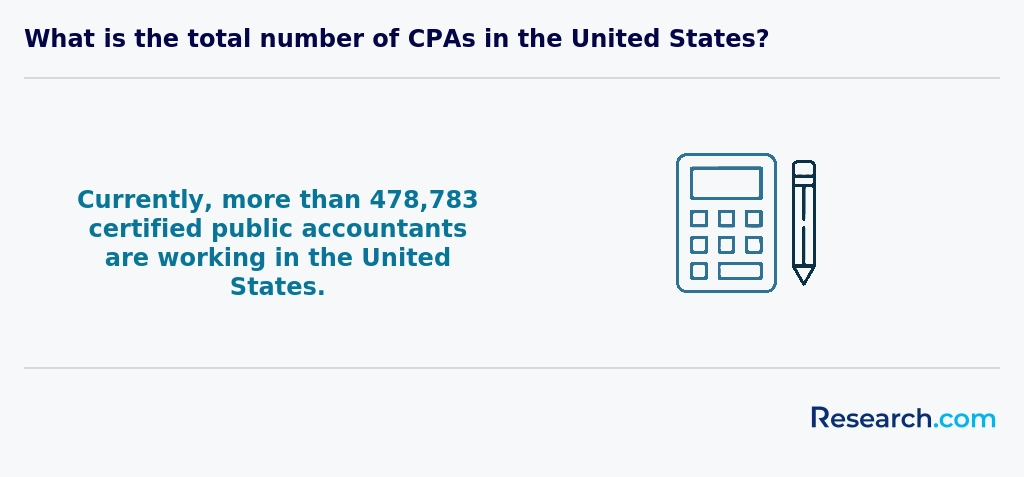
Graduates holding an online accounting degree in Pennsylvania frequently pursue diverse career paths that reflect the state's robust demand for skilled financial professionals. Roles such as Certified Public Accountant (CPA), internal auditor, tax accountant, financial analyst, and forensic accountant are prevalent. These positions offer graduates from universities like Penn State or Temple University tangible opportunities to apply their knowledge in sectors ranging from manufacturing to healthcare.
Many graduates find fulfillment as CPAs, a path requiring 150 credit hours and successful exam completion, with average salaries in Pennsylvania ranging from $70,000 to $110,000 according to the Pennsylvania Institute of Certified Public Accountants. Online accounting degree careers Pennsylvania prepare students with practical skills in tax laws and accounting software, facilitating their transition into positions that blend analytical precision with strategic financial management.
Students benefit from flexible online formats allowing them to gain work experience while studying, a key advantage noted by those attending prominent state colleges. For prospective students considering affordability and quality, the Most Affordable Accounting Degree Programs Ranking in Hawaii provides valuable comparative insights, underscoring the competitive options within and beyond Pennsylvania's borders.
The job market for graduates holding an online accounting degree in Pennsylvania remains robust, driven by a diverse economy encompassing finance, healthcare, and education sectors. Many graduates from well-regarded institutions in the state find rewarding opportunities in cities such as Philadelphia and Pittsburgh, where large corporate and governmental employers value candidates with strong technological skills and accredited online degrees. The landscape for online accounting degree job outlook Pennsylvania is especially positive as employers increasingly accept flexible education backgrounds fueled by remote work trends.
Graduates frequently report smooth transitions into roles involving financial analysis and auditing, noting that completing a bachelor's degree online from local universities provides both affordability and credibility. The potential to enhance employability by obtaining licensure as a Certified Public Accountant (CPA) also remains a strong incentive. For students budgeting their education, Pennsylvania public institutions offer some of the most affordable online programs, and those seeking the most affordable online universities that accept financial aid may find ideal options locally.
2027 Best Online Bachelor's in Accounting Degree Programs Ranking in Pennsylvania
Investing in your education is a significant decision that can shape your future, and the Research.com team understands the importance of making informed choices. To assist prospective students in Pennsylvania, we have meticulously crafted the "2027 Best Online Bachelor's in Accounting Degree Programs Ranking in Pennsylvania." Our commitment to quality, credibility, and accuracy is reflected in the extensive research and analysis conducted to compile this ranking.
We utilized the following reputable data sources to ensure a comprehensive evaluation of accounting programs:
By exploring this ranking, readers will gain valuable insights into the best online accounting degree programs available in Pennsylvania, helping them make informed decisions about their educational paths. For more details on our methodology, please visit our Research.com methodology page.



# 5 position
Peirce College
Bachelor of Accounting

Frequently Asked Questions About accounting
Online accounting degree students in Pennsylvania can maximize their learning by actively engaging with available digital resources. Many accredited Pennsylvania institutions offer interactive platforms that include video lectures, discussion forums, and virtual tutoring. Students should take advantage of these tools to clarify complex topics and network with peers.
Time management is vital; setting a regular study schedule boosts comprehension and retention. Additionally, Pennsylvania's state Board of Accountancy recommends students prepare for the CPA exam by integrating exam-specific materials alongside coursework to enhance practical knowledge.
Internships or virtual practicums with Pennsylvania firms provide hands-on experience, connecting theory to real-world accounting practices. Using state-specific tax codes and regulations in assignments is another way to gain relevant expertise.
The accounting field is evolving rapidly, with several emerging niches gaining prominence, particularly in Pennsylvania's job market. One notable area is forensic accounting, where professionals investigate financial fraud and assist with legal cases. According to the Pennsylvania Department of Labor & Industry, demand for forensic accountants is projected to grow as businesses seek greater transparency.
Another growing specialty is environmental accounting, focusing on sustainability reporting and compliance with environmental regulations. With Pennsylvania's increasing emphasis on green initiatives, this niche offers new career paths.
Additionally, expertise in data analytics and cybersecurity within accounting is becoming essential. These skills help organizations protect sensitive information and interpret large datasets securely.
These niches reflect broader trends influencing online accounting degree curriculums in Pennsylvania, aligned with local industry needs.
After earning an online accounting degree in Pennsylvania, developing a strong job market strategy is essential. Start by obtaining relevant certifications such as the CPA, which is highly respected in Pennsylvania. The state requires 150 credit hours and passing the CPA exam to become licensed. According to the Pennsylvania Department of Labor, jobs in accounting are projected to grow about 7% through 2030, reflecting steady demand.
Networking plays a vital role in job opportunities. Engage with local chapters of professional groups like the Pennsylvania Institute of CPAs. Additionally, internships or virtual externships during your studies provide practical experience and connections. Tailor your resume to highlight skills in software such as QuickBooks and Excel, as firms often look for technical proficiency.
Employers in Pennsylvania highly value accounting graduates who possess strong analytical and technical skills. Proficiency in accounting software like QuickBooks and Microsoft Excel is essential, as many firms rely on these tools for daily operations. According to the Pennsylvania Institute of Certified Public Accountants, the demand for graduates with a solid understanding of Generally Accepted Accounting Principles (GAAP) remains strong. Communication skills are also critical, as accountants must explain financial data clearly to clients or managers.
Additionally, attention to detail and ethical judgment are crucial due to the sensitive nature of financial information. Knowledge of Pennsylvania tax laws and regulations can provide a competitive edge for job seekers.
Finding internships related to an accounting degree in Pennsylvania involves several strategic steps. Start by exploring platforms like the Pennsylvania Institute of Certified Public Accountants (PICPA), which regularly lists internship opportunities tailored to accounting students.
Additionally, Pennsylvania's strong finance and business sectors, including cities like Philadelphia and Pittsburgh, host numerous accounting firms offering internships. Leveraging your university's career services and alumni networks can connect you to local firms.
Online job boards such as Handshake and LinkedIn also feature Pennsylvania-specific accounting internships. According to the U.S. Bureau of Labor Statistics, demand for accountants in Pennsylvania is projected to grow by 5% through 2030, making internships important for gaining practical experience.
In Pennsylvania, earning an online accounting degree can significantly enhance career mobility and advancement. The state's growing demand for accounting professionals, projected to increase by approximately 7% from 2022 to 2032 according to the U.S. Bureau of Labor Statistics, creates opportunities for degree holders. An online degree offers flexibility for working adults to gain necessary credentials without interrupting their careers.
Graduates often qualify for roles such as financial analysts, auditors, and accountants, which are essential in Pennsylvania's diverse business sectors-from manufacturing to finance. Moreover, an accredited online accounting program aligns with Pennsylvania's requirements for CPA exam eligibility, an important credential that further boosts upward mobility.
The convenience of online education allows students to develop critical skills while maintaining current jobs, building experience simultaneously. Employers increasingly recognize online degrees, especially from regionally accredited institutions, as legitimate qualifications, thus supporting career progression.
Studying for an accounting degree in Pennsylvania offers students broad interdisciplinary preparation essential for today's complex business environments. Many programs integrate courses in finance, economics, information technology, and business law alongside core accounting topics. This combination equips graduates to collaborate effectively across departments.
For example, Pennsylvania State System of Higher Education schools often emphasize practical skills such as data analysis and regulatory compliance, key for roles in auditing, consulting, and financial management. According to the Pennsylvania Department of Labor & Industry, accounting professionals increasingly require tech proficiency to interpret financial software and big data.
The state's strong business sector offers internship opportunities, fostering real-world experience in diverse industries. This blend of coursework and practical exposure prepares students well for interdisciplinary roles in accounting-related fields.
When choosing between a thesis and a non-thesis online accounting degree program in Pennsylvania, consider your career goals and learning style. A thesis program suits students aiming for research or graduate study, as it requires in-depth investigation and writing. In contrast, non-thesis programs focus on practical skills and coursework, ideal for those seeking direct entry into accounting roles.
Pennsylvania's accounting job market is projected to grow about 7% by 2030, according to the U.S. Bureau of Labor Statistics, highlighting demand for skilled accountants with strong applied knowledge. Universities in Pennsylvania may also align their programs with CPA requirements, affecting your choice.
Cost, time commitment, and faculty mentorship availability are other factors to weigh carefully when deciding between program types.
Students based in Pennsylvania who seek to study accounting abroad through online options have a few pathways to consider within the U.S. higher education framework. Many accredited U.S. universities offer international exchange programs or partnerships that allow students to complete part of their accounting degree remotely while gaining global exposure.
Another viable option is enrolling in online accounting degree programs from Pennsylvania institutions with established international affiliations. These programs often include virtual internships or case studies featuring global accounting practices, aligning with the increasing demand for accountants familiar with international standards.
According to the Pennsylvania Department of Education, students can also leverage statewide resources to ensure credits earned abroad meet Pennsylvania State System of Higher Education (PASSHE) standards, preserving transferability.
While fully foreign degrees may require additional state licensure steps, online programs blending U.S. curricula with overseas perspectives offer a practical solution for Pennsylvania residents aiming to enhance their accounting education with international insights.
Students pursuing an online accounting degree in Pennsylvania can benefit from various part-time job opportunities to enhance their education and build relevant experience. Positions such as bookkeeping assistant or accounting clerk are common and provide hands-on practice with financial recordkeeping and software like QuickBooks.
Other roles include tax preparer assistant, especially in tax season, which helps students understand individual and business tax regulations. Pennsylvania's strong presence of small businesses and nonprofits offers internship and part-time roles in finance departments.
According to the Pennsylvania Department of Labor, accounting and auditing clerks held over 17,000 jobs statewide in 2023 with an average hourly wage around $21, making these positions widely available and financially viable for students balancing education and work.
Online accounting students in Pennsylvania have several valuable networking opportunities despite studying remotely. Many Pennsylvania universities offering online accounting degrees, such as West Chester University and Temple University, provide virtual career fairs and webinars connecting students with local accounting firms and alumni. These events often feature representatives from key industries in Pennsylvania, like finance and manufacturing, known to employ a large number of accountants.
In addition to school-sponsored events, students can join professional organizations such as the Pennsylvania Institute of Certified Public Accountants (PICPA). PICPA offers virtual and in-person networking events, mentorship programs, and continuing education sessions tailored for accounting students and professionals across the state.
Students may also engage with LinkedIn groups focused on Pennsylvania accounting professionals to build connections and discover job leads. According to the U.S. Bureau of Labor Statistics, Pennsylvania employs over 70,000 accountants and auditors as of 2023, reflecting a robust market for networking and employment.
Alumni networks offer valuable support to students pursuing online accounting degrees in Pennsylvania. These networks connect current students with graduates who have firsthand experience entering the Pennsylvania accounting job market.
Access to alumni can provide insights into local employers, such as firms in Philadelphia and Pittsburgh, where accounting roles are plentiful. According to the Pennsylvania Department of Labor, the state expects a 10% growth in accounting jobs by 2030, making networking critical.
Through mentorship, internships, and job referrals, alumni networks help students build professional relationships. This guidance improves career prospects and offers opportunities that may not be publicly advertised.
Customizing an online accounting degree in Pennsylvania allows students to align their education with specific career goals. Many Pennsylvania institutions offer elective courses in areas like tax accounting, auditing, or forensic accounting. Students can choose specializations that fit industries prominent in the state, such as finance, healthcare, or government.
Internship opportunities and partnerships with Pennsylvania firms often complement coursework, providing practical experience tailored to local job markets. Additionally, Pennsylvania's online programs frequently provide CPA exam preparation options, vital for accounting careers. According to the Pennsylvania State Board of Accountancy, demand for skilled accountants is expected to grow by 5% through 2030, highlighting the importance of focused training.
Online accounting students in Pennsylvania often face several challenges that impact their learning experience. A common issue is balancing coursework with work and family responsibilities, as many students enroll while maintaining full-time employment. This can lead to time management difficulties, which are amplified by the self-discipline required in online education.
Another challenge is limited access to hands-on accounting software and networking opportunities compared to traditional programs. According to the Pennsylvania Department of Education, nearly 40% of online learners report feeling isolated or lacking peer interaction.
Additionally, students must ensure that their chosen program meets Pennsylvania Board of Accountancy requirements if they aim to become Certified Public Accountants (CPAs). Navigating these accreditation details can be complex without proper guidance.
With an online accounting degree in Pennsylvania, graduates can pursue several professional certifications that enhance career prospects. The most recognized is the Certified Public Accountant (CPA) license, which requires 150 credit hours, including specific accounting courses, and passing the Uniform CPA Exam. Pennsylvania's State Board of Accountancy sets these requirements and mandates continuing education for license renewal.
Other valuable certifications include the Certified Management Accountant (CMA) and the Certified Internal Auditor (CIA). These credentials focus on managerial and auditing skills, respectively, and are respected nationwide.
According to the Pennsylvania Institute of Certified Public Accountants, CPAs in the state earn a median annual salary of approximately $76,000, indicating strong local demand for credentialed accountants.
When applying to an online accounting program in Pennsylvania, start with a clear, well-organized personal statement. Emphasize your interest in accounting, relevant skills, and how the program aligns with your career goals. Highlight any practical experience or coursework related to finance or business.
Ensure your academic records meet the program's requirements-most Pennsylvania programs expect a minimum GPA around 3.0. Include official transcripts early to avoid delays. Some schools may require standardized test scores or prerequisite courses, so review each program's criteria carefully.
Professional certifications like CPA eligibility in Pennsylvania can strengthen your application. According to the Pennsylvania State Board of Accountancy, completing 150 credit hours is mandatory for licensure, so mention your plan to meet these.
Request strong recommendation letters from professors or employers who can attest to your work ethic and analytical skills. Proofread all documents meticulously to avoid errors and convey professionalism throughout your application.
The accounting profession holds significant global importance, reflecting its critical role in business and finance worldwide. For students in Pennsylvania pursuing online accounting degrees, understanding this global context is valuable. According to the U.S. Bureau of Labor Statistics, accounting jobs are projected to grow 7% nationally through 2031, showing steady demand. Pennsylvania's diverse economy offers opportunities linked to international trade and multinational corporations, which require professionals familiar with global accounting standards such as IFRS. The global perspective also emphasizes ethical practices, cross-cultural communication, and adapting to evolving financial regulations, key skills for a successful accounting career in today's interconnected economy.
Gaining practical experience during an online accounting degree in Pennsylvania is key to building a strong professional foundation. Many programs encourage internships with local businesses, accounting firms, or nonprofit organizations. According to the Pennsylvania Institute of Certified Public Accountants, internships help students apply theory to real-world scenarios while building essential networks.
Online students can also participate in virtual internships or cooperative education (co-op) programs offered through some universities. These provide hands-on experience while maintaining a flexible study schedule.
Additionally, joining Pennsylvania-based accounting associations or student chapters offers volunteering and mentorship opportunities. This involvement can enrich learning and improve career prospects in the state's competitive accounting job market.
Choosing the right concentration within an online accounting degree program in Pennsylvania requires understanding local job market demands and your career goals. Pennsylvania's Bureau of Labor Statistics reports strong opportunities in tax accounting, auditing, and forensic accounting, reflecting the state's diverse industries.
Consider concentrations that align with professional certifications like the CPA, which remains a high-value credential in Pennsylvania. Programs emphasizing tax preparation or auditing offer practical skills for these exams.
Also evaluate whether the concentration supports Pennsylvania's key sectors, including finance, healthcare, and manufacturing. Research the curriculum details and faculty expertise to ensure quality learning tailored to state regulations and standards.
Finally, consult resources such as the Pennsylvania Institute of CPAs for trends and professional guidance.
- 2027 Best Online Bachelor's in Accounting Degree Programs Ranking in New York
- 2027 Best Online Bachelor's in Accounting Degree Programs Ranking in West Virginia
- 2027 Best Online Bachelor's in Accounting Degree Programs Ranking in Ohio
- 2027 Best Online Bachelor's in Accounting Degree Programs Ranking in Virginia
- 2027 Best Online Bachelor's in Accounting Degree Programs Ranking in Indiana
- 2027 Best Online Bachelor's in Accounting Degree Programs Ranking in Georgia
- 2027 Best Online Bachelor's in Accounting Degree Programs Ranking in Illinois
- 2027 Best Online Bachelor's in Accounting Degree Programs Ranking in Florida
- 2027 Best Online Bachelor's in Accounting Degree Programs Ranking in Missouri
- 2027 Best Online Bachelor's in Accounting Degree Programs Ranking in Arkansas
See What Experts Have To Say About Studying Accounting
Read our interview with Accounting experts

John Wermert, Ph.D., CPA
Accounting Expert
Associate Professor of Accounting
Middle Tennessee State University

Yaw M. Mensah
Accounting Expert
Professor and Interim Vice Dean for Strategic Partnerships
Rutgers Business School

- AAT Virtual Work Experience | Springpod https://www.springpod.com/virtual-work-experience/aat-virtual-work-experience/WEXP-00447
- 15 Accounting Careers: Undergraduate & Graduate Paths https://www.baypath.edu/news/bay-path-university-blogs/post/15-accounting-careers-undergraduate-graduate-paths/
- The Diverse Skills you Gain with an Accounting Degree https://www.accounting-education.org/blog/accounting-degree-diverse-skills/
- How to get into accounting as a graduate https://targetjobs.co.uk/careers-advice/accountancy-banking-and-finance/how-get-accounting-graduate
- Accountants of the Future https://www.deloitte.com/us/en/programs/center-for-controllership/blogs/future-of-accounting-profession.html
- Applying for Accounting Graduate School | Accounting.com https://www.accounting.com/resources/graduate-application-guide/
- Accounting Degree: Associate or Bachelor’s | Monroe University https://www.monroeu.edu/news/accounting-degree-associate-or-bachelors
- Inside the world of accounting internships: What to expect : ThisWayToCPA : AICPA https://www.thiswaytocpa.com/work-experience/articles/internships/inside-world-accounting-internships-what-expect/
- Best Niches for Accounting Firms, Ranked by Profitability https://dreamfirms.com/insights/best-niches-for-accounting-firms/
- Online Accounting Degree | University of Phoenix https://www.phoenix.edu/online-business-degrees/accounting-bachelors-degree.html