2027 Most Affordable Accounting Degree Programs Ranking in Puerto Rico

Co-Founder and Chief Data Scientist
Choosing the right accounting degree program can shape your future career and financial stability. For students in Puerto Rico, making an informed decision is key to finding quality education that fits your budget.
This article features the 2027 Most Affordable Accounting Degree Programs Ranking in Puerto Rico, created by the Research.com team of data scientists. It offers reliable insights to guide your selection process and helps you identify programs that balance cost and value.
Exploring these options can open doors to rewarding opportunities in the accounting field, empowering you to achieve your goals confidently.
Key benefits of getting accounting degree in Puerto Rico
There are several key benefits to earning an accounting degree in Puerto Rico:
- Graduates can enjoy strong salary prospects, with roles like Staff Accountant earning a mean annual wage of $90,780 and hourly wages around $43.65, providing financial stability and career growth.
- Career paths are diverse, ranging from bookkeeping to tax preparation, audit, and accounts payable positions, offering flexibility and multiple opportunities to find your perfect fit.
- Completing an online accounting degree from a well-known Puerto Rican university offers convenience and balance, allowing you to study on your own schedule while still accessing quality education and career support.
- 2027 Most Affordable Accounting Degree Programs Ranking in Puerto Rico
- What can I expect from accounting degree in Puerto Rico?
- Where can I work with accounting degree in Puerto Rico?
What can I expect from accounting degree in Puerto Rico?
Accounting students in Puerto Rico often find tuition costs that feel surprisingly manageable compared to mainland U.S. prices, adding an exciting layer to their educational adventure. For example, attending a public institution like the University of Puerto Rico might cost anywhere from around $2,000 to $5,000 per year for in-state residents, making higher education accessible without the heavy burden of debt. Private universities, while a bit pricier, still offer competitive tuition rates typically in the range of $7,000 to $15,000 annually, balanced by scholarships and financial aid geared specifically for local students.
Graduates frequently mention how this affordability allowed them to dive deeper into their studies, gaining valuable experience in both English and Spanish professional settings without constant financial worry. Many highlight the benefit of training in programs designed to prepare them for the CPA exam, where real-world projects and internship opportunities at Puerto Rico-based firms helped solidify their skills while managing costs wisely.
The cost-effective approach combined with strong academic programs at popular schools means students can enjoy both academic rigor and practical exposure without sacrificing exploration or quality.
Where can I work with accounting degree in Puerto Rico?
Imagine stepping out of a university like the University of Puerto Rico or Ana G. Méndez and diving straight into the vibrant world of accounting in Puerto Rico. Graduates often find themselves eagerly exploring careers with public accounting firms, including the Big Four offices in San Juan, where they take on exciting challenges in auditing and consulting. The thrill of deciphering numbers to help multinational pharmaceutical companies ensures no two days are alike.
Others thrill at the idea of joining private corporations, analyzing budgets and financial trends that fuel Puerto Rico's bustling manufacturing and finance sectors. Picture working as an internal auditor navigating SEC regulations or as a financial analyst contributing to major government projects like those at the Department of Treasury.
What sparks the greatest joy for many is the flexibility of consulting or launching a private practice-from remote work setups to diverse client portfolios-transforming each day into an adventure of growth and discovery. This path makes an accounting degree from Puerto Rico's top schools not just a credential, but a passport to a world of professional possibilities.
Graduates with an accounting degree from universities in Puerto Rico often encounter exciting salary ranges that reflect both local opportunities and global market influences. For instance, fresh graduates frequently land roles such as Bookkeepers or Tax Preparers, earning around $49,580 annually according to U.S. Bureau of Labor Statistics data. This income allows new professionals to gain financial independence while exploring their career paths.
More adventurous graduates aiming higher may pursue positions like Staff Accountant, where the mean annual wage jumps to approximately $90,780. Imagine landing this role after completing studies at well-known institutions like the University of Puerto Rico or Ana G. Méndez University, where hands-on training meets industry connections, fostering confidence and ambition.
Associate Auditors and Accounts Payable Clerks also enjoy stable salaries near $49,580 per year, offering excellent stepping stones into specialized accounting fields. Many graduates find these roles rewarding, combining steady income with opportunities to grow expertise and build professional networks within Puerto Rico's growing financial sector.
Overall, diving into accounting studies on the island can open doors to vibrant careers with promising salaries, especially when complemented by certifications like CPA that boost earning potential even further.
- Accounting programs in Puerto Rico are accredited by recognized bodies like ACBSP and AACSB, ensuring education quality comparable to mainland U.S. standards.
- Tuition at public universities ranges from $4,000 to $7,000 per year, while private institutions charge between $8,000 and $12,000 annually, making it affordable compared to many U.S. states.
- Entry-level accountant salaries typically range from $30,000 to $40,000 annually, increasing to $50,000 to $70,000 with experience.
- The job market for accountants is stable with opportunities in finance, government, manufacturing, tourism, and public accounting firms.
- CPA licensure requires 150 semester hours, passing the Uniform CPA Exam, and meeting local Board of Accountancy experience requirements.
In Puerto Rico, diving into an accounting degree usually means embarking on a four-year journey, much like elsewhere in the U.S. Imagine a student at the University of Puerto Rico balancing lively campus life with rigorous classes-they typically tackle around 120 to 130 credit hours packed with business essentials and accounting-focused courses. This full-time route often wraps up in four years, giving students a solid mix of challenge and achievement.
Some graduates recall stretching their path to five or six years, especially when juggling part-time study alongside work or family commitments. On the flip side, adventurous students who leap into accelerated programs experience the thrill of finishing in just three years, squeezing an intense learning experience into less time without missing out on depth.
For those eager to push further, master's degrees add one to two years, often essential for passing the CPA exam in Puerto Rico, with its 150-semester-hour requirement. Across the island, this balance of flexibility and structure helps students tailor their experience, creating both excitement and confidence as they prepare for real-world accounting careers.
Imagine juggling work and family while pursuing an accounting degree-online programs in Puerto Rico make this a reality. Graduates from the University of Puerto Rico express how flexible schedules let them study after dinner or during weekends, turning coffee breaks into accounting lessons. The ability to access coursework anytime truly empowers busy adults.
On the flip side, those who chose on-campus programs, like at Universidad del Turabo, recall vibrant classroom discussions and spontaneous study groups that sparked motivation. Being physically present means immediate feedback from professors and tapping into campus resources such as libraries and tutoring centers, making the learning experience immersive and social.
Cost-wise, online programs might save a bit due to fewer facility fees, but both options require proper accreditation to sit for the CPA exam-something graduates stress as non-negotiable. Whether you're drawn to the digital freedom or the traditional campus buzz, Puerto Rico offers paths tailored to your lifestyle and dreams.
When exploring the average cost of an accounting degree in Puerto Rico, many students find encouraging news: the overall expenses are quite reasonable compared to the mainland. Graduates from the University of Puerto Rico and other popular institutions often share how the affordability helped them focus more on studies and less on financial stress. On average, the total cost-including tuition, fees, and materials-hovers around $17,450, offering an attractive balance between quality education and budget-conscious planning.
Public universities like the UPR system have long been a go-to for those seeking affordable accounting degree programs in Puerto Rico. In-state students, in particular, benefit from lower tuition costs, sometimes paying close to $5,780 for their entire program. These savings enable students to channel resources toward valuable experiences like internships or networking events that expand career opportunities.
Private colleges bring their own vibe, with costs often reaching higher levels but still competitive. Students from popular institutions such as Universidad del Este reflect on the rewarding educational journeys despite tuition fluctuations. Beyond tuition, accounting majors should also prepare for textbooks and essentials, which can add notable expenses. Embracing budgeting early makes the entire path feel like an adventurous challenge rather than a burden.
For those eager to accelerate their studies and reduce time in school, exploring the fastest online associate's degree options can also provide a clever way to save money while staying on an exciting educational track.

Venturing into an accounting degree in Puerto Rico opens doors to a mosaic of financial aid that many students eagerly seize. Imagine a student at the University of Puerto Rico who, balancing studies and part-time work, relies on the Federal Pell Grant-offering up to $7,395 in 2023-to lighten the weight of tuition and textbook costs. This grant, along with the Federal Supplemental Educational Opportunity Grant, can transform the academic journey from stress-filled to hopeful.
Many graduates from institutions like the Inter American University have shared how federal Direct Subsidized Loans, with their reasonable interest rates near 4.99%, provided much-needed breathing room during critical semesters. Beyond federal assistance, local scholarships backed by the Puerto Rico Department of Education and university-specific awards based on merit or financial need create additional pathways to success.
Work-study programs emerge as a favorite among accounting students, offering real-world experience while easing financial strain. For example, a student might work within a campus's administrative office, gaining insights that textbooks alone can't provide. Navigating these combined aid options reveals an adventurous landscape full of support designed to turn educational dreams into tangible achievements.
Diving into an accounting degree adventure in Puerto Rico begins with simple but vital steps. Imagine a recent graduate from the University of Puerto Rico, eagerly recalling how having a high school diploma with a solid GPA-typically between 2.5 and 3.0-opened the doors to their accounting journey. Official transcripts were like treasured maps, guiding admission officers through their academic past.
Picture another student at Ana G. Méndez University, sharing how test-optional policies eased their path but still encouraged preparation for SAT or ACT scores to shine brighter against the competitive tide. Bilingual fluency played a starring role too, as many Puerto Rican programs flow between Spanish and English, making language skills a passport to success. For international explorers, TOEFL or IELTS scores became key tools for unlocking enrollment.
Foundations in math and business-like algebra or statistics-are the sturdy boots needed to trek through the numbers-heavy terrain of accounting classes. Financially, students celebrate the affordability of Puerto Rican public universities, where yearly tuition rarely climbs beyond $5,000, a comforting contrast to mainland costs. Along the way, letters of recommendation and personal statements add unique colors to each application, shining light on individual strengths while ensuring the path to CPA certification remains clear ahead.

Imagine diving into courses like Financial Accounting and Managerial Accounting at popular Puerto Rican universities, where graduates describe the thrill of mastering how to read and create financial statements that tell the story behind a company's success. Students find themselves navigating real-life scenarios, such as analyzing budgets for local businesses, which makes complex numbers come alive.
Beyond these basics, many embrace the challenge of Auditing, learning to become the detectives of finance-scrutinizing records to ensure everything is accurate and compliant. Some describe the rush of uncovering discrepancies as a puzzle that sharpens their attention to detail.
Courses like Federal Taxation open doors to understanding the nuances of U.S. tax law, equipping students to advise clients confidently. The practical focus on Accounting Information Systems means working hands-on with cutting-edge technologies, preparing students to thrive in modern accounting environments.
Engaging business classes such as Business Law, Economics, and Finance round out the experience, showing how accounting fits within broader business ecosystems in Puerto Rico and beyond.
Exploring accounting degree specializations in Puerto Rico reveals a vibrant array of options tailored to local and global needs. Graduates from universities like the University of Puerto Rico often dive into Financial Accounting, mastering the art of analyzing corporate financial reports-a critical skill for careers in auditing or corporate finance. Others gravitate toward Managerial Accounting, where budgeting and cost management support internal decision-making processes familiar to those working in Puerto Rico's dynamic business environment.
Taxation specialization stands out due to Puerto Rico's unique tax incentives, where students learn the intricacies of both federal and local tax laws, preparing them for complex compliance roles. Auditing and Forensic Accounting offer adventurous pathways for graduates eager to investigate financial discrepancies or work in CPA firms. Popular colleges integrate Information Systems Accounting, equipping learners with tech-savvy skills crucial for modern accounting roles. Many students cherish how these Puerto Rico accounting program concentration options allowed them to personalize their studies effectively, reflecting real-world demands and career aspirations.
For those ready to push further, discovering the easiest doctorate path while specializing feels like an attainable next step.
Choosing the best accounting degree in Puerto Rico means diving into accredited programs like those at the University of Puerto Rico, where graduates often share how the strong regional accreditation boosted their confidence and career prospects. Imagine walking through campuses that blend local culture with rigorous U.S.-aligned curricula covering taxation, auditing, and ethics-giving you a competitive edge in the Puerto Rican job market.
Cost plays a big role too. Many students find delight in the affordability here, with tuition fees far below mainland averages, making the search for best affordable accounting degrees Puerto Rico offers feel like uncovering a hidden gem. Those who balanced evening classes or internships often highlight how real-world experience shaped their skills and opened doors after graduation.
Graduates also emphasize the importance of aligning programs with Puerto Rico's CPA licensure requirements, which demand 150 credit hours-often a combined bachelor's and master's journey. If you want to compare how programs stack up in price and value, check out this guide on highest paying bachelors to help navigate your path.
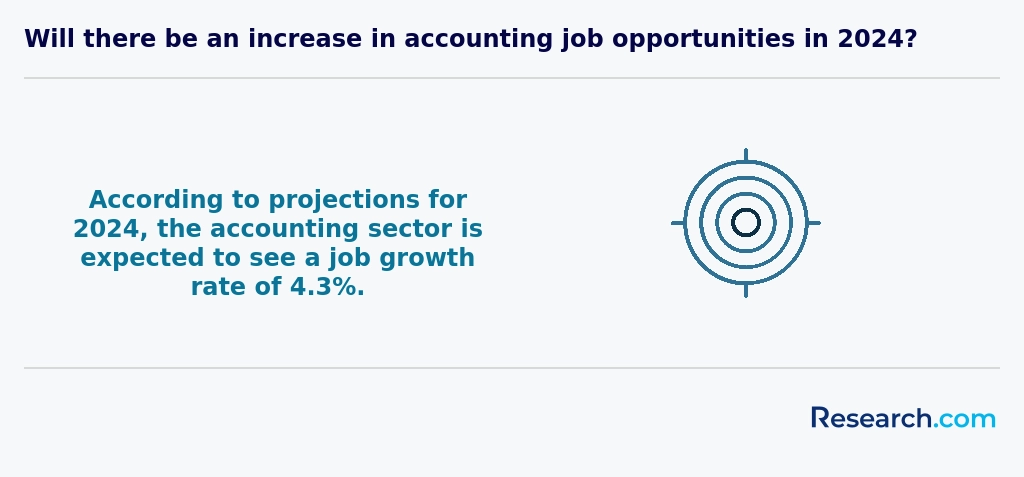
Exploring accounting career opportunities in Puerto Rico opens a world of possibilities beyond expectations. Graduates from renowned institutions like the University of Puerto Rico often find themselves thriving in public accounting, where they audit, consult, and prepare taxes-roles that deeply resonate with the island's unique fiscal landscape. Many proudly pursue CPA credentials, unlocking doors in government agencies and private firms eager for such expertise.
Some graduates adventure into corporate accounting, stepping into roles as financial analysts or internal auditors in vibrant sectors such as manufacturing and pharmaceuticals. The challenge of managing budgets and compliance keeps their days dynamic and rewarding. Others embrace tax accounting, navigating Puerto Rico's intricate tax incentives and local regulations-a specialization highly valued by businesses looking to thrive.
For those craving even more variety, careers in forensic accounting or financial consulting provide a thrilling way to apply their skills. Many students appreciate that studying at Puerto Rican colleges combines solid education with affordable tuition and accessible resources, sometimes even through affordable online universities that accept financial aid, making their ambitions reachable.
With such diverse paths, the Puerto Rico accounting degree job outlook shines brightly, fueled by a growing demand for skilled professionals ready to explore and excel in their chosen fields.
The accounting job market in Puerto Rico offers a steady landscape full of opportunities for graduates from well-known institutions like the University of Puerto Rico and Ana G. Méndez University. Many graduates find themselves quickly immersed in roles within government agencies or multinational firms where U.S. tax regulations and financial reporting demand expertise rooted in local and federal knowledge. This creates a dynamic career space that continuously evolves, sparking excitement among students eager to apply their skills.
Exploring Puerto Rico accounting degree employment outlook reveals growing demand in sectors like healthcare, manufacturing, and tourism, all brimming with chances for accountants who specialize in industry-specific challenges. Graduates often share stories of how their training in forensic and cost accounting gave them an edge, opening doors to rewarding positions that align perfectly with their passions.
Education costs on the island are notably more affordable than mainland options, boosting the value of an accounting degree here. Those weighing their options often consider not only the solid career prospects but also comparable earnings balanced against Puerto Rico's cost of living. For students curious about alternative routes, diving into high paying jobs with trade school also sparks inspiration beyond traditional paths.
2027 Most Affordable Accounting Degree Programs Ranking in Puerto Rico
Investing in your education is a significant decision that can shape your future, and the Research.com team understands the importance of making informed choices. To assist prospective students in Puerto Rico, we have meticulously crafted the "2027 Most Affordable Accounting Degree Programs Ranking in Puerto Rico." Our commitment to quality, credibility, and accuracy is reflected in the extensive research and analysis conducted to compile this ranking.
We utilized the following reputable data sources to ensure a comprehensive evaluation of accounting degree programs:
By exploring this ranking, readers will gain valuable insights into the most affordable accounting programs available in Puerto Rico, helping them make informed decisions about their educational paths. For more details on our methodology, please visit our Research.com methodology page.

# 2 position
Pontifical Catholic University of Puerto Rico-Ponce
Bachelor in Accounting

# 6 position
Universidad Ana G. Mendez-Gurabo Campus
Master of Science in Accounting
# 7 position
Universidad Ana G. Mendez-Carolina Campus
Bachelor in Business Administration with major in Accounting
# 8 position
Universidad Ana G. Mendez-Gurabo Campus
Bachelor of Business Administration in Accounting
# 9 position
Universidad Ana G. Mendez-Cupey Campus
Master of Accountancy
# 10 position
Universidad Ana G. Mendez-Carolina Campus
Master of Science in Accounting
# 11 position
Inter American University of Puerto Rico-Metro
Master of Business Administration in Accounting
# 13 position
Universidad Ana G. Mendez-Cupey Campus
Bachelor of Business Administration in Accounting
# 17 position
Inter American University of Puerto Rico-Arecibo
Bachelor of Business Administration in Accounting
# 19 position
Inter American University of Puerto Rico-Fajardo
Bachelor of Business Administration in Accounting


Frequently Asked Questions About accounting
Accounting degree students in Puerto Rico can enhance their learning by combining classroom study with practical experience. Pursuing internships at local firms or government agencies familiar with Puerto Rico's unique tax codes strengthens real-world skills. Joining student chapters of national organizations like the American Institute of CPAs (AICPA) offers networking and professional development opportunities. Utilizing resources from the Puerto Rico Society of Certified Public Accountants helps students stay updated on local regulations and licensing requirements. Additionally, engaging in online courses focused on U.S. Generally Accepted Accounting Principles (GAAP) complements Puerto Rico's adherence to these standards, ensuring broad career readiness.
The accounting profession in Puerto Rico is evolving due to new economic trends and technology advances. Emerging niches include forensic accounting, where experts help investigate fraud and financial crimes, a field growing due to increased regulatory demands. Another area gaining importance is environmental accounting, reflecting global and local emphasis on sustainability.
Technology-focused roles like data analytics and blockchain accounting are also expanding. These specialties combine accounting knowledge with advanced tech skills to improve accuracy and transparency. According to the Puerto Rico Society of Certified Public Accountants, demand for these skills increased by over 15% between 2020 and 2023.
Additionally, international tax consulting is notable because of Puerto Rico's unique tax status, attracting businesses requiring specialized tax strategies.
Preparing for the job market after earning an accounting degree in Puerto Rico requires a strategic approach. Graduates should pursue internships during their studies to gain practical experience and build professional networks. According to the Puerto Rico Society of CPAs, internships increase employment chances significantly.
Obtaining certifications like the CPA license is crucial, as it is highly valued by employers in Puerto Rico's competitive market. CPA candidates must pass the Uniform CPA Examination and fulfill specific state requirements.
Additionally, developing skills in accounting software such as QuickBooks and SAP improves job readiness. According to the U.S. Bureau of Labor Statistics, accounting job growth in Puerto Rico is projected to remain stable, making these preparations essential for success.
Employers in Puerto Rico prioritize strong analytical skills in accounting graduates. Proficiency in interpreting financial data helps businesses meet local compliance and tax regulations effectively.
Technical skills are essential, especially competence in accounting software like QuickBooks and SAP, widely used in Puerto Rican firms. Familiarity with US Generally Accepted Accounting Principles (GAAP) also ranks highly, as these standards govern financial reporting.
Communication abilities are critical, as accountants must clearly explain complex financial information to clients and management. According to the Puerto Rico Society of CPAs, adaptability and ethical judgment remain top traits sought by employers.
Moreover, problem-solving skills and attention to detail support accuracy in audit and tax preparation work, vital in Puerto Rico's competitive job market.
Finding internships in Puerto Rico relevant to an accounting degree involves leveraging local resources and higher education networks. Universities like the University of Puerto Rico offer dedicated career services that connect students with accounting firms and businesses across the island. These internships are crucial for gaining practical experience and meeting requirements for CPA licensure in Puerto Rico, which aligns with U.S. standards.
Many accounting students seek opportunities at firms registered with the Puerto Rico State Association of Certified Public Accountants (PRCPA). This organization often lists internship openings and networking events for students.
Online platforms and job fairs hosted by colleges also provide valuable listings. Early application and proactive outreach to firms in San Juan and other commercial hubs increase chances of securing positions.
An accounting degree significantly enhances career mobility and advancement opportunities in Puerto Rico's job market. Graduates with this credential often qualify for professional certifications like the CPA, which is highly respected in the territory and the broader U.S. economy.
According to the Bureau of Labor Statistics, accountants in Puerto Rico earn a median annual wage similar to the U.S. average, around $73,000, with higher positions in public accounting or corporate finance offering greater salaries.
Additionally, employers in local industries value the technical skills and regulatory knowledge gained from accredited accounting programs, resulting in stronger prospects for promotions and job changes.
Continuous demand for accountants in Puerto Rico's growing sectors-such as manufacturing, finance, and government-further supports upward career growth for degree holders.
Studying for an accounting degree in Puerto Rico equips students with a versatile skill set suited for interdisciplinary roles. The curriculum integrates core accounting principles with courses in finance, economics, and business law, reflecting the demands of the U.S. higher education system. This broad foundation enables graduates to collaborate across departments such as marketing, operations, and information technology.
Puerto Rico's unique economic environment and role as a U.S. territory offer specific insights into tax regulations and financial reporting standards applicable to multiple industries. According to the Puerto Rico Council on Education, over 60% of accounting graduates work in multinational firms where interdisciplinary knowledge is essential.
Additionally, proficiency in data analysis and emerging technologies is emphasized, helping students adapt to roles that blend accounting with data science and management. This approach ensures they are prepared to meet diverse business challenges beyond traditional accounting.
Choosing between a thesis and a non-thesis accounting degree program in Puerto Rico largely depends on your career goals and learning preferences. A thesis option requires in-depth research, ideal for students considering academic roles or advanced study such as a PhD. It hones critical thinking and research skills valued in data-driven accounting sectors.
On the other hand, non-thesis programs focus more on practical skills and coursework, which suits students aiming to enter the workforce quickly or obtain professional certifications like the CPA. According to the Puerto Rico Board of Accountancy, over 70% of accountants there pursue CPA licensure, favoring applied knowledge.
Many universities in Puerto Rico offer both options, allowing flexibility based on time commitment and professional aspirations.
Students based in Puerto Rico who wish to study accounting abroad have several options within the U.S. higher education system. Because Puerto Rico is a U.S. territory, residents can attend mainland universities without international student restrictions or additional visas. This allows access to a wide range of accredited accounting programs across the United States.
Many top universities offer both undergraduate and graduate accounting degrees, often including online or hybrid formats that accommodate students outside the mainland. According to the American Institute of CPAs (AICPA), these degrees must meet specific credit and coursework requirements to qualify for CPA licensure.
Puerto Rican students should consider programs accredited by AACSB or ACBSP, as these accreditations are valued in the accounting profession. Additionally, financial aid, including federal loans, is available to eligible Puerto Rican students attending U.S. institutions. Research from the U.S. Department of Education supports these options as viable paths for accounting education.
In Puerto Rico, part-time job opportunities that complement accounting degree education often include roles such as bookkeeping assistants, payroll clerks, and tax preparers. These positions provide hands-on experience with financial records and tax regulations, helping students apply classroom knowledge in real-world settings. According to the U.S. Bureau of Labor Statistics, tax preparation roles are especially relevant during tax season and can offer flexible hours suited for students.
Internships in accounting firms or finance departments of local companies are also valuable. Puerto Rico's growing business sector, including manufacturing and tourism industries, creates demand for entry-level accounting support staff. These jobs enhance skills in areas such as auditing, financial reporting, and software like QuickBooks or SAP. Practical experience gained from such positions can improve employability and academic understanding significantly.
Accounting students in Puerto Rico have various networking opportunities available through professional organizations and university programs. The Puerto Rico Society of Certified Public Accountants (PRSCPA) is a key resource, offering events, seminars, and mentorship programs tailored to students and new professionals. Joining PRSCPA can connect students with licensed CPAs and firms across the island.
Many universities collaborate with local businesses to host job fairs and internships, providing practical exposure and contacts in the accounting field. For example, the University of Puerto Rico offers student chapters of national accounting bodies like Beta Alpha Psi, which facilitates networking and workshops.
Additionally, virtual seminars and conferences increasingly broaden access to industry leaders beyond Puerto Rico. According to the U.S. Bureau of Labor Statistics, Puerto Rico had over 7,000 accounting jobs as of 2022, reflecting a steady demand for professionals and the importance of building solid professional networks early.
Alumni networks offer significant advantages to accounting degree students in Puerto Rico. These networks connect current students with graduates who have navigated the local job market and licensing requirements. For example, the Puerto Rico Society of Certified Public Accountants (PRSCPA) fosters a strong community of professionals and alumni that help with mentorship and internships.
Access to these connections often leads to job placements in local firms or government agencies, which are key employers in Puerto Rico's accounting sector. According to PRSCPA reports, over 60% of accounting graduates find their first job through referrals.
Additionally, alumni networks provide updates on industry trends and continuing education opportunities tailored to Puerto Rico's regulations, supporting students' career growth and certification efforts.
In Puerto Rico, students can customize their accounting degree programs by choosing electives aligned with their career aspirations. Many universities offer courses in areas such as tax accounting, auditing, forensic accounting, and management accounting to provide specialized knowledge. Incorporating internships through local Puerto Rican firms or government agencies adds practical experience tailored to regional economic sectors.
Students can also pursue certifications like the Certified Public Accountant (CPA), which requires specific credit hours in accounting and business, ensuring programs meet these standards. According to the Puerto Rico Society of CPAs, over 60% of accounting graduates seek licensure to enhance credentials and job prospects locally.
Additionally, some institutions provide flexible course schedules and online options to accommodate working professionals aiming to advance within Puerto Rico's growing financial services industry.
Accounting students in Puerto Rico often face unique challenges linked to the island's economic and educational context. One major issue is limited access to updated technology and software essential for modern accounting practices. According to the Puerto Rico Education Council (2023), many institutions still struggle to provide the latest accounting tools, putting students at a disadvantage.
Language is another factor, as many accounting textbooks and resources are in English, but some students are primarily Spanish speakers. This can slow comprehension and increases study time.
Additionally, the evolving local tax laws in Puerto Rico require students to master both U.S. federal and Puerto Rican codes, complicating their learning process.
An accounting degree from a Puerto Rican university opens doors to several professional certifications recognized across the United States. The most prominent credential is the Certified Public Accountant (CPA), which requires passing a rigorous exam and meeting state-specific experience needs. In Puerto Rico, candidates must follow guidelines set by the Puerto Rico State Board of Accountancy.
Other valuable certifications include the Certified Management Accountant (CMA) and the Certified Internal Auditor (CIA). These demonstrate expertise in financial management and auditing, respectively, and enhance career opportunities in both public and private sectors.
According to the Puerto Rico Society of CPAs, demand for certified professionals remains strong despite economic challenges.
When applying to an accounting program in Puerto Rico, a clear and well-structured application is essential. Start by highlighting your academic achievements, especially in mathematics and business-related subjects. Admissions committees value a solid GPA and relevant coursework from accredited US or Puerto Rican institutions.
Include a tailored personal statement that explains your interest in accounting, career goals, and why you chose a program in Puerto Rico. Demonstrate knowledge of the local accounting industry, referencing Puerto Rico's unique tax regulations and business environment.
Strong letters of recommendation from professors or employers familiar with your work ethic and skills can boost your application.
Finally, ensure all standardized test scores and financial documents are complete and submitted on time, as Puerto Rican universities follow US academic standards.
Accounting is a globally respected career, valued for its role in financial transparency and business management. In the United States, including Puerto Rico, accountants follow standards set by organizations like the Financial Accounting Standards Board (FASB). These principles align closely with the International Financial Reporting Standards (IFRS), which many countries use worldwide, helping professionals work across borders.
Puerto Rico's unique status as a U.S. territory shapes its accounting career landscape. According to the U.S. Bureau of Labor Statistics, demand for accountants in Puerto Rico is expected to grow in line with the national average of 7% from 2022 to 2032.
This global connection means students pursuing accounting degrees in Puerto Rico gain skills relevant both locally and internationally, enhancing their employment opportunities in multinational firms or global markets.
Students pursuing an accounting degree in Puerto Rico can gain practical experience through internships offered by local firms, government agencies, and nonprofits. Many universities in Puerto Rico have partnerships that connect students with internships complying with U.S. standards, providing hands-on exposure to accounting practices. According to the Puerto Rico Institute of Public Accountants, internships help enhance skills in auditing, tax preparation, and financial reporting, which employers highly value.
Additionally, some programs encourage participation in student chapters of the American Institute of Certified Public Accountants (AICPA), which offers workshops and networking opportunities. Engaging in these activities complements academic studies with real-world practice and supports CPA licensure preparation.
Choosing the right concentration within an accounting degree program in Puerto Rico depends on your career goals and the local job market. Popular concentrations include auditing, taxation, and managerial accounting. According to the Puerto Rico Institute of CPAs, tax accounting remains in high demand due to complex local and federal tax regulations.
Consider your interest in working with financial statements, managing budgets, or advising businesses. Some universities offer specialties aligned with industries strong in Puerto Rico, like government or tourism. Reviewing course offerings and internship opportunities helps align school resources with your goals. Researching salary data from the U.S. Bureau of Labor Statistics specific to Puerto Rico can also guide your decision.
See What Experts Have To Say About Studying Accounting
Read our interview with Accounting experts

Yaw M. Mensah
Accounting Expert
Professor and Interim Vice Dean for Strategic Partnerships
Rutgers Business School

John Wermert, Ph.D., CPA
Accounting Expert
Associate Professor of Accounting
Middle Tennessee State University

- Expectations of accounting students in relation to their ... https://sevenpubl.com.br/anais7/article/download/4780/8840/19578
- Mastering the Art of Networking: A Guide for Accounting Students https://www.wscpa.org/blog/607cb669-8d98-427e-8c9b-06129d9297e8:mastering-the-art-of-networking-a-guide-for-accounting-students
- 5 Niches for Accountants to Consider - Samera Global https://sameraglobal.com/5-niches-for-accountants-to-consider/
- Networking events for accountants in 2026 | Eagle Education https://www.eagle-education.co.uk/eagle/networking-events-for-accountants-in-2026/
- Why CA Firms Can't Afford to Overlook Alumni Networks: A Key Strategy for Growth and Success https://hoopstr.ai/corporate-resource-center/blog/why-ca-firms-need-to-adopt-corporate-alumni-programs-for-growth-and-success-in-a-changing-industry
- 8 Accounting Niches You Should Consider | Accountancy | Bingparse https://www.icslearn.co.uk/blog/accountancy/8-accounting-niches-you-should-consider/
- Discover our 97 internships in Accountancy here | Student.be https://www.student.be/en/accountancy/internships/
- How to get into accounting as a graduate https://targetjobs.co.uk/careers-advice/accountancy-banking-and-finance/how-get-accounting-graduate
- Know more about thesis vs non- thesis: what is the difference? https://studyfans.com/en/blogs/816
- Puerto Rico CPA Exam Cost 2026: The 5 Critical Fees https://www.superfastcpa.com/puerto-rico-cpa-exam-cost/