2027 Best Accounting Degree Programs Ranking in South Dakota

Co-Founder and Chief Data Scientist
Choosing the right accounting degree program can shape your future career and open doors to exciting opportunities. This article introduces the 2027 Best Accounting Degree Programs Ranking in South Dakota, carefully compiled by the Research.com team of data scientists. Their expertise ensures you get an accurate and reliable guide to the top programs available.
By exploring this ranking, you'll gain valuable insights that can help you make a confident, informed decision. Pursuing an accounting degree in South Dakota is a meaningful step toward a rewarding and stable profession.
Key benefits of getting accounting degree in South Dakota
- Salary for accounting degree graduates: Graduates often enter roles like Staff Accountant, earning a mean annual wage of $90,780, or positions such as Bookkeeper and Tax Preparer, with salaries around $49,580, ensuring strong financial rewards for the education investment.
- Potential career paths: An accounting degree from a popular South Dakota university opens doors to diverse roles including Associate Auditor and Accounts Payable Clerk, offering flexibility and growth in various industries.
- Benefits of online degree programs: Completing an accounting degree online from a South Dakota university allows students to balance work and study comfortably, providing access to quality education with more scheduling freedom compared to traditional programs.
- 2027 Best Accounting Degree Programs Ranking in South Dakota
- What can I expect from accounting degree in South Dakota?
- Where can I work with accounting degree in South Dakota?
What can I expect from accounting degree in South Dakota?
The average cost of an accounting degree in South Dakota typically ranges from $8,000 to $12,000 per year for in-state students attending public universities such as South Dakota State University (SDSU) or the University of South Dakota (USD). These institutions offer accredited programs with AACSB recognition, ensuring quality education aligned with industry standards. Graduates often describe the investment as worthwhile, highlighting the value gained through practical coursework, internships, and networking opportunities within the state's business community.
Many accounting students appreciate the affordability combined with strong CPA exam preparation, especially since South Dakota mandates 150 semester hours for licensure, often fulfilled through a 5-year combined bachelor's and master's pathway. This structure allows students to stay competitively positioned without incurring excessive additional costs. Practical experiences, such as working with local agricultural firms or small businesses, add real-world relevance that graduates remember fondly, boosting their confidence when entering the workforce.
Where can I work with accounting degree in South Dakota?
Accounting graduates in South Dakota find robust employment opportunities across several key sectors. Many begin their careers at certified public accounting (CPA) firms, especially in cities like Sioux Falls and Rapid City, where firms offer auditing, tax preparation, and consulting roles. Graduates from well-known institutions such as the University of South Dakota often report gaining valuable hands-on experience with these firms, which employ over 3,000 licensed CPAs statewide as of 2023.
Large corporations in South Dakota's agriculture, manufacturing, and finance sectors also recruit accountants to handle financial reporting, budgeting, and compliance. For example, graduates commonly work as financial analysts or internal auditors at Sioux Falls-based financial services companies, leveraging skills developed during their college programs.
State and local government agencies provide roles like budget analysts and tax examiners, offering stable employment with benefits. Similarly, non-profit organizations-including healthcare and educational institutions-seek accountants to manage grants and financial compliance, fields that graduates describe as rewarding due to the strong ethical responsibility involved.
The U.S. Bureau of Labor Statistics projects a 6% growth for accounting jobs in South Dakota over the next decade, with median wages around $65,000, reflecting positive career prospects for graduates statewide.
Graduates with an accounting degree from institutions like South Dakota State University or the University of South Dakota can expect entry-level roles such as Bookkeeper, Tax Preparer, or Associate Auditor with mean annual wages around $49,580. This figure aligns well with the local demand and offers a solid start for recent graduates eager to apply their skills in finance or governmental sectors across South Dakota.
Those advancing into Staff Accountant positions typically see a significant increase, with mean annual earnings near $90,780, reflecting the value of experience and specialized knowledge. Graduates who gain certifications like the CPA often enjoy salary boosts, positioned comfortably above average, demonstrating the tangible benefits of continued professional development.
These earnings support a comfortable lifestyle in cities like Sioux Falls or Rapid City, where living costs remain moderate. Graduates often share positive experiences of balancing work and life, noting that the stable job market and steady salary growth in South Dakota help them build rewarding careers without the pressures found in larger metropolitan areas.
- In-state tuition for public accounting programs in South Dakota ranges from $7,500 to $10,000 annually, while private colleges can cost over $20,000 per year.
- The average starting salary for accounting graduates in South Dakota is about $50,000 per year.
- Mid-career accountants typically earn between $70,000 and $90,000 annually in the state.
- South Dakota requires roughly 150 credit hours for CPA exam eligibility, often needing study beyond a typical four-year degree.
- The state has a growing job market for accountants, with demand driven by agriculture, finance, and manufacturing industries.
- Internships and cooperative education programs in South Dakota help accounting students gain practical experience and improve job prospects.
Completing an accounting degree in South Dakota typically requires about four years of full-time study, as experienced by graduates from South Dakota State University and the University of South Dakota. These programs generally involve completing 120 to 130 credit hours, combining general education, core business courses, and specialized accounting topics. Many students find this timeline manageable while balancing campus life and part-time work.
For those aiming to become Certified Public Accountants (CPAs) in South Dakota, graduation is often just the beginning. The state requires 150 semester hours, which usually means an additional one to two years of graduate study or extra coursework. Successful students often choose a master's degree or take further credits to meet this threshold, adapting their plans based on personal schedules and financial considerations.
Part-time and online options provide flexibility for working students but may extend completion time. Graduates appreciate this adaptability, especially when managing jobs or family responsibilities alongside their studies.
Students pursuing accounting degrees in South Dakota choose between online and on-campus formats based on lifestyle and learning preferences. Online programs provide flexibility, allowing working adults or those in remote areas to study without relocating. For example, graduates from online AACSB-accredited programs at universities like South Dakota State University share how balancing family commitments and coursework became manageable through asynchronous classes.
In contrast, on-campus programs foster direct interaction with professors and peers, which former students at the University of South Dakota highlight as key for networking and securing internships. These programs offer group projects and access to campus career services, enriching the educational experience through hands-on opportunities.
Cost variations also play a role. While average in-state tuition at South Dakota public universities is about $9,000 annually, online degrees may save money on housing or commuting, though some include additional technology fees. Both options maintain AACSB accreditation, ensuring equal academic rigor and CPA exam eligibility, important facts for South Dakota students weighing their paths.
When evaluating accounting degree programs in South Dakota, one of the critical factors to consider is the cost of tuition and related expenses. Prospective students should research the total cost of attendance, including fees, textbooks, and living expenses, to ensure they can afford the program. For those seeking an affordable accounting school in south dakota, there are several options available, including online and on-campus programs. By understanding the cost implications and exploring available financial aid options, students can make informed decisions about their educational investments and set themselves up for success in their future accounting careers.
The average total cost of earning an accounting degree in South Dakota is around $28,220, with in-state students typically paying a median of about $12,748. This cost includes tuition, fees, and additional expenses throughout the typical four-year program. For example, graduates from well-known universities in South Dakota often recount managing their budgets carefully, balancing tuition payments while making the most of on-campus resources and financial aid. These students generally find that attending a public institution in-state significantly reduces their overall financial burden compared to private college tuition, which can run much higher.
South Dakota accounting degree tuition and fees reflect a balance between affordability and quality education, especially at public universities popular among accounting students. The reasonable living expenses in the state further ease the financial pressure. Many accounting students from these institutions appreciate the smaller class sizes and personalized attention they receive, which private colleges also offer but at a substantially higher average tuition cost.
To navigate the expenses effectively, prospective students are encouraged to explore financial aid options and scholarships, which are commonly available and can substantially lower the net cost. Students who researched a highly affordable accounting school in south dakota found that leveraging these opportunities helped make their degrees financially feasible. Such pragmatic approaches enhance the accessibility of accounting education without sacrificing the quality of their academic experience.
Becoming a Certified Public Accountant (CPA) in South Dakota requires meeting specific education, examination, and experience benchmarks set by the South Dakota Board of Accountancy. Candidates must: • Hold a bachelor’s degree with at least 150 semester hours from an accredited institution, including 24 hours in accounting subjects (financial accounting, auditing, taxation, managerial accounting) and 24 hours in general business courses. • Pass the four sections of the Uniform CPA Examination administered by the AICPA. South Dakota candidates typically schedule exams through NASBA; effective study plans often allocate 6–8 weeks per section. • Complete a professional ethics exam approved by the Board, demonstrating understanding of South Dakota’s accountancy laws and ethical standards. • Accumulate a minimum of one year (2,000 hours) of supervised accounting experience under a licensed CPA, covering attest services, compilations, or management advisory roles. Maintaining licensure requires 120 hours of Continuing Professional Education (CPE) every three years, including at least 20 hours annually, to stay current on tax law changes, auditing standards, and emerging technologies. Many graduates leverage university career centers to secure internships that satisfy the experience requirement, while others join state CPA societies for mentorship and CPE events. If you’re comparing education costs or seeking cost-effective pathways to satisfy the 150-hour requirement, consider exploring our Inexpensive Accounting Degree Programs Ranking in New York, NY, which highlights programs with lower tuition and robust CPA exam support.
Accounting students in South Dakota benefit from a variety of financial aid options that make tuition more manageable, with average annual in-state fees ranging from $9,000 to $11,000 at public universities. Federal aid, accessed through FAFSA, is a key resource; Federal Pell Grants can provide up to $7,395 per year without repayment, while Federal Direct Loans offer low-interest borrowing with flexible repayment, relieving immediate financial pressure.
State aid significantly supports accounting students, especially the South Dakota Opportunity Scholarship, which rewards full-time students maintaining a minimum GPA and can cover a substantial portion of tuition. Graduates from South Dakota State University often highlight how scholarships funded by alumni and corporate sponsors-ranging from $500 to several thousand dollars-enhanced their ability to focus on studies rather than finances.
Beyond scholarships, work-study programs integrated into campuses let students gain relevant job experience and earnings, which many find boosts both their resumes and financial independence. Additionally, professional groups like the South Dakota CPA Society provide scholarships and mentoring, offering both monetary aid and valuable career connections for aspiring accountants.
In today’s rapidly evolving financial landscape, accounting programs are increasingly integrating advanced technologies and innovative teaching methods to prepare students for future challenges. Institutions in South Dakota are adapting to market demands by incorporating courses on data analytics, blockchain, and automation into their curricula, providing graduates with a competitive edge in both traditional roles and emerging fields. Moreover, many programs now emphasize experiential learning opportunities-such as internships, virtual simulations, and real-time data analysis projects-to foster practical skills alongside theoretical knowledge. As global financial regulations and digital transformation reshape the industry, students benefit from ongoing curriculum updates and strategic industry partnerships that ensure their education remains current and comprehensive. For those seeking flexible learning options, leading universities also offer affordable online accounting degree programs that deliver quality education remotely. This proactive approach not only enhances job readiness but also empowers future accountants to navigate complexities in a dynamic economic environment.
Enrolling in an accounting degree program in South Dakota typically requires a high school diploma or GED, which serves as the essential starting point. For example, students admitted to South Dakota State University often share that meeting this baseline was key to their acceptance. A strong foundation in mathematics, especially algebra and basic statistics, is important and favored by many programs. Graduates frequently mention how their early math courses eased the transition into the challenging accounting curriculum.
Most programs expect applicants to submit standardized test scores like the SAT or ACT, though some schools have adopted test-optional policies recently. At South Dakota State University, successful candidates generally present ACT scores between 22 and 24, enhancing their application strength. A cumulative high school GPA of at least 2.5 is standard; however, more selective programs seek GPAs closer to 3.0.
Community colleges in the state offer more flexible admission standards, making accounting education accessible for a wider range of students. Those aiming for CPA certification benefit from planning for 150 semester hours of coursework to meet South Dakota Board of Accountancy requirements, often involving extra credits beyond the bachelor's degree level.
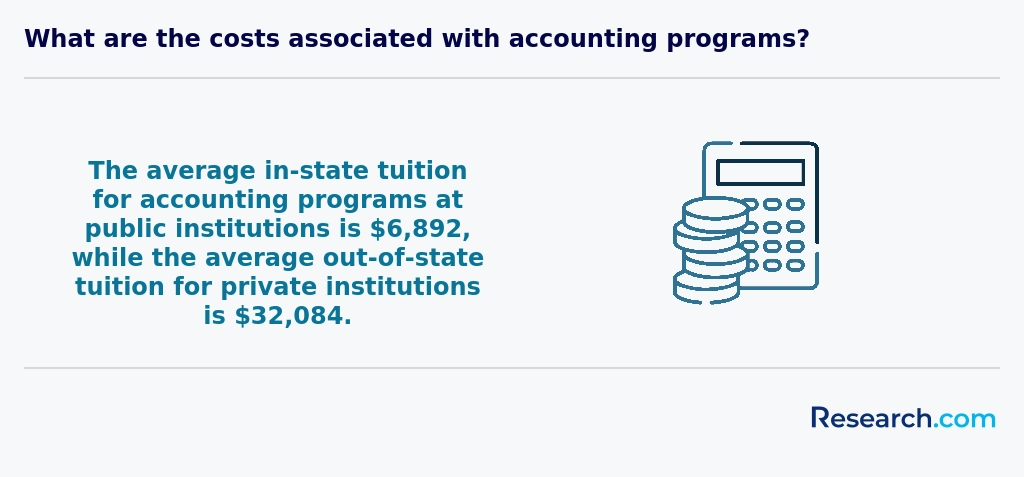
Aspiring accountants in South Dakota must navigate state-specific requirements to become licensed professionals, with the Certified Public Accountant (CPA) credential representing the industry benchmark. To qualify for the CPA exam, candidates need 150 semester hours of college credit-typically achieved through a bachelor’s degree plus supplemental coursework-and at least 24 semester hours in accounting subjects such as auditing, financial accounting, and taxation. The South Dakota Board of Accountancy also mandates one year of relevant work experience under a licensed CPA. Beyond the CPA, many graduates strengthen their resumes by obtaining an accredited bookkeeping certification, which demonstrates mastery of core skills like ledger management, payroll processing, and financial reporting. These credentials can serve as stepping stones to more advanced roles or satisfy initial employment requirements while preparing for the CPA exam. Preparation is key: candidates often enroll in review courses covering the four CPA exam sections-Auditing and Attestation (AUD), Business Environment and Concepts (BEC), Financial Accounting and Reporting (FAR), and Regulation (REG)-to improve pass rates. Upon passing all exam sections and meeting education and experience benchmarks, professionals apply for licensure through the South Dakota Board of Accountancy. Maintaining good standing requires 80 hours of continuing professional education (CPE) every two years, ensuring that licensed accountants stay current with evolving standards, technologies, and regulations.
Accounting degrees in South Dakota typically balance foundational business knowledge with specialized accounting expertise. Students at South Dakota State University (SDSU), for example, start with essential business courses like principles of management, business law, and economics. These build a broad understanding of the commercial landscape, which graduates often find invaluable in real-world settings such as local businesses or government agencies.
Core accounting classes include financial and managerial accounting, equipping students with the skills to analyze financial statements and support business decision-making. Graduates describe how intermediate and advanced financial accounting courses prepare them for complex reporting demands they encounter in internships and entry-level roles.
- Cost accounting, focusing on evaluating production and operational expenses
- Auditing, teaching how to verify financial records and ensure compliance
- Federal taxation, covering personal and corporate tax regulations relevant across the U.S.
- Accounting information systems, which integrates technology with financial data management
Ethics courses enhance trust and integrity in practice, a feature graduates appreciate when navigating professional challenges. Electives like forensic or international accounting provide further specialization, helping students tailor their education to specific career paths within South Dakota's diverse economy.
Accounting degree specializations in South Dakota typically include financial accounting, managerial accounting, tax accounting, forensic accounting, and auditing. Financial accounting prepares graduates for roles in public accounting firms or corporate finance, with many pursuing CPA licensure recognized statewide. Managerial accounting focuses on internal financial analyses, equipping students for careers as budget analysts or financial managers in South Dakota's manufacturing and agricultural sectors. Tax accounting emphasizes federal compliance due to the absence of state income tax, training graduates for positions in local firms and government agencies. Forensic accounting addresses growing fraud detection and data security concerns, a skill set increasingly valued across public and private sectors. Auditing remains essential for verifying financial accuracy in the state's diverse economy, spanning agriculture to education.
Graduates from popular South Dakota universities report that choosing among South Dakota accounting program concentration options allows them to align studies with clear career trajectories, enhancing job readiness. The affordability of in-state tuition further encourages enrollment in these specializations. Many students also explore affordable online accounting degree programs as flexible alternatives.
To choose the best accounting degree in South Dakota, start by verifying program accreditation, such as from ACBSP or AACSB, which ensures academic rigor recognized by employers and professional bodies. South Dakota State University and the University of South Dakota are examples where graduates report strong CPA exam preparation aligning with the state's 150-semester hour requirement, smoothing the path to licensure.
Affordability is a key consideration; with tuition averaging around $8,400 annually for in-state students at public institutions, students find financially accessible options that still maintain quality. Many students value programs that offer internships and local business partnerships, which boost practical learning and job placement rates within South Dakota's stable accounting job market.
Graduates often highlight the positive impact of knowledgeable faculty and tailored CPA resources on their confidence and readiness. For those seeking further certification, exploring accredited bookkeeping certification can complement their degree. Evaluating these factors helps identify affordable accounting degrees in South Dakota that truly support career goals.

Graduates with an accounting degree in South Dakota have diverse career options in both public and private sectors. Many pursue roles as public accountants, preparing financial statements and conducting audits, often aiming for the Certified Public Accountant (CPA) credential, highly valued statewide. Corporate jobs such as internal auditor, financial analyst, or management accountant are popular, especially in Sioux Falls and Rapid City, where finance, healthcare, and agriculture sectors thrive. These positions emphasize financial planning and compliance, offering steady prospects aligned with South Dakota's economic growth. This variety of accounting career opportunities in South Dakota also includes roles in government agencies like the South Dakota Department of Revenue, where budget analysis and tax collection support public financial management.
Students graduating from South Dakota State University often describe their experiences as rewarding, benefiting from hands-on training and local internships. The balance between competitive salaries and a lower cost of living enhances job satisfaction. For those exploring affordable education paths, consider the Inexpensive Accounting Degree Programs Ranking in New York, NY as a benchmark when comparing tuition costs. South Dakota accounting degree job prospects extend into specialized fields such as forensic accounting, requiring strong analytical skills and cooperation with legal authorities, making this an attractive and evolving niche for many graduates.
The accounting degree job outlook South Dakota reflects steady growth, with employment projected to increase by about 5% from 2022 to 2032. Graduates from well-regarded institutions in the state often find opportunities in urban centers like Sioux Falls and Rapid City, where public accounting firms and government agencies seek skilled professionals. Many accounting graduates express confidence about their career prospects, noting that employers value experience gained through internships offered by South Dakota universities.
South Dakota accounting career opportunities are supported by the state's diverse economy, including finance, manufacturing, agriculture, and healthcare sectors. Students from local colleges appreciate how their programs integrate CPA exam preparation, boosting their marketability. Tuition costs, typically between $7,000 and $10,000 annually for in-state students, make pursuing an accounting degree affordable compared to national averages. Graduates often remark on the balance between competitive salaries and a lower cost of living, which motivates them to stay and work in the state.
Those interested in exploring related career paths can consult resources on college majors and careers to find compatible fields. The combination of practical education and a stable job market makes South Dakota an attractive destination for accounting students.
2027 Best Accounting Degree Programs Ranking in South Dakota
Investing in your education is a significant decision that can shape your future, and the Research.com team understands the importance of making informed choices. To assist prospective students in South Dakota, we have meticulously crafted the "2027 Best Accounting Degree Programs Ranking in South Dakota." Our commitment to quality, credibility, and accuracy is reflected in the extensive research and analysis conducted to compile this ranking.
We utilized the following reputable data sources to ensure a comprehensive evaluation of accounting programs:
By exploring this ranking, readers will gain valuable insights into the best accounting degree programs available in South Dakota, helping them make well-informed decisions about their educational paths. For more details on our methodology, please visit our Research.com methodology page.


Frequently Asked Questions About accounting
Accounting degree students in South Dakota can maximize their learning by engaging with practical experiences alongside their coursework. Participating in internships with local accounting firms or businesses provides real-world exposure that textbooks alone cannot offer. The South Dakota Board of Accountancy encourages prospective CPAs to gain diverse experience to meet licensure requirements.
Students should also consider joining campus organizations such as the American Institute of CPAs (AICPA) chapters, which often provide networking opportunities and access to professional events. According to the U.S. Bureau of Labor Statistics, accountants in South Dakota earn a median annual wage of about $66,000, making industry connections valuable for future job placement.
Furthermore, leveraging resources like research databases from regional universities helps students stay updated on accounting trends and regulations. Consistently practicing software skills in programs like QuickBooks or Excel also enhances employability within the state's competitive accounting job market.
The accounting field is evolving rapidly, with several emerging niches gaining importance in South Dakota and beyond. One major area is forensic accounting, which involves investigating financial fraud and disputes. This niche is growing due to increased regulatory scrutiny and corporate compliance demands. Another expanding niche is environmental accounting, reflecting the rising focus on sustainability and corporate social responsibility.
Technology-driven roles like data analytics in accounting and blockchain auditing are also gaining traction. According to the South Dakota Department of Labor, demand for accountants skilled in these areas is expected to grow by 10% through 2030, faster than the national average. These trends highlight exciting opportunities for students pursuing accounting degrees in the state.
To prepare for the job market after earning an accounting degree in South Dakota, students should focus on gaining practical experience. Internships with local firms or businesses provide valuable skills and networking opportunities. The South Dakota Department of Labor and Regulation highlights a steady demand for accountants, with expected growth of 7% through 2030.
Obtaining professional certifications like the CPA (Certified Public Accountant) is highly recommended. South Dakota requires 150 credit hours and passing the Uniform CPA Exam for licensure. Joining professional associations, such as the South Dakota Society of CPAs, can also aid job placement through events and resources.
Finally, developing strong communication and technology skills, including proficiency with accounting software like QuickBooks or Excel, will enhance employability in the evolving market.
Employers in South Dakota prioritize several key skills when hiring accounting degree graduates. Strong analytical abilities are essential for interpreting financial data accurately. Proficiency with accounting software such as QuickBooks and Excel is often required, reflecting the digital nature of today's accounting work.
Communication skills are equally important because accountants must explain financial information clearly to clients and colleagues. Attention to detail is crucial, given the need to maintain precise financial records and comply with regulations.
Knowledge of South Dakota-specific tax laws and regulations can give graduates a competitive edge. According to the South Dakota Department of Labor & Regulation, employers there often seek candidates with a combination of technical know-how and ethical judgment, reflecting the state's demand for trustworthy financial professionals.
Finding internships in South Dakota related to an accounting degree involves several practical steps. Start by visiting your college's career services office, as many universities such as the University of South Dakota and South Dakota State University maintain exclusive internship listings for accounting students.
Networking is crucial. Joining professional organizations like the South Dakota Society of Certified Public Accountants (SDSCPA) can connect students with local firms offering accounting internships.
Additionally, explore opportunities on statewide job platforms like the South Dakota Department of Labor website, which often features internship postings in finance and accounting sectors.
According to the Bureau of Labor Statistics, South Dakota has a growing demand for accountants, improving internship availability in cities like Sioux Falls and Rapid City.
An accounting degree significantly enhances career mobility and advancement opportunities in South Dakota's job market. According to the U.S. Bureau of Labor Statistics (BLS), employment of accountants and auditors in South Dakota is projected to grow by 6% from 2022 to 2032, reflecting steady demand in various industries.
Graduates with an accounting degree are qualified for diverse roles in sectors such as finance, government, and agriculture, which is a key part of South Dakota's economy. Holding a bachelor's or higher degree often leads to quicker promotions and access to leadership positions like financial analyst or chief financial officer.
Additionally, becoming a Certified Public Accountant (CPA) in South Dakota requires a degree and provides further career advancement and salary potential. The South Dakota Department of Labor and Regulation reports that accountants with a CPA certification earn about 20% more than those without.
Studying for an accounting degree in South Dakota equips students with skills beyond traditional number-crunching, enabling them to succeed in interdisciplinary roles. Programs emphasize integrating accounting principles with business strategy, information technology, and communication. This broad approach prepares graduates to work effectively in diverse teams and roles such as financial analysis, auditing, and consulting.
South Dakota institutions align their curricula with standards set by the American Institute of Certified Public Accountants (AICPA), ensuring relevant and current training. According to the Bureau of Labor Statistics, cross-functional skills improve job prospects, especially in smaller markets like South Dakota, where professionals often wear multiple hats.
Students also benefit from internships and partnerships with local businesses, providing practical experience in applying accounting knowledge to real-world interdisciplinary challenges.
When choosing between a thesis and a non-thesis accounting degree program in South Dakota, it is important to consider your career goals. A thesis program focuses on original research, which is valuable if you plan to pursue advanced studies or academic roles. South Dakota State University, for example, offers such opportunities for students interested in deep research.
Non-thesis programs, more common in professional accounting education, emphasize practical skills and coursework. These programs can be completed faster and are tailored for students seeking immediate entry into the workforce, such as roles in South Dakota's finance sector.
The South Dakota Department of Labor notes steady growth in accounting jobs, making hands-on experience highly desirable to employers.
Consult academic advisors to assess how each path aligns with your professional plans and time commitments.
Students based in South Dakota who wish to study accounting abroad have several pathways to consider. Many universities in South Dakota, including the University of South Dakota, offer study abroad programs in partnership with international institutions. These programs allow students to earn credits toward their accounting degree while experiencing global business practices.
Additionally, students can explore exchange programs through associations such as the National Student Exchange or university consortia, which may include Canadian or European partners with strong accounting curricula.
South Dakota residents interested in global accounting standards might also pursue internships or summer sessions abroad focusing on International Financial Reporting Standards (IFRS), which differ from US GAAP. This experience is valuable given the increasing globalization of finance.
Information on participation rates and program specifics can be accessed through the South Dakota Board of Regents or the Financial Accounting Standards Board for updates on relevant standards.
Students pursuing an accounting degree in South Dakota can benefit greatly from part-time job opportunities that provide practical experience and enhance their resumes. Common positions include bookkeeping assistant roles, tax preparation aides, and accounting clerks, which are often available in local businesses, accounting firms, and nonprofit organizations across the state.
South Dakota's small to medium-sized enterprises frequently seek part-time help in payroll, invoice processing, and financial reporting-tasks that directly relate to accounting education. According to the U.S. Bureau of Labor Statistics, employment in accounting and bookkeeping positions in South Dakota grew by approximately 5% between 2020 and 2023, reflecting healthy local demand.
Additionally, some larger firms in cities like Sioux Falls and Rapid City offer internships or flexible part-time roles, allowing students to network with professionals while applying classroom knowledge in real-world settings. These experiences can be invaluable for building skills before entering full-time roles post-graduation.
Accounting students in South Dakota benefit from a range of networking opportunities supported by both academic institutions and professional organizations. Universities such as South Dakota State University and the University of South Dakota often host career fairs, workshops, and guest lectures featuring local and national accounting professionals.
The South Dakota Society of Certified Public Accountants (SDSCPA) plays a key role in connecting students with experienced CPAs through mentoring programs, internships, and annual conferences. These events allow students to build valuable contacts and learn about job openings in the state's growing accounting sector.
Additionally, involvement in student chapters of national organizations like Beta Alpha Psi or the American Accounting Association provides access to regional meetings and competitions. These activities enhance students' resumes and improve their professional networks, especially within South Dakota's top industries such as agriculture, finance, and healthcare.
Alumni networks provide significant advantages to accounting degree students in South Dakota by fostering professional connections that aid career development. Graduates benefit from access to experienced professionals who offer mentorship, internship opportunities, and job referrals within the localized market. This networking is especially valuable in South Dakota, where accounting roles often rely on regional ties and reputation.
According to the South Dakota Board of Accountancy, nearly 70% of new Certified Public Accountants find employment through networking channels. Alumni events and online platforms create a support system, allowing students to engage with successful past graduates in firms ranging from local businesses to large regional companies. These connections enhance students' understanding of industry trends and job expectations.
In South Dakota, students can tailor their accounting degree programs by choosing electives and specializations that align with their career goals. Many state institutions offer courses in tax accounting, auditing, and forensic accounting, allowing for deeper expertise in specific fields. Additionally, students may pursue internships locally, gaining practical experience in South Dakota's growing financial and agricultural sectors.
Some programs integrate preparation for the CPA exam, which is crucial for many accounting careers. Schools also often provide flexible scheduling and online options to accommodate working professionals. According to the South Dakota Department of Labor and Regulation, demand for accountants is projected to grow by 6% through 2030, emphasizing the value of customized education.
Accounting students in South Dakota face a variety of challenges typical to the field nationwide, with some regional specifics. One major difficulty is mastering complex federal and state tax regulations, which continually evolve and require up-to-date knowledge. Students must also develop strong analytical and technical skills, especially as accounting increasingly relies on software and data analytics tools.
According to the South Dakota Board of Accountancy, the demand for Certified Public Accountants (CPAs) is rising, adding pressure on students to meet rigorous exam and licensing requirements. Balancing coursework with internships or work experience can be demanding, given the limited availability of local accounting positions, particularly in rural areas.
Finally, while tuition costs in South Dakota tend to be lower than the national average, some students struggle to finance their education without adequate financial aid, which can affect their ability to focus fully on their studies.
With an accounting degree in South Dakota, graduates can pursue several professional certifications to advance their careers. The most recognized certification is the Certified Public Accountant (CPA), which requires passing the Uniform CPA Exam and meeting state-specific work experience criteria. South Dakota, like many states, mandates 150 credit hours for CPA licensure, typically fulfilled through additional coursework or a master's degree.
Other valuable certifications include the Certified Management Accountant (CMA), focusing on financial management and strategic skills, and the Certified Internal Auditor (CIA), ideal for those interested in internal auditing roles.
Obtaining these credentials often leads to higher salaries and expanded job opportunities across South Dakota's businesses, government, and nonprofit sectors.
To write a winning application for an accounting program in South Dakota, start by clearly highlighting your academic strengths, especially in math and business-related subjects. Demonstrate strong analytical skills and attention to detail, which are critical for accounting careers. Many universities in South Dakota, such as South Dakota State University, look for applicants with solid GPAs, typically above 3.0 for competitive programs.
Include relevant experience, such as internships or part-time jobs in accounting or finance, to show practical skills. A well-written personal statement should explain your motivation for studying accounting and your career goals. Lastly, secure strong recommendation letters from teachers or employers who can vouch for your work ethic and potential. According to SD Workforce reports, accounting roles in South Dakota are expected to grow by about 7% by 2030, making timely application preparation essential.
The global demand for accounting professionals continues to grow, influenced by the increasing complexity of international financial regulations and business operations. In the US, including South Dakota, accountants benefit from opportunities to work with multinational firms or in roles requiring knowledge of global accounting standards, such as IFRS (International Financial Reporting Standards).
According to the U.S. Bureau of Labor Statistics, employment for accountants and auditors is projected to grow 7% from 2022 to 2032, faster than the average for all occupations. South Dakota's economy, with strong agricultural, manufacturing, and financial services sectors, requires skilled accountants to navigate both domestic and international financial reporting.
Students pursuing accounting degrees in South Dakota gain exposure to accounting principles relevant worldwide, enhancing their competitiveness. Firms increasingly seek graduates who understand cross-border taxation and compliance issues, highlighting the importance of a global perspective in accounting careers.
Gaining practical experience while studying for an accounting degree in South Dakota is essential for career readiness. Many universities in the state encourage students to participate in internships, often partnered with local accounting firms or businesses. These internships provide hands-on experience with tasks like auditing, tax preparation, and financial reporting.
Additionally, some South Dakota schools offer cooperative education (co-op) programs where students alternate between classroom study and paid work in accounting roles. This approach helps build professional networks and develop practical skills.
Students may also engage in campus organizations such as accounting clubs or participate in case competitions, which simulate real-world accounting challenges. According to the South Dakota Board of Accountancy, practical experience is a key component for becoming a licensed CPA in the state, requiring at least 1,500 hours of supervised work.
Choosing the right concentration within an accounting degree program in South Dakota depends on your career goals and interests. Common concentrations include auditing, taxation, and forensic accounting. For instance, auditing focuses on verifying financial records and is essential for roles in public accounting firms.
Taxation concentrations prepare students to advise clients on tax laws and compliance. Forensic accounting involves investigating financial fraud and can lead to careers in law enforcement or corporate security.
According to the South Dakota Department of Labor and Regulation, the demand for accountants is expected to grow by 7% through 2030, especially for those with specialized skills.
Research individual schools for programs that offer concentrations matching your career plans and consider internships available in the state to gain practical experience.
- 2027 Best Accounting Degree Programs Ranking in North Dakota
- 2027 Best Accounting Degree Programs Ranking in Montana
- 2027 Best Accounting Degree Programs Ranking in Wisconsin
- 2027 Best Accounting Degree Programs Ranking in Oklahoma
- 2027 Best Accounting Degree Programs Ranking in Texas
- 2027 Best Accounting Degree Programs Ranking in Tennessee
- 2027 Best Accounting Degree Programs Ranking in North Carolina
- 2027 Best Accounting Degree Programs Ranking in South Carolina
- 2027 Best Accounting Degree Programs Ranking in Virginia
- 2027 Best Accounting Degree Programs Ranking in New Jersey
See What Experts Have To Say About Studying Accounting
Read our interview with Accounting experts

Yaw M. Mensah
Accounting Expert
Professor and Interim Vice Dean for Strategic Partnerships
Rutgers Business School

John Wermert, Ph.D., CPA
Accounting Expert
Associate Professor of Accounting
Middle Tennessee State University

- Accounting Associates Degree Programs - South Dakota https://www.southeasttech.edu/programs/business/accounting/index.php
- Why Is Accounting So Hard? Understanding Challenges and Misconceptions https://www.glasscubes.com/why-is-accounting-so-hard-understanding-challenges-and-misconceptions/
- Accounting Degree | Associates in Applied Science | Western Dakota Technical College https://www.wdt.edu/degree-programs/accounting/
- How to get into accounting as a graduate https://targetjobs.co.uk/careers-advice/accountancy-banking-and-finance/how-get-accounting-graduate
- Accounting Jobs in Sioux Falls https://www.kelolandemployment.com/jobs/sioux-falls-sd/accounting
- How do they influence the accounting students' career choice? https://edulearn.intelektual.org/index.php/EduLearn/article/download/19870/10113
- Why International Career Mobility is Key to Attracting the Next Generation of Professional Accountants https://www.ifac.org/knowledge-gateway/discussion/why-international-career-mobility-key-attracting-next-generation-professional-accountants
- Expectations of accounting students in relation to their ... https://sevenpubl.com.br/anais7/article/download/4780/8840/19578
- Get Ahead in Accounting: Ways to Build Relevant Work Experience https://www.fctraining.org/gain-accounting-work-experience.php
- 5 Niches for Accountants to Consider - Samera Global https://sameraglobal.com/5-niches-for-accountants-to-consider/