2027 Best Accounting Degree Programs Ranking in New Orleans

Co-Founder and Chief Data Scientist
Choosing the right accounting degree program is a big step toward a successful future. For students in New Orleans, finding trustworthy information can be challenging.
This article introduces the 2027 Best Accounting Degree Programs Ranking in New Orleans, developed by the Research.com team of data scientists. It's designed to guide you through the top options worth considering.
Reading this will help you make an informed decision and open doors to career growth. Earning an accounting degree can be rewarding and empowering, setting you on a path to long-term success.
Key benefits of getting accounting degree in New Orleans
- Salary for accounting degree graduates: Graduates can expect strong earning potential, with a Staff Accountant earning a mean annual wage of $90,780 and roles like Bookkeeper or Tax Preparer averaging $49,580 annually, offering financial stability.
- Career paths: Accounting graduates from local universities in New Orleans often pursue diverse careers such as auditing, tax preparation, or accounts payable, allowing flexibility and growth in thriving industries.
- Benefits of an online degree: Earning an accounting degree online provides flexibility and convenience, letting students balance studies with jobs or family, while still gaining the same valued credentials as traditional graduates.
- 2027 Best Accounting Degree Programs Ranking in New Orleans
- What can I expect from accounting degree in New Orleans?
- Where can I work with accounting degree in New Orleans?
What can I expect from accounting degree in New Orleans?
The average cost of earning an accounting degree in New Orleans typically ranges from $15,000 to $35,000 per year, depending on whether students attend public or private institutions. Graduates from universities like Tulane or Loyola often recall balancing tuition with scholarships, internships, and part-time work, making the investment feel rewarding rather than overwhelming. Many students feel encouraged by the hands-on experiences they gain, such as internships with local firms in New Orleans' diverse economic sectors, which often help offset costs through stipends or paid opportunities.
Students appreciate how programs integrate CPA exam prep and emerging topics like data analytics, making the tuition an investment in a future-proof career. They often find that the networking opportunities and real-world applications within New Orleans' vibrant business community add tremendous value beyond just the monetary expense. For many, the cost translates into access to expert faculty and specialized courses tailored to the city's unique market.
As the accounting field evolves, some graduates foresee increased demand for tech-savvy accountants, suggesting future programs might include even more advanced software training bundled into tuition, making the cost a strategic step toward a dynamic and fulfilling career.
Where can I work with accounting degree in New Orleans?
Graduates with an accounting degree in New Orleans often find themselves quickly immersed in a city buzzing with diverse career paths. Many from institutions like Tulane University and the University of New Orleans report landing roles at top local public accounting firms, where they develop skills auditing businesses tied to the region's hospitality and energy sectors. These experiences bring a sense of accomplishment as they contribute directly to the city's economic pulse.
Others explore corporate accounting within New Orleans' thriving shipping, logistics, and energy companies. Graduates describe the excitement of shaping financial strategies for large-scale operations, like the bustling Port of New Orleans, imagining how their analyses guide critical business decisions. This hands-on involvement creates a rewarding connection between classroom theory and real-world impact.
The growing healthcare industry also offers opportunities, with graduates joining hospital finance teams. They find satisfaction helping navigate complex budgets and regulatory demands, feeling proud to support essential community services. Emerging trends suggest even more roles will open as healthcare expands, making this an encouraging field for future-focused students.
Additionally, positions in local government and nonprofits appeal to those seeking stability and public service fulfillment. Many graduates enjoy the steady work and meaningful contributions to city and state agencies. The variety of potential workplaces in New Orleans assures that accounting students here can confidently envision a dynamic, fulfilling career ahead.
Graduates holding an accounting degree in New Orleans can anticipate starting salaries typically ranging from $49,580 for roles such as Bookkeeper, Tax Preparer, Associate Auditor, or Accounts Payable Clerk, according to recent Bureau of Labor Statistics data. This aligns with experiences shared by graduates of well-known local institutions where the vibrant city economy offers diverse opportunities.
For example, entry-level roles often begin near these figures but can quickly increase as professionals gain experience. Staff Accountant positions, a common track for degree holders, report a mean annual wage around $90,780 nationwide, which New Orleans graduates find attainable especially at larger firms or within the city's specialized energy and maritime sectors.
Graduates express enthusiasm about these prospects, seeing their education in institutions like Tulane University or the University of New Orleans as a launchpad for advancing into higher-paying positions. Many feel motivated by the city's unique industries and the realistic potential to earn significantly more through CPA certification and hands-on experience.
- Accounting degree programs in New Orleans typically take two to four years to complete, offering both undergraduate and graduate options.
- Tuition costs range from $7,000 to $10,000 per year for in-state students at public universities, while private schools can charge over $20,000 annually.
- Total costs including fees, textbooks, and living expenses can reach between $30,000 and $60,000 depending on the school and program length.
- Early-career accountants earn about $50,000 per year, with experienced professionals making between $75,000 and $85,000 annually.
- The local job market is growing at an estimated rate of 5% to 8%, with demand across public accounting, corporate finance, government, and nonprofit sectors.
- Many programs meet CPA exam requirements, a certification important for career advancement in accounting.
Completing an accounting degree in New Orleans generally follows familiar timelines but offers unique flexibility that many students find empowering. For example, graduates from Tulane University often share how their four-year full-time bachelor's journey felt intense yet rewarding, blending core business knowledge with hands-on accounting skills that prepared them well for the job market.
At Delgado Community College, associate degree students appreciate the focused two-year pathway that jump-started their careers or served as a stepping stone to bachelor's programs. Many value the community feel and practical approach, which kept them motivated.
Looking ahead, part-time and online options at institutions like the University of New Orleans continue to expand, allowing working professionals to customize their pace. While this can stretch completion to five years or more, it creates a positive balance between life and education, a sentiment echoed by many who have juggled full-time jobs and studies.
With growing demand for CPA certification, pursuing a master's degree often adds one to two years, blending ambition with tangible progress toward career goals in vibrant New Orleans.
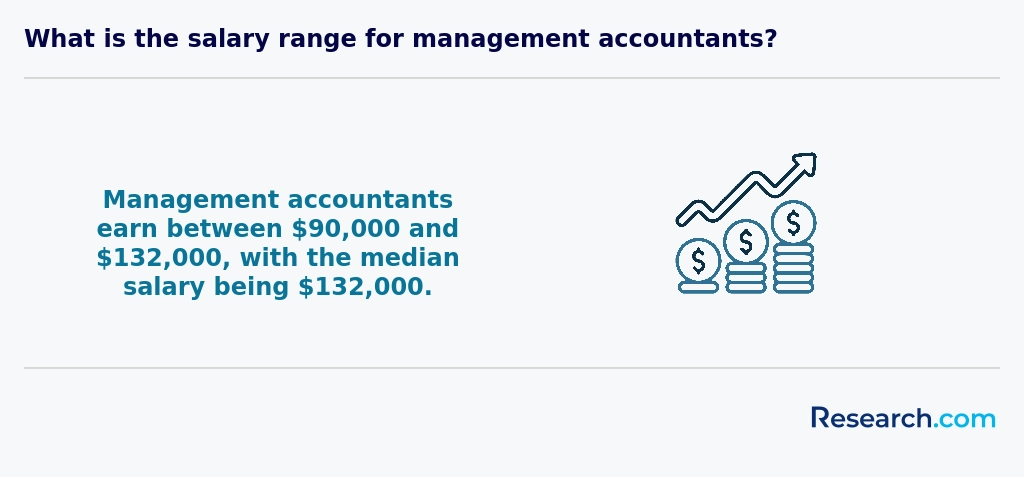
Investing in an Accounting degree requires careful analysis of costs versus long-term earnings. In New Orleans, the average in-state public tuition of $6,892 per year yields a mean starting salary of approximately $55,000 to $65,000 for entry-level roles. Considering living expenses and fees, graduates typically recoup their tuition investment within 3 to 4 years of full-time employment. Over a 30-year career span, accounting professionals can expect lifetime earnings that exceed $2 million, underscoring the strong return potential of this credential. Beyond financial metrics, non-monetary benefits such as professional networking, internship placements, and CPA exam pass rates contribute significantly to ROI. For example, graduates from Tulane University and the University of New Orleans report that career services support reduces job search duration by up to 50%, accelerating the transition from student to salaried professional. Additionally, specialized tracks like forensic accounting or management accounting can command salary premiums of 5%–10% compared to generalist roles. Prospective students should also benchmark affordability and outcomes against other regions. If you’re exploring cost-effective alternatives, consider our Inexpensive Accounting Degree Programs Ranking in District of Columbia, which highlights institutions with even lower tuition and comparable career services. By weighing tuition, expected salary growth, and program support, students can maximize both their educational investment and career trajectory in accounting.
Graduates from the University of New Orleans often cherish the vibrant campus life and hands-on interaction they experienced in on-campus accounting programs. They describe the energized classroom discussions and accessible professors as key to deepening their understanding, which can be especially motivating when tackling complex topics like auditing or taxation. In contrast, alumni from online programs highlight the flexibility that allowed them to balance work and family while progressing through asynchronous courses at their own pace-an invaluable advantage in today's fast-evolving job market.
Looking ahead, New Orleans accounting students might see hybrid models emerge, blending the best of both worlds: the community and resources of Tulane University's campus with the convenience of remote learning. Imagine a student logging into a live lecture from home, then joining small on-campus workshops for networking and career support. This evolution could bridge the gap between personalized mentorship and adaptable schedules, making accounting education in New Orleans more inclusive and tailored to future professionals' diverse needs.
The average cost of accounting degree in New Orleans typically centers around $23,918 for in-state students, reflecting a more affordable path compared to out-of-state or private tuition rates. Graduates from public universities like the University of New Orleans often recall balancing budgeting with the value of hands-on experience gained during their studies. Many describe their education as a smart investment that keeps future career doors wide open without overwhelming debt. Tuition fees for a full bachelor's degree at public schools generally top out near $36,555 for out-of-state students, but in-state residents benefit from significant savings, creating an encouraging prospect for local learners.
Community colleges such as Delgado offer even more accessible options, with associate degrees costing between $7,000 and $10,000 total, allowing students to build foundational knowledge before transferring. Graduates share how starting at these schools made the pursuit of their accounting careers feel less daunting financially and more achievable personally. Such pathways highlight the varied tuition environment in New Orleans, suiting different financial situations and ambitions.
When considering total tuition and fees for accounting degree New Orleans candidates should also factor in costs like books and certification exam fees, which add to the commitment but contribute to future earning potential. Students at private universities often face steep rates nearing $240,000, yet many find scholarships and financial aid alleviate the pressure, offering hope and accessibility.
For those curious about budget-friendly options, exploring the cheapest accounting school in louisiana can reveal valuable opportunities to pursue an accounting degree without sacrificing quality or career readiness.
After earning an accounting degree in New Orleans, LA, many graduates elevate their professional profile by obtaining industry-recognized certifications. These credentials not only validate technical expertise but also open doors to specialized roles and higher salary brackets. Key certification options include:
- Certified Public Accountant (CPA): Widely regarded as the gold standard, this license requires 150 semester hours of education, passing all four sections of the Uniform CPA Exam, and meeting Louisiana’s one‐year supervised experience requirement.
- Certified Management Accountant (CMA): Offered by the Institute of Management Accountants (IMA), the CMA credential focuses on financial planning, analysis, control, and decision support-ideal for those pursuing corporate finance careers.
- Certified Internal Auditor (CIA): Administered by the Institute of Internal Auditors (IIA), the CIA designation emphasizes risk management, governance, and internal audit practices, positioning holders for internal audit leadership roles.
- Certified Fraud Examiner (CFE): Forensics specialists often pursue the Association of Certified Fraud Examiners’ CFE credential, which hones skills in fraud detection, investigation techniques, and legal elements of fraud.
- Bookkeeping Certificate: Aspiring specialists in financial recordkeeping and payroll processing may explore the best bookkeeper certification programs, gaining proficiency in QuickBooks, Excel, and foundational accounting principles. By strategically selecting certifications aligned with their career goals-whether public accounting, corporate finance, audit, or fraud investigation-graduates in New Orleans can differentiate themselves in a competitive job market, expand their professional network, and command more lucrative compensation packages.
Accounting students in New Orleans often find relief through a mix of federal, state, and institutional financial aid that makes the cost of programs at Tulane University or the University of New Orleans more manageable. Graduates commonly recall how federal Pell Grants, providing up to $7,395 yearly, were vital in offsetting tuition, especially for those attending public schools in the city. The flexibility of Direct Subsidized and Unsubsidized Loans also eased their financial burden while allowing focus on studies.
State-specific programs like the Louisiana Go Grant have been game-changers for local students with limited family incomes, opening doors at community colleges downtown. Many remember receiving merit scholarships aimed at rewarding strong academic performance, fueling motivation. Beyond traditional sources, scholarships from groups like the New Orleans CPA Society and employer tuition assistance programs have increasingly supported working students balancing jobs and classes.
Looking ahead, accounting students in New Orleans might benefit from enhanced personalized financial counseling and innovative aid blending these options, reflecting an optimistic future where access and affordability continue to improve.
As the accounting landscape evolves, graduates and current students in New Orleans are encountering exciting technological innovations and market shifts that are redefining the profession. Digital transformation is at the heart of this change as cloud-based accounting software, artificial intelligence, and blockchain technology increasingly streamline processes and improve financial accuracy. These emerging trends not only enhance operational efficiency but also open new avenues for strategic decision-making. Key industry shifts include:
- Enhanced Automation: Automation is replacing routine data entry and reconciliation tasks, enabling accounting professionals to focus on strategic analysis and advisory roles.
- Big Data Analytics: With the growing availability of real-time financial data, accountants are expected to provide deeper insights and predictive analytics, a trend that is reshaping decision-making processes.
- Cybersecurity Emphasis: As digital systems become more integrated, securing sensitive financial data has become paramount, prompting a demand for professionals with expertise in both accounting and IT security.
- Continued Demand for Specialized Education: Amid these transformations, advanced degrees are becoming increasingly relevant. For those considering further education, exploring how much is a masters in accounting can provide valuable insights into the potential benefits and opportunities of specializing in this dynamic field. By staying informed about these trends and adapting to technological advancements, accounting graduates in New Orleans can position themselves at the forefront of a rapidly evolving profession. Embracing ongoing learning and professional development is essential to capitalize on the myriad opportunities that the future holds.
Enrolling in an accounting degree program in New Orleans often starts with having a high school diploma or GED, which graduates from local universities like the University of New Orleans recall as an essential first step. Many students emphasize how a solid math foundation helped them confidently tackle coursework, reflecting the common prerequisite of strong quantitative skills. Prospective students typically need a GPA of 2.5 or higher, though competitive programs around the city may expect even stronger academic records.
Standardized testing, while increasingly optional at New Orleans colleges post-2020, remains a positive factor. Graduates share how submitting SAT or ACT scores above 1000 or 20, respectively, boosted their applications, signaling readiness for rigorous accounting studies. Looking ahead, universities such as Loyola University New Orleans blend traditional requirements with emerging trends like prior work experience or completed business courses, helping applicants stand out in an evolving admissions landscape.
When exploring accounting degree programs in New Orleans, LA, one crucial aspect to consider is the cost and affordability of these programs. Prospective students often find themselves weighing the benefits of different institutions against the potential financial burden. For those seeking a more affordable option, researching the cheapest accounting school in louisiana can be a strategic move. This approach allows students to balance their desire for quality education with the need for financial prudence, ultimately making informed decisions about their educational paths and future careers in accounting. By considering affordability alongside other factors such as accreditation, curriculum, and career support services, students can navigate the complex landscape of accounting education in New Orleans, LA, with greater ease and confidence.
Accounting degrees in New Orleans commonly include courses essential for mastering both fundamental and advanced accounting practices. Graduates from well-known local institutions often share how core subjects like financial and managerial accounting laid a solid foundation for real-world problem solving, from managing small business finances in the French Quarter to working in corporate offices downtown.
Students typically advance into auditing, taxation, and accounting information systems classes, which prepare them to handle complex compliance and reporting issues. Many recall hands-on projects involving QuickBooks or SAP software, which boosted their confidence to jump straight into competitive New Orleans firms.
The curriculum usually features business law, economics, finance, statistics, and ethics, helping students appreciate the regulatory and economic environment unique to Louisiana. Electives focusing on maritime and energy sectors reflect the city's economic strengths, inspiring students who dream of supporting the Port of New Orleans or local energy companies.
Overall, these programs combine technical rigor with local industry knowledge, creating an engaging, practical learning experience that students find both exciting and reassuring as they look toward their future careers.
Accounting degree programs in New Orleans commonly offer specializations such as Financial Accounting, Taxation, Auditing and Assurance Services, Managerial Accounting, and Forensic Accounting. Graduates from local universities often share how focusing on Financial Accounting helped them confidently navigate corporate finance roles or auditing positions within the city's diverse economic landscape. The specialization in Taxation is particularly relevant in New Orleans due to its unique business environment, where students learn practical tax planning skills preparing them for consultancy roles or governmental positions.
Those pursuing auditing or managerial accounting concentrations find themselves well-prepared to contribute to the region's thriving small businesses, benefiting from real-world projects at popular colleges. Forensic Accounting is emerging rapidly as an exciting field for those passionate about combating financial fraud, reflecting broader trends in specialized accounting education. Exploring the best accounting concentration options New Orleans has to offer ensures alignment with local career opportunities and emerging market demands.
Many students also consider how much is a masters in accounting by looking into programs that integrate CPA exam preparation with these specializations, providing a clear path to certification and professional growth.
Choosing the best accounting degree in New Orleans means looking beyond just tuition costs and program length. Graduates from popular local universities often highlight the value of AACSB accreditation, which assures a high standard and boosts employability in this competitive field. With the rise of flexible scheduling, many programs now provide evening and online classes, allowing students to balance work and studies while gaining relevant skills.
Considering affordable accounting schools New Orleans offers, public universities provide dependable tuition rates with strong local employer networks, which recent graduates found helpful for internships and job placement. The growing digital economy in New Orleans pushes programs to align curricula with CPA exam requirements and emerging technologies, ensuring students stay ahead in their careers.
Another factor influencing students' decisions is the support system available; faculty expertise and career counseling often make a notable difference in confidence and readiness. For those interested in practical accounting career paths, exploring the best bookkeeper certification helps complement degree studies and opens further job opportunities in the city's thriving finance sector.
Graduates pursuing an accounting degree in New Orleans often find themselves drawn to diverse career paths shaped by the city's vibrant economy. Those who studied at well-known institutions like the University of New Orleans often share stories of landing roles in public accounting firms, where tasks range from auditing to tax preparation. This route is popular due to the city's strong presence of both national and boutique firms, making job prospects for accounting graduates New Orleans particularly promising.
Some graduates explore corporate financial management within local businesses or nonprofits, focusing on internal audits, budgeting, and financial reporting. These roles frequently serve as springboards to leadership positions, sparking excitement about long-term career growth. Additionally, government accounting attracts others interested in stable careers overseeing public funds, especially as Louisiana emphasizes compliance and transparency.
Looking ahead, specialized areas like forensic and environmental accounting promise thrilling opportunities. For instance, forensic accounting graduates become key players in fraud prevention across New Orleans' bustling tourism sector. Considering both career paths and educational costs, students might explore the Inexpensive Accounting Degree Programs Ranking in District of Columbia to gauge financial options before committing.
The accounting job market in New Orleans is vibrant and steadily expanding, offering diverse roles across industries such as energy, tourism, and healthcare. Graduates from popular local universities often find themselves stepping into positions like staff accountants or financial analysts with enthusiasm, encouraged by the region's 8% projected growth rate for accountants. These opportunities reflect a community that values accounting expertise to support its dynamic economy.
New Orleans accounting degree employment outlook includes entry-level salaries from $50,000 to $60,000, giving graduates confidence as they start their careers. Many express satisfaction with local employers' recognition of their education, whether they've studied traditional programs or sought out accelerating paths offered through options like the best accelerated associates degree.
Graduates appreciate networking opportunities through regional professional organizations, which amplify career progression and make it easier to transition into specialized roles such as tax preparation or internal accounting within maritime sectors. The evolving job market in New Orleans offers not only steady growth but also a promising horizon for accounting professionals seeking stability and advancement.
2027 Best Accounting Degree Programs Ranking in New Orleans
Investing in your education is a significant decision that can shape your future, and the Research.com team understands the importance of making informed choices. To assist prospective students in New Orleans, we have meticulously developed the "2027 Best Accounting Degree Programs Ranking in New Orleans." Our commitment to quality, credibility, and accuracy is reflected in the thorough research and analysis applied to create this ranking.
We utilized the following reputable data sources to ensure a comprehensive evaluation of accounting programs:
By exploring this ranking, readers will gain valuable insights into the top accounting degree programs available in New Orleans, empowering them to make well-informed decisions about their educational and professional futures. For more details on our methodology, please visit our Research.com methodology page.


Frequently Asked Questions About accounting
Accounting degree students in New Orleans can maximize their learning experience by engaging with the city's unique economic landscape. New Orleans hosts a variety of industries requiring strong accounting skills, including tourism, healthcare, and energy. This diversity allows students to seek internships aligned with real-world business challenges. According to the Louisiana Board of Accountancy, local internships enhance job placement rates, which exceed 75% within six months of graduation for many regional institutions.
Students should also consider participating in professional organizations such as the New Orleans chapter of the American Institute of CPAs. Networking events and workshops help develop practical skills beyond classroom theories. Additionally, taking advantage of research resources at universities and local libraries supports deeper understanding of tax law and auditing standards relevant to Louisiana's regulatory environment.
The accounting field is evolving with several emerging niches gaining prominence in New Orleans and across the United States. One growing area is forensic accounting, which involves investigating financial fraud and is increasingly important given the rise in cybercrime. According to the Bureau of Labor Statistics, jobs in this specialty are expected to grow faster than average through 2030.
Another niche is environmental accounting, where professionals help businesses track and report environmental costs, an area gaining attention due to stricter regulations and sustainability efforts.
Additionally, technology-driven roles such as accounting information systems specialists and data analysts are expanding, reflecting the increasing use of artificial intelligence and blockchain in finance.
Local New Orleans institutions emphasize these specialties in their curricula to prepare graduates for future demands in the regional job market.
After completing an accounting degree in New Orleans, preparing for the job market involves several strategic steps. First, obtaining relevant certifications such as the CPA (Certified Public Accountant) can significantly improve job prospects. Louisiana requires applicants to complete 150 semester hours and pass the CPA exam to become licensed. Networking is also essential; local organizations like the New Orleans Chapter of the American Institute of CPAs offer events that connect graduates with employers.
Gaining practical experience through internships or entry-level roles is invaluable. The regional economy, with strong sectors in finance, hospitality, and energy, provides diverse opportunities for accountants.
Additionally, graduates should develop proficiency in accounting software commonly used in the industry, such as QuickBooks and SAP. According to the U.S. Bureau of Labor Statistics, employment for accountants in Louisiana is expected to grow about 5% through 2030, supporting positive job prospects.
Employers in New Orleans value accounting graduates who demonstrate strong analytical skills and proficiency in financial software such as QuickBooks and Microsoft Excel. According to the Louisiana Workforce Commission, candidates with knowledge of local tax regulations and compliance standards have an advantage in the job market.
Communication skills are also essential, as accountants often need to explain complex financial information to clients or management. Attention to detail remains a critical skill, reducing errors in financial reporting.
Additionally, familiarity with Generally Accepted Accounting Principles (GAAP) and the ability to adapt to evolving regulations are highly sought after by employers in the region.
Finding internships in New Orleans for accounting students involves utilizing multiple resources to connect with local employers. Universities such as Tulane and the University of New Orleans offer career centers that maintain internship listings and sponsor job fairs specifically for accounting and finance students. These centers often collaborate with regional firms, including the many accounting practices located in the city's Central Business District.
The New Orleans job market benefits from a strong presence of industries like finance, hospitality, and energy, increasing internship opportunities in accounting. Students should also explore professional organizations such as the Louisiana Society of CPAs, which provides networking events and internship postings.
Online platforms like Handshake and LinkedIn are valuable tools for finding accounting internships, especially when combined with direct applications to local firms. Building relationships through informational interviews and faculty recommendations can significantly improve chances of securing relevant positions in 2027.
An accounting degree in New Orleans significantly boosts career mobility and advancement opportunities. The city's diverse economy, anchored by finance, healthcare, and maritime industries, creates steady demand for qualified accountants. According to the U.S. Bureau of Labor Statistics, the metropolitan area expects a 7% growth in accounting jobs through 2031, reflecting regional economic expansion.
Graduates with accounting degrees often access roles such as staff accountant, auditor, and tax specialist, leading to managerial and executive positions over time. Certifications like CPA, commonly pursued alongside degrees, further enhance promotion prospects and salary potential.
Local networking and internships offered by New Orleans universities provide valuable professional connections, increasing chances for career progression within both local firms and national companies operating in the area.
Studying for an accounting degree in New Orleans offers strong preparation for interdisciplinary roles by combining core accounting skills with exposure to related fields. Local programs often integrate coursework in finance, economics, business law, and information systems, reflecting the diverse needs of the regional job market.
New Orleans' unique economy, including its focus on maritime trade and tourism, encourages accounting students to develop skills applicable in various industries. According to the Bureau of Labor Statistics, the area sees growing demand for professionals who understand both accounting principles and business operations.
Many institutions collaborate with local businesses, providing internships that build practical experience in areas like data analysis and regulatory compliance. Such opportunities help students apply accounting knowledge in cross-functional teams and adapt to evolving workplace challenges.
Choosing between a thesis and a non-thesis accounting degree program in New Orleans depends on your career goals and learning preferences. Thesis programs emphasize research, requiring students to conduct original studies, which can prepare you for roles in academia or specialized fields. Non-thesis programs focus more on coursework and practical skills, appealing to those aiming for immediate employment in accounting firms or business settings.
In New Orleans, universities often offer both options, with thesis paths typically lasting longer due to research commitments. According to the Louisiana Board of Regents, accounting graduates from thesis tracks have a higher likelihood of entering doctoral programs or research roles, while non-thesis graduates report quicker job placement in the local job market.
Consider also workload and personal interests: if you enjoy independent research, a thesis might suit you; if you prefer applied knowledge and certification preparation, non-thesis is often recommended.
Students based in New Orleans interested in studying accounting abroad have several pathways to consider within the US higher education framework. Many universities in Louisiana, including Tulane University and the University of New Orleans, offer study abroad programs with partner institutions worldwide. These programs typically allow accounting students to earn credits taking courses in countries like the UK, Australia, and Spain.
Additionally, the exchange programs provide exposure to international accounting standards, which are increasingly important in a global economy. According to NAFSA: Association of International Educators, about 1.5% of US accounting students opt for study abroad opportunities each year, expanding their professional credentials and cultural awareness.
Students should also explore summer programs or internships in global financial centers, as these options often complement traditional coursework and enhance job prospects in firms operating internationally.
In New Orleans, part-time jobs that complement an accounting degree often involve roles in bookkeeping, tax preparation, and financial analysis. These positions provide practical experience with accounting software and financial regulations relevant to Louisiana's business environment. Local accounting firms and small businesses frequently offer internships or part-time roles, allowing students to develop skills in real-world settings.
Additionally, the city's diverse economy, including tourism and hospitality, creates opportunities for payroll and budget assistant positions. According to the Bureau of Labor Statistics, financial clerks in the New Orleans metropolitan area earn a median hourly wage of around $19, highlighting viable earnings for students.
Accounting students in New Orleans benefit from a variety of networking opportunities that connect them to local professionals and firms. The city hosts active chapters of organizations like the American Institute of Certified Public Accountants (AICPA) and the Louisiana Society of CPAs, which regularly hold events and seminars. Tulane University and the University of New Orleans also offer career fairs and alumni networking specifically for accounting majors.
Additionally, New Orleans' strong business community, including a growing finance and service sector, creates internship and mentorship prospects. According to the Bureau of Labor Statistics, the metropolitan area employs over 6,500 accountants, making it an ideal location to build professional relationships early in one's career.
Alumni networks offer valuable advantages for accounting degree students in New Orleans by connecting them to a broad group of former graduates who are often working in the local finance and accounting sectors. These connections can provide mentoring, internship opportunities, and job referrals, which are crucial in the competitive New Orleans job market. According to the Louisiana Board of Accountancy, collaboration among certified public accountants in the region highlights the importance of professional networks for career advancement. Additionally, some universities in New Orleans host regular networking events where students meet alumni, helping students build relationships that may lead to employment.
Customizing an accounting degree program in New Orleans involves selecting courses and specializations that align with your career objectives. Many institutions offer concentrations such as forensic accounting, tax accounting, or auditing, allowing students to focus on areas with growing local demand. For example, tax and audit services are essential in New Orleans' vibrant business community, including its large hospitality and oil industries.
Students can also pursue internships or cooperative education programs with local accounting firms or businesses, gaining practical experience. Furthermore, elective courses in finance, business law, or information systems help broaden skills relevant for certifications like CPA or CMA, which are highly regarded in Louisiana's job market.
Advisors at New Orleans colleges often assist in tailoring degree plans to meet both academic requirements and individual goals, ensuring students remain competitive in the regional accounting industry.
Accounting students in New Orleans face several challenges typical of the US higher education system, along with some unique local factors. Many students struggle with balancing rigorous coursework alongside part-time work, especially in a city where living costs have increased by 5.8% over the past year, according to the U.S. Bureau of Labor Statistics.
The complexity of tax laws and regulations, which vary between Louisiana and federal levels, often requires additional study, making accounting concepts harder to master. Additionally, limited internship opportunities in the local market, compared to larger metro areas, can impact practical learning and networking.
Another challenge is preparing for the CPA exam. Pass rates in Louisiana lag slightly behind the national average, with around 45% success on the first attempt per data from the National Association of State Boards of Accountancy. This adds pressure on students to dedicate resources toward exam readiness.
With an accounting degree in New Orleans, several professional certifications become accessible, significantly enhancing career opportunities. The most recognized certification is the Certified Public Accountant (CPA), which requires passing a rigorous exam and fulfilling education and experience criteria, often including 150 semester hours. Louisiana's Board of CPAs regulates this process locally.
Other valuable credentials include the Certified Management Accountant (CMA) and Certified Internal Auditor (CIA). Both focus on specialized knowledge in financial management and internal auditing respectively, appealing to firms in New Orleans' diverse economic sectors.
These certifications can boost earning potential; for example, CPAs in Louisiana earn an average of 15% more than non-certified accountants, according to the Bureau of Labor Statistics.
Applying to an accounting degree program in New Orleans requires a clear, well-organized application that reflects both academic readiness and genuine interest in the field. Start by highlighting a strong foundation in mathematics and business-related courses, as many local programs, such as those at Loyola University New Orleans, value quantitative skills.
In your personal statement, emphasize any relevant work experience or internships in accounting or finance. Programs often seek candidates who demonstrate practical understanding alongside academic achievement.
Maintaining a competitive GPA is crucial; according to the National Center for Education Statistics, the average undergraduate GPA for business majors in Louisiana hovers around 3.0.
Lastly, submit all required documents promptly, including letters of recommendation and standardized test scores, if applicable, while tailoring your application to reflect New Orleans' unique economic environment, including its strong presence of industries like energy and port logistics that rely heavily on accounting expertise.
Accounting careers offer significant global opportunities due to the universal need for financial transparency and compliance. In the United States, including New Orleans, accounting professionals can expect steady job growth. The U.S. Bureau of Labor Statistics forecasts a 7% increase in employment for accountants and auditors from 2022 to 2032, aligning with national economic expansion.
New Orleans benefits from its growing business sector, including tourism and energy industries, which drives demand for accounting expertise. Additionally, firms increasingly require accountants versed in international standards like IFRS as global business networks expand.
Students pursuing accounting degrees in New Orleans can gain a competitive edge by understanding global financial regulations and cross-border tax issues, important skills as multinational corporations continue to operate in the area.
Gaining practical experience while studying for an accounting degree in New Orleans is essential for career readiness. Many local universities encourage internships with regional firms, nonprofits, and government agencies. These opportunities allow students to apply classroom knowledge to real-world situations and build professional networks. According to the Louisiana Workforce Commission, the New Orleans metropolitan area has a growing demand for accounting professionals, with a 5% job growth projected by 2028.
Students can also engage in campus accounting clubs, participate in case competitions, or seek part-time roles in bookkeeping or tax preparation. These activities provide hands-on skills and improve employability after graduation.
Choosing the right concentration within an accounting degree program in New Orleans depends on your career goals and interests. Common specializations include auditing, tax accounting, forensic accounting, and managerial accounting. Research local job market demands; for instance, tax accounting is in growth due to New Orleans' thriving small business sector, according to the Louisiana Workforce Commission.
Evaluate programs that offer hands-on experience or internships with New Orleans firms, improving job prospects locally. Accreditation is important-ensure the program is recognized by AACSB or ACBSP to meet industry standards. Also, consider alignments with CPA exam requirements, as Louisiana requires 150 credit hours including specific core courses.
Speak with advisors and local accountants to understand which concentrations align with emerging industries like hospitality and energy in the region.
- 2027 Best Accounting Degree Programs Ranking in Jackson
- 2027 Best Accounting Degree Programs Ranking in Montgomery
- 2027 Best Accounting Degree Programs Ranking in Birmingham
- 2027 Best Accounting Degree Programs Ranking in Houston
- 2027 Best Accounting Degree Programs Ranking in Memphis
- 2027 Best Accounting Degree Programs Ranking in Huntsville
- 2027 Best Accounting Degree Programs Ranking in Conway
- 2027 Best Accounting Degree Programs Ranking in Atlanta
- 2027 Best Accounting Degree Programs Ranking in Dallas
- 2027 Best Accounting Degree Programs Ranking in Nashville
See What Experts Have To Say About Studying Accounting
Read our interview with Accounting experts

Yaw M. Mensah
Accounting Expert
Professor and Interim Vice Dean for Strategic Partnerships
Rutgers Business School

John Wermert, Ph.D., CPA
Accounting Expert
Associate Professor of Accounting
Middle Tennessee State University

- Accounting Scholarships and Grants | Accounting.com https://www.accounting.com/resources/financial-aid/
- 5 accounting certifications without a degree | Becker https://www.becker.com/blog/career/5-accounting-certifications-you-can-earn-without-a-degree
- Accounting Work Experience in London | Guaranteed work experience https://www.kbmtr.co.uk/accounting-work-experience.php
- The Diverse Skills you Gain with an Accounting Degree https://www.accounting-education.org/blog/accounting-degree-diverse-skills/
- Mastering the Art of Networking: A Guide for Accounting Students https://www.wscpa.org/blog/607cb669-8d98-427e-8c9b-06129d9297e8:mastering-the-art-of-networking-a-guide-for-accounting-students
- Get Ahead in Accounting: Ways to Build Relevant Work Experience https://www.fctraining.org/gain-accounting-work-experience.php
- Accounting | LSU New Orleans https://www.lsuneworleans.edu/academics/coba/accounting
- 6 Master’s in Accounting Careers https://freemannews.tulane.edu/2025/04/25/6-masters-in-accounting-careers
- How Is Accounting Higher Education Preparing the Future ... https://run.unl.pt/bitstreams/00df48b8-e024-4711-a8e3-529769165df8/download
- Challenges Faced by Accounting Students https://www.onlineassignment-expert.com/blog/what-are-the-challenges-faced-by-accounting-students