2027 Best Online Master's in Organizational Leadership With Executive Leadership Tracks

Co-Founder and Chief Data Scientist
Many professionals with degrees outside of business or management face challenges advancing into leadership roles without formal training in organizational leadership. Juggling work, family, and personal commitments often limits opportunities to pursue traditional graduate programs, creating a barrier to gaining essential executive skills. This gap can stall career growth, especially when aiming for executive leadership positions that demand strategic decision-making and team management expertise. This article explores the best online master's programs focused on organizational leadership with executive leadership tracks, highlighting flexible, accredited options designed to help working professionals pivot effectively into leadership careers.
Key Things You Should Know
- Online master's programs in organizational leadership with executive leadership tracks prioritize strategic decision-making, change management, and advanced leadership skills tailored for mid- to senior-level professionals.
- Most programs offer flexible, asynchronous coursework designed for working adults, with average completion times ranging from 18 to 24 months and graduation rates exceeding 70% in top schools.
- The Bureau of Labor Statistics projects a 9% growth in management occupations through 2032, highlighting the increasing demand for graduates with executive leadership expertise in organizational contexts.
What is an online master's in organizational leadership with an executive leadership track?
An online master's in organizational leadership with an executive leadership track combines foundational leadership theories with specialized training in executive decision-making, strategic planning, and organizational change management. This executive leadership track in online organizational leadership programs emphasizes skills like executive communication, ethics, and addressing global leadership challenges. Coursework often covers crisis management, negotiation tactics, and finance for executives, helping prepare students for senior roles such as C-suite positions.
Students benefit from flexible online formats that support working professionals through asynchronous study options. Admission typically requires a bachelor's degree and professional experience. Many programs integrate real-world case studies and leadership simulations, building practical skills for managing large teams and shaping corporate culture.
Graduates frequently pursue careers as chief executive officers, directors, or senior managers across sectors like healthcare, education, government, and corporate enterprises. The demand for advanced leadership roles is reflected by the U.S. Bureau of Labor Statistics projecting 5% growth in management occupations with around 1.2 million job openings annually.
Those interested in advancing beyond a master's can explore options such as a PhD leadership online to deepen expertise and leadership impact further.
How do online executive leadership master's programs compare to traditional on-campus options?
Online executive leadership master's programs differ from traditional campuses primarily in flexibility, accessibility, and delivery methods, while maintaining rigorous academic standards. Online programs suit professionals balancing career responsibilities, offering asynchronous coursework and virtual collaboration, which works well for those who need schedule flexibility. This flexibility is a key benefit of executive leadership degrees online in the United States, allowing students to earn degrees without relocating or pausing their careers.
Traditional programs typically emphasize in-person interaction, networking events, and live discussions that foster immediate feedback and relationship-building. However, many online options now integrate live sessions, mentorship, and cohort models to replicate this engagement remotely. Accredited online degrees are increasingly recognized as equivalent to campus credentials when curricula align with industry standards.
Students choosing between formats should consider learning preferences and career demands. Some may prefer hybrid or campus environments for immersion and face-to-face interaction, while others benefit from fully online options. Candidates should assess program content, faculty credentials, and alumni success rather than format alone. Executive leadership tracks often lead to roles like training and development managers, earning more than $159,840 annually, reflecting the value of specialized leadership education.
Key factors to compare include:
- Program accreditation and faculty credentials
- Opportunities for applied leadership projects
- Access to networking within industries or alumni networks
- Support services for career development and advising
Those exploring options may also consider an online bachelor's in construction management as a related pathway combining leadership and industry skills.
Which accredited schools offer the best online master's in organizational leadership for executives?
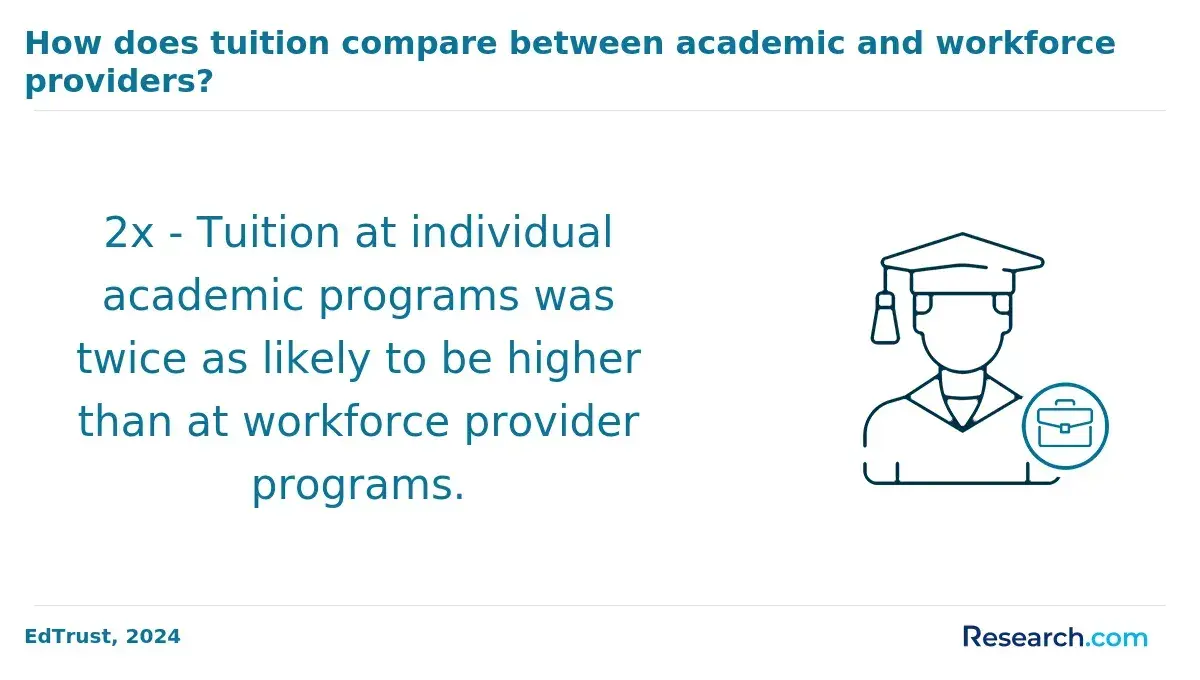
Arizona State University Online is a leading option for executives pursuing the best accredited online master's in organizational leadership for executives. Its graduates report median earnings of $135,798 three years post-graduation, the highest among ranked programs, highlighting the program's impact on career advancement and leadership roles.
Other reputable schools offering top online executive leadership master's programs in organizational leadership include Northeastern University, Pepperdine University, and Regent University. These programs deliver advanced coursework focused on strategic decision-making, leadership ethics, and organizational change. Northeastern's flexible schedule notably supports working professionals balancing demanding careers.
Key factors for executives selecting a program include:
- Accreditation by regional bodies to ensure quality and financial aid eligibility.
- Curriculum relevance incorporating essential executive leadership skills like financial acumen and conflict resolution.
- Networking opportunities through cohorts or alumni in leadership to boost career growth.
- Program format options such as fully online or hybrid with asynchronous classes fitting busy schedules.
Given executives' focus on return on investment, salary outcomes and career services should be prioritized. ASU's strong results confirm these benefits. Prospective students may also explore related options such as the fastest online project management degree programs to complement leadership goals.
What admissions requirements and professional experience do executive leadership master's programs expect?
Executive leadership master's admissions criteria generally require a bachelor's degree from an accredited institution, often with preference for business, management, or related fields. Applicants must submit transcripts, letters of recommendation, a resume or CV, and a statement of purpose that highlights their leadership experience and career goals. Standardized test scores such as the GRE or GMAT may be optional or waived depending on professional experience or prior graduate coursework.
Professional experience requirements for executive leadership programs typically demand at least five years of full-time management or leadership roles. These roles frequently emphasize strategic decision-making, team leadership, and organizational development. Some programs may specifically require applicants to hold executive-level positions or demonstrate significant tenure in leadership roles.
Successful candidates should be prepared to showcase skills in communication, critical thinking, and problem-solving, which are essential for advanced leadership positions. Relevant experience might include leading cross-functional teams, managing budgets, or spearheading organizational change initiatives.
These criteria align with career outcomes. According to the U.S. Bureau of Labor Statistics, top executives earn a median annual wage of $103,840, exceeding the $87,660 median for all management occupations. Projected job growth for top executives is 5% from 2022 to 2032, matching growth rates for management roles overall and highlighting the value of focused executive education.
For those interested in related fields, exploring options such as an online masters in healthcare management can provide alternative pathways to leadership roles.
What courses and concentrations are typical in executive-focused organizational leadership curricula?
Executive-level organizational leadership programs combine core coursework in leadership theories, strategic management, and ethical decision-making with specialized tracks tailored for advanced roles. Core subjects often include Organizational Behavior, Change Management, Leadership Communication, and Financial Acumen for Leaders. These courses develop essential skills in team influence, project management, and understanding organizational culture.
Popular concentrations focus on challenges across industries and roles, such as:
- Executive Leadership and Strategy, covering corporate governance and innovation.
- Human Capital Management, emphasizing talent development and diversity.
- Healthcare Leadership, addressing regulatory and patient care management.
- Project and Operations Leadership, including supply chain and technology integration.
- Nonprofit and Public Sector Leadership, focusing on public policy and community engagement.
Programs use case studies, simulations, and executive coaching to sharpen decision-making under pressure. A capstone or applied research project often highlights real-world problem solving.
Financially, the median annual tuition for online master's in organizational leadership programs was $9,528, with alumni median earnings three years post-graduation at $93,796, reflecting a solid return on investment, according to OnlineU's report. Prospective students should consider these financial and curricular factors alongside delivery methods to find a program suited to their career goals.
How long do online organizational leadership master's programs take and how are they structured?
Online organizational leadership master's programs generally take between 18 and 36 months to complete, with full-time students finishing in about two years and part-time students, often working professionals, taking closer to three years. Accelerated programs or those granting prior learning credits can reduce the timeline to 12 to 15 months.
These programs typically require 30 to 36 credit hours, organized into modular terms such as semesters or quarters. Core courses encompass strategic management, ethics, organizational behavior, and change leadership. Executive leadership tracks enhance this foundation with advanced courses on organizational development, executive decision-making, and communication skills.
Most online formats use asynchronous learning, allowing flexible schedules supplemented by live discussions or virtual group projects to develop practical leadership abilities. Many programs include capstone projects or applied research that demonstrate mastery of executive leadership principles.
Graduates from executive leadership tracks often pursue careers as management analysts, training and development managers, and human resources managers. According to U.S. Bureau of Labor Statistics 2024 occupational projections, these fields are expected to add approximately 283,100 new jobs from 2022 to 2032, highlighting the growing demand for advanced leadership skills across industries.
How much does an online master's in organizational leadership cost and what aid is available?
Online master's degrees in organizational leadership typically cost between $15,000 and $60,000 in total tuition, varying by school and program length. Western Governors University, for example, charges about $7,500 per year, making it more affordable than many private institutions where tuition may exceed $40,000. Public universities generally fall in the $20,000 to $30,000 range for in-state students.
Financial aid options include federal student loans, grants, scholarships, and employer tuition reimbursement programs. Filling out the FAFSA form annually is essential to determine eligibility for need-based aid. Many programs also provide merit-based scholarships, often targeting working professionals or military members.
Employer tuition assistance can significantly reduce costs for those already in leadership roles. It's important to verify if your company offers educational benefits that cover part or all of the tuition. Several schools also offer flexible payment plans to spread costs over the program's duration.
Large online cohorts, like the 49,193 enrollees at Western Governors University's executive leadership track, help maintain lower tuition prices through cost efficiencies in digital delivery models.
When comparing programs, consider factors like residency status, financial aid, and program length to budget effectively and make a master's in organizational leadership more affordable and accessible.
What executive and senior-level careers can an organizational leadership master's support?
An online master's in organizational leadership with executive leadership tracks equips professionals for senior roles across various industries. Graduates often move into positions such as chief operating officer, director of organizational development, senior project manager, and executive consultant. These roles demand strategic decision-making, advanced team leadership, and the capability to lead change in complex organizations.
Career paths supported by this degree include:
- Executive director roles in nonprofit or corporate sectors, focusing on mission alignment and operational efficiency.
- Human resources leadership positions requiring expertise in employee engagement and organizational behavior.
- Senior management roles in healthcare administration, education leadership, or technology firms, with emphasis on organizational culture and innovation.
- Operations and program management positions demanding cross-functional leadership and policy implementation experience.
Most programs, including Brown University's MS in Organizational Leadership, consider at least three years of relevant work experience essential for admission, ensuring students build on practical workplace knowledge. This background allows the curriculum to address real-world leadership challenges effectively.
Graduates enhance skills in communication, ethical leadership, conflict resolution, and strategic growth-key competencies for executive success. For more details on program offerings and outcomes, consult Brown University Graduate Programs 2026 admissions information.
What salary ranges and advancement opportunities can executive leadership graduates expect?
Executive leadership graduates often earn between $90,000 and $160,000 annually, influenced by industry, experience, and location. Those moving into corporate executive roles typically start near $100,000, with median salaries exceeding $140,000 within five to seven years. Educational leadership graduates, such as those featured in Brown University's 2026 program overview, start around $75,000, progressing to over $120,000 as they take on superintendent or district director roles.
Career advancement is varied and promising. Graduates often rise to senior positions like CEO, COO, or vice president. In education, common progressions lead from principals to directors of education or policy consultants. Specialized tracks, including healthcare administration and nonprofit management, further enhance leadership opportunities and salary potential. The upcoming educational leadership track at Brown, enrolling Spring 2027, highlights the growth in targeted leadership skills outside traditional corporate environments.
Success depends on demonstrated leadership, strategic decision-making, and cross-sector experience. Building and maintaining professional networks alongside ongoing development remains vital for reaching six-figure executive roles. Prospective students should consider these career paths and salary ranges to align their education and goals effectively.
How can prospective students evaluate the quality and accreditation of online leadership programs?
Evaluating the quality of online organizational leadership programs begins with verifying accreditation from recognized agencies. Regional accreditation, such as from the Higher Learning Commission or Middle States Commission on Higher Education, ensures a school meets established academic standards. Specialized accreditation, for example by the Accreditation Council for Business Schools and Programs (ACBSP), confirms that leadership and business curricula are relevant and rigorous.
Faculty qualifications are key: programs led by instructors with terminal degrees and executive experience typically offer better instruction. Prospective students should also review program outcomes, including graduation rates, job placement data, and alumni career growth. Management roles, a common career path for graduates, report a median annual wage of $122,190 according to U.S. Bureau of Labor Statistics, highlighting potential financial benefits when paired with credible programs.
Consider course flexibility, delivery methods, and available student support services to ensure fit with personal and professional needs. Accreditation info and quality indicators are usually available on program websites or by request. Be wary of programs without transparent data or recognized accreditation, as these may not yield credentials respected by employers or transferable credits.
For detailed guidance on evaluating programs and career pathways in organizational leadership, trusted resources on research.com help ensure informed decisions.
Other Things You Should Know About Organizational Leadership
Students typically build advanced skills in strategic planning, effective communication, team management, and ethical decision-making. Programs emphasize leadership theories, conflict resolution, and change management, preparing graduates to lead diverse teams and complex organizations. These competencies help leaders drive organizational success and adapt to evolving business environments.
No, a business background is not required to enroll in most organizational leadership master's programs. These programs are designed for professionals from varied fields who seek leadership roles. Coursework often includes foundational business concepts to ensure all students develop essential management knowledge regardless of prior experience.
Many online programs incorporate virtual networking events, discussion forums, and group projects to facilitate peer connections. Some institutions also provide access to alumni networks and professional development resources. These opportunities support career growth and leadership skill development beyond the classroom experience.
References
- Evaluating Online Education: Key Criteria for Genuine E-Learning Platforms https://elqn.org/evaluating-the-quality-of-online-education-key-criteria/
- Is a master's degree in leadership worth it? | edX https://www.edx.org/resources/is-a-masters-in-organizational-leadership-worth-it
- 10 Executive Management Courses to Elevate Your Leadership Skills https://mapconsulting.com/10-executive-management-courses-to-elevate-your-leadership-skills/
- Quality Standards and Accreditation of Distance Education Programs in a Pandemic - OJDLA https://ojdla.com/articles/quality-standards-and-accreditation-of-distance-education-programs-in-a-pandemic
- Eligibility criteria for the Executive MBA https://help.alueducation.com/support/solutions/articles/204000013047-eligibility-criteria-for-the-executive-mba
- Executive MBA - options for working professionals https://www.mbsedu.co.uk/executive-mba-an-in-depth-guide-to-advancing/
- Master's in Organizational Leadership | Columbia College https://www.columbiasc.edu/academics/graduate/masters-organizational-leadership
- Are There Concentrations in Organizational Leadership Degrees? https://claremontlincoln.edu/news-blog/concentrations-org-leadership/
- Ranking of the Best Masters, MS & MBA 2025 https://www.best-masters.com/master-leadership-ranking.html
- What do new grads want from an employer? To start, a salary range https://hrexecutive.com/what-do-new-graduates-want-from-an-employer-to-start-a-salary-range/