2027 Organizational Leadership Concentrations for HR Leadership Careers

Co-Founder and Chief Data Scientist
Many professionals face challenges when attempting to transition into HR leadership roles without a background in organizational leadership. This gap often limits career growth and leadership opportunities in dynamic business environments. Without targeted education, individuals may struggle to acquire the skills that align with evolving HR demands, such as talent management and strategic decision-making. This article explores key organizational leadership concentrations designed to equip learners with essential competencies for HR leadership careers. It highlights flexible, accredited pathways that help working professionals pivot effectively while addressing skill shortages and industry expectations in human resources management.
Key Things You Should Know
- Organizational leadership concentrations for HR leadership in 2026 emphasize strategic HR management, focusing on aligning workforce capabilities with evolving business goals to enhance organizational agility.
- Specializations now often integrate technology and data analytics, with 72% of HR leaders reporting improved decision-making through HR analytics tools in 2025.
- Programs increasingly prioritize diversity, equity, and inclusion leadership, reflecting a 40% rise in organizations adopting DEI initiatives as central to HR strategic planning.
What are the most common organizational leadership concentrations for aspiring HR leaders?
Concentrations in organizational leadership for HR management focus on strategic human resources management, leadership development, and ethical governance, key to driving business alignment and workforce performance. Aspiring leaders learn to foster effective workplace cultures, enhance communication, and improve employee engagement through leadership development and coaching programs.
Change management remains essential, preparing HR professionals to navigate organizational transitions like mergers or restructuring while minimizing productivity loss. Special attention to diversity and inclusion leadership also shapes the future of equitable workplace policies and inclusive cultures, critical to companies prioritizing social responsibility and equity.
Concentrations centered on compensation and benefits strategy teach negotiation, regulatory compliance, and market analysis to optimize employee retention and motivation with competitive pay. Pursuing such specializations can enhance career progression and earning potential, considering the median annual wage for human resources managers reached $140,030 with top earners surpassing $239,200.
Those interested in the top organizational leadership specializations for human resources should seek programs balancing analytical skills, interpersonal abilities, and ethical decision-making. For those exploring advanced options, available resources like online PhD leadership programs offer flexible routes to deep expertise and career advancement.
How does an organizational leadership degree support long-term HR leadership careers?
An organizational leadership degree equips HR professionals with essential skills for long-term career growth in HR with organizational leadership. Graduates gain expertise in strategic planning, conflict resolution, and workforce development, which are critical for managing change and designing effective organizational structures. These competencies enable HR leaders to shape culture and implement performance improvements within complex business environments.
Key competencies built through such programs enable professionals to:
- Lead change management efforts by anticipating workforce impacts and guiding transitions smoothly.
- Develop comprehensive job analyses and compensation strategies aligned with organizational goals.
- Design employee development programs to elevate skills and retain top talent.
- Navigate labor market trends to address talent shortages and optimize recruitment.
According to a Robert Half analysis of BLS data, compensation, benefits, and job analysis specialists had a low unemployment rate of 0.8%, highlighting strong demand for expertise in organizational design and change management. This reinforces the value of specialized skills in ensuring job security and career advancement.
For those seeking practical experience addressing real-world HR challenges, this degree prepares professionals for roles from talent management directors to HR business partners and organizational development consultants. Prospective students may also explore options like an online MBA operations management program to complement their leadership skills and enhance versatility in HR functions.
What HR-focused careers can you pursue with an organizational leadership concentration?
An organizational leadership career paths in human resources offers roles requiring strong management and strategic skills. Key positions include human resources specialist, talent acquisition manager, employee relations manager, and workforce planning analyst. These jobs focus on aligning human capital strategies with organizational objectives, managing recruitment, developing policies, and resolving workplace conflicts.
Human resources specialists act as essential liaisons between employees and management, handling recruitment, compliance, and benefits administration. The U.S. Bureau of Labor Statistics projects an 8% growth in this field from 2023 to 2033, reflecting the increasing importance of talent management and workforce optimization across various industries.
Talent acquisition managers lead recruiting teams to attract and retain top talent, while employee relations managers handle workplace culture, dispute resolution, and compliance with labor laws. Workforce planning analysts combine leadership with data-driven methods to forecast staffing needs and enhance productivity. Pursuing human resources management roles with organizational leadership concentration prepares graduates for these diverse responsibilities.
Career advancement often leads to HR director or chief human resources officer positions focused on strategic decisions. Others may enter consulting to advise organizations on change management and development. Building communication, decision-making, and data analysis skills alongside leadership is essential. For those seeking to expand their knowledge, consider exploring affordable online project management degrees to complement leadership expertise.
What courses and skills are emphasized in HR-oriented organizational leadership concentrations?
HR-oriented organizational leadership concentrations develop key skills for organizational leadership in HR by preparing students to manage diverse workforce challenges and build inclusive work environments. Core courses focus on talent management, conflict resolution, and performance evaluation, providing practical approaches for effective personnel supervision. Advanced topics include organizational behavior theories, employee motivation, and leadership ethics, grounding students in the human dynamics of corporate settings.
Programs emphasize Diversity, Equity, Inclusion, and Belonging (DEIB) leadership to tackle systemic barriers within organizations. A global survey highlighted that 86% of HR leaders see career paths unclear for many employees, pointing to equity challenges in advancement opportunities. This data highlights the importance of transparent promotion criteria and inclusion strategies featured in these programs.
Students gain data-driven decision-making skills to analyze workforce metrics and identify obstacles to inclusion or engagement. Concentrations often stress cultural competence, bias recognition, and change management, helping learners create equitable organizational policies. Simulation exercises and case studies build negotiation and coaching abilities vital for employee development and retention.
Examples of courses include:
- Organizational Behavior and Leadership
- Human Resource Development
- DEIB Strategy and Policy
- Employee Relations and Conflict Management
- Workforce Analytics and Decision Making
These human resources leadership development programs equip graduates to design initiatives that clarify career pathways and foster fair treatment within diverse teams. For those interested in related fields, consider exploring a hospitality degree online as another career avenue.
How do online organizational leadership programs for HR compare with campus-based options?
Online organizational leadership programs for HR offer flexibility that suits working professionals managing careers alongside education. These programs usually feature asynchronous coursework, allowing students to complete assignments at their own pace. In contrast, campus-based options provide scheduled classes and face-to-face interaction, fostering soft skills through in-person team projects and workshops.
Technology in online programs supports collaboration with tools like discussion boards and video meetings, simulating classroom engagement. However, campus experiences enhance networking opportunities and immediate faculty access, valuable for early-career professionals.
Cost and accessibility also vary between the two formats: online programs often reduce expenses related to commuting and housing, making them accessible nationally or internationally. Campus programs, though generally more expensive, may include benefits such as career services, local internships, and live leadership labs.
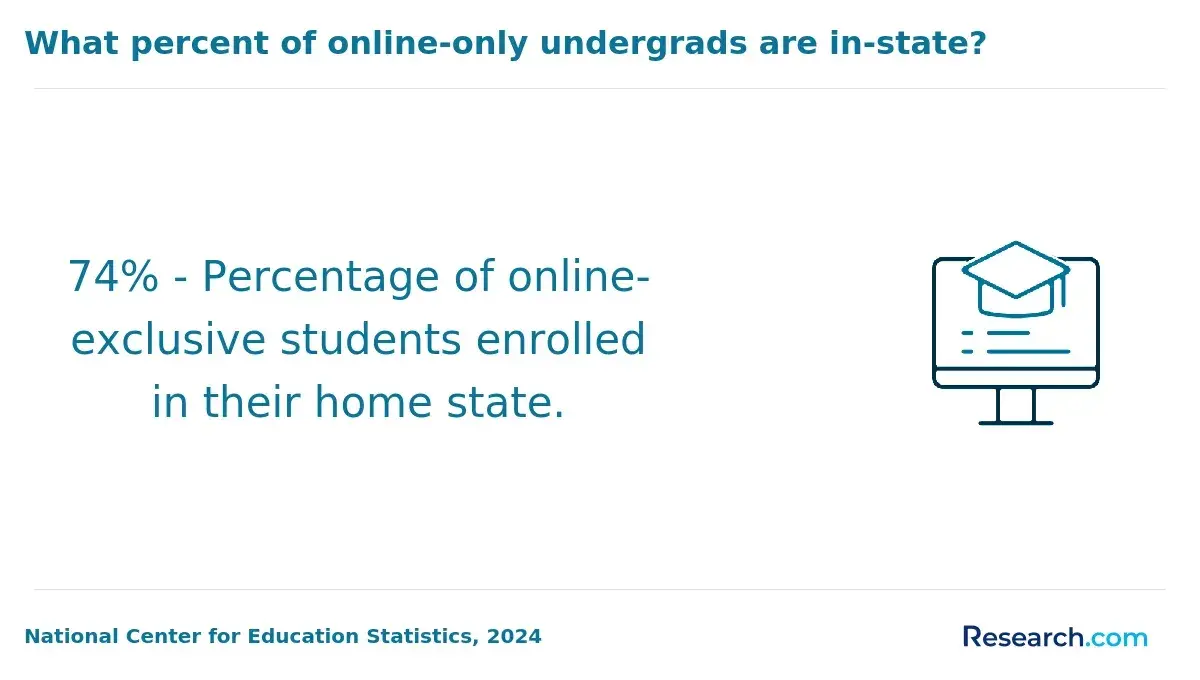
Industry trends highlight the increasing role of digital education, with 98% of organizations utilizing online job training tools to develop leadership skills, underscoring the importance of scalable and agile learning pathways (The Cloud Pulse data via Paycor).
Choosing between formats depends on individual learning style and career stage: mid-career HR professionals often prefer online programs for immediate application of leadership principles, while those starting out may gain more from immersive campus environments.
What accreditation and quality standards should HR-focused organizational leadership programs meet?
HR-focused organizational leadership programs must hold regional accreditation from recognized bodies such as the Higher Learning Commission (HLC) or the Middle States Commission on Higher Education (MSCHE). These accreditations ensure academic quality, qualified faculty, and adequate student support. Additionally, specialized accreditation from the Accreditation Council for Business Schools and Programs (ACBSP) or the International Accreditation Council for Business Education (IACBE) confirms alignment with current HR competencies and industry standards.
Critical quality indicators include integration of data-driven skills, reflecting the growing importance of HR analytics, predictive modeling, and HR technology platforms. Based on analysis by Robert Half, 2025 U.S. employers posted 30,300 HR positions, with 36% focused on compensation and benefits. This underscores the demand for HR leaders skilled in using data to design effective workforce strategies.
Programs should showcase up-to-date curriculum, faculty expertise in analytics, and applied learning opportunities. Collaborations with HR organizations like SHRM or HRCI offer students access to certification pathways and professional standards. Accreditation processes evaluate curriculum relevance, practical skill development, and continuous improvement aligned with evolving HR leadership needs.
Prospective students should verify programs not only have proper accreditation but also emphasize analytical competencies essential for competitive HR roles, preparing graduates for strategic decision-making supported by data in complex leadership environments.
What are typical admission requirements for organizational leadership degrees with HR concentrations?
Admission for organizational leadership degrees with a focus on human resources typically requires a completed bachelor's degree from an accredited institution, with a minimum GPA ranging from 2.5 to 3.0. Many programs request GRE or GMAT scores, though waivers might be available for applicants with strong professional experience or advanced graduate degrees.
Relevant work experience, usually 1 to 3 years in human resources, management, or related fields, is crucial. This practical background equips candidates with real-world insights into employee engagement, culture, and talent management. Experience in areas like employee relations, recruitment, or organizational development is often highly valued.
Applicants generally must submit letters of recommendation that highlight leadership potential and interpersonal skills. Personal statements or essays help assess motivation and fit, and some schools include interviews to evaluate communication abilities and cultural alignment.
Workforce data highlights the importance of skilled HR leaders: 20% of employees plan to look for new jobs within 12 months, and those with two years or less tenure are 38% more likely to quit. This underscores why admission standards focus on candidates capable of advancing effective employee retention and positive workplace culture.
How long do organizational leadership programs take, and what do they cost for HR students?
Programs in organizational leadership for HR students typically last between 1 and 3 years, depending on the degree level and format. Certificate programs or specialized bachelor's concentrations often require about 1 year of part-time study. Master's degrees usually take 18 to 36 months of full-time enrollment, although accelerated and online options can shorten this timeline and provide flexibility for working professionals. For example, a master's concentration in organizational leadership with an HR emphasis may be completed in 1.5 to 2 years through year-round courses.
Costs vary widely by institution and format. Public universities generally charge $10,000 to $25,000 for a master's with a leadership concentration, while private institutions may range from $30,000 to $60,000 or more. Certificate programs usually cost between $2,000 and $7,000. Additional expenses like books, fees, and technology access can add 10-20% to tuition. Some students reduce costs through employer reimbursement, scholarships, or assistantships.
Compensation prospects for senior HR leadership roles often justify these investments. Robert Half's 2026 Salary Guide reports starting salary ranges for HR directors as $108,750 (low), $136,750 (mid), and $162,000 (high). These figures highlight the importance of choosing programs that emphasize total rewards and benefits management within the organizational leadership curriculum.
What salary ranges and job outlook can HR leaders with organizational leadership degrees expect?
HR leaders with organizational leadership degrees can expect annual salaries ranging from around $70,000 to $130,000, influenced by experience, industry, and location. Entry-level HR managers typically start near $70,000, while senior HR directors and vice presidents in large companies often earn $120,000 or more. Roles focused on digital transformation and AI-driven environments may offer higher pay due to the increasing demand for strategic talent management in complex industries.
The job market for HR leadership remains strong, driven by workforce strategy investments amidst rapid technological advancement. For example, Robert Half's 2025 data shows business and professional services leading HR hiring with 9,900 openings, followed by healthcare with 3,300, and manufacturing with 3,200 roles. Industries undergoing digital transformation particularly value HR leaders skilled in managing change and adopting new AI tools.
Key skills sought in these roles include data analytics, change management, and cross-functional leadership. Typical job titles are HR Business Partner, Talent Acquisition Manager, and Director of Organizational Development. Professionals with organizational leadership training are well-equipped to navigate challenges like workforce reskilling, hybrid work engagement, and evolving labor laws, often benefiting from accelerated career growth and competitive compensation.
How can prospective students choose the best organizational leadership concentration for HR goals?
Prospective students should begin by pinpointing specific skills and career goals in human resources to select the best organizational leadership concentration. Effective concentrations often align with targeted HR roles such as talent management, labor relations, or strategic workforce planning. It's important to review curriculum content for key subjects like conflict resolution, labor law, diversity management, and performance analytics. For instance, a focus on strategic human resource development prepares graduates for designing large-scale training, while a concentration on employee relations equips students for union negotiations and dispute management.
Career level matters: those with managerial experience might choose concentrations deepening strategic leadership or organizational change, while recent graduates may prefer options emphasizing HR analytics or employment law. Faculty expertise and access to networking or mentorship can enhance career readiness within a concentration.
The U.S. Bureau of Labor Statistics projects 5% employment growth for human resources managers through 2034, with nearly 18,000 annual openings, reflecting strong demand for relevant organizational leadership skills. Students should assess how their chosen concentration prepares them for these opportunities and develop practical, marketable capabilities.
Additional factors include program flexibility, alignment with certifications like SHRM-CP, and experiential learning options such as internships. Integrating real-world projects is critical for translating theory into effective HR leadership practice.
Other Things You Should Know About Organizational Leadership
Organizational leadership directly shapes company culture by establishing values and behaviors that guide employee interactions. Leaders trained in this discipline promote inclusive environments and drive cultural initiatives that improve employee engagement and retention.
Yes, organizational leadership programs often include coursework on employment law, ethics, and compliance relevant to HR. This knowledge helps graduates manage policies and procedures to ensure organizational adherence to legal standards.
In 2027, organizational leadership professionals in HR need skills such as strategic thinking, communication, and conflict resolution. They must also be adept at change management and possess a deep understanding of HR technology and data analytics to drive informed decisions.
References
- Master of Science in Organizational Leadership - Human Resources Concentration https://www.mastersbooking.com/master-human-resources-management/master-science-organizational-leadership-human-resources
- Best Organizational Leadership Online MBAs | OnlineMBA.com https://www.onlinemba.com/rankings/best-online-mba/organizational-leadership/
- Building your Credibility as an HR Professional: 4 Steps to Being Heard at the Leadership Table https://www.cphrab.ca/building-your-credibility-hr-professional-4-steps-being-heard-leadership-table
- 5 Concentrations For A Master’s In Human Resources - GradSchoolHub.com https://www.gradschoolhub.com/lists/5-concentrations-masters-human-resources/
- Leadership in HR: 7 Tips for Advancing Your HR Career https://www.aihr.com/blog/leadership-in-hr/
- Search icon https://waldorf.edu/degree-programs/masters/ma-organizational-leadership/human-resource-development/
- What Jobs Can I Get With a Degree in Organizational Leadership? | CSU Global https://csuglobal.edu/blog/what-jobs-can-you-get-bachelors-degree-organizational-leadership
- What Is Organizational Leadership? | Rasmussen University https://www.rasmussen.edu/degrees/business/blog/what-is-organizational-leadership/
- 5 Organizational Leadership Careers https://claremontlincoln.edu/news-blog/organizational-leadership-careers/
- Top 45 Online Master's in Organizational Leadership - Organizational Psychology Degrees https://www.organizationalpsychologydegrees.com/best/online-masters-in-organizational-leadership/