2027 Best Online EdD in Organizational Leadership With Executive Coaching Focus

Co-Founder and Chief Data Scientist
Professionals aiming to lead complex organizations often face barriers when trying to combine advanced leadership theory with practical executive coaching skills. This challenge intensifies for those without a background in organizational leadership who seek flexible, accredited programs to pivot their careers. Finding an online EdD that integrates executive coaching focus while maintaining academic rigor can be overwhelming. This article examines the best online EdD programs designed for such learners, highlighting how each addresses flexibility, accreditation, and specialized coaching content to help prospective students make informed decisions about advancing their leadership careers.
Key Things You Should Know
- Online EdD programs in organizational leadership with an executive coaching focus offer flexible, research-based curricula designed for working professionals aiming to enhance leadership effectiveness and coaching skills.
- Graduates of these programs report a 20% average salary increase within two years, reflecting growing employer demand for advanced expertise in executive coaching and organizational change.
- Top accredited programs emphasize applied research, ethical leadership, and contemporary coaching methods aligned with 2025 industry trends to prepare leaders for complex organizational challenges.
What is an online EdD in organizational leadership with executive coaching focus?
An online EdD program in organizational leadership with executive coaching is designed to cultivate advanced leadership capabilities and specialized coaching skills for executives and senior managers. This doctoral degree equips students to drive organizational change, boost leadership performance, and develop talent through evidence-based coaching techniques. Coursework often covers leadership theories, ethical decision-making, strategic planning, and executive coaching models applied within complex organizational settings.
Ideal for current and aspiring leaders, the executive coaching focused EdD in organizational leadership prepares professionals to influence culture and productivity in industries such as healthcare, government, education, and business. Programs frequently integrate practical coaching projects or internships, enabling students to implement coaching strategies to address real-world executive challenges.
Common career paths for graduates include executive coach, management consultant, organizational development director, and chief learning officer. Combining leadership expertise with coaching skills enhances qualifications for senior roles centered on strategic transformation and talent engagement.
The U.S. Bureau of Labor Statistics projects an 11% job growth for management analysts from 2021 to 2031, well above average, with a median salary of $93,000. This trend reflects growing demand for professionals who can leverage data-driven leadership and executive coaching. Prospective students interested in advancing their careers may find it helpful to explore organizational leadership master's programs as foundational stepping stones toward a doctoral level.
How do you choose an accredited online EdD program?
Choosing an accredited online EdD program in organizational leadership with an executive coaching focus involves careful evaluation of multiple factors. Verify regional accreditation from recognized agencies like the Higher Learning Commission or Southern Association of Colleges and Schools to ensure academic rigor and broader recognition.
Look for a curriculum that combines advanced leadership theories with practical executive coaching methodologies. Programs that balance research, applied leadership, and coaching strategies prepare graduates to handle complex organizational challenges and strategic decision-making roles. This approach is crucial when learning how to evaluate accredited online programs in organizational leadership.
Faculty expertise plays a key role; instructors with executive coaching credentials and leadership experience offer valuable mentorship. Flexible scheduling and asynchronous coursework are important to accommodate working professionals. Additionally, review career support services such as counseling and alumni networks, which can enhance job placement and career advancement.
Employment prospects remain strong, with the Bureau of Labor Statistics projecting 6% employment growth for top executives from 2022-2032 and a 2023 median annual pay of $103,840. Tuition costs and financial aid options should be transparent and aligned with quality education. Also, confirm program delivery platforms and state authorization.
For professionals exploring related fields, an operations management degree is another valuable path to consider when assessing leadership education opportunities.
Factors to consider when selecting an online EdD in organizational leadership with executive coaching include these elements to ensure a balance of quality and relevance for career growth.
What admission requirements do these programs usually have?
Admission criteria for doctoral program admission criteria for organizational leadership with executive coaching typically include academic credentials, professional experience, and leadership skills. Applicants must have a master's degree from an accredited institution, often in fields related to education, business administration, or leadership studies, with a minimum GPA of 3.0 on a 4.0 scale preferred. Competitive applicants may present higher academic achievements.
Professional experience is essential; most online EdD program prerequisites in organizational leadership focusing on executive coaching require three to five years of relevant leadership or management roles, emphasizing coaching, team development, or organizational change. This experience helps integrate executive coaching concepts effectively at the doctoral level.
Additional application components include a statement of purpose outlining career goals and leadership philosophy aligned with executive coaching, plus two to three letters of recommendation from supervisors or academic mentors. Some programs ask for a resume or curriculum vitae detailing professional achievements.
Standardized tests like the GRE or GMAT may be requested but are often waived for experienced applicants. A writing sample or research proposal showcasing critical thinking and scholarly potential is commonly required.
The executive coaching market is projected to hit $4.6 billion by 2032, growing at a 7.3% CAGR. This growing demand underscores the importance of rigorous admission standards in preparing leadership development experts. For those exploring pathways, the best online construction management degree programs offer a useful comparison in professional education options.
How does online study compare with campus-based delivery?
Online study offers notable benefits for EdD candidates in organizational leadership with an executive coaching focus. Flexibility is key, allowing working professionals to engage in lectures, assignments, and practicum activities without relocating or sacrificing full-time employment. This is ideal for those managing careers and family, facilitating the immediate application of leadership principles at work. In contrast, campus-based programs foster direct networking and immersive experiences that enhance peer collaboration and mentorship, important factors for some learners.
When you compare online and campus-based organizational leadership edd study, both delivery methods maintain similar quality and academic rigor. Reputable online programs incorporate synchronous sessions, interactive platforms, and access to expert faculty. Virtual coaching tools and recorded demonstrations may even offer broader learning opportunities than limited in-person cohorts. However, the campus environment often provides spontaneous discussions and deeper dialogue that support leadership skill development.
Cost and time savings are significant advantages of online programs, eliminating commuting, relocation, and potential income loss. Campus options may require weighing these expenses against the benefits of face-to-face engagement. A 2024 Lightcast analysis highlights that professionals with doctoral degrees in education earn on average 26% more than those with a master's in similar roles, underscoring the economic value of completing an EdD regardless of the format chosen.
Prospective students should consider their learning preferences, schedules, and career goals. Online study suits self-motivated individuals seeking convenience and balance. Campus formats appeal to students prioritizing faculty interaction and immersive leadership settings. For those exploring advanced education options, it is helpful to review offerings like the fastest online master's in healthcare management as part of broader career planning.
What courses are included in the executive coaching curriculum?
Online EdD programs in organizational leadership incorporate a comprehensive executive coaching curriculum designed to sharpen leadership expertise and coaching skills. Foundational courses usually cover leadership theories, change management, and ethical decision-making, emphasizing practical application within executive and organizational settings.
Specialized classes explore methods for individual and group coaching, emotional intelligence, and leadership communication strategies. For example, courses such as "Advanced Coaching Techniques" focus on personalized assessment and feedback, while "Organizational Dynamics and Executive Presence" teach how to build influence at senior levels.
Research methods tailored to leadership challenges and coaching outcomes are often required, including data analysis designed to evaluate coaching effectiveness. Coursework like "Behavioral Neuroscience in Leadership" deepens understanding of cognitive functions and motivational drivers affecting executive performance.
The inclusion of practica or internships provides vital real-world coaching experience, enabling students to apply theory directly by working with executives under faculty supervision.
When considering program costs, tuition can vary significantly. For online EdD programs in organizational leadership, 2026 tuition ranges from approximately $33,200 for in-state students to over $104,600 at top-tier institutions. These differences significantly impact return on investment calculations.
How long does an online EdD usually take to finish?
An online EdD in organizational leadership with an executive coaching focus generally requires three to six years to complete. The timeline varies based on program format, whether students enroll full-time or part-time, and progress on the dissertation. Full-time students often finish in about three years, while part-time learners may take five to six years to balance work and study.
Most programs demand between 60 and 90 credit hours, covering core courses, electives, and a significant dissertation or capstone project centered on leadership and coaching practices. Some institutions offer accelerated pathways through graduate credit transfers or condensed residency options, but dissertation work often remains the longest phase due to research and approval requirements.
Working professionals should weigh their schedules carefully. Flexible programs featuring structured mentoring and cohort peer support can help maintain steady progress and prevent delays.
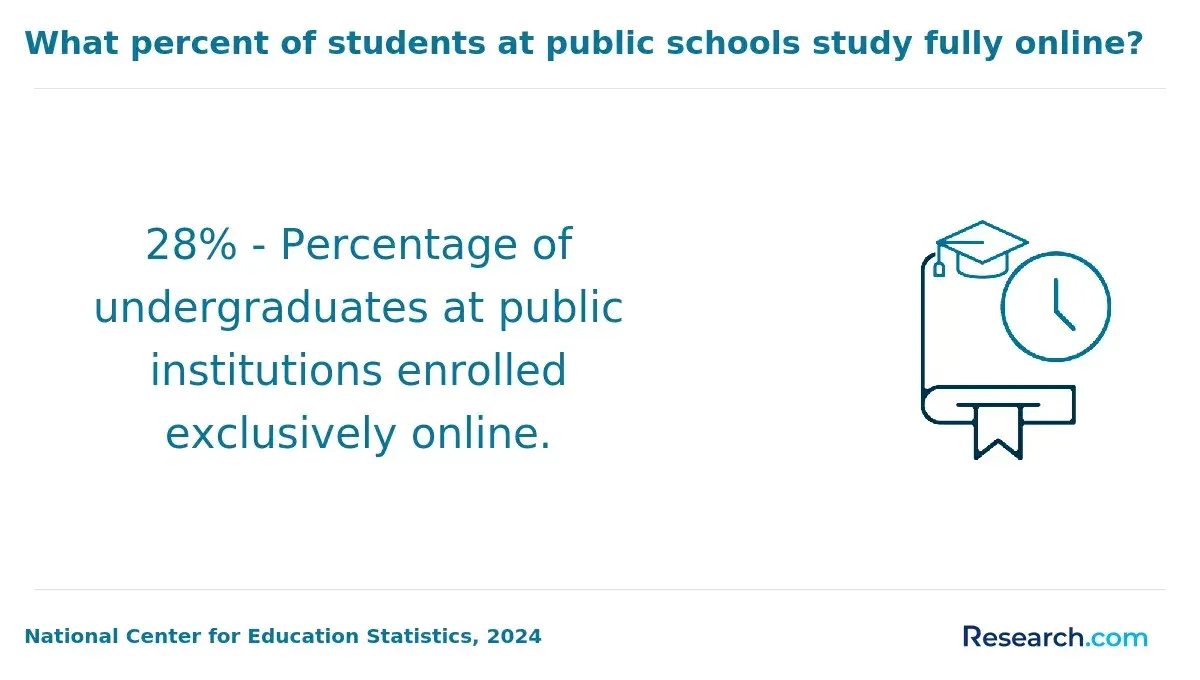
Distance education's popularity continues to rise, with over 36% of U.S. graduate students enrolled exclusively online by fall 2023, according to the National Center for Education Statistics. This trend affirms online EdDs as a viable, adaptable choice for doctoral learners pursuing careers in organizational leadership.
Prospective students are encouraged to review credit and residency requirements alongside dissertation support services to select programs aligned with their career goals and time availability.
How much does an online EdD program cost?
The total tuition for an online EdD in organizational leadership with an executive coaching focus typically ranges between $30,000 and $70,000. Tuition costs vary depending on factors such as the institution's prestige, program length, required credit hours, and residency status. Some universities charge per credit hour, with fees ranging from $800 to over $1,500, while others offer a flat tuition rate for the entire program.
Additional expenses may include technology fees, books, and occasional travel for residencies or intensives. Programs designed with flexible pacing often have higher per-credit costs but allow students to spread tuition over a longer duration, accommodating working professionals with busy schedules.
Public universities generally provide lower tuition rates for in-state students, sometimes reducing costs by 20-40%. Private and nonprofit institutions usually have higher sticker prices but may offer financial aid or scholarships specifically for leadership and executive coaching candidates.
Because leadership and social influence is recognized by the World Economic Forum as a critical skill, with 44% of workers' skills disrupted by 2030, investing in an EdD with an executive coaching concentration can position students favorably for workplace changes.
- Carefully review the full cost of attendance, including ancillary fees and travel.
- Explore employer tuition assistance and scholarships targeting leadership programs.
- Consider the return on investment related to career advancement and salary growth.
What careers can this degree prepare you for?
An EdD in organizational leadership with a focus on executive coaching equips graduates to advance in roles that combine leadership theory with coaching skills to produce measurable organizational improvements. Common career paths include executive coaching, leadership development consulting, and organizational change strategy. Professionals in these roles design and deliver coaching programs that boost leadership capabilities and employee performance.
Leadership positions such as chief learning officers, human resources directors, and talent development managers often leverage this degree to align coaching efforts with broader business goals. The 2024 ICF-HCI study reveals that organizations using professional coaching experience 1.5 times stronger leadership bench strength and 1.3 times higher employee engagement than those without coaching programs, underscoring the significance of these skills in developing leadership pipelines and enhancing workplace morale.
Opportunities also exist in corporate training, organizational development, and executive education, where coaching supports talent retention and succession planning. Nonprofit leaders and public sector administrators employ coaching to foster collaboration and improve outcomes for stakeholders. The degree prepares professionals to address challenges such as resistance to change, uneven leadership styles, and engagement shortfalls through evidence-based approaches.
Graduates gain improved decision-making and communication abilities and can implement sustainable coaching frameworks. Those interested in academia may become faculty or administrators specializing in leadership coaching. This advanced degree bridges theory and practice, making graduates valuable assets across sectors focused on elevating leadership effectiveness through coaching.
What salaries do organizational leadership graduates earn?
Graduates with an EdD in organizational leadership who specialize in executive coaching often earn salaries ranging from $85,000 to $130,000 annually in the United States. Senior roles such as executive coaches, leadership consultants, and directors of organizational development frequently exceed $150,000, particularly in large corporations or consulting firms.
Salary levels vary depending on experience, industry, location, and the integration of coaching with inclusive leadership strategies. Sectors like technology and healthcare tend to offer higher pay compared to nonprofit or academic positions. Roles that blend coaching with diversity, equity, and inclusion (DEI) initiatives are highly sought after, as more organizations emphasize inclusive leadership.
The 2024 Deloitte Global Human Capital Trends report highlights that 71% of organizations plan to increase investment in inclusive leadership and DEI-related leadership development over the next two years. This rising focus drives demand for professionals skilled in coaching-centered inclusive leadership, often resulting in salary premiums and better career opportunities.
Key career paths impacting earnings include:
- Executive coaching within Fortune 500 companies
- Leadership roles managing DEI and talent development programs
- Consulting for organizational transformation and change management
Continuous professional development, such as obtaining coaching certifications or DEI credentials, further enhances job security and salary prospects for EdD graduates.
Do you need coaching certifications or licensure afterward?
Graduates holding an EdD in organizational leadership with an executive coaching focus are generally prepared to apply advanced coaching techniques professionally without needing additional certifications or licensure. The doctorate curriculum emphasizes leadership theories paired with executive coaching skills, delivering strong academic preparation for leadership roles. However, coaching certification requirements vary based on career paths and workplace demands.
For professionals aiming to become independent executive coaches, credentials such as the International Coach Federation (ICF) certification often enhance credibility and increase client trust. Many clients and organizations prefer coaches with recognized certifications, which can improve marketability and contract options. Conversely, executives applying coaching skills internally within corporations, nonprofits, or educational settings usually rely on their doctoral expertise and leadership status without pursuing external credentials.
Licensure is typically unnecessary for coaching careers in the U.S. since coaching is unregulated at the state level. Exceptions exist when coaching intersects with counseling or psychological services, fields that require licensure. Graduates should carefully consider these distinctions when deciding on certification or licensure paths.
Structured EdD programs offering dissertation support and cohort learning demonstrate clear benefits. Meta-analytic research in the International Journal of Doctoral Studies finds that such program designs significantly lower attrition rates-from historic levels of 40-50% to approximately 20-30%-highlighting the positive impact of intentional structure on completion success.
Other Things You Should Know About Organizational Leadership
In 2027, an organizational leadership degree with a focus on executive coaching is crucial for developing leaders adept at navigating complex organizational dynamics, fostering innovation, and coaching future leaders. The program equips graduates with strategic thinking, effective communication, and change management skills, applicable across diverse industries.
Executive coaching enhances organizational leadership skills by providing personalized guidance that fosters self-awareness, accountability, and leadership presence. It encourages reflection on leadership style and helps navigate complex interpersonal dynamics. This individualized approach strengthens a leader's ability to drive organizational change and improve team performance.
Yes, organizational leadership degrees apply broadly across various sectors including healthcare, education, government, and nonprofit organizations. The fundamental principles of leading people, managing resources, and implementing strategy are valuable in any organizational context. This versatility makes the degree attractive for professionals seeking leadership roles beyond traditional business environments.
Research plays a central role in EdD programs focused on organizational leadership, particularly in producing evidence-based strategies for effective leadership. Doctoral candidates engage in qualitative and quantitative research methods to address real-world challenges within organizations. This emphasis on applied research equips graduates to contribute original insights that improve organizational outcomes.
References
- How Long Does It Take To Complete An Online Ed.D. Program? - GradSchoolHub.com https://www.gradschoolhub.com/faqs/how-long-does-it-take-to-complete-an-online-ed-d-program/
- Navigating Education: Unraveling the Pros and Cons of Online Courses vs. Campus Learning https://lset.uk/blog/navigating-education-unraveling-the-pros-and-cons-of-online-courses-vs-campus-learning/
- 25 Cheapest Online EdD Programs of 2025 https://www.eddprograms.org/schools/affordable-online-doctor-of-education-programs/
- Admissions Criteria https://ed.wum.edu.pl/pl/admissions-criteria
- Life Coach Certification Requirements Explained https://www.coachtrainingedu.com/blog/life-coach-certification-requirements-your-complete-guide/
- Rockhurst University https://onlinedegrees.rockhurst.edu/online-edd-programs
- 10.2 Comparing modes of delivery – Teaching in a Digital Age – Second Edition https://pressbooks.bccampus.ca/teachinginadigitalagev2/chapter/10-3-comparing-delivery-methods/
- EdD in Transformational Leadership & Coaching | MIU https://www.miu.edu/cba/edd-in-transformational-leadership-and-coaching
- Do You Need Life Coach Certification? Honest Answer — ANHCO https://anhco.org/blog/do-you-need-a-certification-to-be-a-life-coach-heres-the-honest-answer
- Executive Coaching Certification Course | EEC https://www.escuelacoaching.com/en/programmes/executive-coaching-certification/