2027 Best Online EdD in Organizational Leadership With Change Leadership Focus

Co-Founder and Chief Data Scientist
Many professionals with non-leadership backgrounds struggle to transition into roles that require advanced skills in guiding organizational change. Without specialized training, they risk stagnation or missing out on leadership opportunities. A degree focused on organizational leadership with an emphasis on change leadership provides the strategic tools needed to drive effective transformation in complex environments.
This article explores flexible, accredited online EdD programs designed for working adults seeking to pivot their careers. It highlights programs that balance academic rigor with practical application to prepare candidates for leadership roles that demand both vision and adaptability.
Key Things You Should Know
- Online EdD programs in organizational leadership with a change leadership focus emphasize strategic change management skills critical for executive roles amid evolving 2025 workplace dynamics.
- Most top programs offer flexible formats, averaging three to five years, accommodating working professionals aiming to integrate advanced leadership theories with practical change initiatives.
- Graduates report median salaries exceeding $110,000, reflecting demand for expertise in guiding transformational processes across sectors including education, healthcare, and business.
What is an online EdD in organizational leadership with a change leadership focus?
An online EdD in organizational leadership with change management focus prepares professionals to lead transformational change within various organizations. The program emphasizes skills in diagnosing challenges, designing interventions, and managing sustainable initiatives across sectors like healthcare, education, and business. Candidates gain expertise in change leadership practices aligned with evolving societal and business needs.
Doctoral programs in organizational leadership emphasizing change leadership often target working professionals who want to advance their leadership skills while maintaining their careers. Core coursework typically covers change management theory, data-driven decision-making, ethical leadership, and strategic communication. Many programs include a dissertation or applied project centered on real-world challenges such as improving workforce engagement or driving cultural shifts.
Several dozen regionally accredited EdD programs in organizational leadership are available mostly or entirely online, making advanced study accessible nationwide. These programs blend asynchronous coursework with interactive seminars, helping students balance professional and personal responsibilities. Potential applicants should assess their readiness for the rigor and self-discipline needed to succeed in such demanding graduate study.
For those interested in programs without the dissertation requirement, resources like EdD no dissertation can provide additional information and options.
How does a change leadership-focused EdD differ from other organizational leadership doctorates?
A change leadership-focused EdD differs from other organizational leadership doctorates by concentrating specifically on managing transformative processes within organizations. Unlike general organizational leadership programs that cover broad leadership theories and operational management, these doctorates emphasize the dynamics of organizational change, innovation, and adaptation. This focus prepares leaders to design, implement, and sustain change initiatives amid evolving market and workplace challenges.
Key distinctions include:
- Curricula centered on change management models such as Kotter's 8-Step Process and Lewin's Change Theory instead of generic leadership frameworks.
- Practical training in stakeholder engagement, communication strategies, and overcoming resistance during change efforts.
- Research methods tailored to evaluating change impacts, shifts in organizational culture, and transformation metrics.
This specialized approach equips graduates for roles requiring transformational leadership expertise, including chief transformation officers, change consultants, and organizational development directors. For instance, management analysts, a common career path, earn a median annual salary of $93,000 with job growth projected at 11% from 2021 to 2031, according to Rockhurst University citing the BLS. The change leadership focus enhances competitiveness in this growing labor market by aligning skills with employer needs in change facilitation.
Prospective students exploring change leadership doctoral programs in organizational leadership should consider the depth of change-related courses and opportunities for applied projects or partnerships with organizations undergoing significant change. Those interested in large-scale adaptability can also explore an online bachelor's in construction management to complement leadership skills in evolving industries.
Which accredited universities offer the best online EdD programs in organizational and change leadership?
Several accredited universities offer top-tier online EdD programs specializing in organizational and change leadership, designed to meet the needs of working professionals and aspiring leaders. According to OnlineEdDPrograms.com, there are 59 such programs nationwide, showing a robust market with diverse options. Leading institutions like Northeastern University, Wilmington University, and Lehigh University provide fully online EdD degrees focused on change leadership, emphasizing practical strategies for managing transformation in complex organizations.
Northeastern's program integrates experiential learning with leadership theory, catering to professionals seeking to influence change across sectors. Wilmington University offers a flexible curriculum tailored to adult learners, balancing research skills with applied leadership practices. Lehigh University's online EdD focuses heavily on ethical leadership during change processes, helping students navigate organizational culture and stakeholder engagement challenges. These are among the best accredited online edd programs in organizational and change leadership available today.
Core coursework often includes strategic change management, organizational behavior, and leadership ethics. Many programs require residencies or synchronous sessions to foster interaction with faculty and peers. Accreditation by the Council for the Accreditation of Educator Preparation (CAEP) or regional bodies ensures program quality and relevance to current leadership demands.
Applicants should consider tuition, program length, cohort format, and research opportunities. Evaluating faculty expertise and alumni outcomes further aids in selecting the ideal program. The diversity of these top online edd degrees in organizational and change leadership allows prospective students to find a program matching both academic rigor and professional application. For those comparing educational costs, reviewing options such as the cheapest online master's in project management can provide useful perspective.
What accreditation and institutional quality standards should these online EdD programs meet?
Accreditation standards for online edd programs in organizational leadership are essential for ensuring academic quality and professional credibility. Regional accreditation by recognized agencies like the Higher Learning Commission (HLC), Middle States Commission on Higher Education (MSCHE), or Southern Association of Colleges and Schools Commission on Colleges (SACSCOC) is fundamental. Additionally, program-specific accreditation from bodies such as the Council for the Accreditation of Educator Preparation (CAEP) validates the curriculum's relevance to leadership and change management in education and organizations.
Institutional quality criteria for regional online edd degrees include rigorous faculty qualifications, a comprehensive curriculum integrating current leadership theories and practical change management strategies, and strong student support services. Students should also consider whether programs offer synchronous and asynchronous learning options, research opportunities, and mentorship with experienced practitioners. These elements enhance readiness for leadership roles in nonprofits, government, or corporate sectors.
Employer demand reflects the value of graduating from well-accredited programs. For instance, top executives in social advocacy organizations earn an annual mean wage of $114,100, according to Salary.com cited by Rockhurst University. Verifying accreditation status through the U.S. Department of Education or the Council for Higher Education Accreditation (CHEA) databases is crucial, as this impacts eligibility for federal financial aid and can influence recognition by employers and opportunities for advanced academic work.
Students interested in leadership education should also explore related fields, such as sports management online programs, which can complement organizational leadership skills in varied sectors.
What are the typical admission requirements for an online EdD in organizational leadership?
Admission to an online EdD in organizational leadership with a focus on change leadership typically requires a master's degree from an accredited institution, often in education, leadership, business, or related fields. A minimum GPA around 3.0 on a 4.0 scale is commonly expected. Applicants need to submit official transcripts, a current resume or curriculum vitae emphasizing professional experience, and two to three letters of recommendation from academic or professional sources familiar with their leadership abilities and potential for doctoral work.
Most programs ask for a statement of purpose or a writing sample that highlights career goals, research interests, and motivation for pursuing an EdD. While some may request GRE or GMAT scores, many have waived this requirement in recent years. Demonstrated leadership experience, especially in organizational change or strategic roles, strengthens applications. Interviews-either live or recorded-assess candidates' communication skills and fit with the program.
Additional documentation, such as professional licenses or certifications, might be required depending on the institution. Financially, these programs can be a significant investment; for example, UMass Global charges $1,110 per credit for a total of 57 credits. Early financial planning and exploring scholarships or employer tuition assistance are advised to manage costs effectively.
How long does it take to complete an online EdD in organizational and change leadership?
Completing an online EdD in organizational and change leadership typically takes between three and five years, depending on factors such as program format, student pace, and transfer credits. For instance, Thomas Edison State University offers a 48-credit online EdD focusing on organizational leadership, culture, and change, designed to be finished within this timeframe. Full-time students generally complete the program in about three years, while part-time students balancing work and other commitments may take closer to five years.
Program structure plays a key role in duration. Cohort-based programs follow a set schedule and maintain consistent progress but offer less flexibility. Alternatively, self-paced options let students accelerate or extend their studies. Some schools recognize prior graduate work or professional experience for credit, potentially reducing the time required.
Dissertation or capstone projects add to the timeline, often requiring six months to a year for research and writing. Delays can occur due to committee reviews or data collection challenges, so proactive time management and communication with advisors help keep students on track.
- Full-time study averages about three years to completion
- Part-time options offer more flexibility but may extend duration up to five years
- Credit transfer and professional experience can shorten program length
- Dissertation phases typically need six months to a year
Those choosing an online EdD should consider how the program's structure and timeline align with their career ambitions and life circumstances to make informed decisions about commitment levels.
What is the curriculum like in an online EdD with a change leadership specialization?
Online EdD programs with a change leadership specialization focus on equipping students with advanced skills for managing organizational transformation. Coursework covers leadership theory, change management models, and strategic decision-making, helping students analyze complex systems and implement evidence-based practices that support sustainable change.
Practical application is emphasized through initiatives such as leading diverse teams and fostering innovation. Programs integrate qualitative and quantitative research methods to enable rigorous studies in real-world environments. This approach prepares graduates to critically evaluate organizational challenges and assess the effectiveness of leadership interventions.
Common subjects include:
- Organizational behavior and culture
- Leadership ethics and social responsibility
- Data-driven decision-making and analytics
- Conflict resolution and negotiation
- Policy development and implementation
Many programs offer flexibility for working professionals with asynchronous online classes and mentorship. For instance, UMass Global's redesigned EdD format allows completion in two years, providing a streamlined route to leadership roles while demanding disciplined time management.
Students typically complete a dissertation or applied project addressing real organizational issues related to change leadership, enabling immediate workplace impact. This blend of theory, research, and applied leadership builds skills to transform organizations effectively.
How much does an online EdD in organizational leadership cost, and what financial aid is available?
The cost of earning an online EdD in organizational leadership can vary significantly depending on factors such as the institution, program length, and residency requirements. Tuition typically ranges from $15,000 to $45,000 for the entire program. Some schools charge by the credit hour-usually between $700 and $1,200-while others offer flat-rate tuition. Additional expenses may include fees for technology, graduation, and course materials.
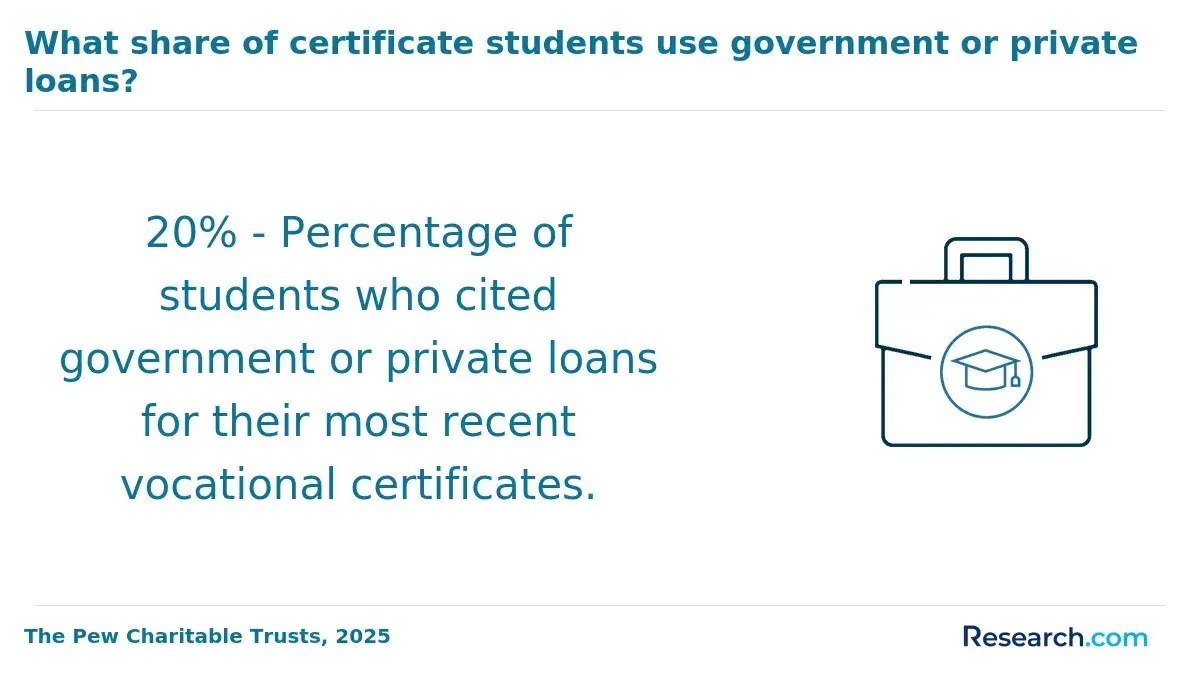
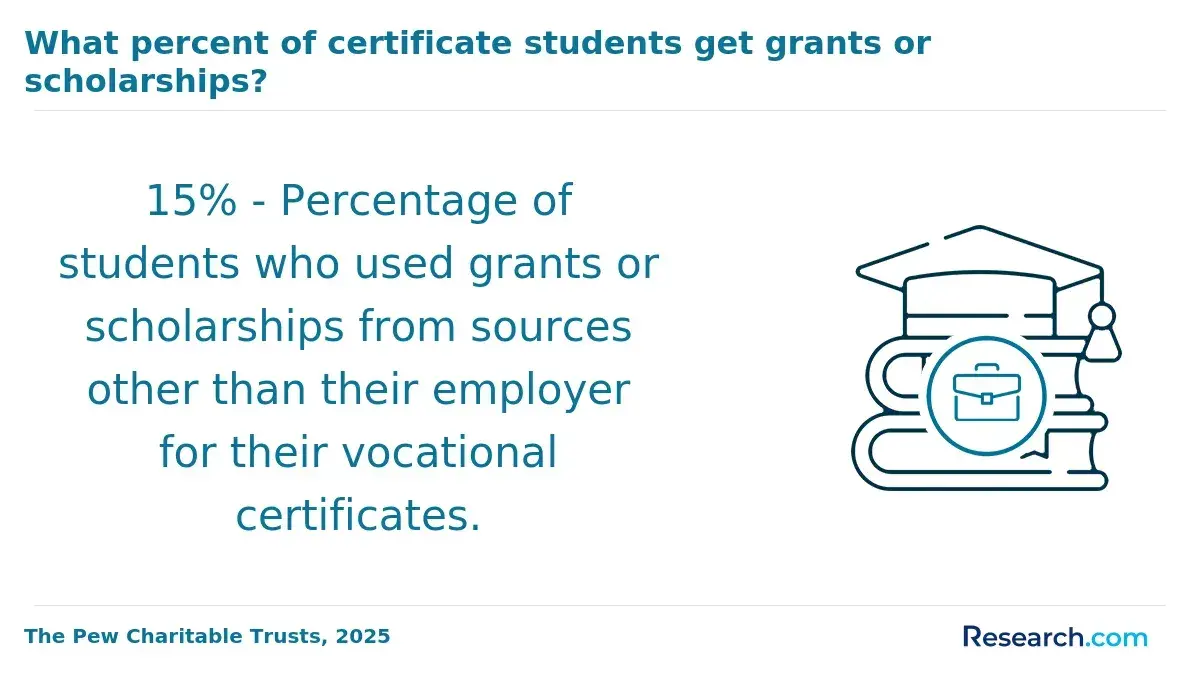
Financial aid options can help reduce the overall cost. Federal student loans provide low-interest funding available to most U.S. students. Many universities also offer merit-based scholarships aimed specifically at organizational leadership candidates, rewarding academic achievement or professional experience. Employer tuition assistance programs are another valuable resource, especially for working professionals pursuing leadership roles. Private scholarships and grants, though competitive, can offer additional support.
For example, a mid-tier school might provide a $10,000 scholarship plus federal loans to help offset tuition costs. Completing the FAFSA early is critical to maximize federal aid eligibility. It is advisable to contact the financial aid office of your chosen institution for detailed information about aid packages and payment options.
Salary prospects after graduation support the investment in this degree. Rockhurst University reports corporate executives in organizational leadership earn between $76,018 and $102,552 annually, with the average salary at $89,253 according to Salary.com. These figures highlight the return on investment for graduates who effectively use financial aid to minimize debt and pursue advanced leadership careers.
What careers, leadership roles, and industries can graduates pursue with this EdD?
Graduates with an EdD in organizational leadership specializing in change leadership often advance into executive roles across corporations, nonprofits, and academia. These professionals possess the skills needed to navigate complex organizational transformations, boost operational efficiency, and lead diverse teams through significant change.
Key positions include:
- Chief Executive Officer (CEO) or Chief Operating Officer (COO) roles impacting entire organizations.
- Change management directors overseeing smooth transitions during mergers, restructures, or tech upgrades.
- Management consultants advising on leadership strategies and organizational development.
- Human resources directors focused on culture change, talent development, and retention.
- Academic leaders such as deans or department chairs fostering innovation.
Industries employing these graduates range from healthcare and education to technology, government, and nonprofit sectors. For example, healthcare leaders may implement new patient care protocols, while technology professionals drive agile transformations. Success in these roles demands both deep theoretical knowledge and the ability to cultivate adaptive, innovative organizational cultures.
Choosing an EdD in organizational leadership prepares professionals for dynamic environments where effective leadership fuels growth and innovation. Highlighting expertise in change leadership enhances career prospects in roles requiring the management of rapid, systemic change.
What salary expectations and job outlook can EdD organizational change leaders anticipate?
EdD graduates specializing in organizational leadership with a focus on change leadership enjoy promising salary prospects and favorable job growth. Management roles connected to organizational change have a median annual wage near $109,760, according to the U.S. Bureau of Labor Statistics. Advanced qualifications like an EdD frequently lead to salaries above this median, especially in senior roles such as Chief Learning Officer, Director of Organizational Development, or Change Management Consultant, where earnings often exceed $120,000 annually.
The demand for professionals skilled in guiding companies through digital transformation and cultural shifts fuels a strong job outlook. Employment for management analysts and educational administrators is projected to grow 9% to 10% over the next decade, outpacing many other fields.
Academics or research-oriented EdD holders may start salaries between $70,000 and $90,000, depending on institution and location. Corporate and nonprofit leadership positions emphasizing change management tend to offer higher pay. Certifications in change methodologies like Prosci or Lean Six Sigma can further enhance career opportunities and salary potential.
Prospective students should consider program cost alongside these career benefits. The minimum tuition for EdD programs in organizational leadership starts around $34,432, providing an accessible route to advanced leadership roles and associated salary advantages.
Other Things You Should Know About Organizational Leadership
Success in organizational leadership requires strong communication, critical thinking, and strategic planning skills. Leaders must be adept at managing change, motivating teams, and fostering collaboration across diverse groups. Additionally, emotional intelligence and ethical decision-making play crucial roles in effective leadership.
For success in a 2027 Online EdD in Organizational Leadership with a Change Leadership Focus, essential skills include strategic thinking, effective communication, adaptability, and strong analytical abilities. Leaders must also excel in conflict resolution, team building, and possess a deep understanding of change management processes.
Organizational leadership provides the vision, guidance, and support necessary to navigate change successfully. Leaders help align strategies, address resistance, and communicate expectations clearly to ensure smooth transitions. Their ability to manage change impacts both short-term operations and long-term organizational resilience.
Yes, the core principles of organizational leadership, such as strategic planning, team development, and change management, are relevant across various sectors. While industry-specific knowledge may vary, the leadership skills gained in an organizational leadership program are broadly applicable and enhance adaptability in multiple professional contexts.
References
- Understanding Academic Accreditation for Online Universities https://www.qahe.org/article/understanding-academic-accreditation-for-online-universities/
- What Can You Do With an Ed.D.? 12 Career Paths Beyond School Administration - Acacia https://acacia.edu/blog/what-can-you-do-with-an-ed-d-12-career-paths-beyond-school-administration/
- 2 Year Online EdD Programs: Accelerated Doctor of Education Programs https://www.onlineeddprograms.com/faqs/two-year-online-edd-programs
- Doctor of Education EdD Salary and Career Outlook https://teach.com/online-ed/education-degrees/online-edd-programs/edd-careers/
- Cornerstone University Named Top Online Doctorate in Organizational Leadership Programs | Cornerstone University https://www.cornerstone.edu/cornerstone-university-named-top-online-doctorate-in-organizational-leadership-programs/
- Best Online Doctor of Education Programs for 2025 https://www.princetonreview.com/education-school-rankings
- Quality Standards and Accreditation of Distance Education Programs in a Pandemic - OJDLA https://ojdla.com/articles/quality-standards-and-accreditation-of-distance-education-programs-in-a-pandemic
- Career Options & Opportunities With an EdD Degree | Resilient Educator https://resilienteducator.com/degrees/career-options-edd-degree/
- Top Roles for Graduates of an EdD in Healthcare Education & Leadership https://blog.methodistcollege.edu/top-roles-for-graduates-of-an-edd-in-healthcare-education-leadership
- 25 Best Online EdD Programs of 2025 https://www.eddprograms.org/schools/best-online-doctor-of-education-programs/