2027 First Leadership Roles for Supervisors and Team Leads

Co-Founder and Chief Data Scientist
New supervisors and team leads often face uncertainty when stepping into leadership roles without formal training or prior experience. Challenges like managing former peers, balancing authority with approachability, and navigating team dynamics can undermine performance and morale. Without proper guidance, these first-time leaders risk ineffective communication and decision-making that hinder team success.
This article explores essential strategies and skills crucial for emerging leaders to establish confidence, foster collaboration, and lead teams efficiently. It aims to equip readers with actionable insights that transform initial leadership challenges into opportunities for growth and professional development.
Key Things You Should Know
- Supervisors and team leads in 2026 face evolving challenges requiring strong interpersonal and decision-making skills, with 67% of companies emphasizing emotional intelligence in leadership roles.
- Entry-level leadership training increasingly integrates data literacy and digital communication to prepare candidates for hybrid workplace environments prevalent since 2024.
- According to recent surveys, early leadership positions contribute to a 43% higher retention rate among employees pursuing advanced organizational leadership careers.
What is first leadership for supervisors and team leads?
First leadership responsibilities for supervisors involve stepping into a managerial role where individuals oversee and guide a team within an organization. This shift requires balancing task completion with motivating and supporting team members. Common challenges include establishing authority without alienating peers, managing time between leadership duties and personal tasks, and resolving performance issues. Practical approaches to these challenges emphasize formal training in leadership, developing clear communication strategies, and setting measurable objectives.
Early leadership development for team leads also demands mastering both technical and interpersonal skills like delegation, conflict resolution, and performance monitoring. According to Development Dimensions International's 2025 Global Leadership Forecast, 71% of people say taking on a leadership role increased their stress levels, underscoring the emotional demands of this transition. Furthermore, 50% to 70% of new leaders fail within the first 18 months, highlighting a considerable risk without proper preparation.
For those considering further education to enhance their leadership skills, exploring accredited programs can be beneficial. Prospective students interested in advancing their knowledge may find value in accredited EdS to EdD programs that focus on Organizational Leadership, which provide vital frameworks for effective early leadership development.
What skills do first-time supervisors need most?
First-time supervisors require a precise set of skills to lead teams and projects effectively. Essential team lead skills for new supervisors include strong communication, emotional intelligence, decision-making, and time management. Effective communication means clearly sharing expectations and feedback while actively listening to team concerns. Emotional intelligence enables supervisors to manage their own emotions and understand others', which helps resolve conflicts and build trust.
Decision-making allows new supervisors to quickly evaluate options aligned with organizational goals. Time management helps balance leadership duties with existing workloads through prioritizing and delegating tasks to maintain team productivity and prevent burnout. Organizational skills also support coordinating multiple projects and aligning team efforts.
A 2024 Gallup study cited by Cake finds that 82% of organizations fail to select candidates with the right talent for management, while only 1 in 10 adults naturally possess high managerial talent. This highlights why targeted leadership development is vital. Many new managers need to learn and adapt to meet leadership challenges.
Other critical abilities include coaching and mentoring to develop team member growth, and strong problem-solving skills to handle unforeseen issues efficiently. For those seeking to advance, programs in Organizational Leadership provide valuable training and credentials. Exploring options like the cheapest online EdD programs can be a practical step toward building these leadership capabilities within North America.
What degree is needed for leadership roles?
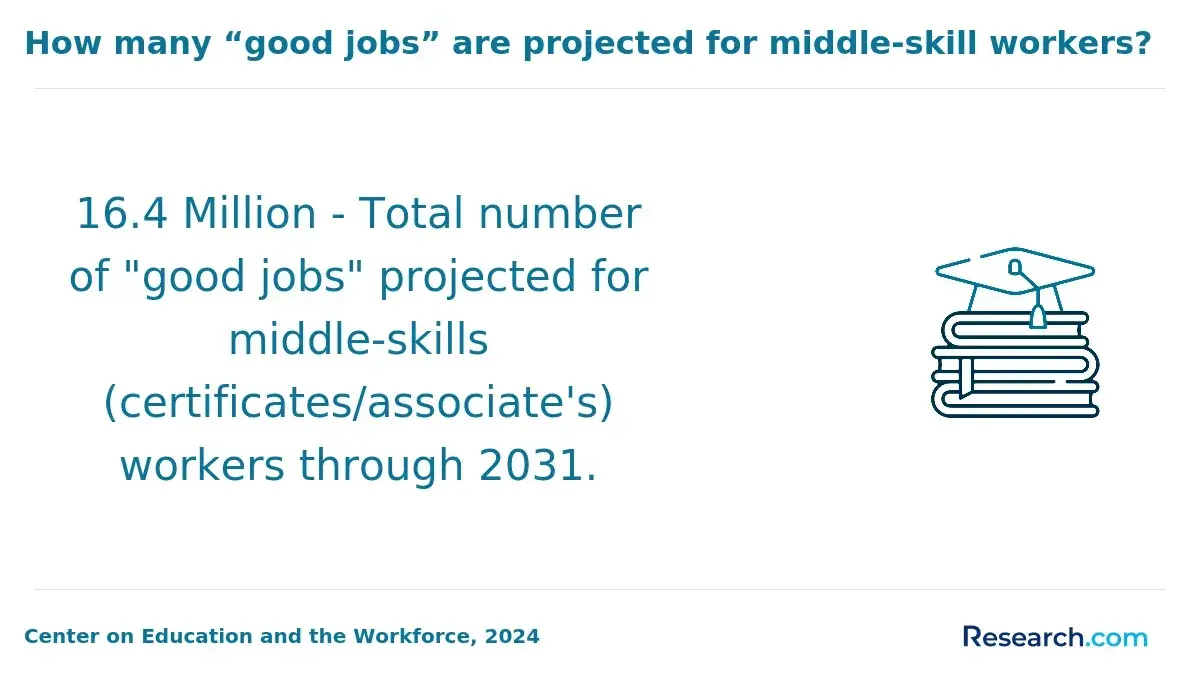
First leadership roles such as supervisors and team leads typically require varying levels of education depending on the employer and industry. While a bachelor's degree in business administration, management, organizational leadership, or a related field is often preferred, experience and skills can outweigh formal degrees. Many organizations promote from within based on demonstrated leadership ability and relevant experience rather than strict degree requirements for supervisory leadership roles.
Specialized education in organizational leadership is increasingly valued because it teaches practical competencies such as conflict resolution, team motivation, and strategic planning-key skills for new supervisors. An associate degree or certifications combined with leadership potential can also qualify candidates for team lead positions, especially in sectors like retail, hospitality, and manufacturing.
Research reveals large training gaps: 82% of UK managers are "accidental managers" without formal leadership training, and 33% have never undergone such training. This disconnect highlights why supplemental leadership development is essential alongside academic credentials. Employers now favor practical leadership experience gained through internships, projects, or volunteer roles.
Online courses provide accessible leadership skill development. Prospective supervisors should consider programs emphasizing applied learning and mentoring. For those seeking flexible options, the best online accelerated project management degree programs can offer valuable skills aligned with leadership demands.
Incorporating a bachelor's degree in organizational leadership with targeted training greatly enhances advancement opportunities in early supervisory roles.
Which accreditation should leadership programs have?
Leadership programs with accreditation from recognized bodies ensure quality education that meets industry standards. In the United States, the most respected accreditations for leadership development include the Accreditation Council for Business Schools and Programs (ACBSP) and the Association to Advance Collegiate Schools of Business (AACSB). These credentials confirm that programs maintain rigorous academic standards, foster practical skill development, and commit to continuous improvement.
Accreditation guarantees curricula cover key competencies such as communication, team management, conflict resolution, and ethical decision-making. For example, accredited programs emphasize outcomes tied directly to workplace effectiveness, which is essential for first-line supervisors aiming to enhance employee engagement. Employers increasingly prefer graduates from these best accredited leadership development programs, recognizing verified credentials as proof of readiness to lead.
Only 29% of employees trust their team leaders, yet engagement rises by 53% when employees feel supported (Gallup, summarized by Cake). Programs that include continuous faculty development and real-world leadership challenges offer distinct practical advantages. National accreditation bodies often require assessment of experiential learning components, which aligns with this need.
Prospective students searching for top regional leadership program certifications should also consider related fields such as sports management online programs that may share valuable leadership training elements.
Is an online or campus program better?
Choosing between online and campus programs for first leadership roles depends on personal circumstances, learning preferences, and career objectives. Online organizational leadership programs provide flexibility for working professionals managing jobs and family, often featuring video lectures, discussion forums, and virtual workshops that mimic real-world leadership challenges.
Campus programs offer direct, face-to-face interaction, enhancing interpersonal skills and networking opportunities. They also promote experiential learning through group projects, role-playing, and instant feedback, crucial for mastering team management.
Gallup's 2024 analysis found managers with 10 or more direct reports are 51% more likely to face frequent burnout, negatively affecting team engagement and performance. Training that strengthens delegation and awareness of span of control is vital. Campus settings may support this through collaborative exercises, while online courses can provide specialized content on burnout and workload management tailored for self-directed learners.
Prospective students should consider factors such as:
- Work commitments and schedule flexibility
- Preferred learning style
- Need for personal interaction and networking
For example, a working professional with a team of eight may benefit from an online program's flexibility, whereas a recent graduate might gain more from on-campus experiences that build leadership presence.
What courses are included in leadership programs?
Leadership programs for supervisors and team leads focus on building essential management and interpersonal skills to enhance team performance. Core topics include communication strategies that promote clear dialogue to align objectives, and feedback delivery and coaching, proven to increase profitability by up to 29%, according to 2025 leadership statistics reported by ElectroIQ.
Participants learn performance management techniques such as setting measurable goals and conducting effective reviews, alongside conflict resolution skills to maintain a positive work environment. Emphasis is also placed on decision-making and problem-solving frameworks, empowering leaders to address challenges promptly and wisely.
Programs often cover team dynamics and motivation to boost engagement and productivity. Advanced courses may include change management, preparing leaders to guide teams through organizational transitions smoothly. Additionally, many programs integrate diversity, equity, and inclusion (DEI) training to foster inclusive workplaces.
These components are designed to equip future leaders with practical skills that directly impact workplace success. Choosing a program that offers comprehensive training in feedback, coaching, and performance conversations aligns with established research and benefits career development in organizational leadership.
What are the admission requirements for leadership programs?
Admission requirements for leadership programs in 2026 typically include holding a bachelor's degree, often in business, management, or related fields. However, some programs allow candidates with 3 to 5 years of relevant work experience, especially those entering first leadership roles like supervisors or team leads. Demonstrating leadership potential through professional achievements or supervisor recommendations is essential.
Applicants are commonly expected to submit a personal statement that outlines their career goals and motivation for leadership development. Some institutions require pre-admission assessments focusing on problem-solving, communication skills, and emotional intelligence to evaluate readiness for leadership challenges.
Experience managing projects or teams-even informal leadership roles-strengthens applications. For example, team leads enhancing their skills should provide evidence of supervising small groups or contributing to cross-functional teams. Certain executive leadership certificates require interviews or completion of preliminary leadership training.
Given the high stress associated with leadership-highlighted by findings that 54% of leaders worry about burnout and 71% report heightened stress-programs often assess candidates' ability to manage pressure and maintain boundaries. Many recommend or mandate stress management or emotional resilience courses before enrollment.
Overall, admissions seek individuals prepared to absorb leadership principles practically, balancing experience, education, and emotional preparedness for effective organizational leadership.
How long do leadership programs take and cost?
Leadership programs for supervisors and team leads vary widely in length and depth, ranging from short workshops to full degree programs. Intensive workshops usually last two to five days, concentrating on essential supervisory skills. Certificate or diploma programs typically extend from three to six months, often offered part-time or online to fit working professionals' schedules. More in-depth bachelor's or master's degrees in organizational leadership generally require one to two years of study, delivering a robust mix of theory and practical leadership skills.
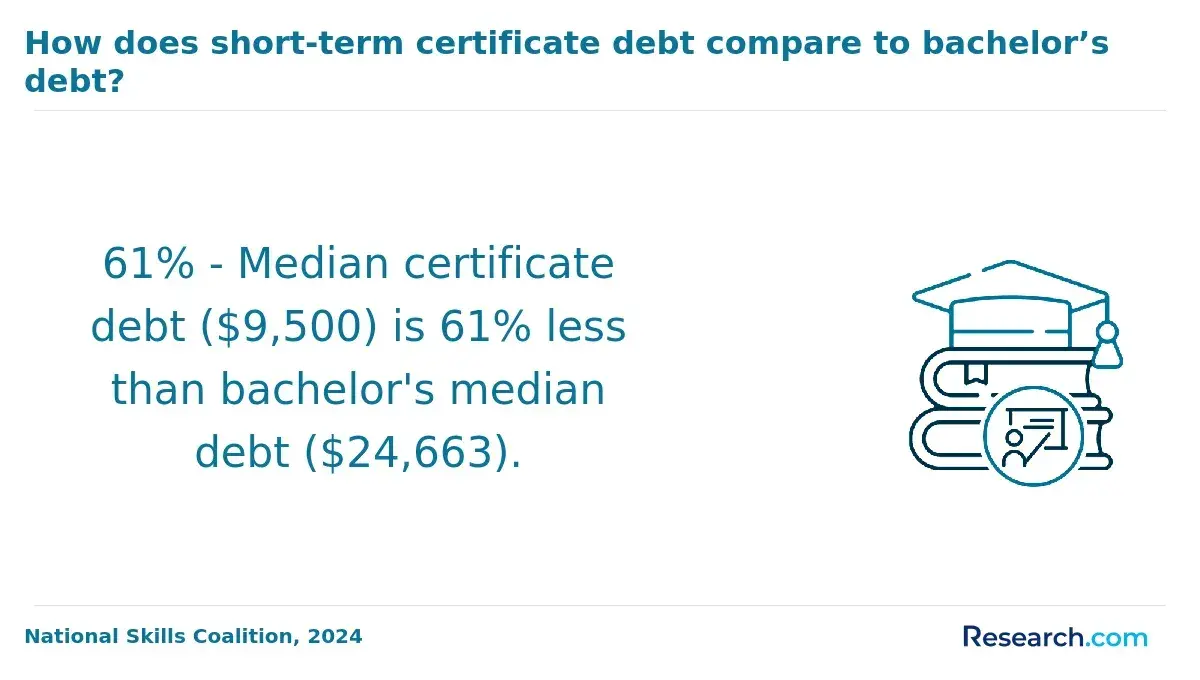
Costs differ considerably by format and institution: short workshops often range from $500 to $2,000; certificate programs vary between $3,000 and $10,000; and degree programs can exceed $40,000 depending on the provider and delivery method.
- Remote leadership training faces unique challenges, such as higher retention problems and lower team cohesion compared to on-site settings.
- Data from Leadership Statistics compiled by ElectroIQ report remote managers experience retention issues six times more often than their on-site peers and have cohesion difficulties at twice the rate.
When choosing a program, consider your current job role, preferred modality, and budget. Employers often support certificate courses to quickly upskill staff, while degrees are better suited for those pursuing long-term growth and expanded leadership capabilities.
What jobs can leadership graduates pursue?
Graduates with a degree in organizational leadership often begin their careers in roles such as supervisor, team lead, shift manager, project coordinator, or assistant manager. These positions involve overseeing small to medium-sized teams, making operational decisions, and executing strategic goals aligned with company priorities.
Typical responsibilities include managing daily operations, staff scheduling, and resolving conflicts. For instance, a retail shift supervisor directs employee tasks on the floor, while a team lead in technology guides software development workflows. Assistant managers in fields like hospitality and manufacturing gain valuable leadership experience by overseeing operations and maintaining quality standards.
Many new leaders face challenges building credibility quickly. Research shows only 31% of managers feel engaged at work, and just 29% of employees trust their team leader. To overcome these gaps, graduates must emphasize transparent communication, consistent feedback, and empathy.
Other relevant roles include customer service supervisors, operations leads, and junior program managers. Success in these positions depends on balancing technical expertise with strong interpersonal skills to motivate diverse teams and achieve organizational objectives.
What salary and job outlook do supervisors have?
Supervisors and team leads in the U.S. earn median annual salaries typically between $48,000 and $65,000, varying by industry and region. For instance, first-line supervisors in manufacturing average around $58,000, while those in retail management earn closer to $48,000. The Bureau of Labor Statistics projects a 6% growth in supervisory roles from 2024 to 2034, highlighting steady demand across sectors like healthcare, logistics, and retail.
Advancement in supervisory roles often depends on leadership skills and relevant experience. Higher wages usually accompany managing larger teams or complex projects. To stay competitive, first-line leaders benefit from ongoing professional development.
A 2026 synthesis from Kinkajou Consulting shows 88% of companies plan to enhance leadership development programs. Yet, only 5% have extended these programs across all organizational levels, leaving many front-line supervisors under-supported. This gap underscores the value of continuous training in leadership, communication, and conflict resolution.
Engaging in accredited masters in organizational leadership programs or certifications can increase both competence and salary potential. Supervisors actively improving these skills are better positioned to meet evolving workplace needs and command higher pay.
Focusing on skill-building and strategic career planning is crucial for those pursuing supervisory roles in today's competitive job market.
Other Things You Should Know About Organizational Leadership
Supervisors handle conflict by actively listening to all parties involved, identifying the root causes, and facilitating open communication. They apply problem-solving techniques to find mutually acceptable solutions and maintain a professional, respectful team environment. Training in conflict resolution is often part of leadership development to prepare supervisors for these situations.
Delegation is vital for first-time supervisors because it allows them to manage workload efficiently and empower team members. Proper delegation builds trust, enhances team skills, and encourages responsibility. It also gives supervisors more time to focus on strategic tasks and leadership development rather than micromanaging.
New supervisors often face challenges such as managing different communication styles, cultural perspectives, and varying expectations. They must create inclusive environments that respect diversity while maintaining team cohesion. Understanding diversity training and applying cultural competence are essential to overcoming these challenges effectively.
References
- Do You Need A University Degree To Be An Effective Leader? | Institute Of Managers And Leaders https://managersandleaders.com.au/do-you-need-a-university-degree-to-be-an-effective-leader/
- First-Time Supervisor Training & Management Skills for New Supervisors | Business Training Experts https://businesstrainingexperts.com/training/first-time-supervisor-2/
- Online Classes or On Campus: Which is Right for You? - Graduate Programs for Educators https://www.graduateprogram.org/blog/online-classes-or-on-campus-which-is-right-for-you/
- Leadership Development Program (LDP)® https://www.ccl.org/leadership-programs/leadership-development-program/
- Leadership courses & programs | Build confidence and lead with impact https://www.edx.org/learn/leadership
- supervisor https://www.randstad.se/en/job-seekers/job-profiles/supervisor/
- Excelling as a Manager, Supervisor or Team Leader | In-Person Onsite Training Course | SkillPath https://skillpath.com/onsite/course/excelling-as-manager-supervisor-or-team-leader
- How to Create a Successful Leadership Development Program - Harvard Business Impact https://www.harvardbusiness.org/insight/how-to-create-a-successful-leadership-development-program/
- New supervisors and team leaders training course for new or emerging supervisors and team leaders — Frontline Management Institute https://www.frontlinemanagementinstitute.com.au/new-supervisors-and-team-leaders
- supervisor https://www.randstadusa.com/job-seeker/career-advice/job-profiles/supervisor/