2027 Online Organizational Leadership Degrees With Decision-Making Coursework

Co-Founder and Chief Data Scientist
Professionals from diverse fields often struggle to advance into leadership roles due to a lack of formal training in decision-making and strategic management. This gap can limit career growth and hinder their ability to influence organizational outcomes effectively. Many seek flexible educational options that fit their schedules while providing relevant, actionable skills. Online organizational leadership degrees with decision-making coursework offer a practical solution by equipping students with essential leadership competencies and critical thinking abilities. This article explores available programs that integrate decision-making skills, aiming to guide readers toward accredited, adaptable paths for successfully transitioning into leadership careers.
Key Things You Should Know
- Online organizational leadership degrees with decision-making coursework integrate practical training in critical thinking, strategic planning, and ethical leadership, crucial for modern management roles.
- By 2025, enrollment in these programs increased by over 12%, reflecting growing employer demand for graduates skilled in data-driven and adaptive decision-making.
- Graduates with decision-making expertise typically see a 15% higher salary growth within five years compared to peers lacking focused leadership training.
What is an online organizational leadership degree with a decision-making focus and who is it best for?
An online organizational leadership degree with decision-making specialization equips students to analyze complex challenges and implement strategic solutions across multiple industries. This program blends core leadership theories with coursework in critical thinking, data evaluation, and ethical decision-making, fostering skills needed for effective management. Students learn how to assess risks, allocate resources efficiently, and lead teams using evidence-based methods. Practical training often includes case studies, simulations, and project management tools valued by employers.
This degree is ideal for professionals pursuing management roles in healthcare, education, business, or government sectors. It also benefits current leaders aiming to enhance their decision-making capabilities for career advancement. For instance, a mid-level manager stepping into executive roles must interpret financial data, workforce trends, and market competition to direct their organization confidently. Entrepreneurs, too, can leverage these skills to improve strategic planning and operational success.
Among the best online organizational leadership programs for decision-making skills, many focus on organizational diagnostics, change management, or policy development. These areas require analytical precision and the ability to drive positive change. According to the U.S. Bureau of Labor Statistics, growth in management occupations remains strong, with approximately 1.2 million job openings annually and a median wage of $122,190.
Prospective students can explore more options through organizational leadership master's programs that emphasize leadership effectiveness combined with analytical expertise to solve complex workplace problems.
How do online organizational leadership programs compare with campus programs for flexibility, interaction, and outcomes?
Online organizational leadership programs provide greater flexibility compared to campus-based options, allowing students to access coursework anytime and anywhere. This flexibility accommodates busy work schedules, family responsibilities, and geographic barriers, making it ideal for working professionals who need to balance education with career demands. By contrast, campus programs generally require fixed class times and physical attendance, limiting accessibility for nontraditional students. Such differences highlight important considerations when comparing online organizational leadership programs flexibility.
Interaction experiences differ notably between delivery methods. Many online programs use video conferencing, discussion boards, and group projects to promote engagement, but these may not fully match the immediacy and spontaneous collaboration found in face-to-face settings. Campus programs offer live seminars, networking events, and peer interaction that can strengthen communication and relationship building. Prospective students should assess the technology and teaching approaches of each program to ensure rich interaction and support.
Graduate outcomes depend mainly on the quality of the program rather than its format. Employers are increasingly recognizing online degrees from accredited institutions with rigorous curricula. Organizational leadership degrees emphasizing decision-making skills prepare students well for real-world challenges. A McKinsey Global Survey noted companies in the top quartile for decision-making effectiveness are 2.5 times more likely to financially outperform peers. Programs that integrate case studies, simulations, and applied projects in decision-making better equip graduates for leadership roles requiring strategic thinking and problem-solving.
For those interested in accelerated options, exploring the shortest EdD program online can be advantageous in achieving educational goals efficiently while balancing other commitments.
What types of online organizational leadership degrees are available, from certificates to doctorates?
Online organizational leadership degrees with decision-making courses span a wide range of options from certificates to doctorates, catering to various career stages. Certificate programs offer foundational skills in leadership principles, decision-making techniques, and team management, ideal for professionals aiming to quickly boost their abilities without full degree commitment.
Associate degrees focus on strengthening management fundamentals, including communication, ethics, and conflict resolution, preparing students for entry-level supervisory positions. Bachelor's degrees build on this foundation by incorporating strategic planning, organizational behavior, and data-informed decision-making, essential for mid-level leadership roles.
Master's programs, including the Master of Science in Organizational Leadership and MBA concentrations, emphasize advanced decision science and analytics. According to Deloitte's 2024 Human Capital Trends report, 79% of organizations are increasing use of data-driven decision-making, yet only 24% of leaders are seen as highly effective in this area, revealing a critical skills gap these programs seek to address.
Doctoral degrees delve deeper into research, advanced theory, and executive frameworks, preparing candidates for senior, consulting, or academic leadership roles. These programs emphasize analytics, strategic innovation, and evidence-based leadership to bridge industry effectiveness gaps.
Students interested in expanding leadership skills through accredited and affordable pathways may also consider exploring a project management degree online for complementary expertise in organizational processes and decision-making.
What decision-making, strategy, and analytics coursework can you expect in these programs?
Courses in decision-making and strategic management within organizational leadership programs focus on practical skills essential for effective leadership. These programs emphasize strategic planning, enabling students to formulate, implement, and evaluate organizational goals through case studies that examine competitive advantage and market positioning. This helps students develop tactical frameworks to tackle real-world business challenges.
Decision-making and strategic management courses in organizational leadership programs cover frameworks such as cost-benefit analysis, risk assessment, and ethical considerations. Students gain experience applying both quantitative and qualitative methods to navigate complex organizational issues, balancing urgent demands with long-term planning.
Analytics and data-driven decision-making coursework for organizational leadership degrees integrate data interpretation, performance metrics, and organizational behavior analysis. Instruction often includes using statistical software and dashboards to assess efficiency and support evidence-based leadership. Predictive modeling and scenario analysis prepare students for uncertain and dynamic business environments.
Many programs incorporate leadership simulations and project-based assignments where students practice making decisions under constraints like limited resources or stakeholder conflicts. Such hands-on experience merges theory with application, enhancing leadership competence.
Graduates aiming for executive roles benefit from this training. According to the U.S. Bureau of Labor Statistics, top executives earned a median annual wage of $116,840, with the highest 10% earning over $239,000. Employment growth is projected at 4% from 2023 to 2033, highlighting the importance of advanced leadership skills. Prospective students can explore advanced studies and opportunities in doctorate in health administration programs.
How can you verify that an online organizational leadership program is properly accredited and reputable?
Verify an online organizational leadership program's credibility by confirming its institutional accreditation through a U.S. Department of Education-recognized agency. Regional accreditors like the Higher Learning Commission or Middle States Commission on Higher Education guarantee that the institution upholds rigorous educational standards. Specialized accreditations from bodies such as the Accreditation Council for Business Schools and Programs (ACBSP) or the Association to Advance Collegiate Schools of Business (AACSB) further validate program quality in business and leadership education.
Check accreditation details on the program's official website and cross-reference with accrediting agencies' directories. Avoid programs with questionable or unrecognized accreditation as they may not meet necessary academic or industry standards.
Evaluate faculty credentials and curriculum to ensure experienced professionals teach relevant decision-making skills on strategic thinking, ethics, and data-driven analysis. Consider program delivery formats and student support services; reputable online options include interactive platforms, accessible faculty, and career advising similar to campus experiences.
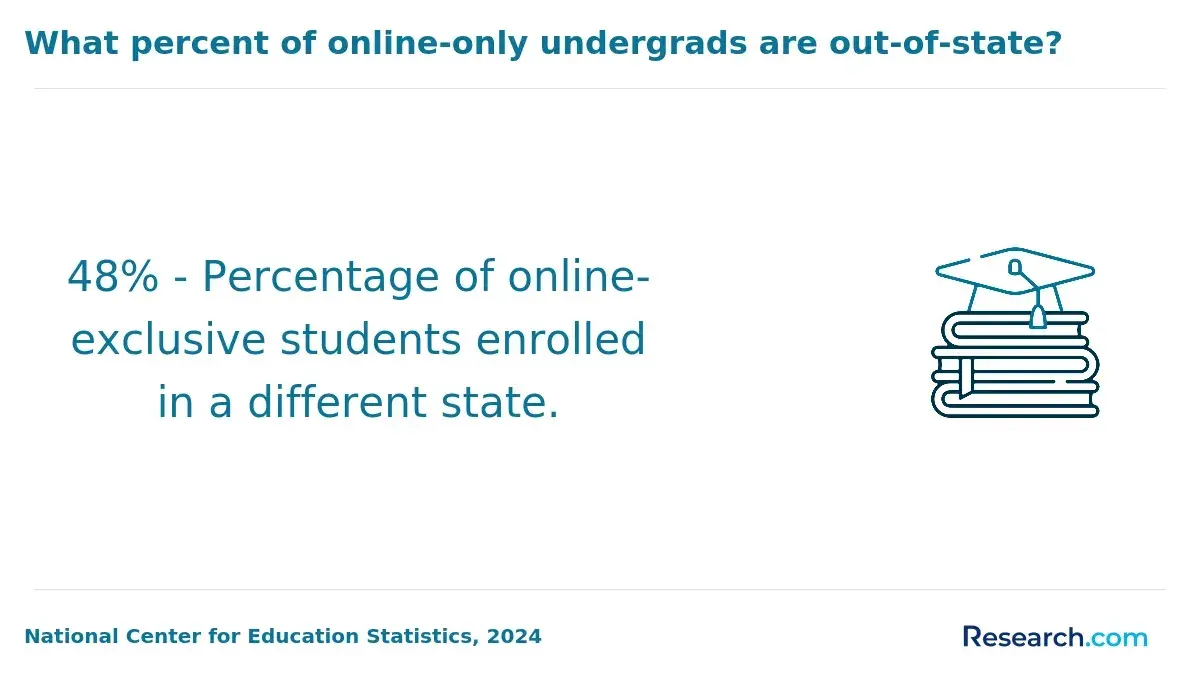
The National Center for Education Statistics shows that over 60% of graduate business students have taken online courses, with fully online enrollments rising by more than 40% since 2019. Despite growing acceptance of online degrees, program rigor remains essential. Review graduate outcomes such as job placement rates and alumni feedback to assess effectiveness. Consulting academic advisors or professional organizations can provide additional guidance on selecting reputable programs.
What are typical admission requirements and application materials for online organizational leadership degrees?
Admission to online organizational leadership programs typically requires a completed application, a bachelor's degree from an accredited school, and a minimum GPA usually between 2.5 and 3.0. Official transcripts verify academic records, while professional experience or a current resume helps assess leadership potential, especially at the master's level. Some competitive programs ask for two to three letters of recommendation from supervisors or professors familiar with the applicant's skills.
Application packages often include a personal statement or essay detailing career objectives and leadership philosophy, which helps admissions committees evaluate motivation and communication skills. While some programs require GRE scores, many waive this for applicants with relevant work experience or prior graduate study. International candidates usually need English language test scores like TOEFL or IELTS. Certain schools may also request background checks or interviews as part of admissions.
Cost is an important factor; BestColleges' 2025 analysis shows tuition ranges from about $9,000 to over $40,000 for these programs. Public institutions generally charge 20-30% less than private ones, impacting students' financial planning and aid opportunities.
How long do online organizational leadership programs take and what do they usually cost?
Online organizational leadership degree programs typically require between 18 and 36 months to complete, varying based on whether students pursue full-time or part-time enrollment. Full-time students usually finish within 18 to 24 months thanks to accelerated course schedules, while part-time learners-often working professionals-may take up to three years. This flexibility appeals particularly to mid-career individuals balancing work and personal commitments.
Tuition costs vary widely, generally ranging from $15,000 to $45,000 for the entire program. Public universities often offer lower tuition rates, sometimes under $20,000 for in-state students, whereas private institutions may charge $30,000 or more. Additional expenses such as technology fees, textbooks, and optional in-person residencies can also affect the total cost. Many programs provide financial aid, employer tuition reimbursement options, or payment plans to help manage expenses.
Prospective students should carefully evaluate the cost per credit hour alongside program length to ensure the best financial and scheduling fit. According to U.S. News & World Report data, the average age of online organizational leadership graduate students is about 34, and approximately 70% maintain full-time employment while enrolled, highlighting the program's suitability for working adults.
- Completion time ranges from 18 to 36 months depending on enrollment status.
- Total tuition typically falls between $15,000 and $45,000.
- Part-time study fits well with the 70% of students working full time.
What careers can an online organizational leadership degree with decision-making coursework prepare you for?
An online organizational leadership degree with a focus on decision-making prepares graduates for careers that demand strategic thinking and data-driven approaches. Common roles include management analysts, project managers, and operations managers who lead teams and enhance organizational effectiveness using advanced decision frameworks. These professionals interpret complex data, forecast outcomes, and apply AI-driven solutions.
Public sector opportunities include policy advisors and nonprofit directors who use decision-making models to allocate resources and assess program impact. In corporate settings, business intelligence managers and organizational development consultants combine analytics with leadership strategies to stay competitive. These paths blend leadership theory with practical, algorithmic decision-making essential in today's market.
According to Deloitte's 2024 Global Human Capital Trends report, 70% of organizations are investing in leadership skills in AI, analytics, and algorithmic decision-making. This growing demand positions graduates for specialized roles in tech-driven firms and innovation teams.
Additional career options involve change management and human capital strategy, where leaders support workforce transformations using predictive analytics. Entrepreneurs also benefit by applying decision-making skills to navigate uncertainty and scale ventures effectively.
Careers in management consulting, strategic planning, policy development, and AI-enhanced leadership fields particularly value this degree, emphasizing the integration of leadership and quantitative analysis skills.
What salary ranges and job outlook can graduates in organizational leadership expect?
Graduates with degrees in organizational leadership can expect salaries ranging from about $60,000 to over $120,000 annually, influenced by experience, job role, and industry. Entry-level roles such as management analysts or project coordinators typically start between $60,000 and $75,000, while senior positions like operations managers or directors often exceed $100,000. Specialized areas including human resources, nonprofit management, and corporate strategy also impact earning potential.
The employment outlook for organizational leadership careers remains positive. The U.S. Bureau of Labor Statistics projects a 7% growth for management occupations from 2024 to 2034, outpacing the average for all jobs. This demand is driven by a need for skills in decision-making, team leadership, and managing change.
Employers increasingly value candidates with practical decision-making skills. A 2024 Quality Matters and Eduventures survey highlights that over 80% of institutions offering online graduate leadership programs have expanded the use of simulations, case studies, and interactive tools since 2020. These approaches enhance graduates' job readiness and workplace performance.
To boost career prospects, professionals should consider certifications in project management or change leadership. Salaries often vary by region, with metropolitan areas typically offering higher pay due to greater demand. Institutional resources emphasize applied skills for stronger career trajectories and competitive salaries.
How should you choose the right online organizational leadership program for your goals and schedule?
Choosing an online organizational leadership program involves aligning the curriculum, flexibility, and outcomes with your personal and professional goals. Focus on programs offering coursework in decision-making, strategic planning, and leadership coordination-skills that the World Economic Forum's Future of Jobs 2025 identifies as vital, remaining in high demand through 2030 despite automation.
Consider your schedule when selecting program formats. Full-time students may opt for accelerated paths, whereas working professionals often need asynchronous or part-time options with evening or weekend classes. Verify whether the program includes real-world case studies and simulations to strengthen practical decision-making skills.
Institutional reputation and accreditation matter. Look for programs accredited by recognized bodies like the Council for the Advancement of Standards in Higher Education (CAS) or regional accreditors to ensure quality and employer recognition. Check graduation rates and alumni outcomes to gauge effectiveness.
Strong support services such as academic advising, career counseling, and networking opportunities enhance your experience. Access to mentorship and leadership forums can accelerate career advancement.
Finally, weigh tuition costs against financial aid offerings. Investing in accredited programs with robust decision-making content delivers long-term value and prepares you for leadership roles that will continue to be in demand.
Other Things You Should Know About Organizational Leadership
Yes, many organizational leadership programs cover topics relevant to non-profit management, such as fundraising, volunteer coordination, and community engagement. These degrees equip students with leadership skills tailored to the unique challenges faced by non-profit organizations.
Many online programs incorporate experiential learning through virtual internships, case studies, group projects, or capstone courses that simulate real-world leadership challenges. These opportunities help students apply theoretical knowledge in practical settings despite the program's remote format.
In 2027, online organizational leadership programs develop skills such as strategic thinking, conflict resolution, communication, and team management. These additional skills complement decision-making coursework, equipping graduates to lead effectively across varied organizational contexts.
References
- Organizational Leadership M.S. - Accelerated Online https://manhattan.edu/academics/graduate-programs/organizational-leadership-online.php
- Data Driven Decision Making with AI | Short Course | IMI https://www.imi.ie/programme/data-driven-decision-making-with-ai/
- Doctor of Education in Organizational Leadership https://www.umassglobal.edu/academic-programs/doctor-education-organizational-leadership
- Earn Your Organizational Leadership Degree Online https://waldorf.edu/lp/online-organizational-leadership-degree/
- The Best EdD in Organizational Leadership Programs of 2025 https://www.eddprograms.org/schools/organizational-leadership/
- How to Choose the Right Leadership Training for Your Organization — CultureAlly https://www.cultureally.com/blog/types-of-leadership-development-training
- Choosing the Best Leadership Training Program for Your Organization — Loeb Leadership https://www.loebleadership.com/insights/unlocking-success-choosing-right-leadership-training-program
- Data Analysis for Decision-Making Professional Certificate https://www.edx.org/certificates/professional-certificate/ritx-data-analysis-for-decision-making
- What Jobs Can I Get With a Degree in Organizational Leadership? | CSU Global https://csuglobal.edu/blog/what-jobs-can-you-get-bachelors-degree-organizational-leadership
- CQL Accreditation | The Council on Quality and Leadership https://www.c-q-l.org/accreditation/