2027 Organizational Leadership Concentrations That Best Match Mid-Career Professionals

Co-Founder and Chief Data Scientist
Mid-career professionals often face challenges when seeking to shift into organizational leadership without prior experience in the field. Balancing full-time work with education requires flexible programs that align with their career goals and schedules. Many struggle to identify concentrations that provide practical skills transferable across industries while enhancing leadership credentials. Choosing the right concentration can impact career advancement and job satisfaction significantly. This article examines prominent organizational leadership concentrations designed for professionals transitioning from unrelated disciplines, highlighting options that offer both flexibility and industry relevance to help readers make informed decisions and successfully pivot their careers.
Key Things You Should Know
- Mid-career professionals increasingly favor concentrations in change management, strategic leadership, and diversity and inclusion within organizational leadership for relevant career advancement.
- Programs offering flexible online and hybrid formats saw a 15% enrollment rise in 2025, catering to working adults balancing education and employment.
- According to recent labor data, 68% of graduates with specialized organizational leadership concentrations secured managerial roles within two years of completion.
What are the most common organizational leadership concentrations for mid-career professionals and how do they differ?
Common organizational leadership concentrations for mid-career professionals include strategic leadership, human resource management, change management, and project leadership. Each specialization develops distinct skills to match diverse career paths and workplace objectives. Strategic leadership focuses on long-term vision, critical decision-making, and competitive positioning, preparing leaders for complex market challenges.
Human resource management emphasizes talent acquisition, workforce development, and employee relations, helping leaders optimize human capital and build inclusive cultures. Change management trains professionals to steer organizational transformations, prioritizing communication and overcoming resistance. Project leadership equips leaders to manage teams and deliver projects efficiently, often incorporating agile and lean methods. These tracks illustrate common organizational leadership specializations and career impact in different industries.
Those pursuing organizational leadership concentrations for mid-career professionals should align their choice with current roles and future goals. For instance, a manager targeting executive leadership might choose strategic leadership, while someone focused on team dynamics may prefer human resource management. Mid-career professionals can also explore flexible degree options like an EdD without dissertation, allowing tailored education with less time commitment.
The Bureau of Labor Statistics projects about 1.1 million annual openings in management occupations from 2024 to 2034, reflecting growing demand for leaders with specialized expertise. The median annual wage for management roles was $122,090, underscoring the significant economic value of advanced leadership skills.
Which organizational leadership concentration best matches my current mid-career role and future goals?
The best organizational leadership concentrations for mid-career professionals depend on their current roles and future career goals. Those in operational management looking to boost team performance and improve processes should consider performance and change management. This concentration equips leaders with strategies to drive innovation and navigate transformation challenges like employee resistance or inefficient workflows.
Professionals targeting senior executive roles benefit from a focus on strategic leadership. This path hones skills in long-term planning, decision-making, and aligning leadership approaches with organizational objectives, preparing leaders to manage complex and rapidly evolving business environments.
Mid-career individuals in human resources or talent development should explore leadership coaching and development. Given that leadership development delivers an average annual ROI of 415%, or $4.15 returned per $1 spent according to Training Industry, this area offers significant value for those designing or leading impactful training programs.
Those working in nonprofit or community sectors typically prioritize ethical and inclusive leadership to address social responsibility and equity challenges.
Key factors to consider when selecting an organizational leadership concentration include:
- Current daily responsibilities and leadership challenges
- Future roles you aim to pursue within or beyond your industry
- Skills employers seek, such as conflict resolution, communication, and innovation
Aligning your educational focus with measurable organizational outcomes ensures your leadership development leads to career advancement and meaningful impact.
For those exploring flexible educational options, a 2 year construction management degree online can offer accelerated pathways that complement leadership development goals in emerging industries.
How do online organizational leadership concentrations compare with campus programs for working adults?
Online organizational leadership concentrations for working adults provide greater flexibility than traditional campus programs, making them ideal for mid-career professionals balancing full-time jobs and education. These programs often offer asynchronous coursework, enabling students to complete assignments on their own schedules. This flexibility is especially important for those managing both career and personal commitments.
Campus vs online organizational leadership programs for mid-career professionals presents distinct advantages: campus programs offer in-person networking through face-to-face interactions, group work, and access to on-site resources. However, many online programs now feature virtual networking, live sessions, and discussion forums to foster community engagement. Quality online courses are frequently taught by the same faculty who lead on-campus classes, maintaining academic rigor.
When choosing a format, students should consider accreditation, faculty experience, and career support services. Employers may prefer on-campus degrees for traditional leadership roles, while others value the time-management skills demonstrated by completing online programs.
The national average salary for management consultants, a common career path for organizational leadership graduates, is $91,108 according to Indeed. This salary potential reflects solid prospects regardless of the format, assuming the degree comes from an accredited institution.
- Online learning suits professionals needing schedule flexibility without geographic constraints.
- Campus programs may benefit those prioritizing in-person collaboration and networking.
- Hybrid formats offer a balance, combining virtual convenience with occasional on-site sessions.
Those interested in affordable advanced business degrees might explore the cheapest online MBA healthcare management options for insight into cost-effective program choices.
What are the admission requirements for organizational leadership concentrations aimed at experienced professionals?
Admission requirements for organizational leadership concentrations designed for experienced professionals typically include both academic credentials and relevant managerial experience. Applicants usually need a bachelor's degree from an accredited institution, which serves as the foundational requirement for advanced leadership studies. Many roles in operations management and administrative services mandate this credential, aligning with data from the Bureau of Labor Statistics, which reports a median pay of $106,880 for Administrative Services and Facilities Managers.
For mid-career professionals applying to organizational leadership programs, three to five years of leadership or managerial experience is often expected. This experience allows students to bring practical knowledge and enriched perspectives to their coursework and discussions. Programs may also ask for a résumé or CV, letters of recommendation from supervisors or colleagues, and a statement of purpose outlining career goals.
Some concentrations have specific preferences based on focus areas. For instance, healthcare leadership tracks might favor candidates with clinical or administrative health backgrounds, while nonprofit tracks seek experience in fundraising or volunteer coordination. International applicants may be required to submit English proficiency scores and credential evaluations, though executive or accelerated formats often provide more flexible admission criteria.
Prospective students interested in leadership in project environments might explore project management degrees as a complementary path within organizational leadership education.
What core courses and specialization classes will I take in different organizational leadership concentrations?
Core courses in organizational leadership concentrations build essential skills for mid-career professionals seeking to advance management capabilities. Key topics include strategic decision-making, organizational behavior, ethics, corporate responsibility, and effective communication. These foundational classes prepare students to lead across different industries with confidence.
Specializations allow students to tailor their focus based on career goals. For instance, change management concentrations cover transformational leadership, conflict resolution, and stakeholder engagement. Human resource leadership emphasizes talent acquisition, performance management, and labor relations. Other common concentrations include project leadership, focusing on agile methodologies and risk management, and nonprofit leadership, which integrates fundraising strategies and community partnerships.
Programs often incorporate case studies, simulations, and capstone projects to blend theory with real-world practice, accommodating mid-career learners balancing work and education. Harvard Business Review highlights that longer career spans increase the importance of leadership development for experienced professionals navigating evolving workplace dynamics.
When choosing a concentration, consider how courses address emerging priorities like digital transformation, diversity and inclusion, or global leadership. Aligning coursework with current roles and future aspirations ensures relevance and practical value throughout your career journey.
How long do organizational leadership concentration programs take and what do they typically cost?
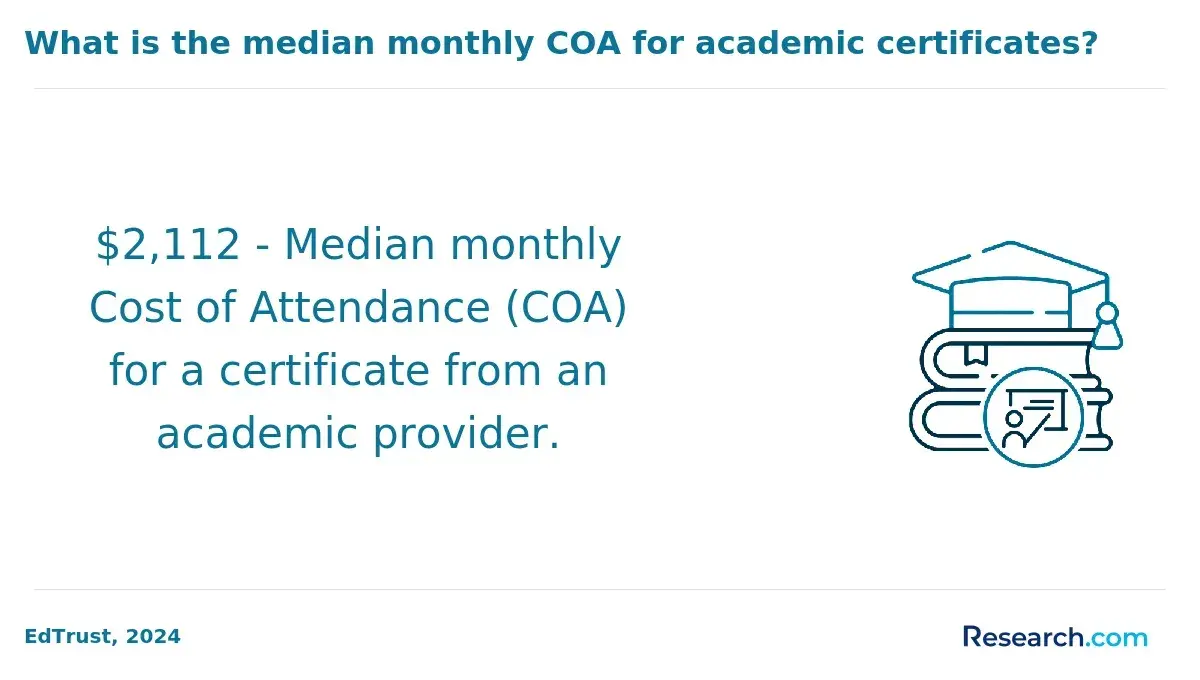
Organizational leadership concentration programs for mid-career professionals generally span 12 to 24 months, with flexible options such as part-time, evening, or online formats to accommodate work and family commitments. Accelerated tracks may reduce program length to as little as 9 months but demand a more intensive weekly time commitment.
Tuition costs vary widely, with master's degree programs typically ranging from $15,000 to $50,000. Certificate programs offer a more affordable entry point, often between $3,000 and $10,000, providing foundational leadership knowledge without a full degree commitment. Public universities usually charge less for in-state students, whereas private institutions often have higher tuition regardless of residency.
When selecting a program, consider total expenses beyond tuition, including fees, materials, and travel for hybrid formats. Many employers provide tuition reimbursement or professional development funds that can alleviate financial burdens. Prospective students should weigh program length and total cost against their career objectives and available time.
Leadership demand remains urgent: just 14% of CEOs say they have the leadership talent necessary to implement strategies effectively. Investing 12 to 24 months and $15,000 to $50,000 in targeted organizational leadership education can help professionals close this leadership gap and advance their careers.
What careers and leadership roles do specific organizational leadership concentrations prepare mid-career adults for?
Organizational leadership concentrations equip mid-career professionals with skills for diverse leadership roles focused on team management, driving change, and operational improvement. For example, change management prepares individuals for roles as organizational change managers, who typically earn a national average salary of $103,845, according to Indeed. These professionals help companies navigate technology adoption or restructuring while minimizing disruption.
Other leadership development tracks prepare candidates to become department heads, executive coaches, or talent development directors. Essential skills include mentoring, conflict resolution, and strategic planning to build high-performing teams and leadership pipelines.
Non-profit leadership concentrations focus on preparing professionals for roles such as executive directors, program managers, or policy advocates in mission-driven organizations, emphasizing stakeholder engagement, fundraising, and ethical decision-making.
Business leadership paths often lead to general management, operations leadership, or project management careers, highlighting financial acumen, performance measurement, and cross-functional collaboration.
Healthcare leadership tracks develop expertise in hospital administration, clinical operations, or health services management, requiring skills in regulatory compliance, patient care standards, and interdisciplinary coordination.
Mid-career adults should align concentrations with their experience and leadership goals. Specialized training in organizational behavior, data-driven decision-making, and effective communication significantly enhances leadership effectiveness.
What salary ranges and promotion pathways can graduates expect from organizational leadership concentrations?
Graduates with concentrations in organizational leadership can anticipate varied salary ranges depending on their roles, typically starting around $60,000 and surpassing $100,000 during mid-career stages. Indeed reports a national average salary of $78,321 for human resources managers, a common career destination for these graduates, demonstrating strong earning potential in workforce management leadership.
Career advancement usually begins with entry-level supervisory or HR specialist roles, progressing to mid-level management such as department heads or senior HR advisors. From here, professionals often transition to director-level positions overseeing multiple teams or strategic projects. Executive roles, including Chief Human Resources Officer or Vice President of People Operations, represent final career steps with significantly higher compensation.
Typical career trajectories include:
- Starting as an HR coordinator or team supervisor with salaries from $55,000 to $65,000
- Moving up to HR business partner, training manager, or organizational development consultant earning between $70,000 and $90,000
- Advancing to HR director or leadership consultant roles with salaries exceeding $100,000
Organizational leadership graduates also find opportunities in project leadership and operations management, offering similar pay scales. Earning professional certifications like SHRM-SCP or PMP and ongoing development often accelerate career growth. Employers highly value practical leadership experience combined with formal education, creating a pathway to influential, well-paid roles in workforce strategy.
How can I evaluate accreditation and program quality for organizational leadership degrees and concentrations?
Accreditation is a key factor when evaluating organizational leadership degrees. Ensure the program has regional accreditation from bodies recognized by the Council for Higher Education Accreditation (CHEA) or the U.S. Department of Education, as this confirms recognized academic standards and credit transferability.
Programmatic accreditation from specialized organizations like the Accreditation Council for Business Schools and Programs (ACBSP) can further attest to curriculum quality focused on leadership and management.
Faculty expertise plays a crucial role. Look for instructors with relevant industry experience or active research in organizational leadership. The curriculum should cover core leadership competencies such as strategic thinking, ethics, and change management.
Support services and measurable outcomes distinguish strong programs. Features like internships, mentorships, and leadership labs enhance practical skills. Verified statistics, such as an average 77% reduction in employee turnover from companies with effective leadership training (per the Association for Talent Development), illustrate the impact of quality education.
Additionally, testimonials and surveys from current students and alumni provide insight into real-world applicability and satisfaction. Comparing these elements helps find a program suited to mid-career advancement goals.
What criteria should mid-career professionals use to choose the right organizational leadership concentration and school?
Mid-career professionals choosing an organizational leadership concentration should focus on aligning their studies with career goals and industry needs. Concentrations like strategic management, change leadership, or human resource development develop skills for roles such as executives or HR directors.
Accreditation by recognized organizations like AACSB or ACBSP is essential, signaling strong academic standards. Evaluate faculty expertise, alumni success, industry connections, and graduate salary data to ensure a program's value and return on investment.
Flexibility is crucial for working students. Programs offering part-time, online, or hybrid formats allow professionals to balance study with ongoing work commitments without compromising quality.
Look for curricula incorporating real-world leadership experience, such as consulting projects or internships, which boost resumes and practical skills. Additionally, check that career services provide networking and job placement support tailored to mid-career transitions.
Salary potential remains a key factor. According to the Bureau of Labor Statistics, the median annual wage for management occupations was $122,090, over twice the median for all occupations. Selecting a concentration with strong demand can help you capture this premium.
- Identify concentrations linked to your target roles.
- Choose accredited programs with proven outcomes.
- Prioritize flexible learning formats.
- Ensure practical leadership opportunities are included.
- Consider salary prospects post-graduation.
Other Things You Should Know About Organizational Leadership
Organizational leadership programs focus on building critical skills including strategic thinking, effective communication, team motivation, and conflict resolution. Mid-career professionals also develop competencies in change management and ethical decision-making, which are vital for guiding organizations through complexity and growth.
Organizational leadership emphasizes creating a positive and inclusive work environment by encouraging collaboration and employee engagement. Leaders trained in this discipline learn to align organizational values with daily practices, which enhances morale and productivity.
In 2027, technology plays a crucial role in modern organizational leadership education by providing virtual collaborative tools, data analytics, and AI-driven insights. These technologies enhance learning experiences and prepare mid-career professionals to adapt to the digital demands of contemporary leadership roles.
References
- Master’s Degree in Organizational Leadership | Mercer University https://professionaladvancement.mercer.edu/academic-programs/graduate-and-professional/organizational-leadership/
- The Best EdD in Organizational Leadership Programs of 2025 https://www.eddprograms.org/schools/organizational-leadership/
- Earn Your Organizational Leadership Degree Online https://waldorf.edu/lp/online-organizational-leadership-degree/
- What Jobs Can I Get With a Degree in Organizational Leadership? | CSU Global https://csuglobal.edu/blog/what-jobs-can-you-get-bachelors-degree-organizational-leadership
- African Leadership University (ALU) https://www.alueducation.com/types-of-leadership-styles/
- MBA vs. Organizational Leadership: Determining the Degree to Meet Your Career Goals [Infographic] https://www.umassglobal.edu/blog-news/mba-vs-organizational-leadership-determining-degree-meet-your-career-goals-infographic
- Organizational Leadership Job and Salary Opportunities https://www.pointloma.edu/resources/business-leadership/organizational-leadership-job-salary-opportunities
- How to Create a Successful Leadership Development Program - Harvard Business Impact https://www.harvardbusiness.org/insight/how-to-create-a-successful-leadership-development-program/
- Best Organizational Leadership Online MBAs | OnlineMBA.com https://www.onlinemba.com/rankings/best-online-mba/organizational-leadership/
- The 20 Most Common Leadership Challenges | CCL https://www.ccl.org/articles/leading-effectively-articles/top-leadership-challenges/