2027 Organizational Leadership Career Paths With the Best Advancement Potential

Co-Founder and Chief Data Scientist
Many professionals with backgrounds unrelated to leadership face uncertainty when considering a career shift into organizational leadership. The challenge lies in identifying roles that not only match their existing skills but also offer clear pathways for growth. Without guidance, individuals risk pursuing positions with limited advancement potential or unclear requirements, leading to stalled careers and wasted time.
This article explores the career paths within organizational leadership that offer the strongest progression opportunities. It provides insight into how prospective graduate students and working professionals can strategically plan their transitions toward roles with promising advancement prospects.
Key Things You Should Know
- Organizational leadership careers in 2026 are projected to grow 9% through 2030, faster than average, driven by increasing demand for skilled managers in complex business environments.
- Advanced degrees, especially MBAs with a leadership focus, significantly boost promotion potential and salary, with median earnings rising 15% over bachelor's degree holders.
- Key advancement skills include strategic decision-making, emotional intelligence, and digital transformation expertise, which 78% of employers prioritize in leadership candidates.
What is organizational leadership and how does it translate into real-world career paths?
Organizational leadership career paths and advancement opportunities frequently begin with entry-level roles like project management specialists, team coordinators, and assistant managers. These positions build essential communication, problem-solving, and decision-making skills. Professionals move into roles such as project managers, operations managers, human resources leaders, and business analysts, where they align organizational goals with employee skills, technology, and resources.
Real-world applications of organizational leadership roles include ensuring project timelines and budgets meet team output and crafting policies that improve workplace culture and efficiency. Developing strengths in strategic planning, interpersonal communication, data analysis, and change management is critical for success. Earning recognized certifications and gaining experience in diverse industries further enhances career prospects.
The U.S. Bureau of Labor Statistics reports that project management specialists earned a median annual salary of about $100,750, with employment expected to grow 7% over the next decade. This growth underlines the demand for leaders adept at navigating complex corporate environments and adapting to evolving technologies.
Students and professionals interested in this field may explore sectors such as healthcare, technology, finance, or nonprofits. For those seeking educational options, consulting resources like the cheapest EdD programs online can provide valuable guidance on affordable advanced degrees in organizational leadership and related fields.
Which organizational leadership careers offer the strongest long-term advancement potential?
Careers in organizational leadership with the strongest long-term advancement potential often reside in mid-level management roles such as administrative services and facilities management. According to the U.S. Bureau of Labor Statistics, administrative services and facilities managers earned a median annual wage of $106,880, with employment projected to grow by 6% from 2023 to 2033, reflecting steady demand for these leadership positions.
Mid-level roles typically involve overseeing daily operations, coordinating across departments, and executing strategic initiatives set by senior leadership. Common job titles include operations manager, project manager, and department head, which are important stepping stones toward executive positions like director or chief operating officer. Advancing in these roles often requires specialized knowledge in areas such as supply chain management, human resources, or IT systems.
Operations managers who develop expertise in data analytics or digital transformation generally enjoy better promotion prospects. Networking and further education, including earning an MBA or certifications, can enhance career advancement in organizational leadership. Prospective students and professionals should consider industries with growth potential, such as healthcare, technology, and government services, to maximize stability and opportunities.
Success in these careers demands both strong management skills and adaptability to changing organizational and technological trends. Focusing on measurable achievements and leading cross-functional teams can heighten promotion chances. For those exploring educational options, programs like the shortest EdD program online offer a fast track to advanced qualifications.
Long-term career growth is frequently found among top organizational leadership jobs with strong long-term growth potential across expanding industries in the United States.
What education and degree levels are recommended for advancing in organizational leadership?
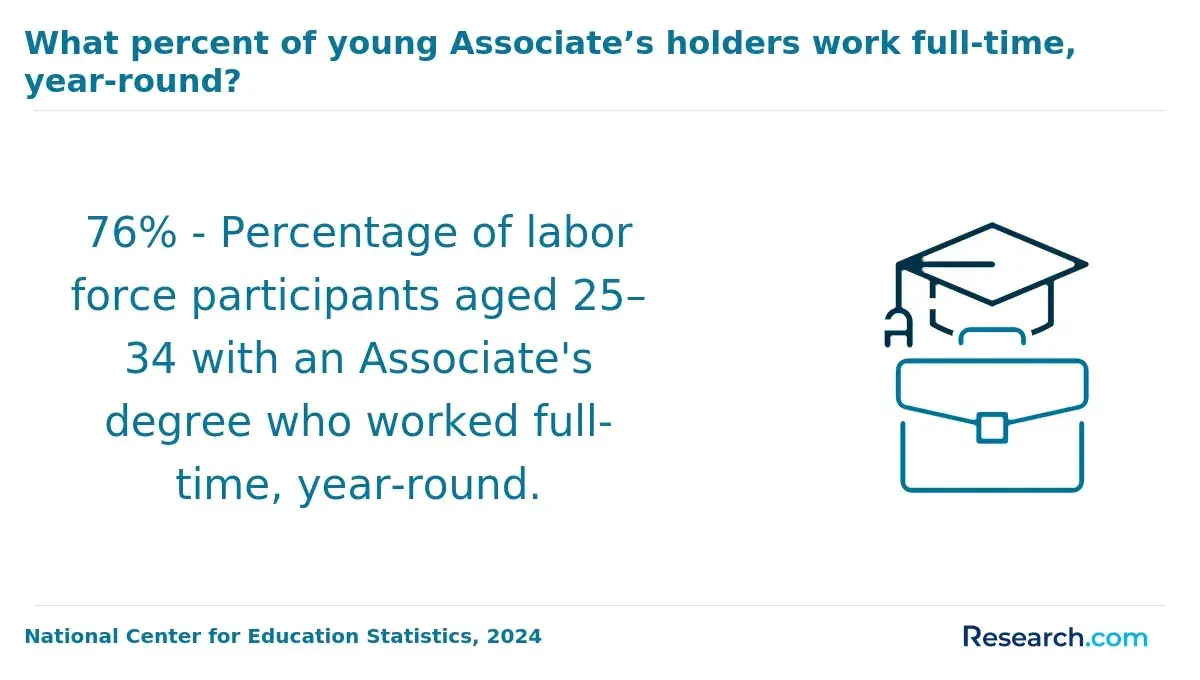
Advancement in organizational leadership often starts with obtaining at least a bachelor's degree in business administration, management, or related fields. For those targeting higher-level roles such as executive leadership or specialized paths like human resources management, a master's degree is highly recommended. An MBA focusing on leadership or organizational behavior is particularly valued, as it provides essential skills in strategy, change management, and team dynamics. Specialized master's degrees in this area further deepen expertise for career advancement.
Professional certifications enhance the best educational qualifications for advancing organizational leadership roles by validating skills in specific domains like project management or HR. Certifications such as the Project Management Professional (PMP) and Society for Human Resource Management (SHRM) help accelerate career growth alongside academic credentials.
Data from the U.S. Bureau of Labor Statistics underscores the financial benefits of leadership education: human resources managers earned a median annual salary of about $140,030 with projected job growth at 6% from 2023 to 2033. Employers increasingly seek candidates with advanced degrees for strategic leadership positions, making graduate studies crucial.
To maximize advancement potential in organizational leadership degree programs for career advancement:
- Pursue a bachelor's degree related to leadership or business.
- Obtain a master's degree, preferably an MBA or specialized leadership program.
- Complement education with relevant professional certifications.
- Develop key skills such as strategic planning, communication, and change management.
Students interested in related fields may also explore affordable pathways by researching the cheapest construction management degree, which can offer cost-effective options within management education.
How do online organizational leadership programs compare with on-campus options for career growth?
Online organizational leadership program benefits include greater flexibility for working professionals, enabling them to maintain employment while advancing their education. This flexibility allows immediate application of leadership theories in practice, fostering accelerated skill development. Many online programs now incorporate virtual simulations and live sessions to address experiential learning needs often found in specializations like organizational change management and team leadership.
In contrast, on-campus programs emphasize direct networking, face-to-face mentorship, and immersive group dynamics essential for roles where interpersonal skills are critical. These elements often result in stronger professional connections and career referrals. Employers increasingly recognize the value of online degrees when programs are accredited and rigorous, though some highly competitive positions may prefer candidates with in-person experiences for their demonstrated collaboration skills.
Career growth opportunities in organizational leadership education vary depending on one's goals and industry demands. For example, individuals targeting decentralized or remote organizations might benefit more from an online format. Those seeking traditional industries may prioritize on-campus credentials. Prospective students should consider program accreditation, alumni outcomes, and curriculum delivery.
According to the U.S. Bureau of Labor Statistics, training and development managers earned a median salary of $127,090, with a 7% job growth projection through 2033. This highlights the importance of balanced leadership education. For those interested in a faster route, an accelerated sports management degree online may offer a model of efficient online program delivery.
What core courses and skills do organizational leadership degrees typically include?
Organizational leadership degrees cover essential management and interpersonal skills through core courses. Students typically engage with strategic planning to analyze business environments and set long-term goals. Project management courses develop practical skills in scheduling, resource allocation, and risk assessment, which are critical for leading teams and complex initiatives. Financial management focuses on budgeting, reporting, and cost control, preparing graduates for fiscal accountability.
Effective communication skills, including conflict resolution and negotiation, are emphasized to maintain team cohesion and influence outcomes. Leadership theory explores diverse leadership styles and decision-making processes, helping students adapt within various organizational cultures. Ethics and corporate social responsibility are also integral, promoting sustainable and ethical business practices.
Programs often highlight data analysis and performance measurement, enabling leaders to use metrics for continuous improvement. Some also offer specialization tracks in change management or human resources to deepen expertise in organizational transformation or workforce development.
According to the U.S. Bureau of Labor Statistics, project management specialists earned a median annual wage near $100,750, with employment projected to grow 7% over a decade. This demonstrates strong demand for organizational leadership skills that combine strategy and project execution.
What admission requirements and prior experience help candidates enter organizational leadership programs?
Admission to organizational leadership programs usually requires a bachelor's degree from an accredited institution. Although degrees in business administration, psychology, or public administration can strengthen an application, they are not always mandatory. Many programs place strong emphasis on prior leadership experience, such as supervisory roles or project management, as key indicators of candidate readiness.
A competitive application often includes evidence of leadership potential through work experience, volunteering, or academic projects. Preferred candidates typically have 2 to 5 years of experience managing teams or leading initiatives. Some programs also ask for letters of recommendation from supervisors familiar with the applicant's leadership and decision-making skills.
Standardized tests like the GRE are less commonly required but may enhance applications for selective programs. Applicants should be prepared to submit a personal statement or essay outlining their leadership philosophy and career goals.
Organizational leadership programs value diverse professional backgrounds, which enrich the interdisciplinary approach of leadership studies.
Careers in management consulting illustrate the practical outcomes linked to these programs. According to U.S. Bureau of Labor Statistics data, management analysts earned a median wage of $101,190, with employment expected to grow 11% over the next decade. This growth highlights the importance of relevant education and experience for career advancement in leadership fields.
How long do organizational leadership programs take, and what do they typically cost?
Organizational leadership programs offer flexible timelines depending on degree level and format. Certificate programs can be completed within 6 to 12 months, appealing to working professionals seeking focused skills quickly. Associate degrees typically take about two years, while bachelor's degrees last around four years. Advanced degrees like master's programs generally require 1 to 2 years of full-time study, with part-time and online options available to extend duration and improve flexibility.
Costs vary significantly by institution and format: certificate programs often range from $2,000 to $8,000; associate degrees from $6,000 to $20,000; bachelor's degrees between $40,000 and $100,000; and master's programs usually cost $20,000 to $60,000, with some public and online options providing lower tuition rates.
Financial aid, scholarships, and employer tuition assistance can substantially offset expenses. Online and part-time programs offer affordability and convenience for students balancing work and study.
According to U.S. Bureau of Labor Statistics data for 2024, median annual wages are $105,350 for top executives and $206,420 for chief executives. Employment in top executive roles is projected to grow 6% from 2023 to 2033, underscoring strong career advancement prospects for those with formal organizational leadership training and credentials.
What salaries and total compensation can organizational leadership professionals expect by role and industry?
Organizational leadership professionals' salaries vary widely by role and industry. In education administration, principals at the elementary, middle, and high school levels earned a median annual wage of $104,070, according to U.S. Bureau of Labor Statistics data. However, employment in these roles is expected to decline by 1% over the next decade, increasing competition.
Corporate organizational leadership positions, including directors and vice presidents, typically offer salaries between $90,000 and over $180,000 annually, often supplemented by bonuses and stock options. Technology and finance are notable for higher compensation due to their competitive landscapes.
Nonprofit leadership roles usually range from $60,000 to $120,000, focusing more on mission alignment than high salaries, though incentives and benefits are common. Mid-level managers in manufacturing and healthcare may earn between $70,000 and $110,000, while executives in large organizations can see salaries exceeding $200,000, reflecting the need for proven strategic leadership.
Compensation packages often include bonuses, retirement contributions, and health benefits. Education leadership benefits from tenure-based raises and public sector benefits, differing from private-sector models that emphasize performance incentives.
Factors like company size, geographic location, and responsibility level influence total pay and career progression, helping candidates negotiate effectively and align their expectations with current market trends.
What is the job outlook for organizational leadership roles across sectors like business, healthcare, and nonprofits?
The outlook for organizational leadership roles across business, healthcare, and nonprofit sectors shows steady growth. Operations managers earned a median annual salary of $101,280 in May 2023, according to the U.S. Bureau of Labor Statistics, indicating strong compensation potential. Employment in these roles is expected to grow 6% from 2023 to 2033, reflecting sustained demand for leadership professionals.
Growth is particularly notable in manufacturing, logistics, healthcare, and professional services, where organizational leadership skills improve efficiency and manage complex operations. Healthcare leaders, for example, coordinate multidisciplinary teams and navigate regulatory environments. In business, organizational leaders guide strategic initiatives and oversee cross-functional teams to enhance competitiveness.
Nonprofit roles also offer advancement opportunities, though with typically lower salaries than corporate jobs. These positions require specialized skills in fundraising, stakeholder engagement, and program management, appealing to those focused on social impact careers.
Prospective students and professionals should consider developing skills in cross-functional operations, strategic planning, and team leadership to boost versatility across industries. Additionally, advanced degrees or certifications in organizational leadership, business administration, or healthcare management increase market competitiveness.
Strong salary prospects, steady growth, and transferable skills make organizational leadership careers a viable path with substantial advancement potential.
How can students evaluate organizational leadership programs for accreditation, quality, and reputation?
Students evaluating organizational leadership programs should first verify institutional accreditation from recognized U.S. Department of Education or Council for Higher Education Accreditation agencies. Regional accreditation confirms that the institution meets academic standards and that credits will transfer. Program-specific accreditation, like that from the International Leadership Association or the Accreditation Council for Business Schools and Programs (ACBSP), adds further assurance of quality.
Faculty credentials are crucial, especially professors holding relevant doctoral degrees and practical leadership experience in areas such as operations management or training development. A strong curriculum typically incorporates strategic management, ethics, and data-driven decision-making aligned with evolving industry demands.
Reputation can be gauged by alumni outcomes and employer partnerships. Important factors include graduation placement rates and median salaries, which often reflect the sector's strong earnings potential. According to the U.S. Bureau of Labor Statistics, leadership roles like HR managers and project management specialists earn median wages near or above $100,000 annually, with projected growth between 6% and 11% through 2033.
Prospective students should consider program format-online, in-person, or hybrid-to fit their lifestyle. Independent reviews, informational sessions, and conversations with current students or alumni provide valuable insights about satisfaction and networking opportunities. Additionally, programs that offer continuing education resources or leadership certifications can enhance long-term career advancement.
Other Things You Should Know About Organizational Leadership
Organizational leadership professionals must have strong communication, problem-solving, and decision-making skills. They also need the ability to motivate teams, manage change effectively, and demonstrate emotional intelligence. Leadership roles require skills in strategic planning and conflict resolution to guide organizations toward their goals.
Certification programs in organizational leadership can validate expertise and improve job prospects by showcasing specialized knowledge. Many employers value certifications in areas like project management or change leadership, which complement degree programs. These credentials often lead to higher salaries and opportunities for advancement.
In 2027, industries such as healthcare, non-profits, government, and education are increasingly seeking organizational leadership graduates. These sectors value skills in change management, strategic planning, and team leadership to improve efficiency and drive innovation.
Yes, organizational leadership skills are highly applicable to entrepreneurship. They help founders develop vision, build teams, manage resources, and adapt to market changes. Understanding leadership principles can improve decision-making and foster sustainable business growth.
References
- 5 Organizational Leadership Careers https://claremontlincoln.edu/news-blog/organizational-leadership-careers/
- Organizational Leadership Job and Salary Opportunities https://www.pointloma.edu/resources/business-leadership/organizational-leadership-job-salary-opportunities
- Analysis of 301 Org Design and Organizational Development Jobs https://axialsearch.com/insights/organizational-development-jobs/
- PhD Organizational Leadership https://www.su.edu/admissions/graduate-students/education-application-information/phd-organizational-leadership/
- 5 Career Paths in Organizational Leadership https://www.jobconvo.com/blog/en/5-career-paths-organizational-leadership/
- What is Organizational Leadership and Why Should Aim for it https://emeritus.org/blog/leadership-what-is-organizational-leadership/
- Assessing Faculty Leadership of Online Programs - OJDLA https://ojdla.com/articles/assessing-faculty-leadership-of-online-programs
- Online Organizational Leadership Major https://www.hamline.edu/academics/online-bachelors-organizational-leadership-major
- What You Should Know About Organizational Leadership https://www.pearsonaccelerated.com/blog/organizational-leadership-degree.html
- Benefits of Organization Leadership Degrees in Management https://www.umassglobal.edu/blog-news/benefits-organization-leadership-degrees-management