2027 Best Online Organizational Leadership Degrees for Professionals Seeking Long-Term Leadership Growth

Co-Founder and Chief Data Scientist
Many professionals with degrees in unrelated fields encounter barriers when aiming for leadership roles. They struggle to find accredited, flexible programs that provide relevant skills for long-term career growth in organizational leadership. Balancing work, life, and education intensifies these challenges, especially without clear guidance on top programs tailored to career changers.
This article reviews the best online organizational leadership degrees designed to accommodate busy professionals and support a smooth transition into leadership positions. It highlights accredited options that foster skill development, flexibility, and career advancement, helping readers choose the ideal program for sustained success in the field.
Key Things You Should Know
- Online organizational leadership degrees offer flexible, fully remote options, with 72% of programs incorporating asynchronous learning to accommodate working professionals.
- Programs emphasize strategic decision-making, ethical leadership, and change management, aligning with industry trends demanding 15% job growth in leadership roles through 2032.
- Accredited degrees enhance career advancement, with graduates reporting average salary increases of 18% within two years of program completion, according to 2024 labor data.
What is an online organizational leadership degree and how does it support long-term leadership growth?
An online organizational leadership degree programs for career advancement equip professionals with essential skills in strategic thinking, team management, communication, and decision-making. These programs merge leadership theory with practical applications across various organizational contexts, preparing graduates to handle complex workplace challenges effectively.
Emphasizing competencies such as conflict resolution, ethical leadership, and change management, the curriculum often offers specialized tracks in healthcare, education, or corporate leadership. Such flexibility allows students to tailor their learning to industry-specific demands.
Working professionals gain a significant advantage from the online format, which supports full-time employment while advancing education and immediate skill application. This setup accelerates professional growth, especially as management occupations are projected to add about 1.1 million new jobs through 2032, with a median annual wage of $116,880 reported by the U.S. Bureau of Labor Statistics. These factors underscore the benefits of earning an online organizational leadership degree for professional growth.
Programs also develop emotional intelligence and cultural competence, critical for leading diverse teams. Moreover, graduates acquire data-driven decision-making skills, essential for leveraging analytics to gain strategic advantages. This combination makes the degree a valuable investment for sustainable leadership careers.
For those interested in exploring options, the online masters in leadership provide a variety of pathways to enhance expertise and advance careers.
How do online organizational leadership programs compare to campus-based options for working professionals?
Online organizational leadership programs vs campus-based degrees for working professionals offer distinct advantages. Online programs provide flexible leadership degree options for busy professionals, allowing them to balance their studies with full-time jobs and personal commitments through asynchronous coursework accessible 24/7. This flexibility suits individuals managing variable work schedules or family responsibilities.
Many accredited institutions deliver the same curriculum and faculty for both online and campus formats, ensuring comparable program quality. Online students benefit from interactive platforms, virtual group projects, and video lectures that promote engagement, though some networking opportunities available on campus may be limited. Hybrid models or scheduled virtual meetups often help maintain professional connections and real-time interaction.
Cost considerations often favor online formats due to savings on commuting and housing, though tuition varies widely by institution. Success in online programs requires strong self-discipline and effective time management skills. Prospective students should honestly assess their readiness for independent study before enrolling.
Graduates of organizational leadership programs frequently pursue roles such as management analysts, a field projected to grow 10% from 2022 to 2032 with a median annual wage of $104,660. Access to career support and accredited degrees is crucial regardless of format. For those exploring low-cost options, cheapest EdD programs may provide additional pathways to advanced leadership education.
Which accredited schools offer the best online organizational leadership degrees in the United States?
Several accredited institutions in the United States provide top online organizational leadership programs that serve working professionals aiming for long-term career growth. Arizona State University offers a Bachelor of Science in Organizational Leadership with a focus on practical leadership skills and strategic management.
Southern New Hampshire University features flexible online bachelor's and master's degrees tailored for full-time employees managing both work and study demands. Liberty University integrates Christian values with leadership principles in its online programs, appealing to students seeking faith-based education.
These programs align well with the needs of working adults-according to the 2024 Gallup-Lumina Foundation report, 58% of online students were employed full time during enrollment, compared to 44% of in-person students. This flexibility enhances work-study compatibility, allowing professionals to advance their education without sacrificing career responsibilities.
For those interested in related fields, exploring a project management bachelor degree online can also complement leadership skills.
Other strong options include Northeastern University, blending leadership theory with innovation and technology, and the University of Colorado Denver, focusing on ethical leadership and organizational change. These online programs vary in length, specialization, and cohort models, enabling students to select curricula suited for sectors like healthcare, education, or corporate management.
Verifying regional accreditation and program reputation is essential for ensuring quality education that is recognized by employers.
Professional certifications and networking opportunities embedded in some programs further enhance career prospects, making these degrees valuable for sustained leadership advancement. These top online universities offering organizational leadership degrees nationwide cater to diverse student needs and career paths.
What accreditation and program quality standards should you look for in an online organizational leadership degree?
Accreditation standards for online organizational leadership programs are essential for students to verify before enrolling. Regional accreditation from recognized bodies like the Higher Learning Commission (HLC) or the Southern Association of Colleges and Schools Commission on Colleges (SACSCOC) ensures that the institution maintains academic rigor and qualifies for federal financial aid.
Additionally, programmatic accreditation from organizations such as the Accreditation Council for Business Schools and Programs (ACBSP) or the Association to Advance Collegiate Schools of Business (AACSB) provides quality assurance criteria in online organizational leadership degrees by confirming that curricula meet professional standards.
Strong programs incorporate core leadership theories, ethical decision-making, strategic management, and practical skills like conflict resolution and team development. Experiential learning through case studies, simulations, or applied projects enhances job readiness.
Flexible course formats-such as asynchronous classes, cohort models, or accelerated tracks-benefit working professionals balancing education and career demands.
Faculty credentials also indicate program quality; instructors should hold terminal degrees and relevant leadership experience. Access to faculty involved in active research or consulting activities further enriches academic content.
Financial considerations are critical for return on investment. A Georgetown University Center on Education and the Workforce study estimated a lifetime earnings premium of approximately $1.2 million for those with bachelor's degrees in business and related leadership fields. Prospective students should weigh tuition, financial aid, and post-graduation support carefully.
For those wondering is project management a good degree alongside organizational leadership, it can complement leadership skills with practical management expertise.
What courses and specializations are typically included in an online organizational leadership curriculum?
Online organizational leadership programs focus on developing core skills in management, communication, and strategic decision-making. Courses often cover leadership theory, organizational behavior, team dynamics, and conflict resolution to prepare students to lead diverse teams effectively. Specializations may include healthcare leadership, nonprofit management, human resources leadership, and project management, each emphasizing relevant sector-specific challenges.
Additional coursework typically involves data-driven decision-making and financial management, equipping graduates to analyze budgets, metrics, and operational performance. Change management and innovation are also key topics, enabling leaders to guide organizations through transformation.
Practical learning is prioritized through case studies, leadership simulations, and capstone projects, allowing students to tackle real-world problems faced by mid-career professionals. Courses often include ethical leadership, cross-cultural communication, and understanding organizational systems to ensure responsible and inclusive leadership in global environments.
The National Center for Education Statistics notes that nearly 65% of students in exclusively online bachelor's and master's programs are aged 25 or older, highlighting these programs' alignment with the needs of working adults seeking flexible schedules and applicable skills.
What are the typical admission requirements for online organizational leadership bachelor's and master's programs?
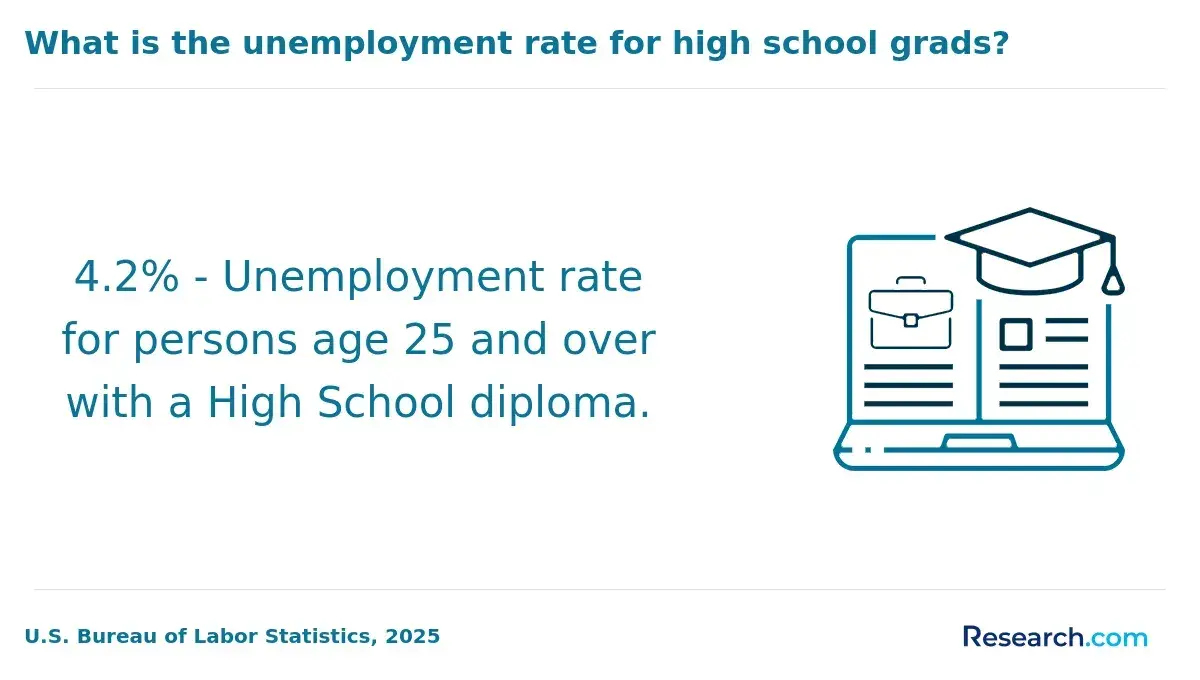
Admission requirements for online organizational leadership bachelor's and master's programs vary but typically focus on assessing academic readiness and leadership potential. For bachelor's degrees, applicants generally need a high school diploma or equivalent. Many schools request official transcripts, standardized test scores like the SAT or ACT-though these are increasingly waived-and a personal statement about leadership experience or career goals. Letters of recommendation may also be required to assess interpersonal skills and community involvement.
Master's applicants usually must hold a bachelor's degree from an accredited institution with a minimum GPA between 2.5 and 3.0. Required materials often include official transcripts, a statement of purpose highlighting leadership ambitions, and letters of recommendation from academic or professional mentors. Relevant work experience, typically two to five years in supervisory or managerial roles, is often required or strongly encouraged. Some programs ask for a current resume and may conduct interviews to evaluate communication and leadership potential. GRE or GMAT scores are less common but might be requested by select schools.
Admissions committees prioritize candidates ready to meet evolving leadership challenges. A recent AACSB survey shows over 70% of accredited business schools have updated their curriculum to emphasize ethical leadership, diversity, and sustainability. Prospective students should emphasize experiences that reflect these modern leadership themes to enhance their applications.
How long do online organizational leadership degrees take to complete, and what do they cost?
Online organizational leadership degrees vary in length depending on the program level and enrollment status. Bachelor's degrees usually take 3 to 4 years of full-time study, though accelerated or part-time options may extend this timeline. Master's programs typically require 18 to 24 months for full-time students, with part-time tracks lasting up to three years or more. Shorter postgraduate certificates can be completed within 6 to 12 months.
Tuition costs differ widely by institution and program format. Undergraduate degrees generally range from $15,000 to $50,000 total, while master's programs often cost between $20,000 and $60,000 or higher. Public universities tend to offer lower fees, especially for in-state students, whereas private schools usually charge more. Many programs adopt a pay-per-credit model, commonly between $400 and $700 per credit hour.
For working professionals, flexible program schedules are essential. According to Gallup's 2024 workplace report, about 80% of U.S. employees capable of remote work are in hybrid (54%) or fully remote (26%) settings. Online organizational leadership programs frequently include asynchronous coursework focused on virtual communication, digital collaboration, and managing distributed teams.
When selecting a program, consider time commitment, tuition, and curriculum relevance to leadership challenges in today's technology-driven workplaces.
What careers can you pursue with an online organizational leadership degree in business, nonprofits, and government?
An online organizational leadership degree opens a wide range of career opportunities across business, nonprofit, and government sectors. Graduates often pursue roles such as operations manager, project coordinator, human resources director, or executive administrator. In business, these professionals oversee teams, drive strategic planning, and improve organizational efficiency in industries like retail, finance, insurance, and manufacturing.
Nonprofit organizations need leaders experienced in fundraising, program management, and stakeholder engagement. Positions such as nonprofit director, community outreach coordinator, or development manager require strong skills in motivating diverse teams while managing limited resources effectively. In government, graduates take on roles including policy implementation, public administration, city manager, or program analyst, helping public services run smoothly and respond to community needs.
The demand for leadership skills is strong, with lightcast labor market analytics reporting over 6.8 million U.S. job postings related to management, operations, and organizational leadership from January 2019 to May 2020. Graduates should consider roles emphasizing strategic decision-making, team leadership, and conflict resolution.
- Supply chain manager
- Training and development manager
- Compliance officer
Senior leadership positions, such as director of operations or chief administrative officer, involve aligning goals, managing change, and overseeing cross-functional teams. Demonstrating how leadership expertise improves organizational outcomes is essential to compete in these fields.
What salary ranges and advancement opportunities can organizational leadership graduates realistically expect?
Graduates with degrees in organizational leadership typically start with salaries ranging from $60,000 to $80,000 annually, depending on the industry and location. Mid-level positions such as team leader, operations manager, or project coordinator generally earn between $80,000 and $110,000. Advanced roles, including director-level and vice president of operations, often exceed $120,000 and can surpass $150,000 with experience and company size. Sectors like healthcare and technology tend to offer higher compensation compared to nonprofit organizations or education.
Advancement is strong for graduates who develop strategic thinking, diversity management, and ethical decision-making skills. A McKinsey analysis highlights that companies with gender-diverse executive leadership outperform others financially by 39%, reflecting growing demand for inclusive leadership. This gives rise to career paths in diversity, equity, and inclusion fields, such as chief diversity officer or senior inclusion strategist.
Experience with cross-functional teams, change management, and conflict resolution further improves job prospects. Many graduates advance into senior management or executive roles within five to seven years, especially with additional certifications or advanced degrees like an MBA. Employers increasingly seek leaders who foster inclusive environments aligned with ethical standards, crucial for long-term organizational success.
How can professionals choose the right online organizational leadership program for their goals and experience level?
Choosing the right online organizational leadership program requires aligning the curriculum with your career goals and experience. Entry-level students benefit from foundational courses, while seasoned professionals should seek advanced subjects such as strategic change management and executive decision-making. Flexible pacing is crucial for full-time employees pursuing upward mobility.
Look for programs that include practical leadership tools like case studies, simulations, and mentorship opportunities to enhance real-world skills. Accreditation and faculty expertise serve as important indicators of program quality and industry recognition, increasing the degree's value.
Networking and career support resources are vital. Strong alumni networks and career services can facilitate promotions and lateral moves. Research shows that employees who engage regularly in leadership training are significantly more likely to advance internally, emphasizing the importance of continued development.
Consider program specializations, such as nonprofit, corporate leadership, or healthcare administration, which offer targeted skill development aligned with industry needs. Also, verify if certifications or continuing education credits are included for sustained professional growth.
Finally, weigh tuition costs against offerings and potential return on investment. Effective programs balance affordability with comprehensive curricula aimed at long-term career progression.
Other Things You Should Know About Organizational Leadership
Yes, organizational leadership degrees focus heavily on developing effective team management skills. Coursework typically covers topics such as motivation, conflict resolution, communication strategies, and group dynamics, all critical for leading diverse teams. Graduates often gain practical tools to foster collaboration and improve team performance.
Many online organizational leadership programs incorporate networking opportunities through virtual discussion boards, group projects, and live sessions. These platforms allow students to connect with peers, faculty, and industry professionals, building relationships that can support career growth. However, the quality and extent of networking vary by program.
Online organizational leadership programs in 2027 emphasize skills such as strategic thinking, communication, conflict resolution, and ethical decision-making, in addition to leadership. These competencies prepare students for diverse leadership roles across industries and enhance their ability to navigate complex organizational challenges.
References
- Where Could a Master of Organizational Leadership Take Your Career? https://www.snu.edu/blog/where-could-a-master-of-organizational-leadership-take-your-career
- How to Choose the Right Leadership Training for Your Organization — CultureAlly https://www.cultureally.com/blog/types-of-leadership-development-training
- Becoming an Organizational Leader | ACE Blog https://ace.edu/blog/becoming-an-organizational-leader/
- Online Bachelor's Degree in Organizational Leadership | CSU Global | Accredited https://csuglobal.edu/academic-programs/undergraduate-degrees/bachelors-degree-organizational-leadership
- Organizational Leadership Program | Highly Effective Organizations Program | HEO | Organizational Leadership Training | Organizational Development Training https://highlyeffectiveorganizations.org/choose-a-proven-organizational-leadership-program/
- Quality Standards and Accreditation of Distance Education Programs in a Pandemic - OJDLA https://ojdla.com/articles/quality-standards-and-accreditation-of-distance-education-programs-in-a-pandemic
- Benefits of Organization Leadership Degrees in Management https://www.umassglobal.edu/blog-news/benefits-organization-leadership-degrees-management
- What do you learn in a bachelor's in organizational leadership? | edX https://www.edx.org/resources/what-do-you-learn-in-a-bachelors-in-organizational-leadership
- MBA in Leadership Online: Compare Top Programs https://www.onlinemastersdegrees.org/best-programs/mba-programs/leadership/
- Top Online Leadership Courses 2025 – Coursera & Best Programs Reviewed https://drrichardchambers.com/top-online-leadership-courses-for-2025-a-review-of-coursera-and-more/