2027 Online Organizational Leadership Degrees With Team-Building Leadership Alignment

Co-Founder and Chief Data Scientist
Many professionals face challenges transitioning into leadership roles without formal training in team-building or strategic alignment. Without such skills, managing diverse teams or driving organizational goals becomes inefficient, leading to missed growth opportunities. Online degrees in organizational leadership offer a flexible pathway to acquire these competencies, especially for those with undergraduate degrees in unrelated fields.
This article explores how these programs integrate team-building leadership alignment and highlights options that cater to working adults seeking accredited, practical education. It aims to guide readers toward making informed decisions about advancing their careers through specialized online study.
Key Things You Should Know
- In 2026, online organizational leadership degrees increasingly emphasize team-building leadership alignment to address evolving workplace collaboration needs and improve organizational effectiveness.
- Programs integrate up-to-date leadership theories with practical team dynamics, with 68% of graduates reporting improved skills in managing diverse teams.
- Employment growth for leadership roles aligned with team-building skills is projected at 9% through 2030, reflecting industry demand for leaders who foster cohesion and productivity.
What is an online organizational leadership degree with a team-building leadership focus?
An online organizational leadership degree with team-building emphasis develops skills to enhance collaboration, communication, and cohesion in workplace settings. This focused program prepares students to lead teams by teaching strategies that build trust, resolve conflicts, and align group efforts toward common goals. Unlike broader programs, it specifically targets improving team dynamics to boost organizational performance.
Core courses often cover team development theories, leadership communication, change management, and conflict mediation. Students explore how to design team-building exercises and interventions that increase motivation and engagement among diverse teams. Such online degree programs in organizational leadership and team-building skills are practical for professionals seeking roles as team leaders, project managers, or executives responsible for collaborative efforts.
Studies show organizations prioritizing team-building can achieve up to a 25% increase in team performance. For working professionals, online delivery offers flexibility to immediately apply leadership techniques through case studies and simulations that reflect real-world challenges in aligning teams. Graduates frequently move into human resources, operations, or strategic planning, where their expertise drives enhanced productivity and workplace satisfaction.
Prospective students interested in advanced education may explore online doctoral programs in leadership to deepen their knowledge and impact organizational success on a higher level.
How do online organizational leadership programs compare with on-campus options for working adults?
Online organizational leadership degree benefits for working adults are significant, particularly in flexibility and accessibility. These programs allow professionals to balance coursework with full-time jobs, minimizing disruptions to their personal and work lives. They support self-paced study while offering comprehensive curricula aligned with industry standards.
Comparisons of online versus on-campus organizational leadership programs reveal that online formats often include virtual team-building exercises that enhance remote collaboration skills. This is important as 75% of employees report better communication through regular team-building activities, according to EGYM Wellpass. Such features prepare students for leadership roles in hybrid or fully remote workplaces.
While on-campus programs provide face-to-face interaction beneficial for immediate feedback and networking, online courses increasingly use discussion boards, video conferencing, and global leadership simulations to create a similar experience. Accessible 24/7, online programs accommodate geographic and time constraints by enabling students to study and apply leadership concepts directly to their work environments.
Both formats demand self-discipline, but online options often include dedicated support like academic advisors and peer mentors tailored to working professionals. Those interested in advanced business leadership training can explore pathways such as the best MBA in operations management programs recognized for combining leadership expertise with operational skills.
Which accreditation and quality standards should online organizational leadership degrees meet?
Online organizational leadership degree accreditation standards are key to ensuring programs maintain high quality and industry recognition. Top regional accreditors like the Higher Learning Commission (HLC), Middle States Commission on Higher Education (MSCHE), and Southern Association of Colleges and Schools Commission on Colleges (SACSCOC) confirm that institutions meet rigorous academic and administrative benchmarks. Beyond regional accreditation, quality assurance criteria for online organizational leadership programs often include programmatic accreditations such as the Accreditation Council for Business Schools and Programs (ACBSP) and the Association to Advance Collegiate Schools of Business (AACSB).
Programs with these accreditations typically offer curricula emphasizing leadership alignment principles, team-building, and engagement strategies, which are crucial to workplace effectiveness. According to Gallup data cited by EGYM Wellpass, engaged employees demonstrate 41% lower absenteeism, highlighting the value of practical leadership models that boost employee involvement and reduce turnover.
Look for courses featuring applied leadership training, conflict resolution, change management, and opportunities for certification in leadership development or team facilitation. Also, verify that the institution provides access to extensive online resources, qualified faculty with leadership experience, and dedicated career services focused on leadership roles.
For those considering further study, it may also be helpful to explore online MBA programs healthcare management to complement organizational leadership skills in specialized fields.
What admission requirements and prior experience are typically needed for these programs?
Admission criteria for online organizational leadership degree programs typically require a completed high school diploma or GED for bachelor's degrees, while master's programs demand a relevant bachelor's degree from an accredited school. A minimum GPA, usually between 2.5 and 3.0, is often expected to demonstrate academic readiness. Applicants should also submit official transcripts, letters of recommendation, and personal statements highlighting leadership potential and career objectives.
Prior experience requirements for organizational leadership programs commonly include two to five years of work in leadership, management, or team roles. This experience allows students to connect theory with real-world leadership challenges, particularly in managing remote or hybrid teams, which is increasingly important given that approximately 1 in 5 employees report feeling lonely at work, according to data from EGYM Wellpass. Admissions committees may also consider evidence of interpersonal and team-building skills through volunteer or professional roles.
Some graduate programs require standardized tests like the GRE, though many waive this based on professional experience or academic records. International applicants usually need to prove English proficiency with exams like TOEFL or IELTS. Additionally, prerequisite courses in communication, psychology, or business might be necessary to ensure preparedness for advanced organizational leadership topics.
For professionals seeking related advanced degrees, exploring an online masters in healthcare management can offer complementary leadership pathways.
What courses, projects, and team-based learning activities are included in the curriculum?
Online organizational leadership degree curriculums focus on practical, hands-on courses designed to build effective leadership skills tailored to team environments. Core subjects include conflict resolution, strategic decision-making, change management, and ethical leadership. These are often taught through case studies and simulations, encouraging active participation.
Students engage in collaborative projects where they lead virtual teams to solve problems and conduct organizational assessments. Such projects develop essential skills like communication, delegation, and motivation in diverse settings. For example, designing a team intervention plan to enhance productivity and cohesion mirrors real workplace challenges.
Team-based learning features structured group discussions, peer evaluations, and role-playing. These activities enhance interpersonal skills, accountability, and consensus-building. Consistent team-building exercises can reduce workplace conflict by up to 20%, according to EGYM Wellpass.
Many programs also include leadership labs and workshops focused on managing teams through change or crisis situations, building adaptive leadership and crisis communication expertise. Technology platforms for remote collaboration are integrated to reflect modern workforce demands.
This curriculum addresses concerns about gaining applicable leadership experience and managing team dynamics effectively, preparing graduates to lead diverse teams confidently in complex organizational settings.
How long do online organizational leadership degrees take and what do they cost?
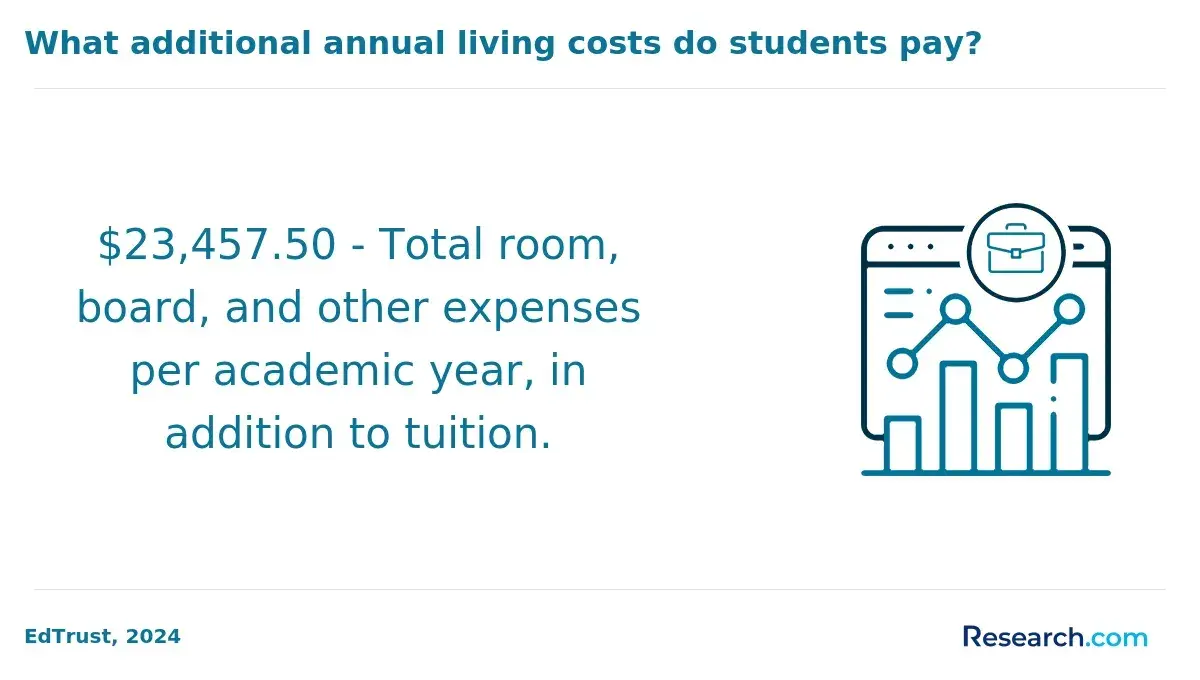
Online organizational leadership degree programs vary in length based on the level and enrollment status. Associate degrees generally take about two years full-time, while bachelor's degrees range from three to four years. Accelerated bachelor's programs and transfer credits can reduce this to under three years. Master's degrees typically require 18 to 24 months full-time study, though part-time options can extend completion beyond three years.
Tuition costs depend heavily on factors such as institution type, program length, and credit hours. Public universities usually charge between $200 and $500 per credit hour for in-state students, with out-of-state rates two to three times higher. Private institutions can range from $600 to over $1,000 per credit hour. For example, a 120-credit bachelor's at a public university may total $24,000 to $60,000, whereas private programs often exceed $90,000. Graduate programs charge about $400 to $900 per credit hour, resulting in total costs between $20,000 and $50,000 for a master's degree.
Financial aid, scholarships, and employer tuition reimbursement play key roles in lowering education expenses. Students balancing work and academics commonly opt for part-time or self-paced programs, trading a longer timeline for affordability and flexibility. Leadership education supports essential skills like team-building, which correlates with a 36% improvement in retention, per EGYM Wellpass, highlighting how these programs contribute to measurable workplace outcomes.
How do online programs build real-world team leadership, coaching, and collaboration skills?
Online organizational leadership programs develop essential leadership, coaching, and collaboration skills through interactive coursework and applied projects. These programs use case studies and simulations to recreate workplace scenarios, allowing students to practice conflict resolution, decision-making, and group dynamics in a realistic yet safe environment. Emotional intelligence and coaching techniques are emphasized to improve motivation and team performance.
Many programs include participation in virtual team projects where students coordinate tasks and communicate across diverse perspectives, mirroring modern workplace settings. Faculty provide targeted feedback on leadership styles and team results, reinforcing practical learning. Techniques such as goal-setting workshops, peer coaching, and continuous feedback loops are integrated to boost team cohesion and productivity.
Research by PMC / Tannenbaum and Cerasoli highlights that team-building interventions lead to a 25% average improvement compared to control groups, supporting the value of these programs. Additional experiential activities like leadership labs and role-playing help students adapt to managing remote teams and organizational change.
Prospective students should seek programs featuring comprehensive modules on team dynamics, coaching frameworks, and collaborative tools. These elements combine theoretical knowledge with practical skills demanded by employers today, preparing graduates for effective leadership roles.
What careers can graduates pursue in organizational leadership and team management roles?
Graduates with degrees in organizational leadership and team management are well-prepared for diverse roles that enhance team dynamics and organizational efficiency. Typical career paths include positions such as human resources manager, project manager, operations manager, and organizational development consultant. These roles demand skills in aligning team goals, clarifying responsibilities, and promoting effective communication.
Key positions may involve:
- Human resources professionals who foster workplace culture and boost employee engagement.
- Project managers who coordinate cross-functional teams to reach objectives on time.
- Organizational development specialists who analyze systems to improve productivity.
- Training and development managers who create programs to build leadership and teamwork skills.
- Operations managers who ensure processes align with team and organizational goals.
Research from PMC highlights that successful team-building heavily relies on role clarification (ρ = 0.35) and goal setting (ρ = 0.37). This data underscores the importance of leaders who define clear responsibilities and measurable targets to boost team performance. Graduates often address real-world challenges like unclear job roles, misaligned objectives, and poor communication.
Building capabilities in conflict resolution, performance metrics, and motivation is vital. Career opportunities span industries such as healthcare, education, technology, and manufacturing, reflecting broad demand for organizational leadership expertise.
What salaries and job outlook can organizational leadership graduates expect across industries?
Graduates in organizational leadership entering the job market can expect competitive salaries and strong demand across various industries. According to the U.S. Bureau of Labor Statistics, median annual wages for management roles exceed $105,000, though starting salaries often range from $55,000 to $75,000 for mid-level supervisory positions. Senior leadership and executive roles may offer salaries above $130,000.
Job growth is projected at 5% to 8% over the coming decade, particularly in sectors like healthcare, technology, and manufacturing. Emphasizing team-building skills is crucial; research from PMC shows that team-building boosts performance significantly, especially in larger teams (ρ = 0.66). Graduates excelling in managing large groups are poised for greater organizational impact, enhancing their career prospects and salary potential.
Typical salary ranges vary by industry: healthcare administration leadership roles pay between $80,000 and $110,000, technology leadership positions range from $90,000 to $140,000, and nonprofit or government roles offer $60,000 to $85,000. Growth opportunities often correlate with leadership effectiveness and project scale.
Targeting roles that demonstrate measurable improvements in team performance can maximize earning potential and advance leadership careers across industries.
How can students choose a reputable online organizational leadership program aligned with their goals?
Students seeking a reputable online organizational leadership program should prioritize accreditation from recognized bodies like the Accreditation Council for Business Schools and Programs (ACBSP) or the Distance Education Accrediting Commission (DEAC). Accreditation guarantees that the curriculum meets quality standards and industry relevance.
Choosing a program aligned with specific career goals is crucial. For instance, Waldorf University emphasizes skills in organizational change, equipping students to lead complex transformations effectively. Alternative focuses might include strategic planning, ethical leadership, or team-building depending on professional aspirations.
Practical learning opportunities such as internships, capstone projects, and real-world case studies are vital for developing applicable skills beyond theory. Prospective students should inquire about these experiences when researching options.
Faculty expertise adds significant value; programs taught by instructors with robust leadership backgrounds and academic credentials enhance both the quality and relevance of education.
Program format and flexibility are essential for working professionals. Fully asynchronous courses offer schedule freedom, while hybrid formats provide occasional live interaction.
Cost transparency and financial aid availability also impact decisions. Students should explore tuition disclosure and support resources to make informed choices.
Examining alumni outcomes, including career advancement and networking support, provides insight into a program's effectiveness and return on investment.
Other Things You Should Know About Organizational Leadership
In 2027, online organizational leadership degrees emphasize ethics and social responsibility through courses on ethical decision-making, corporate social responsibility, and sustainability. The curriculum often includes case studies and projects that challenge students to consider the broader impact of leadership decisions on society.
Yes, organizational leadership degrees provide transferable skills applicable in nonprofit, education, healthcare, and government sectors. The focus on managing teams, motivating individuals, and leading change equips graduates to assume leadership roles beyond traditional corporate environments.
Many organizational leadership programs include internships, practicums, or capstone projects to provide hands-on leadership experience. These opportunities allow students to apply theoretical knowledge in real-world settings, often enhancing their professional network and employability.
References
- Organizational Leadership M.S. - Accelerated Online https://manhattan.edu/academics/graduate-programs/organizational-leadership-online.php
- Team Collaboration Training - Elevate Leadership https://www.elevateleadership.com/solutions/team-collaboration-training
- Is a Master’s Degree in Organizational Leadership Worth It? | CSU Global https://csuglobal.edu/blog/is-a-masters-degree-in-organizational-leadership-really-worth-it
- MA in Organizational Leadership https://www.umassglobal.edu/academic-programs/ma-organizational-leadership
- Skills Employers Actually Want: How an Online Leadership Degree Builds What Modern Organizations Need https://www.marian.edu/blog/2026/01/skills-employers-actually-want-how-an-online-leadership-degree-builds-what-modern-organizations-need.php
- Master's in Organizational Leadership Online https://www.montreat.edu/online/organizational-leadership/
- How to Create a Successful Leadership Development Program - Harvard Business Impact https://www.harvardbusiness.org/insight/how-to-create-a-successful-leadership-development-program/
- Quality Standards and Accreditation of Distance Education Programs in a Pandemic - OJDLA https://ojdla.com/articles/quality-standards-and-accreditation-of-distance-education-programs-in-a-pandemic
- 5 Organizational Leadership Careers https://claremontlincoln.edu/news-blog/organizational-leadership-careers/
- Best Organizational Leadership Online MBAs | OnlineMBA.com https://www.onlinemba.com/rankings/best-online-mba/organizational-leadership/