2027 Online Organizational Leadership Degrees With Strategic Leadership Coursework

Co-Founder and Chief Data Scientist
Professionals seeking to shift careers into leadership roles often struggle to find flexible programs that combine practical skills with strategic insight. Many lack industry-relevant coursework tailored to develop competencies in managing teams, driving change, and making data-informed decisions. Without targeted education, advancing in competitive organizational environments becomes challenging. Online degrees with strategic leadership content offer a solution by providing accessible paths that align with evolving workplace demands. This article examines online organizational leadership degrees with strategic leadership coursework, highlighting options that equip students with critical skills for effective leadership and career growth.
Key Things You Should Know
- In 2026, online organizational leadership degrees with strategic leadership coursework emphasize practical skills, with 78% of programs integrating real-world case studies and leadership simulations.
- Enrollment in these programs grew by 12% from 2024 to 2025, reflecting increased demand for leadership roles in remote and hybrid work environments.
- Graduates commonly pursue management, consulting, and nonprofit leadership jobs, where strategic decision-making coursework enhances promotion potential by 25% within five years.
What is an online organizational leadership degree with a strategic leadership focus?
An online organizational leadership degree with strategic leadership coursework equips students to navigate complex organizational challenges effectively. This specialization blends foundational leadership theories with practical skills such as change management, conflict resolution, and data-driven decision-making. Students are prepared to develop long-term strategies, plan resources efficiently, and lead teams toward achieving organizational goals.
Programs offering strategic leadership programs in organizational leadership typically include courses on organizational behavior, ethical leadership, performance evaluation, and strategic planning. Learners gain the ability to assess both internal and external environments, identify opportunities for innovation, and align leadership approaches with overarching business objectives. This training is especially beneficial for those targeting senior management or roles focused on driving organizational transformation.
Degree variations often feature concentrations like healthcare leadership, nonprofit management, or corporate strategy depending on industry needs. Flexible online formats enable working professionals to balance study with career commitments while engaging in interactive projects and real-world case analyses. According to Data USA, 60.4% of all organizational leadership degrees awarded in the U.S. were at the master's level, indicating a strong preference for advanced leadership training.
Prospective students should carefully consider program accreditation, faculty expertise, and curriculum relevance to ensure alignment with their career objectives. Employers highly value graduates who combine strategic thinking with leadership competencies. For those interested in further advancement, exploring leadership doctoral programs can provide deeper expertise and opportunities.
How do online organizational leadership programs compare with on-campus options for working adults?
Online organizational leadership degrees for working adults provide flexibility that suits busy schedules through asynchronous coursework. Students can manage assignments and discussions at their own pace without the constraints of fixed class times common in on-campus programs. Many online curricula include rigorous strategic leadership topics such as change management, team development, and decision-making strategies, directly applicable to real workplace challenges.
This flexible online vs on-campus organizational leadership programs choice allows access to a broader range of institutions and specialized faculties beyond geographical limits. Working professionals often find that they can immediately apply leadership theories learned online to their current roles, enhancing skill retention. However, on-campus programs maintain advantages in networking through direct interaction, leadership labs, and group projects, while hybrid models offer both flexibility and occasional face-to-face engagement.
Demand for organizational leadership careers remains steady, with employment for training and development specialists projected to grow faster than average.
Choosing an accredited program with comprehensive strategic leadership content is critical. For those interested in accelerated paths, accelerated EdD programs online offer fast-track options for advancing leadership education.
What types of online organizational leadership degrees are available and who are they for?
Online organizational leadership degree programs for working professionals offer diverse pathways tailored to various career stages and goals. Bachelor's degrees provide foundational knowledge in team management, communication, and strategic thinking, ideal for early-career individuals or those shifting from other fields.
Master's programs emphasize strategic leadership coursework in online organizational leadership degrees, covering advanced leadership theories, decision-making, and organizational development. For instance, the MS in Leadership and Organizational Development at the University of Texas at Dallas prepares graduates for roles across industries like healthcare, business, and education. Graduates report median annual earnings of $157,000 one year after graduation and $212,000 five years later, reflecting a strong return on investment (SeekUT/UT System).
Doctoral degrees such as PhDs or Doctor of Business Administration in organizational leadership suit those pursuing research, academia, or high-level consulting careers. These focus on strategic leadership, organizational change, and evidence-based management.
Additionally, specialized certificates and concentrations address specific skills areas like change management or human resource development. These options benefit working professionals aiming to upskill without pursuing full degrees. Online delivery formats accommodate busy schedules, enabling study while maintaining employment.
For those interested in expanding their leadership and management expertise, exploring options like the best online project management degree can complement organizational leadership education and enhance career prospects.
What strategic leadership courses and concentrations can you expect in these programs?
Strategic leadership courses in online organizational leadership degrees focus on equipping students to formulate and execute long-term plans while managing complex organizational dynamics. Core subjects often cover strategic decision-making, leadership theory, organizational change management, and ethics in leadership. These courses enable learners to evaluate internal and external factors to align resources with strategic objectives effectively.
Common concentrations in strategic leadership for organizational leadership programs include global leadership, which emphasizes international business strategies and cross-cultural management; innovation and change management, concentrating on guiding organizations through technological and market shifts; and human capital development, focusing on talent management and leadership coaching to boost workforce productivity.
- Case studies and simulations address challenges like crisis leadership, stakeholder negotiation, and strategic resource allocation.
- Data-driven decision-making and performance measurement courses prepare leaders to use analytics for strategic insights.
Many regionally accredited Ed.D. programs now offer fully or mainly online formats with no on-campus requirements. For example, Abilene Christian University's Online Ed.D. in Organizational Leadership provides flexibility for working professionals seeking to specialize in strategic leadership while balancing career demands.
Prospective students interested in flexible options may also explore programs such as a fast online master's in healthcare management, which reflects the growing demand for adaptable, career-focused education.
How can you verify that an online organizational leadership program is properly accredited?
Start by confirming that the online organizational leadership program holds regional or national accreditation recognized by the U.S. Department of Education or the Council for Higher Education Accreditation (CHEA). Regional accreditation, such as from the Middle States Commission or Higher Learning Commission, is a strong sign of academic quality and credit transferability. National accreditors focusing on career and technical schools may also be legitimate but require careful evaluation of their standards.
Verify accreditation directly on the accrediting agency's official site. Many colleges provide this information online, but independent verification helps avoid outdated or incorrect claims. Programs with specialized accreditation from bodies like the Accreditation Council for Business Schools and Programs (ACBSP) or the International Accreditation Council for Business Education (IACBE) indicate that their strategic leadership coursework meets industry standards.
Also ensure the program is authorized to operate online in your state, as lack of authorization can affect credit acceptance and federal financial aid eligibility.
Organizational leadership skills and strategic coursework are often emphasized at the master's degree level. Confirming that the program awards a master's degree aligned with these outcomes supports your educational and career goals.
What are the typical admission requirements for online organizational leadership degrees?
Admission requirements for online organizational leadership degrees vary by program level but generally include a completed application, official transcripts, and proof of a high school diploma or equivalent for bachelor's programs. Master's degree applicants typically need a bachelor's degree from an accredited institution with a minimum GPA-often between 2.5 and 3.0-and some programs may require relevant work experience in leadership or management roles.
Standardized tests such as the GRE or GMAT are becoming optional at many schools, but some still require them for graduate admissions. Applicants usually must submit letters of recommendation that highlight leadership potential and skills, along with personal statements or essays detailing their career goals and motivation for pursuing organizational leadership.
International students often need to provide proof of English proficiency through tests like TOEFL or IELTS. Some programs include interviews to evaluate communication skills and program fit. Applicants should also have reliable internet access and basic computer skills to handle online coursework effectively.
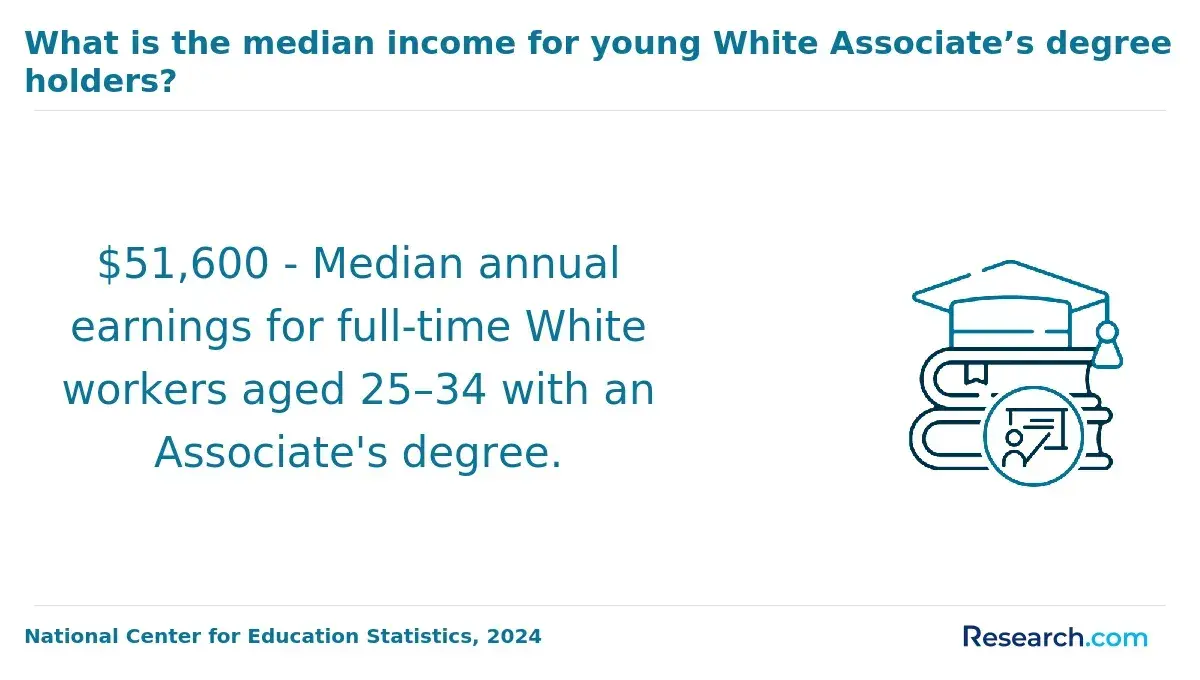
Careful attention to these requirements is important as they open pathways to careers with strong earning potential, including human resources managers with a median salary of $136,350, administrative services managers earning $106,470, and management analysts at $99,410, according to the U.S. Bureau of Labor Statistics reported by Maryville University Online.
How long do online organizational leadership programs take and what do they cost?
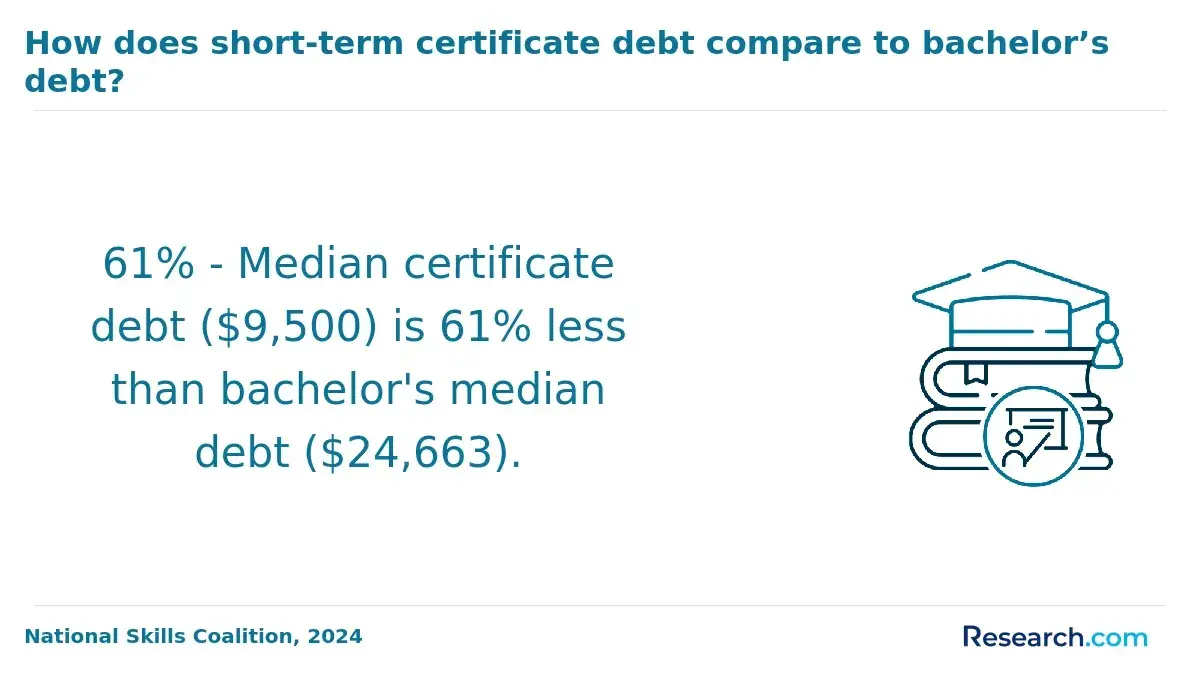
Online organizational leadership programs offer flexible timelines to accommodate working professionals and students with various commitments. Certificate or specialized courses can be completed in 6 to 12 months, ideal for targeted skill development. Bachelor's degrees typically require 3 to 4 years of part-time study, while master's degrees range from 1.5 to 2.5 years with options for full- or part-time enrollment.
Tuition costs vary depending on the program type and institution. Bachelor's degrees often cost between $15,000 and $40,000, and master's degrees generally range from $10,000 to $30,000. Certificate programs tend to be more affordable at $2,000 to $5,000. Additional fees such as technology, books, and materials should be considered. Financial aid, scholarships, and employer tuition reimbursement programs can significantly reduce out-of-pocket expenses.
The U.S. Bureau of Labor Statistics forecasts faster-than-average growth for management analyst roles through 2032, a frequent career path for organizational leadership graduates. This trend highlights the increasing demand for professionals with expertise in strategic and organizational change (BLS projections, summarized by Maryville University Online).
What careers can you pursue with an online organizational leadership degree focused on strategy?
An online organizational leadership degree with a focus on strategy equips graduates for diverse leadership roles across sectors. Key career options include strategic planner positions where professionals develop long-term goals and coordinate initiatives to enhance organizational performance. Management consultants also benefit from such training, advising companies on restructuring and strategic growth.
In healthcare, strategic leadership specialists work to improve patient care delivery while managing costs and regulatory compliance. Executive roles such as chief operating officer (COO) or director of operations demand strategic oversight to align daily functions with business objectives. Nonprofit organizations rely on strategy-focused leaders for fundraising, community engagement, and program development.
Corporate human resource managers with strategic expertise influence talent management, succession planning, and organizational culture. Project managers in this field oversee complex projects, ensuring they align with organizational goals and optimize resource use.
Tuition affordability makes online doctorates in organizational leadership accessible. Among 2026-ranked programs, one of the most affordable Ed.D. degrees in education, policy, organization, and leadership for out-of-state students totals $34,432, a reasonable investment for advancing to high-impact leadership roles (EDDPrograms.org, 2026).
Graduates with strategic organizational leadership skills pursue roles requiring strong analytical, communication, and decision-making abilities across corporate, healthcare, nonprofit, and educational sectors.
What salary ranges and job outlook can graduates in organizational and strategic leadership expect?
Graduates with advanced skills in organizational and strategic leadership often achieve high earning potential and a robust job outlook. According to data from the University of Texas System, individuals with an online-friendly MS in Leadership and Organizational Development reach median salaries exceeding $200,000 within five years. This reflects the strong employer demand for these expertise areas compared to many other master's degrees.
Career paths typically include executive, management, and consulting roles, such as:
- Chief Executive Officer (CEO)
- Organizational Development Director
- Strategic Planning Manager
- Human Resources Director
- Management Consultant
The U.S. Bureau of Labor Statistics forecasts about 7% growth in management occupations through 2031, emphasizing sustained demand. Graduates who develop capabilities in change management, team leadership, and strategic business planning enhance their prospects for senior roles offering premium salaries.
Salaries also vary by industry, location, and experience, with technology, healthcare, finance, and government sectors often offering top compensation. Many professionals reach six-figure incomes within three to five years after graduation, reflecting their strategic impact on organizations.
Maximizing career outcomes involves focusing on data-driven decision-making, organizational change, and stakeholder engagement-competencies aligned with employer expectations and the impressive salary figures reported by the University of Texas System.
How should you choose the best online organizational leadership program for your goals?
Selecting an online organizational leadership program that aligns with your career goals involves assessing several key factors. Focus on programs offering strategic leadership courses relevant to your industry, emphasizing change management, organizational behavior, and decision-making frameworks for practical skill-building.
Flexibility is crucial, especially for working professionals. Look for asynchronous or part-time options that fit your schedule. Verify regional accreditation by recognized U.S. agencies to ensure academic quality and employer recognition.
Faculty expertise and industry experience enhance learning. Instructors with current leadership roles or consulting backgrounds bring valuable real-world insights. Investigate graduate outcomes, such as employment rates, leadership advancement, or salary growth after program completion. Alumni networks can also support career development.
Geographic accessibility has improved, with high concentrations of graduates in areas like Millcreek, Utah; Chandler and Scottsdale, Arizona. This reflects broader availability beyond traditional coastal centers, making programs more accessible nationwide.
Cost considerations and financial aid options, including scholarships and employer tuition assistance, play a significant role. Evaluate technical requirements and student support services like libraries and career counseling to ensure a smooth online learning experience.
- Strategic alignment with career goals
- Program flexibility and accreditation
- Qualified faculty and strong alumni outcomes
- Wide geographic reach
- Financial aid and learner support
Other Things You Should Know About Organizational Leadership
A degree in organizational leadership can be a valuable investment for those seeking to advance into management and leadership roles across various industries. It equips graduates with skills in strategic planning, team building, and effective communication, which are widely applicable. The degree is especially beneficial for professionals aiming to improve organizational performance and lead change initiatives.
Graduates with an organizational leadership degree often pursue roles such as business manager, operations manager, human resources manager, or project coordinator. These positions typically involve overseeing teams, managing projects, and implementing organizational strategies. The skills gained also prepare graduates for leadership roles in non-profit, governmental, and educational institutions.
In 2027, online organizational leadership degrees commonly include strategic leadership coursework that covers essential topics such as decision-making, team dynamics, and change management. Students engage in case studies, simulations, and projects designed to apply theoretical knowledge to real-world leadership challenges, developing both analytical and interpersonal skills.
Ethical decision-making is a core element of most organizational leadership programs. Coursework typically includes topics on corporate social responsibility, ethical frameworks, and integrity in leadership. Emphasizing ethics prepares students to navigate complex moral challenges in professional settings while maintaining trust and accountability.
References
- Are Online Degrees Accredited? How to Identify Quality Distance Learning Programs https://www.umassglobal.edu/blog-news/online-degrees-accredited-identify-quality-distance-learning-programs
- Leadership and Strategic Management Courses - Global Management Academy https://globalmanagementacademy.com/leadership-and-strategy-management-courses/
- Guide to Choose a Leadership Development Solution https://www.execonline.com/how-to-choose-leadership-development-program-guide/
- Strategic Leadership https://www.villanova.edu/university/professional-studies/academics/professional-education/strategic-leadership.html
- The Best EdD in Organizational Leadership Programs of 2025 https://www.eddprograms.org/schools/organizational-leadership/
- Top Strategic Leadership Careers in 2026: Roles, Salaries & Skills https://www.michiganstateuniversityonline.com/resources/leadership/top-strategic-leadership-careers-in-2026-roles-salaries-skills/
- Strategic Leadership in HE https://wasd.org.uk/listing/strategic-leadership-he/
- 7 Best Leadership Courses for 2026. MANCOSA https://www.mancosa.co.za/blog/b2b/best-short-leadership-courses/
- How to Create a Successful Leadership Development Program - Harvard Business Impact https://www.harvardbusiness.org/insight/how-to-create-a-successful-leadership-development-program/
- Are There Concentrations in Organizational Leadership Degrees? https://claremontlincoln.edu/news-blog/concentrations-org-leadership/