2027 Organizational Leadership Concentrations for Operations Leadership Careers

Co-Founder and Chief Data Scientist
Professionals from unrelated fields often face uncertainty when aiming to transition into operations leadership roles. They struggle to identify which skills and knowledge areas best align with industry demands. Without targeted focus, advancing within organizational leadership can stall, leaving candidates underprepared for complex operational challenges. This gap affects career growth and the ability to lead teams effectively.
Understanding specialized concentrations within organizational leadership programs equips individuals with relevant expertise and practical tools. This article explores key concentrations designed to prepare graduates for operations leadership careers, offering guidance on selecting the paths that address skill gaps and enhance professional impact in dynamic workplaces.
Key Things You Should Know
- Organizational leadership concentrations for operations careers emphasize strategic management, process optimization, and team development, crucial for adapting to evolving industry demands in 2026.
- Recent data shows that 68% of operations leadership roles require advanced skills in data analytics and change management, highlighting the importance of specialized concentrations.
- Programs increasingly integrate technology and sustainability practices to prepare leaders for challenges in supply chain resilience and operational efficiency.
What is an organizational leadership concentration in operations, and how does it prepare you for leadership roles?
An organizational leadership concentration for operations management careers emphasizes essential skills to effectively manage and improve processes within organizations. It equips students to lead teams, oversee production or service delivery, and align operations with strategic objectives. This approach blends leadership theory with practical operational management techniques such as supply chain coordination, quality control, and resource allocation.
Graduates develop competencies in problem-solving, communication, and decision-making under pressure-critical skills for roles like operations manager or director. For instance, students might learn to optimize manufacturing workflows or implement customer service protocols in retail, highlighting adaptability across different industries. This foundation supports how operations leadership skills prepare for executive roles that require strategic oversight.
Courses typically include project management, organizational behavior, and data analysis, enabling leaders to interpret performance metrics and motivate teams toward operational excellence. Professionals trained in this concentration are prepared to tackle challenges like reducing costs, improving efficiency, and managing change within complex environments.
The job outlook is promising, with a median annual salary of $101,280 for operations managers in the U.S., and employment growth projected at 6% from 2023 to 2033, outpacing the average for all occupations, according to the U.S. Bureau of Labor Statistics as cited by App State Online. For those interested in further advancement, exploring EdS to EdD programs can offer pathways to senior leadership.
Which types of degrees offer operations-focused organizational leadership concentrations and at what levels?
Operations-focused organizational leadership degree programs are offered across multiple levels, including associate, bachelor's, master's, and doctoral degrees. At the undergraduate level, many bachelor's degrees in organizational leadership or business administration include specialized tracks in operations management, process improvement, or project management. These tracks develop critical skills such as supply chain coordination, workflow optimization, and strategic resource allocation, preparing students for roles that oversee efficient company operations.
Graduate programs provide more advanced specialization. For example, a Master of Science in Organizational Leadership with an operations focus or an MBA concentrating on operations management incorporates leadership principles with quantitative methods, project management, and organizational strategy. Doctoral programs may emphasize research in operations leadership, tailored for academic, consulting, or executive career paths.
Professionals balancing work and education can find flexible options through many accredited institutions offering online degrees and certificate programs focused on operations leadership. These programs often include courses in project management methodologies, leadership decision-making, and operational analytics. Those interested in accelerated studies may explore the fastest online construction management degree programs for relevant project and operations management training.
Specialist roles in project and operations management offer competitive salaries, making these concentrations financially attractive. According to the U.S. Bureau of Labor Statistics, cited by App State Online, project management specialists had a median annual salary of $100,750, with a job growth projection of 7% from 2023 to 2033.
How do online organizational leadership programs in operations compare to on-campus formats for working adults?
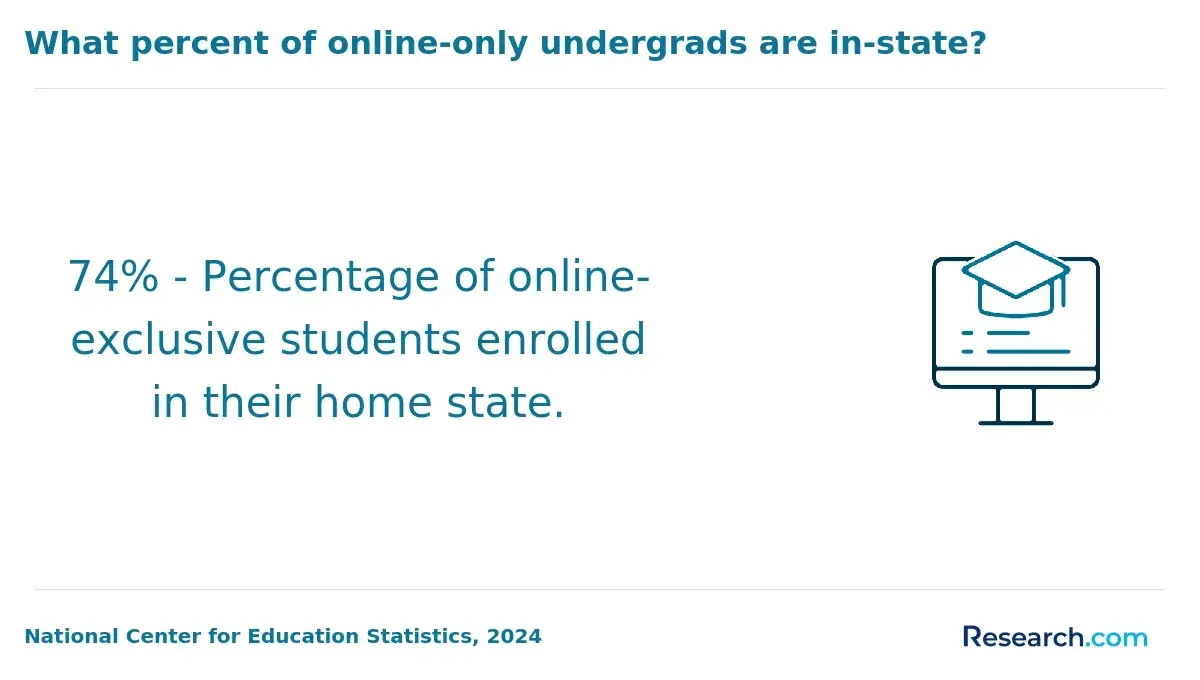
Online organizational leadership programs for working adults offer flexibility that on-campus formats often lack, accommodating job responsibilities without the need for commuting. These programs usually feature asynchronous coursework, allowing students to manage their own schedules, which suits professionals with varying work hours. By contrast, on-campus operations leadership degrees often require fixed class times, potentially conflicting with full-time employment commitments.
Online formats emphasize practical skills through virtual simulations, case studies, and discussion boards, encouraging interaction despite physical distance. On the other hand, on-campus programs provide face-to-face networking, immediate feedback, and direct mentorship from faculty, which can benefit career advancement. However, improvements in video conferencing and collaboration tools have increasingly narrowed this gap.
Cost is another factor; online programs generally reduce expenses related to commuting, housing, and campus fees, making continuing education more accessible. Employers recognize accredited online degrees focused on competencies like supply chain management, project leadership, and team development. For those interested in further specialization, exploring a construction management masters can complement organizational leadership skills in operations.
The U.S. Bureau of Labor Statistics reports HR managers earned a median annual wage of approximately $140,030 as of May 2024, with a 6% job growth projected from 2023 to 2033. Given this outlook, choosing between online and on-campus formats depends on personal needs, balancing schedule adaptability with the value of in-person immersion. Evaluating program accreditation and curriculum relevance is crucial when considering differences between online and on-campus operations leadership degrees.
What courses and skills are typically included in an operations leadership concentration within organizational leadership?
Operations leadership concentration courses often include key topics such as supply chain management, project management, quality assurance, and strategic planning. These courses aim to develop skills needed to optimize operational workflows and boost organizational efficiency. Skills developed in organizational leadership for operations management also cover analytical abilities like data-driven decision-making and performance measurement, which help assess and improve operational effectiveness.
Leadership-focused coursework emphasizes communication, conflict resolution, and team motivation, essential for managing diverse teams and complex projects. Practical skills in budgeting, resource allocation, and risk management are frequently taught through case studies and simulations, offering real-world experience. Some programs further integrate technology management, highlighting how information systems can enhance operational capabilities.
Since operations leaders serve as bridges between senior management and frontline employees, courses often include change management and organizational behavior to prepare students for leading transitions and nurturing a positive workplace culture. This is particularly important given the evolving nature of operations in today's global and technology-driven economy.
In 2024, training and development managers earned a median annual salary of $127,090, with job growth projected at 7% from 2023 to 2033, reflecting strong demand for these leadership skills across industries. Prospective students looking for advanced opportunities may explore a doctorate of healthcare administration to deepen their expertise and expand career prospects.
What admission requirements and prior experience do schools expect for operations leadership-focused programs?
Admission to operations leadership programs generally requires a bachelor's degree from an accredited institution, with preferred majors in business, management, engineering, or similar fields. Many programs set a minimum GPA around 3.0 on a 4.0 scale to ensure academic readiness. Applicants often need to submit GMAT or GRE scores; however, increasing numbers of programs waive these requirements for those with relevant work experience.
Professional experience is highly valued. Most programs seek candidates with two to five years in operational or managerial roles such as supply chain management, project management, or process improvement. Certifications like PMP or Six Sigma can strengthen applications by validating leadership and process skills.
Evaluation also includes leadership potential and communication abilities, assessed through interviews, essays, or recommendation letters. Demonstrating problem-solving, team leadership, and strategic thinking is important. Many programs offer part-time or executive formats aimed at mid-level and senior professionals who bring practical insights to cohort discussions.
Management analysts and consultants earn a median annual wage of $101,190, with employment projected to grow 11% over the next decade (U.S. Bureau of Labor Statistics, cited by App State Online). Combining academic credentials with relevant experience boosts competitiveness in operations leadership fields.
How long do operations leadership concentrations usually take to complete and what do they cost?
Operations leadership concentrations typically take 12 to 24 months to complete, influenced by program design and enrollment status. Full-time students usually finish in about a year, while part-time students, balancing professional commitments, may take closer to two years. Accelerated or certificate options can be shorter, sometimes around six months, but often provide less comprehensive training than full master's programs.
Costs vary significantly based on institution type and delivery format. Public universities tend to charge between $10,000 and $20,000 for a concentration within a master's degree, while private institutions may range from $20,000 to over $40,000. Online programs often offer more affordable and flexible per-credit pricing, approximately $500 to $1,200.
Additional expenses may include textbooks, technology fees, and possible travel for on-campus residencies. Many students offset these costs through employer tuition assistance and scholarships.
The financial investment aligns with strong earning potential. Median annual wages across management occupations were $131,200 in 2022, with leading organizational leadership roles exceeding $200,000 annually, according to the U.S. Bureau of Labor Statistics (summarized by Nichols College Graduate & Professional Studies).
Prospective students should weigh program length, cost, and format alongside career objectives and job commitments to find affordable, quality education options that meet their needs.
How can you verify accreditation and quality for organizational leadership programs with an operations concentration?
Confirm that any organizational leadership program with an operations focus holds accreditation from a U.S. Department of Education (USDE) or Council for Higher Education Accreditation (CHEA)-recognized agency. Regional accreditation such as from the Higher Learning Commission (HLC) or Middle States Commission verifies that the institution meets essential academic standards. Additional specialized accreditation, for example by the Accreditation Council for Business Schools and Programs (ACBSP), signals a thorough assessment of leadership and management curriculum quality.
Evaluate program details, including curriculum and faculty expertise. Quality programs integrate operational leadership skills like process improvement, supply chain management, and strategic decision-making. Faculty members should possess advanced degrees paired with relevant leadership experience in the field.
Graduate outcomes and career support metrics provide insight into a program's effectiveness. Reliable data on job placement or average salaries validate success. For instance, nonprofit program coordinators in organizational leadership roles typically earn $45,000 to $70,000 annually, with experienced leaders earning considerably more, as noted by Los Angeles Pacific University.
Look for programs offering internships, networking opportunities, and professional certifications through industry partnerships, which enhance practical learning and career readiness.
- Is the institution regionally accredited and does it have any specialized accreditation?
- What are the faculty's credentials and operational leadership experience?
- Does the program show clear evidence of graduate job success and advancement?
- Are internships or capstone projects included in the curriculum?
- How often is the curriculum updated to reflect the latest trends in operations leadership?
What careers can an operations leadership concentration lead to and what do these roles involve?
An operations leadership concentration equips graduates to manage and improve organizational processes, optimize resource use, and enhance team performance. Career paths often include operations manager, supply chain director, project manager, and healthcare administrator, with responsibilities centered on streamlining workflows and implementing efficient policies.
Operations managers coordinate cross-department activities to achieve company goals, collaborating with logistics, quality control, and employee supervision teams. Supply chain directors oversee procurement, inventory, and distribution to ensure timely delivery of products or services. Project managers handle initiatives with defined budgets and timelines, leading teams to meet objectives while minimizing risks.
Healthcare administration is a notable area within operations leadership due to strong demand and growth. Professionals in this field balance patient care, budgets, and regulatory compliance in hospitals and clinics, often managing interdisciplinary teams and healthcare technologies.
- Management roles in healthcare had a median pay of $131,200 in 2022, surpassing the national median income for all jobs.
- Specialized skills in data analysis, regulatory knowledge, and team leadership increase employability.
- Adaptability to workforce challenges and new technologies is critical for success.
This information is supported by U.S. Bureau of Labor Statistics data summarized by Nichols College Graduate & Professional Studies and can be further explored at nichols.edu.
What salary ranges and job outlook can operations leadership graduates expect in different industries?
Operations leadership graduates encounter diverse salary ranges based on industry and job role. Entry-level positions, such as training and development specialists, typically earn between $55,000 and $70,000 annually. With experience, salaries increase significantly in managerial roles like program and training managers, often reaching from $80,000 up to over $100,000, according to Los Angeles Pacific University.
Industries like manufacturing and logistics generally offer competitive pay driven by the need for efficient operations leadership to manage supply chains and production. In healthcare administration, the complexity of overseeing clinical operations and regulatory compliance often pushes managerial salaries above $90,000. The technology sector heavily rewards leadership roles managing advanced technical projects and teams with salaries commonly exceeding $95,000, especially for professionals who possess an cutting-edge credential like a blockchain degree or advanced systems management certification.
Job outlook remains strong because companies value operational efficiency and leadership development. Graduates aiming for higher pay should consider roles emphasizing cross-functional leadership and pursue certifications in project management or specialized training methods. These credentials can significantly enhance earning potential and career growth.
How should you choose the best organizational leadership program for your operations leadership career goals?
Align your choice of an organizational leadership program with your career goals and industry demands, focusing on operations management, process improvement, and strategic decision-making. Verify that courses cover essential topics such as supply chain management, project management, and data-driven decision-making to build a strong foundation for leadership roles.
Consider the program format and flexibility to fit your lifestyle. For working professionals, accredited online or hybrid programs offering evening or weekend classes provide practical solutions for balancing study and work. Additionally, seek programs that include internships, real-world projects, or partnerships with industries like healthcare, technology, or manufacturing, which are vital for gaining applied leadership experience.
Strong career support and alumni networks enhance job placement prospects. Employer connections help graduates secure entry-level coordinator or specialist roles paying between $50,000-$75,000 annually. This experience often leads to supervisory positions earning $80,000-$110,000+, as noted by Los Angeles Pacific University.
Evaluate faculty expertise-prefer programs led by instructors with operational leadership backgrounds or relevant certifications. Weigh tuition costs against potential salary growth and return on investment. Prioritize programs with proven graduate outcomes to maximize your career advancement in operations leadership.
Other Things You Should Know About Organizational Leadership
Many professionals pursuing organizational leadership in operations enhance their qualifications with certifications such as the Certified Manager (CM), Project Management Professional (PMP), and Lean Six Sigma. These certifications demonstrate expertise in management principles, process improvement, and project execution, which complement an organizational leadership degree. They often require passing an exam and relevant work experience.
Yes, graduates can pursue additional specializations or certifications in areas like supply chain management, human resources, or strategic planning to deepen their expertise. These focused credentials can be obtained through professional organizations or continuing education programs, enabling leaders to tailor their skills to specific operational challenges or industries.
Organizational leadership in operations centers specifically on managing and improving internal processes, workflow efficiency, and team dynamics within organizations. While general business management covers broader topics including marketing and finance, this concentration hones leadership skills for overseeing production, service delivery, and operational strategy.
Graduates with an operations-focused organizational leadership concentration can effectively streamline processes in manufacturing, healthcare, logistics, and technology industries. They optimize efficiency, implement strategic changes, and lead cross-functional teams to enhance organizational performance and adaptability in rapidly shifting markets.
References
- Strategic Operations Leadership Training Course | Oxford... https://oxford-management.com/course/strategic-operations-leadership
- Are There Concentrations in Organizational Leadership Degrees? https://claremontlincoln.edu/news-blog/concentrations-org-leadership/
- Operations Graduate Career Profile | GRB https://www.grb.uk.com/industry-profiles/operations/
- Is Organizational Leadership a Good Degree? | CSU Global https://csuglobal.edu/blog/organizational-leadership-good-degree
- Operational Leadership: Driving Day-to-Day Excellence Across Organizations https://chronus.com/blog/operational-leadership
- Nichols https://nichols.edu
- Top 10 Leadership Development Programs for Managers in 2025 - Blanchard India https://blanchardinternational.co.in/leadership-development-programs-for-managers/
- Organizational Management - Lake-Sumter State College https://www.lssc.edu/basl-organizational-management/
- Organizational Leadership: Definition and Importance https://augment.org/blog/organizational-leadership
- MBA Concentrations: Types, Skills, and Career Paths https://www.scu.edu/business/blog/mba/mba-concentrations/