2027 Best Online Bachelor's in Organizational Leadership With Practice-Focused Leadership Curriculum

Co-Founder and Chief Data Scientist
Many working professionals face the challenge of advancing into leadership roles without formal training in organizational leadership. This gap can limit career growth and reduce effectiveness in managing teams and projects. Traditional programs often lack practical experience, leaving graduates unprepared for real-world challenges. For those seeking a flexible, accredited path to pivot into leadership, finding a program that balances theory with practice is crucial.
This article examines the best online bachelor's programs in organizational leadership with practice-focused curricula, helping readers identify options that develop skills essential for impactful leadership and career progression.
Key Things You Should Know
- Practice-focused leadership curricula in 2026 emphasize real-world management skills, with 68% of programs requiring internships or capstone projects to enhance career readiness.
- Graduates of bachelor's in organizational leadership report a 14% higher average salary within three years compared to non-leadership business degrees, according to 2025 labor data.
- Top online programs offer flexible scheduling and personalized mentorship, increasing student retention rates to over 80%, crucial for adult learners balancing work and education.
What is an online bachelor's in organizational leadership and who is it best suited for?
An online bachelor's degree in organizational leadership with practical skills focuses on building leadership abilities that apply across diverse industries. This program blends theory and hands-on projects, covering strategic planning, conflict resolution, communication techniques, and ethics. Students gain real-world experience managing teams, improving organizational performance, and leading change initiatives to prepare for guiding businesses or nonprofits effectively.
The best candidates for online organizational leadership bachelor programs include working professionals aiming to enhance leadership skills while maintaining their careers, individuals transitioning from technical roles to management, and recent high school graduates seeking foundational knowledge. For instance, a project manager preparing to oversee larger teams or a nonprofit coordinator moving into executive roles will find the curriculum directly relevant and practical.
With management job opportunities projected to grow 5% and about 1.1 million new roles expected, a degree in this field offers strong career prospects. The financial benefits are clear, as the median annual wage for management occupations stood at $116,880. This credential positions graduates competitively in a market that increasingly demands skilled leaders.
For those interested in further education pathways, there are affordable options to explore, such as EdD programs online that build on leadership skills at the doctoral level.
How do online organizational leadership programs compare with on-campus options for flexibility and quality?
Online organizational leadership programs offer unmatched flexibility compared to traditional on-campus degrees, which is essential for working professionals, parents, and those facing geographic constraints. These programs enable asynchronous access to coursework, allowing students to study during nontraditional hours without compromising job or family obligations. This adaptability supports accelerated completion or part-time enrollment, catering to diverse schedules and priorities. Such flexibility is an important factor when considering online organizational leadership programs flexibility comparison.
Quality differences between online and on-campus organizational leadership degrees have narrowed significantly. Many online programs feature accreditation and curricula developed by the same faculty members who teach on campus. The coursework often includes practice-focused leadership components such as real-world projects, simulations, and virtual collaboration tools that build essential leadership competencies effectively.
The World Economic Forum's Future of Jobs Report 2025 identifies leadership and social influence as top skills in global demand, with more than 40% of employers prioritizing these attributes in hiring and training. Online leadership programs increasingly align with market needs by incorporating experiential learning that fosters ethical decision-making, social influence, and strategic thinking. Students should review delivery methods carefully; synchronous sessions promote real-time networking, while asynchronous formats offer autonomy, and hybrid models provide a balance of both. Practical experiences like internships or capstone projects accessible remotely are valuable for hands-on leadership development.
For those seeking advanced degrees, a doctorate in education online can be a strategic choice, merging convenience with academic rigor. Choosing between online and campus-based programs ultimately depends on individual circumstances and career goals, but online options increasingly provide accessible, high-quality education focused on practical skills needed for evolving leadership roles.
How can you verify accreditation for an online bachelor's in organizational leadership?
To confirm accreditation for an online bachelor's in organizational leadership, start by verifying the institution's regional or national accreditation through the U.S. Department of Education or the Council for Higher Education Accreditation (CHEA) databases. Regional accreditation usually indicates a higher academic standard and broader acceptance. Also, determine if the program holds specialized accreditation from organizations like the Accreditation Council for Business Schools and Programs (ACBSP) or the International Accreditation Council for Business Education (IACBE), which ensure the curriculum meets industry standards for business and leadership.
Beware of schools claiming accreditation from unrecognized or for-profit agencies, as these may be diploma mills. Cross-reference any accreditation claims on official accrediting body websites. When evaluating accredited online bachelor's in organizational leadership in the United States, ensure the program offers a practical leadership curriculum aligned with workplace demands.
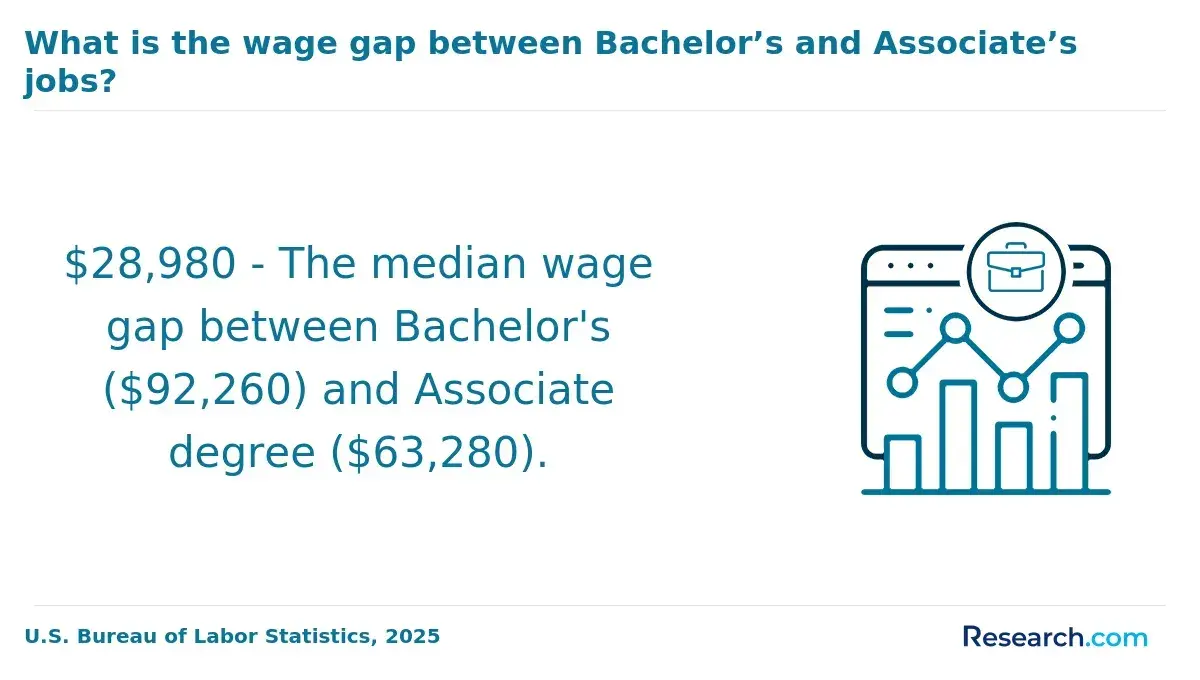
Graduates often pursue roles such as training and development managers, who earned a median annual wage of $120,000 in 2023 and face a 7% job growth projection from 2022 to 2032, per the U.S. Bureau of Labor Statistics. Accreditation matters if you plan to transfer credits or seek graduate admission since non-accredited programs might not qualify for these benefits.
Applicants should contact admissions offices for accreditation certificates or reports to confirm legitimacy. For students exploring related paths, consider a bachelor's degree in project management as another accredited option.
How to check accreditation for online organizational leadership degrees is a critical step before enrollment to safeguard your investment and professional future.
What practice-focused leadership courses and specializations can you expect in these programs?
Practice-focused leadership development courses in online organizational leadership programs emphasize skills directly applicable to real-world management challenges. Core topics often include strategic decision-making, ethical leadership, conflict resolution, and organizational behavior. These courses prepare students to navigate complex team dynamics and lead diverse groups effectively through case studies, simulations, and project-based assignments.
Specializations commonly deepen applied leadership and management specializations in organizational leadership degrees. Popular tracks include human resource management, concentrating on talent development and labor laws; project management, focusing on scheduling and resource allocation; and change management, which teaches how to lead organizations through transitions and cultural shifts. Leadership communication skills such as negotiation, persuasion, and public speaking are also frequently enhanced.
Elective courses offer tailored options for industries like nonprofit leadership, healthcare administration, or technology management, helping students adapt leadership methods to specific organizational contexts. Hands-on learning is further supported by capstone projects, internships, or practicums, providing valuable leadership experience beyond theory.
Tuition costs vary widely among programs. U.S. News reports an average annual tuition for out-of-state students at about $41,380, while the lowest-cost online options charge under $5,000 per year, reflecting an 8-fold price difference for similar credentials. For specialized degrees, students may explore options such as CAHIIM accredited health information management degree online programs.
What are the typical admission requirements for an online bachelor's in organizational leadership?
Admission to an online bachelor's program in organizational leadership typically requires a high school diploma or equivalent, such as a GED. Most schools ask for official transcripts showing a minimum GPA around 2.5 to 3.0 on a 4.0 scale. Applicants with lower GPAs may still qualify if they provide strong letters of recommendation or demonstrate relevant professional experience.
Standardized test scores like the SAT or ACT are increasingly optional, though some institutions may request them. Candidates usually submit a personal statement or essay describing their motivation and career goals in organizational leadership. This helps admissions committees evaluate leadership potential and commitment.
Work experience requirements vary; some programs accept recent high school graduates, while others prefer one to two years of related professional experience. Part-time, returning adult students, and those with military backgrounds might benefit from schools offering credit for prior learning or professional certifications.
International applicants often need to prove English proficiency through tests like TOEFL or IELTS. Admissions may also include an interview to assess communication skills and readiness for applied leadership studies.
According to LinkedIn's 2024 Workplace Learning Report, practice-based instruction enhances students' perception that learning improves job skills by 26%. Programs prioritize applicants demonstrating a clear dedication to applied leadership development rather than solely theoretical knowledge.
How long does an online organizational leadership degree take and what does it cost?
An online bachelor's degree in organizational leadership generally requires about four years for full-time students, though durations vary widely. Factors such as transfer credits, course load, and whether a student studies full-time or part-time can shorten or lengthen completion times. Accelerated options may allow finishing in two to three years by offering year-round courses, including summer sessions. Part-time students balancing work or family often take five to six years to graduate.
Costs differ significantly between institutions. Public universities typically charge in-state online students between $5,000 and $15,000 annually, while private schools may range from $20,000 to $40,000 per year. Tuition models include flat semester rates or per-credit billing, which usually falls between $300 and $600 per credit. Additional expenses for materials and technology add several hundred dollars each term. Many students rely on financial aid, scholarships, or employer tuition assistance to help with these costs.
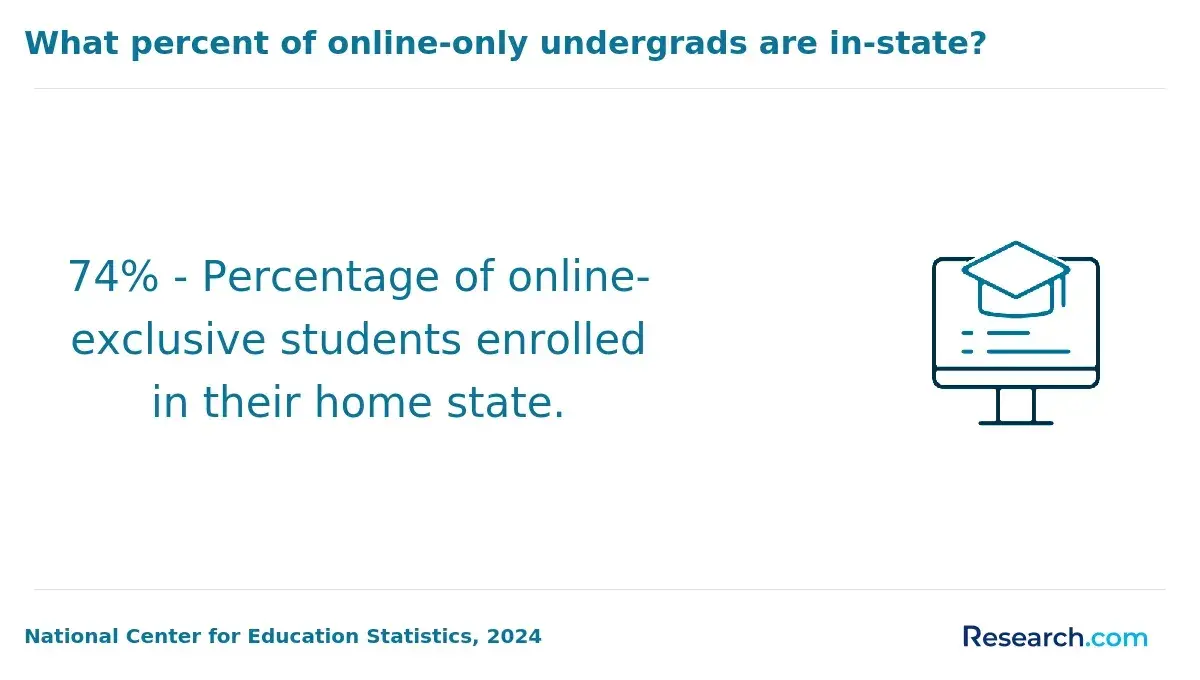
According to the National Center for Education Statistics, about 53% of U.S. undergraduates took at least one distance education course, and 30% studied exclusively online. This reflects the growing normalization and flexibility of online organizational leadership degrees. Prospective students should weigh program pacing and costs carefully to choose an option aligning with their goals and commitments.
What careers can you pursue with an online bachelor's in organizational leadership?
Graduates with an online bachelor's in organizational leadership qualify for diverse roles in management, human resources, project coordination, and operations. This degree develops skills to lead teams, manage change, and boost workplace productivity across sectors like healthcare, education, technology, and non-profits.
Typical career paths include:
- Human resources manager, handling recruitment, employee relations, and training.
- Project manager, overseeing timelines, budgets, and cross-functional teams.
- Operations manager, improving workflows and resource use.
- Training and development specialist, creating leadership programs to enhance skills.
- Business analyst, analyzing data to support strategic decisions.
According to Payscale's College Salary Report, graduates with this degree earn a median mid-career salary near $89,000, aligning with general business administration graduates' earnings in the mid-$80,000 to low-$90,000 range. This highlights the degree's market relevance and value.
Building experience in conflict resolution, team building, and strategic planning strengthens prospects for leadership roles. With additional experience or graduate education, graduates may advance to executive positions such as director of operations or chief administrative officer.
Strong communication, critical thinking, and ethical leadership skills acquired through the curriculum prepare graduates to inspire organizations and guide their long-term success, making organizational leadership a versatile field for career growth.
What salary ranges and advancement opportunities exist for organizational leadership graduates?
Graduates with a degree in organizational leadership often start their careers earning between $55,000 and $75,000 annually, depending on industry, location, and prior experience. Early positions typically include roles such as team supervisor, project coordinator, or human resources specialist. These roles leverage leadership skills to boost operational efficiency and develop team dynamics.
Mid-level professionals usually see salaries rise to between $75,000 and $95,000 as they take on managerial or director responsibilities with broader strategic and team oversight. Advancement hinges on demonstrated leadership ability and problem-solving skills, often accelerated by hands-on experience gained through practice-focused curricula.
Higher-level titles like vice president of operations or chief leadership officer can command salaries exceeding $120,000. Many employers also offer valuable tuition assistance programs-according to the Society for Human Resource Management's 2024 report, 51% of U.S. employers provide such benefits, which correlate with an 8% higher employee retention rate.
To maximize career growth and salary potential, graduates should seek companies with tuition benefits and clear leadership development paths. Earning certifications such as Certified Manager (CM) or Project Management Professional (PMP) can enhance promotion prospects. Networking within professional organizations opens doors to leadership roles across growing sectors like healthcare, finance, and technology.
Are there industry certifications or professional associations relevant to organizational leadership majors?
Certifications play a crucial role in enhancing credentials for organizational leadership majors looking to advance their careers. The Certified Professional in Management (CPM) and Certified Manager (CM), both issued by the Institute of Certified Professional Managers, validate essential leadership and management skills applicable across various industries.
Joining professional associations expands opportunities for networking and continuous education. Groups such as the Association for Talent Development (ATD) and the International Leadership Association (ILA) offer valuable resources like workshops, webinars, and conferences that keep leadership professionals up to date with industry trends and best practices.
For students targeting healthcare administration leadership roles, the American College of Healthcare Executives (ACHE) provides meaningful certifications, including the Fellow of the American College of Healthcare Executives (FACHE). These credentials endorse expertise in managing complex healthcare organizations.
According to ASU Online, backed by U.S. Bureau of Labor Statistics data, medical and health services managers expect a 23.2% job growth and earn an average salary of $123,860, reflecting strong demand in healthcare leadership.
How should you choose the best online organizational leadership program for your goals and budget?
When selecting an online organizational leadership program, focus on how well the curriculum aligns with your career goals and finances. Look for programs that emphasize practical leadership skills such as team management, conflict resolution, and change implementation. Those offering applied learning opportunities often prepare graduates to be effective leaders from day one.
Return on investment is another key factor. For example, Colorado State University Global reports that graduates of its online B.S. in Organizational Leadership saw an average 9.54% pay increase within one year of graduation. Programs with transparent data on employment rates and salary gains provide a clearer picture of potential career benefits.
Consider your budget carefully. Tuition models vary-some charge by credit hour, others by term-and you should also account for additional costs like textbooks, technology, or exam fees. Choose a payment structure that fits your financial situation.
Accreditation and flexibility affect educational quality and convenience. Accredited programs carry more weight with employers, while asynchronous or part-time options help professionals balance work and study. Also review faculty qualifications, alumni success, and career services, as these resources support long-term growth.
Other Things You Should Know About Organizational Leadership
Students in organizational leadership programs build critical skills such as effective communication, conflict resolution, strategic planning, and team motivation. The curriculum often emphasizes ethical decision-making and change management, preparing graduates to lead diverse teams and manage workplace challenges efficiently. These programs foster both interpersonal and analytical abilities essential for leadership roles.
Yes, many online organizational leadership programs recognize prior work experience through credit for prior learning or competency-based credits. This can shorten the time needed to complete the degree by applying real-world leadership experience toward certain course requirements. However, policies vary by institution, so students should confirm credit transfer options when applying.
Organizational leadership degrees provide versatile skills applicable across numerous sectors such as healthcare, business, education, and non-profits. Programs focus on adaptable leadership strategies and management principles that can be tailored to specific organizational contexts. This broad applicability helps graduates step confidently into leadership roles regardless of industry.
In 2027, graduates with an online Bachelor's in Organizational Leadership can pursue various career paths, such as human resource management, operations management, and nonprofit administration. This degree equips students with leadership skills applicable in diverse sectors including healthcare, education, and corporate environments.
References
- Choose the Right Leadership Development Program | Intellezy https://www.intellezy.com/blog/choosing-the-right-leadership-development-program-for-your-organization
- Is Organizational Leadership a Good Degree? | CSU Global https://csuglobal.edu/blog/organizational-leadership-good-degree
- Top 10 Leadership Development Programs of 2025 https://www.corpoladder.com/blog/top-leadership-development-programs
- Choosing a Leadership Skills Training Program https://everforwardmanagement.com/choosing-a-leadership-skills-training-program/
- Leadership Training Programs https://www.ccl.org/leadership-programs/
- Leadership Training Programs: Top 6 FAQS About IMD Courses https://www.imd.org/blog/leadership/leadership-training-programs/
- Earn Your Organizational Leadership Degree Online https://waldorf.edu/lp/online-organizational-leadership-degree/
- Bachelor's in Organizational Leadership - Online BAOL Degree Program | UMass Global https://www.umassglobal.edu/academic-programs/ba-organizational-leadership
- Top 45 Online Master's in Organizational Leadership - Organizational Psychology Degrees https://www.organizationalpsychologydegrees.com/best/online-masters-in-organizational-leadership/
- Online Certificate in Organizational Leadership - The Chicago School https://www.thechicagoschool.edu/programs/business/organizational-leadership/certificate/