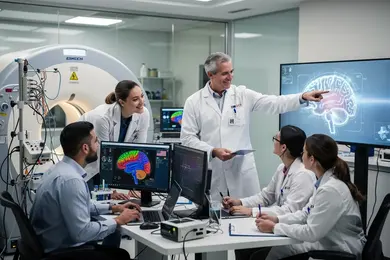
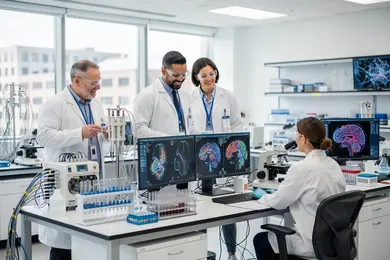
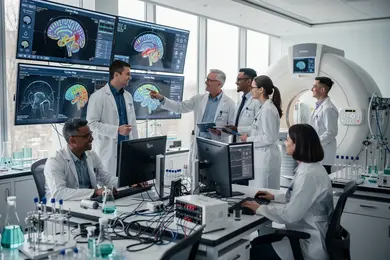
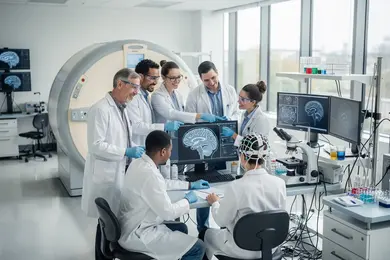
2027 Best Online Neuroscience Programs for Analytical Professionals Seeking Brain Science Paths

Co-Founder and Chief Data Scientist
Practitioners seeking to transition into brain science face a critical bottleneck: securing advanced credentials without sacrificing current employment or compromising research access. The surge in online neuroscience education-now growing at nearly 15% annually according to the National Center for Education Statistics-signals widening opportunities but also sharp variation in program rigor and industry alignment. This expansion reflects broader workforce shifts toward flexible learning, yet it complicates credential selection amid uneven employer recognition and limited practical lab engagement. This article analyzes leading online neuroscience programs, focusing on their admission flexibility, curriculum relevance, and career impact to guide analytical professionals in making informed education-to-career decisions.
Key Things You Should Know
- Employment data from the U.S. Bureau of Labor Statistics shows a 15% growth in neuroscience-related roles through 2030, but many online programs lack hands-on lab training, compelling candidates to seek supplemental in-person experience.
- Employers prioritize interdisciplinary expertise, with 62% valuing combined data science and neuroscience proficiency, pressuring professionals to balance advanced computational skills versus traditional experimental focus during program selection.
- Median annual tuition for accredited online neuroscience master's programs spiked 11% since 2023, increasing total cost of study and extending financial ROI timelines beyond 7 years for midcareer adults switching fields.
What is an online neuroscience degree and how does it differ from on-campus programs?
Online neuroscience degree benefits for analytical professionals hinge primarily on flexibility and accessibility, enabling those balancing full-time work to pivot toward brain science without immediate income disruption. These programs shift delivery to remote coursework, virtual labs, and asynchronous assessments, bypassing geographic constraints but presenting challenges in mastering hands-on methods like electrophysiology or neuroimaging.
The tradeoff lies in compensating limited in-person lab access through intensive summer sessions or local partnerships, which can add logistical complexity and costs.
The differences between online and on-campus neuroscience programs become pronounced in skill acquisition and network development. On-campus formats integrate regular lab rotations and face-to-face mentoring, aligning tightly with employer preferences for demonstrable practical experience.
Online candidates must actively seek internships or collaborations to mitigate this gap, as biomedical and clinical neuroscience sectors emphasize practical lab competencies during hiring.
Given a projected 9% employment growth for medical scientists over a decade, online neuroscience degrees offer a viable route for rapid analytical upskilling. Yet, effective navigation of experiential learning delays and limited physical resources remains essential.
Choosing between program formats depends on current job commitments, local access to research facilities, and readiness to supplement online study with targeted in-person experiences.
For professionals exploring what can you do with an environmental science degree, strategies used in neuroscience education-including balancing remote theoretical knowledge with practical experience-may provide relevant insight into managing field-specific challenges and career repositioning.
Which online neuroscience programs are considered the best for analytical professionals?
Choosing the best online neuroscience degree programs for analytical professionals requires evaluating how well curricula align with employer expectations and real-world skill demands. Programs that integrate biostatistics, cognitive modeling, and signal processing equip graduates for roles in brain science careers where data fluency is essential. Employers increasingly seek proficiency in Python, MATLAB, and neuroimaging software, reflecting a shift toward computational neuroscience applications.
Hands-on experience with neurodiagnostic tools impacts employability and wage potential significantly. The U.S. Bureau of Labor Statistics reports neurodiagnostic technologists' median annual wage at $63,110, with top earners surpassing $98,000. Yet, many online options lack direct clinical placements or lab simulations, which can restrict practical exposure critical for credentialing and competitive positioning in neurotechnology sectors.
Working professionals pivoting from data analytics must balance theoretical neuroscience with applied methodologies in flexible programs. Access to mentors and internships or partnerships with healthcare institutions helps bridge this gap and verifies clinical competence, a necessity for advancing in this field.
Specialization tracks like neuroinformatics and brain-computer interface technologies offer pathways into high-demand niches within neuroscience research and technology industries.
For those assessing alternatives, consider also exploring an accelerated computer science degree as a complementary or parallel route that enhances computational expertise relevant to neuroscience applications.
How can I evaluate accreditation and program quality for online neuroscience degrees?
Accreditation is a decisive factor when evaluating program quality for online neuroscience degrees. Programs recognized regionally or nationally by agencies approved by the U.S. Department of Education or the Council for Higher Education Accreditation ensure graduates meet baseline standards required for federal aid, credit transferability, and employer credibility.
Specialized accreditors like ABET add value by confirming curriculum rigor and research opportunities aligned with scientific and health-focused professions.
Assessing quality standards in online neuroscience education involves more than accreditation. Employers prioritize graduates with proven skills backed by measurable outcomes such as graduation rates, licensure or certification pass rates where relevant, and success in neuroscience-related roles. A realistic appraisal requires examining faculty credentials and access to hands-on labs or virtual simulations that replicate authentic research environments.
Cost differences between online and in-person neuroscience programs significantly impact return on investment. The Education Data Initiative notes an average cost of $51,091 for online bachelor's degrees versus $105,380 for in-person, a saving exceeding 50%. However, lower expenses may correspond to tradeoffs in faculty engagement or research resource availability, affecting practical readiness.
Flexibility and technology supporting both synchronous and asynchronous learning modalities are essential for professionals balancing work and education. Practical experiences such as internships or institutional research collaborations often shape employability in analytical neuroscience fields.
To contextualize these factors, it is useful to reference independent rankings or government data on graduate outcomes rather than rely on marketing claims.
Prospective students aiming at a career pivot in neuroscience should also consider the affordability landscape evident in other disciplines-for example, online MLIS programs highlight varying cost structures and flexibility options that may parallel those in neuroscience education.
What types of online neuroscience degrees and certificates are available?
Choosing between online neuroscience degree programs for analytical professionals requires assessing not just credential level but the practical tradeoffs impacting employability. Bachelor's degrees position graduates for entry research or clinical support roles, offering a median annual wage near $65,000 and a median 10-year ROI around $315,000, according to Georgetown University's Center on Education and the Workforce. However, these programs may lack specialized training needed for emerging biotech or data-heavy roles.
Master's degrees cater to individuals targeting research, biotech, or clinical neuropsychology positions demanding advanced technical skills. Yet prospective students must scrutinize whether virtual curricula provide sufficient access to hands-on lab work-a critical component in neuroscience skill acquisition.
Doctoral programs remain the standard for tenure-track academic careers or high-level R&D but often exclude full-time professionals due to their intensive research commitments.
Accredited online neuroscience certificates in brain science serve as upskilling tools for healthcare providers or analysts seeking discrete competencies like neuroimaging or computational modeling.
Despite their limited standalone employment weight, they are effective when layered onto existing degrees. Employers, especially in pharma and AI industries, increasingly expect demonstrable data science and experimental design expertise. Candidates should prioritize programs delivering these skills.
Decisions also hinge on program flexibility and access to laboratory experiences, as online study can restrict critical hands-on training. Hybrid options or partnerships with local labs can mitigate this deficit, emphasizing the balance between economic return, credential recognition, and workforce relevance.
For those comparing options broadly, resources detailing colleges with accelerated psychology programs may provide useful parallels in accelerated pathways.
What courses and specializations are typically included in an online neuroscience curriculum?
Selecting an online neuroscience program requires weighing the balance between foundational laboratory research and applied computational skills. Employers increasingly demand expertise in large-scale brain data analysis, emphasizing proficiency in advanced statistics, machine learning, and bioinformatics. Specializations in neuroimaging, neural network modeling, and clinical applications shape distinct career pathways-from research technologist roles to clinical trial analysis.
For professionals transitioning from data science, programs integrating Python-based neuroinformatics and wearable neurotechnology are more aligned with workforce needs than those focusing narrowly on molecular neuroscience.
Hiring managers prioritize candidates demonstrating hands-on experience with EEG, fMRI, or neural decoding algorithms alongside theoretical knowledge. This practical emphasis differentiates candidates in competitive job markets.
Key considerations for prospective students include:
- Choosing curricula that balance theoretical depth with applied analytics.
- Evaluating how specializations align with employer demand in healthcare, pharmaceuticals, and AI industries.
- Prioritizing programs offering tangible project experience to evidence practical skills.
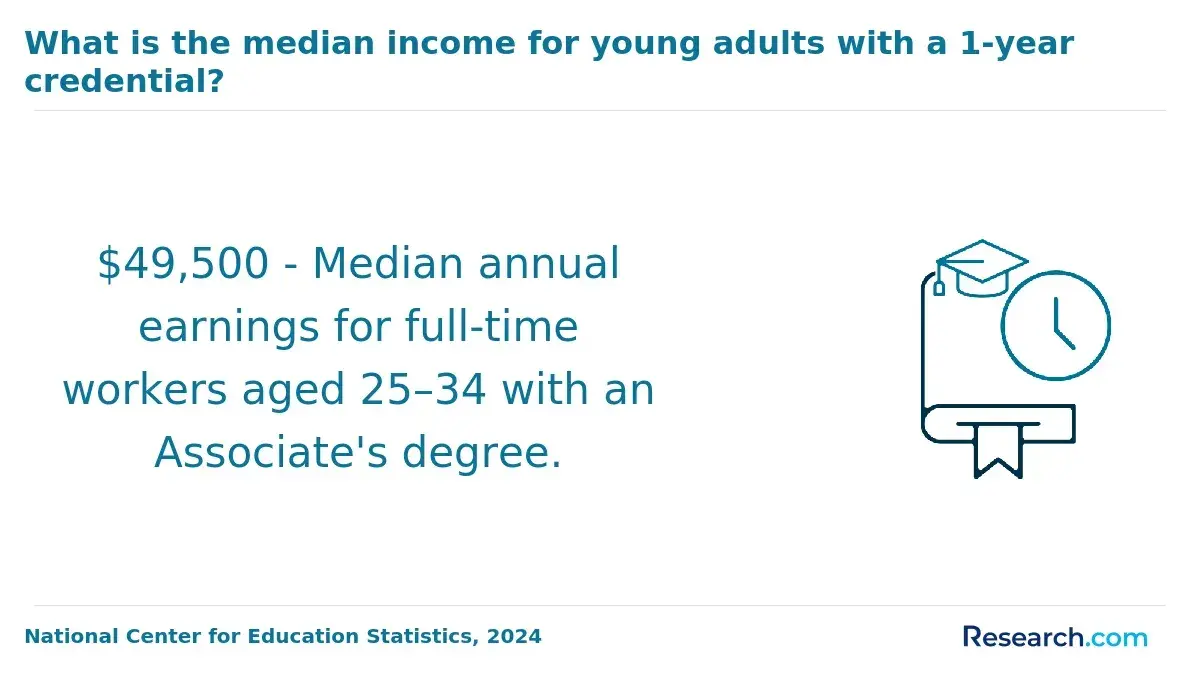
Graduate-level neuroscience training offers a measurable earnings advantage, with the U.S. Census Bureau noting a roughly 18-20% median wage premium for those holding a master's in science or engineering versus bachelor's-only holders. Such data underscores the financial benefit of specialized, data-intensive neuroscience education.
What are the admission requirements and prerequisites for online neuroscience programs?
Entry into online neuroscience programs demands more than a bachelor's degree; it requires strategic navigation of prerequisite coursework, typically in biology, chemistry, physics, and calculus, which can delay enrollment and add costs for working professionals. A common minimum GPA requirement of 3.0 or above reflects the field's competitiveness and the need for demonstrated academic readiness.
Admission dossiers usually include official transcripts, recommendation letters, and a statement of purpose that articulates precise career intentions. While some programs still require GRE scores, a growing number have eliminated this to accommodate professionals balancing full-time work, redirecting the admissions focus toward readiness for advanced neurobiological study and research rigor.
For professionals unable to commit to traditional degree timelines, microcredentials and professional certificates offer flexible, targeted skill development aligned with labor market demands. Yet these modular credentials often fall short of opening doors to research-intensive or clinical positions requiring master's or doctoral degrees.
- Strict prerequisites can extend time and financial commitments for working applicants
- Removal of GRE requirements facilitates access but shifts emphasis to academic preparedness
- Microcredentials serve as efficient upskilling tools but limit eligibility for advanced roles
- Program flexibility in course delivery is critical for managing employment and study
Practical challenges include scheduling prerequisite classes, some exclusively offered on-campus or synchronously, which may conflict with employment obligations. Consequently, candidates should prioritize programs with transparent prerequisite requirements and flexible delivery options to reduce friction during admission.
How long do online neuroscience programs take and what do they cost?
The timeline and cost of online neuroscience programs vary widely, influencing career outcomes and financial feasibility. Bachelor's degrees typically require about four years but can be accelerated to three or extended beyond four if students juggle work or part-time study. Master's programs usually last 1.5 to 2 years full-time, while doctoral-level degrees span 3 to 6 years depending on research demands and residencies, factors that affect opportunity cost and income interruption.
Employers prioritize candidates with strong data science and AI competencies integrated within neuroscience, responding to a projected 27% growth in neuro-AI roles globally by 2028 according to the World Economic Forum's 2024 report. This creates a tradeoff between standard neuroscience curricula and interdisciplinary tracks offering faster paths into AI-driven health technology sectors.
Annual tuition ranges reflect institutional type and specialization: undergraduate costs lie between $15,000 and $35,000, while graduate studies can exceed $40,000, especially in neuroinformatics emphases. Additional fees such as software licenses or proctored exams add $2,000-$5,000 yearly. Part-time study reduces immediate income loss but prolongs completion, postponing salary gains linked to degree attainment.
Decision-making should weigh practical constraints and sector-specific outcomes-clinical research, pharmaceutical R&D, or AI diagnostics demand distinct skill sets affecting long-term return on investment.
What careers can an online neuroscience degree prepare analytical professionals for?
An online neuroscience degree demands careful scrutiny of how well a program bridges theoretical knowledge with practical skills critical for employment in neuropsychology, neuroinformatics, or pharmaceutical research. Professionals moving from data analytics to neuroinformatics, for example, face a steep learning curve mastering specialized neuroscience datasets and brain mapping technologies-capabilities rarely covered in generic analytics training.
Analytical proficiency must be paired with domain-specific understanding to succeed in roles such as clinical trial analyst or neuroimaging specialist. However, a notable limitation of fully online programs is the typical scarcity of hands-on lab experience, which often necessitates supplemental internships or hybrid coursework to build practical competencies valued by employers.
Students should verify whether programs maintain partnerships with research labs or healthcare organizations to facilitate crucial real-world exposure. Without this, job placement rates suffer despite strong theoretical instruction.
Employer tuition support, increasingly common according to LinkedIn's 2024 Workplace Learning Report, reduces financial risk and enables professionals to upskill, especially those balancing jobs and studies.
- Positions in government and private R&D require translating neurological data into actionable outcomes, demanding both quantitative rigor and systems-level neuroscience insight.
- Emerging fields like brain-computer interface development rely heavily on data-driven algorithm design tailored to neural signals.
Ultimately, selecting an online neuroscience pathway requires a nuanced evaluation of program structure, emphasizing applied learning opportunities to ensure a viable career pivot or advancement in these interdisciplinary domains.
What are the salary ranges and job outlook for neuroscience-related careers?
Salary outcomes in neuroscience careers hinge heavily on educational attainment, role specificity, and sector, with starting salaries near $60,000 for entry-level positions and exceeding $130,000 for experienced professionals in research or clinical domains. For example, a transition into medical device R&D often requires mastering regulatory frameworks and computational tools, directly influencing salary progression.
Mid-level roles such as research analysts or clinical trial coordinators typically offer between $65,000 and $90,000, while advanced specialists like neuropsychologists command higher pay aligned with graduate degrees and technical expertise.
Job prospects reflect strong demand for individuals equipped with both theoretical understanding and applied skills, particularly as biotechnology and healthcare innovation expand.
However, those pivoting from other fields should anticipate initial interdisciplinary positions with lower wages while developing key competencies in data analysis and clinical applications to reach advanced tiers.
- Entry-level salaries usually start around $60,000.
- Mid-career professionals earn between $65,000 and $90,000 in analytic or management roles.
- Specialist roles exceed $130,000, conditional on advanced qualifications.
Graduates seeking competitive advantages must weigh the tradeoff between entering the job market earlier and investing time in advanced degrees that expedite leadership opportunities. Workforce trends favor candidates who combine laboratory proficiency with computational strategies, which correlates with enhanced salary trajectories and career stability.
How should working adults choose the right online neuroscience program for their goals?
Selecting an online neuroscience program requires aligning curricular strengths with specific career objectives to optimize practical skills and labor market outcomes. For those targeting research or biotech positions, emphasis on lab techniques, data analysis, and emerging fields like neuroinformatics is vital. Healthcare professionals should prioritize accredited courses featuring neuroanatomy, neuropharmacology, and cognitive neuroscience integrated with case-based learning.
As HolonIQ projects the global digital education market nearing $973 billion by 2030, demand for specialized neuroscience competencies in healthcare and life sciences continues to expand.
Flexibility must match an individual's workload without compromising rigor. Fully asynchronous programs suit shift workers, while synchronous components enable mentorship and networking needed for career pivots. Prospective students should verify faculty expertise and institutional research activity, ensuring alignment with current scientific standards.
Career support services tailored to neuroscience roles, such as internships and resume advice, are decisive given employer preference for candidates with verifiable experience.
Cost-benefit analysis should consider tuition relative to expected salary gains and program duration. Neuroscience degrees extending beyond six years or costing over $100,000 often diminish return on investment absent employer aid. Programs that include foundational refreshers plus advanced electives better support those transitioning from unrelated fields.
In practice, a healthcare worker moving into neurotechnology benefits from courses on computational neuroscience and engineering interfaces, whereas a pharma professional aiming for drug development needs concentrations in neuropharmacology and pharmacokinetics. The World Economic Forum highlights AI in neural data analysis as a fast-growing occupational area influencing program relevance.
Other Things You Should Know About Neuroscience
In 2027, analytical professionals can choose from a variety of online neuroscience programs, including master's degrees, graduate certificates, and diplomas, each offering flexible study modes tailored to equip professionals with advanced skills in brain science, data analysis, and cognitive research methods.
Online neuroscience degrees require proficiency in statistics, programming, and quantitative methods, often demanding more self-discipline than on-campus options. Programs with structured synchronous sessions and integrated tutoring support lead to more consistent mastery of these difficult topics. Students juggling full-time work should consider programs that offer flexible pacing and modular coursework to reduce burnout and ensure steady progress without compromising the depth of quantitative training.
Employers generally recognize online neuroscience degrees if they come from accredited institutions with rigorous curricula and research opportunities. However, for positions prioritizing lab-based expertise or collaborative research, candidates with traditional on-campus experience may have an edge. Graduates should highlight completed internships, research projects, or any in-person practicums to demonstrate applicable skills beyond the online format.
Specialized tracks within neuroscience programs offer depth in areas like cognitive neuroscience or neuroimaging but limit exposure to related fields such as psychology or data science. Interdisciplinary programs increase versatility, enhancing adaptability in diverse roles but may sacrifice depth needed for focused research careers. Students should weigh immediate career goals against long-term flexibility; those targeting academia or specialized labs benefit from focused tracks, whereas professionals seeking roles in healthcare technology or analytics should prioritize interdisciplinary curricula.
References
- Quality Standards and Accreditation of Distance Education Programs in a Pandemic - OJDLA https://ojdla.com/articles/quality-standards-and-accreditation-of-distance-education-programs-in-a-pandemic
- Neuroscience Jobs (with Salaries) - SEEK https://au.seek.com/neuroscience-jobs
- How to Apply | Department of Neurobiology and Behavior https://www.aldacenter.org/commcms/neurobiology/graduate-program/ms-program/msapply
- Are Online Degrees Accredited? How to Identify Quality Distance Learning Programs https://www.umassglobal.edu/blog-news/online-degrees-accredited-identify-quality-distance-learning-programs
- Best Neuroscience Research Programs for International Students https://riseglobaleducation.com/blogs/best-neuroscience-research-programs-for-international-students
- Neuroscience https://www.ualberta.ca/en/undergraduate-programs/bachelor-of-science-with-honors-neuroscience.html
- How to apply - Neurasmus | European master in neuroscience https://www.neurasmus.u-bordeaux.fr/admission/how-to-apply/
- Neuroscience Degree Requirements https://www.collegehelpguide.com/degrees/neuroscience/requirements/
- What Can You Do with a Neuroscience Degree? | Tiffin University https://www.tiffin.edu/news/what-can-you-do-with-a-neuroscience-degree/
- Applied Neuroscience Certification https://www.brainfirstinstitute.com/certificate-applied-neuroscience