2027 Best States for Neuroscience Career Growth

Co-Founder and Chief Data Scientist
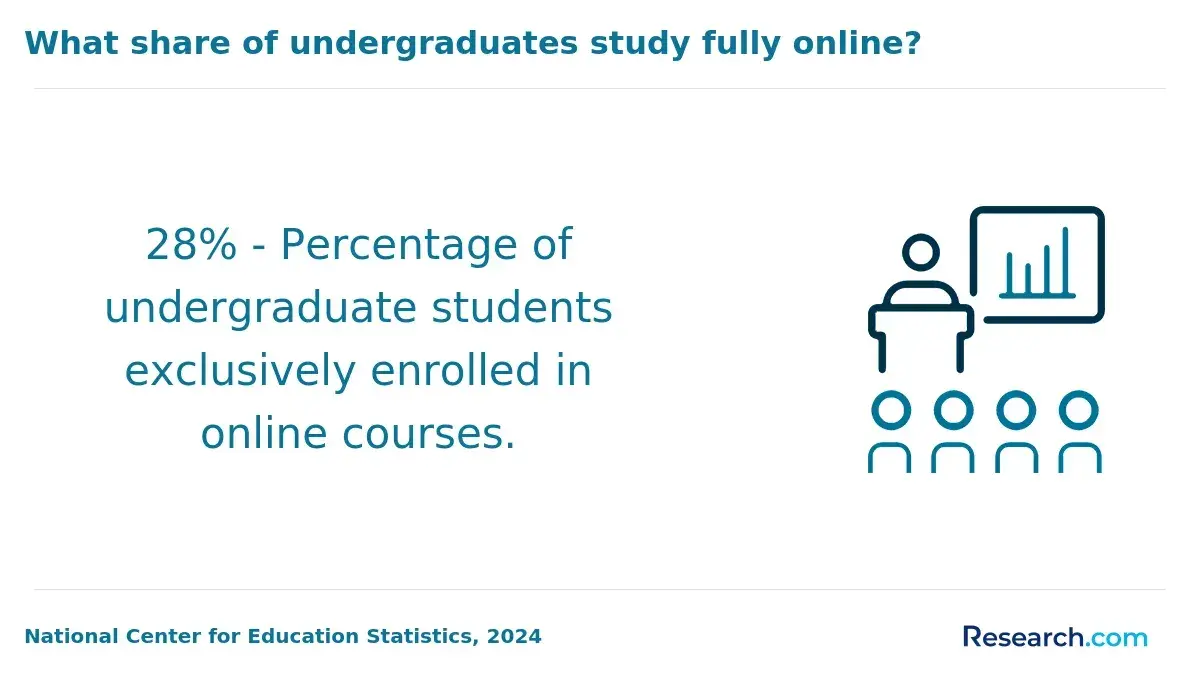
Securing a sustainable career in neuroscience often hinges on choosing the right geographic environment amid evolving workforce demands. With the U. S. Bureau of Labor Statistics projecting a 13% growth in neuroscience-related jobs over the next decade, not all states offer equal opportunity or infrastructure to support this expansion. Access to flexible graduate programs is also crucial; recent data from the National Center for Education Statistics reveals a 25% surge in enrollment among adult learners pursuing online advanced degrees in neuroscience fields, reflecting the increasing need for adaptable education paths. This article examines which states best align educational offerings, research hubs, and job market demand to support neuroscience career growth effectively.
Key Things You Should Know
- States like Massachusetts offer 12% above-average neuroscience PhD placement in industry roles, but extended postdoc requirements delay salary growth by 2-3 years, impacting long-term earning potential.
- California hosts 40% of U.S. neuroscientific R&D spending, attracting employers favoring candidates with dual expertise in computational methods, creating bottlenecks for traditional degree holders.
- Midwestern states provide lower-cost graduate programs with 15-25% less tuition, yet limited clinical research networks constrict access to translational neuroscience jobs, requiring geographical relocation for many.
Which states currently offer the strongest neuroscience job growth and employment opportunities?
Identifying California, Massachusetts, and Maryland as the states with the strongest neuroscience job growth by state reflects a clear concentration of sector-specific ecosystems shaped by biomedical research institutions, pharmaceutical companies, and federal agencies. For example, California's hubs, such as San Francisco and San Diego, combine high funding and diverse industry sectors, offering roles in academic and private research.
Massachusetts benefits from adjacency to world-class universities and a robust biotechnology sector supporting cutting-edge clinical trials and tech development. Maryland leverages proximity to the National Institutes of Health, facilitating unmatched employment and grant prospects in public neuroscience research and policy.
Salary trends align with these regional strengths: average U.S. neuroscientist pay increased from $70,683 in 2023 to $76,267 in 2025, maintaining over 3% annual growth. Yet, decision-making must consider tradeoffs such as California's high cost of living against salary gains, while Maryland presents a more balanced cost-to-pay ratio, particularly relevant for entry-level to mid-career professionals seeking sustainable employment opportunities.
Practical implications include the expectation that professionals develop advanced technical skills-such as machine learning integration with neural data-and regulatory expertise for clinical contexts. Employers prioritize hires with relevant local experience or networks familiar with state-specific grants and compliance frameworks.
Candidates can maximize prospects through suitably located internships or graduate programs, which may include pursuing an online data science PhD to complement neuroscience specialization and strengthen interdisciplinary employability in these top states for neuroscience employment opportunities.
How do salary ranges for neuroscience careers compare across different states and metro areas?
Salary disparities in neuroscience careers reflect distinct regional ecosystems rather than simple geographic variation. California leads with an average neuroscience salary of $105,037 across 2,450 jobs, driven by its dense network of research institutions, biotech companies, and healthcare providers. By contrast, states like Texas and North Carolina report lower average salaries near $75,000 to $85,000 but offer a more affordable cost of living and expanding biotech sectors. This earns professionals practical disposable income advantages despite reduced nominal pay.
Employers in top metro areas often demand advanced degrees coupled with specialized skills, such as data analysis or clinical research experience, particularly in competitive states like Massachusetts and Maryland, where salaries range from $90,000 to $100,000.
However, these higher wages must be balanced against elevated living expenses in hubs like Boston and the D.C. area. Decision-making around these neuroscience career salary differences by state must weigh not only compensation but also local industry vitality and quality of life.
Consider a neuroscientist relocating to the San Francisco Bay Area: while the salary premium is substantial, housing costs can exceed twice the national average, reducing net benefit. Conversely, an entry-level role in Raleigh, NC, offers lower pay but potentially greater economic flexibility.
Early-career professionals may benefit from prioritizing abundant, moderate-pay entry points, whereas seasoned experts often target regions with high compensation aligned to their expertise.
Those considering educational pathways should assess program affordability in light of practical employment outcomes; for example, exploring online animal science programs can inform cost and return on investment comparisons relevant for related life science disciplines.
What factors make some states better than others for long-term neuroscience career growth?
Salary potential alone does not determine sustainable career growth in neuroscience; states must balance compensation with healthcare quality and supportive practice environments. For example, Wisconsin neurologists earn a median salary near $386,390, ranking 11th in physician quality of life and top 10 for healthcare quality, indicating that income must be weighed against professional conditions.
This reflects broader workforce dynamics where state investment in neuroscience research funding and robust healthcare infrastructure influence long-term employability and skill diversification.
States featuring dense academic-medical hubs provide neuroscience professionals unparalleled access to clinical trials and interdisciplinary collaborations, which advances their roles beyond standard clinical practice. Meanwhile, environments with varied patient case mixes and strong team support enable neuroscientists to meet employer expectations for adaptive, evidence-based work.
Licensure reciprocity, continuing education, and professional organizations also critically affect career flexibility and skill currency. A hypothetical neuroscience doctoral candidate comparing a high-paying but low-support state against a moderate-paying state rich in research opportunities must consider potential burnout and limited professional growth despite short-term financial gains.
Employment growth rates for neuroscience professionals by state further complicate this decision-making, as expanding markets align with investments in research capacity and healthcare resources. Prospective neuroscientists can examine opportunities among the highest paying biology jobs to realistically assess these tradeoffs.
Which neuroscience degrees are most in demand in high-opportunity states?
States like Nevada and Texas, projecting over 400,000 new jobs by 2026, place a premium on candidates with bachelor's and master's degrees in neuroscience-related fields who also bring applied skills in data analytics or clinical practices. The best neuroscience degree programs in high-opportunity states increasingly emphasize practical proficiencies that align with employer needs-such as brain-machine interface development and neuropharmaceutical trial coordination-rather than solely theoretical grounding.
Consider a master's graduate in cognitive neuroscience with biostatistics training: this combination significantly improves access to neurotech startup roles concentrated in metro areas like Austin and Las Vegas. In contrast, a general neuroscience bachelor's without specialization often restricts graduates to entry-level lab technician positions with limited upward mobility.
PhD programs focusing on translational neuroscience or neuroengineering yield the strongest long-term returns but demand extensive time, money, and often relocation to research-intensive hubs. Meanwhile, applied neuroscience degrees that streamline entry into clinical, biotech, or pharmaceutical sectors remain highly relevant in fast-growing states. Students should weigh program alignment with regional demands for skills like neuroimaging or regulatory expertise, which vary by industry concentration.
Certification in data analysis or medical device compliance can further differentiate candidates in these expanding markets. For those evaluating broader educational options, reviewing online school psychology programs may provide complementary pathways in related behavioral science fields.
Top neuroscience degrees for career growth in leading states balance specialization with practical experience, tailored to local labor market realities and employer expectations.
How do online and campus-based neuroscience programs differ for students targeting top states?
Competitive neurosurgery job markets in states like California, Texas, and Ohio demand tangible clinical experience and hands-on training that online neuroscience programs rarely provide. With 4,240, 3,370, and 2,620 neurosurgeons employed respectively in these states, employers prioritize graduates who have direct exposure to complex surgical environments and multidisciplinary teamwork.
Campus-based programs maintain vital relationships with local hospitals and research centers, offering students access to neurosurgical residencies and region-specific research projects unavailable in most online curriculums.
Online pathways may appeal due to flexibility but often fall short on mentorship, clinical rotations, and state-specific licensing preparation. Without verifiable supervised hours, students risk delays in credentialing, affecting their readiness for immediate employment in demanding neurosurgery hubs.
Prospective students should weigh:
- The cost and logistical challenges of relocating for campus programs against the limited hands-on training value online formats offer.
- State licensing requirements that favor documented in-state clinical experience, critical in dense job markets.
- The difficulty online learners face securing equivalent clinical partnerships essential for career progression.
For professionals targeting workforce alignment in top-tier neurosurgery centers, campus-based education remains a strategically superior approach to securing both credentials and directly applicable skills.
What should you look for in accredited neuroscience programs in your target state?
Choosing a neuroscience program aligned with local workforce demand and credentialing rigor directly affects employment prospects and career trajectory. For example, neurologists in California benefit from salaries between $340,000 and $350,000 due to concentrated demand and institutional partnerships, a dynamic that is less pronounced in states with fewer healthcare networks.
Programs accredited by recognized entities like the Commission on Accreditation of Allied Health Education Programs ensure curricula stay relevant and training meets clinical expectations, which employers prioritize.
Direct job placement rates and ties to nearby healthcare or research organizations provide measurable indicators of a program's practical value. Students benefit most from programs offering hands-on translational neuroscience experience and access to diverse clinical practicum sites, as limited practicum variety can compromise readiness for complex clinical environments.
Federal funding intensity, such as from NIH or NSF, often correlates with exposure to leading-edge techniques and research integration.
- Prioritize accredited programs with demonstrated employer connections and strong placement records.
- Value research intensity and clinical practicum diversity to enhance practical skills.
- Assess program flexibility relative to personal circumstances and local market realities.
Flexibility-such as part-time options and online formats with strong clinical affiliations-is critical for working professionals, especially in regions lacking dense neuroscience infrastructure.
Evaluating tuition costs versus expected regional salaries reveals true return on investment while ensuring the program supports state-specific licensure pathways avoids credential delays that may restrict early career mobility.
How do tuition, cost of living, and financial aid vary by state for neuroscience students?
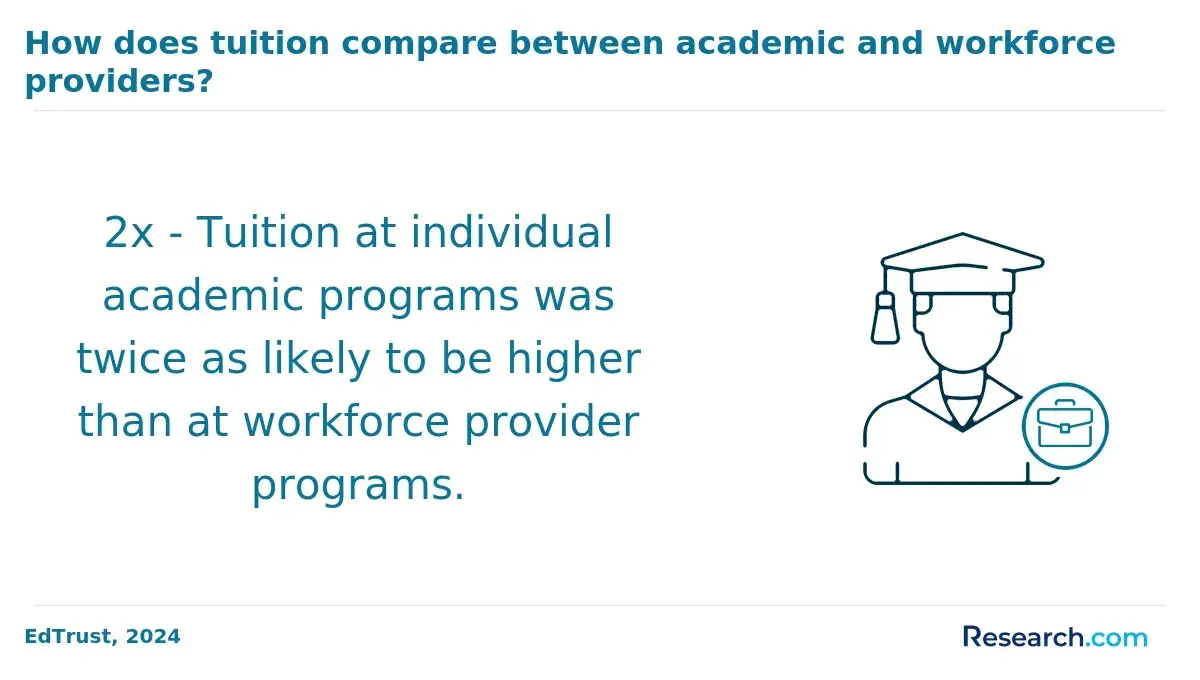
Cost disparities across states shape practical decisions for students pursuing neuroscience education, influencing both immediate affordability and long-term financial outcomes. Public universities generally charge $10,000 to $25,000 annually for in-state students, whereas private institutions may surpass $50,000, forcing candidates to weigh tuition against cost of living, which can be 20-30% higher in regions like California and Massachusetts. Lower costs in the Midwest and South offer alternatives that may better align with limited aid and tighter budgets.
Financial aid availability is uneven, with some public programs providing merit or need-based support covering up to 60% of tuition, while others offer minimal assistance. Federal aid often falls short of covering non-tuition expenses, creating a gap that students must close through personal budgeting or work, particularly in high-cost urban centers where many neuroscience job opportunities concentrate.
For example, a top public neuroscience program reports early-career median earnings near $39,573 and an estimated lifetime ROI of 9.4× relative to tuition. This figure highlights the necessity of juxtaposing program cost, financial aid, and expected salary rather than assuming higher tuition guarantees better returns.
When planning, students should reference detailed data from the National Center for Education Statistics and Bureau of Labor Statistics to assess how tuition, aid, and local job markets intersect with employer location preferences, ensuring a strategy that realistically balances educational investment with post-graduation living expenses and income potential.
Which neuroscience specializations have the best job outlook in fast-growing states?
Specializations in neuropharmacology, computational neuroscience, and neuroengineering concentrate opportunity mainly in biotech hubs like Boston and the San Francisco Bay Area, where industry demand surpasses traditional academic openings. For instance, neuropharmacologists in Boston collaborate closely with pharma companies on drug development, necessitating skills in regulatory compliance and handling large clinical datasets.
Meanwhile, computational neuroscientists in California's tech ecosystem focus on neural prosthetics, prioritizing software development and algorithmic expertise over theoretical research.
States lacking robust biotech industries offer fewer specialized roles, restricting prospects primarily to academic or clinical lab settings. This geographic disparity forces candidates to confront relocation or remote work arrangements, impacting long-term career planning.
Salary data from the Bureau of Labor Statistics indicates a clear 20-30% premium for biotech-centered jobs compared to academic research roles.
- Industry hubs demand pragmatic experience aligned with product development and clinical trial innovation.
- Cross-disciplinary competencies increase employability more than narrow research specialization.
- The regional biotech landscape is a major determinant of job availability and compensation.
Recruiters in these growth clusters emphasize interdisciplinary practical skills, such as bioinformatics and translational medicine, over purely academic credentials. Candidates benefit by pursuing graduate programs and internships directly tied to pharmaceutical firms, contract research organizations, or neurotechnology startups embedded in these ecosystems.
How do licensing, certification, and research regulations differ for neuroscience roles by state?
Licensing and certification requirements significantly shape the practical landscape for neuroscience professionals across states, directly influencing career timelines and mobility. For clinical neuropsychologists and neurologists, state-specific medical licenses demand varying exam components, supervised practice hours, and ongoing education.
For instance, California requires 4,000 internship hours plus the EPPP exam, whereas Texas mandates 3,200 hours alongside jurisprudence testing, a disparity that affects both the duration and expense of licensure.
Certification from the American Board of Professional Psychology (ABPP) in Clinical Neuropsychology adds credential value but primarily serves specialist roles rather than replacing state licensing. Some states facilitate licensure portability via endorsement processes, easing transitions for professionals seeking multi-state opportunities.
Research-centric neuroscience careers encounter additional regulatory complexity, with heterogeneous rules governing human subjects oversight, IRB protocols, and biosafety. States like Massachusetts and Maryland, hosting NIH-affiliated centers with robust compliance frameworks, offer advantages for federally funded research projects by streamlining administrative burdens.
- Clinical practitioners must prepare for multi-step licensing involving substantiated supervised clinical experience.
- Research scientists benefit from states harmonizing IRB protocols to reduce project delays and compliance risks.
- States with streamlined out-of-state license endorsements facilitate geographic and market flexibility.
Graduates should weigh the tradeoffs between states with strong bachelor's neuroscience programs and corresponding regulatory environments to reduce friction during career transitions. Key considerations include credential verification processes, differential clinical hours requirements, and the alignment of state IRB standards with federal regulations.
How can you strategically choose a state and school to maximize neuroscience career potential?
States exhibiting rapid growth in roles adjacent to neuroscience-such as data science, medical and health services management, and physician assistantship-offer markedly better prospects for graduates. The Bureau of Labor Statistics forecasts 27% to 45% growth in these areas between 2022 and 2032, significantly exceeding average job market expansion.
For example, choosing Massachusetts or Maryland aligns students with dense networks of healthcare, biotech, and academic research entities, essential for job placement.
Selecting a neuroscience program requires prioritizing schools that integrate rigorous interdisciplinary curricula with tangible industry connections. Programs providing internships or cooperative education tied to local biotech firms or hospitals tend to improve employability, unlike purely theoretical tracks lacking such partnerships.
Cost-to-value assessments are critical. Public universities with competitive tuition paired with access to leading labs and hospitals frequently deliver stronger ROI than costlier private options without robust local employer networks. Prospective students should evaluate graduate employment rates, average starting salaries, and employer engagement published by institutions or state workforce boards.
Practical factors such as cost of living, credential portability, and licensure requirements-especially for roles like physician assistant-affect geographic flexibility. States offering streamlined certification transfer or accelerated credentialing pathways minimize post-graduation friction, a decisive factor for career mobility.
Programs embedding advanced data analytics and AI applications tend to map better onto evolving employer demands, particularly in pharmaceutical and medical device clusters. Aligning curriculum content with regional innovation hubs enhances both educational relevance and long-term career opportunities.
Other Things You Should Know About Neuroscience
In 2027, the top states for neuroscience career growth include California, Massachusetts, and Maryland. California's booming biotech industry, Massachusetts' renowned academic institutions, and Maryland's proximity to federal research agencies provide ample opportunities for both research and clinical neuroscience professionals.
Graduate programs with integrated internships, collaborations with local biotech or healthcare institutions, and strong alumni networks consistently yield better job placements in high-opportunity states. Programs emphasizing interdisciplinary skills that combine neuroscience with data analytics or engineering improve long-term employability. Purely academic or theory-centered programs risk limiting practical experience needed by employers. Prospective students should prioritize programs offering applied learning and clear employer partnerships aligned with the state's industry demands.
State-specific licensing requirements and certification reciprocity vary widely, especially for clinical neuroscience roles, leading to potential delays or retraining. Research professionals face differing regulatory environments for human or animal studies, which can restrict project options. Salary differences and cost of living must be balanced against career growth potential. Professionals should strategically research licensing compatibility and local research regulations before relocating and consider states with streamlined credential transfer or supportive research policies.
Prioritizing states with abundant neuroscience employers offers immediate job access and industry experience but may concentrate roles in narrower specializations. States leading in academic research provide broader foundational training and innovation exposure but may require relocation afterward to enter industry settings. For career pivots aiming at applied roles, prioritizing employer hubs is advised. For those pursuing research-driven careers or academia, states with premier universities offer stronger long-term growth opportunities.
References
- Recent Trends in the Cost of College Show the Continued Importance of Federal and State Investment - Center for American Progress https://www.americanprogress.org/article/recent-trends-in-the-cost-of-college-show-the-continued-importance-of-federal-and-state-investment/
- Average Cost of College [2025]: Yearly Tuition + Expenses https://educationdata.org/average-cost-of-college
- Neuroscience Degree Salary https://www.collegehelpguide.com/degrees/neuroscience/salary/
- Discover the Best Neuroscience Summer Program for Aspiring Students https://pioneeracademics.com/news/research-opportunties-for-high-school-students-research-programs/
- Potential Careers https://neuroscience.uoguelph.ca/potential-careers/
- Mission https://atcb.org/state-licensure-lp/certificates-credentials-and-licensure-comparison/
- Careers in Neuroscience - Thiel College https://www.thiel.edu/academics/departments/neuroscience/neuroscience-alumni-careers
- The Effects of Rising Student Costs in Higher Education - Ithaka S+R https://sr.ithaka.org/publications/the-effects-of-rising-student-costs-in-higher-education/
- 10 best neuroscience research programs for US high school students (2026) https://riseglobaleducation.com/blogs/best-neuroscience-research-programs-us-high-school-2026
- Licensing and Regulation – State Health Workforce Toolkit https://www.nga.org/state-health-workforce-toolkit/licensing-and-regulation/