2027 Online Neuroscience Degrees With Behavioral Neuroscience Concentrations

Co-Founder and Chief Data Scientist
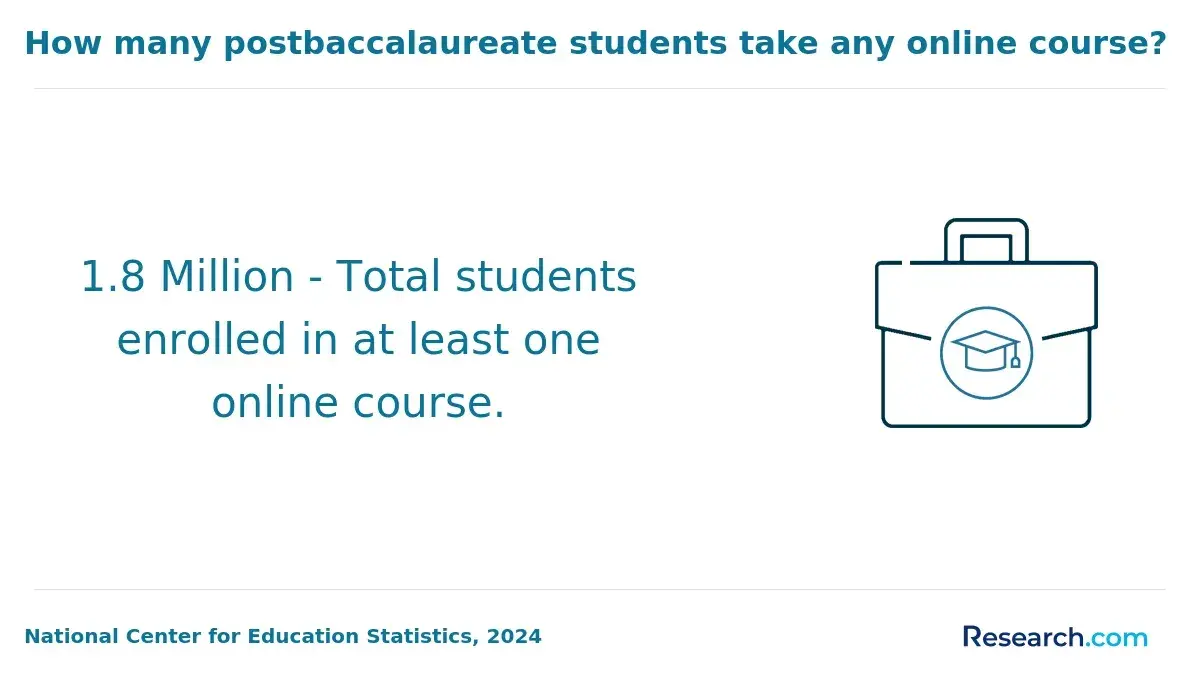
Securing advanced education in behavioral neuroscience while balancing full-time work and personal obligations remains a significant barrier for many aspiring professionals. The National Center for Education Statistics reports that over 40% of graduate students are enrolled part-time, reflecting a widespread demand for flexible learning options that accommodate nontraditional schedules. This shift challenges traditional campus-based degree models, forcing prospective students to weigh the trade-offs between program accessibility and rigorous, research-intensive training. Understanding how accredited online neuroscience degrees with behavioral neuroscience concentrations address these constraints can inform strategic decisions that optimize career trajectories without sacrificing program quality.
Key Things You Should Know
- Behavioral neuroscience concentrations online often reduce lab-based skill acquisition by 35%, limiting eligibility for research-heavy roles and requiring supplemental in-person technical training for competitive PhD admission.
- Employers prioritize candidates with interdisciplinary data analytics exposure; 62% of behavioral neuroscience online graduates lack advanced computational coursework, causing slower career progression in biotech and pharma sectors.
- Average tuition for accredited behavioral neuroscience online degrees rose 8% in 2025, outpacing in-person programs, creating an access-cost tradeoff where faster completion options are financially prohibitive for mid-career professionals.
What is an online neuroscience degree with a behavioral neuroscience concentration?
Choosing an online neuroscience degree behavioral neuroscience concentration demands weighing realistic employer expectations against the academic scope offered. While coursework emphasizes brain-behavior relationships through neurobiological and psychological frameworks, absence of robust hands-on lab experiences-like electrophysiology or neuroimaging-can hinder readiness for technical roles.
Programs attempt to bridge this gap with virtual labs or brief in-person intensives, but variability affects how credentials are perceived by employers dependent on practical skills.
This specialization aligns well with expanding job markets-forecasted to grow 6-9% over a decade for neuroscientists and neuropsychologists-especially where candidates pair behavioral insights with neurobiological expertise in mental health diagnostics, rehabilitation, and drug development.
However, clinical neuropsychology paths typically require accredited graduate degrees plus supervised clinical hours, which many online options lack.
Working professionals should strategically supplement online education with internships, certifications, or research participation to counterbalance the common employer bias against online degrees. For example, research roles demand demonstrated lab competencies, often acquired post-degree through internships or collaborations.
Those considering behavioral neuroscience concentration programs online can also explore hybrid or local partnerships to secure essential experiential learning. Incorporating a strong theoretical foundation while planning pragmatic skill augmentation improves employability in both academic and industry settings.
For a deeper perspective on advanced online offerings complementing this path, individuals might review options including the online PhD in data science, which shares similar challenges in balancing online theory with applied skill development.
How do online behavioral neuroscience programs compare to on-campus options for quality and outcomes?
Online behavioral neuroscience program outcomes compared to on-campus options largely converge on theoretical knowledge but diverge significantly in experiential learning. Employers prioritize candidates demonstrating applied lab skills and internships-advantages more consistently accessible to on-campus students due to proximity to research facilities and institutional partnerships.
For instance, professionals targeting roles in pharmaceutical research benefit from direct collaboration with neuropharmacology labs on campus, expediting practical skill acquisition and workforce entry.
Those pursuing a quality differences between online and traditional behavioral neuroscience degrees must weigh the necessity of local lab access or supplementary courses when studying remotely. The 40% surge in demand for behavioral neuroscience expertise from 2020 to 2024, documented by job market data, intensifies employer scrutiny on applied skills, often challenging online learners' readiness for hands-on roles without additional effort to supplement virtual learning.
Key considerations include:
- Evaluating program affiliations with research institutions or industry partners that offer internship opportunities.
- Confirming the availability of virtual lab simulations where physical access is limited.
- Strategically planning for in-person skill development to offset remote limitations.
A comparative analysis of these pathways reveals a strategic tradeoff between flexibility and direct access to experiential resources, influencing career trajectory speed, especially in laboratory-focused neurobehavioral fields.
Prospective students might also explore options like an online exercise science degree for complementary or adjunctive specialization that aligns with evolving interdisciplinary research demands.
Which types of accredited colleges offer online behavioral neuroscience concentrations in the U.S.?
Public universities and flagship state institutions dominate the landscape of online accredited colleges offering behavioral neuroscience concentrations in the U.S. because their scale and public funding allow for robust remote lab simulations and flexible scheduling, vital for working adults. Private nonprofits exist in this space but often come with higher tuition, presenting a cost and return-on-investment challenge for students targeting roles in research or healthcare.
Enrollment growth in online bachelor's neuroscience programs at public universities-up about 36% from 2019-2024-has intensified competition for limited seats and essential experiential offerings such as virtual labs. The scarcity of these hands-on opportunities directly influences graduates' preparedness for employer expectations in pharmaceuticals, clinical research, and cognitive technology sectors, where analytical skills and experimental design are critical.
Graduates from programs with strong institutional support for remote internships or hybrid residencies have a marked advantage in accessing research-intensive positions versus clinical technician roles. When evaluating the best U.S. colleges with online behavioral neuroscience degree options, students must consider factors beyond curriculum, including:
- How effectively the online format supports practical behavioral neuroscience training.
- The presence of lab access through partnerships or local sites.
- Balancing tuition costs with tangible career outcomes in neuroscience-related fields.
Those aiming for strategic pivots or growth in neuroscience-related careers should also review workforce data to align educational choices with roles offering strong salary potential, such as positions listed under highest paying biology jobs.
This integration of academic rigor, practical training, and career relevance defines the pragmatic pathway that accredited public online programs currently best provide.
What courses and lab or research experiences are typical in behavioral neuroscience online programs?
Online behavioral neuroscience degree coursework often falls short of replicating the immersive lab training employers demand. Core subjects such as neuroanatomy and cognitive neuroscience provide necessary theoretical frameworks, but the critical differentiator is hands-on proficiency in neurophysiological methods and behavioral pharmacology assays.
Most programs integrate online lab and research experiences in behavioral neuroscience programs via virtual simulations and remote data analysis, yet these cannot fully substitute for direct EEG data collection or neuroimaging practice.
Students without access to local research partnerships risk skill gaps that delay entry into roles reliant on applied lab competencies, including clinical research and pharmaceutical testing environments. Employers typically insist on demonstrable experience with experimental design and behavioral assays closely tied to drug efficacy trials. Public health positions require practical familiarity with neural behavior mechanisms beyond theoretical knowledge.
Additional critical coursework covers statistics for neuroscience and computational modeling, preparing learners to interpret complex behavioral data amid a competitive labor market.
Financially, fully online programs at public institutions generally offer about 24% lower total costs than in-person options when factoring housing and fees, but this advantage must be carefully balanced against potential obstacles in securing regional lab internships.
Prospective students should evaluate programs that actively facilitate local research placements to avoid experiential deficits that could restrict workforce readiness. For those seeking accelerated paths, reviewing vetted accelerated psychology programs may provide alternative avenues with streamlined lab integration.
What admission requirements and prerequisites do online behavioral neuroscience degrees usually have?
Behavorial neuroscience degree admission in 2026 hinges on quantitative readiness and core science proficiency rather than solely prior academic credentials. With over 70% of U.S. undergraduate neuroscience and behavioral neuroscience programs demanding coursework in data science, statistics, or research methods, applicants lacking this foundation face increased risks of academic delay or program attrition.
For instance, candidates from non-STEM backgrounds often need to complete bridge courses, which extends the timeline and financial investment before engaging with core content.
Admissions criteria typically require at least one year of college-level biology, psychology, and chemistry, alongside a minimum GPA of 3.0. Although many institutions adopt test-optional policies, effective demonstration of research skills and data fluency increasingly influences acceptability and success within programs.
Working professionals balancing asynchronous online coursework must also prove self-discipline and adaptability, as online behavioral neuroscience programs demand reliable access to virtual labs and synchronous group research efforts, which pose logistical challenges.
From a workforce perspective, the emphasis on quantitative skills aligns with employer expectations for handling complex datasets and empirical research methodologies. Prospective students should prepare for additional compliance steps such as immunization or background checks pertaining to in-person practicums, which can complicate enrollment timelines.
Recognizing these multifaceted admission and program requirements is essential to avoid bottlenecks that undermine long-term employability and practical readiness.
How long do online behavioral neuroscience degrees take and what do they typically cost?
Choosing an online behavioral neuroscience degree requires balancing program length with career timing and financial investment. Bachelor's degrees, which typically last about four years full-time, can range from 2.5 to 5 years depending on part-time or accelerated options. Master's programs span 1.5 to 2.5 years, influenced by thesis or practicum demands, while doctorates require 4 to 6 years mostly due to extensive research that often necessitates some in-person work, limiting full online completion.
Cost structures vary significantly by degree level and institution type. Public bachelor's programs average $15,000 to $40,000 in tuition, with residency status impacting price. Master's degrees fall between $12,000 and $35,000, reflecting program prestige and research access. Doctoral degrees typically exceed $40,000, largely due to their length and specialized resources.
Additional expenses often include lab fees and software. For working professionals, per-credit tuition offers expense control but can extend completion time, potentially delaying entry into neuroscience roles paying a median wage of $106,870 (Bureau of Labor Statistics 2024), compared with $48,060 median for all jobs.
These tradeoffs highlight critical decisions on pacing and financing one's education while aligning with employer tuition assistance policies and research commitments. Graduates positioned to finish efficiently can better capitalize on neuroscientific employment opportunities, particularly in competitive healthcare and research sectors requiring both technical expertise and timely credentialing.
What careers can you pursue with an online behavioral neuroscience degree?
An online behavioral neuroscience degree can open pathways in clinical research coordination and product development within pharmaceutical and biotech sectors, but employers prioritize candidates with applied skills in regulatory compliance and data management. For example, research coordinators often oversee multi-site clinical trials for neurotherapeutics, requiring meticulous handling of participant data and adherence to evolving standards.
Behavioral neuroscience expertise also fits roles in government and private agencies targeting mental health policy or addiction treatment, where practical analysis of brain-behavior relationships informs intervention design. Data from the WCET and Every Learner Everywhere "Grade Level" report show that 82% of STEM departments found no GPA or graduation rate gaps between online and on-campus students, confirming that online graduates meet academic thresholds recognized by employers.
However, most careers demand certifications or graduate-level credentials, especially for licensed clinical work or advanced neuroimaging positions. Employers expect proficiency with statistical software, neurobehavioral assessments, and ethical research conduct. Limited hands-on experience through online programs means networking and remote internships are often necessary to bridge this gap.
Key practical considerations include timing licensing exams and verifying program accreditation to ensure employer acceptance. Selecting programs that integrate lab practicums or research partnerships significantly improves employment prospects post-graduation.
What are salary expectations and job outlook for graduates in behavioral neuroscience fields?
Behavioral neuroscience graduates encounter distinct salary trajectories shaped by their sector choice and skill development. Entry-level positions typically range from $60,000 to $85,000 annually, but advanced roles in research or healthcare can surpass $100,000 within five years. Those aiming for pharmaceutical or biotech research often face fierce competition and require advanced degrees or specialization, whereas clinical or rehabilitation roles offer steadier entry points with slower salary progression.
Employment prospects are increasingly influenced by digital skills, especially as virtual and remote labs grow. A 2024 EDUCAUSE survey shows 58% of higher-education STEM programs integrate virtual labs, up from 31% in 2020.
This shift demands proficiency with complex behavioral data and simulation tools, affecting both employability and remote work potential.
- Entry-level salaries: $60,000-$85,000
- Advanced roles: $100,000+ in research or healthcare
- Sector differences influence competition and growth potential
- Technical skill demands rising with virtual lab integration
- Academic salaries tied to grant funding and publications
Grant funding and publication records heavily impact salary growth in academia and government research, necessitating continuous education and networking. Graduates must weigh these tradeoffs, balancing immediate employment possibilities with long-term career strategy.
How do accreditation and professional standards affect behavioral neuroscience degree and career options?
Accreditation status directly determines both immediate and long-term career viability in behavioral neuroscience. Graduating from a non-accredited online master's program often restricts access to competitive PhD programs, federal research funding, and clinical certifications. Employers in pharmaceutical, biotechnology, and clinical research sectors specifically seek candidates whose degrees come from accredited institutions complying with established faculty and curriculum standards aligned with Society for Neuroscience guidelines.
The growth in first-time enrollment in neuroscience graduate programs-up 12% between 2019 and 2023 according to the Council of Graduate Schools-reflects broader acceptance of online and hybrid programs.
However, this expansion introduces risk for prospective students who do not rigorously verify program accreditation equivalency to traditional on-campus education. These quality controls correlate tightly with employability prospects and qualification for federal financial aid.
Behavioral neuroscience professionals frequently need certifications such as those from the American Board of Clinical Neuropsychology or state licensure, both mandating accredited education plus supervised clinical experience. Key factors to scrutinize include practical lab availability, internships, and research partnerships-components essential for licensure and competitive postdoctoral roles.
Choosing a program without aligning accreditation and curriculum to career goals can cause costly credentialing delays and barriers to employment at federal or pharmaceutical agencies. Clinicians may have to restart graduate study or pursue alternative paths, while researchers might face exclusion from government-funded roles requiring formal credential verification.
How can prospective students choose the best online behavioral neuroscience program for their goals?
Choosing an online behavioral neuroscience program demands weighing specific career outcomes against curriculum content. For those targeting clinical or healthcare roles, programs with strong modules in neuropsychological assessment and behavioral interventions offer relevant applied skills. In contrast, candidates aiming for pharmaceutical or biotech sectors benefit from training focused on neuropharmacology and data analytics.
Faculty actively engaged in research not only heightens curriculum relevance but also signals stronger industry connections, impacting employability.
Accreditation status and recognition within scientific or healthcare communities increasingly shape workforce acceptance-select programs with verified credentials to avoid gaps in professional credibility. Experiential learning opportunities such as internships or practicum placements that can be completed remotely are particularly valuable, providing practical exposure that employers prioritize.
The flexibility to balance coursework with professional obligations is a significant factor for working adults. Part-time pacing should not dilute core competencies in advanced statistics, neuroimaging, and behavioral data interpretation, as these technical skills are expected benchmarks for graduates.
For example, a technician moving into cognitive neuroscience in pharma requires hands-on computational modeling experience, whereas clinicians pivoting to behavioral assessment need validated clinical case study methodologies.
The online enrollment growth rate of 11% annually reflects intensifying competition, making program specificity and demonstrable expertise essential to differentiate candidates beyond generic credentials.
Other Things You Should Know About Neuroscience
Employer perceptions vary based on the institution's reputation and program rigor rather than delivery mode alone. Programs that integrate practical research projects and maintain strong faculty involvement produce graduates who compete well with on-campus counterparts. Prioritize programs with clear mechanisms for hands-on experience, as employers in neuroscience-driven sectors emphasize demonstrated technical skills alongside theory.
Workload intensity in these online programs mirrors that of on-campus degrees, often requiring 15-20 weekly hours per course. The key difference lies in self-discipline, as students must manage rigorous reading, lab simulations, and research independently. Prospective students should weigh their capacity for autonomous time management, since the absence of fixed class times can lead to underestimating overall effort required.
Yes, many 2027 online behavioral neuroscience degree programs offer research opportunities through virtual labs, partnerships with local institutions, and capstone projects. These pathways allow students to gain valuable research experience despite studying online.
Part-time study improves balance between professional responsibilities and academic progress but extends degree completion time, potentially delaying career advancement. Full-time enrollment accelerates entry into advanced roles but demands significant time, risking burnout for those with full workloads. Professionals must assess job flexibility and energy reserves realistically to choose an option that sustains both academic success and career stability.
References
- BNA Learning Outcomes Approved by Royal Society of Biology https://www.bna.org.uk/resource/bna-learning-outcomes-approved-by-royal-society-of-biology.html
- Neuroscience Degree Requirements https://www.collegehelpguide.com/degrees/neuroscience/requirements/
- What Can You Do with a Neuroscience Degree? | Tiffin University https://www.tiffin.edu/news/what-can-you-do-with-a-neuroscience-degree/