2027 Lab Technician Roles You Can Target With a Neuroscience Degree

Co-Founder and Chief Data Scientist
Facing a saturated job market with rising credential demands, neuroscience graduates often encounter confusion navigating which lab technician roles genuinely leverage their specialized skills. The Bureau of Labor Statistics projects a 7% growth in biological technician positions through 2032, yet many openings require cross-disciplinary competencies beyond traditional neuroscience curricula. At the same time, a recent National Student Clearinghouse Report shows a 12% surge in adult learner enrollment in STEM fields, signaling shifting student demographics and the need for flexible, accessible education that aligns with evolving employer expectations. This article identifies actionable lab technician roles attainable with a neuroscience degree and clarifies pathways to match qualifications with market realities.
Key Things You Should Know
- Neuroscience lab technician roles increasingly demand proficiency in advanced electrophysiology and imaging tools, with 62% of employers prioritizing candidates who master these by 2026, heightening credential specificity despite limited entry-level openings.
- Federal labor data shows a 14% projected growth in neuro-related lab technician jobs through 2030, yet employers emphasize cross-disciplinary skills, creating a tension between specialized neuroscience training and broader biomedical competencies.
- Average training costs for neuroscience-focused certifications exceed $4,000 annually, extending time-to-employment by 6 months on workforce surveys, forcing candidates to balance investment against accelerated access to roles in competitive markets.
What lab technician jobs can you qualify for with a neuroscience degree?
Lab technician jobs for neuroscience graduates typically demand a rigorous blend of technical skill and regulatory knowledge, with many roles concentrated in clinical research, pharmaceutical testing, and neurodiagnostics. Candidates often encounter a competitive landscape where certifications like the Clinical Research Professional (CCRP) credential can distinguish them from peers who have more specialized hands-on experience but lack a neuroscience background.
Positions such as clinical research coordinator assistants or electrophysiology technicians require precise protocol adherence, as central nervous system (CNS) clinical trials accounted for 15% of all industry-sponsored studies globally, reflecting steady demand. However, variability in employer expectations means that graduates must strategically seek programs with practical lab rotations or internships to develop experience in areas like neuroimaging, molecular biology, and compliance with FDA regulations.
Career opportunities as a neuroscience lab technician often involve navigating logistical challenges, including equipment handling clearances and the need for specialized knowledge in neuropharmacology or animal model work. Those entering academic labs may require extensive animal research experience, while industry positions prioritize regulatory compliance.
Practical familiarity with neuroanatomy and cellular neuroscience techniques enhances employability, but balancing such skill development against credential requirements is critical. Students pursuing this path should also consider connections to programs in related fields, such as online geology degrees, which similarly emphasize practical application alongside theoretical training.
How does a neuroscience degree prepare you for laboratory technician responsibilities?
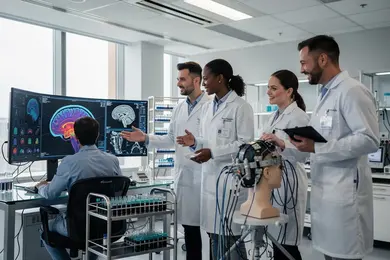
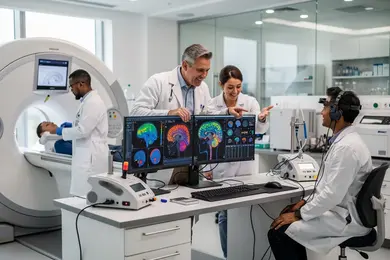
Holding a neuroscience degree can enhance laboratory technician skills development by providing targeted training in neurobiological methods, instrument calibration, and data analysis critical to brain imaging and neuroimaging workflows. Employers in research and clinical labs prioritize candidates who can confidently operate EEGs, MRI scanners, and microelectrodes, reducing costly errors in data acquisition. Specific applications, such as pharmaceutical neuroscience research, rely on technicians' understanding of synaptic physiology to improve the reproducibility of preclinical drug tests.
For those pursuing laboratory technician career paths with a neuroscience degree, foundational knowledge of neuroanatomy and physiology offers an advantage in interpreting complex datasets and troubleshooting methodologies. However, the sector's increasing technological complexity means that many positions require additional certifications or specialized software training, which can delay job placement or necessitate employer-funded upskilling.
Prospective students should balance theoretical coursework with applied technical workshops, recognizing that ongoing professional development is essential in this rapidly evolving field. For those also considering interdisciplinary opportunities, a librarian degree online may complement neuroscience credentials by expanding data management skills relevant to research settings.
What entry-level lab settings commonly hire graduates with a neuroscience background?
Entry-level lab jobs for neuroscience graduates predominantly fall into two operational categories: academic research labs and contract research organizations (CROs), each demanding distinct skill sets and workflow adaptability. Academic settings often prioritize broad experimental exposure, involving neurobiological assays, histology, and electrophysiology. These roles typically require proficiency in brain tissue processing and experimental design, but face slower advancement due to teaching and grant cycles.
Pharmaceutical companies and biotech firms, fueled by a projected $24-25 billion global preclinical R&D expenditure focused on central nervous system disorders, increasingly value neuroscience graduates for their capacity to contribute to drug discovery pipelines with regulatory compliance understanding and functional animal model work.
Contract research organizations offering entry-level roles demand direct management of behavioral testing, surgical assistance, and animal colony maintenance under stringent protocols like IACUC. These positions emphasize procedural rigor and data integrity, often accompanied by variable schedules and faster role progression compared to academia.
When evaluating common lab environments hiring neuroscience degree holders, graduates must weigh these operational tradeoffs and career implications. Practical skills in animal handling and experimental techniques provide a competitive edge, but readiness to endure intensive training and workflow constraints is crucial. For students considering educational pathways calibrated to financial realities, exploring computer science cost through resources like computer science cost can inform comparison with interdisciplinary STEM options.
Which additional skills or certifications strengthen your lab technician applications?
Achieving laboratory certifications that enhance neuroscience lab technician roles directly influences employability by demonstrating specific, job-relevant expertise. In laboratories focusing on cognitive assessment and human behavior, employers prioritize candidates with hands-on experience in Good Laboratory Practice (GLP), fMRI, EEG hardware, and data acquisition software. The rapid expansion of the global cognitive assessment and training market-from $5.2 billion in 2023 to $18.4 billion by 2032-fuels demand for technicians adept at administering computerized cognitive tests, a critical competency for many neurotech roles.
Beyond foundational certifications, essential technical skills for neuroscience lab technician positions include proficiency in programming languages such as Python or MATLAB. These skills enable technicians to automate data processing and conduct preliminary statistical analyses, reducing bottlenecks in clinical trials where time constraints limit reliance on biostatistician support.
Compliance with human subjects research regulations through Institutional Review Board (IRB) training is frequently nonnegotiable for technicians working with sensitive or patient data, directly impacting eligibility for many academic and clinical roles.
This interplay of cognitive testing experience, programming fluency, and regulatory knowledge forms the core skill set preferred by employers. Attention to meticulous data documentation further aligns with reproducibility standards increasingly mandated by research institutions.
For those evaluating educational pathways, options like NASP approved online school psychology programs can offer targeted credentials that complement laboratory skills and support career pivots into applied neuroscience fields.
What education and training pathways bridge neuroscience majors into clinical lab roles?
Transitioning from a neuroscience degree to clinical lab technician roles requires more than foundational coursework; it demands targeted certification and hands-on experience specific to neurodiagnostic technology. Employers favor candidates who complete specialized certificates or associate degrees focused on clinical neurophysiology or medical laboratory technology, emphasizing proficiency with EEG, EMG, and EP devices. These programs often span 6 to 12 months, combining formal instruction in electrophysiological monitoring with clinical internships to develop skills in patient handling, signal acquisition, artifact management, and safety adherence.
Given the neurodiagnostic device market's projected growth from $2.1 billion in 2023 to $3.3 billion by 2030 at a 6.5% CAGR according to Grand View Research Clinical Neurophysiology Devices 2024, technicians with relevant credentials are in increasing demand. However, workforce entrants must weigh the differing certification pathways. Hospital neurology clinics typically require a Registered Neurodiagnostic Technologist credential aligning with accreditation standards, while community labs may accept broader medical lab certifications supplemented with continuing education.
Key practical considerations include navigating inconsistent state certification requirements and securing clinical externships that can delay entry into the workforce. Balancing time and cost against a tangible employment outlook is essential. A neuroscience graduate targeting specialized neurodiagnostic roles must develop a planned route integrating credentialing and clinical practice to position effectively within this expanding but credential-driven labor market.

How do salaries and benefits for lab technicians with neuroscience degrees compare by role?
Compensation for lab technicians with neuroscience degrees varies sharply depending on specialization and employment sector, often reflecting the evolving demand for advanced technical skills. For example, technicians in neurogenetics command median salaries near $58,000, outpacing their electrophysiology or behavioral neuroscience counterparts by roughly $10,000 annually. This wage premium corresponds with a biotechnological market expanding at a 7.7% CAGR, incentivizing private firms to offer stock options and milestone bonuses not typically found in academia.
Conversely, academic neuroscience technicians generally receive more stable health and retirement benefits but face salaries 10-15% below industry averages and often endure the uncertainty of grant-dependent positions. Clinical neuroscience roles promise salaries around $55,000 coupled with healthcare benefits, though variable work hours and hospital demands can disrupt work-life balance.
Key considerations for candidates include the need for extra certifications in genetic technologies or bioinformatics to access higher-paying neurogenetics or molecular neuroscience positions. Employers increasingly value multi-skilled technicians capable of contributing to translational research and clinical trials, heightening entry barriers but improving long-term earning potential.
Students and professionals should weigh upfront educational investments against more robust compensation and benefits, particularly when targeting private biotech or clinical roles rather than academic paths.
What is the job outlook for lab technicians with neuroscience training in the U.S.?
The U.S. market for lab technicians with neuroscience expertise reflects a distinct divide between demand and practical hiring barriers. While investment in CNS drug research supports strong growth-projected from $128 billion in 2023 to $194 billion by 2032 per Precedence Research CNS Therapeutics 2024-entry without specialized credentials limits access to roles in neuropharmacology and translational neuroscience labs.
Employers emphasize hands-on experience with neuroimaging, electrophysiology, or advanced cellular assays due to the complexity of CNS assays and regulatory expectations. Candidates progressing from general biology or chemistry technician backgrounds without targeted postbaccalaureate training often face prolonged job searches or must accept positions with lower wages, frequently influenced by geographic location or facility type.
Practical tradeoffs include:
- Committing to additional certification versus remaining at an entry-level technician status with limited upward mobility
- Relocating to urban biotech hubs where specialized research is concentrated, impacting cost of living and networking potential
- Balancing rigorous CNS drug discovery workflows against competency gaps in lab protocols and regulatory compliance
Considering these factors, neuroscience-focused technicians equipped with protocol-specific skills and regulatory awareness navigate a more efficient hiring landscape but must prepare for wage variability and geographic mobility. This reflects the sector's reliance on domain-specific laboratory literacy amid competitive hiring and evolving industry standards.
How can you gain lab experience as a neuroscience student or recent graduate?
Securing meaningful lab experience as a neuroscience student or recent graduate demands more than coursework; it requires targeted engagement with settings that expose you to clinically relevant laboratory techniques. Optimal positions include formal internships within hospitals or research centers focused on neurodegenerative diseases, aligning with a projected 5% growth in clinical laboratory technologist roles from 2022 to 2032 driven by demographic shifts.
Direct involvement with human tissue analysis, neuroimaging data, or electrophysiology sharpens the practical skills employers prioritize. University-affiliated technician roles can provide initial exposure without requiring certification but tend to be competitive and dependent on networking with faculty. In contrast, clinical lab positions increasingly mandate credentials like Clinical Laboratory Technician (CLT) or Medical Laboratory Technician (MLT) certifications, signaling a critical tradeoff between immediate experience and credential acquisition for enhanced employability.
Balancing specialized certificate programs with ongoing neuroscience research experience creates a versatile profile adaptable to hospital labs or pharmaceutical research. Targeting programs that integrate licensing exam preparation with hands-on lab hours can reduce credentialing time. Tracking job listings is essential, as many employers emphasize documented technique proficiency-such as microscopy, spectrometry, or cell culture-over degree titles alone. This documentation becomes pivotal given the anticipated addition of roughly 16,800 laboratory technology jobs, which will heighten competition and raise employer standards for practical laboratory competency.
What professional certifications or licenses apply to specialized neuroscience lab work?
Certifications in neuroscience lab work necessitate a strategic evaluation of their practical utility versus barriers such as time, cost, and experience prerequisites. For example, the Registered Neurodiagnostic Technologist (R.NDT) credential demands documented clinical hours and exam clearance, filtering out candidates without prior hospital neurotech exposure; this creates a significant hurdle for entrants targeting electrophysiological monitoring roles. Meanwhile, the Certified Neuroscience Registered Nurse (CNRN) credential, while clinically centered, signals relevant expertise to translational research teams focused on neural health applications.
Clinical laboratory roles often require adherence to the Clinical Laboratory Improvement Amendments (CLIA), which primarily governs lab compliance but also imposes ongoing personnel training costs that affect operational budgets. In pharma and biotech settings, Good Laboratory Practice (GLP) certification ensures adherence to FDA standards, directly influencing the reliability of preclinical neuroscience data and regulatory success.
Human Research Protection (HSP) certification is increasingly mandated for ethical handling of human neural tissue or data, a core concern in trials targeting cognitive or neurodegenerative disorders. Employers prioritize such credentials in fields with heavy regulatory scrutiny, making targeted certification choices a critical factor for workforce alignment.
Given the global neuroscience-driven R&D investment exceeding $30 billion, aligning credential choices closely with employer expectations and laboratory roles can reduce credentialing friction and optimize employability. Prospective candidates should factor in the tradeoffs between certification entry barriers and the degree to which these credentials directly affect job responsibilities and career trajectory.
How do you evaluate and choose reputable neuroscience programs for lab-focused careers?
Choosing neuroscience programs for lab-focused careers demands prioritizing institutions with sustained access to federally funded projects, particularly those backed by NIH's BRAIN Initiative, which committed over $2.8 billion in FY 2024. This funding signals available resources for advanced equipment and collaborative multi-PI labs, essential for technical skill development. Prospective students must evaluate graduate outcomes specifically tied to employment in biomedical lab environments rather than generic academic success metrics.
Programs offering measurable lab proficiency-such as in electrophysiology, imaging, and molecular biology-better align with employer expectations. Partnerships with hospitals, government labs, or industry provide candidates with practical exposure unattainable in purely academic tracks. For instance, candidates trained in clinical neuroscience collaborations transition more smoothly into neurodiagnostic roles supporting hospital assays, unlike those from strictly theoretical paths.
Faculty with active multi-PI grant funding not only indicate vibrant research ecosystems but also increase access to hands-on learning with cutting-edge tools. Location and access to specialized core facilities matter; proximity to neuroscience hubs improves chances of applying high-throughput data techniques valued amid the rising federal investment.
Other Things You Should Know About Neuroscience
Applied lab training programs offer more practical skills that employers require for technician roles, such as proficiency with lab equipment and protocol adherence. Research-heavy programs, while strong in theory, often lack hands-on operational experience, which can limit immediate job readiness. Prioritize programs that integrate extensive lab rotations or internships to ensure competencies align with industry expectations.
Hospitals prioritize accuracy, regulatory compliance, and routine procedure mastery because technician errors can affect patient outcomes. Private research facilities demand adaptability, problem-solving, and familiarity with experimental protocols that vary across projects. Graduates should tailor their skill sets accordingly: emphasize standardization and quality control for hospitals, and innovation and technical troubleshooting for research labs.
Obtaining certifications like CLS (Clinical Laboratory Scientist) or specialized technical credentials significantly enhances employability and earning potential in clinical and research labs. Immediate pursuit of these credentials is advisable, especially for graduates targeting clinical roles, since many employers prefer certified technicians. Without certification, you limit access to higher-responsibility positions and salary growth.
References
- Becoming A Clinical Laboratory Professional - ASCLS https://ascls.org/how-do-i-become-a-laboratory-professional/
- Top Skills You Need to Succeed as a Medical Laboratory Technician https://pharmamedical.ca/top-skills-you-need-to-succeed-as-a-medical-laboratory-technician/
- Certificate in Clinical Research in Neurology https://www.ean.org/research/programmes-and-funding/certificate-in-clinical-research-in-neurology
- What Can You Do with a Neuroscience Degree? | Tiffin University https://www.tiffin.edu/news/what-can-you-do-with-a-neuroscience-degree/
- How Medical Lab Technician Certification Can Enhance Your Career - AIIS https://www.astron.international/blog/how-medical-lab-technician-certification-can-enhance-your-career/
- Medical Laboratory Scientist - Explore Healthcare Careers - Mayo Clinic College of Medicine & Science https://college.mayo.edu/academics/explore-health-care-careers/careers-a-z/medical-laboratory-scientist/
- 9 Must-Have Skills for Your Lab Technician Resume https://www.lighthouselabservices.com/9-must-have-skills-for-your-lab-technician-resume/
- Technician | Florida Board of Clinical Laboratory Personnel https://floridasclinicallabs.gov/technician/
- Top Lab Certifications That Boost Your Career | ASCP, HT, MLS, PA https://nicklasstaffing.com/resources/certifications-that-advance-your-lab-career/
- Laboratory Technician https://skillpointe.com/careers/healthcare/laboratory-technician