2027 Online Neuroscience Degrees With Strong Neurotechnology Training

Co-Founder and Chief Data Scientist
Facing the demand for expertise in neurotechnology, many professionals struggle to find flexible yet rigorous neuroscience programs that integrate cutting-edge skills without requiring relocation or full-time enrollment. The U. S. Department of Education reports a 35% increase since 2023 in adult learners choosing online graduate programs, indicating shifting priorities toward accessibility and career-aligned education. This trend underscores the need for options balancing practical lab experience with virtual coursework, especially as employers prioritize candidates with applied technical skills in brain-computer interfaces and neural data analysis. This article examines online neuroscience degrees designed to equip students with strong neurotechnology training, helping them identify programs that optimize both skill relevance and logistical feasibility.
Key Things You Should Know
- Online neuroscience degrees with neurotechnology training face a tradeoff between specialization depth and hands-on lab access, impacting readiness for device-focused roles in a workforce where 42% of neurotech employers seek advanced practical experience, per 2024 industry reports.
- Employers increasingly value candidates with dual expertise in neurotechnology and data science, reflecting a 38% annual growth in integrated neuroinformatics roles, prompting a strategic pivot for students targeting neurotech firm employment.
- Program costs and completion times vary widely, with median online degree expenditures hitting $35,000 and average completion stretching to 4.2 years, often delaying entry into a rapidly evolving $15 billion U.S. neurotechnology market in 2024.
What is an online neuroscience degree with a neurotechnology focus, and who is it best for?
An online neuroscience degree with neurotechnology training is most appropriate for professionals who already have quantitative backgrounds in biology, computer science, or engineering and want to pivot toward neurotechnology product development or regulatory roles. Employers in medical device and neurorehabilitation sectors prioritize candidates with interdisciplinary skills, including computational modeling, device fabrication, and neural data analytics, reflecting the sector's demand for applied expertise.
Programs labeled as online neuroscience degrees with neurotechnology training face inherent tradeoffs: hands-on interaction with neuroengineering devices requires local partnerships or periodic residencies because fully remote instruction cannot replicate lab-based experience. Candidates lacking strong programming and math competencies risk falling behind given the technical nature of the curriculum. Awareness of regulatory frameworks, including FDA compliance and neurotech ethics, is often a decisive factor in employability and is typically embedded in advanced coursework.
Graduates seeking to establish real-world credentials must cultivate project portfolios showcasing applied neurotechnology solutions to increase market value beyond theoretical knowledge. The expanding neurotechnology market, valued near $19.6 billion in 2024 and forecasted to double by 2030, ensures growing opportunities but favors those with hands-on and compliance experience over purely academic credentials.
For students comparing educational pathways, it may be valuable to consider alternatives alongside an online neuroscience degree with neurotechnology focus, such as a geologist degree online, especially when weighing market demand and experiential access.
Who should pursue online neuroscience programs with neurotechnology focus includes working professionals aiming for roles in clinical applications, product design, or research labs developing neural prosthetics and cognitive enhancement technologies.
How do online neuroscience programs compare to campus programs for neurotechnology training?
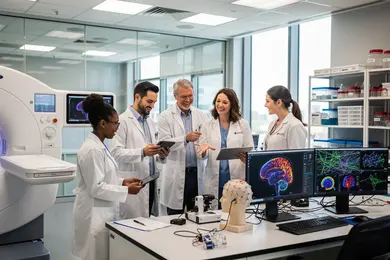
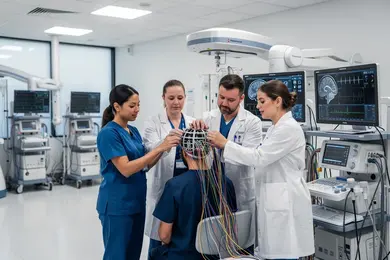
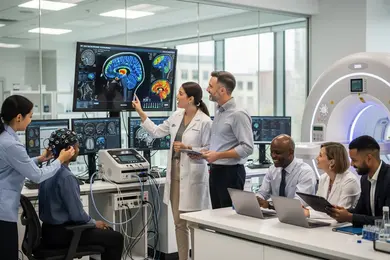
Online neuroscience degrees with neurotechnology specialization have expanded, now numbering 26 globally for 2025/2026 compared to 21 in 2023. Despite growing offerings, these programs often fall short in replicating the hands-on lab experience fundamental to neurotechnology careers. Campus-based programs provide direct access to specialized equipment such as EEG and fMRI scanners, which are pivotal for developing practical skills that employers in neurotechnology fields prioritize.
A professional shifting to neural device development should consider that online-only theoretical coursework rarely suffices without concurrent access to hardware-centered training. Consequently, graduates of online neuroscience programs without verified in-person lab training may find themselves limited to computational modeling or neuroinformatics roles rather than hardware-intensive positions.
Those evaluating the comparative benefits of online versus campus neuroscience programs for neurotechnology training must weigh program features beyond modality alone. Important factors include availability of hybrid options, internships with local labs, summer intensives, and mentoring that close practical skill gaps. Students should insist on transparency about neurotechnology training components and how curricula integrate real-world project simulations or vendor software certification.
In practice, pairing online neuroscience study with immersive, hands-on experiences remains crucial to reach functional parity with campus graduates. For those assessing academic pathways, considering broader STEM degrees with accelerated tracks could also provide viable alternatives, such as the best online computer science degree, leveraging computational skills relevant in neurotechnology development.

Which types of accredited online neuroscience degrees offer strong neurotechnology coursework and labs?
Online neuroscience degrees with comprehensive neurotechnology labs offer a critical balance between theory and practical skill development, shaping graduates for specialized roles that demand hands-on proficiency in neural data work. Bachelor's programs integrating neurotechnology coursework typically provide foundational skills in brain-computer interfaces, neuroimaging, and signal processing. These offerings, often labeled as neuroscience with a focus on biomedical engineering, create a baseline for adapting to evolving neurotech tools.
Master's programs targeting professionals pivoting into data-driven fields emphasize neuroinformatics, computational modeling, and neural analytics. Their structure commonly involves project-based labs using MATLAB or Python, simulating neural hardware, and experimental design. However, a notable tradeoff exists: fully online programs with virtual labs may limit familiarity with physical instrumentation, which can hinder readiness for technical roles requiring manual lab competencies. Hybrid models that include in-person labs address this but require geographic flexibility, narrowing access for some students.
Employers prioritize graduates who translate complex neural datasets into actionable outcomes. Programs offering collaborations with local research facilities or integrated virtual labs help bridge practical skills and remote learning demands, enhancing employability in neurotech sectors.
Given that data scientists with neuroscience expertise earned a median annual wage of $112,590 in May 2024 and face 36% job growth from 2023 to 2033, strategic enrollment in accredited online neuroscience programs featuring strong neurotechnology coursework can significantly impact long-term career trajectories.
Prospective students seeking informed paths should also review 20 careers in biology for broader market context around STEM-driven roles.
What core courses and neurotechnology skills are typically included in these online programs?
Online neuroscience degree core courses must extend beyond foundational topics like neuroanatomy, cognitive neuroscience, and molecular neuroscience to include hands-on neurotechnology training skills in online neuroscience programs. This includes neural signal acquisition, brain-computer interface design, and proficiency in programming languages such as MATLAB or Python. Realistically, students face a tradeoff between programs offering only virtual labs versus those with supplemental in-person experiences; the fidelity of simulation tools is a decisive factor in mastering these technical competencies.
Employers specifically seek candidates with expertise in computational modeling and neural data interpretation, as these skills impact drug development and clinical neurotechnology application. For example, neuropharmacology knowledge paired with neurotechnology skills allows precise evaluation of treatments in pharmaceutical research. Similarly, clinical roles demand fluency in neuroprosthetics and rehabilitation engineering to transition from theoretical neuroscience to deployed medical devices.
The U.S. Bureau of Labor Statistics projects an 11% growth rate from 2023 to 2033 in medical science employment, with a median wage near $100,590, signaling strong economic incentive for integrated neuroscience and neurotechnology skill sets. Prospective students should also consider how curriculum rigor and lab accessibility affect employability and career mobility. For those comparing program options, reviewing an online biology degree pathway with neurotechnology focus can clarify transferable skills and time-to-completion tradeoffs.
What admission requirements and prerequisite backgrounds do online neuroscience programs usually expect?
Applicants to online neuroscience programs must already have a bachelor's credential in neuroscience, biology, psychology, engineering, or a closely related STEM field, ensuring a foundational grasp of life sciences or quantitative methods. The commitment to interdisciplinary study, particularly neurotechnology, demands prior coursework in biology, chemistry, physics, calculus, and statistics. Professionals without advanced math or engineering backgrounds face the practical requirement of completing preparatory classes before or alongside their program, which can extend time and cost.
Admission standards typically include a minimum GPA of around 3.0, with many programs emphasizing GRE quantitative scores-though some have made testing optional-while letters of recommendation and a statement of purpose must clearly articulate an applicant's alignment with neurotechnology's applied goals. Employment data from industry indicate that candidates with lab or programming experience (Python, MATLAB), neuroimaging, or biomedical device familiarity are less likely to encounter steep onboarding curves.

How long do online neuroscience degrees take, and what do they cost overall?
Choosing an online neuroscience degree requires weighing the balance between program length, cost, and applied skill acquisition. Typically, full-time students complete these programs in four years, accumulating around 120 credit hours, but working professionals often take five to six years to balance coursework with employment. For example, the University of Arizona's online BS in Neuroscience and Cognitive Science charges approximately $525 per credit, resulting in a $63,000 tuition estimate before financial aid. This reflects a mid-range tuition level among accredited public institutions offering comprehensive neurotechnology training.
Spreading credits over additional years can ease immediate financial pressure but risks delaying entry into specialized roles such as neuroengineering in medical device firms-positions that demand both timely completion and technically current knowledge. Employers emphasize not just the degree but demonstrable competencies gained through labs, internships, and research projects, which may extend program timelines and costs in an online setting.
Prospective students should consider:
- How federal/state aid and employer tuition reimbursement can offset expenses but vary by individual circumstances
- The opportunity cost of extended study delaying salary growth and advancement
- The value of programs incorporating accelerated paths or competency-based credits to reduce interruption of employment
Ultimately, aligning program structure with career goals and workforce expectations demands a nuanced assessment beyond sticker price, prioritizing affordable rigor that delivers relevant, hands-on neurotechnology expertise.
What careers can an online neuroscience degree with neurotechnology training prepare you for?
Online neuroscience degrees with neurotechnology training address a growing need for professionals who can straddle both scientific inquiry and technical implementation in biotech and pharma sectors. Graduates often split into two career paths: rigorous research roles requiring hands-on lab and programming skills, and business or regulatory positions demanding strong communication and compliance knowledge. For instance, joining an R&D team designing neural interfaces calls for practical neurotechnology expertise combined with multidisciplinary collaboration, while roles in regulatory affairs or clinical trial coordination lean more on operational acumen.
Tufts University data reveals that 91.6% of neuroscience trainees complete advanced degrees, yet only a minority transition directly into specialized research (17.9%) or business-support (10.7%) roles in biotech/pharma, illustrating the competitive and segmented job market.
Prospective students must consider the limited lab access in online programs, which often necessitates internships or externships to develop applied skills employers prioritize. Those pivoting careers face additional barriers in accumulating field experience, making industry certifications or real-world projects critical to stand out.
The choice of program should hinge on its capacity to integrate practical neurotechnology training into a largely virtual format. Without such opportunities, online degrees risk producing graduates with theoretical knowledge but insufficient hands-on readiness for neuroinformatics, neuroengineering, or regulatory careers in advanced medical technologies.
What salaries and job outlook can graduates with neurotechnology-focused neuroscience degrees expect?
Graduates with neurotechnology-focused neuroscience degrees typically command median salaries between $60,000 and $90,000, with upper-tier earnings linked to roles in biomedical device firms and neuroinformatics where specialized technical skills are essential. This salary distribution underscores the value of targeted, applied expertise over theoretical knowledge alone.
The broader job market signals an 8% growth for biological scientists and biomedical engineers through 2031, propelled by advances in brain-computer interfaces, neuroprosthetics, and diagnostic technologies. However, candidates without hands-on experience in neural instrumentation and neurotechnology data analysis will face significant challenges competing for these opportunities.
Choosing a program that embeds extensive real-world neurotechnology projects, internships, or cooperative experiences significantly improves employability and salary trajectories. Graduates lacking practical competencies often encounter slower wage growth despite holding advanced degrees.
Key practical considerations include:
- Employment sectors such as healthcare startups, pharma, and defense demand adaptable neurotechnology skills beyond pure research.
- Additional certifications or on-the-job training may be necessary for clinical device development or regulatory roles, affecting early-career earnings but increasing long-term potential.
- Strategic alignment of training with current employer needs can sharply influence return on investment and career mobility.
Are there certifications, licensure steps, or professional standards relevant to neurotechnology careers?
Certification and licensure are decisive factors shaping employability and career trajectories within neurotechnology. For instance, neuroimaging technicians face a clear mandate: the American Registry of Radiologic Technologists (ARRT) certification. This not only verifies technical competence with MRI and CT neurological imaging but is often a prerequisite for employment, reflecting a 6% job growth forecast and a median salary near $79,000 as reported by the U.S. Bureau of Labor Statistics. Candidates unaware of the dual challenge of national and state licensure exams risk delayed entry into the workforce, underscoring the importance of selecting programs that integrate ARRT preparation and clinical practicum accreditation.
Outside clinical roles, the absence of mandatory licensure shifts the emphasis toward specialized certifications, such as those from the Institute of Electrical and Electronics Engineers (IEEE) or project management qualifications, which serve as differentiators in product development or research settings. These credentials, while not universally required, can influence hiring decisions and career progression, especially where compliance and innovation intersect.
Employers in clinical neurotechnology increasingly demand verified credentials to mitigate liability and ensure patient safety, making certification non-negotiable. Meanwhile, engineers and researchers should weigh the tradeoff between formal licensure and industry-driven certifications aligned with relevant technical standards, balancing credential costs against tangible advancement opportunities.
How can students evaluate and choose a reputable, properly accredited online neuroscience program?
Institutional accreditation is a pivotal filter when selecting an online neuroscience degree; lacking recognition by agencies such as the U.S. Department of Education jeopardizes credit transferability, federal aid eligibility, and employer acceptance. Accreditation directly influences students' financial options and long-term career mobility.
Curriculum content must extend beyond foundational neuroscience to incorporate neurotechnology competencies, especially computational methods and artificial intelligence applications. The U.S. Bureau of Labor Statistics projects a 36% growth in data scientist roles tied to neuroscience fields, with roughly 59,400 new jobs by 2033, signaling that programs ignoring AI and data science prepare students inadequately for labor market demands.
Faculty expertise should be scrutinized for active research and development in neurotechnology innovations to ensure instruction reflects current industry technologies and methodologies. Since hands-on experience is critical, verify the availability of remote labs or virtual simulations to practice neurotech tools, which is increasingly mandatory for competitive employment.
Program flexibility matters greatly for working professionals balancing employment: asynchronous options offer greater schedule adaptability but reduce live interaction, which some students find essential for networking and immediate feedback. Support infrastructures like technical help and career services focused on computational neuroscience distinguish programs that truly facilitate practical workforce transitions.
Data on graduation rates, alumni outcomes, and employment placement provide insight into a program's real-world efficacy and return on investment, serving as critical comparative metrics.
Other Things You Should Know About Neuroscience
Hands-on lab experience remains a significant factor in mastering neurotechnology tools and methods. Many quality online neuroscience programs compensate for limited physical lab access by offering virtual labs, simulations, or coordinated in-person components. However, students prioritizing roles that require direct technical proficiency with neuroimaging or neurostimulation devices should verify program arrangements for practical exposure, as employer expectations often lean heavily on demonstrable lab skills alongside theoretical knowledge.
Part-time study provides flexibility but can extend time to degree completion by several years, which impacts entry timing into competitive neurotechnology fields. The tradeoff is slower skill acquisition, which may affect momentum in rapidly evolving neurotech sectors. Decision-makers should weigh the benefit of steady income or ongoing work experience against delayed workforce integration and possibly longer outdated curriculum exposure if programs don't update content frequently.
Online degrees often lag in providing direct hands-on training and immediate access to specialized equipment that employers consider essential. This gap means graduates may face initial barriers in roles demanding advanced device operation or in-person collaboration expertise. Candidates should plan supplementary in-person internships or targeted certifications to offset these limitations and meet employer expectations in technical neurotechnology roles.
References
- Learn neuroscience | edX https://www.edx.org/learn/neuroscience
- Best Neuroscience Courses Online in 2026 | Neurosity https://neurosity.co/guides/best-neuroscience-courses-online-2026
- 7 Best Neuroscience Courses for 2025; Learn Online for Free — Class Central https://www.classcentral.com/report/best-neuroscience-courses/
- Neurodiagnostic Technology Certification: Steps to Success - Neuro Pathway https://myneuropathway.com/blog/neurodiagnostic-technology-certification-steps-to-success/
- This website is not available in your country https://www.eurosciencejobs.com/article/776/industry-certifications-for-science-careers-enhancing-qualifications-and-marketability
- Evaluating Online Education: Key Criteria for Genuine E-Learning Platforms https://elqn.org/evaluating-the-quality-of-online-education-key-criteria/
- Neuroscience for Change Certification https://apmg-international.com/product/neuroscience-change-certification
- We are ready to launch! - NeuroTech Microcredential Program https://neurotechmicrocreds.com/we-are-ready-to-launch/
- Job and career offers in biometrics, robotics and AI - Neurotechnology.com https://www.neurotechnology.com/career/index.html
- Neuroscience Degree Salary https://www.collegehelpguide.com/degrees/neuroscience/salary/