2027 Neurodiagnostic Technologist Roles You Can Target With a Neuroscience Degree

Co-Founder and Chief Data Scientist
Facing intense competition and evolving certification requirements, neuroscience graduates aiming to become neurodiagnostic technologists encounter significant bottlenecks in program accessibility and workforce readiness. The National Center for Education Statistics shows a 17% surge in adult learners enrolling in online health science programs since 2023, reflecting a shift toward flexible credentials that align with nontraditional schedules and immediate career goals.
This shift challenges candidates to balance accelerated technical competency with practical clinical experience, a combination many programs struggle to deliver efficiently. This article outlines realistic neurodiagnostic technologist roles attainable with a neuroscience degree and clarifies pathways that optimize employability while navigating these evolving educational and professional realities.
Key Things You Should Know
- Neurodiagnostic technologist roles requiring a neuroscience degree often demand proficiency in advanced electrophysiological modalities, but accelerated certificate routes reduce training time at the expense of reduced exposure to integrative cognitive neuroscience applications, as highlighted by 2024 workforce competency analyses.
- Employers increasingly prioritize interdisciplinary experience combining neuroscience principles with technical EEG and EMG operation, creating a hiring premium-reported as a 15% salary increase in 2024 BLS wage data-that favors candidates with dual technical and cognitive science expertise.
- The median undergraduate neuroscience degree completion cost and timing, averaging $37,000 over four years per NCES 2024 data, limits accessibility for mid-career shifts, forcing many to weigh the financial burden against market demand growth projected at 7% through 2032 for neurodiagnostic technology roles.
What does a neurodiagnostic technologist do, and how does this role connect to neuroscience?
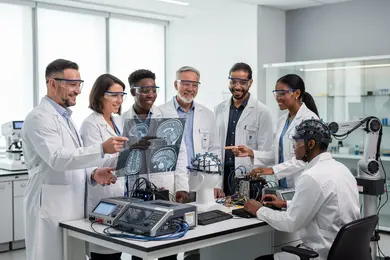
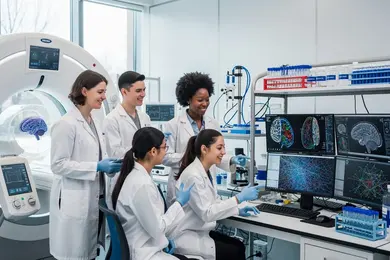
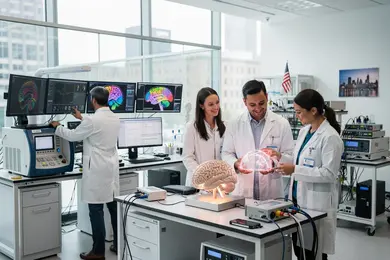
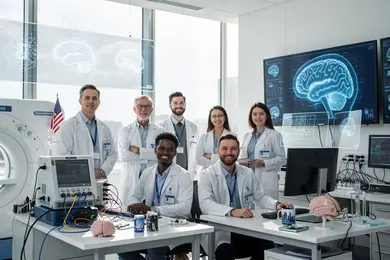
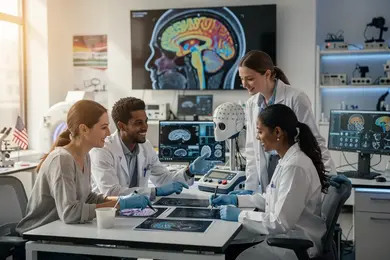
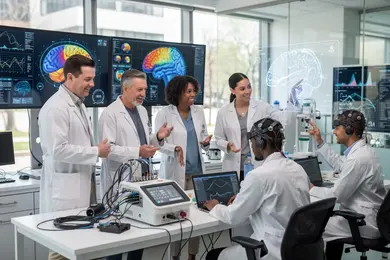
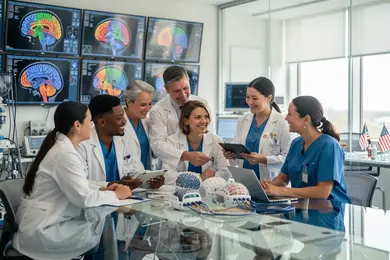
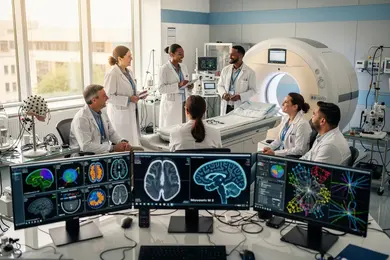
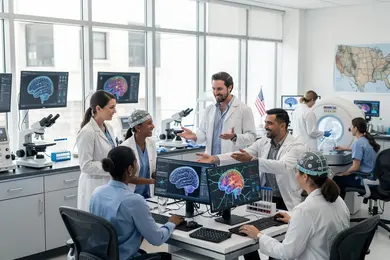
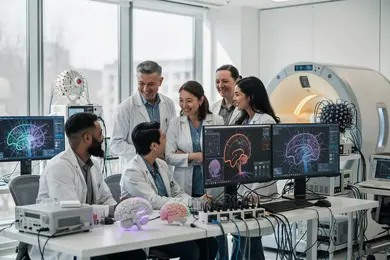
The neurodiagnostic technologist job responsibilities in neuroscience careers require a blend of technical precision and comprehensive neuroscience knowledge. These professionals must operate complex equipment like EEGs and evoked potential devices to collect data critical for diagnosing conditions such as epilepsy and brain injuries. Their expertise translates theory from a neuroscience degree into actionable diagnostic practice, particularly in sensitive environments like neurocritical care units where real-time monitoring influences surgical decisions and patient outcomes.
Employers prioritize candidates who demonstrate adaptability in protocol application and mastery over patient preparation and calibration of specialized equipment. This role demands continuous engagement with evolving neurodiagnostic technologies, often necessitating rigorous certifications and clinical hours.
Prospective technologists should recognize the tradeoff between the field's training intensity and its growing market demand, highlighted by a 7% projected employment increase through 2032 per U.S. labor statistics. Though the median wage hovers around $58,000 annually, career progression depends heavily on sustained skill enhancement aligned with neuroscience advances.
For individuals considering this pathway, understanding the connection between neuroscience degree programs and neurodiagnostic technologist roles is crucial to evaluating long-term employability and job complexity. Students actively assessing educational options might also explore related fields to weigh cost and outcomes; for example, a reliable resource for identifying affordable educational opportunities is available for those curious about what is the cheapest data science course in the US?
Which neurodiagnostic technologist careers can you pursue with a neuroscience degree?
Securing roles as a neurodiagnostic technologist after earning a neuroscience degree involves navigating a demanding certification and clinical training landscape that employers take seriously. Positions such as electroencephalographic (EEG) technologist and certified intraoperative neuromonitoring technologist (CNIM) require specialized skills beyond academic study, including waveform interpretation and intraoperative neuroanatomy competence.
Given the competitive job market, candidates who couple their degree with neurodiagnostic certifications and extensive hands-on experience stand the best chance of employment. Career paths in neurodiagnostic technology with a neuroscience degree often show significant geographic variation. Urban and technologically advanced medical centers frequently offer higher salaries and more openings, whereas rural locations may present fewer opportunities and slower wage growth.
For example, CNIM-certified technologists can earn median salaries ranging from $90,000 to $100,000, with seasoned professionals in high-demand regions surpassing $120,000 annually. This role demands continuous certification renewal and in-depth operative monitoring proficiency.
Early-stage neurodiagnostic technologist jobs for neuroscience graduates typically require a 6 to 18-month clinical internship phase, often conducted in hospital or surgical settings. Employers prioritize candidates who demonstrate both academic knowledge and accredited practical training programs. For those assessing interdisciplinary options, it can be useful to compare neuroscience routes with other specialized fields such as librarianship, accessible through programs like a librarian degree online.

What education and training are required to become a neurodiagnostic technologist in the U.S.?
Securing employment as a neurodiagnostic technologist hinges on completing accredited training programs that balance academic theory with extensive clinical exposure. The essential education requirements for neurodiagnostic technologists in the U.S. typically involve a postsecondary certificate or associate degree covering EEG, long-term monitoring, evoked potentials, and patient care protocols. Programs accredited by entities like the Commission on Accreditation of Allied Health Education Programs (CAAHEP) tend to produce graduates with the practical skills employers demand.
Certification through the American Board of Registration of Electroencephalographic and Evoked Potential Technologists (ABRET) often represents a baseline for hireability. The Registered Electroencephalographic Technologist (R. EEG T.) credential requires documented clinical hours, usually between 1,200 and 1,500, proving essential hands-on experience. Providers emphasize that real patient cases during clinical rotations are key to developing diagnostic precision and adaptability, which employers value more than theoretical knowledge alone.
Training programs for neurodiagnostic technologists in the United States must be chosen with job market realities in mind, as workforce surveys indicate over 80% of Level 4 Epilepsy Centers report staffing shortages lasting six months or longer. The choice between a brief certificate and an associate degree should hinge on employer preferences and job placement outcomes, since many advanced roles necessitate skills found only in degree programs.
Continuing education remains critical to keep pace with evolving clinical protocols and technologies. Students seeking to pivot or expand their qualifications should weigh program content against long-term applicability and alignment with industry expectations. Prospective learners interested in intersecting fields might also explore related paths such as a masters in library science, which share accreditation rigor and employability challenges.
How does a neuroscience bachelor's degree prepare you for neurodiagnostic technologist certification?
A bachelor's degree in Neuroscience offers a targeted scientific background that closely aligns with the requirements for neurodiagnostic technologist certification, providing proficiency in nervous system anatomy, neurological disorders, and electrophysiological principles. This foundation reduces the necessity for additional coursework typically required by candidates from unrelated majors.
The skills gained from a neuroscience bachelor's for neurodiagnostic certification include a solid understanding of brainwave patterns and neurological functions, which are fundamental to mastering diagnostic techniques like EEG, EMG, and evoked potentials. Employers prioritize candidates who can shorten intensive on-the-job training periods amid growing workforce demands.
The American Academy of Sleep Medicine's 2024 data projects a 12% increase in sleep study volume by 2028, with staffing shortages cited as a critical bottleneck. Graduates holding a neuroscience degree are positioned to meet this demand more efficiently, easing staffing deficits in clinical settings. However, completing the degree does not eliminate the requirement to fulfill substantial clinical practicum hours-often between 1,200 to 1,800-essential for national certification.
Securing these placements can be challenging without proactive networking or prior healthcare experience, potentially delaying certification progress. Students should plan strategically to obtain practicum access during or immediately after their academic program to avoid setbacks. For those considering a pivot or advancement in neurodiagnostics, pairing the neuroscience degree with timely clinical experience is crucial. Alternatives like an accelerated master's in psychology online may appeal to some but navigate different credentialing paths.
What certifications and licensing are needed for neurodiagnostic technologists, and how do you qualify?
Certification through recognized bodies such as the American Board of Electrodiagnostic Technologists (ABRET) is a practical non-negotiable for U.S. neurodiagnostic technologists seeking employment. The Registered EEG Technologist (R. EEG T.) credential confirms competence in routine EEG procedures-a skill set increasingly vital as outpatient EEG claims rose about 18% from 2019 to 2023, reflecting the sector's shift away from inpatient settings. This change demands technologists who can independently manage test administration and interpret data within ambulatory environments, often under more autonomous conditions than hospitals provide.
Educational pathways require completion of accredited neurodiagnostic technology programs or allied health degrees, followed by stringent certification exams. Supplementary credentials like the CNIM are frequently mandated for intraoperative monitoring roles, adding complexity for candidates targeting specialized positions. Licensing varies by state but remains secondary to maintaining certification through ongoing education and renewal assessments to stay aligned with evolving professional standards.
In practice, outpatient center roles emphasize adaptability, as staffing constraints increase technicians' responsibilities for patient care and technical troubleshooting. Candidates unprepared for this shift or without certification face diminished job prospects and wage growth. Employers prioritize certified technologists who can navigate rigorous clinical requirements and changing industry demands, highlighting certification's impact not only on initial hiring but also on long-term workforce viability within the neurodiagnostic field.

How do online and campus-based neuroscience and neurodiagnostic programs compare?
Campus-based and online neurodiagnostic programs diverge sharply in their capacity to prepare students for pediatric neurodiagnostic technologist roles, with practical training intensity and employer favorability as key differentiators. Campus programs require direct clinical practice, essential in pediatric settings where precise electrodiagnostic skills and patient interaction proficiency drive hiring decisions. Nearly 70% of freestanding pediatric hospitals report moderate to severe technologist shortages, with vacancies often lasting over nine months, highlighting urgent market demand.
Employers seek candidates demonstrating hands-on expertise acquired through in-person labs and clinical rotations-experiences largely absent from many online-only programs. Students constrained by work or location might consider hybrid formats combining online coursework with local clinical placements, though securing these sites can delay progress. Key workforce implications include:
- Campus-based training typically accelerates employability due to validated clinical hours.
- Online programs may necessitate additional post-graduate clinical arrangements to meet licensure and employer standards.
- State certification requirements often mandate documented hands-on experience unavailable through purely virtual curriculums.
For career pivoters aiming at pediatric neurodiagnostics, the tradeoff involves balancing convenience against comprehensive skill acquisition-the former risking longer job search periods and the latter demanding logistical commitment but faster integration into a tight labor market. Aligning program format with state certification and hospital requirements is critical to navigating this complex professional landscape effectively.
What courses and clinical experiences should you expect in a neurodiagnostic-focused neuroscience program?
Programs in neurodiagnostic-focused neuroscience must integrate rigorous didactic training with extensive clinical practicums to meet contemporary workforce demands. Coursework spans neuroanatomy, neurophysiology, clinical neuropharmacology, and electrophysiological modalities like EEG and EMG, emphasizing applied skills in diagnostic instrumentation and signal interpretation.
Without sufficient clinical hours-commonly a minimum of 200-candidates risk limited employment prospects despite theoretical knowledge. This benchmark aligns with market data showing a 21% growth in U.S. neurophysiology and research roles over recent years.
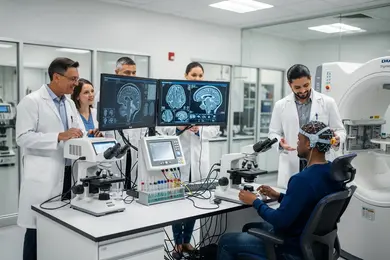
Practical training in hospital neurodiagnostic labs includes patient preparation, artifact management, and handling acute neurological conditions, which substantially enhances job readiness. Equally critical is accreditation conforming to credentialing bodies such as ABRET, as this credential eligibility directly affects competitive positioning in hiring pools.
Consider tradeoffs: a professional transitioning from biology might prioritize programs offering evening clinical rotations and remote didactics to maintain income streams. In contrast, those targeting hospital neurophysiology positions should seek hands-on internships involving emergency diagnostics and patient interaction. Electives in advanced tools like magnetoencephalography add niche expertise but require additional investment and do not replace core clinical experience.
How can you evaluate accredited neuroscience and neurodiagnostic technologist programs for quality?
Accreditation status verified through recognized agencies like the Commission on Accreditation of Allied Health Education Programs (CAAHEP) or the Accreditation Council for Graduate Medical Education (ACGME) is a non-negotiable criterion for neuroscience and neurodiagnostic technologist programs. Employers rely on credentials that reflect clinical competency and safety standards, making graduates' performance on Certification Board for Neurophysiologic Monitoring (CBNM) or American Board of Registration of Electroencephalographic and Evoked Potential Technologists (ABRET) exams critical indicators of workforce readiness.
Programs that fail to adapt to the expanding remote EEG monitoring sector-growing at a 15% compound annual growth rate through 2030 per Frost & Sullivan-risk producing graduates ill-prepared for ambulatory EEG roles. Integrating tele-neurodiagnostic training and remote patient monitoring simulations is no longer optional.
Practical experience across diverse clinical environments, including hospitals, outpatient labs, and telehealth, directly impacts the ability to navigate evolving employment landscapes. Limited clinical rotations often translate to constraints in job flexibility, especially as remote monitoring gains prominence.
A candidate focused on outpatient tele-neurodiagnostic positions should reject programs lacking remote monitoring components and robust clinical partnerships; such deficits reduce hiring competitiveness in a sector growing as Frost & Sullivan reports. Faculty with current clinical or research roles in neuroscience ensure curricula reflect contemporary techniques, differentiating programs that deliver rigorous, valued training from those that do not.
What is the typical salary range and earning potential for neurodiagnostic technologists?
Salary prospects for neurodiagnostic technologists vary significantly based on geography, role complexity, and institutional size, directly influencing practical career decisions. Entry-level positions in rural or small hospitals typically offer $50,000 to $75,000 annually, often limiting upward mobility despite comparable technical skills. Metropolitan and specialized centers provide greater earning power, with experienced technologists reaching $80,000 or more.
Advancement into department management overseeing EEG, EMU, and IONM services typically raises compensation to $95,000-$120,000+, but requires proven leadership, clinical expertise, and often additional certification or continuing education. These roles demand balancing technical proficiency with staff supervision and interdepartmental coordination, skills not always emphasized in initial training.
Decision-making around graduate neuroscience programs or certification pathways should weigh immediate job entry salary against the time and effort needed for leadership roles that command premium salaries. Candidates must consider practical constraints like regional salary caps and the necessity of cross-training in multiple neurodiagnostic modalities to expand employability in higher-paying settings.
Strategic career planning benefits from targeting positions that reward combined technical and managerial skills, with formal leadership training playing a crucial role in accessing top-tier salaries. Résumé emphasis should reflect this duality to align with employer expectations within nuanced workforce demands revealed by Edmates' career data.
What is the job outlook and advancement potential for neurodiagnostic technologists in healthcare?
The demand for neurodiagnostic technologists continues to outpace many healthcare roles, driven primarily by rising neurological disorders and expanded diagnostic technology use. Employment is projected to grow about 9% through the decade, surpassing the average for all occupations, yet navigating this field requires deliberate career strategy beyond initial credentialing.
Travel neurodiagnostic technologists can earn significantly more-20-40% above permanent staff-sometimes exceeding $2,500 weekly. This additional income rewards geographic flexibility and short-term contracts in underserved or specialized locations like rural hospitals or surgical centers. However, these positions come with tradeoffs such as frequent relocations, inconsistent schedules, and challenges integrating into clinical teams, which can affect long-term career stability and personal life quality.
Permanent roles offer steadier income, benefits, and clearer promotional pathways but often at a lower immediate wage. For technologists aiming to advance, combining hands-on experience with certifications from bodies like the American Board of Registration of Electroencephalographic and Evoked Potential Technologists (ABRET) is critical. Employers prioritize candidates who demonstrate both practical skill and recognized credentials.
Deciding between travel and permanent tracks requires balancing income goals against lifestyle preferences and career continuity. Integrating targeted continuing education that remains flexible can prepare technologists for evolving employer demands and market fluctuations, sustaining upward mobility within a competitive neurodiagnostic landscape.
Other Things You Should Know About Neuroscience
While specializing early in neurodiagnostics can provide focused knowledge and skills, keeping a broader focus initially offers flexibility. This allows you to explore various aspects of neuroscience before committing, potentially leading to more informed career choices in the rapidly evolving neurodiagnostic field.
Programs with a stronger emphasis on clinical hours produce graduates better acclimated to real-world workflow, equipment handling, and patient interaction, which employers prioritize. Heavy theoretical coursework without proportional hands-on practice can prolong the learning curve on the job and limit immediate employability. Prospective students should favor programs integrating early and frequent clinical rotations over those weighted toward classroom learning for practical efficiency.
Without specific neurodiagnostic certifications, neuroscience graduates face significant barriers in job competition, as employers require proof of technical skill proficiency and regulatory compliance. Relying solely on a general neuroscience degree often limits eligibility for higher-paying, credentialed positions. Obtaining certification relevant to neurodiagnostic technology is essential for clear career advancement and access to specialized roles with institutional responsibilities.
Programs affiliated with hospitals typically provide more comprehensive clinical exposure and networking opportunities, leading to stronger employment outcomes. Independent training centers may offer faster certification preparation but can lack the volume and diversity of patient cases that build critical diagnostic competence. Prioritizing hospital-affiliated programs benefits those seeking long-term career growth and employer recognition, despite longer program durations.
References
- Neurodiagnostic Technologist - Explore Healthcare Careers - Mayo Clinic College of Medicine & Science https://college.mayo.edu/academics/explore-health-care-careers/careers-a-z/neurodiagnostic-technologist/
- Careers Blog: The Journey of a Neurodiagnostic Technologist | Ochsner Health https://www.ochsner.org/careers-blog-the-journey-of-a-neurodiagnostic-technologist/
- Exploring the Role and Career Path of Neurodiagnostic Technologists - Neuro Pathway https://myneuropathway.com/blog/exploring-the-role-and-career-path-of-neurodiagnostic-technologists/
- Neurodiagnostic Tech Salary Guide (+ EEG & Polysomnography) - Trusted Health https://www.trustedhealth.com/allied-career-guide/neurodiagnostic-tech/salary-guide
- Neurodiagnostic Technology https://orangecoastcollege.edu/academics/career-advantage/program-areas/neurodiagnostic-technology.html
- Medical Education and Training Campus > Academics > Courses > Diagnostic Services > Neurodiagnostic Technologist https://www.metc.mil/Academics/Courses/Diagnostic-Services/Neurodiagnostic-Technologist/
- EEG Jobs: Your Complete Guide to a Rewarding Career in Neurodiagnostics - SpecialtyCare https://specialtycareus.com/blog-eeg-jobs-career-opportunities/
- Careers in Neuroscience - Thiel College https://www.thiel.edu/academics/departments/neuroscience/neuroscience-alumni-careers
- Neurodiagnostic Technologist https://explorehealthcareers.org/careers/allied-health-professions/neurodiagnostic-technologist/
- What does a Neurology Technician do? Career Overview, Roles, Jobs | NSH https://jobs.nsh.org/career/neurology-technician