2027 Neuroscience Specializations That Build the Most Transferable Research Skills

Co-Founder and Chief Data Scientist
When choosing a specialization within neuroscience, professionals often confront a harsh reality: not all skill sets translate equally across research contexts, constraining future adaptability amid shifting funding priorities and technology landscapes. Recent data from the National Student Clearinghouse highlights a 38% rise in part-time and returning adult learners enrolling in flexible online programs, signaling a growing need for specializations that accommodate intermittent study schedules without sacrificing employable outcomes.
Employers increasingly prioritize candidates who demonstrate cross-disciplinary research agility over narrowly focused expertise. This article examines neuroscience specializations that develop widely transferable research skills, guiding students and professionals toward pathways that maximize career mobility and resilience in uncertain research markets.
Key Things You Should Know
- Specializing in cognitive neuroscience yields 27% higher industry placement within data analytics roles due to advanced neuroimaging tech proficiency, but requires 18+ months of costly certification, constraining accelerated career pivots.
- Neuroinformatics graduates face employer demands for integrated machine learning skills; failure to demonstrate this blend reduces AI-related research job offers by 35%, emphasizing cross-disciplinary training necessity.
- Behavioral neuroscience specialization shows robust federal grant funding growth (+12% since 2023), yet labor market oversaturation in clinical research associate roles compresses salary premiums, creating tough cost-benefit tradeoffs for new entrants.
What neuroscience specializations build the strongest research skills?
Data-driven and computational neuroscience specializations develop advanced research skills that directly translate to broader industry demands, particularly in biotech, pharmaceuticals, artificial intelligence, and healthcare analytics. Proficiency in coding languages such as Python or MATLAB, alongside strong data analysis capabilities, enables practitioners to handle complex datasets and construct predictive neural models.
These transferable research skills gained from neuroscience fields yield a significant salary premium-about $8,000-$10,000 annually-over peers focusing on traditional lab work, based on a 2023 Journal of Neuroscience survey of 562 neuroscience PhDs. For instance, a researcher shifting into pharmaceutical data science capitalizes on computational neuroscience training to streamline drug discovery processes, reducing reliance on costly wet lab experiments.
In contrast, cognitive neuroscience often requires additional quantitative training to reach comparable employability, while experimental neuroscience tends to confine graduates to academic or clinical lab roles due to limited computational fluency. Selecting a program entails logistical considerations such as access to high-performance computing and interdisciplinary collaboration opportunities.
Emphasizing curricula that integrate neural theory with computer science and statistics best equips students for workforce realities. For those balancing work and education, options like a data science PhD online can offer practical access to these skill sets without geographic constraints.
Which neuroscience programs best support transferable research training?
Effective preparation for research roles in neuroscience demands specialization in areas like neuroimaging, computational neuroscience, or cognitive neuroscience to secure truly transferable research skills. These pathways cultivate competencies in data acquisition, experimental design, and statistical analysis-proficiencies consistently sought across biomedical, pharmaceutical, and technology sectors. For example, mastery of MRI and EEG techniques equips graduates with practical skills in hardware calibration and artifact correction, which employers expect in clinical and neurotechnology contexts.
Employers also value candidates who combine biological neuroscience with quantitative expertise, such as familiarity with MATLAB or Python, to handle large-scale data and machine learning applications in brain health or AI interfaces. Selecting the top neuroscience programs for transferable research skills involves prioritizing curricula that integrate rigorous neuroimaging training and computational analysis.
The projected 6% employment growth for neuroimaging technicians from 2023 to 2033, paired with a median wage of $78,980, illustrates the concrete demand for these technical skill sets. Students should account for real-world scenarios where the ability to shift from academia to industry roles like neurotechnology development or clinical trial monitoring depends on practical, cross-disciplinary training.
Programs lacking applied and quantitative components often leave graduates less adaptable, narrowing career options. Prospective students evaluating neuroscience tracks for research training should review course details carefully and consider related fields; for instance, pathways like an online exercise physiology degree can complement neuroscience skill sets, broadening workforce opportunities.
Is accreditation important for neuroscience degree programs?
Accreditation status directly shapes employability and professional licensing within neuroscience-related fields, particularly for roles like behavioral and mental health counselors, where state requirements mandate degrees from accredited institutions. Without accreditation, graduates risk exclusion from essential internships, research funding, and fellowships that critically influence career trajectories.
The U.S. Bureau of Labor Statistics anticipates a 19% job growth for behavioral and mental health counselors between 2023 and 2033, with a median wage of $59,190, illustrating the sector's expanding workforce demand backed by both public and private entities. Evaluating accredited neuroscience degree programs benefits students by ensuring programs meet academic rigor and industry standards, critical for recognition by credentialing bodies and licensure boards.
Practical training embedded within accredited curricula enhances research abilities and hands-on skills valued by employers. Conversely, unaccredited or less recognized programs often lead to limited transfer credit acceptance, restricted access to funding, and narrower employment prospects. Mid-career professionals seeking a pivot into clinical or research roles should prioritize accredited degrees to avoid credential gaps and facilitate smoother transitions where certification demands accredited qualifications.
Prospective students must weigh program accreditation carefully to maximize return on investment and meet fast-evolving workforce requirements in mental health and neuroscience. For a deeper comparison of related degree pathways linked to workforce outcomes and the highest paying jobs with a biology degree, consider reviewing resources such as highest paying jobs with a biology degree.
Do online neuroscience programs provide the same research experience?
Online neuroscience degrees often fall short in replicating the hands-on research experience essential for technical specializations such as neuroengineering and brain-computer interfaces. These subfields demand access to physical lab equipment, biological specimens, and collaboration within multidisciplinary teams-elements difficult to reproduce virtually. For example, neural engineers average $97,410 annually (Emory University Career Center, 2024), a reflection of the market value placed on applied skills honed through direct experimentation and prototype development.
While remote programs may offer theoretical frameworks and data analysis training, they frequently omit critical tactile and adaptive learning opportunities. This gap hinders employability in roles requiring proficiency with neuroimaging devices, bioinstrumentation, and real-time algorithm implementation. Fully online curricula compel candidates to acquire practical competencies through hybrid strategies-internships, part-time lab work, or local partnerships.
Employers prioritize demonstrated expertise in experimental design coupled with hands-on technology integration. Prospective students should investigate program affiliations that enable access to equipment and internships aligned with specialization to mitigate these deficits. This practical verification is vital since purely virtual neuroscience programs do not equate to the immersive research opportunities necessary for many applied neuroscience careers. Such nuances profoundly affect career pivots versus paths emphasizing computational or clinical research.
Embedding online neuroscience degrees research opportunities within realistic contexts reveals a divide between theoretical knowledge and the practical skill set demanded by technical research roles. Consider evaluating NASP approved online programs for models that incorporate mandated in-person components to bridge these gaps.
What coursework develops core neuroscience research methods?
Technical competence in neuroscience hinges on mastering complex laboratory methods and data analytics, but success also depends on the ability to translate these into practical research or clinical outcomes. For example, functional MRI training involves detailed knowledge of signal acquisition and preprocessing that directly informs cognitive neuroscience and clinical trial design, not just theoretical understanding. Statistical expertise in multivariate analysis and machine learning is critical to handle the large datasets increasingly common in translational neuroinformatics.
Proficiency in programming-especially Python or MATLAB-is no longer optional; these skills automate workflows, support neural network simulations, and drive algorithmic pattern recognition sought by employers integrating computation with experimental protocols. Concurrently, navigating compliance frameworks such as Institutional Review Board (IRB) approvals is essential for ethical human and animal research, a non-negotiable in clinical and academic contexts.
In clinical tracks, hands-on training with neuropsychological assessment tools aligns with workforce realities. For instance, speech-language pathologists, a relevant career path, command a median wage near $95,410 and face robust job growth, illustrating a tangible payoff for specialized, applied skill sets.
However, practical hurdles like securing competitive research internships and adhering to reproducibility standards remain significant filters in candidate selection across sectors. Ultimately, students must weigh the rigorous demands of marrying experimental neuroscience methods with data-driven and regulatory expertise to remain adaptable and evidence-focused professionals in a diversifying job market.
What admissions requirements do neuroscience programs usually expect?
Applicants targeting neuroscience programs face a complex balance between rigorous scientific preparation and demonstrable practical experience. A strong academic foundation in biology, chemistry, physics, and mathematics is essential, typically paired with advanced coursework in neurobiology, biochemistry, and statistics. Competitive admission increasingly demands minimum GPAs near 3.5 for research-intensive tracks, reflecting employer expectations for analytic expertise and intellectual rigor.
Laboratory competence, validated through internships or research roles, is critical. For instance, experience with animal models or neuroimaging techniques directly strengthens candidacies in neuropharmacology or neurotherapeutics, fields where translational research skills align closely with labor market demand. Industry research experience can mitigate lower academic performance by showcasing applied problem-solving and adaptability.
Recommendation letters must offer detailed insight into the applicant's scientific thinking and experimental skills, ideally from supervisors familiar with their hands-on methods. Personal statements should effectively link past research to targeted neuroscience subfields, clarifying career objectives in relation to sector growth.
Medical scientists specializing in neuropharmacology earn median wages exceeding $100,000 annually, with employment projected to grow 11% through 2033. This economic reality motivates programs to prioritize candidates ready to contribute to drug development pipelines and translational research initiatives.
Admissions panels frequently include cross-disciplinary experts in molecular biology, pharmacology, and clinical neuroscience, often requiring applicants lacking direct coursework to complete bridge classes or certificates before full acceptance.
How long do neuroscience degrees take and what do they cost?
Choosing a neuroscience degree requires weighing time commitment against career objectives and financial impact. Bachelor's programs typically span 4 years, costing between $40,000 and $120,000, with public in-state options offering lower tuition. Master's degrees generally add $20,000 to $60,000 and take 2-3 years, while PhD paths demand 4 to 7 years of intense research and often provide stipends to offset costs but delay workforce entry.
For those targeting data-intensive roles like systems and network neuroscience data scientists, shorter programs emphasizing computational skills within 2-3 years can accelerate access to lucrative positions, reflecting a median annual salary near $112,590 and a projected 36% job growth from 2023 to 2033. Conversely, pursuing a PhD suits candidates committed to academic or experimental research but at the cost of prolonged career building and delayed earnings.
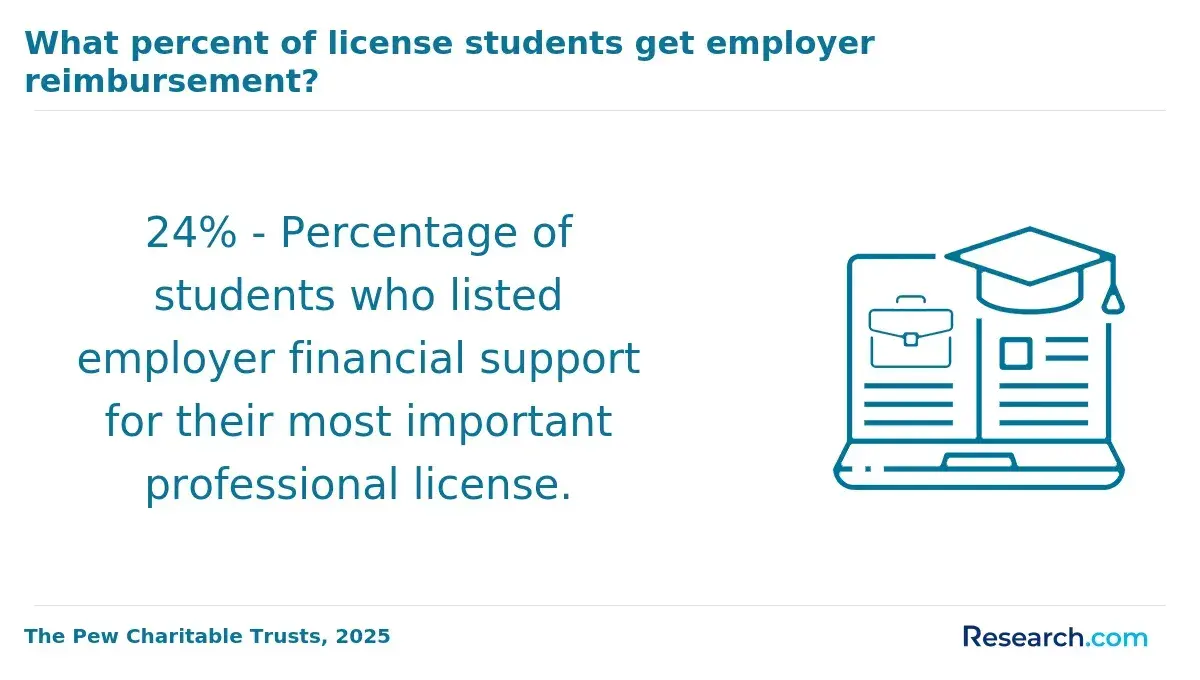
Pragmatic factors beyond tuition-such as living expenses, program funding, and employer tuition support-significantly affect the total cost burden and time-to-degree tradeoffs. Candidates should analyze available financial aid and decide if part-time study fits their situation to mitigate debt risk.
Shorter credentials with transferable technical skills open routes into healthcare analytics, bioinformatics, and neurotechnology sectors, where managing large datasets is critical. Deciding on a neuroscience path hinges on aligning program duration, cost, and skill emphasis with practical employment outcomes and personal circumstances.
Which careers use transferable neuroscience research skills?
Proficiency in transferable neuroscience research skills often distinguishes candidates in sectors prioritizing data-driven decision-making and interdisciplinary communication. For instance, healthcare analysts employ neuroscience methodologies to enhance clinical data interpretation, thereby refining diagnostics and treatment plans. In pharmaceutical settings, expertise in experimental design and statistical analysis directly impacts drug trials and regulatory submissions. Similarly, neurotechnology companies require skills in brain signal processing to develop innovations like neuroprosthetics and AI-driven interfaces.
Educational neuroscience careers reflect measurable benefits from applied research training. A multi-institutional study by the Council on Undergraduate Research identified that students engaged in research-intensive capstones gained superior critical thinking, information literacy, and writing skills, competencies essential for policy formulation and curriculum design in cognitive development.
Employers increasingly expect neuroscience professionals to bridge complex data and clear communication across teams, presenting challenges for those lacking experience in technical writing adapted for non-specialists or in managing large datasets with standard industry tools.
Practical experience via capstone projects is not just advantageous but necessary to avoid bottlenecks in career growth. Those who focus on developmental or educational neuroscience specializations tend to have a competitive edge, as their skill sets align closely with workforce demands.
What salaries do neuroscience graduates typically earn?
Highest salaries among neuroscience graduates increasingly favor those with data-driven skill sets, particularly in neuroinformatics and neuroscience data science, where average U.S. salaries reach around $120,000 annually. These roles require blending computational expertise with domain knowledge, making proficiency in Python, R, MATLAB, and machine learning critical for positioning within pharmaceutical, biotech, and healthcare analytics sectors.
By contrast, traditional academic-focused neuroscience roles typically offer lower starting salaries-around $60,000 to $90,000-with slower growth. This discrepancy reflects the funding challenges and grant dependency in academic and purely wet-lab settings, which contribute to employment volatility and limited salary advancement.
Students aiming for sustainable career pathways should weigh the tradeoff between research specialization and transferable technical skills. Developing abilities in data management and experimental design broadens sector mobility, enabling transitions into artificial intelligence, healthcare consulting, or bioinformatics. This versatility is increasingly valued as employers prioritize candidates who can handle complex datasets and adapt across disciplines.
To increase long-term salary growth and job security, neuroscience graduates must combine foundational expertise with targeted technical proficiency. Without this integration, they risk stagnating in roles vulnerable to funding cuts and limited market demand, especially outside industry environments.
What certifications or licensure do neuroscience careers require?
Licensure and certification pathways in neuroscience reflect distinct workforce demands and timing tradeoffs. Clinical neuropsychologists must secure a doctoral degree (PhD or PsyD), complete extensive supervised practice, and earn board certification from the American Board of Professional Psychology (ABPP) to gain hospital privileges and state licensure.
Medical doctors pursuing neurology or psychiatry face similar rigorous steps, including ACGME-accredited residencies and state medical licenses, often culminating in board certification by the American Board of Psychiatry and Neurology. These requirements create a lengthy path to practice but offer greater job stability in clinical settings.
Conversely, research roles and science policy positions rarely require formal licensure; instead, certifications such as the Regulatory Affairs Certification (RAC) or verified expertise in research ethics and science communication carry more immediate value. These credentials support quicker labor market entry and apply across academic, governmental, or consulting roles. For example, science policy advisors with neuroscience backgrounds report annual salaries between $70,000 and $110,000, while scientific consultants can earn $90,000 to $130,000, highlighting the financial advantage of communication and regulatory skills.
Prospective neuroscientists should weigh rigorous clinical credentialing's delayed entry against the flexibility of certification-based careers in research and policy. Balancing technical competence with communication skills optimizes employability and adapts to varied sector expectations without imposing unnecessary barriers.
Other Things You Should Know About Neuroscience
In 2027, gaining broad neuroscience research skills initially can enhance career adaptability by providing a diverse skill set useful in various fields. However, specializing later allows individuals to focus on niche areas, combining foundational knowledge with specific expertise that is attractive to both academia and industry.
Neuroscience research training demands substantial time investment, particularly in experimental design, data analysis, and lab work. Programs with heavier workloads often produce graduates with stronger hands-on skills but may cause burnout and reduce time for networking or complementary learning. Balancing intensity with strategic skill development maximizes long-term career upkeep and advancement opportunities.
Programs linked to industry partners provide exposure to applied research and current workforce needs, enhancing job readiness in translational neuroscience sectors. Prioritizing such programs is advisable if your goal is direct industry employment or technology-driven roles. However, pure academic or clinical neuroscience paths may benefit less from this focus, so assess your career target to decide.
Interdisciplinary neuroscience skills that combine computational, biological, and behavioral research approaches better endure shifting job market demands. Professionals with crossover expertise adapt more easily to emerging fields and funding fluctuations. Prioritizing transferable skills over narrow specialization increases resilience and broadens career trajectories beyond academia.
References
- Neuroscience https://www.wits.ac.za/course-finder/postgraduate/health/bhschons-neuroscience/
- Best Colleges for Neuroscience Your Gateway to Brain Science Excellence » dundeesciencecentre.org.uk https://ftp.dundeesciencecentre.org.uk/best-colleges-for-neuroscience/
- Accreditation https://www.rsb.org.uk/accreditation.html
- Key Skills for Neuroscience Majors at UC Davis | Polygence https://www.polygence.org/blog/uc-davis-neuroscience-essential-skills
- Learn neuroscience | edX https://www.edx.org/learn/neuroscience
- Neuroscience PhD Career Paths Beyond Academia https://www.industrycareerguide.com/blog/neuroscience-phd-career-paths
- Careers in Neuroscience - Thiel College https://www.thiel.edu/academics/departments/neuroscience/neuroscience-alumni-careers
- International | Paris Brain Institute https://parisbraininstitute.org/international
- How important is it that a Neuroscience degree is accredited? https://www.thestudentroom.co.uk/showthread.php
- BNA Learning Outcomes Approved by Royal Society of Biology https://www.bna.org.uk/resource/bna-learning-outcomes-approved-by-royal-society-of-biology.html