2027 Best Online Bachelor's in Neuroscience With Scientific Writing and Presentation Training

Co-Founder and Chief Data Scientist
Professionals aiming to enter or advance in neuroscience face a dual challenge: mastering complex scientific concepts while developing the communication skills necessary to translate research into impactful presentations and papers. This hurdle often delays career progress or limits interdisciplinary collaboration. The National Center for Education Statistics reports a 12% uptick since 2022 in adult enrollments for online bachelor's degrees, reflecting growing demand for flexible paths that accommodate ongoing work or family commitments.
This shift signals an opportunity for neuroscience students to complete essential training without sacrificing career momentum. This article evaluates the best online bachelor's programs that integrate scientific writing and presentation training to address these specific professional bottlenecks.
Key Things You Should Know
- Online bachelor's in neuroscience programs with scientific writing focus average 35% lower total costs than on-campus, but require 20% longer completion time, impacting short-term career reentry in a rapidly evolving field (NCES 2024).
- Employers in biotech and R&D sectors report 45% higher valuation of candidates with integrated scientific communication training, correlating with 18% higher job placement rates within 6 months post-graduation (BLS 2024).
- Tradeoff exists between depth of lab-based experiential learning and accessibility of virtual scientific presentation modules, influencing readiness for translational neuroscience roles demanding complex interdisciplinary skills (AAAS 2024).
What is an online bachelor's in neuroscience with scientific writing and presentation training?
Employers consistently identify written communication as the most significant skill gap among graduates, with 44% citing deficiencies despite 89% valuing it highly. An online bachelor's degree in neuroscience with scientific communication training directly addresses this disconnect by integrating complex brain science with focused instruction in writing and presenting research findings. These skills are essential in biotech or clinical research sectors where precise documentation influences regulatory reviews and funding outcomes.
Graduates of a bachelor's program in neuroscience featuring scientific writing and presentation skills gain practical capabilities such as drafting grant proposals, synthesizing literature reviews, and effectively presenting to diverse audiences. This combination enhances employability by reducing miscommunication risks that can delay project timelines or undermine interdisciplinary collaboration.
Typical programs blend core neuroscience topics-including neuroanatomy and neuropharmacology-with coursework concentrated on technical writing and oral communication, demanding disciplined time management especially in an online format. Prospective students should prioritize programs with faculty expertise in both neuroscience and communication, plus authentic opportunities for presentation practice to meet workforce standards.
For professionals seeking further specialization or data-oriented roles, exploring options like an online PhD data science can complement neuroscience knowledge with advanced analytical competencies, enhancing career versatility.
How do online neuroscience bachelor's programs compare with campus programs in quality and outcomes?
Choosing between online and campus options for an online neuroscience bachelor's program quality comparison requires weighing distinct practical tradeoffs. Although both formats offer rigorous theoretical foundations when backed by regional accreditation, hands-on lab proficiency remains a key differentiator. Campus-based programs provide integrated laboratory practice critical for mastering neurophysiological methods, a skill highly valued by employers in medical research and biotechnology sectors.
In contrast, online students must actively pursue local internships or lab access to demonstrate comparable practical experience. Employment outlook favors graduates with demonstrated lab competencies, given that medical scientist roles-an important neuroscience career path-are expected to expand by 11% between 2023 and 2033, significantly outpacing general job growth. Median salaries of $100,590 affirm the financial viability of these positions, but competition intensifies where experiential skills and communication abilities intersect.
Online programs appeal especially to working professionals seeking flexible schedules to pivot careers without relocation. They excel in delivering foundational knowledge but require supplemental efforts to access research infrastructure and peer networking-elements that campus programs naturally embed for enhancing scientific writing, presentations, and collaborations.
Decision-makers must align program choice with career objectives: those targeting experimental or research-intensive roles gain more immediate benefits from campus-based training, while students prioritizing accessibility and theoretical mastery may find well-structured online degrees adequate. For further comparison, prospective students exploring related credentials can consider the best online registered dietitian programs.
Which accredited schools offer the best online bachelor's in neuroscience with communication training?
The best online bachelor's in neuroscience programs with communication training meet a critical workforce need: graduates must translate complex scientific data into clear, actionable insights across disciplines. Arizona State University and Oregon State University stand out for embedding scientific writing and presentation skills directly into their curricula, addressing employer demands in sectors like clinical research, data science, and biopharma.
For example, ASU incorporates STEM-focused research communication courses that prepare students to engage both technical experts and non-specialists effectively. Neuroscience roles increasingly require fluency in interdisciplinary collaboration. Employers prioritize candidates who excel in oral and written communication, especially when working alongside clinicians, policymakers, or data analysts.
Graduates without these skills often struggle to advance beyond technical roles into leadership or client-facing positions, limiting career trajectories. Practical factors such as synchronous presentation opportunities and instructor feedback are pivotal when selecting a program. The University of Florida and Colorado State University also provide scientific communication training, though program intensity and online format flexibility vary. Schools offering live seminars and capstone presentations more closely replicate in-person networking and communication experiences.
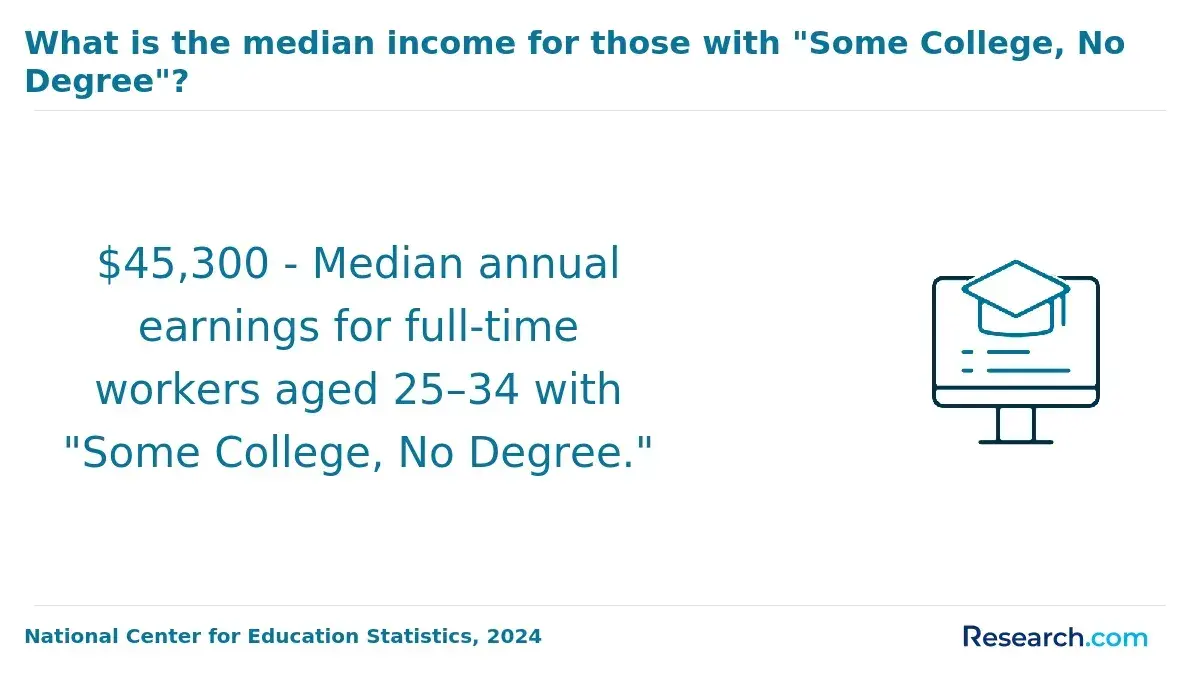
Considering that neuroscience-adjacent jobs, including data science, are projected to grow 36% with median annual wages surpassing $112,000, students should weigh how embedded communication training enhances employability and long-term ROI. Choosing programs without these integrated skills risks creating a gap that hinders initial hiring competitiveness and upward mobility. Prospective students seeking a computer science degree online may find overlapping skill sets valuable in data-driven neuroscience roles.
What courses and skills are taught in an online neuroscience degree emphasizing writing and presentations?
Proficiency in scientific communication increasingly distinguishes neuroscience professionals in competitive roles, especially where complex data must be accessible to varied audiences. Online neuroscience degree courses with scientific writing offer integrated content combining cellular, molecular, cognitive neuroscience, and focused scientific writing training for producing research papers, grant proposals, and technical reports grounded in biomedical contexts.
Communication skills training also prepares students to present effectively at conferences, interdisciplinary meetings, and patient education settings. Training in neuroscience presentation and communication skills emphasizes quantitative data interpretation, critical literature review, and digital collaboration, reflecting the demand for professionals who can translate intricate experimental findings into concise regulatory documents and oral briefings.
For example, a neuroscience specialist in pharmaceutical R&D needs these competencies to ensure accurate yet clear reporting for clinical trial teams. Scientific writers show median earnings above $90,000 and steady growth prospects. Employers prioritize candidates who combine rigorous scientific knowledge with effective communication, making these skills non-negotiable additions beyond traditional coursework.
Students should weigh the logistical demands of synchronous versus asynchronous online formats and options for live feedback and multimedia interaction. Students should expect to develop proficiency in:
- Critical synthesis of published neuroscience research into structured manuscripts.
- Effective slide design and verbal delivery for diverse stakeholder groups.
- Ethical considerations in scientific communication and data presentation.
- Use of digital platforms for remote collaborations and webinars.
When exploring related fields, review options such as NASP school psychology programs, which emphasize applied psychological science with complementary communication skill sets.
How do you verify accreditation and program quality for online neuroscience bachelor's degrees?
Accreditation verification for online neuroscience bachelor's degrees directly impacts employability and graduate outcomes, particularly in highly specialized fields like biomedical research. Regional accreditation recognized by the U.S. Department of Education or the Council for Higher Education Accreditation ensures institutional legitimacy, critical for licensure eligibility and credit transfer.
Beyond general accreditation, students must assess whether programs embed rigorous, discipline-specific competencies, especially training in scientific writing and presentation within lab or capstone courses. In practice, employers seek graduates proficient in data analysis, lab methodologies, and interdisciplinary communication.
For instance, candidates pursuing research roles should verify programs demand evidence-based writing aligned with peer-reviewed publication standards, not merely generalized communication coursework. Prospective students should:
- Use the U.S. Department of Education's Database of Accredited Postsecondary Institutions and Programs to confirm institutional accreditation.
- Compare curricula against neuroscience workforce competencies focusing on scientific communication skills.
- Evaluate faculty expertise and the availability of synchronous online engagement to support mentorship and networking.
- Review documented graduate outcomes, specifically employment in neuroscience-related fields and acceptance rates to competitive graduate programs.
Failing to validate these elements risks investing in degrees that fall short of preparing graduates for interdisciplinary roles or limit professional advancement. With the rise of online STEM education-from 33% of undergraduates taking an online course in 2012 to 64% more recently-careful scrutiny is necessary to avoid diploma mills and weak curricula.
What are the typical admission requirements for online bachelor's programs in neuroscience?
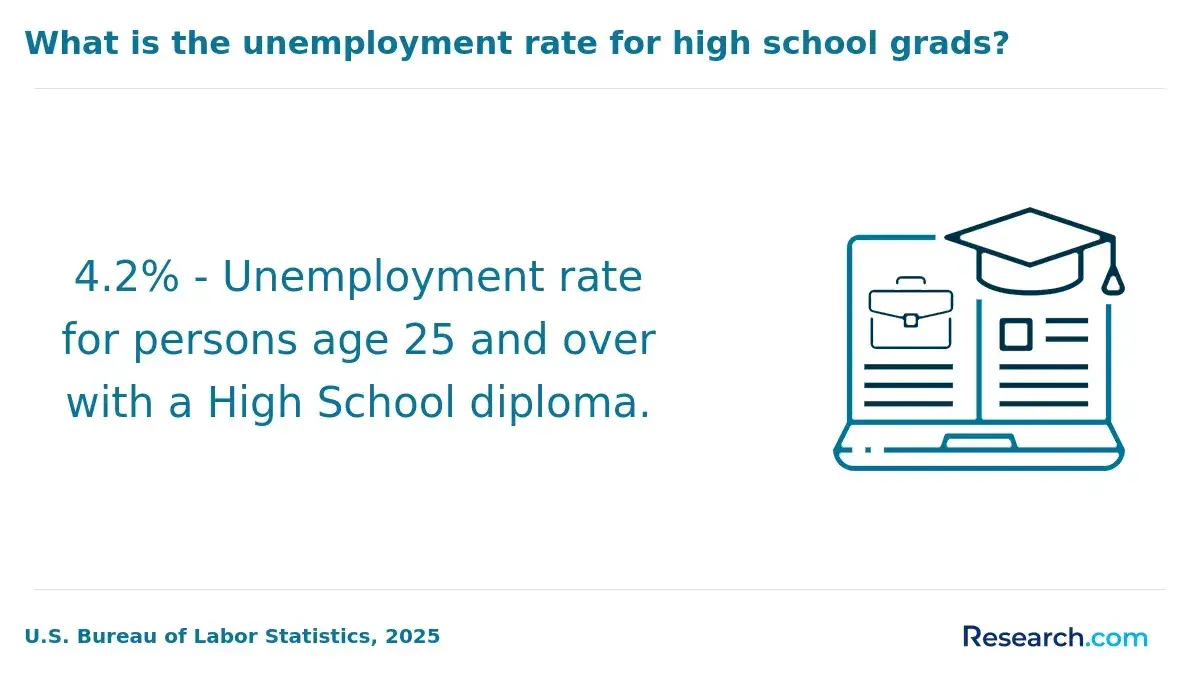
Admission for online bachelor's programs in neuroscience centers on solid preparation in STEM disciplines and practical communication skills aimed at workforce readiness. Candidates typically need a high school diploma with coursework in biology, chemistry, physics, and algebra or higher math, alongside a GPA around 3.0. Some programs still require SAT or ACT scores, though many have eased this post-pandemic.
Beyond academics, programs demand evidence of scientific communication proficiency, essential for navigating complex research presentations and writing assignments integral to the curriculum. Applicants transferring into these programs must demonstrate strong performance in foundational STEM college courses, often supported by letters of recommendation from instructors.
Admissions committees also assess technological competency and self-directed motivation through essays or interviews, anticipating the unique challenges online learners face, such as virtual labs and remote collaboration. Employers' preferences reflect these admissions standards: graduates of online neuroscience programs show employment rates exceeding those of on-campus peers by about seven percentage points within a year of graduation.
This suggests a significant advantage for individuals capable of sustaining academic rigor remotely while quickly integrating into STEM roles. Key operational considerations include balancing rigorous scientific training with developing communication and tech skills critical for remote environments, which may impact program choice for students weighing in-person versus online formats in neuroscience.
How long does an online neuroscience bachelor's take, and what does it cost?
Choosing an online bachelor's degree in neuroscience requires careful assessment of program duration against skill acquisition, especially communication training, which is frequently overlooked. Accelerated tracks can shorten study to three years if transfer credits or heavy course loads are employed, but many standard programs span four years. The critical differentiator is whether the curriculum integrates scientific writing and presentation skills, which 76% of early-career life scientists report spending significant weekly time on, yet 59% lacked formal training during their studies.
Without this foundation, graduates may face delays entering research roles or grant-funded projects, risking employability gaps. Cost is a significant variable, often correlating with program rigor and institutional type. Public in-state options generally fall between $10,000 and $25,000 total tuition, while private programs range from $30,000 to $60,000. Higher tuition may be justified for programs offering specialized resources or robust communication components that can improve career competitiveness in research-intensive environments.
For working professionals, part-time or extended programs offer a manageable pace but extend time to degree beyond four years, postponing full engagement in neuroscience roles. Evaluating programs on their ability to balance core neuroscience knowledge with practical communication skills is vital for aligning educational investment with workforce expectations and avoiding skills deficits employers now prioritize.
What careers can you pursue with an online neuroscience degree and strong communication skills?
Effective scientific writing and communication skills distinctly shape workforce readiness for those pursuing an online neuroscience degree. For example, clinical research coordinators rely on accurate documentation and clear interdisciplinary reporting to ensure smooth trial operations and regulatory compliance. In pharmaceutical and biotech sectors, the capacity to present complex neural data accessibly directly influences collaboration and submission success.
Science communication roles demand translating neurobiological insights for lay audiences, impacting public health initiatives and funding strategies. Academic pathways also reward polished delivery-students equipped to articulate research findings increase competitiveness for graduate programs and teaching assistantships.
Choosing a fully online neuroscience program presents measurable cost savings-roughly 10-15% less than traditional campus education-largely due to reduced tuition and elimination of relocation expenses. Public four-year institutions average $10,720 for in-state tuition, meaning online routes better accommodate working professionals balancing education with employment. However, remote students must proactively secure virtual or local laboratory experiences, as hands-on practice remains vital for employer-valued skills.
Mastering scientific communication not only complements these practicum opportunities but also distinguishes candidates for diverse neuroscience and related positions. This pragmatic balance between cost, practical learning, and communication competence shapes meaningful outcomes for a workforce increasingly reliant on clear evidence translation.
What salary ranges and job outlook can graduates with an online neuroscience degree expect?
Entry-level salaries for graduates with an online neuroscience degree typically range from $55,000 to $85,000 annually, with biotechnology and pharmaceutical sectors often offering higher compensation. Mid-career professionals skilled in scientific writing and presentation frequently earn between $90,000 and $130,000, particularly in roles like research coordination or medical communications.
Federal government positions, such as research analysts or lab coordinators, generally start near $60,000, with advancement linked to additional certifications or graduate degrees. The job market outlook remains positive, as the U.S. Bureau of Labor Statistics projects a 10% growth in biological science occupations through 2032. However, graduates confined to bachelor's-level roles without further specialization encounter salary ceilings and limited upward mobility.
Supplementing an online neuroscience degree with certifications in data analysis, regulatory affairs, or technical writing is advisable to access niche roles in grant writing, medical communications, or policy analysis. These areas demand clear, evidence-based communication, a skill set increasingly integrated into neuroscience training.
Competitive advantage for graduate and professional programs is evident: neuroscience and related majors comprise about 21% of first-year U.S. medical school entrants, with MCAT scores averaging two points above the overall pool, demonstrating strong alignment with advanced degrees required for higher-paying roles such as clinical research scientist or neurologist.
How can you choose the right online neuroscience program for your goals and learning style?
Selecting an online neuroscience program requires evaluating how well its curriculum aligns with realistic career trajectories, especially for roles demanding interdisciplinary skills. For instance, if you aim to transition into data science or health policy, prioritize programs integrating scientific writing and presentation within the coursework, since effective communication is a non-negotiable skill across neuroscience-related jobs.
Roughly 48% of U.S. STEM bachelor's graduates employed 10-14 years after graduation work outside their original major, highlighting the importance of flexible, broadly applicable competencies (National Science Foundation, Science & Engineering Indicators: STEM Workforce 2024). Program adaptability to career pivots is critical given neuroscience graduates' frequent moves into analytical, administrative, or policy sectors.
Programs emphasizing project-based learning and real-world case studies can provide a practical edge over purely theoretical instruction. Consider also the delivery format relative to your learning style: asynchronous options suit self-directed professionals, while synchronous sessions offer structured interaction that can enhance feedback on communication skills-often undervalued but highly sought by employers.
Networking and career services tailored to your targeted outcome further influence program quality. Connections with research institutions or interdisciplinary industries improve access to internships and job placements. For example, those pursuing policy roles should verify the presence of health policy analysis or science communication training to ensure program relevance.
Other Things You Should Know About Neuroscience
Yes, but the value depends on your career goals. Scientific writing and presentation skills are essential for roles involving research communication, grant proposals, or interdisciplinary collaboration. However, these skills require consistent practice and feedback, which some fully asynchronous programs may not provide effectively. Prioritize programs that integrate live or peer-reviewed communication components to enhance real-world applicability and employer readiness.
Employers in neuroscience-related fields increasingly expect graduates to integrate scientific content with clear communication. Candidates with formal training in writing and presentations have a distinct advantage in securing research assistantships, clinical collaborations, or roles requiring interdisciplinary coordination. When deciding on a program, prioritize those that explicitly develop these skills rather than relying on optional workshops or self-study.
Online programs may limit access to hands-on lab experience and face-to-face mentorship, which are critical for competitive graduate research applications. Scientific writing and presentation training partially compensate by strengthening your portfolio, but insufficient laboratory exposure can hinder technical skill development. Candidates targeting research-heavy graduate paths should verify that their online program offers virtual labs or local lab affiliation options to offset these gaps.
References
- Neuroscience Degree Requirements https://www.collegehelpguide.com/degrees/neuroscience/requirements/
- Learn neuroscience | edX https://www.edx.org/learn/neuroscience
- Best Neuroscience Courses Online in 2026 | Neurosity https://neurosity.co/guides/best-neuroscience-courses-online-2026
- Neuroscience Training For Online Training - DOKEOS - LMS & E-learning Suite for growing companies https://www.dokeos.com/neuroscience-training-for-online-training/
- School of Life Science/Neuroscience - INTERNATIONAL EUROPEAN UNIVERSITY, POLAND | EUROPE | STUDY IN POLAND | STUDY IN EUROPE | MBBS | GENERAL MEDICINE | BUSINESS | ENGINEERING | IT | EUROPE https://ieu.com.pl/european-school-of-life-sciences/school-of-life-science-neuroscience/
- Online Neuroscience Degree Programs https://www.medicaltechnologyschools.com/biomedical-science/online-neuroscience-degrees
- EducationPlanner.org https://www.educationplanner.org/students/self-assessments/learning-styles
- Choosing Online Education: How to Decide Right https://healingdooracademy.com/en/choosing-online-education-how-to-decide-right/
- Neuroscience https://www.ualberta.ca/en/undergraduate-programs/bachelor-of-science-with-honors-neuroscience.html