2027 Clinical Research Coordinator Roles You Can Target With a Neuroscience Degree

Co-Founder and Chief Data Scientist
Securing a clinical research coordinator (CRC) role often hinges on timely, targeted qualifications rather than broad degrees alone, posing a challenge for neuroscience graduates aiming to break into clinical trials. With the U. S. Department of Education reporting a 15% rise in adult learners pursuing healthcare-related credentials since 2023, flexible, accessible training pathways are reshaping career mobility-but many programs lack specificity for neuroscience applications. Employers increasingly seek candidates who combine domain expertise with practical regulatory knowledge and trial management skills. This article identifies viable CRC positions tailored to neuroscience degree holders and evaluates how varied educational choices affect employability and long-term career growth in clinical research settings.
Key Things You Should Know
- The 14% projected growth in clinical research coordinator roles by 2030 from the U.S. Bureau of Labor Statistics increases competition, pressuring candidates with neuroscience degrees to acquire trial management certifications to stand out in specialized neuropharmacology studies.
- Employers prioritize coordinators with hands-on expertise in neurodegenerative disease trials, a niche where 62% of clinical sites report hiring challenges, emphasizing the value of targeted internships and published research over generic clinical experience.
- Programs combining a neuroscience degree with biostatistics or regulatory affairs training reduce onboarding time by 25%, yet often raise education costs by 30%, forcing prospective coordinators to weigh accelerated career entry against upfront financial investment.
What does a clinical research coordinator do and how does this role connect to neuroscience?
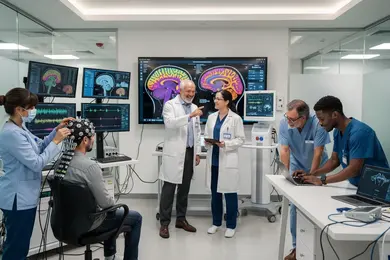
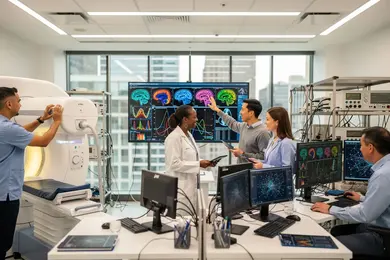
The responsibilities of a clinical research coordinator (CRC) in neuroscience studies extend beyond routine trial management, demanding a nuanced grasp of neurological assessments and patient variability. Coordinators actively support neuroscience trials by aligning operational tasks with complex study goals, such as conducting specialized neuroimaging protocols and managing cognitive testing logistics.
This hands-on involvement requires balancing scientific rigor with compliance to ethical standards, particularly when handling vulnerable populations with impaired consent capacity.
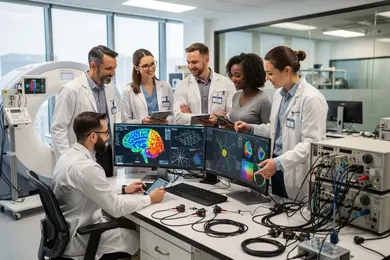
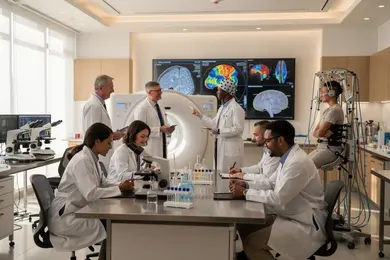
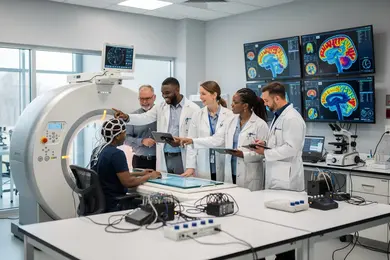
Neuroscience degrees equip CRCs with critical insights into brain disorders and neural function, which are essential for anticipating challenges in trial design and execution. For example, coordinating EEG or fMRI studies requires familiarity not only with technical equipment but also with the relevance of biomarker data to patient outcomes.
These competencies improve adherence to protocol and enhance data integrity but also necessitate strong project management and interdisciplinary communication skills. Glassdoor reports median salaries around $73,000 annually for CRCs in the U.S., with senior-level professionals exceeding $90,000-an indication of the market's recognition of the specialized expertise demanded in neurology-focused clinical research.
Candidates aiming to transition into this role should emphasize experience with clinical data systems, Institutional Review Board submissions, and direct patient engagement. Understanding these operational dynamics is crucial for sustainable career progression in this niche field.
Prospective students evaluating relevant educational pathways should consider practical program features that develop regulatory insight and trial-specific methodologies alongside scientific knowledge; this balance often determines employability.
For those interested in broadening their scientific foundation or pivoting from adjacent fields, resources on geology degrees online offer comparative insight into specialized STEM disciplines and their workforce implications.
How can a neuroscience degree qualify you for clinical research coordinator positions?
A neuroscience degree specifically prepares graduates for clinical research coordinator roles by grounding them in neurobiological systems, clinical trial design, and data interpretation critical to neurological drug studies. This expertise is fundamental for managing protocols and ensuring compliance with complex trial requirements focused on brain-related conditions.
Graduates often bridge operational and research tasks effectively due to training in areas like neuropharmacology and biostatistics, which employers actively seek in clinical research coordination.
Real-world application manifests when neuroscience graduates manage patient recruitment for trials involving disorders like Alzheimer's or Parkinson's disease. Understanding disease pathology and trial endpoints improves recruitment efficiency and study retention, demonstrating how a neuroscience degree prepares you for clinical research coordination beyond basic trial logistics.
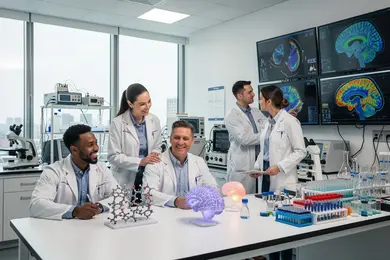
Coordination also relies on smooth collaboration with laboratory teams familiar with specialized techniques, helping streamline sample workflows.
Yet, neuroscience education alone does not guarantee eligibility for CRC roles. Regulatory knowledge, ethical oversight, and project management skills remain essential and are often acquired through certification programs. These supplementary credentials address the operational complexity of multi-site clinical studies that neuroscience curricula typically omit.
The workforce outlook reflects this demand. According to U.S. Bureau of Labor Statistics data, medical and clinical laboratory technologist roles-a common feeder into CRC positions-are expected to grow 5% over a decade, signaling expanding opportunities tied to biomedical research progress.
Students exploring related pathways may also consider an online exercise physiology degree as an alternative route aligned with clinical research and patient-oriented roles.
What types of clinical research coordinator roles are available to neuroscience graduates?
Neuroscience graduates moving into clinical research coordinator roles must navigate distinct sector demands that significantly impact daily operations and career trajectory. Academic CRC roles require mastery of neurobiological tools and Institutional Review Board (IRB) protocols, often concentrating on neurodegenerative or psychiatric disorders. These positions prioritize rigorous neurocognitive patient assessments and precise data management while coordinating multidisciplinary teams.
Pharmaceutical industry CRC positions, critical for neurological drug development, demand advanced project management skills to handle increasingly complex and lengthened multisite studies.
Coordinators face extended patient follow-ups and strict compliance with FDA regulations across international sites, underscoring the value of proficiency in electronic data capture systems. A notable consequence is the growing administrative load caused by trial duration extensions reported by the Tufts Center for the Study of Drug Development.
CRO-based coordinator roles provide rapidly evolving challenges due to diverse client protocols and shifting project scopes. Specialists focusing on neuroimaging biomarkers or electrophysiology typically gain competitive advantages. A practical tradeoff for neuroscience graduates lies in balancing fast onboarding with maintaining rigorous protocol adherence while managing vendor relationships and timelines.
Across all settings, logistical hurdles like symptom variability in neurological populations complicate patient recruitment, escalating both recruitment difficulty and administrative burdens. Effective communication with clinical investigators and mastery of electronic case report forms are crucial to mitigate these issues.
Those exploring neuroscience degree job opportunities in clinical research coordination must weigh these operational realities carefully against educational investments and career objectives. For candidate researchers contemplating educational expenses in tandem with career goals, comparing a computer science degree cost can offer perspective on resource allocation within STEM fields.
What education, skills, and experience do employers expect from neuroscience majors in CRC jobs?
Employers hiring neuroscience majors for clinical research coordinator (CRC) roles expect candidates to bridge academic theory with practical trial operations, especially where complex neurological protocols are involved. Meeting clinical research coordinator qualifications for neuroscience graduates goes beyond holding a bachelor's in neuroscience or related biomedical fields; it markedly includes advanced familiarity with clinical trial design, regulatory compliance, and data handling tailored to neurodegenerative or neuropsychiatric contexts.
Essential skills and experience for neuroscience majors in CRC roles typically emphasize:
- Proficiency in Good Clinical Practice (GCP) and electronic data capture systems adapted for neurological outcome measures
- Ability to manage multi-site trials involving diverse patient populations with sensitivity to cognitive impairments
- Complex communication channels among neurologists, sponsors, and regulatory bodies
Practical experience often derives from internships or research assistant roles on neurological studies, such as observational cognitive decline research or electrophysiological data management. Without prior clinical research exposure, many candidates face steep learning curves that may delay trial milestones and compromise compliance adherence.
Early hands-on involvement or specialized CRC training notably shortens this adjustment period. Certification like the CCRC, while optional, can influence salary and hiring decisions.
Candidates balancing educational investment and workforce entry may consider accelerated psychology programs to expedite qualification acquisition without sacrificing critical domain expertise. This practical approach aligns with employers' demand for readiness in navigating trial protocols and patient consent complexities common to brain disorder trials.
Do you need additional certifications or training beyond a neuroscience degree to become a clinical research coordinator?
Clinical research coordinator (CRC) roles in the neuroscience field increasingly demand formal certification beyond an academic degree to meet employer expectations and secure competitive salaries. A neuroscience degree alone lacks critical training in trial protocols, informed consent, and data management required for clinical sites.
Certified clinical research coordinators (CCRC) demonstrate competence in regulatory compliance and study oversight that translates to 10-15% higher salaries compared to uncertified peers, according to ACRP's 2024 benchmark report.
Employers value candidates who can navigate both scientific principles and the practical regulatory environment, such as IRB procedures and Good Clinical Practice guidelines. For example, a neuroscience graduate aiming to coordinate a neurology trial must integrate clinical science knowledge with familiarity of site-specific workflows.
Without certification or accredited training programs, advancement is often delayed, especially for senior or specialized roles within academic medical centers or pharmaceutical companies.
Key considerations for prospective CRCs include:
- Investment in credentialing versus potential salary uplift and faster career progression
- Preparation time and costs associated with certifications such as CCRC or equivalent
- Requirement for hands-on training to understand electronic data capture and budgeting processes
Forgoing certification narrows opportunities for neuroscience graduates despite relevant degrees and may limit entry to high-responsibility clinical trials. Employers increasingly view these credentials as essential proof of readiness, not optional extras in the evolving clinical research workforce.
How do online, hybrid, and campus-based neuroscience programs prepare you for CRC careers?
Success in clinical research coordinator (CRC) roles for central nervous system (CNS) trials hinges on practical exposure and the ability to manage complex protocol changes under evolving regulatory and operational demands. Campus-based neuroscience programs provide direct access to lab work, clinical site visits, and face-to-face mentorship, essential for mastering the intricacies of CNS trials where about 20% of protocol amendments occur despite representing only 12% of trials.
This environment allows students to develop hands-on skills that translate immediately into practical competencies employers require.
Hybrid formats offer a balance, integrating flexible online coursework with needed clinical placements. However, students must actively pursue on-site experiences to build regulatory and neuropharmacology knowledge that simply cannot be acquired online.
Fully online programs focus heavily on theoretical frameworks and data analysis but risk leaving graduates underprepared for real-world operational challenges unless supplemented by internships or employer partnerships.
Employers expect CRCs to operate with minimal supervision in environments demanding neuroimaging familiarity, patient safety awareness, and adaptive project management. Practical experience gaps delay readiness and limit employability in this field's competitive landscape.
Thus, selecting a neuroscience program requires weighing current employment obligations, geographic access to clinical settings, and the likelihood of securing hands-on experience to ensure readiness for CNS trial complexities.
What courses and concentrations in a neuroscience program best support clinical research coordinator work?
Programs emphasizing neuropharmacology, neuroanatomy, and neurophysiology provide the most relevant groundwork for clinical research coordinators (CRCs) working on neuroscience trials. Coordinators must grasp brain drug interactions and structural dynamics to interpret specialized data and collaborate with multidisciplinary teams effectively.
A 2024 IQVIA report on decentralized trials notes that over 60% of phase II and III studies now employ remote or digital methods, a shift demanding CRCs proficient in virtual visit management and remote data capture.
Inclusion of clinical trial design and regulatory compliance training, particularly familiarity with FDA and Good Clinical Practice (GCP) guidelines, streamlines coordinator onboarding and minimizes protocol errors. Health informatics and digital health coursework equip coordinators to handle telehealth visits, electronic patient-reported outcomes, and wearable sensor data-techniques increasingly central in conditions like Alzheimer's and multiple sclerosis.
Dual specialization in cognitive neuroscience and data analytics enhances employability by preparing CRCs to manage complex neuroimaging and biomarker data in longitudinal studies. However, neuroscience tracks lacking internships or clinical experience often produce graduates who require extended on-the-job training, delaying study timelines and increasing operational risk.
Employers prioritize candidates who combine coursework with hands-on exposure, reflecting the evolving realities of 2026 clinical research coordination. This balance informs students' choices amid varied program structures and workforce demands.
What are the typical salaries and career advancement paths for clinical research coordinators with neuroscience backgrounds?
Clinical research coordinator roles for candidates with neuroscience degrees show marked variability in compensation tied to technical skills and trial complexity rather than degree alone. Base salaries start near $60,000 annually for entry-level positions but can surpass $85,000 for professionals adept in data management and specialized neurological protocols.
Sites with coordinators skilled in advanced data analysis reduce query resolution times by roughly 25%, a significant factor accelerating trial completion and improving site performance metrics.
Career progression frequently moves from coordinator to lead or project management roles within clinical operations or regulatory affairs, where familiarity with Phase III or multisite trials enables annual salary growth exceeding 10%. However, those without cross-training in data specialization often experience stagnation, indicating industry preference for hybrid neuroscience and data expertise.
Employers increasingly expect coordinators to independently interpret complex neurological data and manage protocol deviations, minimizing dependency on clinical monitors. Consequently, educational investments in clinical data management certifications and regulatory knowledge are pivotal for transitioning into associate or trial manager roles, which demand broader leadership and compliance capabilities beyond neuroscience fundamentals.
This dynamic illustrates a critical tradeoff: professionals focused solely on neuroscience risk plateauing if they neglect the integrated data skills essential for navigating evolving trial designs and employer expectations. The emphasis on data-savvy neuroscience competencies directly affects employability and earning potential in an increasingly competitive clinical research landscape.
What is the job outlook for clinical research coordinators in neuroscience-related research settings?
The durability of job opportunities for clinical research coordinators (CRCs) in neuroscience-focused settings hinges on steady federal investment, particularly from NIH sources allocating roughly $12 billion annually to neurological research. This funding underpins complex trials where CRCs must integrate specialized neuroscience expertise with stringent protocol management and data integrity assurance.
Employers prioritize candidates who combine a neuroscience degree with industry certifications such as Certified Clinical Research Coordinator (CCRC), reflecting a clear preference for professionals adept in regulatory compliance and multidisciplinary team coordination. For instance, managing an Alzheimer's trial requires balancing sensitive informed consents with dynamic patient needs, demanding both scientific knowledge and adaptive project management skills.
Workplace realities include wide fluctuations in workload and the necessity to navigate electronic data capture systems tailored to neuro-specific outcomes. Candidates with experience in Phase II and III neurological drug trials, especially within academic medical centers or pharma companies, generally face better hiring prospects despite broader economic volatility.
- The role requires managing complex biomarker data and neuroimaging protocols alongside patient impairments.
- Certification and proven regulatory aptitude significantly influence employability.
- High workload variability necessitates adaptability and proficiency with specialized digital platforms.
Flexibility in responding to shifting grant cycles and continuous skill development emerge as critical factors for employment stability. The neuroscience degree serves as a practical entry point, yet successful CRCs must align their technical background with certifications and operational competencies to meet evolving demands.
How can you evaluate and choose accredited neuroscience programs that lead to strong CRC opportunities?
Choosing neuroscience programs with embedded clinical research training directly impacts employability in industry roles, especially within neurology, currently one of the top three therapeutic areas for clinical trials in the U.S. Programs offering hands-on experience in protocol development, subject recruitment, and regulatory compliance equip coordinators with operational skills that exceed theoretical knowledge alone.
For instance, a professional transitioning from a basic research lab to clinical coordination must prioritize programs emphasizing applied clinical trial monitoring to meet immediate employer expectations.
Critical evaluation criteria include program-specific accreditations like SOCRA or ACRP certifications, which validate course rigor against industry standards. Faculty actively engaged in neurology trials not only bring current insights but also facilitate networking opportunities essential for placement. Flexible program formats acknowledge working students' time constraints, making accessible scheduling a practical necessity rather than a luxury.
Graduation outcomes matter: institutions that clearly report alumni employment in neurology or related clinical research roles signal strong industry alignment. Tradeoffs arise when balancing academic depth with operational training-those aiming for academia-adjacent CRC roles might prefer programs stressing research design combined with clinical exposure, whereas others seek immediate workforce readiness.
PhRMA data shows more than 1,500 active neurology trials, underscoring demand for coordinators proficient in electronic data capture and cross-functional communication within neuroscience contexts.
Other Things You Should Know About Neuroscience
A neuroscience degree provides a solid foundation in biology, chemistry, and research methods that apply across many medical and clinical areas beyond neurology. However, employers in fields like oncology or cardiology may require additional domain-specific knowledge or experience. Prioritizing elective courses or internships related to the target specialty helps make your background more relevant and competitive in broader clinical research settings.
Programs with substantial lab experience enhance practical skills in experimental design and data collection, which many employers value highly. Prioritizing neuroscience curricula that integrate hands-on lab work and clinical exposure improves readiness for clinical trial environments, where procedural accuracy and troubleshooting are critical. Coursework without labs may limit immediate employability or require additional on-the-job training to reach proficiency.
A bachelor's in neuroscience offers broad scientific knowledge and faster entry into the workforce but may require obtaining certifications or practical experience to meet employer demands. A specialized master's can provide targeted skills and often includes practicum experience, making candidates more competitive and reducing training time. However, the master's requires greater upfront time and financial investment, so evaluating your career timeline and resources is essential before deciding.
References
- Explore Parexel Careers in Neuroscience https://jobs.parexel.com/en/neuroscience
- Neuroscience | Online College Prep | Case Western Reserve https://case.precollegeprograms.org/neuroscience
- Neuroscience - Tracks - Ph.D. Program in Biomedical Science - Mayo Clinic College of Medicine & Science https://college.mayo.edu/academics/biomedical-research-training/phd-program/tracks/neuroscience/
- Clinical Research Coordinator Salary Overview | CCRPS https://ccrps.org/clinical-research-blog/clinical-research-coordinator-salary-how-much-do-they-make
- How to Become a Clinical Research Coordinator in 2026: The Ultimate Guide - Clinical Research Fastrack https://clinicalresearchfastrack.com/blogs/how-to-become-a-clinical-research-coordinator-in-2026-the-ultimate-guide/
- What Can You Do with a Neuroscience Degree? | Tiffin University https://www.tiffin.edu/news/what-can-you-do-with-a-neuroscience-degree/
- Clinical Research Coordinator I - Department of Neurology (Hybrid) at CEDARS-SINAI https://careers.cshs.org/job/los-angeles/clinical-research-coordinator-i-department-of-neurology-hybrid/252/91952103328
- How to Become a Clinical Research Coordinator or Trial Manager https://www.mhaonline.com/faq/how-do-i-become-a-clinical-research-coordinator
- Phrma https://www.phrma.org
- Top certifications for clinical research: Boost your career and credibility https://www.sermo.com/resources/certifications-for-clinical-research/