2027 Best Online Neuroscience Programs for Professionals Seeking Pharmaceutical Research Careers

Co-Founder and Chief Data Scientist
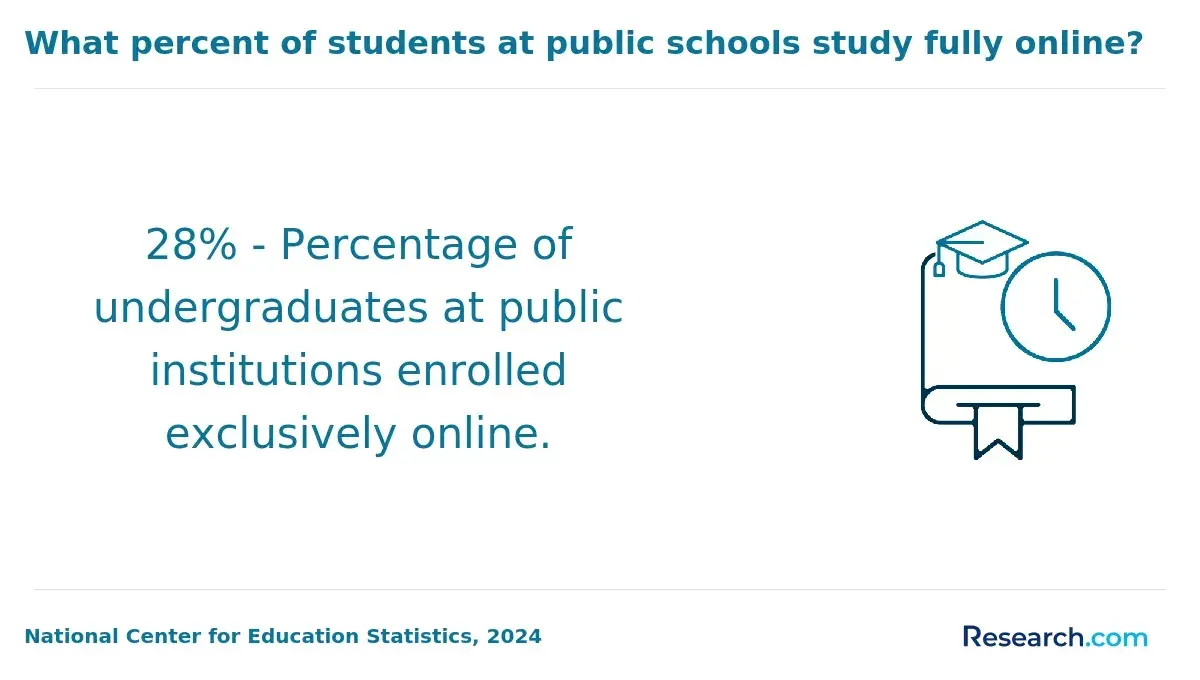
Pharmaceutical researchers advancing brain-related drug development face a critical bottleneck: gaining access to advanced, flexible neuroscience education without sacrificing ongoing career responsibilities. While demand for professionals with specialized skills rises-projected by the U. S. Bureau of Labor Statistics to grow 16% by 2032 in related biomedical fields-traditional programs struggle with rigid schedules and limited online options. Enrollment data from the National Center for Education Statistics underscores adult learners' shifting preferences toward accredited online graduate pathways that accommodate work-life balance. This article evaluates the leading online neuroscience programs designed for professionals seeking pharmaceutical research roles, focusing on accessibility, curriculum rigor, and alignment with industry expectations to inform strategic enrollment decisions.
Key Things You Should Know
- Online neuroscience PhD and certificate programs average $35K-$65K, with financial aid gaps forcing 42% of mid-career professionals to delay enrollment despite 18% projected growth in pharmaceutical research roles through 2031, per BLS data.
- Employers prioritize candidates demonstrating hands-on neuropharmacology lab experience, causing heavy reliance on hybrid models; programs lacking integrated internships report 25% lower graduate placement rates in top-tier pharma firms, according to the National Science Foundation.
- Compression of coursework into 18-24 months raises knowledge retention risks and limits research customization, making multi-year part-time formats preferable for balancing emerging techniques and regulatory compliance complexity in drug development.
What is an online neuroscience degree and how does it prepare you for pharmaceutical research careers?
Pursuing online neuroscience degrees for pharmaceutical research professionals requires a pragmatic assessment of how well such programs prepare candidates for highly specialized drug development roles. The curriculum typically integrates cellular neuroscience, molecular biology, and computational modeling to align with industry expectations in neuropharmacology and clinical trial methodologies. However, the remote format often limits direct access to laboratory equipment, mandating supplementary internships or partnerships with pharmaceutical companies to gain essential hands-on experience.
Pharmaceutical employers prioritize applicants who can translate neural mechanisms into viable therapeutic strategies, making interdisciplinary knowledge and applied skills critical. Graduates often must complement their degrees with proactive experiential learning to meet this demand. The U.S. Bureau of Labor Statistics projects an 11% growth in medical scientist positions through 2033, signaling increased opportunities for those equipped with the right expertise.
Choosing an online neuroscience degree program involves weighing accreditation, faculty credentials, and graduate employment outcomes against the challenge of restricted mentorship in virtual settings. Professionals familiar with related fields may value the flexible schedules and asynchronous learning but should plan for extended skill development outside coursework. For a broader perspective on science-based online degrees, consider exploring programs such as a geoscience online degree.
Ultimately, how an online neuroscience degree prepares you for drug development careers depends on the integration of theoretical knowledge with practical research opportunities, positioning graduates to engage in drug discovery and neurological disorder investigations effectively.
Which types of online neuroscience degrees are best for professionals targeting pharmaceutical research roles?
The most effective online neuroscience degrees for pharmaceutical research careers are those sharply focused on pharmacology, molecular biology, and neuropharmacology, aligning directly with evolving industry demands. Programs that emphasize receptor pharmacodynamics and neurotoxicology better satisfy hiring managers targeting drug discovery and neurodegenerative disease therapy teams, whereas broader curricula centered on cognitive or behavioral neuroscience often lack practical R&D applicability. Employers now demand applied lab skills and data literacy, especially in biostatistics and regulatory affairs, to navigate FDA compliance and streamline clinical trials.
A common tradeoff emerges when candidates from general biology backgrounds pursue degrees without integrated hands-on or industry-partnered research opportunities; such gaps delay progression into roles requiring experimental expertise or regulatory knowledge. Given the 21% rise in U.S. biopharmaceutical R&D jobs between 2018 and 2023, degrees that incorporate virtual lab simulations or secure local placements significantly boost immediate employability. Prospective students evaluating the best neuroscience programs for professionals in pharmaceutical industries should prioritize interdisciplinary training linked to pharma sciences or biomedical engineering to offset the limitations of theoretical programs.
Those weighing their options might also consider alternative fields-such as exercise science-with robust online offerings to complement pharmaceutical research skills. For insights into comparative online offerings, see the best online exercise science degree programs.
How do you choose an accredited online neuroscience program that employers in pharma will respect?
Accreditation status directly influences employer recognition and earning potential in pharmaceutical careers, making it the foremost criterion when choosing an accredited online neuroscience program for pharmaceutical careers. Regional accreditation from bodies recognized by the U.S. Department of Education or the Council for Higher Education Accreditation assures academic rigor and positions graduates competitively for pharma roles. Graduate outcomes data, including employment rates linked to pharmaceutical research, further distinguish programs that truly prepare students for industry demands.
Pharmaceutical employers prioritize candidates with competencies aligned to their drug development processes, including expertise in advanced neurobiology, pharmacokinetics, neuropharmacology, and clinical trial design. Programs with faculty actively engaged in pharmaceutical research or formal partnerships offering internships markedly enhance graduate credibility. For example, a student completing a neuroscience program closely integrated with pharma R&D teams gains an advantage over those from general neuroscience tracks lacking specific industry focus.
Top criteria for online neuroscience programs recognized by pharma employers also involve program flexibility. Part-time, accelerated, or modular structures help maintain ongoing professional experience-a factor pharma recruiters highly value alongside academic credentials. According to labor statistics, medical scientists in pharmaceutical manufacturing earn a median annual wage approximately 29% higher than peers in other sectors, reflecting the premium placed on specialized skills and solid industry ties.
Prospective students balancing work with education can compare program lengths and delivery modes to optimize both continuous employment and in-depth learning. As interdisciplinary demand grows, it's instructive to contrast pathways, such as neuroscience with other STEM disciplines; for example, research on affordable online computer science degrees provides parallels in evaluating cost-effectiveness and career alignment.
What are the key differences between online and on-campus neuroscience programs for aspiring pharma researchers?
Choosing between online and on-campus neuroscience programs for pharmaceutical research hinges on a clear understanding of practical skill demands versus theoretical knowledge needs within the industry. Online neuroscience programs have expanded by about 44%, growing from 18 in 2022 to 26 in 2025, offering flexibility valued by working professionals. However, they often lack direct lab exposure and immediate access to specialized equipment, which can be critical for roles focused on molecular assays, neuroimaging, or preclinical trial design.
On-campus programs embed students in active research environments, facilitating real-time mentorship and access to proprietary instruments, thus enhancing employability for hands-on pharmaceutical roles. This distinction also influences how pharma employers evaluate candidates, often dividing assessments along demonstrated practical experience versus theoretical understanding.
For professionals pivoting from clinical work to drug development, on-campus formats may better develop necessary laboratory competencies. Conversely, online formats align more naturally with careers emphasizing data analysis, regulatory affairs, or neuroinformatics, where physical lab presence is less critical.
Online learners also face logistical challenges in securing local internships or lab placements, adding complexity and cost. Networking dynamics differ; campus interactions foster richer professional connections, while online students depend on virtual communities and institutional partnerships. Those weighing neuroscience program options for pharma careers must measure these tradeoffs carefully against specific workforce requirements and intended roles.
Prospective students interested in related fields may also consider pathways such as the accelerated psychology bachelor's degree, which can complement neuroscience training in pharma contexts.
What courses and specializations in online neuroscience programs align most closely with pharmaceutical research?
In pharmaceutical research-focused neuroscience education, practical expertise in advanced data analytics and AI integration now outweighs traditional theoretical coursework. Employers demand candidates who can leverage machine learning and computational modeling to accelerate drug discovery and development within central nervous system therapeutics. According to a 2024 Deloitte Life Sciences R&D report, over 60% of biopharma R&D leaders identified deficits in these technical skills among neuroscience-focused teams, creating a tangible gap that education programs must fill.
Core courses that reflect workforce requirements include:
- Neuropharmacology emphasizing molecular drug mechanisms and CNS toxicology relevant to therapeutic targets
- Computational neuroscience focused on modeling neural responses and predicting drug effects at cellular and systemic levels
- Biostatistics and advanced analytics, crucial for interpreting clinical trial datasets and biomarker validation
- Machine learning for drug development applications such as high-throughput screening and patient stratification
Programs integrating AI and data science deliver the most direct employability benefits but require significant time investment, especially for professionals balancing work commitments. Asynchronous courses in Python, R, and case studies involving neurodegenerative or psychiatric drug pipelines offer practical skills transferable to industry roles. Conversely, neuroscience programs lacking this focus risk underpreparing students, limiting their ability to contribute effectively in data-driven R&D environments where computational proficiency shortens drug development cycles and optimizes trial outcomes.
What admission requirements and prior background do online neuroscience programs expect from working professionals?
Online neuroscience programs assume prior mastery in biology, chemistry, psychology, or related STEM disciplines combined with quantitative and laboratory proficiency. Admissions commonly require a bachelor's degree and prerequisite courses such as molecular biology, organic chemistry, and statistics to prepare students for demanding scientific material. Professional experience in healthcare or labs bolsters applications by demonstrating familiarity with experimental techniques unreplicable through remote instruction alone.
Applicants must submit transcripts, recommendations from academic or professional supervisors, and often a statement of purpose detailing research interests aligned with pharmaceutical neuroscience. While GRE requirements have waned overall, they persist in competitive tracks emphasizing neuropharmacology or drug development. Reliable technology access and time management for asynchronous study are essential for balancing professional obligations.
Career changers frequently need to bridge knowledge gaps through community or extension courses before applying, addressing employer concerns about purely online graduates' lack of hands-on lab experience. Programs lacking clear admission criteria risk higher attrition and underprepared graduates ill-equipped for lab-intensive pharmaceutical roles requiring technical precision and data reliability.
Consider tuition comparisons: Arizona State University's online neuroscience bachelor's charges roughly $561 per credit for 120 credits (≈$67,000 total), around 25-30% less than typical in-state campus fees exceeding $90,000 before housing. This difference matters for working professionals balancing cost and study but doesn't eliminate practical training challenges.
How long do online neuroscience programs take, and what do they typically cost for professionals?
Online neuroscience programs for professionals present a tradeoff between duration, cost, and employer acceptance. Most learners require 18 to 36 months to complete certificates, master's, or doctoral credentials, with part-time formats extending timelines to accommodate working schedules. Accelerated full-time options are rare for those targeting pharmaceutical research roles, where advanced degrees remain the dominant credential.
Cost is a decisive factor: certificate programs usually range from $5,000 to $15,000, master's degrees between $20,000 and $60,000, and doctoral studies can exceed $100,000. Employers in biotech and pharma increasingly recognize accredited online degrees-71% of US hiring managers value them comparably to traditional credentials-but they often require evidence of hands-on lab experience. This is a critical limitation of purely online formats lacking integrated practical components.
For professionals pursuing drug development roles, master's or PhD programs remain the practical norm due to their rigorous research training. Shorter or certificate programs may suffice only for peripheral or entry roles. Candidates should verify whether target employers prioritize hybrid or in-person training pathways that embed lab work, as this affects employment prospects and career trajectory.
What pharmaceutical research jobs can you pursue with an online neuroscience degree?
Online neuroscience degrees open pathways into pharmaceutical roles that demand a blend of scientific knowledge and regulatory expertise. Positions such as clinical research coordinator, neuropharmacologist, drug safety associate, and regulatory affairs specialist require candidates to navigate complex drug development environments where hands-on skills often intersect with theoretical understanding. For example, neuropharmacologists must interpret clinical trial data within a neurobiological framework to optimize drug efficacy, a task that hinges on both academic training and practical experience.
A clinical research coordinator manages the operational side of neuro-related trials, ensuring protocol compliance and rigorous data standards-areas heavily regulated by FDA and Good Clinical Practice (GCP) guidelines. Meanwhile, drug safety associates leverage neuroscience insight for pharmacovigilance, assessing adverse effect profiles in neurological medications. Regulatory affairs specialists must combine these insights with in-depth knowledge of government policies affecting neurotherapeutics.
The key tradeoff for online learners lies in theoretical depth versus experiential learning; limited laboratory exposure can constrain immediate employability in experimental drug development roles. Supplementing online coursework with internships or research collaborations is often essential to meet U.S. pharmaceutical industry expectations, which emphasize data-driven fluency alongside neuropharmacology expertise.
What salary ranges and job outlook can neuroscience-trained professionals expect in pharmaceutical research?
Neuroscience graduates aiming for pharmaceutical research roles face a clear divide between entry-level compensation and advanced positions requiring specialized expertise. Salaries typically range from $75,000 for research associates or laboratory scientists up to $130,000 for those with PhDs and skills in bioinformatics or molecular modeling. Data science roles within this sector command a median near $110,000, emphasizing the premium employers place on quantitative and analytical capabilities.
The practical challenge is that neuroscience alone rarely suffices; bridging into pharmaceutical research demands proficiency in statistics, programming, and machine learning, with explicit knowledge of regulatory frameworks often determining upward mobility. Graduates lacking these competencies risk stagnating in support roles rather than advancing toward positions influencing drug development.
Demand for professionals combining neuroscience insight with strong data skills is growing sharply-the Bureau of Labor Statistics projects 36% growth for data scientists from 2023 to 2033. This requires thoughtful educational pivots, such as targeted certifications or graduate studies in biostatistics or computational biology, which have tangible impacts on salary and job stability. Employers also prize hands-on experience with biological datasets and proven interdisciplinary teamwork, factors as determinative as formal degrees.
For working professionals, the tradeoff involves additional training time and potential tuition costs weighed against immediate financial gains and market relevance. The ability to integrate biological data with computational models directly influences hiring decisions and career trajectory in pharmaceutical research environments.
Are there certifications, licenses, or additional credentials that strengthen a pharma research career after an online neuroscience degree?
Holding an online neuroscience degree without targeted certifications often limits advancement in pharmaceutical research, especially within neurodegenerative drug development. Employers prioritize candidates with regulatory and clinical credentials that verify real-world compliance and trial proficiency, such as the Regulatory Affairs Certification (RAC) and Clinical Research Professional (CCRP) certifications.
The specificity of roles in this sector reflects ongoing industry emphasis on complex neurodegeneration programs, which require expertise beyond general neuroscience education. This includes skills in advanced molecular assays and biomarker analytics, areas seldom covered deeply in standard curricula but essential for working alongside cross-functional drug development teams.
Project Management Professional (PMP) certification adds operational value, equipping candidates to manage multi-site clinical trials with diverse stakeholders. Candidates who combine these credentials increase their visibility to employers and reduce their time to leadership roles.
For professionals lacking laboratory experience, continuing education focusing on FDA regulatory frameworks and Good Clinical Practice (GCP) standards is a necessary investment. Many pharma organizations mandate GCP proficiency through customized training post-degree, ensuring candidate readiness to contribute effectively to neuropharmacological pipelines.
Other Things You Should Know About Neuroscience
In 2027, leading online neuroscience programs for aspiring pharmaceutical research professionals focus on deep theoretical knowledge and practical skillsets. Top programs include Johns Hopkins University's Master of Science in Neuroscience and Drexel University's online MS in Neuroscience, both emphasizing pharmaceutical applications and industry partnerships.
Employers increasingly accept online neuroscience degrees, but their evaluation hinges on program rigor, accreditation, and the practical skills demonstrated. Degrees from research-strong, accredited institutions with lab simulation or hybrid options carry more weight than purely theoretical online programs. Practical experience through internships or collaborations embedded in the program also influences employer confidence. Working professionals should select programs that offer verifiable applied learning and industry-relevant projects to mitigate online degree stigma.
Balancing full-time work with an online neuroscience degree is feasible but requires careful selection of program flexibility and realistic workload assessment. Many programs expect 15-20 hours weekly, with intensive periods during project deadlines. Programs offering asynchronous content with clear timelines and limited synchronous labs better support working students, but this often reduces networking and hands-on experience. Professionals must prioritize programs with manageable pacing and strong academic advising to avoid compromising competency development.
Industry partnerships within neuroscience programs provide direct exposure to pharmaceutical research challenges and access to mentorship, internships, and job placements, making them highly valuable for professionals targeting pharma careers. Broader biomedical programs may offer wider foundational knowledge but dilute focus on neuro-specific drug development processes. For targeted career advancement in pharmaceutical neuroscience, prioritize programs that advertise active collaborations with pharma companies or research institutes to gain context-relevant experience and networking advantages.
References
- Pharmacology and Neuroscience at College of Biomedical and Translational Sciences https://www.unthealth.edu/college-of-biomedical-and-translational-sciences/degree-programs/phd-ms-biomedical-sciences/pharmacology-neuroscience.html
- ACRP Certification https://acrpnet.org/certification
- Pharmaceutical Certificate Programs | ISPE Academy Training & Certification https://ispe.org/training/certificate-programs
- How to apply - Neurasmus | European master in neuroscience https://www.neurasmus.u-bordeaux.fr/admission/how-to-apply/
- 7 Best Neuroscience Courses for 2025; Learn Online for Free — Class Central https://www.classcentral.com/report/best-neuroscience-courses/
- Neuroscience Research as a Career https://ncoguw.com/neuroscience-research-as-a-career/
- Discover the Best Neuroscience Summer Program for Aspiring Students https://pioneeracademics.com/news/research-opportunties-for-high-school-students-research-programs/
- Potential Careers https://neuroscience.uoguelph.ca/potential-careers/
- QCS Staffing https://www.qcsstaffing.com/resources/top-certifications-for-life-sciences-professionals-in-2026
- Master of Science in Clinical Neuroscience - Parker University https://www.parker.edu/academics/neuroscience-and-clinical-neuroscience/