2027 Best Online Neuroscience Programs for Advancement Without Leaving Work

Co-Founder and Chief Data Scientist
Balancing a demanding career in neuroscience with the need for advanced education presents a significant challenge: traditional programs often require full-time study or rigid scheduling that working professionals cannot accommodate. This conflict limits access to critical skill development needed for career mobility and leadership roles. Recent data from the National Center for Education Statistics shows a 15% increase in adult enrollment in online graduate programs over the past two years, signaling a shift toward flexible learning models that align with professional schedules. This article evaluates the best online neuroscience programs designed to support continuous employment while advancing expertise and credentials.
Key Things You Should Know
- Online neuroscience master's programs in 2026 average 30% lower total costs but extend completion time by 18 months compared to full-time on-campus paths, impacting midcareer professionals' salary growth timelines, per NCES 2024 data.
- Employer surveys from the National Science Foundation reveal 65% of neuroscience R&D organizations prioritize graduates' hands-on lab experience, challenging online learners' ability to match traditional candidates without hybrid internship models.
- Targeting roles in cognitive neuroscience, job market analyses from the Bureau of Labor Statistics indicate a 12% growth, yet emphasize advanced credentialing combined with real-world collaborative projects as gating factors for promotion beyond entry-level positions.
What are the best accredited online neuroscience degree programs for working adults?
Working adults pursuing the best accredited online neuroscience degree programs frequently face the challenge of balancing education with full-time employment. Programs built with modular flexibility and asynchronous delivery address this by allowing students to integrate coursework with demanding, irregular work hours. Choosing a top online neuroscience program that emphasizes career advancement while working requires scrutinizing not only curriculum rigor but also practical engagement, such as research projects aligned with current job roles.
Important selection criteria include:
- Program length and scheduling adaptable to varied shift patterns
- Opportunities for capstone or research activities relevant to evolving industry demands
- Access to career services focused on roles in pharmaceuticals, healthcare tech, or cognitive research fields
A clinical research coordinator aiming to become a neuropharmacology analyst benefits from curricula combining fundamental neuroscience with data analytics, especially if the program has strong industry partnerships. Graduates from programs lacking such practical components may struggle with employer expectations around technical proficiency and applied problem-solving.
Accreditation by authoritative bodies like the Society for Neuroscience remains a benchmark for curriculum relevance. Professionals must weigh program cost against potential salary uplift, considering mid-tier degrees that offer quicker returns via specialized lab management or neurotechnology roles. The need for consistent academic support is critical when students juggle complex neuroscience material alongside full-time jobs.
For professionals evaluating extended workforce-compatible study paths, it's also useful to compare tuition with affordable alternatives in related fields-such as a data science degree-which increasingly intersect with neuroscience applications.
How do online neuroscience degrees compare with on-campus programs in quality and outcomes?
Online neuroscience degree quality comparison reveals that virtual programs closely align with on-campus curricula in theory and analytic methods but diverge significantly in hands-on laboratory training. While accredited online programs employ remote lab kits and simulations to partially substitute for physical experiments, they cannot match the immersive tactile learning and spontaneous collaboration found in traditional labs. This tradeoff affects career outcomes differently depending on the role. For example, a neuroscientist pursuing academic medical research may find on-campus alumni favored due to their intensive bench skills, while others benefit from uninterrupted employment during study.
Employers across medical research, pharmaceuticals, and clinical domains require mastery of both conceptual frameworks and experimental competencies. Graduates show comparable preparedness in cognitive neuroscience and neuroimaging, yet advanced lab roles or onsite clinical trials typically demand direct hands-on experience. The U.S. Bureau of Labor Statistics projects a 9% job growth for medical scientists through 2032, underscoring rising demand for professionals who integrate computational neuroscience and neuroinformatics efficiently, often facilitated by online routes.
Prospective students should weigh program partnerships with research facilities, quality of mentorship, and the capacity for synchronous collaboration, given these factors strongly influence long-term employability. Access to physical labs and robust internship experiences remain decisive in hiring considerations. Those evaluating the field might also consider options beyond neuroscience, such as online exercise science programs, depending on career alignment and practical constraints.
Ultimately, comparing career outcomes of online versus on-campus neuroscience programs requires assessing these practical realities against personal and professional circumstances to optimize educational investment and workforce relevance.
What types of online neuroscience degrees and certificates are available for career advancement?
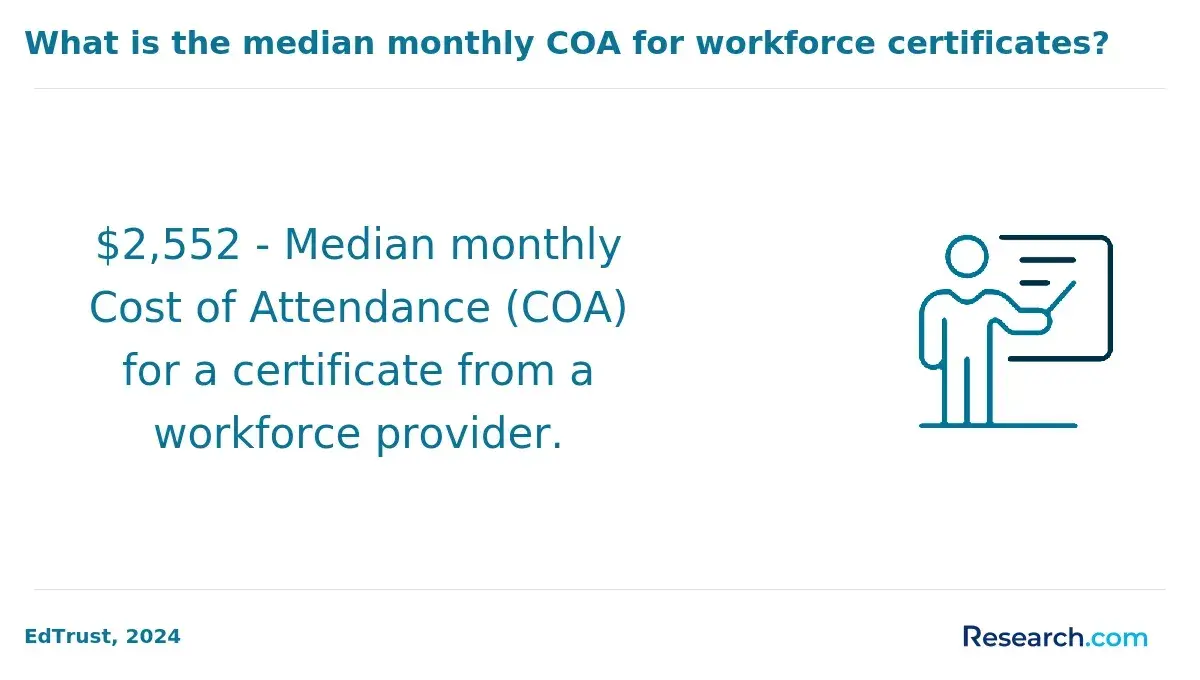
Advancing in neuroscience demands strategic educational choices aligned with career objectives and workforce realities. For licensed healthcare professionals targeting clinical roles in neurology, pursuing a PhD or MD with neuroscience specialization is essential due to licensure and certification requirements. In contrast, biotechnology and pharmaceutical professionals often gain more immediate benefit from accredited online neuroscience certificate courses in the US that emphasize neuroinformatics or drug development without lengthy program commitments.
Employer demand increasingly favors candidates with graduate degrees or specialized certificates that demonstrate proficiency in neurotechnology and data analytics. These qualifications vary considerably in duration-certificates can be completed in about six months while doctoral paths may span 4 to 7 years-impacting the feasibility for working adults balancing career and study.
Key trade-offs professionals must weigh include:
- Certificates provide rapid skill acquisition but limited clinical pathways.
- Online master's degrees offer comprehensive theoretical knowledge suitable for leadership roles outside clinical settings.
- Doctoral programs unlock the highest salary potential yet require significant research investment and time.
Neurologists in the U.S. earn an average annual base salary of $262,700, illustrating the financial premium on advanced clinical neuroscience credentials. Those evaluating options should also consider regional licensure rules and job-specific requirements to maximize ROI.
Working professionals assessing options might also explore related fields such as a computer science online degree for complementary skills highly valued in neurotech applications.
What courses and specializations are typically included in an online neuroscience curriculum?
Online neuroscience programs balance foundational science with increasingly specialized subjects aligned to specific career trajectories. Core neuroscience curriculum topics in top online programs cover neurobiology, cognitive neuroscience, neuroanatomy, and neurophysiology, forming the essential baseline knowledge for understanding brain function and disorders. Specialized courses such as computational neuroscience, neural networks, neuropharmacology, and neuropsychology prepare students for employment in sectors like biotechnology, healthcare, and artificial intelligence.
For working professionals, programs often integrate data analysis and research methods using practical tools like MATLAB or Python, which are essential for roles demanding empirical, data-driven decision-making. Electives in emerging domains such as neuroethics and brain-computer interfaces signal the field's expanding interdisciplinary demands. However, students seeking clinical roles must critically assess if the online curriculum provides virtual lab simulations or options for hands-on experience, as this remains a significant limitation of fully remote formats.
Decisions about specialization carry real-world consequences. For instance, professionals moving into neurotech product development will benefit from computational neuroscience and machine learning coursework, whereas clinical research coordinators require strong neuropsychology and clinical trial expertise. Given the competitive nature of these niches, alignment of coursework with targeted roles directly affects employability.
Considering cost-effectiveness, online degrees offer substantial financial advantages. Average tuition for fully online bachelor's programs at public institutions is around 23% lower than in-state on-campus rates, a critical factor for professionals balancing education with ongoing work commitments. Prospective students may also refer to cheapest online school psychology programs for comparative cost insights. Choosing the right program thus requires weighing academic content, practical experience availability, and cost against specific career objectives and market demands.
What admission requirements and prerequisites do online neuroscience programs usually have?
Completing an online neuroscience program demands more than meeting baseline academic criteria; it requires strategic planning around prerequisites that include biology, organic chemistry, calculus, and statistics. For candidates without direct neuroscience experience, fulfilling bridge courses before admission adds time and complexity, often influencing how soon working professionals can start. This creates a perceptible tradeoff between maintaining employment and preparing competitively for a demanding curriculum with strong quantitative and lab components.
In practical terms, employers increasingly recognize online degrees from accredited programs as credible, with 71% of U.S. employers valuing them on par with traditional degrees when issued by reputable institutions. Yet, this acceptance depends heavily on the program's rigor and the student's preparedness, especially given neuroscience's interdisciplinary nature and research intensity. Practical experience in labs or research significantly enhances a candidate's viability in healthcare, pharmaceutical, or academic sectors.
Applicants must also ensure technological readiness for occasional synchronous sessions and be capable of managing asynchronous coursework alongside job responsibilities. Failure to anticipate these logistical challenges can delay progress and amplify workload stress.
To summarize the key entry factors demanding early, deliberate attention:
- Minimum 3.0 GPA and foundational coursework in science and math.
- Submission of official transcripts, letters of recommendation, and a statement of purpose aligned with neuroscience goals.
- Prior lab or research exposure to navigate experimental demands.
- Reliable internet and flexible scheduling for synchronous participation.
How long do online neuroscience programs take and how are they structured for full-time workers?
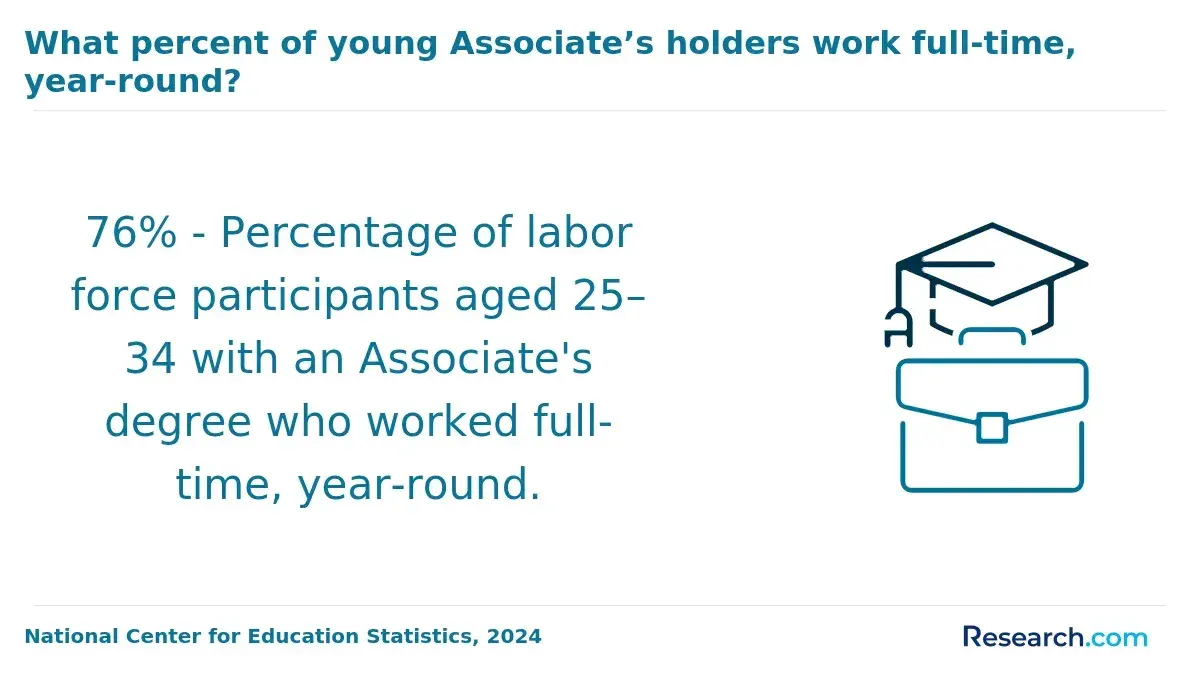
Online neuroscience programs balance rigorous academic content with the realities of working professionals by offering flexible pacing and delivery formats. For example, a clinical researcher transitioning to neurotechnology can maintain full-time employment by enrolling part-time, accessing asynchronous modules, and attending occasional evening or weekend synchronous sessions. This structure addresses one of the field's main barriers: integrating lab-based skills through virtual simulations instead of demanding in-person attendance.
Typical program durations range from 1.5 to 3 years, heavily influenced by course load choices-9 to 12 credits per semester for full-time students or reduced loads extending timelines for part-timers. Accelerated tracks condense content into summer or intersession periods for rapid progression, suiting professionals responding to the neurotechnology sector's projected 13% annual growth through 2032, according to Precedence Research 2024.
Curricula emphasize applied skills through project-based assessments and internships, aligning with employer preferences for candidates whose expertise translates into immediate workplace contribution. This is critical in interdisciplinary environments such as biotech, AI-driven neural engineering, or healthcare, where theoretical knowledge without practical exposure often limits hireability.
How much do online neuroscience programs cost and what financial aid options are available?
Choosing an online neuroscience program requires careful evaluation of financial and professional tradeoffs, especially for working professionals balancing tuition costs with employment. Master's programs typically cost between $20,000 and $45,000, while doctoral degrees often exceed $50,000 due to extended research demands. This tuition range can influence whether students pursue programs full-time, part-time, or delay enrollment entirely.
Financial aid strategies differ by degree level: undergraduate students may access Pell Grants, but graduate candidates primarily rely on federal loans featuring fixed interest and income-driven repayment plans. Employer tuition reimbursement can alleviate costs but usually demands continued employment post-graduation, which complicates career pivots or entrepreneurial moves.
Scholarships and fellowships connected to neuroscience research or STEM fields offer partial relief but are competitive and contingent on academic track records or research commitments. Private loans fill financial gaps but increase debt, posing risks for mid-career individuals prioritizing stability.
Empirical data show that well-designed online or hybrid neuroscience programs yield student outcomes approximately 0.15 standard deviations higher than fully face-to-face formats, suggesting flexible options do not compromise educational quality. For employers, this emerging equivalence supports acceptance of online credentials in workforce advancement strategies.
What neuroscience careers can online graduates pursue and what roles fit working professionals?
Online neuroscience graduates often secure roles in research coordination, clinical trial management, or cognitive data analysis that accommodate full-time work without constant on-site presence. Such positions fit professionals balancing employment and study, especially when focused on managing patient data or supporting translational research projects. However, clinical neurodiagnostic technologist roles typically require additional certification despite the foundational neurophysiology content in many online programs. Federal employers and private firms hiring for neuroinformatics and computational modeling increasingly accept remote work, contingent on sufficient software expertise and occasional lab visits.
Working professionals must critically assess whether their desired neuroscience role demands consistent lab access or direct patient interaction, as many research-intensive careers still necessitate physical presence. Online degrees alone rarely qualify candidates for tenure-track faculty or academic research positions without subsequent on-campus postdoctoral training. Conversely, project management and regulatory affairs roles in pharmaceutical or biotech neuroscience divisions show a growing openness to online credentials for experienced hires.
The expansion of distance education allows candidates from rural areas to enter neuroscience fields, with data showing online students are 30% likelier to live outside metropolitan regions. This shift helps alleviate regional workforce shortages while allowing professionals to sustain employment. Yet, graduates must actively seek internships or partnerships to build hands-on laboratory skills essential to remain competitive in many technical roles.
What is the salary potential and job outlook for professionals with neuroscience education?
Salary outcomes for professionals with neuroscience education vary significantly by role and sector, with clinical neuroscientists and neuropsychologists in healthcare commonly earning $100,000 or more annually, while research roles in academia or private labs generally start around $80,000. This gap reflects the premium placed on clinical expertise versus entry-level research positions, though research salaries can increase markedly with leadership in grant funding and experience.
Employment growth in neuroscience-related fields is projected at about 12% through 2032, outpacing the average for all occupations due to increasing focus on neurodegenerative diseases, brain-computer interface technology, and cognitive applications. This growth intensifies competition, making additional certifications or microcredentials valuable for demonstrating applied skills and accelerating progression.
More than 70% of U.S. learners completing for-credit online neuroscience microcredentials in 2024 used those credentials within a year to either augment degree programs or secure promotions, reflecting their impact beyond formal degrees. Strategically stacking these credentials enables professionals to specialize rapidly without interrupting full-time employment, targeting sectors like pharmaceuticals, biotech, clinical trials, or neurotechnology product development.
Tradeoffs include assessing the time and cost investment against tangible employer recognition and salary benefit. Candidates should verify whether prospective employers accept specific credentials and how these credentials align with career ladders to avoid misaligned efforts.
How can you verify accreditation and choose a reputable online neuroscience program?
Selecting a neuroscience program without verifying recognized accreditation risks investing in education that may not be acknowledged by employers or qualify for federal financial aid. Accreditation from regional bodies like the Middle States Commission on Higher Education or Western Association of Schools and Colleges ensures the institution meets baseline academic and administrative standards. Neuroscience candidates should further confirm programmatic endorsements from relevant scientific organizations to guarantee alignment with evolving industry requirements.
Employers increasingly expect graduates to possess practical skills in AI, data analytics, and neurotechnology, reflecting the growing integration of these areas into research and clinical settings. Programs that remain theoretical without updating curricula to include applied data sciences limit graduates' job readiness. For example, a working professional pursuing advancement will struggle to translate abstract coursework into marketable competencies without hands-on experience.
Many neuroscience roles require lab proficiency. Online programs that fail to provide structured access to labs-either through partnerships with local institutions or validated virtual simulations-can impair eligibility for certain certifications or licensure. Transparency in graduate employment outcomes and the quality of professional networks a program facilitates are critical indicators of how well it supports career transitions.
Flexible scheduling is essential for professionals balancing work and study, but it should not come at the expense of faculty engagement or mentorship that ensures mastery of complex neuroscience techniques.
Other Things You Should Know About Neuroscience
Most online neuroscience programs require some form of lab or hands-on experience, but the approach varies significantly. Programs designed for working professionals often use virtual simulations or partner with local labs to facilitate in-person sessions. When choosing a program, prioritize those with clear, feasible arrangements for practical experience, as lack of direct application can limit skill development and employer recognition.
Online neuroscience programs vary in focus, with some emphasizing research methodology and others stressing clinical or applied industry skills. Students must identify programs offering relevant electives, internships, or thesis options aligned with their target sector. For research careers, prioritize programs with strong faculty support and access to lab collaboration, whereas clinical or industry-bound students should seek interdisciplinary integrations with healthcare or technology fields.
To balance work and an online neuroscience degree, professionals can prioritize tasks, set realistic goals, and use time-blocking techniques. Flexible formats, like asynchronous courses, minimize stress by allowing learners to study at their own pace, accommodating work schedules and personal commitments effectively.
Employer valuation of online neuroscience degrees varies by industry and role, with top-tier and regionally recognized programs carrying more weight. In fields like biotech or pharmaceutical research, program reputation directly influences hiring decisions and salary prospects. To maximize advancement potential, prioritize accredited programs with established industry partnerships over lesser-known providers, as employer skepticism still affects recruitment for some online graduates.
References
- Neuroscience Courses Online for Success & Growth | Brain Academy https://www.brainacademy.com/blog/neuroscience-courses-online-long-term-success
- 7 Best Neuroscience Courses for 2025; Learn Online for Free — Class Central https://www.classcentral.com/report/best-neuroscience-courses/
- How to Verify a US Partner School's Accreditation Before Committing https://www.amerigoeducation.com/news/how-to-verify-a-us-partner-schools-accreditation-before-committing
- Learn neuroscience | edX https://www.edx.org/learn/neuroscience
- Neuroscience https://www.ualberta.ca/en/undergraduate-programs/bachelor-of-science-with-honors-neuroscience.html
- Accredited Online Courses: How to Pick Programs That Actually Count https://www.upskillist.com/blog/accredited-online-courses-how-to-pick-programs-that-actually-count/
- CHEA - Find Accredited Higher Education Institutions & Programs https://www.chea.org/directories
- Free Online Neuroscience Courses | Alison https://alison.com/tag/neuroscience
- Neuroscience https://www.fastweb.com/directory/scholarships-for-neuroscience-majors
- Courses - Neuromatch https://neuromatch.io/courses/