2027 Online Neuroscience Degrees for Quantitative Biology Paths

Co-Founder and Chief Data Scientist
Securing a neuroscience degree tailored for quantitative biology is increasingly complex for working professionals navigating inflexible schedules and the need for rigorous interdisciplinary training. With over 40% of graduate-level STEM students opting for online education in 2024-a trend documented by the National Center for Education Statistics-flexible admissions and program structures have shifted from convenience to necessity.
This change reveals employers' rising expectations for technical proficiency combined with adaptive learning experiences that do not compromise depth. Prospective students must weigh accelerated vs. extended timelines, online lab compatibility, and alignment with bioinformatics demands. This article evaluates contemporary online neuroscience degree options designed specifically for quantitative biology, providing actionable insights for informed enrollment decisions and career advancement strategies.
Key Things You Should Know
- Online neuroscience degrees in 2026 typically report a 20% longer median completion time than on-campus equivalents, raising total educational costs by an average of $18,000 per student according to NCES data.
- Employers in biotech and AI-driven pharma prize candidates with hands-on lab experience, making purely online neuroscience graduates 25% less competitive for R&D roles, per a 2024 BioWorkforce survey.
- Shifts in biomedical funding, with NIH grants favoring interdisciplinary quantitative biology expertise, create growing demand for hybrid programs that blend computational neuroscience with biology, amplifying strategic skill set value.
What is an online neuroscience degree and how does it support quantitative biology careers?
The intersection of neuroscience fundamentals with advanced data skills is becoming an essential job market differentiator, especially for quantitative biology careers. An online neuroscience degree designed for these roles equips graduates with competencies in Python programming, machine learning, and statistical modeling applied to neural data. This combination enables students to manage complex biological datasets and develop computational neural models relevant in industries such as drug discovery and brain-computer interfaces.
From the perspective of workforce shifts, professionals like bioinformatics analysts can leverage such programs to transition into specialized neuroinformatics roles, where interpreting neural datasets quantitatively is paramount. Yet, prospective students must evaluate whether programs integrate hands-on experiences with real-world data or remain purely theoretical, as this practical exposure greatly influences employability and job readiness.
Employers increasingly seek candidates with credentials that show project-based learning or internships tied to big data neuroscience applications, rather than solely lecture-centric online courses. The 46% growth in U.S. job postings requiring neuroscience and advanced data skills between 2020 and 2023 reflects this trend and suggests prioritizing degrees offering tangible applied experience and career support.
Those assessing online neuroscience degree programs for quantitative biology careers should also consider affordability and value. Resources like the affordable data science degree rankings can help identify financially viable options without sacrificing instructional quality or practical training.
How do online neuroscience programs compare with campus-based options for quantitative biology training?
Online neuroscience degree programs versus campus-based options offer comparable theoretical grounding in quantitative biology but diverge sharply in experiential training critical for biotechnology and biomedical engineering sectors. While digital curricula integrate advanced programming and statistics suitable for computational biology roles, they lack the direct laboratory interaction valued by employers hiring for experimental neuroscience positions.
The U.S. Bureau of Labor Statistics projects a 22% growth in these fields from 2023 to 2033, amplifying the premium on hands-on skills and specialized instrument proficiency typically acquired in person. Campus-based neuroscience training in quantitative biology provides access to state-of-the-art labs, real-time faculty mentorship, and networking that drives collaboration and deeper skill development.
For instance, a software engineer shifting to neuroinformatics can leverage the flexibility of an online path, but a working biologist aiming for neuroengineering must prioritize campus-based learning for experimental methodology. Students pursuing remote programs often must secure local internships to bridge the practical experience gap.
Key considerations include self-directed learning capacity and time management, crucial for remote study success. Hybrid models strategically blend flexibility with lab exposure, mitigating skill deficits for working professionals. Workforce expansion of 17% for neuroscientists prioritizes individuals proficient in both quantitative analysis and experimental techniques. Decision-making aligns with career intent:
- Purely computational roles fit well with online degrees.
- Experimental neuroscience positions demand campus-based training and lab work.
- Hybrid and supplemented programs help balance hands-on training with professional obligations.
Prospective students comparing pathways can also explore related fields such as a nutritional science degree online to understand interdisciplinary options.
Which types of online neuroscience degrees best prepare students for quantitative biology roles?
Quantitative biology roles demand neuroscience degrees that integrate computational skills with core life science knowledge. Purely theoretical or wet-lab-focused programs limit graduates' marketability in data-driven biotech sectors. The best online neuroscience degrees for quantitative biology careers embed programming languages like Python or R alongside advanced statistics, bioinformatics, and machine learning.
These ensure graduates can navigate complex datasets and develop algorithms crucial in research fields such as neurodegenerative disease data science. For instance, a data scientist at a biotech firm investigating Parkinson's requires both neural data acquisition expertise and practical algorithm development experience. Programs offering hands-on projects with real-world datasets or industry collaborations yield graduates who transition smoothly into applied roles demanding quantitative analysis.
Conversely, curricula emphasizing wet-lab techniques without computational specialization may hinder employability in quantitative biology. Working professionals should also evaluate program delivery. Asynchronous or hybrid formats accommodate employment needs, while applied coursework in genomics or systems biology enhances interdisciplinary fluency valued in research and industry.
Despite a 62% rise in online neuroscience offerings through 2025, this does not always equate to rigorous quantitative training, so scrutiny of program depth remains essential. Those seeking the best online neuroscience programs for computational biology should weigh these factors carefully. Additionally, exploring related MLIS programs might be practical for some interdisciplinary biosciences career pivots.
What admission prerequisites do online neuroscience programs with a quantitative focus typically require?
Admission to online neuroscience programs admission requirements for quantitative biology stress a strong quantitative foundation combined with domain-specific knowledge. Candidates typically need proficiency in calculus, linear algebra, statistics, biology, and chemistry, reflecting the intersection of quantitative biology with neural science. This multidisciplinary demand often means applicants must demonstrate competence through a bachelor's degree in a STEM-related area or equivalent coursework, preparing them for advanced topics like neural data science.
Typical prerequisites for neuroscience degrees focused on quantitative biology include evidence of introductory neuroscience courses, statistics, and programming skills in languages such as Python or R. Some programs accept documented research or professional experience instead of formal degrees, but letters of recommendation emphasizing analytical rigor remain critical. While standardized tests like the GRE are increasingly optional, they may still be required to evaluate problem-solving abilities.
Applicants lacking laboratory experience must consider bridge courses or virtual lab simulations to meet practical requirements. Access to reliable technology is essential due to online program structures, which sometimes include synchronous sessions that can challenge working professionals balancing employment.
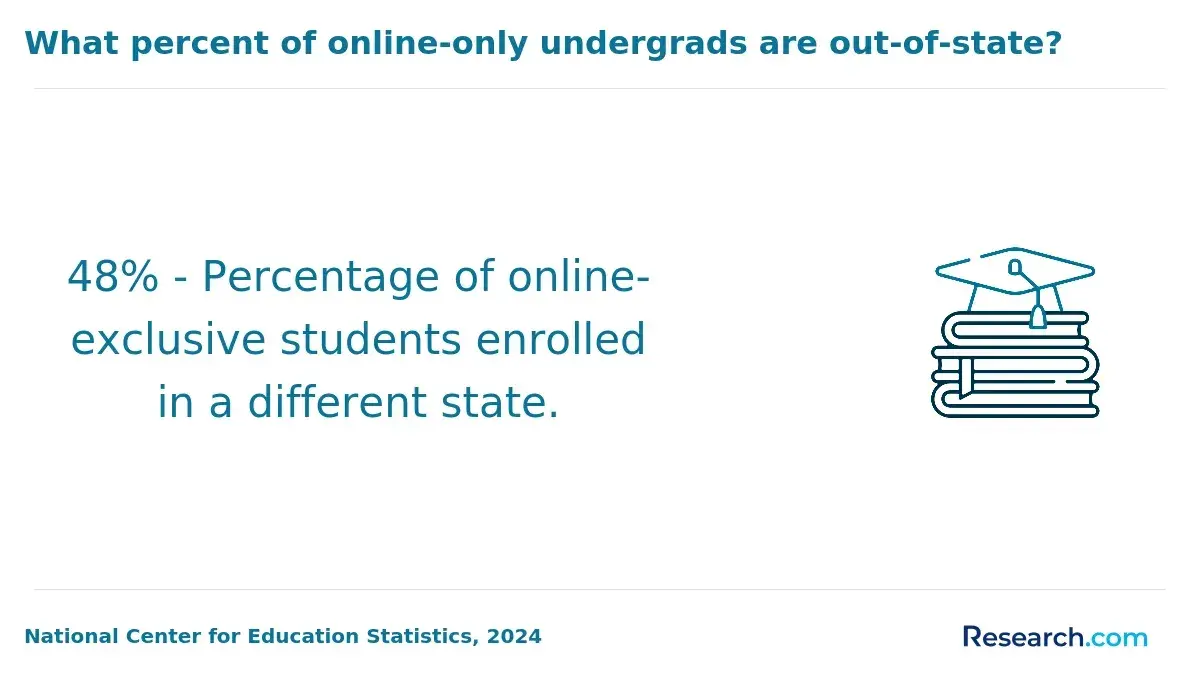
These factors affect both study feasibility and eventual employability, especially in biotech or neuroinformatics sectors where programming and data analysis skills are highly valued. Choosing fully online programs offers cost advantages; students in fully online STEM undergraduate fields save 24-28% on tuition and fees compared to on-campus counterparts by avoiding housing and campus costs.
This financial benefit, together with prerequisite alignment, shapes decision-making for those targeting strategic pivots into neuroscience-focused quantitative biology roles. For those exploring advanced interdisciplinary options, an accelerated masters in psychology can complement neuroscience quantitative expertise by adding behavioral science dimensions relevant in applied research and industry settings.
What core courses and quantitative biology subjects are included in online neuroscience curricula?
Integrating quantitative biology into neuroscience curricula demands balancing deep biological theory with advanced technical skills, a tradeoff that can lengthen program duration and intensify workload. Graduates emerge with expertise in cellular and molecular neuroscience, neural systems, and cognitive neuroscience, paired with computational competencies in statistics, machine learning, and bioinformatics.
Proficiency in programming languages like Python, R, or Matlab is increasingly non-negotiable, with employers valuing these skills to optimize analysis of complex neural data. In practical terms, mastering techniques such as spike train analysis or interpreting functional MRI data opens doors in neurotechnology and pharmaceutical sectors, where success hinges on computational efficiency and data-driven insights.
However, students often face challenges juggling hands-on coding labs and theory-heavy content, requiring disciplined time management-especially for working professionals transitioning mid-career. Core subjects cover neural dynamics at molecular and systems levels alongside quantitative modeling. Applied coursework emphasizes data analysis frameworks critical for large-scale neural datasets.
Project-based learning bridges academic concepts with industry expectations. Technical fluency boosts median salaries by approximately 18%, per a 2024 LinkedIn Workforce Report. This multidisciplinary focus equips graduates for emerging fields such as neuroengineering and computational psychiatry, where technical specialization correlates strongly with both employability and innovation potential.
How can students verify accreditation and program quality for online neuroscience degrees?
Accreditation is the baseline filter for online neuroscience degrees and drives critical outcomes like credit transferability, financial aid eligibility, and employer recognition. Institutional accreditation from U.S. Department of Education-recognized bodies or CHEA is non-negotiable because programmatic accreditation focused on neuroscience or biology is limited. For instance, public research universities affiliated with the Association of Public and Land-grant Universities (APLU) generally maintain strong accreditation and quantitative biology expertise, which better aligns with market needs.
However, deciding where to enroll demands more than accreditation. Employers increasingly prioritize graduates who demonstrate competency in computational modeling, data science, and biostatistics embedded within neuroscience curricula, as reflected in salary disparities. Computational neuroscientists make approximately 40% more annually than general neuroscientists. This highlights the tangible advantage of programs with a quantitative focus.
Students should verify employment outcomes by requesting alumni hiring data and evaluating internships or research opportunities with biotech and pharmaceutical firms. Programs devoid of applied experience often show weaker hiring metrics despite formal accreditation. National outcome databases, such as those from the National Center for Education Statistics, provide independent data verification.
Additionally, online program delivery quality affects mastery of complex quantitative methods fundamental for neuroscience roles in today's data-driven environment. Insufficient digital infrastructure or engagement risks diluting skill acquisition, potentially limiting workforce integration.
How long do online neuroscience programs take and what do they typically cost?
Master's and certificate programs in neuroscience quantifying biology bridge theoretical knowledge with computational skills, but their length and cost necessitate purposeful selection. Degree completion times vary widely-full master's degrees typically require 30 to 36 credits over about two years, while certificates can be completed in 6 to 12 months. Part-time enrollment extends these timelines, often to three years for working professionals who balance study with job demands.
Cost considerations shape realistic education plans. Public universities usually charge $15,000 to $40,000 in tuition for master's programs, providing more affordable access but sometimes fewer industry connections. Private programs often exceed $50,000, potentially offering stronger research opportunities but increasing financial strain. Certificates and focused tracks priced between $3,000 and $10,000 serve as lower-cost alternatives with narrower career impact.
Employer demand consistently favors graduates with quantitative neuroscience expertise, as more than 30% of NIH-funded projects include computational methods. This shifts hiring toward applicants skilled in data science, programming, and systems modeling-traits often missing from purely theoretical curricula. For example, biotech roles like neuroinformatics specialists require both neuroscience knowledge and actionable data skills, affecting time-to-hire and salary negotiations.
What entry-level and advanced careers link online neuroscience degrees to quantitative biology work?
Online neuroscience degrees combined with quantitative biology open pathways primarily through technically demanding roles such as research technicians in academic or pharmaceutical labs, bioinformatics support, and neurological data analysis. These positions require solid skills in statistics, programming languages like Python or R, and experimental design focused on neural data.
Moving beyond entry-level work, careers advance toward computational neuroscience, systems biology modeling, neuroengineering, or quantitative research scientist roles, each demanding expertise in machine learning, neural networks, and integrating data across biological scales. One practical challenge for online learners is demonstrating hands-on competencies in specialized neurobiology techniques without direct lab access.
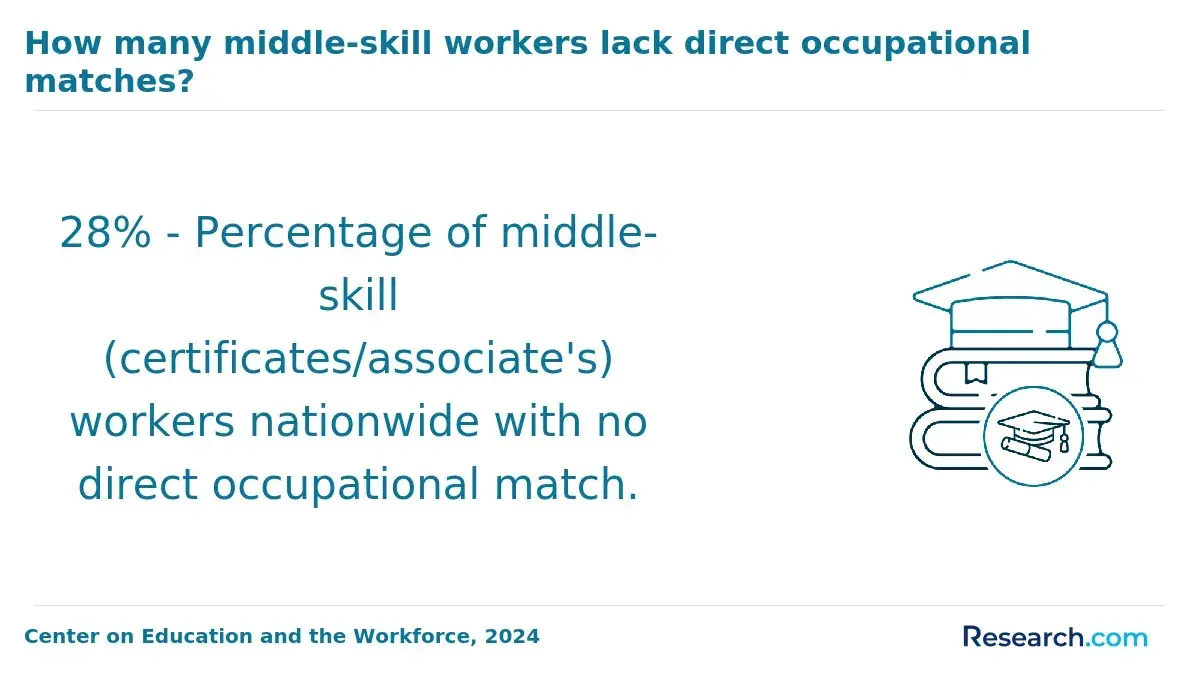
Employers making hiring decisions increasingly value applied project portfolios or certifications reflecting computational and analytical proficiencies over purely theoretical credentials. Graduates often need to compensate for limited physical research experience by proactively pursuing internships, collaborations, or project-based roles. The 2024 National Center for Education Statistics notes online STEM undergraduates are significantly more likely to be working full-time and older than on-campus peers, emphasizing the prevalence of career changers managing time constraints.
This dynamic necessitates flexible learning but also can limit direct mentoring and lab practice, critical for advanced neuroscience roles. High-demand sectors include drug development, neurodegenerative disease modeling, and brain-computer interface research where quantitative biology applications intersect with neuroscience expertise.
The hybrid skill set sought bridges domain knowledge with robust quantitative techniques to build predictive models of brain function or pathology. Professionals shifting from unrelated fields must weigh the tradeoff of limited in-person training against the ability to upskill in quantitative methods while employed full-time, requiring strategic planning to access experiential learning opportunities.
What salary ranges and job outlook can graduates expect in quantitative neuroscience and biology?
Quantitative neuroscience careers demand more than academic credentials; success hinges on applying computational skills to complex biological data. Graduates typically start with salaries between $80,000 and $110,000, yet specialized roles in biotech or pharma can surpass $130,000 after five years, reflecting sector-specific valuation of expertise. The doubling demand forecast by the Allen Institute and Kavli Foundation through 2030 points to expanding opportunities concentrated in neurotechnology, computational biology, and AI-related drug discovery.
Employers prioritize candidates with interdisciplinary proficiency-statistical modeling, machine learning, and high-throughput data analysis are essential. Those without robust computational backgrounds face limited prospects, especially in fields like neural circuit mapping or imaging where automation reshapes workflows.
Job outlook contrasts sharply between academia and industry. Academic roles often offer slower progression and moderate pay ($70,000-$90,000), while industry (notably Silicon Valley and Boston) provides higher initial salaries but expects rapid, scalable output under pressure.
This forces a tradeoff between deep specialization and adaptable technical skillsets. Geographic mobility is another practical consideration, with job clusters near major research centers and tech hubs. Ongoing learning is non-negotiable as evolving algorithms and hardware demand continual upskilling to remain competitive over time.
How should prospective students choose the best online neuroscience program for their goals?
Employers in neuroscience-related fields increasingly demand proficiency in quantitative methods and AI competencies, reflecting a notable 27% annual growth in AI and machine learning research within neuroscience since 2018. This trend challenges students to prioritize curricula that integrate machine learning, statistical modeling, and computational neuroscience rather than programs focused solely on theory.
For instance, a data scientist transitioning into brain data analytics must access advanced coding and AI coursework, while a clinical neuropsychologist aiming for research roles benefits from balanced training in human neuroscience alongside quantitative skills. Key considerations include alignment with industry-standard tools such as Python, R, and TensorFlow, paired with strong experimental design and neuroinformatics foundations.
Decisions about program pacing and synchronous versus asynchronous formats also impact the ability to engage deeply and network professionally, factors often undervalued but critical for real-world outcomes. Accreditation and active faculty research profiles significantly influence curriculum rigor and opportunities for internships or collaborations, particularly in programs connected to university research centers.
Prospective students should verify graduate employment rates and alumni career paths within biotech, pharma, and academic labs to assess return on investment. Strong institutional ties to AI and neurotechnology funding not only signal resource availability but also the potential for hands-on involvement in cutting-edge projects, a crucial differentiator in a competitive job market.
Focus on programs with integrated AI and computational neuroscience components reflecting sustained research growth. Evaluate tool proficiency requirements and practical content delivery models affecting job readiness. Prioritize accredited programs offering research engagement and transparent career outcomes.
Other Things You Should Know About Neuroscience
Online neuroscience degrees vary widely in academic rigor; those affiliated with established research universities tend to match in-person curricula and faculty expertise. However, some fully online programs reduce lab components or rely on virtual simulations, which may limit practical skills crucial for lab-based quantitative biology roles. Prospective students should prioritize programs offering live research opportunities or hybrid options to ensure hands-on experience valued by employers in experimental neuroscience fields.
Employer recognition depends on the program's accreditation, faculty credentials, and affiliation with reputable institutions rather than on delivery mode alone. Graduates from recognized online programs at research-intensive universities face fewer hurdles when competing for research or industry roles. Those from lesser-known providers may encounter skepticism, especially in competitive quantitative biology positions requiring deep experimental or computational expertise, so validating program reputation is critical.
Online neuroscience degrees with a quantitative focus often demand simultaneous mastery of complex biology, data science, and statistical methods, creating steep cognitive loads. Time management becomes a serious issue because asynchronous schedules can lead to procrastination amid demanding analytical assignments and research projects. Students should proactively assess their capacity to maintain discipline and seek programs with structured cohort pacing rather than fully self-paced formats.
References
- Neuroscience major = what jobs? https://talk.collegeconfidential.com/t/neuroscience-major-what-jobs/2035219
- How to Apply | Department of Neurobiology and Behavior https://www.aldacenter.org/commcms/neurobiology/graduate-program/ms-program/msapply
- Best Online Neuroscience Courses - Translating Brain Science https://translatingbrainscience.com/2025/09/13/best-online-neuroscience-courses/
- Best Neuroscience Courses Online in 2026 | Neurosity https://neurosity.co/guides/best-neuroscience-courses-online-2026
- Neuroscience Degree Salary https://www.collegehelpguide.com/degrees/neuroscience/salary/
- Discover the Best Neuroscience Summer Program for Aspiring Students https://pioneeracademics.com/news/research-opportunties-for-high-school-students-research-programs/
- 7 Best Neuroscience Courses for 2025; Learn Online for Free — Class Central https://www.classcentral.com/report/best-neuroscience-courses/
- School of Life Science/Neuroscience - INTERNATIONAL EUROPEAN UNIVERSITY, POLAND | EUROPE | STUDY IN POLAND | STUDY IN EUROPE | MBBS | GENERAL MEDICINE | BUSINESS | ENGINEERING | IT | EUROPE https://ieu.com.pl/european-school-of-life-sciences/school-of-life-science-neuroscience/
- What Can You Do with a Neuroscience Degree? | Tiffin University https://www.tiffin.edu/news/what-can-you-do-with-a-neuroscience-degree/
- Are Online Degrees Accredited? How to Identify Quality Distance Learning Programs https://www.umassglobal.edu/blog-news/online-degrees-accredited-identify-quality-distance-learning-programs