2027 Best Online Bachelor's in Neuroscience With Molecular Neuroscience Coursework

Co-Founder and Chief Data Scientist
Pursuing a bachelor's degree in neuroscience with a molecular neuroscience focus often confronts candidates balancing research ambitions against rigid academic schedules. As workforce demands increasingly favor applicants with specialized molecular training, access barriers become stark. The National Center for Education Statistics reported a 27% surge in adult enrollment in online bachelor's programs from 2022 to 2024, signaling a shift toward flexible learning essential for professionals navigating career pivots or concurrent employment. This trend reflects the pressing need for programs combining rigor with accessibility. This article presents a curated analysis of top online bachelor's options offering molecular neuroscience coursework to guide informed, strategic enrollment decisions.
Key Things You Should Know
- Online bachelor's in neuroscience with molecular neuroscience coursework often reduces costs by 20-30% compared to on-campus programs, but lower hands-on lab access delays practical skill acquisition crucial for research roles, according to NCES 2024 data.
- Employers in biotech and pharma prioritize candidates with integrated molecular coursework plus internships; 67% of surveyed firms cite experiential training as essential, creating a strategic tension for fully remote students.
- Graduates face a pivotal choice: accelerated degree completion within four years improves entry-level salary prospects by 12% per BLS 2024, while extended timelines for research engagement enhance long-term competitiveness but increase debt exposure.
What is an online bachelor's in neuroscience with a molecular neuroscience focus?
An online bachelor's degree in neuroscience with molecular emphasis presents a targeted route for those seeking expertise in brain function at molecular and cellular levels, but its value hinges on how effectively it integrates lab experience within a remote format. This specialization equips students for roles in biomedical research and pharmaceutical sectors by combining neurobiological fundamentals with rigorous molecular biology, genetics, and biochemistry coursework.
Employers increasingly favor graduates who can translate molecular findings into practical clinical or experimental tools, yet the lack of consistent hands-on lab work in purely online settings can limit immediate employability without supplemental internships.
Working professionals or students in areas without major research centers often choose distance learning neuroscience programs with molecular coursework for flexibility, though they must manage self-discipline and seek local laboratory arrangements to meet certification standards.
Practical applications include analyzing protein expressions related to neurodegenerative diseases or helping design molecular targets for drug development, tasks commonly required in biotech firms and clinical research settings.
The U.S. Bureau of Labor Statistics forecasts growing demand, projecting 1.8 million annual healthcare job openings through 2032, emphasizing the necessity for graduates to pursue continuous upskilling and practical exposure alongside theoretical knowledge.
Prospective students should carefully evaluate programs' lab components and career alignment. For options in related fields, considering an MS data science online may complement neuroscience expertise by enhancing data analytical skills increasingly vital in research and healthcare innovation.
How does an online neuroscience bachelor's compare to a campus program for quality and outcomes?
Online bachelor's programs in neuroscience, particularly those including molecular neuroscience coursework, can deliver theoretical rigor comparable to campus-based offerings but often lack sufficient hands-on training critical for employability. Practical laboratory experience, essential for mastering molecular techniques and data interpretation, is difficult to replicate online, which may hinder readiness for technical positions.
Employers in biomedical engineering or neurotechnology expect applicants to demonstrate both lab proficiency and collaborative project involvement-credentials more readily earned through campus programs.
These on-site programs provide direct access to research laboratories, advanced instrumentation, and mentorship that shorten onboarding and training time after graduation. Consequently, graduates from online neuroscience programs frequently require extended internships or additional lab experience to meet these expectations.
Prospective students weighing an online bachelor's in neuroscience program quality comparison should consider that campus education reduces barriers to entering highly technical roles, while online degrees offer greater schedule flexibility suited for professionals targeting research-adjacent careers like clinical data analysis or health informatics.
This tradeoff affects time to workforce integration and competitive positioning within a field projected by the U.S. Bureau of Labor Statistics to grow 5% in biomedical engineering jobs through 2032.
- Campus programs deliver stronger environments for acquiring applied molecular neuroscience skills and research networks.
- Online degrees provide necessary theoretical foundations but typically require supplemental external lab experience.
- Choosing campus avoids extended upskilling but limits flexibility, a key consideration for career pivots or working adults.
Those exploring neuroscience degrees should also examine related fields with flexible online options; for example, a nutritionist degree online highlights distinct program delivery models with less dependence on lab-based competencies, offering alternative career trajectories aligned with workforce demands.
Which accredited schools offer the best online bachelor's in neuroscience with molecular coursework?
Programs offering best accredited online bachelor's in neuroscience programs with molecular coursework, including Arizona State University, Pennsylvania State University World Campus, and the University of Florida, meet employer demand for graduates combining molecular biology, neurochemistry, and genetics with practical lab skills.
These curricula are tailored for students balancing work and study, through virtual lab simulations at ASU, data analysis and computational modeling at Penn State, and a capstone project at Florida, providing distinct advantages for research or biotech employment.
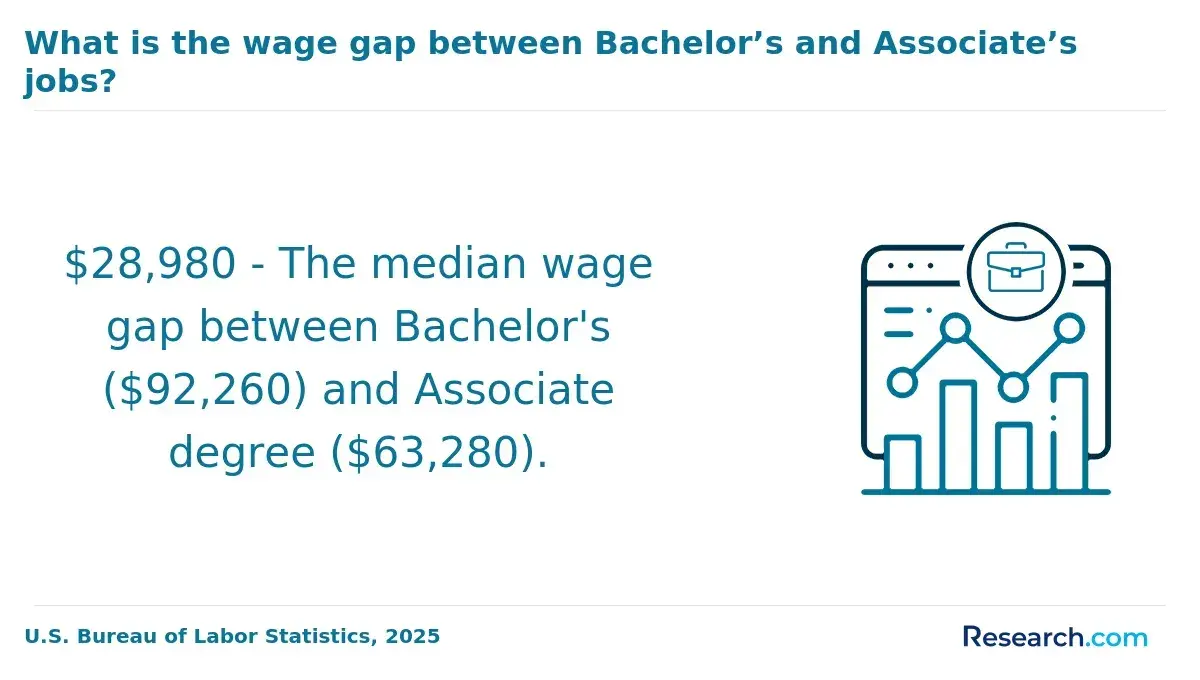
The emphasis on molecular neuroscience prepares graduates for roles that require not just theoretical understanding but also hands-on proficiency with molecular techniques, a key hiring criterion in pharmaceutical and clinical research sectors. For instance, medical scientists specializing in molecular neuroscience earned a median annual wage of $99,930 in 2023, well above the national average, reflecting premium market valuation for these skills.
However, students must weigh the technical rigor and scheduling demands of programs that integrate synchronous and asynchronous labs, especially when working full time. Regional accreditation ensures credit transferability and eligibility for federally funded research positions, positioning graduates for seamless progression to advanced study or immediate employment in biomedical research.
Those evaluating top online bachelor's degrees in neuroscience featuring molecular neuroscience classes should also consider affordability and program structure carefully. For instance, exploring the cheapest online computer science degree options may inform financial planning when comparing cross-disciplinary STEM degrees.
What molecular neuroscience courses and lab experiences can I expect in these online programs?
Online bachelor's programs featuring molecular neuroscience coursework address a critical challenge in remote science education: replicating hands-on lab experiences essential for employability in research and biotech sectors. These programs typically combine detailed studies of cellular neurobiology, synaptic transmission, and gene expression with virtual lab modules that simulate neuron morphology analysis and molecular signaling pathways.
However, the absence of consistent access to physical laboratories introduces a tangible limitation for students targeting roles requiring direct molecular technique proficiency.
Students pursuing online molecular neuroscience degrees should verify whether programs offer synchronous lab simulations or partnerships enabling short-term residencies for credentialed lab practicums, as these experiences substantially improve workforce readiness.
Employers increasingly expect candidates to demonstrate practical molecular skills alongside quantitative data analysis abilities-such as PCR and protein assay interpretation-that cannot be fully mastered through theory alone.
Programs without these enhanced lab components may better suit learners focused on theoretical foundations or those balancing work commitments remotely, while others aspiring to clinical research or neurotechnology roles must weigh these deficiencies carefully.
The enrollment scale of initiatives like HarvardX's MicroBachelors® in Introduction to Neuroscience-nearing a million learners by 2025-illustrates widespread demand for accessible foundational knowledge, though specialized lab competency remains a differentiator in the job market.
Professionals evaluating molecular neuroscience coursework in online bachelor's programs should also consider cross-disciplinary options, including accelerated psychology programs online, to broaden analytical frameworks critical for translational neuroscience research and clinical applications.
What admission requirements and prerequisites do online neuroscience bachelor's programs typically have?
Admission to online bachelor's programs focused on molecular neuroscience demands more than a high school diploma and strong GPA; candidates must demonstrate proficiency in foundational sciences and math, often including biology, chemistry, physics, and algebra or higher-level math. Standardized test scores like the SAT or ACT may be requested, but many schools have relaxed this requirement.
Transfer students face the added burden of proving successful completion of relevant college-level general education and STEM courses, emphasizing the rigor expected before tackling specialized molecular neuroscience content.
Because molecular neuroscience integrates cellular biology, genetics, and organic chemistry, prerequisite coursework is nonnegotiable. Online students should anticipate virtual labs or simulation modules replacing hands-on experiments, requiring not only a solid conceptual grasp but reliable access to advanced technology platforms. Institutions that fail to provide robust academic advising risk leaving students ill-prepared for these challenges.
Graduates with transcripts evidencing strong molecular biology and data analysis skills hold a competitive edge in biotech and healthcare sectors, where employers prioritize these competencies over generic neuroscience exposure. Financing considerations also matter: online study can reduce expenses by approximately $4,000 annually by cutting housing and campus fees, a practical factor for many weighing this pathway.
Prospective students should evaluate their readiness for this demanding, specialized curriculum and ensure their chosen program aligns with both workforce expectations and their technical and academic preparation.
How long does it take to earn an online neuroscience bachelor's and what does it cost?
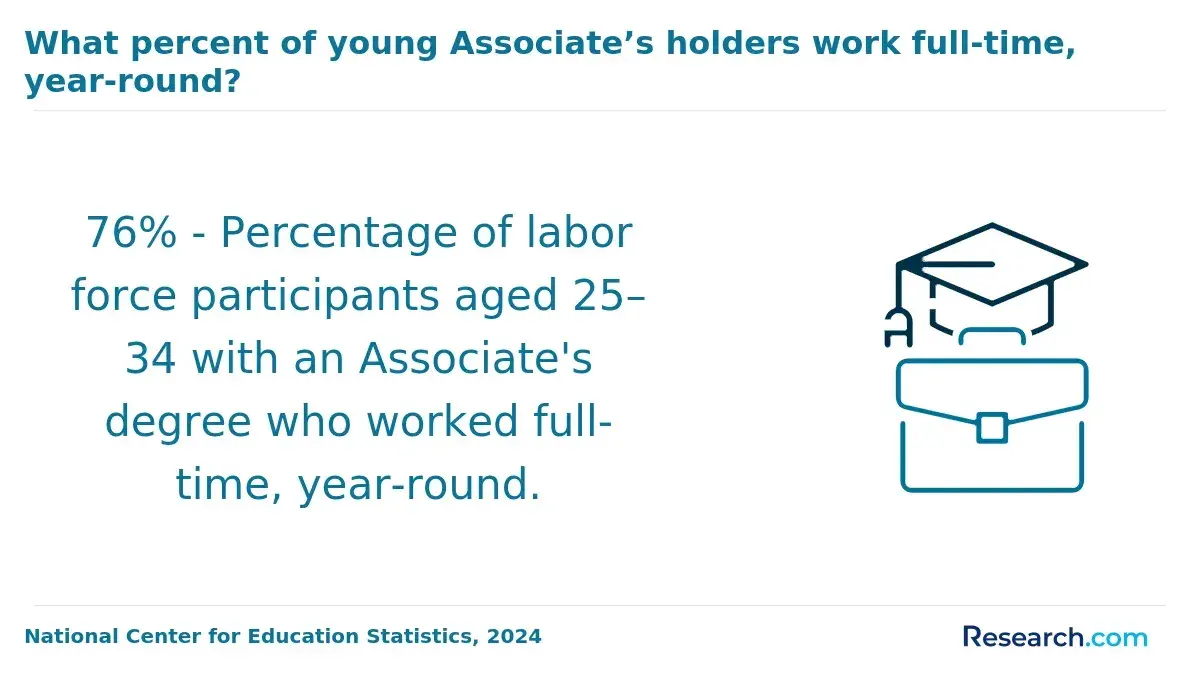
Completing an online bachelor's degree in neuroscience generally takes four years full-time, but accelerated options compressing this to three years exist, often contingent on prior credits and pace tolerance. While public universities tend to offer lower annual tuition from around $10,000 to $40,000, private institutions usually cost more, complicating financial planning.
For part-time students balancing work, extending to five or six years is common, which increases total outlays and delays entry or advancement in the field.
The inclusion of molecular neuroscience coursework raises complexity and cost due to lab simulations and advanced theory requirements, limiting transfer credit acceptance and increasing dedicated study time. This specialization matters particularly because about 40% of neuroscience graduates pursue further study in fields such as medicine or research, demanding deeper content mastery.
Employers in biotech and healthcare expect proficiency in these areas, so accelerating degree completion can risk insufficient understanding of critical concepts.
- Four years typical full-time length; three years possible with acceleration and transfers
- Costs range from $10,000 to $40,000 in tuition annually, excluding fees
- Molecular neuroscience coursework limits credit transfers, adding study time and cost
- Part-time enrollment extends completion time, increasing total expenses
- Ancillary costs such as textbooks and technology exceed $1,200 yearly
Students must also factor in over $1,200 annually for textbooks, software, and technology fees, plus variable tuition rates tied to residency status at public institutions. Those prioritizing long-term employability in research or clinical sectors should weigh the tradeoff between faster graduation and thorough grounding in molecular neuroscience against total investment and future credentialing requirements.
How can I verify accreditation and program quality for online neuroscience degrees?
Confirming the legitimacy of an online neuroscience degree depends fundamentally on verifying institutional and programmatic accreditation recognized by the U.S. Department of Education. Regional accreditation from bodies such as the Higher Learning Commission or the Southern Association of Colleges and Schools ensures the institution applies rigorous academic standards that hold value in professional and academic settings.
However, institutional accreditation alone does not guarantee program quality or relevance. Specialized recognition from STEM or neuroscience-focused organizations offers additional assurance that the curriculum aligns with current scientific developments and workforce expectations.
Decision-makers should weigh how programs incorporate applied molecular neuroscience, lab simulations, or research experiences, which significantly impact employability. For example, sectors like biotech and clinical research emphasize practical competencies, and graduates lacking these may face limited job opportunities or slower career growth.
Arizona State University Online reports a median salary of $84,620 for biological scientists, reflecting the economic potential for neuroscience professionals. Nevertheless, a projected 7.3% job growth rate to 2032 also implies increasing competition and the need for graduates to demonstrate skill mastery beyond theory.
Prospective students must engage admissions or academic advisors to scrutinize faculty expertise, research connections, and career support services. Confirmation that alumni secure positions in relevant industries or graduate programs is a critical factor validating the degree's real-world utility and informs strategic career planning.
What careers can I pursue with an online bachelor's in neuroscience emphasizing molecular neuroscience?
Graduates with an online bachelor's in neuroscience focusing on molecular neuroscience typically enter roles demanding advanced lab skills and data analysis, often as research assistants in academic or private settings. These positions rely heavily on practical experience with molecular biology techniques and direct involvement in projects such as drug interaction studies or neurological disease research. Without in-person laboratory exposure, graduates may struggle to meet employer expectations in this research-driven environment.
In pharmaceutical and biotechnology sectors, molecular neuroscience expertise applies directly to optimizing targeted therapeutics and understanding gene and protein mechanisms vital for innovation.
Neurotechnology firms also seek candidates who can bridge molecular insights with engineering, advancing tools like brain-computer interfaces. However, many roles require further graduate study or certifications-posing a significant tradeoff for those pursuing only an undergraduate degree online.
Clinical neuroscience pathways, including neuropsychology, generally demand graduate-level credentials. Conversely, psychology roles based on this background present immediate, though limited, employment opportunities and report steady growth and median salaries near $85,000, according to U.S. labor data.
The critical challenge for prospective students involves securing practical lab experience and building professional networks, often through local practicums or internships, to translate theoretical knowledge into career-relevant skills. Employers prioritize analytical rigor, technical proficiency, and interdisciplinary communication, which online programs without experiential components may fail to deliver.
What are the salary expectations and job outlook for graduates in molecular neuroscience-related roles?
Entry-level salaries for molecular neuroscience graduates typically range from $55,000 to $75,000 in roles such as research technicians or lab assistants within academia, biotech, and pharmaceutical sectors. Candidates holding only a bachelor's degree face stiff competition, as employers prioritize applicants with demonstrable lab skills and internships.
The U.S. Bureau of Labor Statistics forecasts a 7% growth rate for related fields like biological technicians over the next decade, indicating steady demand linked to biomedical research advancements and drug development.
Professionals aiming for roles beyond technician-level often need graduate degrees or certifications to access higher responsibility positions. For example, individuals in pharmaceutical research who master next-generation sequencing or CRISPR technology tend to negotiate higher starting salaries, contrasting with academic positions that offer stable but slower wage progression.
Practical success in molecular neuroscience hinges on combining hands-on lab expertise with competencies in data analysis and regulatory compliance. This combination determines whether graduates remain entry-level staff or pivot toward roles involving clinical trials or medical device innovation.
Choosing between immediate employment and advanced study involves a tradeoff: advanced degrees correlate with median salaries above $90,000 but require additional time and financial investment, while entering the workforce earlier means accepting limited upward mobility.
How should I choose the right online neuroscience program for my goals and learning style?
Selecting an online neuroscience program requires careful weighting of molecular neuroscience content against specific career goals. For instance, candidates aiming for roles in biotech research or pharmaceutical development should prioritize programs with robust lab simulations and training in molecular pathways, since employers expect verifiable expertise in neurogenomics and synaptic plasticity.
Conversely, healthcare professionals benefit more from curricula that blend applied neuroscience with molecular insights to enhance clinical decision-making.
Program structure also shapes outcomes: asynchronous models offer flexibility but demand high self-motivation, while synchronous classes facilitate interactive learning of complex molecular mechanisms but reduce scheduling freedom.
Programs embedding virtual labs or real-time discussions improve mastery over passive formats. Accreditation and curriculum grounded in up-to-date research-preferably drawing on government or established research sources-are essential to avoid obsolete content.
Key decision factors include:
- Depth of molecular neuroscience aligned with job targets
- Learning format compatibility with personal discipline and interaction needs
- Accreditation and currency of course content
- Access to research tools and internship opportunities
- Graduate employment outcomes relative to geographic neuroscience clusters
The workforce reflects a 30% increase in neuroscience enrollments between 2022 and 2024, signaling employer demand for specialized skills in molecular neuroscience tools and bioinformatics.
Graduates tied closely with neuroscience hubs and research access have greater employment traction, emphasizing that practical experience and networking infrastructure are critical considerations during program selection.
Other Things You Should Know About Neuroscience
Graduates with an online bachelor's focusing on molecular neuroscience face mixed competitiveness in research and clinical settings. Entry-level research roles may be accessible if the program includes substantial lab simulations or partnerships, but most employers in clinical environments prefer candidates with advanced degrees or hands-on clinical certifications. Prioritize programs offering strong internship or lab placement options to enhance practical experience and improve job market positioning.
In 2027, online molecular neuroscience students may encounter unique challenges such as limited hands-on lab experiences and the need for strong self-discipline. Effective time management and access to virtual lab simulations can mitigate these obstacles, ensuring successful course completion.
Yes. Lab components are critical for molecular neuroscience because they develop essential hands-on skills that employers require. Online programs without lab opportunities limit practical skill development, reducing graduate competitiveness for research assistantships or clinical technician roles. When choosing a program, prioritize those with virtual or partnered physical lab experiences to ensure comprehensive training.
Employers expect graduates to demonstrate strong foundational knowledge and practical molecular techniques, including data analysis and laboratory proficiency. Without demonstrable lab experience, candidates may be viewed as underprepared despite theoretical knowledge. Emphasize programs that offer documented lab work or projects and seek internships that validate your skills to meet these employer expectations effectively.
References
- Are Online Degrees Accredited? How to Identify Quality Distance Learning Programs https://www.umassglobal.edu/blog-news/online-degrees-accredited-identify-quality-distance-learning-programs
- School of Life Science/Neuroscience - INTERNATIONAL EUROPEAN UNIVERSITY, POLAND | EUROPE | STUDY IN POLAND | STUDY IN EUROPE | MBBS | GENERAL MEDICINE | BUSINESS | ENGINEERING | IT | EUROPE https://ieu.com.pl/european-school-of-life-sciences/school-of-life-science-neuroscience/
- Neuroscience Degree Requirements https://www.collegehelpguide.com/degrees/neuroscience/requirements/
- Best Neuroscience Courses Online in 2026 | Neurosity https://neurosity.co/guides/best-neuroscience-courses-online-2026
- Neuroscience Jobs (with Salaries) - SEEK https://au.seek.com/neuroscience-jobs
- Neuroscience Training For Online Training - DOKEOS - LMS & E-learning Suite for growing companies https://www.dokeos.com/neuroscience-training-for-online-training/
- Which learning style is best for your self-improvement | MBTIonline https://www.mbtionline.com/articles/which-learning-style-is-best-for-your-self-improvement
- Is Your Online Degree Legitimate? How to Verify Private University Approval https://matchtocollege.com/blog/verify-private-university-online-degree-approval
- Neuroscience https://www.ualberta.ca/en/undergraduate-programs/bachelor-of-science-with-honors-neuroscience.html
- Learn neuroscience | edX https://www.edx.org/learn/neuroscience