2027 Online Neuroscience Degrees for Cognitive Science Roles

Co-Founder and Chief Data Scientist
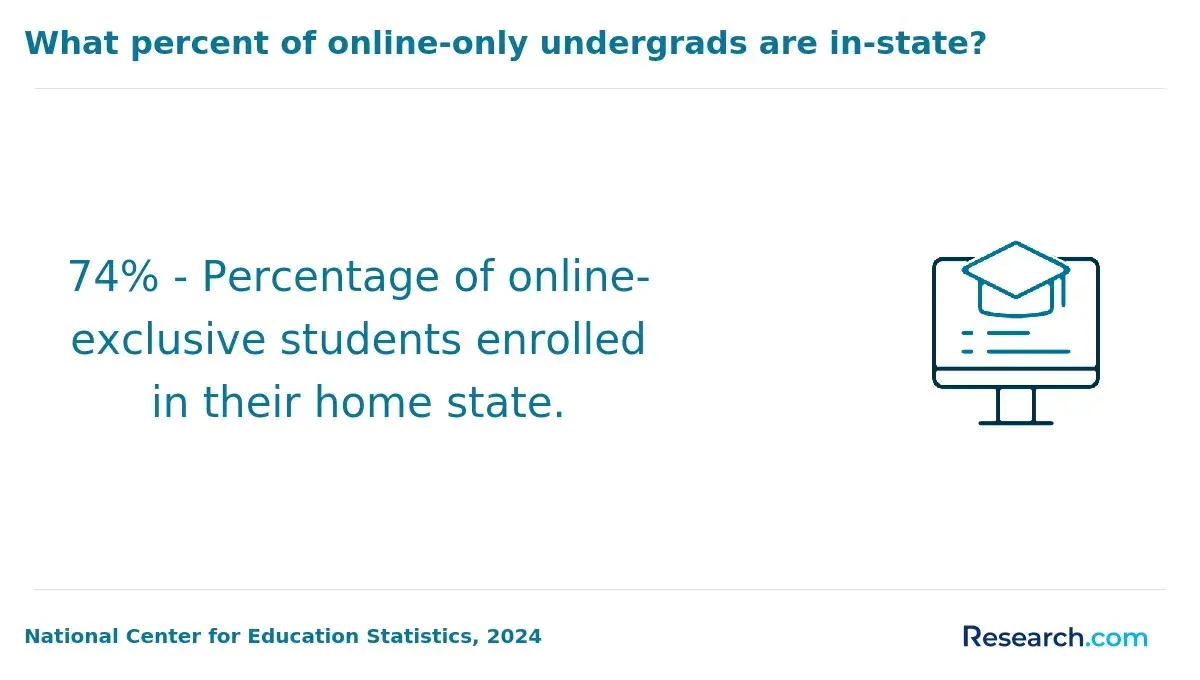
Securing a role in cognitive science while balancing full-time work or family obligations presents a formidable barrier for many aspiring professionals. Traditional degree programs often lack the flexibility these candidates need, which delays or even derails career advancement. Recent data from the National Center for Education Statistics reveals that since 2024, online enrollments among adult learners in STEM-related fields have surged over 25%, signaling a shift toward accessible, career-compatible education. This trend underscores the growing demand for programs that align with dynamic schedules without compromising rigor. This article evaluates online neuroscience degrees tailored for cognitive science roles, spotlighting their ability to address timing, curriculum depth, and employability trade-offs to guide informed decisions.
Key Things You Should Know
- Online neuroscience degree completion times average 30% longer than traditional paths due to asynchronous lab components, increasing opportunity costs particularly for mid-career professionals balancing work and study.
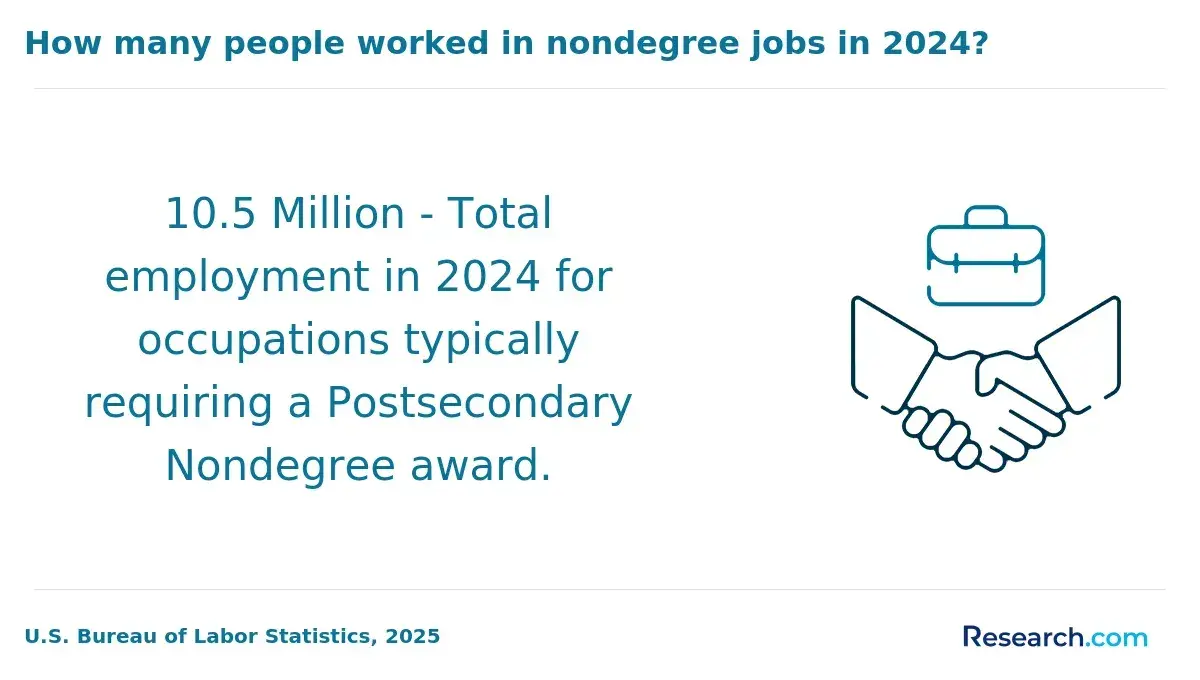
- Employers in cognitive science roles prioritize hands-on experimental skills; however, 2024 industry surveys reveal 62% of hiring managers view online degrees as viable when supplemented by verified research internships.
- Cost disparities create a strategic tradeoff: public online neuroscience programs average $25,000 total, undercutting private degrees by 45%, but often lack specialized cognitive science electives critical for niche workforce alignment.
What is an online neuroscience degree and how does it prepare you for cognitive science roles?
Online neuroscience degree programs for cognitive science careers must be evaluated through the lens of practical employability rather than convenience alone. These degrees deliver core knowledge in neural systems and brain-behavior links, blending biology, psychology, and computational methods. Yet, employer expectations frequently highlight hands-on proficiency in neuroimaging, statistical analysis, and experimental design. This critical gap means students should verify how programs integrate local internships or virtual lab experiences to meet real-world skill requirements.
Trade-offs inherent in remote learning are significant: reduced access to cutting-edge labs and limited in-person networking can constrain mentorship opportunities. However, for roles focusing on cognitive data science within technology sectors, degrees emphasizing computational neuroscience and programming can align better with flexible schedules and self-directed study. For example, a student targeting clinical cognitive rehabilitation must confirm practicum credibility, while those aiming for tech-driven analysis might prioritize coursework on programming and statistical software.
Admission to this pathway requires cautious scrutiny of accreditation and program rigor since employer acceptance hinges on recognized credentials combined with demonstrated applied competence. Students must engage in disciplined time management and often supplement their education with external research collaborations or certifications to enhance job market readiness in cognitive science.
With 26 online neuroscience degrees listed for 2025/2026 on Educations.com, the options remain limited but viable for those managing professional or geographic constraints. Prospective students may also explore related fields with broader online options such as geology degrees online for comparative perspective on remote STEM education availability.
Which types of online neuroscience degrees best support careers in cognitive science?
Choosing online neuroscience degrees for cognitive science careers requires balancing rigorous interdisciplinary training with tangible employment outcomes. Programs emphasizing computational modeling, experimental methods, and neuroimaging prepare graduates for roles demanding actionable insights from complex neural data. For instance, degrees featuring virtual labs and proficiency in statistical software meet employer expectations for candidates capable of analyzing cognitive datasets efficiently.
The best online neuroscience programs for cognitive science jobs often integrate:
- Computational neuroscience aligned with AI and machine learning applications
- Experimental psychology crucial for clinical trial cognitive assessments
- Neuroinformatics training bridging research and engineering fields
Professionals already working in STEM or healthcare benefit from accelerated advancement, although part-time study requires deliberate time management. Early-career individuals without lab experience should seek programs offering remote research projects to build practical skills.
Employers prioritize candidates with demonstrable data science skills and cognitive theory application; hence, curriculum depth and alumni employment data should guide program selection to avoid costly degrees lacking practical relevance or industry ties. For comparative insights on program costs and fees, prospective students can consult the best online animal science degree resource for analogous tuition considerations.
How do online neuroscience programs compare with campus programs for cognitive science preparation?
Choosing between an online neuroscience degree versus campus program for cognitive science involves critical tradeoffs centered on practical skill acquisition and employer expectations. Campus-based programs typically provide superior access to hands-on neuroimaging labs, experimental design practice, and direct data collection experience-key competencies demanded by clinical research and neurotechnology employers. In contrast, online and hybrid options often match theoretical coursework effectively but can fall short on immersive lab work unless supplemented by synchronous virtual labs or external internships.
For working professionals pivoting to neuroscience, the difference between online and traditional neuroscience education for cognitive science roles often hinges on target job functions. Those focused on computational modeling or cognitive theory may find fully online programs sufficient, while applied neuropsychology or hardware-focused positions generally require in-person practical training. A real-world scenario illustrates this: a data analyst transitioning to neurotechnology must secure off-program lab experience alongside online coursework to remain competitive.
Financial considerations also impact decisions. For instance, the University of Essex's MSc Cognitive Neuroscience and Neuropsychology program charges £11,025 for UK students and £23,875 for international students-a significantly lower tuition than many UK campus peers. Such pricing can enable access but may necessitate compensatory strategies for hands-on skill development, especially for U.S. students comparing international online options.
Prospective students should evaluate whether programs provide integrated internships or lab partnerships to address experiential gaps and research employer priorities carefully. Alongside neuroscience, exploring related fields is essential-specifically, understanding if is a masters in library science worth it might inform broader academic strategy.
What accreditation and institutional quality standards should online neuroscience programs meet?
Accreditation is a non-negotiable baseline for any online neuroscience degree program, influencing credit transfer, federal aid eligibility, and employer recognition. Regional accreditation from agencies like the Middle States Commission on Higher Education or the Higher Learning Commission confirms adherence to accepted institutional quality criteria for neuroscience programs. Without it, degrees risk limited market value and diminished practical relevance.
Programs aligned with standards from groups such as the Society for Neuroscience or the American Psychological Association better prepare students across cognitive, behavioral, and computational neuro disciplines. Employers increasingly seek candidates with applied skills and tangible outcomes rather than degrees from prestigious but opaque programs. For example, Yale's Cognitive Science program is notable for producing graduates equipped for roles like data scientist and UX/UI researcher, emphasizing explicit competencies relevant to tech-adjacent fields.
Prospective students must evaluate evidence of faculty research activity, access to virtual labs, and transparency of graduate success data. These institutional quality criteria for neuroscience programs often distinguish those that truly ready learners for emerging fields including neuroinformatics and human factors. Moreover, integration of internships or collaborative projects improves employability, reflecting recent findings by the National Center for Education Statistics.
Choices informed solely by program titles or surface credentials overlook the necessity for rigorous, applied training. Those investigating options may also consider interdisciplinary pathways such as an accelerated biology degree online that complements neuroscience studies and broadens career flexibility.
What courses and specializations do online neuroscience degrees include for cognitive science pathways?
Online neuroscience degrees targeting roles in cognitive science or data science must balance theory with applied competencies valued by employers. Core courses in neuroanatomy, cognitive psychology, computational neuroscience, and behavioral neuroscience form the foundational expertise needed to interpret complex brain data. Specializations in neural data science, neuroinformatics, and brain-computer interfaces provide practical skills in programming languages like Python and MATLAB, aligning with job market demands for handling large datasets and cognitive modeling.
Students aiming for data scientist positions within neuroscience benefit from curricula that integrate statistics, machine learning, and artificial intelligence, reflecting a clear workforce preference for quantitative analysis abilities. According to ASU Online citing U.S. Bureau of Labor Statistics, data scientists earned a median annual wage of $112,590 in May 2024, illustrating the financial incentives tied to these competencies.
However, the transition from psychology or other disciplines into cognitive neuroscience research hinges on access to hands-on training. Programs with virtual labs or hybrid formats can mitigate the limitation of purely online formats by simulating experimental design and neuroimaging analysis. Such practical exposure significantly improves employability in competitive sectors like biopharma or cognitive computing.
Tradeoffs include verifying program accreditation, ensuring specialized tracks match specific industry needs, and evaluating availability of career services or internship pipelines. For candidates requiring direct lab experience, hybrid models may offer superior pathways over strictly online degrees, contingent on individual constraints and professional goals.
What are typical admission requirements for online neuroscience bachelor's and master's programs?
Admission criteria for online neuroscience bachelor's programs balance academic fundamentals with practical preparation for STEM fields. A high school diploma with roughly a 3.0 GPA is standard, alongside relevant coursework in biology, chemistry, math, and psychology. Applicants lacking a STEM-focused background often must complete prerequisite classes, which can delay entry.
Master's-level admissions demand a bachelor's degree in neuroscience or a related STEM field, typically with a minimum 3.0 GPA. GRE submissions are increasingly optional, but documented research experience and professional recommendations carry substantial weight. A clear statement of purpose explaining specific research interest or career plans is expected to distinguish candidates.
From a labor market perspective, the edge lies in quantitative and programming skills. For example, data scientist roles connected to cognitive science are forecasted to grow 36% between 2023 and 2033, according to ASU Online. This labor demand tilts admissions in favor of applicants demonstrating statistical analysis expertise and technical capabilities beyond basic coursework.
- Strong interdisciplinary foundations support academic progression but may add prerequisites for those with weaker science backgrounds.
- Master's programs prioritize applied experience and focused research statements over standardized test scores.
- Quantitative skillsets directly influence employability in neuroscience-related cognitive science positions.
How long do online neuroscience degrees take and what do they typically cost?
The time and cost commitments for online neuroscience degrees differ significantly based on program level, format, and institution type, demanding informed tradeoffs from candidates. Bachelor's degrees typically span 3 to 4 years full-time, but accelerated pathways and transfer credits can shorten this. Master's degrees average 1.5 to 2 years, with part-time options lengthening timelines for those balancing work.
Cost per credit ranges widely, with public schools charging $300-$600 and private institutions $700-$1,200, pushing bachelor's tuition from roughly $18,000 to over $42,000. Master's programs similarly vary, often costing between $20,000 and $50,000+. These financial outlays require careful assessment against labor market outcomes and career goals.
For example, speech-language pathology-a field intersecting neuroscience-carries a median annual wage near $95,000 and 18% projected job growth, indicating strong demand but also the need for certification beyond the degree, extending training duration and expense. Alternatively, research or tech roles may prioritize demonstrable skills and applied experience over formal credentials, making hybrid programs with practica more valuable despite higher price and longer duration.
Deciding on a neuroscience pathway involves balancing degree duration, cost, and credential requirements with targeted employment sectors. Employers in cognitive science expect both theoretical knowledge and applied abilities, which shapes the strategic value of various program formats.
What cognitive science and neuroscience careers can you pursue with an online degree?
Online degrees in cognitive science and neuroscience open pathways to specialized roles but come with notable practical tradeoffs affecting employability. Laboratory-based careers such as cognitive neuroscientist or neuropsychologist assistant demand PhD-level training and extensive hands-on experience; Tufts reports an 88.4% PhD completion rate in its neuroscience graduate program, illustrating the rigor required for research-intensive positions.
Industry roles like data analyst in brain research or regulatory affairs require skills in machine learning and compliance but often expect prior exposure to neuroimaging tools or lab work, creating a gap for fully remote students who must seek local internships to build competitiveness.
Applied healthcare positions including cognitive rehabilitation specialist rely on hybrid training that blends online coursework with in-person clinical practicums to meet licensing requirements, which purely online formats typically cannot fulfill.
Key considerations for prospective students include verification of credential recognition across states and access to experiential learning, as employers increasingly prioritize demonstrable applied skills over theoretical knowledge alone.
Real-world success stories often involve online neuroscience graduates collaborating with local hospitals for clinical research or securing remote data science contracts, demonstrating the necessity of interdisciplinary communication and continuous technical skill development in virtual environments.
What are the salary expectations and job outlook for cognitive science-related neuroscience roles?
Entry-level roles emphasizing cognitive science with a neuroscience focus typically offer salaries from $65,000 to $85,000 annually, reflecting data from the 2024 U.S. Bureau of Labor Statistics for biomedical and life scientists. Mid-career professionals targeting specialized roles in areas like neuroimaging or computational modeling can command between $95,000 and $130,000, though pay varies significantly depending on the sector-pharmaceuticals and government research tend to pay more than academia or nonprofits.
The job market forecasts a 12% growth for neuroscience and cognitive science-related roles through 2032, driven by expanding fields such as brain-machine interfaces and AI-integrated neural research. However, pure research roles without complementary technical skills remain more competitive and limited in availability.
For students assessing education investments, the University of Essex's £9,535 (approximately $11,800 USD) annual tuition for its BSc in psychology with cognitive neuroscience provides a useful benchmark, highlighting the need for U.S. students to weigh variable tuition costs against starting salary prospects. Practical experience with programming, statistical software, or neurotechnology tools significantly enhances employability.
Given employer expectations, advancing beyond undergraduate credentials-through master's or doctoral programs-is often necessary to reach top salary brackets and leadership roles. Continuous skill development in relevant technologies remains integral to career mobility in this evolving discipline.
How can you choose the best online neuroscience program aligned with your cognitive science goals?
Selecting an online neuroscience program demands scrutiny beyond surface attributes, focusing on measurable return on investment and alignment with target fields like AI, neurotechnology, or cognitive ergonomics. DegreeOutlook data indicates average first-year earnings near $48,000 and a 10-year earning multiple of 5.9 times tuition, framing program cost against realistic income potential.
For those aiming at clinical research roles, availability of practical lab experiences or detailed virtual simulations directly impacts employability, while tech-sector candidates must prioritize programs with established industry partnerships and internships that translate to marketable skills. Working professionals should confirm program pacing flexibility and synchronous options, alongside verified accreditation and faculty with relevant research expertise.
Program reputations hinge on employer engagement and active advisory participation to ensure curriculum relevance. Beware of programs that recycle generic biology content without depth in computational neuroscience or data analysis, which can severely limit prospects in machine learning and cognitive AI roles.
Strategic considerations include tuition relative to projected earnings gains. Programs exceeding the average cost require distinctive career services or specialized tracks to justify investment. Additionally, assess credit transferability if future advanced credentials are essential for career growth.
Other Things You Should Know About Neuroscience
In 2027, online neuroscience degrees can effectively provide research skills for cognitive science roles. These programs often offer virtual labs, simulations, and opportunities for remote collaborative projects, which are designed to closely mimic hands-on research experiences in traditional settings.
Online neuroscience degrees typically offer more scheduling flexibility but do not reduce academic rigor or workload. Students balancing work should expect intense weekly commitments, especially in courses involving data analysis and neuroscience methods. Prioritizing programs with asynchronous content and clear progression tracks can minimize conflicts between study and professional obligations.
Acceptance of online neuroscience degrees varies by employer and role, with research labs and clinical settings often favoring traditional degrees due to perceived training depth. However, technology and data-focused cognitive science roles are increasingly open to candidates with robust online credentials, especially from fully accredited institutions. Choosing programs with strong employer networks and clear skills alignment improves job prospects.
For those targeting niche cognitive science roles, specializing in relevant neuroscience subfields such as neuroimaging or computational neuroscience offers stronger career advantages. Broad cognitive science content supports versatility but may dilute expertise needed for technical positions. Candidates should align curriculum focus with targeted job market demands rather than defaulting to generalized programs.
References
- Navigating Institutional Accreditation—How to Get it and Keep it https://changinghighered.com/navigating-institutional-accreditation-process/
- Cognitive Science Pathways and Programs - Options Solutions Educational Consultants https://www.optionssolutionsed.com/cognitive-science-pathways-and-programs/
- Master of Science in Clinical Neuroscience - Parker University https://www.parker.edu/academics/neuroscience-and-clinical-neuroscience/
- 7 Best Neuroscience Courses for 2025; Learn Online for Free — Class Central https://www.classcentral.com/report/best-neuroscience-courses/
- Quality Standards and Accreditation of Distance Education Programs in a Pandemic - OJDLA https://ojdla.com/articles/quality-standards-and-accreditation-of-distance-education-programs-in-a-pandemic
- Cognitive Science vs. Neuroscience Major https://talk.collegeconfidential.com/t/cognitive-science-vs-neuroscience-major/3658879
- Accreditation Guide - Quality Online Schools | Sora Schools https://soraschools.com/blog/accreditation-a-parents-guide-to-quality-online-schools
- Neuroscience (English) Master Program Application and Fees | Üsküdar University https://uskudar.edu.tr/en/gshs/neuroscience-english-masters-degree-program-application-and-fees
- Understanding Academic Accreditation for Online Universities https://www.qahe.org/article/understanding-academic-accreditation-for-online-universities/
- Standards for Accreditation - New England Commission Higher Education https://www.neche.org/standards-for-accreditation/