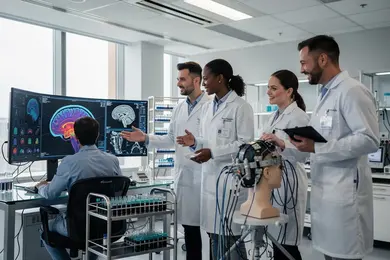
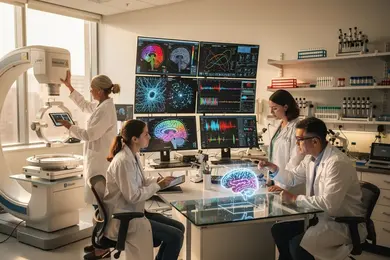
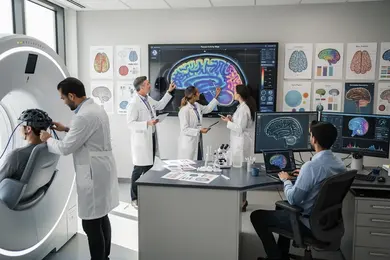
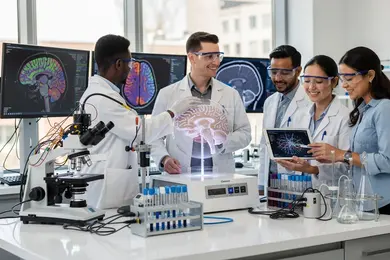
2027 First Neuroscience Roles for Science-Driven Professionals Seeking Stability

Co-Founder and Chief Data Scientist
Securing an entry-level role in neuroscience often clashes with the unpredictability of program admissions and the need for flexible scheduling amid professional or personal obligations. Nearly 45% of graduate students now enroll part-time or via online platforms, according to the National Center for Education Statistics, signaling a sizable shift toward accessible formats that accommodate diverse learners.
This growing trend matters because rigid full-time programs can block timely entry into positions where hands-on experience is essential. As workforce demand in neuroscience expands unevenly by specialization, selecting the right educational pathway becomes a strategic decision. This article examines practical first role options and training modalities to help science-driven professionals align timing, stability, and employability effectively.
Key Things You Should Know
- Federal data reveal a 14% growth in neuroscience technician roles by 2030, yet only 35% of graduates secure these positions within two years, indicating strong credential competition and employer preference for advanced lab experience.
- Industry surveys from 2024 show 62% of principal investigators prioritize interdisciplinary skills over pure neuroscience knowledge, forcing candidates into costly additional certifications, delaying workforce entry by an average of 18 months.
- Public university tuition hikes averaging 7% annually since 2023 disproportionately affect mid-career switchers pursuing neuroscience, creating a cost-access barrier that often shifts employment outcomes toward clinical rather than research roles.
What are the best entry-level neuroscience roles that offer stability for science-driven professionals?
Entry-level neuroscience jobs with job security largely center on roles that blend technical skill with operational stability, but each position comes with distinct tradeoffs demanding strategic selection. Research assistants, anchored by a 94.3% employment rate among neuroscience bachelor's graduates, command practical expertise in data collection, neuroimaging, and statistical software use. These roles require adaptability across varied research projects, cultivating foundational scientific rigor yet necessitating ongoing learning.
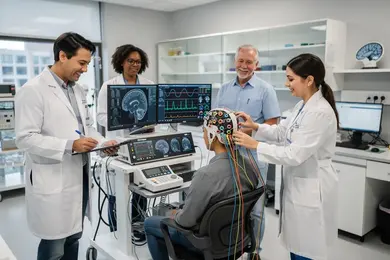
Clinical trial coordinators, often positioned in hospitals or biotech firms, prioritize regulatory compliance and patient coordination, offering stability through institutional frameworks but demanding exceptional organizational skills. Lab technician positions offer consistent demand in neurodiagnostic settings such as EEG or EMG, typically requiring certification rather than advanced degrees. This path tends to favor steady employment over fast-track career progression, appealing for those valuing stable early career neuroscience positions for science professionals.
Meanwhile, industry data analyst roles focusing on neuroscience datasets emphasize quantitative aptitude and programming fluency (Python or R) but can be volatile amid economic fluctuations, underscoring the need for continual technical skill enhancement. Each early career neuroscience role balances immediate job security against longer-term agility. Prospective entrants should weigh these dynamics against personal learning capacity and career priorities. For those aiming to pivot or upskill, exploring an ms data science online can complement neuroscience expertise, expanding opportunities in data-driven research environments.
What education and skills do you need to qualify for your first neuroscience job?
Entry-level neuroscience jobs generally require a bachelor's degree in neuroscience or a closely related field such as biology or psychology. Employers seek candidates with foundational expertise in neuroanatomy, cellular neurobiology, and cognitive neuroscience, coupled with hands-on competencies in laboratory techniques like neuroimaging, electrophysiology, and statistical data analysis via tools such as SPSS or Python.
Practical experience garnered through undergraduate research internships or cooperative programs significantly boosts employability by demonstrating the ability to independently design experiments and analyze neural data-a key factor in first neuroscience roles qualifications and skills. The educational requirements for entry level neuroscience jobs reflect a pragmatic focus on quantitative analysis, experimental design, and effective technical communication.
In tech-centric roles, coding proficiency supports neural data modeling and machine learning applications that are increasingly important in neuroinformatics and brain-computer interface development. Students face a strategic decision when weighing immediate employment after a bachelor's degree against extended training through master's or PhD programs.
Entry-level positions after a bachelor's provide faster workforce access but at lower initial compensation. Advanced degrees increase eligibility for specialized research or clinical neuroscience positions, with neuroscience majors reporting a median salary near $141,586 and lifetime earnings surpassing $5.6 million, highlighting the substantial financial upside of graduate education.
In practice, a demonstrated portfolio of lab skills, coding projects, and published research can outweigh generalized academic credentials alone. Active networking and participation in scientific conferences are critical in competitive neuroscience hubs. For students evaluating specialized paths, examining related offerings such as online animal science programs may also inform interdisciplinary opportunities aligned with evolving workforce demands.
Which neuroscience degrees and certificates lead most directly to stable early-career roles?
Neuroscience degrees with direct career pathways in North America often hinge on practical laboratory experience and data analysis skills, rather than theoretical knowledge alone. Bachelor's and master's degrees in neuroscience, biology with neuroscience emphases, psychology, or biomedical sciences frequently lead to stable entry-level roles such as research technician, neuroimaging specialist, or clinical study coordinator. Employers consistently prioritize candidates demonstrating hands-on proficiency with software like MATLAB or Python and real-world lab internships.
Certified neuroscience programs for stable entry-level positions typically augment core degrees with focused training in neuroinformatics, cognitive neuroscience techniques, or neurotechnology. For example, graduates holding a bachelor's degree combined with certificates in neuroimaging are well positioned to secure hospital research roles involving MRI and EEG data interpretation. Conversely, master's degrees with research thesis components often open doors to advanced roles requiring independent project management and grant writing, such as clinical trial coordinators or research associates.
Pharmaceutical and medical device employers generally require at least a bachelor's degree plus relevant lab internships for entry-level hires. Early-career salaries reflect this, with wages increasing markedly above $70,000 for those with master's credentials, aligning with data from sources like the U.S. Bureau of Labor Statistics and Zippia's 2025 report.
Students should note tradeoffs: those relying exclusively on online certificates without integrated research experience face competitive disadvantages. Pursuing degrees that emphasize internship and lab-based learning better secures long-term employment prospects beyond transient technician roles. For those weighing cost factors involved in advanced education, resources such as the average cost of MLIS degree US offer comparative financial context in related fields.
How do online neuroscience and related programs compare with campus options for career preparation?
Online neuroscience degree programs vs campus programs for career readiness present a significant divide in practical training and employer expectations. Candidates targeting data scientist roles tied to neuroscience must show applied proficiency in neuroimaging, experimental design, and coding-skills predominantly honed through campus-based labs, research assistantships, and team projects.
Online offerings tend to rely on virtual simulations that cannot fully substitute for hands-on experience with neurophysiological equipment or collaborative research, critical for scientific accuracy and workforce integration. This difference extends to networking and internship opportunities. Campus neuroscience programs commonly connect students with on-site research institutes and industry partnerships that drive job placement.
Online learners often need to independently secure local internships or research roles, which may be constrained by geography or existing professional networks. Such disparities affect readiness and long-term career trajectories. Employment data highlights real consequences: neuroscience-related data scientist roles are projected to grow by 36%, with a median wage of $112,590, emphasizing demand for neuroinformatics and computational neuroscience competencies rooted in lab-based problem solving.
For those weighing a comparison of online and traditional neuroscience education for job preparation, the tradeoff lies between convenience and foundational experiential learning. Those prioritizing schedule flexibility or skill supplementation may consider online paths, but strategic career pivots require assessing these limitations carefully. For additional context on comparable fields, see psychology online programs.
What core courses and lab experiences prepare you for applied neuroscience positions?
Programs targeting applied neuroscience careers must balance deep biological knowledge with quantitative proficiency to meet real employer expectations in both clinical and research environments. Rigid coursework in cellular and molecular neuroscience, neuroanatomy, and neurophysiology forms the foundation crucial for roles such as clinical neurotechnologist or behavioral health analyst.
Yet, candidates gain a decisive edge by integrating this with hands-on labs in electrophysiology, neuroimaging (fMRI, EEG), and computational modeling that reflect daily analytical demands. Quantitative skills-spanning biostatistics, data analytics, and programming in Python or R-play a pivotal role in handling complex neurological datasets.
This directly correlates with employer preferences for data-driven decision-making in fields like behavioral and mental health counseling, where projected 19% job growth and median wages near $59,190 validate the strategic value of such competencies. Internships and practicums embedded within programs offer critical exposure to healthcare settings and applied research. These experiences confront candidates with ethical challenges and collaborative workflows typical in operational neuroscience roles, smoothing the transition from theory to practice.
Candidates overly focused on theoretical knowledge risk underdeveloped interpersonal skills and constrained adaptability, both highly prized in today's applied neuroscience job market. Prospective students should emphasize programs that feature comprehensive lab rotations and real-world clinical integration over exclusively theory-heavy tracks, as effective applied neuroscience careers require navigating both scientific rigor and interpersonal complexities under operational pressures.
What are typical admission requirements and timelines for neuroscience-focused degree and post-bacc programs?
Admission to neuroscience-focused degree and post-baccalaureate programs demands more than academic credentials. Applicants must hold a bachelor's degree in STEM fields and demonstrate proficiency in biology, chemistry, and psychology, typically maintaining GPAs above 3.0. Post-baccalaureate certificates aimed at career changers emphasize recent academic performance and relevant experience, often attracting those with research or clinical backgrounds. GRE submissions remain optional in many 2026 cycles but may be required by research-intensive or doctoral pathways.
Application windows align with fall semester starts, usually between September and January, though some post-bacc programs allow mid-year entry within 3-6 months of application. Additional admission components often include interviews or recommendation letters assessing analytical skills and lab experience. The choice between extended degree pathways and expedited post-bacc options hinges on career goals and time-to-employment priorities.
For candidates targeting communication roles in neuroscience, such as scientific writing, formal degrees provide foundational knowledge but practical communication skills and industry insight hold equal weight. Scientific writers in neuroscience earn a median salary of $91,670 with projected job growth of 4%, according to ASU Online citing BLS 2024 data. Post-bacc programs combined with internships in writing or publishing offer a faster route to marketable skills compared to lengthier doctoral studies.
Prospective students should also evaluate programs based on access to research assistantships or clinical placements, as hands-on experience remains a vital employer expectation. Early coordination with program advisors can smooth transitions, reduce delays, and provide clarity on realistic career timelines.
How much do entry-level neuroscience professionals typically earn, and what affects starting salary?
Entry-level salaries in neuroscience vary widely and hinge on education, technical skills, employer sector, and location. Candidates with a bachelor's degree often qualify for technician or assistant roles, typically earning between $50,000 and $80,000 yearly, but specific roles like neuroimaging technicians report a median wage near $78,980 with steady job growth projections. More specialized certifications or master's degrees increase eligibility for roles such as research coordinators or clinical technicians, usually paired with higher salaries.
A practical decision factor is geographic market differences: a neuroimaging-trained graduate in Boston's biomedical hub might start near $80,000, whereas those in less concentrated markets could see entry wages closer to $55,000. Evaluating these figures requires considering cost-of-living disparities alongside salary offers to understand real income benefits.
Meeting employer expectations means blending lab skills, data management, and regulatory knowledge. Networking and targeted certifications expedite entry into better-paying positions but require balancing time and financial investment against expected salary gains.
What is the job outlook for entry-level neuroscience roles in clinical, research, and industry settings?
Entry points in neuroscience across clinical, research, and industry sectors reveal essential tradeoffs between compensation, job security, and skill requirements. For instance, clinical laboratory technologists typically earn a median annual wage of $61,890 with a stable 5% job growth forecast through 2024, reflecting consistent demand driven by medical diagnostics and research advancements. However, these roles require certifications and hands-on lab experience, limiting access for those without such credentials.
Research positions emphasize specialized technical skills like neuroimaging and data analysis. While initial salaries may lag behind clinical roles, professionals with strong quantitative and programming abilities often experience faster career progression. Still, funding instability in academic and government labs introduces contract-based employment risks that candidates must carefully assess.
Industry roles, including pharmaceutical and neurotechnology companies, offer higher earning potential but demand graduate education and targeted internships. These positions suit individuals prepared for extended training and competitive entry.
Key considerations for prospective neuroscience entrants include:
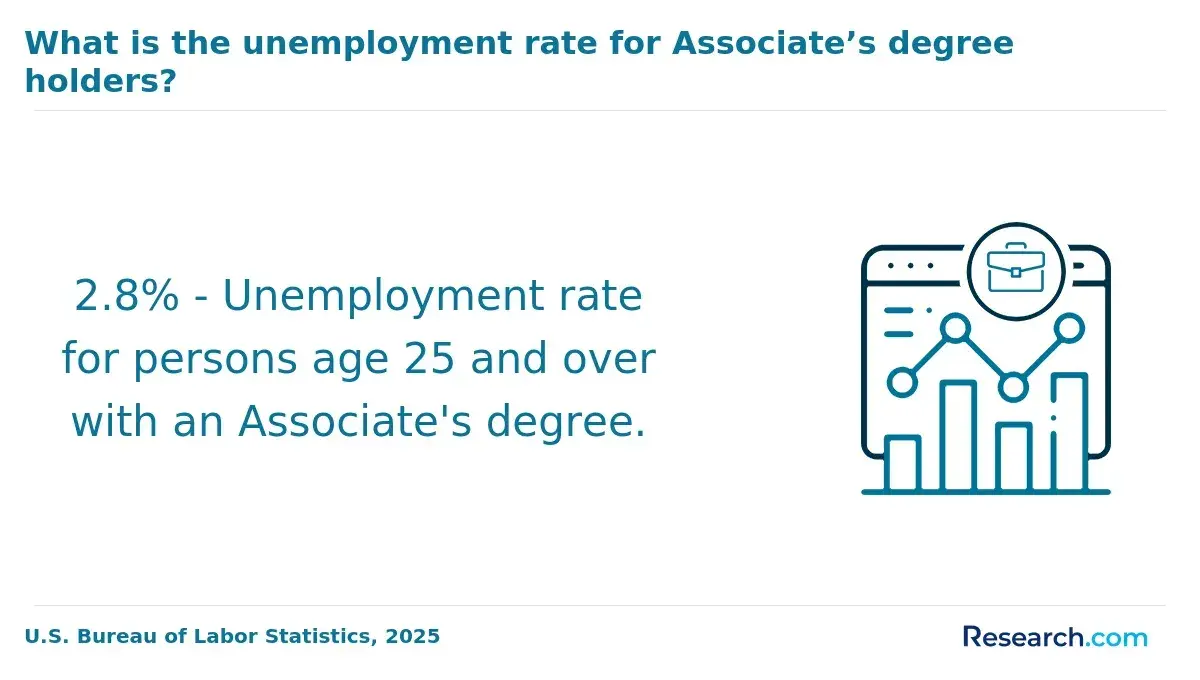
- Choosing between accessible clinical pathways with associate degrees and certifications versus more uncertain, advanced research and industry careers.
- Balancing immediate income needs against longer-term professional growth and educational investments.
- Understanding that certification programs lead to reliable technician work, whereas advanced degrees open doors to leadership and innovation roles but with greater market volatility.
Strategic educational decisions grounded in workforce realities and personal risk tolerance significantly affect career trajectories in neuroscience.
Are any licenses or certifications required for common early-career neuroscience positions in the U.S.?
Licensing and certification requirements in neuroscience hinge on the career's clinical versus research focus, shaping the educational investment and career trajectory. Entry-level research roles such as laboratory assistants or data analysts generally demand only a bachelor's degree in neuroscience or related STEM fields without mandatory certification. Conversely, clinical roles that involve patient interaction require advanced credentials with significant time and training commitments.
A licensed neuropsychologist must hold a doctorate in clinical neuropsychology, complete a supervised postdoctoral fellowship, and pass the Examination for Professional Practice in Psychology (EPPP). This licensing enables autonomous clinical practice and correlates with a projected job growth of 12.51% and a median salary around $94,340, according to BigFuture by College Board. However, this path entails years of specialized training and credentialing costs, limiting flexibility.
Alternative certifications, such as Certified Clinical Neuroscience Specialist credentials, may enhance employability but are not universally required. Employers in research settings often prioritize practical experience, technical skills, and publication records over licensure, making accredited graduate programs and internships critical for those targeting academia or pharmaceutical research.
Understanding these distinctions helps avoid over-investing in unnecessary credentials. For example, neuroscientists aiming for academic cognitive research benefit more from building robust research portfolios than pursuing clinical licenses, whereas neurorehabilitation clinicians face stricter certification demands that impact salary and job security.
How can you evaluate and choose an accredited, reputable neuroscience or neuro-adjacent program?
Pursuing a neuroscience or neuro-adjacent program without verifying recognized institutional accreditation-such as regional accreditation recognized by CHEA or the U.S. Department of Education-risks loss of federal financial aid and limited employer or graduate school acceptance. Accreditation alone isn't enough; programs must provide rigorous training in areas like biostatistics, neuroimaging, and data analysis, skills that employers actively seek.
For instance, AbbVie's Manager, Statistics (Neuroscience) roles command salaries between $152,000 and $197,000, signaling high demand for quantitative expertise within neuroscience careers. Beyond curriculum, affiliations with major research hospitals or government initiatives such as the National Institutes of Health or the BRAIN Initiative enhance access to technology and internships crucial for workforce readiness.
Top-tier programs typically report over 85% employment or further study rates in neuroscience-related fields within one year after graduation. Conversely, programs lacking transparent graduate outcomes warrant caution. Students must balance practical considerations: full-time, on-site programs offer essential lab exposure for experimental neuroscience, whereas part-time or online options better suit professionals targeting neuro-adjacent fields like data science or pharmaceutical regulation.
Evaluate whether programs provide neuroscience-focused career services connecting students to biotech, pharma, or clinical research sectors. Scrutinize program costs alongside median entry salaries and industry benchmarks to assess return on investment and sustainable career transitions.
Other Things You Should Know About Neuroscience
Entry-level neuroscience jobs, especially in academic or clinical research environments, typically involve intense workloads with long hours and tight deadlines, which can strain work-life balance. Employers often expect adaptability to fluctuating demands, making positions less sustainable without strong time management and boundary-setting skills. Evaluating workload expectations during job search and favoring roles within organizations known for structured schedules improves long-term retention chances.
Specialized neuroscience roles may offer depth but limit flexibility if industry changes or funding cuts occur, while broader neuro-adjacent positions provide diverse options but may deliver lower initial stability or salary. Professionals seeking long-term stability should weigh the risk of narrow expertise against the potential volatility of specialized niches. Prioritizing roles that balance foundational neuroscience knowledge with cross-functional skills enhances adaptability and career resilience.
While program reputation signals foundational quality, employer hiring patterns often favor graduates from institutions with strong industry or clinical partnerships. Programs with robust networks provide better access to internships, mentorships, and job placements directly impacting early career stability. When possible, choose graduate programs based on the strength of their professional connections and placement support rather than reputation alone.
References
- Neuroscience Degree Salary https://www.collegehelpguide.com/degrees/neuroscience/salary/
- Careers That Require a Certification or License https://www.columbiasouthern.edu/blog/blog-articles/2025/february/jobs-careers-require-license-certification/
- How to become a Neurologist - Eight steps after high school to licensing in Neurology https://www.umhs-sk.org/blog/how-to-become-a-neurologist
- How To Become A Neuropsychologist | Psychology.org https://www.psychology.org/careers/neuropsychologist/
- Blog | Training opportunities for business professionals https://www.acnlabs.co.uk/blog/training-opportunities-for-business-professionals
- Neuroscience Jobs (with Salaries) - SEEK https://au.seek.com/neuroscience-jobs
- Accreditation and Certification https://the-sbcn.net/accreditation-and-certification
- Discover the Best Neuroscience Summer Program for Aspiring Students https://pioneeracademics.com/news/research-opportunties-for-high-school-students-research-programs/
- UCNS Updates: New Training Programs, New Accreditation Council Chair https://www.aan.com/news/ucns-new-training-programs
- Applied Neuroscience: The New Frontier of Future Professions https://www.bescgraduate.eu/applied-neuroscience