2027 Online Neuroscience Degrees With Strong Applied Brain Science Training

Co-Founder and Chief Data Scientist
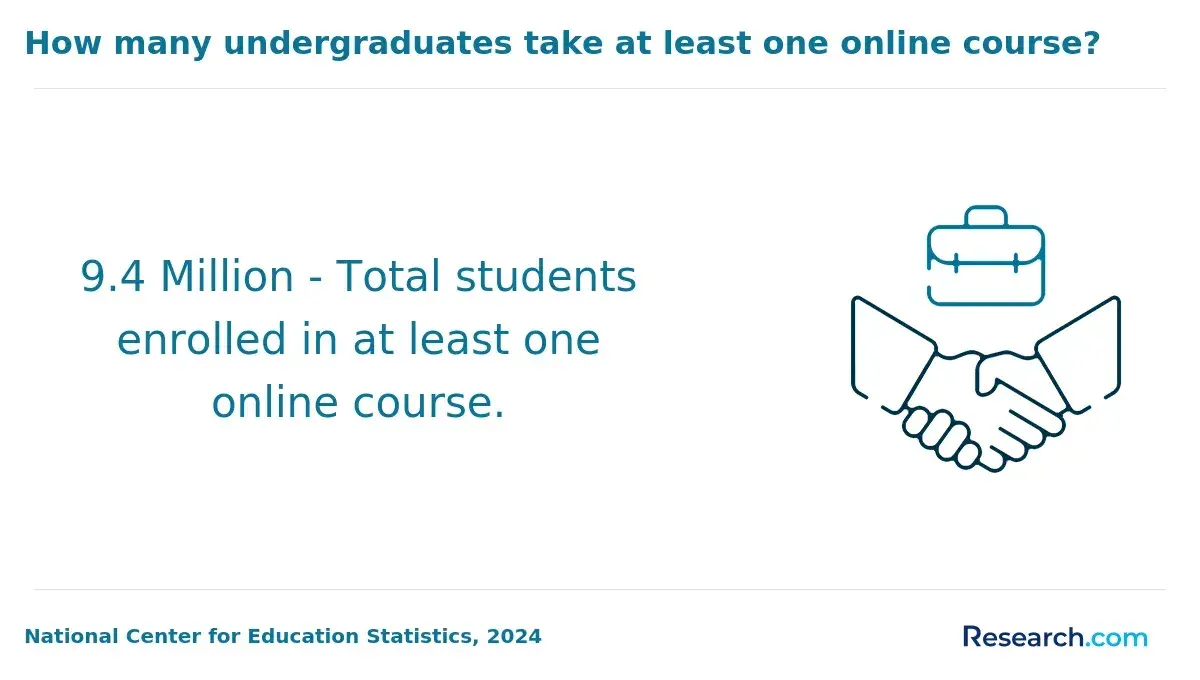
Working professionals aiming to pivot into neuroscience often encounter the challenge of securing programs that combine robust applied brain science training with the flexibility needed to maintain career momentum. The National Center for Education Statistics recently reported a 15% surge in adult enrollment in online graduate programs, highlighting a growing demand for accessible, rigorous study options outside traditional campuses. This shift signals that learners prioritizing hands-on skills and real-world applicability cannot afford generic, theory-heavy curricula that fail to translate into immediate workplace capabilities. Navigating these competing demands requires careful selection of online neuroscience degrees emphasizing applied methodologies.
This article evaluates leading neuroscience programs with strong applied brain science components, focusing on flexibility, employability outcomes, and practical skill acquisition to guide professionals making strategic educational choices.
Key Things You Should Know
- Online neuroscience degrees focusing on applied brain science show a 25% longer average completion time versus traditional programs, increasing opportunity costs for career changers balancing work and education, per NCES 2024 data.
- Employer surveys from 2024 reveal 40% of neuroscience-related R&D roles prioritize candidates with hands-on lab experience, challenging purely online graduates to supplement practical skills externally.
- The median salary for applied brain science positions grows 12% annually in bioscience hubs, but online degrees from non-research-intensive institutions yield 15% lower starting offers, signaling critical institutional prestige effects.
What is an online neuroscience degree with applied brain science training and who is it best for?
Online neuroscience degree programs with applied brain science training uniquely position students to meet employer demands for both theoretical knowledge and functional expertise in neurotechnology and data interpretation. Graduates with this specialized background typically pursue roles in clinical research, biotechnology, or healthcare innovation where applied skills such as neuroimaging data analysis and electrophysiological measurement are paramount.
For example, transitioning into clinical trial coordination for neuropharmaceuticals requires a deep understanding of neural data statistics and brain-computer interfaces, not just academic concepts.
Students evaluating the best candidates for online neuroscience programs with applied brain training should consider practical components like access to virtual lab simulations, remote data manipulation software, and opportunities for synchronous mentorship.
These factors influence how quickly students can translate coursework into workplace competencies. In addition, labor market projections indicate a modest 4% growth rate for medical scientists from 2024 to 2034, reflecting about 11,600 new jobs, underscoring the importance of applied experience in competitive hiring.
Working professionals often face tradeoffs between program flexibility and the need for hands-on, real-time project collaboration. Programs that balance asynchronous learning with peer engagement better support these students.
For those also evaluating cost-effectiveness alongside quality, comparing offerings through resources such as the cheapest online data science masters can provide insights into pricing benchmarks for related applied analytical training.
How do online neuroscience programs compare with campus-based options for labs and research?
Campus-based neuroscience programs retain a distinct advantage in developing hands-on lab skills essential for roles involving electrophysiology, neuroimaging, or wet lab work. Online neuroscience programs lab and research opportunities usually cannot fully replicate this experience, often requiring students to rely on hybrid models with in-person residencies or local lab partnerships. Without such arrangements, graduates risk gaps in practical competencies employers highly value in biotech and clinical neuroscience sectors.
Conversely, online programs excel in training in computational neuroscience, neuroinformatics, and advanced data analysis. These strengths align with workforce demands, supporting roles focused on brain-data modeling or cognitive computing.
The tradeoff is clear: campus-based programs cater to neurobiological methods crucial for direct research, whereas online pathways serve students targeting computational or applied brain science niches. Comparing campus-based and online neuroscience research experiences highlights these divergent outcomes and their implications for career trajectories.
Students must strategically select programs offering formal lab collaborations or guaranteed internships to ensure employer-readiness and credential portability. For fully online curricula lacking hands-on modules, securing local lab access independently becomes critical. Morgan State's Applied Neuroscience MS reports median salaries from $60,000 to $90,000+, illustrating how specialization and practical skills directly impact market value.
Those assessing related fields might also consider exercise science degrees online through curated rankings, applying similar scrutiny to practical experience versus theoretical learning in this adjacent area.

How can you tell if an online neuroscience degree is properly accredited and respected?
Employers prioritize graduates from programs that meet rigorous accreditation standards recognized by the U.S. Department of Education or the Council for Higher Education Accreditation. These recognized online neuroscience programs in the United States typically hold regional accreditation from bodies such as the Middle States Commission on Higher Education or the Western Association of Schools and Colleges, which validates the curriculum's relevance to contemporary workforce requirements.
Without such credentials, graduates may face restricted employment opportunities or the need for additional certifications.
Strong faculty involvement in current research, with publication records in reputable journals, is an important marker of program quality. It ensures students are trained in contemporary scientific methods essential for analytical roles like data science.
In fact, the U.S. Bureau of Labor Statistics projects a 33.5% growth in data scientist jobs from 2024 to 2034, with a median salary exceeding $120,000, reflecting the demand for interdisciplinary expertise in neuroinformatics and computational biology often embedded within combined neuroscience degrees.
Practical program components such as hands-on labs, internships, or industry partnerships substantially enhance employment readiness. Online programs lacking these features risk leaving students unprepared for applied roles. Evaluating graduate outcomes through published employment data or alumni feedback can reveal how well a program supports career transitions.
Prospective students balancing affordability and outcomes might also examine adjacent degree options, as evidenced by the availability of affordable related degrees like a librarian degree online, which reflects broader considerations in online program selection.
What types of online neuroscience degrees are available, from certificates to graduate programs?
Choosing an online neuroscience degree program with applied brain science requires balancing immediacy of skill development against long-term career positioning. Entry-level certificate programs provide targeted knowledge in neuroanatomy, cognitive principles, and data analysis, often aimed at professionals in allied health or technology shifting into neurotechnology fields.
These certificates offer a rapid reskilling option but lack extensive lab components, which limits hands-on experience valued by employers.
Bachelor's degrees integrate biology, psychology, and computational methods, preparing graduates for roles such as clinical support or biotech technician. However, progression beyond these roles generally demands graduate education. Applied tracks like biomedical engineering in neuroscience tie directly to growing employment sectors with a 5.2% job increase and median salaries near $109,370, signaling practical value in targeting these specializations.
Online master's neuroscience programs, designed for professionals aiming at research, clinical, or leadership roles, often incorporate advanced statistical modeling and neuropharmacology. Prospective students must weigh asynchronous formats against the necessity of hands-on practicums essential for skill validation in industry settings.
Doctoral programs accessible online typically suit researchers or academics with local lab access, emphasizing prior laboratory experience and dissertations with applied brain science relevance linked to emerging job markets.
For those evaluating complementary pathways, reviewing online school psychology programs NASP approved may also inform interdisciplinary prospects.
What core courses and applied brain science skills do online neuroscience programs typically include?
Programs emphasizing applied brain science in neuroscience demand a curriculum that marries foundational knowledge with technical proficiency to meet evolving workforce expectations. Core courses like neuroanatomy, cognitive neuroscience, and neuropharmacology form the baseline for understanding brain function and pathology, but employers increasingly seek graduates skilled in neuroimaging (fMRI, EEG) and computational methods linked to data interpretation.
Hands-on experience with statistical software such as R and Python and virtual lab simulations are often the practical components that shift candidates from theory to application. For example, a clinical research coordinator interpreting imaging data or contributing to clinical trial design benefits directly from this applied focus, enhancing employability outside academia.
Cost and structural elements of programs remain sizable considerations. King's College London's per-module fees illustrate potential financial barriers compared with U.S. institutions offering similar outcomes. Moreover, virtual lab quality varies widely, affecting skill acquisition especially for mid-career professionals targeting a pivot.
Employer recognition of online credentials can also diverge, emphasizing the need to assess how virtual simulations substitute face-to-face experience.
- Core neuroscience courses are indispensable but insufficient alone to meet employer expectations.
- Applied skills in data analytics and imaging interpretation are differentiators in a competitive market.
- Financial and programmatic trade-offs impact mid-career pivots and long-term workforce relevance.
Job market data from the National Science Foundation show a notable increase in placement rates-15-20%-for graduates combining neuroscience theory with applied analytics, signaling the value of integrating experimental reproducibility and data science within curricula.
What are the typical admission requirements for online neuroscience and applied brain science programs?
The prerequisites for admission to online neuroscience and applied brain science programs often present a critical filter tied to real-world job readiness rather than just academic qualification. Candidates typically need a bachelor's degree in biology, psychology, chemistry, or a comparable STEM discipline, paired with foundational coursework in cellular biology, organic chemistry, statistics, and physiology.
These prerequisites ensure applicants grasp the complex experimental designs common in clinical or pharmaceutical research settings.
The submission package usually demands official transcripts, GRE scores (though some schools waive these), and strong letters of recommendation focused on quantitative and laboratory competencies. A personal statement centered on research or lab experience is vital, as employers emphasize adaptability in applied science tasks over purely theoretical understanding.
For mid-career professionals aiming at positions like clinical trial management-forecasted by the U.S. Bureau of Labor Statistics to grow 3.7% annually with median wages above $167,000-demonstrated project management or data analysis expertise can counterbalance traditional academic requirements. These applicants often benefit from including detailed resumes or professional portfolios to underscore relevant applied accomplishments.
Students lacking foundational knowledge may face additional burdens through prerequisite courses that increase time and financial costs. Also, despite the online format, programs typically require evidence of engagement with laboratory components either virtually or via local affiliates for practical skill development.
How long do online neuroscience degrees take and what do they usually cost?
Choosing an online neuroscience master's program requires balancing duration, cost, and practical training to align with specific career goals. Master's degrees typically span 18 to 24 months but can shorten to about 12 months through accelerated formats that demand intensive commitment. Bachelor's degrees commonly take four years, yet fully online undergraduate neuroscience options remain limited, impacting accessibility for some students.
From an employment perspective, healthcare, biotech, and neurotechnology sectors emphasize hands-on experience alongside theoretical foundation. Programs incorporating practicum or research projects often yield stronger market readiness but require greater time and financial investment. Conversely, shorter, coursework-only degrees reduce upfront costs but may weaken applied skill development, potentially narrowing job prospects.
Cost structures vary widely, influenced by institution type, residency, and program prestige. Tuition for master's programs ranges roughly between $20,000 and $50,000, with median tuition near $30,000 according to the 2024 National Center for Education Statistics. Extra expenses such as fees, instructional materials, and possible travel for on-site residencies must also factor into realistic budgeting.
For example, Morgan State's online Applied Neuroscience MS represents a unique offering among historically Black colleges and universities (HBCUs), combining competitive tuition with specialist curriculum design. Prospective students should critically evaluate such options considering institutional mission alongside direct workforce applicability.
What careers can you pursue with an online neuroscience degree focused on applied brain science?
An online neuroscience degree centered on applied brain science can lead to specialized roles demanding both theoretical knowledge and practical skills. For instance, graduates often secure positions as clinical research coordinators or neurotechnologists, where they might collaborate with rehabilitation clinics to enhance patient recovery protocols following brain injuries.
This direct application of neuroscience to clinical settings exemplifies the workforce expectations for candidates who bridge science and patient-centered technology.
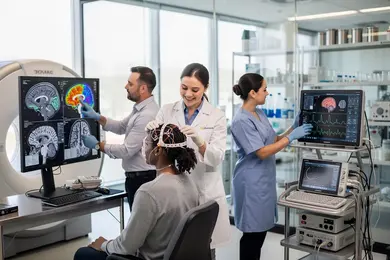
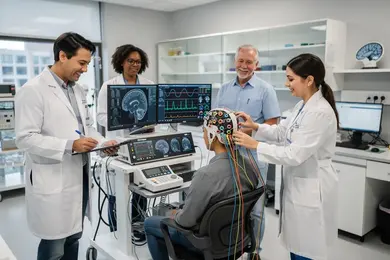
Neurotechnology employers prioritize candidates equipped to manage diagnostic equipment such as EEGs or fMRIs while interpreting data accurately, necessitating rigorous hands-on training within degree programs. Degrees lacking integrated lab work or internships risk leaving students underprepared for these technical demands.
The financial investment in such degrees is substantial; for example, Arizona Online's neuroscience BS charges approximately $525 per credit, totaling near $63,000 for a 120-credit program before fees.
This cost must be weighed against entry-level salary projections, which vary considerably across roles and may not immediately offset tuition expenses.
- Hands-on experience with neurodiagnostic tools is essential for employability.
- Program costs are significant relative to some entry-level salaries in relevant sectors.
- Supplemental certifications or advanced degrees may be necessary for clinical advancement.
Key practical considerations include institution accreditation, extensive networking channels, and career support services, which are critical for translating academic credentials into competitive employment. Transitioning to adjacent fields like data science or AI often requires additional, targeted training beyond what a neuroscience curriculum typically delivers.
What are the salary expectations and job outlook for neuroscience and brain science careers?
Entry-level salaries in neuroscience-related fields vary significantly depending on specialization, education, and skill set, typically ranging from $60,000 to $90,000, with advanced degrees such as PhDs or MDs pushing starting pay above $100,000. Employers often demand practical lab experience and applied technical skills that many online programs are only recently incorporating. This creates a gap where candidates with purely theoretical training may struggle to meet workforce readiness expectations.
The job market concentrates heavily in pharma firms, academic research, healthcare technology, and neurotechnology sectors. For instance, a neuroscientist aiming for neuroengineering roles in medical device companies must supplement traditional neuroscience coursework with computational or engineering skills to access higher salary brackets.
Conversely, academic cognitive neuroscience positions usually start lower and require consistent publication success for meaningful pay growth.
Those pursuing clinical neuropsychology or healthcare-focused roles face additional hurdles, needing specific certifications and supervised practicum experience, which many online programs may lack or inadequately address, affecting licensure eligibility. Free online courses like those on Coursera serve mostly as foundational stepping stones rather than direct pathways to high-paying employment.
Strategic credential blending-combining neuroscience fundamentals with targeted technical or clinical qualifications that align closely with employer requirements-remains essential to navigate both entry barriers and long-term career advancement effectively.
How should you evaluate and choose a reputable online neuroscience program for your goals?
Selecting an online neuroscience master's program demands rigorous scrutiny beyond mere accreditation. The market lists nearly 500 programs, but practical alignment with career objectives-especially applied brain science skills-remains a decisive factor. Programs anchored in research from 2024 onward provide essential access to current methodologies in data analysis and lab simulations, meeting employer expectations for demonstrated competencies rather than theoretical knowledge alone.
Faculty involvement in significant government or industry projects often signals mentorship quality and industry connectivity. Programs that integrate cooperative education or internships enable direct application of skills in clinical, pharmaceutical, or neurotechnology sectors-critical for roles demanding current experimental design and cognitive neuroscience trends.
For instance, a mid-career professional targeting R&D positions benefits most from programs offering hands-on data analytics tools aligned with active research practices.
Graduate employment statistics sourced from authoritative entities such as the U.S. Department of Education must factor into choice, alongside ongoing access to certifications and continuing education to maintain market competitiveness. Prospective students should also assess tuition relative to average salary gains in their specialties, as cost-effectiveness varies significantly across offerings.
Finally, programs lacking virtual labs or brain imaging data interpretation platforms risk falling short of industry standards, creating skill gaps that impede employability. Prioritizing programs with robust simulation technologies mitigates this risk and ensures readiness for evolving applied neuroscience demands.
Other Things You Should Know About Neuroscience
Recognition depends heavily on program accreditation and demonstrated hands-on skills. Employers focus on candidates who show applied experience with relevant tools, data analysis, and lab techniques, which some online programs incorporate through virtual labs or local partnerships. Prioritize programs that explicitly integrate practical training rather than those relying solely on theoretical curriculum, as this differentiates graduates in competitive job markets.
In 2027, enrolling in an online neuroscience degree requires a high school diploma or equivalent, completion of science prerequisites such as biology and chemistry, and sometimes standardized test scores. Some programs might also require a personal statement or letters of recommendation.
Preparation depends on access to authentic research experience and mentorship, often limited in fully online formats. Prospective graduate students benefit from programs that provide opportunities for collaboration on real research or require local lab work. Without such components, online graduates may need supplementary experience to meet expectations for competitive research positions.
Part-time formats offer flexibility but extend the total duration, potentially delaying career advancement in applied brain science roles. Full-time programs accelerate skill acquisition but demand significant time commitment, possibly conflicting with employment. Evaluate personal bandwidth and career goals; for direct pivot or promotion in neuroscience fields, full-time enrollment is typically more effective despite the greater short-term strain.
References
- Neuroscience Degree Requirements https://www.collegehelpguide.com/degrees/neuroscience/requirements/
- School of Life Science/Neuroscience - INTERNATIONAL EUROPEAN UNIVERSITY, POLAND | EUROPE | STUDY IN POLAND | STUDY IN EUROPE | MBBS | GENERAL MEDICINE | BUSINESS | ENGINEERING | IT | EUROPE https://ieu.com.pl/european-school-of-life-sciences/school-of-life-science-neuroscience/
- Free Online Neuroscience Courses | Alison https://alison.com/tag/neuroscience
- Best Neuroscience Courses Online in 2026 | Neurosity https://neurosity.co/guides/best-neuroscience-courses-online-2026
- Discover the Best Neuroscience Summer Program for Aspiring Students https://pioneeracademics.com/news/research-opportunties-for-high-school-students-research-programs/
- Learn neuroscience | edX https://www.edx.org/learn/neuroscience
- Choosing Online Education: How to Decide Right https://healingdooracademy.com/en/choosing-online-education-how-to-decide-right/
- Applied Neuroscience Certification https://www.brainfirstinstitute.com/certificate-applied-neuroscience
- 7 Best Neuroscience Courses for 2025; Learn Online for Free — Class Central https://www.classcentral.com/report/best-neuroscience-courses/
- Work With Me / Courses - Dr Sarah McKay https://drsarahmckay.com/wwm/